
Getting a type 2 diabetes diagnosis can feel like the ground has shifted beneath you. One moment you’re in a doctor’s office for a routine check. The next, you’re walking out with a condition that feels enormous, permanent, and bewildering.
Here is the most important thing to know right now: type 2 diabetes is manageable. With the right steps in the first few weeks, you can bring your blood sugar under control, lower your risk of complications, and — for many people — significantly improve the condition. Some achieve full remission. Our guide on whether type 2 diabetes can be reversed covers what that evidence actually looks like.
But you have to know where to start.

This is your step-by-step plan for the first 30 days.

1. Understand What Type 2 Diabetes Actually Means
Type 2 diabetes develops when your body becomes resistant to insulin — the hormone that moves glucose from your bloodstream into your cells for energy. As insulin resistance increases, blood glucose stays elevated. Left unmanaged over years, high blood glucose damages blood vessels and nerves, affecting the heart, kidneys, eyes, and feet.
The critical thing to understand: this damage does not happen overnight. You have time. The actions you take now directly affect how your condition progresses.
Two numbers to know from day one:
- HbA1c — A measure of your average blood glucose over the past 2–3 months. A type 2 diabetes diagnosis means your HbA1c was at or above 48 mmol/mol (6.5%). For most adults, the target is below 53 mmol/mol (7.0%).
- Fasting blood glucose — Your glucose level after an 8-hour fast. The American Diabetes Association (ADA) target for most adults is 80–130 mg/dL (4.4–7.2 mmol/L) before meals. See our guide on fasting blood sugar vs HbA1c for how these two measures differ.
Note: These are general targets.
Your doctor will set personalised goals based on your age, medications, and health history.
2. Schedule These Three Appointments in Your First Week
The single most important thing you can do immediately after diagnosis is not to overhaul your diet, buy supplements, or scour the internet at 2am. It is to get the right people on your side.

The three appointments to book this week:
- Your GP or endocrinologist — Your primary diabetes management doctor. If you were diagnosed by a GP (family doctor) and diabetes is not their specialty, ask for a referral to an endocrinologist. This appointment sets your treatment plan: medication, monitoring schedule, and targets specific to you.
- A Certified Diabetes Care and Education Specialist (CDCES) — Previously called a diabetes educator. Research consistently shows that people who work with a CDCES achieve significantly better blood sugar control. Your doctor can refer you; in the US, Medicare and most insurers cover these sessions; in the UK, the NHS offers structured education programmes.
- A Registered Dietitian (RD) with diabetes experience — Not a nutritionist. Not a general wellness coach. A dietitian builds a meal plan around your specific HbA1c, medications, and lifestyle rather than handing you a generic “eat less sugar” leaflet.
Questions to bring to your first appointment:
- What is my HbA1c right now, and what target should I be aiming for?
- Do I need to monitor my blood sugar at home? If so, how often?
- What medication are you recommending, and why?
- What lifestyle change would have the biggest impact for me specifically?
- Are there structured diabetes education programmes available to me?
3. Know Your Full Health Numbers — Not Just Blood Sugar
Blood glucose is the headline number, but managing type 2 diabetes well means tracking a wider picture. At your first appointment, ask for a full metabolic panel.
| Metric | ADA Target (most adults) | Why It Matters |
|---|---|---|
| HbA1c | Below 53 mmol/mol (7.0%) | Long-term glucose control indicator |
| Fasting blood glucose | 80–130 mg/dL (4.4–7.2 mmol/L) | Daily glucose baseline |
| Blood pressure | Below 130/80 mmHg | Cardiovascular protection |
| LDL cholesterol | Below 100 mg/dL (2.6 mmol/L) | Reduces heart disease risk |
| Kidney function (eGFR) | 60 mL/min or above | Detects early kidney changes |
| Triglycerides | Below 150 mg/dL | Cardiovascular risk marker |
Source: American Diabetes Association Standards of Care in Diabetes, 2024. Targets vary by individual — your doctor will set yours.
These numbers together tell the full story of your metabolic health. All of them are manageable. All of them matter.

4. Home Blood Sugar Monitoring: Do You Actually Need It?
Not every person with type 2 diabetes needs to test their blood sugar at home — but for newly diagnosed people, home monitoring is often one of the most useful tools available. It shows you exactly how specific foods, exercise, stress, and sleep affect your glucose levels in real time.
Who benefits most from home testing:
- Anyone starting a new medication, to track how it’s working
- People making significant dietary changes who want feedback
- Anyone who wants to understand which foods spike their glucose — and by how much
Two main options if your doctor recommends home monitoring:
Traditional fingerstick monitors require a small lancet prick and give a single reading. Meters typically cost £10–£30 / $15–$40, with ongoing test strip costs. In the UK, test strips are available on NHS prescription for many patients; coverage in the US varies by insurer.
Continuous Glucose Monitors (CGMs) — small sensors worn on the upper arm or abdomen that track glucose levels every few minutes throughout the day and night. Products like the Abbott FreeStyle Libre and Dexcom G7 provide a far richer picture than fingerstick readings alone. Availability and cost vary by country and insurance plan.
Ask your diabetes team which approach fits your treatment plan.

When to test (fingerstick monitor):
- Before each main meal
- 2 hours after your largest meal
- Before bed
- Whenever you have symptoms of low or high blood sugar (dizziness, shakiness, unusual thirst)
Note: If you take insulin or medications that can cause hypoglycaemia, your testing schedule will be more frequent — follow your team’s specific guidance.
5. The Food Changes That Actually Move the Needle
Nutrition advice for newly diagnosed people tends toward two unhelpful extremes: either too vague (“eat healthy”) or too extreme (“eliminate all carbohydrates”). Here is what the evidence actually supports. For a full breakdown by food group, see our complete diabetes food list.
What to reduce
- Refined carbohydrates — white bread, white rice, white pasta, pastries, most breakfast cereals. These digest rapidly and spike blood glucose quickly.
- Sugary drinks — sodas, fruit juices, sports drinks, energy drinks, sweetened coffees. A standard can of regular cola contains around 39g of sugar. Replace with water, sparkling water, or unsweetened tea.
- Ultra-processed foods — fast food, packaged snacks, processed meats. High in refined carbs, unhealthy fats, and sodium; low in fibre and nutrients.
- Saturated fats — found in fatty cuts of meat, full-fat dairy, and fried foods. People with type 2 diabetes have elevated cardiovascular risk; saturated fat increases LDL cholesterol.
What to eat more of
- Non-starchy vegetables — broccoli, spinach, courgette, peppers, cauliflower, leafy greens. These have minimal impact on blood glucose and are packed with fibre and nutrients. Fill at least half your plate.
- Lean protein — chicken, turkey, fish, eggs, legumes, tofu, tempeh. Protein has very little impact on blood glucose and keeps you full longer.
- Fibre — oats, beans, lentils, berries, nuts, seeds. Soluble fibre slows glucose absorption after meals and has been shown in multiple trials to improve HbA1c.
- Healthy fats — olive oil, avocado, nuts, seeds, oily fish. Beneficial for cardiovascular health, which is a priority with type 2 diabetes. See our guide on the best cooking oils for heart health and diabetes.
The Plate Method: the simplest framework that works
For every main meal:
- Half the plate: non-starchy vegetables
- Quarter of the plate: lean protein
- Quarter of the plate: complex carbohydrates (brown rice, sweet potato, wholegrains, legumes)
- Small portion of healthy fat on the side (olive oil dressing, a few nuts, half an avocado)
No calorie counting required. No obsessive tracking. The plate structure naturally limits refined carbs and increases fibre and protein in a proportion most people find sustainable. For specific food ideas, see our guide to the best foods for blood sugar control.

Note: The “best” diet for type 2 diabetes is the one you can sustain.
Mediterranean, low-carbohydrate, and low-calorie approaches have the most research support, but all can be effective. See our comparison of low-carb vs low-fat diets for diabetes to understand the trade-offs. A registered dietitian helps you find the approach that fits your preferences, not just your glucose numbers.
Glycaemic Index: useful but not the whole picture
The Glycaemic Index (GI) ranks foods by how quickly they raise blood glucose. Low-GI foods (GI below 55) include most vegetables, legumes, oats, and many fruits. However, total carbohydrate amount matters as much as GI — a low-GI food eaten in large quantities still raises glucose significantly. Use GI as one tool, not a rulebook.

6. Exercise: How Much, How Soon, and What Type
Physical activity makes muscle cells more sensitive to insulin, which means your body can process glucose more effectively with less insulin. This is one of the most powerful — and consistently underused — tools for managing type 2 diabetes.
The evidence-based target (ADA 2024):
- 150 minutes per week of moderate-intensity aerobic activity (brisk walking, cycling, swimming, dancing)
- Resistance training on at least 2 days per week (weight training, resistance bands, bodyweight exercises such as squats and push-ups)
- Breaking up long periods of sitting by moving briefly every 30 minutes
What counts as moderate intensity? You can hold a conversation but cannot comfortably sing. Heart rate is elevated, breathing is slightly deeper than normal.
If you have been largely sedentary: Do not try to start at 150 minutes. Begin with a 10-minute walk after dinner. Research published in Diabetes Care (Colberg et al., 2016) found that short walks after meals meaningfully lower post-meal blood glucose in people with type 2 diabetes. Build duration gradually over weeks.

Exercise and medications: If you take insulin or sulfonylureas (medications that stimulate insulin production), exercise can cause your blood glucose to drop. Discuss blood glucose monitoring before and after exercise with your diabetes team before starting a new routine.
Note: Exercise in type 2 diabetes is safe and strongly recommended.
Brief activity — even a 10-minute walk — has measurable glucose-lowering effects.
7. Medications — What You Might Be Prescribed
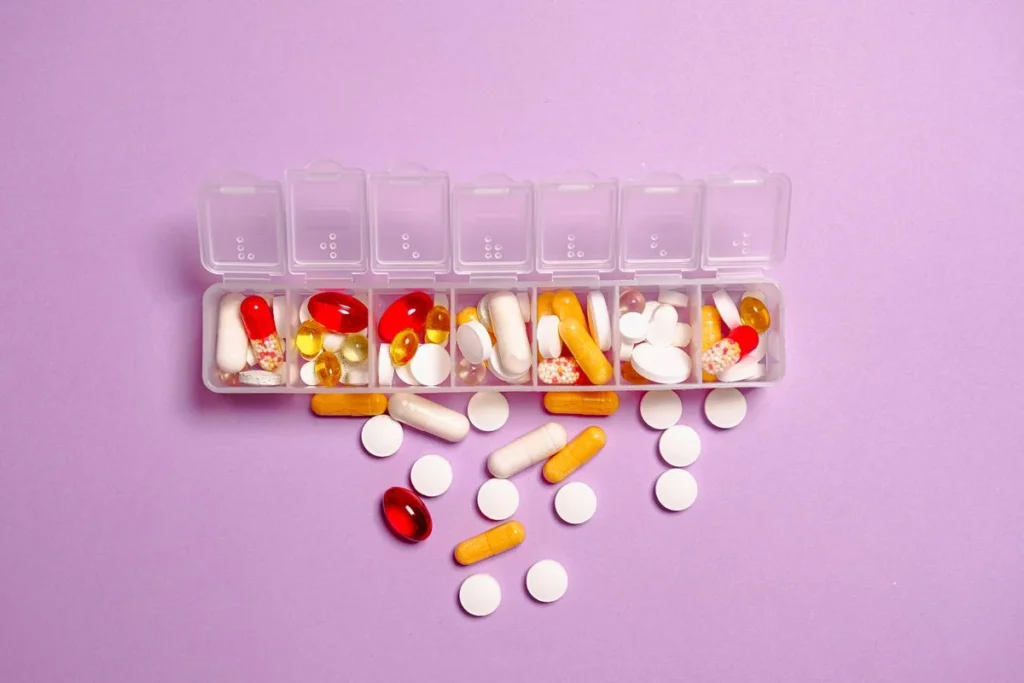
Most people newly diagnosed with type 2 diabetes are prescribed medication alongside lifestyle changes. This does not mean lifestyle “didn’t work” — medication reduces short-term risk while you build the habits that sustain long-term control.
Metformin is the most widely prescribed first-line medication for type 2 diabetes globally. It works by reducing glucose production in the liver and improving how cells respond to insulin. It does not cause weight gain and is generally well tolerated.
Common side effects include nausea, diarrhoea, and stomach discomfort — particularly in the first few weeks. Taking metformin with food reduces side effects significantly. An extended-release version causes fewer gastrointestinal symptoms for most people.
Other medication classes your doctor may discuss:
| Drug Class | Examples | How They Work |
|---|---|---|
| SGLT2 inhibitors | Dapagliflozin, Empagliflozin | Remove excess glucose via kidneys; proven heart and kidney protection |
| GLP-1 receptor agonists | Semaglutide (Ozempic), Liraglutide | Improve insulin release, reduce appetite, promote weight loss |
| DPP-4 inhibitors | Sitagliptin, Saxagliptin | Boost insulin release after meals; weight-neutral |
| Sulfonylureas | Gliclazide, Glipizide | Stimulate insulin production (older class; can cause weight gain) |
| Insulin | Various types | Replaces or supplements the body’s insulin; for more advanced cases |
Source: ADA Standards of Care in Diabetes 2024; NICE Guidelines (UK).
Caution: Never adjust or stop diabetes medications without speaking to your doctor first.
Abrupt changes can cause blood glucose to spike or drop dangerously.
8. The Emotional Side of a New Diagnosis
A type 2 diabetes diagnosis changes things, and it is entirely normal to feel overwhelmed, anxious, angry, or even grief-stricken over the version of your life that felt simpler.
Diabetes distress — the specific emotional burden of managing a chronic condition — affects an estimated 33 to 50 percent of people with diabetes at any given time, according to research in Diabetes Care (Polonsky et al., 2005; Fisher et al., 2010). It is distinct from clinical depression, though they often overlap, and it directly affects how well people manage their blood sugar.
Signs of diabetes distress include: feeling like diabetes is taking over your life, constant worry about complications, frustration with the demands of management, feeling burned out before you have even started.
What genuinely helps:
- Structured diabetes education — programmes like DESMOND (UK), DSMES (US), or equivalent courses are designed specifically for newly diagnosed people. Multiple studies link completion with improved HbA1c, reduced distress, and better self-management.
- Peer support — online communities (Diabetes UK forum, ADA Community, Reddit’s r/diabetes_t2), local support groups through your diabetes team. People who have navigated the same diagnosis are an invaluable resource.
- Talking to your GP or a counsellor — if anxiety, low mood, or diabetes distress is persistent. These are legitimate medical concerns, not weakness.
You are not required to handle this alone. Seeking support is a management strategy, not a failure.

9. Your Annual Health Checks — Do Not Skip These
Type 2 diabetes can damage organ systems silently, before symptoms appear. Regular health checks catch problems while they are still early and easily addressed.
Checks you should receive at least annually:
- HbA1c — At least every 6 months; every 3 months if targets are not being met
- Blood pressure — At every appointment
- Full lipid panel — Cholesterol and triglycerides
- Kidney function — Urine albumin-to-creatinine ratio plus eGFR
- Eye examination — Diabetic retinopathy screening
- Foot examination — For nerve damage (neuropathy) and circulation issues
- Dental check — Gum disease is more common and more severe with diabetes
In the UK: Your GP surgery or diabetes team is required to offer these as part of your annual diabetes review. If you are not being offered all of them, request them.
In the US: Most insurance plans, including Medicare Part B, cover preventive diabetes care visits including these checks. Keep a log of which tests you have had and when, and follow up on any gaps.

10. Can Type 2 Diabetes Be Reversed?
This is the question most newly diagnosed people are asking. The answer is more hopeful than many expect. Our full guide on whether type 2 diabetes can be reversed covers all the evidence in detail.
Yes — type 2 diabetes can go into remission. Remission means HbA1c drops below 48 mmol/mol (6.5%) and stays there for at least three months without diabetes medication.
The strongest evidence comes from the DiRECT trial (Lean et al., The Lancet, 2018): 46% of participants achieved remission at 12 months through an intensive low-calorie dietary intervention (around 850 kcal per day for 3–5 months, followed by structured support). At two years, 36% maintained remission. The critical finding: 86% of people who lost 15kg or more achieved remission.
Even without full remission, weight loss of 5–10% of body weight significantly improves blood glucose, blood pressure, and cholesterol in most people.
Remission is more likely when:

- Diagnosed within the last 5 years
- Significant weight loss is achieved
- HbA1c at diagnosis was not extremely elevated
Note: Remission does not mean the condition has permanently gone.
Regular monitoring of blood glucose targets should continue even in remission. Discuss any changes to medication only with your doctor.
Your 30-Day Action Plan
Days 1–7
- Schedule appointment with GP or endocrinologist
- Book an appointment with a Certified Diabetes Care and Education Specialist (CDCES)
- Book an appointment with a Registered Dietitian with diabetes experience
- Get your full panel: HbA1c, blood pressure, cholesterol, kidney function
- Ask about home blood glucose monitoring — whether you need it and what type
- Cut out sugary drinks entirely; replace with water, sparkling water, or unsweetened tea
- Start 10-minute walks after main meals
Week 2
- Begin replacing refined carbohydrates with lower-GI alternatives (brown rice, sweet potato, wholegrains, legumes)
- Attend your first diabetes educator appointment
- Start a simple food diary — even just photographing meals on your phone
- Confirm your medication plan; note any side effects and report them to your doctor
Weeks 3–4
- Attend your dietitian appointment; receive a personalised meal plan
- Increase activity towards 20–30 minutes on most days
- Join a diabetes support group or online community
- If monitoring blood glucose at home, look for patterns — which foods spike, which times of day are highest
By End of Month 1: What to Aim For
- Activity at least 3 days per week, 30+ minutes per session
- Sugary drinks eliminated or near-zero
- Consistent meal structure: same rough times each day, plate method as default
- Follow-up appointment booked with your diabetes team
- Basic understanding of your HbA1c target and current reading
Frequently Asked Questions
Will I have to take diabetes medication forever?
Not necessarily. Some people reduce or stop medication as blood sugar improves through lifestyle changes and weight loss. This should only happen under medical supervision — never stop or adjust medication without speaking to your doctor first. See our metformin guide for a full breakdown of how the most common first-line medication works.
Is type 2 diabetes genetic?
There is a genetic component. Having a first-degree relative with type 2 diabetes roughly doubles your risk (ADA). But genetics is only part of the picture. Diet, physical activity, and weight are the primary drivers — and the primary levers for change.
What is the best diet for type 2 diabetes?
The most evidence-supported approaches include the Mediterranean diet, low-carbohydrate diets, and low-calorie diets for weight loss. The best diet is the one you can sustain long-term. Our diabetes food list gives you a tiered breakdown of what to eat freely, eat mindfully, and limit sharply. A registered dietitian will help you find the approach that fits your preferences, not just your blood glucose numbers.
Can I drink alcohol with type 2 diabetes?
Moderate consumption — up to 1 drink per day for women, 2 for men — is generally acceptable for most people with type 2 diabetes. However, some medications (particularly insulin and sulfonylureas) increase the risk of hypoglycaemia with alcohol. Always discuss with your diabetes team before changing your habits.
How often will I need to see my doctor?
In the first year after diagnosis, most people see their diabetes team every 3 months to track progress and adjust the treatment plan. Once stable, twice-yearly check-ins are typical, with annual full reviews.
This article is for informational purposes and does not constitute medical advice. Always work with your healthcare team for guidance specific to your diagnosis, medications, and health history.



