If you have been told your blood sugar is higher than it should be — or if you carry extra weight around your middle, feel tired after meals, or struggle to lose weight despite trying — insulin resistance may be part of the picture. The good news is that what you eat is one of the most powerful levers you have. The right dietary choices can meaningfully improve how well your body responds to insulin, reduce your risk of progressing to type 2 diabetes, and help you feel more energetic day to day.
This guide explains how insulin resistance works, which foods help and which make it worse, how to choose a diet pattern that fits your life, and a practical 7-day meal plan you can start this week.
Medical disclaimer: This article is for informational purposes only and does not constitute medical advice. Always consult a qualified healthcare professional before making changes to your diet, exercise routine, or medication.
What Is Insulin Resistance — and Why Does It Matter?
Insulin is a hormone produced by the pancreas. Its job is to act like a key, unlocking your cells so they can absorb glucose (sugar) from your bloodstream and use it for energy.
When your cells stop responding properly to that key — meaning insulin is present but the cells are less sensitive to it — your pancreas compensates by producing more insulin. For a while, this works. But over time, blood glucose levels can remain elevated, raising the risk of prediabetes, type 2 diabetes, cardiovascular disease, and metabolic syndrome.
According to the National Institute of Diabetes and Digestive and Kidney Diseases (NIDDK), insulin resistance is strongly linked to excess weight — especially fat stored around the abdomen and organs — as well as physical inactivity, genetics, and certain medications.
The encouraging finding from research: lifestyle changes, particularly dietary changes, can significantly improve insulin sensitivity even without major weight loss.

How Food Affects Insulin Resistance
Not all foods affect your blood sugar the same way. The key variables are:
- Glycaemic impact: Foods high in refined carbohydrates and added sugars cause rapid, sharp rises in blood glucose, which triggers large insulin responses. Repeated large insulin surges are associated with decreasing cell sensitivity over time.
- Fibre content: Dietary fibre slows the digestion and absorption of carbohydrates, blunting blood sugar spikes. A 2020 review in Nutrients found that diets rich in dietary fibre were associated with improved insulin sensitivity.
- Fat quality: Saturated fats — found in fatty meats, full-fat dairy, and fried foods — are associated with higher insulin resistance in observational studies. In contrast, unsaturated fats (olive oil, avocado, nuts, oily fish) are associated with better insulin sensitivity.
- Protein: Lean protein slows gastric emptying, which moderates the rate at which glucose enters the bloodstream after a meal.
Understanding these mechanisms helps you go beyond a simple “eat this, not that” list and make better food decisions in real-world situations.
Best Foods for an Insulin Resistance Diet
The American Diabetes Association (ADA) does not prescribe a single diet for insulin resistance. Its 2019 consensus report on nutrition therapy states that the overall pattern of eating matters more than any single food or macronutrient. The following food groups form the core of an insulin-friendly eating pattern. For a comprehensive reference, our diabetes food list covers what to eat and avoid in detail.
Non-Starchy Vegetables
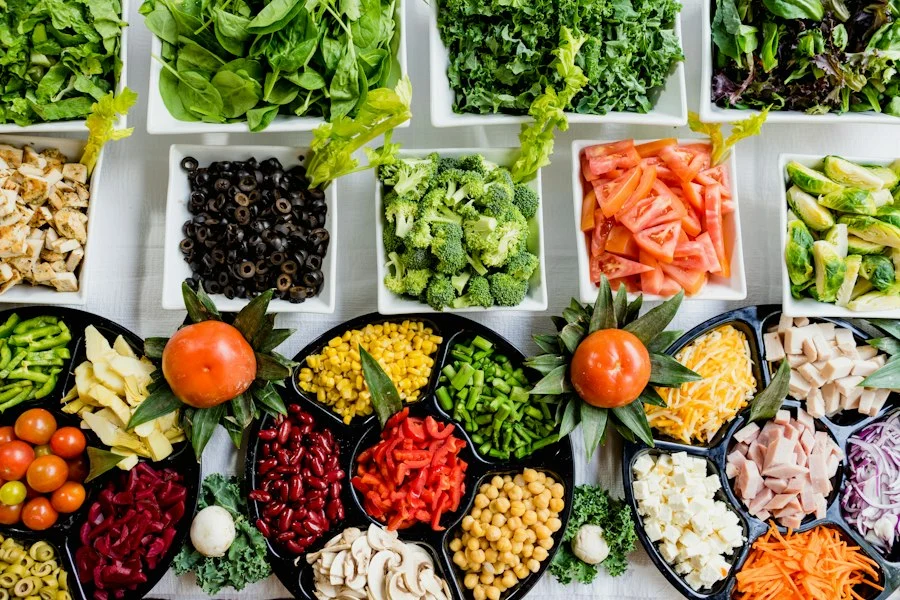
Non-starchy vegetables are high in fibre, vitamins, and minerals and have minimal impact on blood sugar. Aim to fill half your plate with them at each meal.
Good choices include:
- Leafy greens: spinach, kale, rocket, Swiss chard
- Cruciferous vegetables: broccoli, cauliflower, Brussels sprouts, cabbage
- Other non-starchy options: asparagus, courgette (zucchini), peppers, green beans, tomatoes, cucumber, celery
Whole Grains
Whole grains retain the bran, germ, and endosperm of the grain, meaning they contain more fibre and digest more slowly than refined grains. The NIDDK recommends that whole grains make up at least half of your daily grain intake.
Good choices include:
- Oats (especially rolled or steel-cut)
- Quinoa
- Brown rice
- Barley
- Buckwheat
- Whole-grain bread and pasta
Lean Proteins
Protein has a minimal direct effect on blood glucose and helps you feel full. Choose lean sources to avoid excess saturated fat.
Good choices include:
- Poultry: chicken and turkey (without skin)
- Fish and seafood (see below)
- Eggs
- Plant-based proteins: tofu, tempeh, edamame, lentils, beans
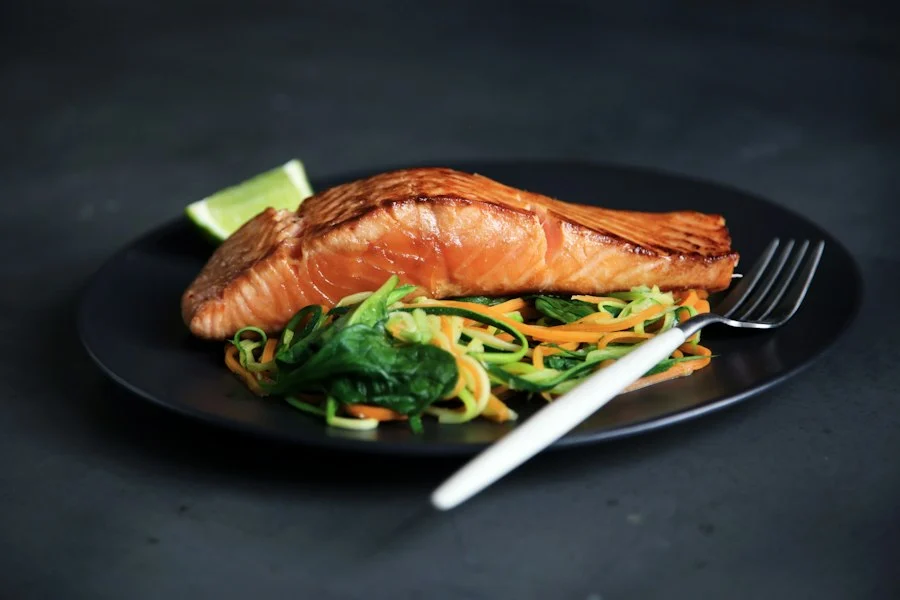
Oily Fish
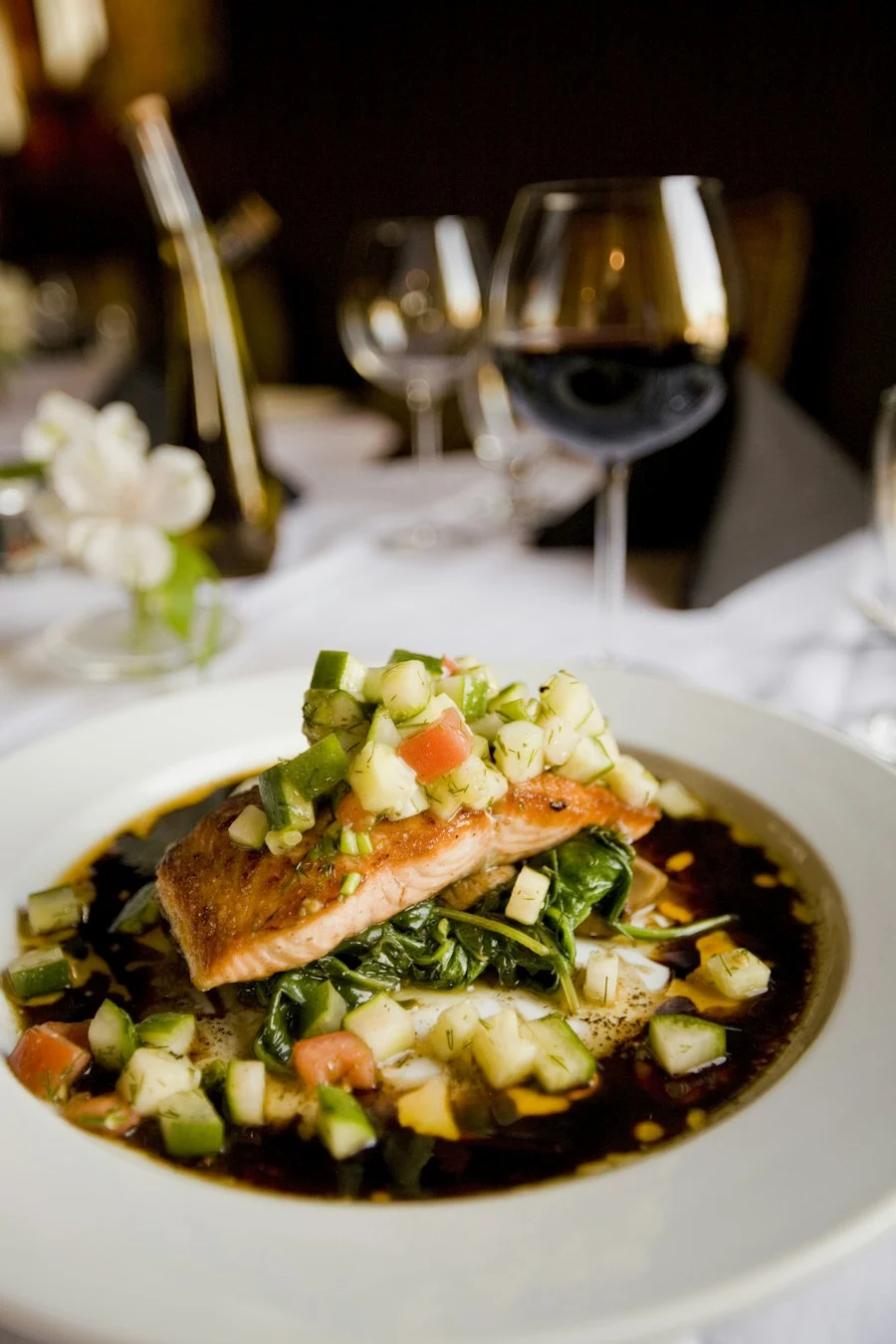
Oily fish is rich in omega-3 fatty acids (EPA and DHA). A meta-analysis published on NCBI found evidence that omega-3 fatty acids may reduce insulin resistance in certain populations. Oily fish also supports heart health — important because people with insulin resistance have an elevated cardiovascular risk.
Good choices include salmon, mackerel, sardines, herring, trout, and albacore tuna.
Beans and Legumes
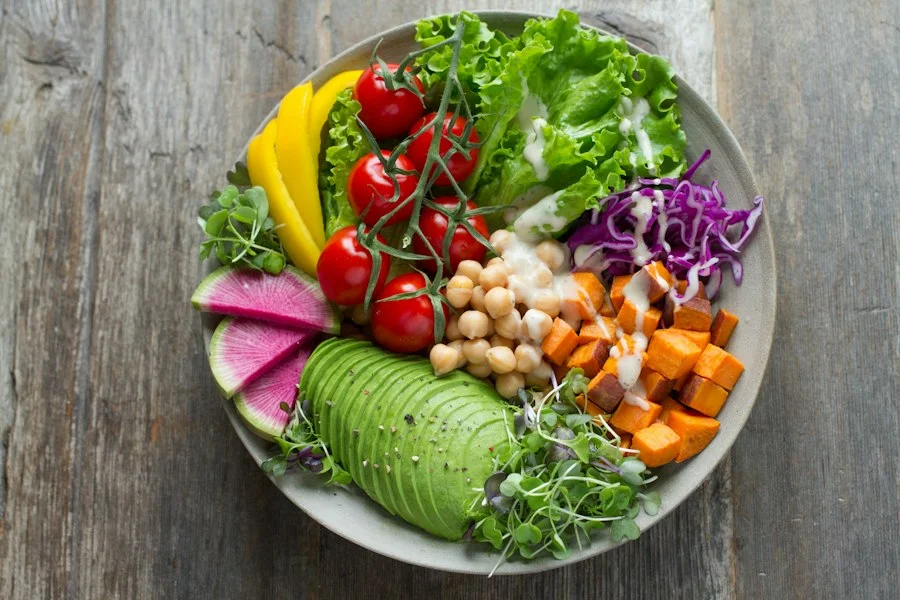
Beans and legumes are among the highest-fibre foods available and also provide plant-based protein. They have a low glycaemic index and support blood sugar control.
Good choices: lentils (green, red, black), chickpeas, black beans, kidney beans, edamame.
Healthy Fats
Including healthy fats in a meal helps slow digestion and flatten the blood sugar curve, reducing how much insulin your body needs to release at one time.
Good choices include extra-virgin olive oil, avocado, nuts (almonds, walnuts, pistachios), seeds (chia, flaxseed, pumpkin), and natural nut butters in moderation.
Low-Sugar Fruits
Whole fruits provide fibre and micronutrients. Fruits with a lower glycaemic index and higher fibre content cause a more moderate blood sugar response than fruit juices or high-sugar fruits eaten in large amounts.
Good choices: berries (blueberries, strawberries, raspberries), apples and pears (skin on), oranges, grapefruit, cherries, peaches.
Limit fruit juice — removing the fibre concentrates the sugar content.
Foods to Limit or Avoid
Certain foods are likely to worsen insulin resistance by causing repeated large blood sugar spikes or by promoting inflammation.
| Food category | Why it’s problematic | Better swap |
|---|---|---|
| Sugary drinks (soda, juice, sports drinks) | Deliver large glucose loads rapidly with no fibre buffer | Water, sparkling water, unsweetened herbal tea |
| Refined grains (white bread, white rice, regular pasta) | Rapidly digested; cause sharp blood glucose rises | Whole-grain bread, brown rice, quinoa |
| Ultra-processed snacks (biscuits, crisps, candy) | High in sugar, refined starches, and unhealthy fats | Nuts, seeds, fruit with nut butter |
| Saturated-fat-heavy foods (fatty meats, fried food) | Associated with reduced insulin sensitivity | Lean proteins, oily fish, olive oil |
| Alcohol | Disrupts the liver’s glucose regulation | Limit or avoid; water preferred |
| Sweetened breakfast cereals | Often high in added sugar | Rolled oats, unsweetened muesli |
Food Pairing: A Practical Strategy Most Articles Skip
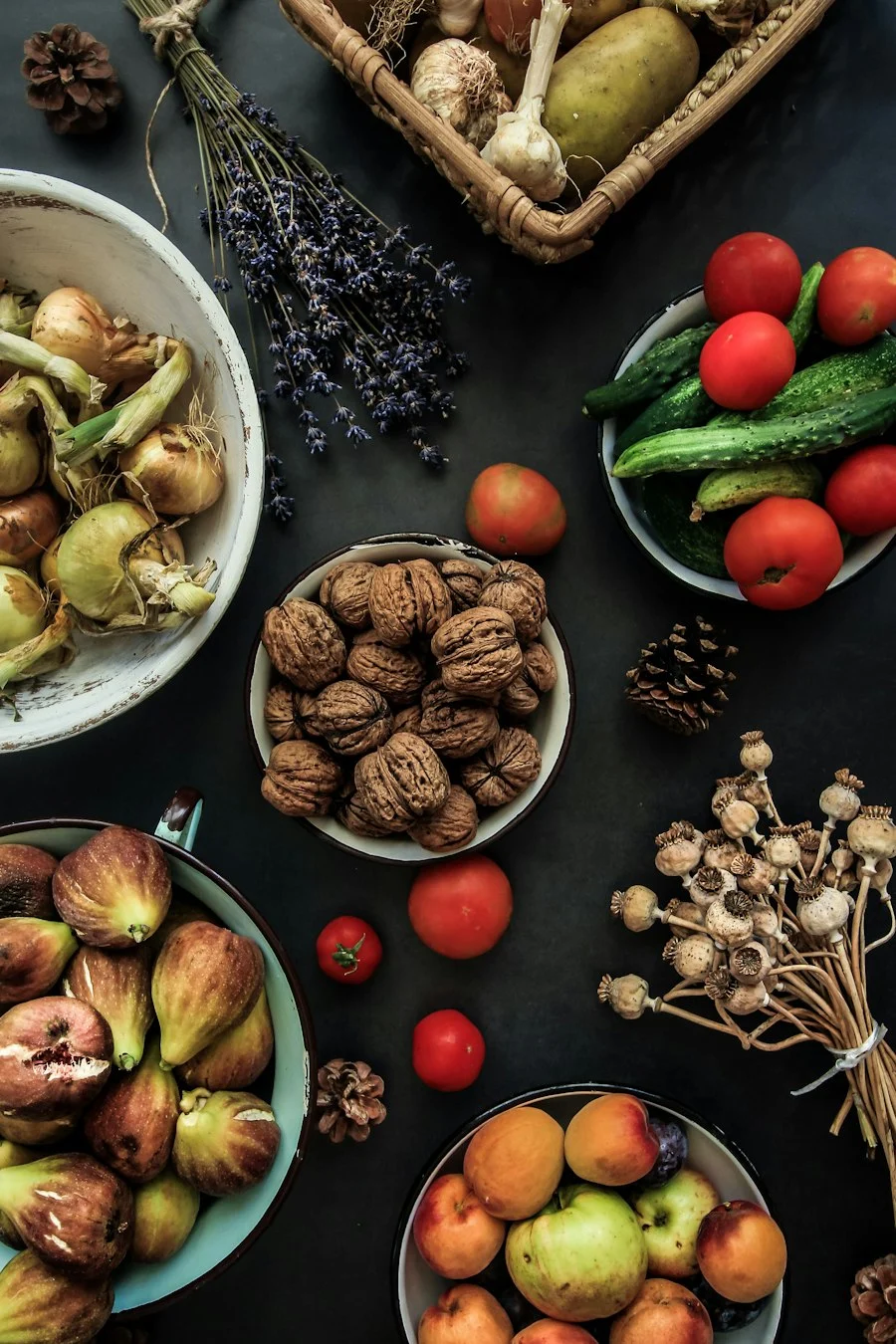
One of the most actionable strategies for managing insulin resistance is pairing carbohydrates with protein, fibre, or fat. This significantly blunts the blood sugar response compared to eating the carbohydrate alone.
Why it works: Fat, protein, and fibre slow gastric emptying — the rate at which food leaves your stomach. When carbohydrates move through your digestive system more slowly, glucose enters your bloodstream gradually rather than all at once, requiring a smaller insulin response.
Practical pairings:
- Apple → eat with a tablespoon of almond butter, not on its own
- Oats → add a scoop of protein powder or two boiled eggs on the side
- Whole-grain toast → top with avocado and an egg rather than jam
- Brown rice → serve alongside lentils and a drizzle of olive oil
- Banana (higher GI) → eat half with a handful of walnuts
This approach means you do not need to eliminate all moderate-GI foods — you need to be thoughtful about how you combine them.
Which Diet Pattern Is Best? A Decision Framework
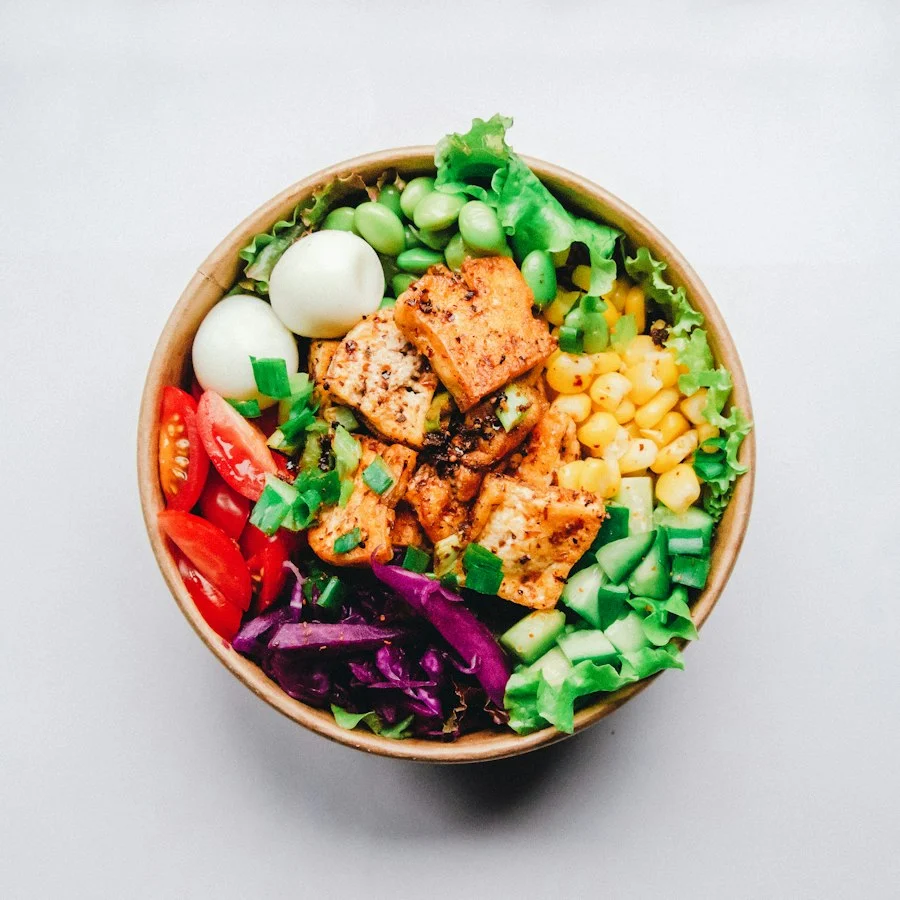
Several overall eating patterns are well-supported by evidence for improving insulin sensitivity. The “best” one is the one you can sustain long-term. If you’re weighing a low-carb versus low-fat approach specifically, our comparison of low-carb vs low-fat diets for diabetes breaks down which works better and for whom.
| Diet pattern | What it emphasises | Evidence for insulin resistance | Best suited for |
|---|---|---|---|
| Mediterranean diet | Olive oil, vegetables, whole grains, fish, legumes | Strong — ADA recommends it for blood glucose management | People who enjoy varied flavours and can cook |
| DASH diet | Low sodium, vegetables, fruits, whole grains, lean protein | Good — also lowers blood pressure (common comorbidity) | People also managing hypertension |
| Low glycaemic index (low-GI) diet | Foods that raise blood sugar slowly | Moderate — mixed results in adults | People who want a structured scoring system |
| Plant-based diet | Legumes, vegetables, whole grains, nuts | Growing evidence; higher fibre is the key mechanism | People open to reducing animal products |
The ADA’s 2019 nutrition consensus concludes that no single pattern is superior across all populations. The Mediterranean diet is the most broadly evidence-supported starting point for most people.
7-Day Insulin Resistance Meal Plan (Starter Guide)
This plan is a practical starting point, not a strict prescription. Portions should be adjusted to your individual calorie needs. Speak to a registered dietitian for a personalised plan.
Day 1
- Breakfast: Steel-cut oats topped with blueberries, a tablespoon of chia seeds, and a small handful of walnuts
- Lunch: Large salad with mixed greens, roasted chickpeas, cucumber, cherry tomatoes, and olive oil dressing
- Dinner: Baked salmon with roasted broccoli and a small serving of quinoa
- Snack: Apple slices with almond butter
Day 2
- Breakfast: Two scrambled eggs with spinach and whole-grain toast spread with avocado
- Lunch: Lentil soup with a side of mixed greens dressed in lemon and olive oil
- Dinner: Grilled chicken breast with steamed green beans and brown rice
- Snack: A small handful of mixed nuts and seeds
Day 3
- Breakfast: Greek yoghurt (plain, full-fat) with raspberries and a tablespoon of flaxseed
- Lunch: Whole-grain wrap with turkey, lettuce, tomato, avocado, and mustard
- Dinner: Sardines on whole-grain toast with a large side salad
- Snack: Celery sticks and hummus
Day 4
- Breakfast: Overnight oats made with unsweetened almond milk, chia seeds, and strawberries
- Lunch: Black bean and roasted vegetable bowl over a small serving of brown rice
- Dinner: Baked mackerel with roasted asparagus and cauliflower
- Snack: A pear and a small handful of pistachios
Day 5
- Breakfast: Two-egg omelette with courgette, peppers, and feta cheese
- Lunch: Large bowl of mixed greens with grilled salmon, avocado, and a lemon-olive oil dressing
- Dinner: Chicken and vegetable stir-fry with a small serving of brown rice
- Snack: Carrot sticks and guacamole
Day 6
- Breakfast: Smoothie made with spinach, half a banana, a tablespoon of almond butter, unsweetened almond milk, and a scoop of plain protein powder
- Lunch: Lentil and roasted sweet potato bowl with olive oil and cumin
- Dinner: Grilled trout with steamed broccoli and quinoa
- Snack: A small handful of almonds and a few squares of dark chocolate (70%+)
Day 7
- Breakfast: Whole-grain toast with smashed avocado, sliced tomato, and two poached eggs
- Lunch: Large salad with roasted chicken, walnuts, apple slices, and balsamic-olive oil dressing
- Dinner: Baked salmon with roasted Brussels sprouts and sweet potato
- Snack: Greek yoghurt (plain) with a few blueberries
Key principles at a glance:
- Half the plate: non-starchy vegetables at every meal
- One quarter: lean protein
- One quarter: whole grains or legumes
- Fat: olive oil as primary cooking fat; add avocado, nuts, or seeds
- Drinks: water, sparkling water, or unsweetened tea and coffee
Beyond Diet: Other Lifestyle Factors That Affect Insulin Sensitivity
Diet is the most directly modifiable factor, but it does not work in isolation.
Exercise: Physical activity increases the muscles’ ability to absorb glucose without needing insulin. Even a 15–20 minute walk after meals has been shown to meaningfully reduce post-meal blood glucose. Combining aerobic exercise (walking, swimming, cycling) with resistance training produces the strongest results for insulin sensitivity. For a full breakdown of diet and exercise strategies ranked by A1c impact, see our guide on how to lower A1c without medication.
Sleep: Poor or insufficient sleep is consistently associated with reduced insulin sensitivity. A single night of sleep deprivation can impair insulin action in healthy adults.
Stress management: Chronic stress elevates cortisol, which raises blood glucose and can worsen insulin resistance. Stress-reduction practices — regular exercise, adequate sleep, and mindfulness — support metabolic health.
Moderate weight loss: The NIDDK notes that losing 5–7% of body weight (for those who are overweight) can significantly improve insulin sensitivity. Steady, sustainable weight loss through a diet you can maintain is more effective long-term than crash dieting.
Medication: If your doctor has prescribed metformin alongside lifestyle changes, our guide on metformin and weight loss explains how the medication supports weight management and what to realistically expect.

When to See a Doctor
Dietary changes can make a meaningful difference, but insulin resistance has medical dimensions that require professional oversight. See your doctor or an endocrinologist if:
- You have been diagnosed with prediabetes, type 2 diabetes, or metabolic syndrome
- Your fasting blood glucose or HbA1c results are outside the normal range
- You have symptoms of high blood sugar: frequent thirst, frequent urination, fatigue, or blurred vision
- You have polycystic ovary syndrome (PCOS), which is frequently associated with insulin resistance
- You are pregnant or planning to become pregnant
- You are taking medications that affect blood sugar (such as steroids or certain antipsychotics)
- You have not seen improvement after 3 months of consistent dietary changes
A registered dietitian can provide personalised advice tailored to your health history, medications, and food preferences.
Frequently Asked Questions
Can insulin resistance be reversed?
Insulin resistance can often be significantly improved — and in some people, returned to normal insulin sensitivity — through consistent lifestyle changes including dietary improvements, increased physical activity, and moderate weight loss. The outcome depends on how far the condition has progressed, individual genetics, and whether type 2 diabetes has already developed. Our guide on whether type 2 diabetes is reversible covers the evidence on full remission and what it takes.
How long does it take to see improvement on an insulin resistance diet?
Research suggests that meaningful improvements in insulin sensitivity can begin within 2–4 weeks of consistent dietary changes, though individual responses vary. Longer-term sustained changes (3–6 months) produce more substantial results.
Is a low-carb diet the best approach for insulin resistance?
Very low-carbohydrate diets can produce short-term improvements in blood glucose and insulin levels. The quality of carbohydrates matters as much as the quantity — high-fibre, low-GI sources such as oats, legumes, and vegetables support insulin sensitivity. Current ADA guidance does not endorse any single macronutrient distribution as universally superior. Speak to your healthcare team before making drastic carbohydrate reductions, especially if you are on medication.
Should I count calories on an insulin resistance diet?
You do not need to count calories to benefit from dietary improvements. Focusing on food quality — more whole foods, less processed food — tends to naturally moderate caloric intake by increasing satiety through fibre and protein. If weight loss is a goal, a registered dietitian can help set appropriate calorie targets for your situation.
Are there foods that immediately lower blood sugar?
No food immediately lowers blood sugar — that is a function of insulin and other hormones. Certain foods consumed regularly support better blood sugar control over time. See our guide on the best foods for blood sugar control for the most evidence-backed choices. After a meal, a short walk (10–20 minutes) is one of the most effective ways to bring blood glucose down naturally.
Summary
An insulin resistance diet is not a rigid prescription — it is a flexible eating pattern built on consistent principles:
- Fill half your plate with non-starchy vegetables at every meal
- Choose whole grains over refined grains to reduce glycaemic spikes
- Prioritise lean proteins and oily fish to moderate blood glucose and support cardiovascular health
- Use healthy fats (olive oil, avocado, nuts) as your primary fat sources
- Limit added sugars, sugary drinks, and ultra-processed foods
- Pair carbohydrates with protein, fibre, or fat to blunt the blood sugar response
- Choose an overall eating pattern you can sustain — Mediterranean, DASH, low-GI, or plant-based
Dietary changes work best as part of a broader lifestyle approach that includes regular physical activity, quality sleep, and stress management. If you have been diagnosed with prediabetes, type 2 diabetes, or a related condition, work with your healthcare team to develop a plan tailored to your situation.
Written by the HealthyWayFit Editorial Team | Reviewed by a Certified Health Coach | Last updated: October 2026
Primary sources: NIDDK, American Diabetes Association, PMC/NCBI peer-reviewed research



