Your blood sugar is sitting too high. Maybe your doctor just flagged it. Maybe you’ve been managing type 2 diabetes for years and want better numbers. Maybe your HbA1c came back in prediabetes range and you’d rather fix it now.
You already know the advice: “eat healthy.” That’s not a plan.
Here’s what’s actually useful: the specific foods with the strongest evidence behind them — and why each one works. Once you understand the mechanism, you can make smarter choices, combine foods effectively, and stop guessing.
This guide covers 15 foods organized by how they lower blood sugar. Some slow glucose absorption. Some improve insulin sensitivity. Some reduce post-meal spikes. Some do all three. Knowing the difference changes how you use them.
This article is for informational purposes only and does not constitute medical advice. Always consult a qualified healthcare professional before making changes to your diet, exercise routine or medication.
How Food Affects Blood Sugar
Blood sugar rises after you eat carbohydrates. How high it rises depends on three things:
- How fast carbohydrates are digested — affected by fiber, fat, and protein in the same meal
- How well your cells respond to insulin — your insulin sensitivity
- How much insulin your pancreas produces in response to glucose
Food choices affect all three. The 15 foods below work across these mechanisms, which is why combining them compounds the effect.
Category 1: High-Fiber Foods That Slow Glucose Absorption
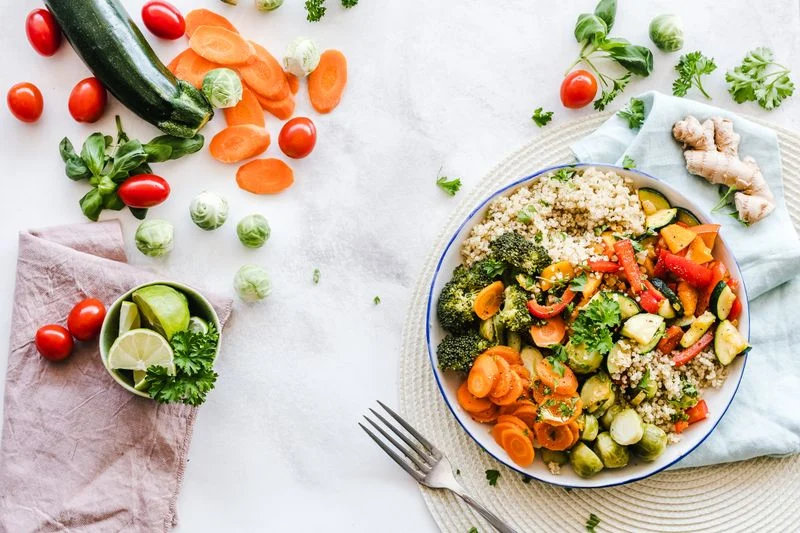
Soluble fiber forms a gel in your digestive tract that delays how quickly glucose enters your bloodstream — flattening the spike that would otherwise follow a meal. This is the most consistently proven mechanism for blood sugar control, backed by the largest body of research.
1. Oats (Rolled or Steel-Cut)
Oats contain beta-glucan, a soluble fiber with strong evidence for blood sugar management. A 2021 systematic review and meta-analysis in the European Journal of Nutrition analyzed 103 trials and found that carbohydrate-based meals containing beta-glucan consistently produced lower post-meal blood sugar responses than meals without it.
How much: Half a cup of dry oats (rolled or steel-cut) provides 2–4 grams of beta-glucan per serving. Instant oats are more processed and have a higher glycemic index — stick to rolled or steel-cut where possible.
What to skip: Flavored oat packets often contain enough added sugar to reverse the benefit entirely.
2. Legumes: Beans, Lentils, and Chickpeas

Legumes are among the most effective blood sugar foods in the research literature. They’re high in both soluble fiber and resistant starch, which dramatically slow digestion.
A study published in The American Journal of Clinical Nutrition found that adding black beans or chickpeas to a rice meal significantly reduced post-meal blood sugar compared to eating rice alone — even though the total carbohydrate content of the meal was similar. Multiple systematic reviews confirm the effect extends to lentils, peas, and other legumes.
The fiber slows carbohydrate absorption; the protein blunts the glucose response further.
How much: Half a cup of cooked beans or lentils (7–10 grams of fiber) per serving is a meaningful amount. Canned beans work as well as dried — rinse to reduce sodium.
3. Non-Starchy Vegetables
Non-starchy vegetables — broccoli, spinach, kale, bell peppers, cauliflower, zucchini, cucumber — provide fiber, water, and phytonutrients with minimal carbohydrates. Most have a glycemic index under 15. You can eat a large volume for almost no glucose impact.
Broccoli specifically contains sulforaphane, a compound studied for antidiabetic effects. A small randomized clinical trial found broccoli sprout extract improved insulin sensitivity and reduced blood sugar markers in adults with type 2 diabetes.
How much: Fill half your plate at every meal. There is no meaningful upper limit for non-starchy vegetables in a blood sugar management context.
4. Flaxseed
Flaxseed is rich in soluble fiber and also contains alpha-linolenic acid, an omega-3 fatty acid. A review of 25 controlled studies found that eating whole flaxseed produced significant improvements in blood sugar regulation in people with type 2 diabetes. A separate randomized trial found that adding 1 ounce (28g) of flaxseed to daily yogurt reduced HbA1c significantly over 8 weeks compared to a control group.
How much: 1–2 tablespoons of ground flaxseed per day, added to yogurt, oatmeal, or a smoothie. Ground flaxseed absorbs better than whole seeds, which often pass through undigested.
Category 2: Proteins That Blunt Post-Meal Spikes
Protein has near-zero direct effect on blood sugar. Eaten alongside carbohydrates, though, it slows gastric emptying — reducing how quickly glucose enters the bloodstream. It also stimulates a modest insulin response without raising glucose itself.
5. Eggs
Eggs contain zero carbohydrates and have a meaningful body of research in diabetes management. A 2018 study found that overweight adults with prediabetes or type 2 diabetes who ate at least one egg per day saw fasting blood sugar drop by an average of 4.4%, alongside improved insulin sensitivity compared to those eating egg substitutes.
A 14-year Korean cohort study found that eating 2–4 eggs per week was associated with a 40% lower risk of developing type 2 diabetes, compared to eating eggs just once per week.
How to eat them: Boiled, poached, or scrambled without added refined carbohydrates.
6. Fatty Fish (Salmon, Sardines, Mackerel, Herring)

Fatty fish contain EPA and DHA — omega-3 fatty acids with evidence for improving blood sugar regulation. A 2017 randomized trial found that overweight adults who ate 26 ounces of fatty fish per week showed significantly better post-meal blood sugar regulation than those eating lean fish. A 2021 population study found that people who regularly consumed oily fish developed type 2 diabetes at lower rates than those who did not.
How much: 2–3 servings per week (roughly 3.5 ounces / 100g per serving).
Note on mercury: The FDA recommends limiting fish high in mercury — shark, swordfish, king mackerel, and tilefish — especially for children and during pregnancy.
7. Greek Yogurt and Kefir
Plain Greek yogurt delivers protein and probiotics with moderate carbohydrates (roughly 6–8g per 150g serving). Studies have found that consuming yogurt daily improved post-meal blood sugar. A separate study found that drinking 20 ounces of kefir per day significantly reduced fasting glucose and HbA1c in people with type 2 diabetes over 8 weeks.
The protein slows glucose absorption. The live cultures may improve insulin sensitivity through gut microbiome effects, though this mechanism needs more research in humans.
What to choose: Plain, unsweetened Greek yogurt or kefir. Flavored varieties often contain enough added sugar to eliminate the benefit.
Category 3: Healthy Fats That Improve Insulin Sensitivity
Fat doesn’t raise blood sugar directly. Like protein, it slows gastric emptying and blunts glucose spikes from carbohydrates eaten in the same meal. Monounsaturated and omega-3 fats also appear to improve insulin sensitivity at the cellular level over time.
8. Avocado
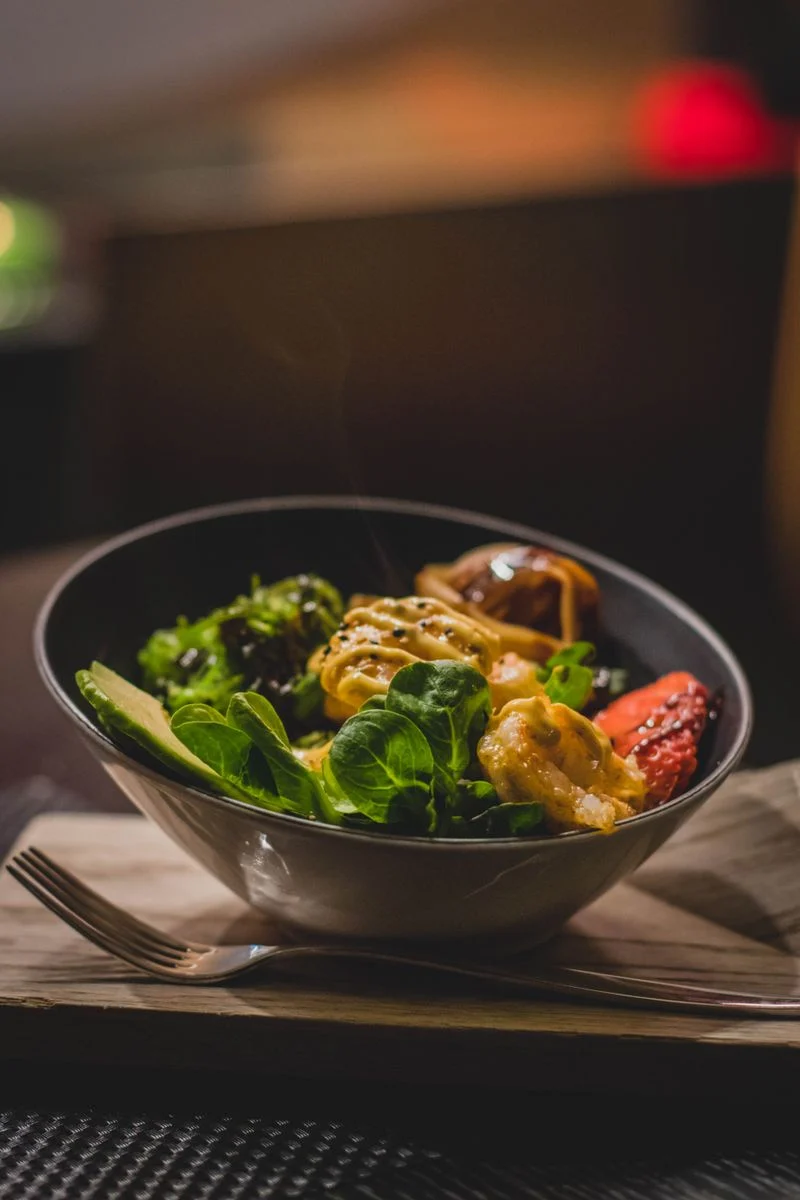
Avocados are high in monounsaturated fat and fiber (about 10g per whole avocado). Research has consistently linked avocado consumption with a lower risk of metabolic syndrome — a cluster that includes high blood sugar, excess abdominal fat, and high blood pressure. The fiber directly slows glucose absorption; the fat prolongs satiety and reduces the likelihood of overeating higher-GI foods at the same meal.
How much: Half to one avocado per day. The fat and fiber combination makes it one of the most satiating additions to a blood sugar-friendly meal.
9. Nuts and Nut Butter (Almonds, Walnuts, Cashews)
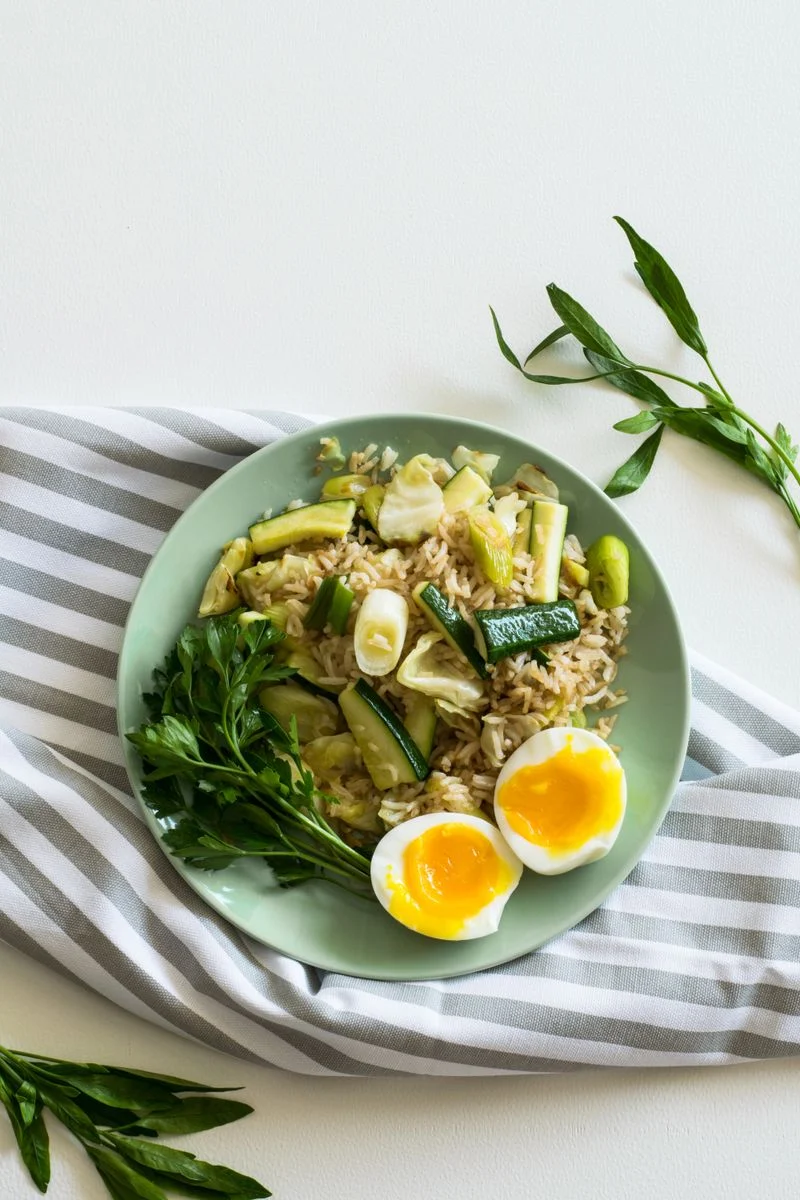
Nuts have very low glycemic indices and provide unsaturated fats, protein, fiber, and magnesium. Research shows that eating nuts as part of a meal reduces post-meal blood sugar compared to eating the same carbohydrates without nuts. A large meta-analysis found that regular nut consumption was associated with improved blood sugar markers in people with type 2 diabetes.
Walnuts also contain ALA (an omega-3 fatty acid), giving them an additional pathway for supporting insulin sensitivity.
How much: A small handful (28–30g) per day. Unsweetened nut butter in 1–2 tablespoon amounts works similarly. Avoid sweetened or flavored varieties.
Category 4: Low-Glycemic Carbohydrates That Replace High-GI Options
Not all carbohydrates raise blood sugar the same way. Swapping high-GI carbohydrates for low-GI alternatives is one of the most direct dietary changes for blood sugar control — you reduce the glucose load of a meal without reducing food volume or satisfaction.
10. Berries (Strawberries, Blueberries, Raspberries, Blackberries)
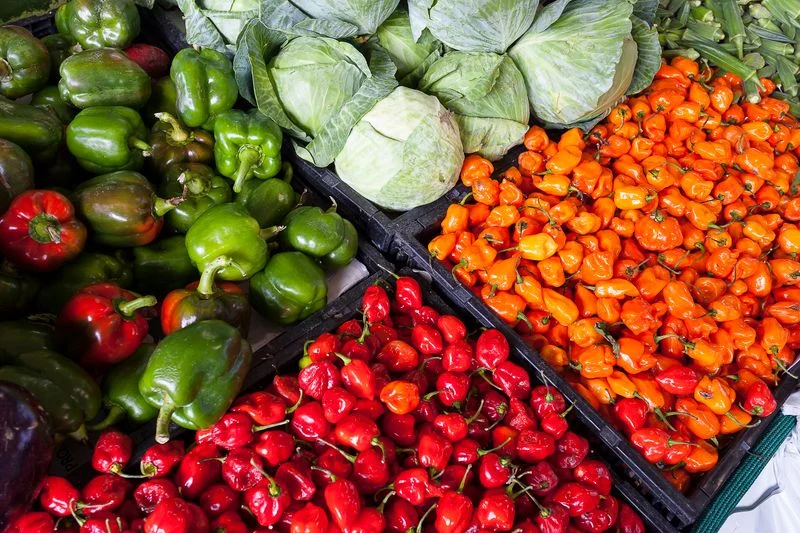
Berries have low glycemic indices and are rich in fiber and polyphenols — compounds that appear to directly affect glucose metabolism and insulin sensitivity.
A 2019 study found that eating 2 cups of raspberries alongside a high-carbohydrate meal significantly reduced post-meal insulin and blood sugar in adults with prediabetes. Other trials have found similar effects for strawberries, blueberries, and blackberries — including improved insulin sensitivity and faster glucose clearance from the blood.
How much: Half to one cup per serving. Fresh or frozen (unsweetened) both work. Dried berries concentrate the sugar and lose much of the benefit.
11. Stone-Ground Whole Wheat and Pumpernickel Bread
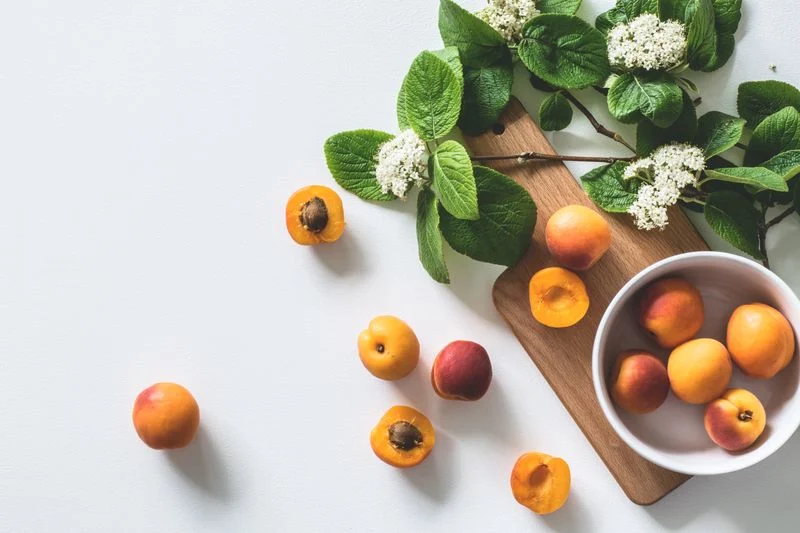
Most bread — including regular whole wheat — has a high glycemic index because fine milling removes the fibrous grain structures that slow digestion. Stone-ground whole wheat and pumpernickel retain these structures. A 2020 randomized trial found that consuming less-processed grains led to measurable improvement in blood sugar levels in people with type 2 diabetes, compared to more processed grain products.
Practical test: Look for “stone-ground” on the label. “Whole wheat” without that descriptor often behaves glycemically like white bread.
12. Pumpkin Seeds
Pumpkin seeds provide high protein, healthy fats, and fiber with very few net carbohydrates. A 2018 study found that consuming 2 ounces of pumpkin seeds at mealtime was associated with a 35% lower post-meal blood sugar compared to a control group.
Pumpkin flesh is also useful — lower in carbohydrates than most starchy vegetables and high in fiber and Vitamins A and C. Similarly, sweet potato offers a lower glycaemic index than white potato with a meaningful amount of fibre, making it one of the better starchy carb choices for blood sugar management.
How much: 1–2 ounces (28–56g) of unsalted pumpkin seeds as a snack or added to a meal.
Category 5: Phytonutrient-Rich Foods With Specific Glucose-Regulating Effects
Some foods contain compounds that go beyond fiber, fat, and protein — directly affecting insulin secretion, insulin sensitivity, or glucose uptake at the cellular level.
13. Garlic
A 2017 systematic review and meta-analysis in Medicine analyzed 12 randomized controlled trials and found that garlic supplementation improved fasting blood sugar and HbA1c in people with type 2 diabetes. The proposed mechanism involves allicin and related sulfur compounds that may improve insulin sensitivity and stimulate insulin secretion.
Important nuance: Most studies used garlic supplements at higher doses than typical dietary amounts. Eating garlic as part of regular meals is unlikely to produce dramatic effects alone — but the evidence supports consistent inclusion.
How to use it: Crush or mince and let it rest 10 minutes before cooking to allow allicin to form. Add to cooked vegetables, sauces, and dressings.
14. Citrus Fruits (Grapefruit, Oranges, Lemons)
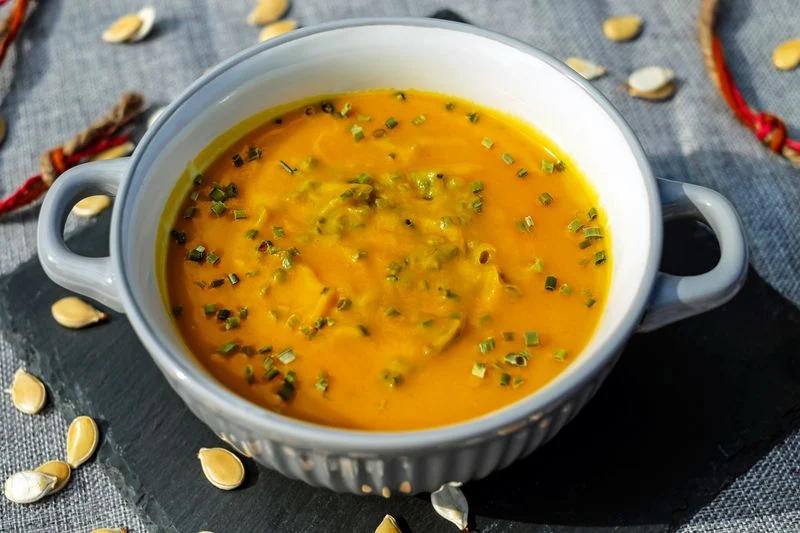
Citrus fruits contain naringenin, a flavonoid that research suggests improves insulin sensitivity. A 2019 study in Antioxidants found that naringenin and related citrus compounds showed antidiabetic properties, with potential to slow type 2 diabetes progression. Grapefruit has a particularly low glycemic index (GI ≈ 25). Oranges and lemons are similarly low-GI when eaten whole.
What to avoid: Fruit juice removes fiber, concentrates sugar, and dramatically raises the glucose impact. Eat the whole fruit.
Medication interaction: Grapefruit can interfere with certain medications, including some commonly prescribed for diabetes and heart conditions. Check with your pharmacist if you take prescription medication.
15. Broccoli Sprouts
While regular broccoli is already a strong blood sugar-friendly food (see Category 1), broccoli sprouts are a concentrated source of sulforaphane — the compound with the most evidence for antidiabetic effects. A small clinical trial found that broccoli sprout extract significantly improved insulin sensitivity and reduced blood sugar markers in adults with type 2 diabetes, via a pathway distinct from fiber.
Broccoli sprouts are available in many supermarkets or can be grown easily at home. Add to salads, sandwiches, or smoothies.
How to Use This List: A Decision Framework
Most people can’t overhaul their diet overnight. Here’s how to prioritize.
To reduce post-meal spikes: Start with Category 1. Add beans or lentils to meals you’d normally eat with white rice or white bread. Add a tablespoon of ground flaxseed to breakfast. This is the highest-impact change for most people.
To improve insulin sensitivity over time: Focus on Category 3. Replace refined cooking oils with olive oil. Add avocado to meals. Eat a small handful of mixed nuts instead of crackers.
To lower fasting blood sugar: Look at your overall carbohydrate load across the day. Swap Category 4 foods in for high-GI equivalents — berries instead of juice, oats instead of processed cereal, pumpkin seeds instead of chips.
If you’ve already changed your diet and want more: Add Category 5 foods. Garlic every day. Citrus in the morning. Broccoli or broccoli sprouts several times per week.
Food combinations that compound the effect:
- Beans + avocado (fiber + healthy fat = slow, stable glucose release)
- Oats + ground flaxseed (beta-glucan + soluble fiber = amplified post-meal glucose blunting)
- Eggs + non-starchy vegetables (protein + fiber = satiety with minimal glucose impact)
- Fatty fish + broccoli (omega-3 + sulforaphane = dual insulin-sensitizing pathway)
For a full dietary approach, see the insulin resistance diet guide — or if you want to understand how these foods affect your HbA1c over time, read fasting blood sugar vs HbA1c: which test do you need. If you’re weighing a lower-carb eating pattern overall, our low carb vs low fat for diabetes comparison covers the evidence on both approaches.
What to Limit
No foods list is complete without the other side. These foods consistently raise blood sugar sharply:
- Sugary beverages (juice, soda, energy drinks) — liquid carbohydrates with no fiber buffering
- White bread, white rice, and highly processed cereals — high GI, low fiber
- Sweetened dairy (flavored yogurt, chocolate milk) — adds sugar to otherwise beneficial foods
- Refined snack foods (crackers, chips, pretzels) — processed starches with little fiber or protein
When to See a Doctor
The foods in this article can meaningfully support blood sugar control. They are not a replacement for medical care.
See your doctor if:
- Your fasting blood sugar is consistently above 126 mg/dL (7.0 mmol/L)
- Your HbA1c comes back 6.5% or higher
- You’re experiencing symptoms: unusual thirst, frequent urination, blurred vision, or unexplained fatigue
- Your blood sugar isn’t responding to dietary changes after 8–12 weeks
- You currently take medication and want to significantly change your diet — some medications interact with dietary changes
These foods work best as part of a comprehensive plan developed with your healthcare team. If you’re working toward lowering your A1c without medication, dietary changes are one of the most effective tools — and this list gives you the foods with the strongest evidence.
Frequently Asked Questions
Which food lowers blood sugar fastest?
No food lowers blood sugar quickly the way fast-acting insulin can. If you have dangerously high blood sugar, seek medical care. For ongoing management, foods high in soluble fiber — oats, beans, and lentils — have the strongest and most consistent evidence for reducing post-meal glucose rises.
Can you eat fruit if you have diabetes?
Most whole fruits are appropriate for people with diabetes in moderate amounts. Berries, citrus fruits, and stone fruits (peaches, plums, apricots) have low glycemic indices. Fruit juice, dried fruit, and overripe bananas have much higher glucose impacts and are best limited. The fiber in whole fruit significantly slows absorption.
How quickly can diet change blood sugar levels?
Post-meal changes can be seen within hours — a high-fiber, high-protein meal produces a measurably lower 2-hour glucose reading than a high-starch, low-fiber meal. For HbA1c (the 3-month average), consistent dietary changes typically show measurable improvement at your next test.
Are carbohydrates bad for blood sugar?
Not all carbohydrates raise blood sugar the same way. Soluble fiber-rich carbohydrates — legumes, oats, non-starchy vegetables — are among the strongest blood sugar-supporting foods. Refined, low-fiber carbohydrates raise blood sugar quickly and sharply. The type and amount matter more than “carbs” as a category.
Is the glycemic index the only thing that matters?
No. The glycemic index measures how quickly a food raises blood sugar when eaten alone, on an empty stomach. In practice, fat, protein, and fiber in the same meal dramatically change how any carbohydrate behaves. Glycemic load (which accounts for portion size) and the overall composition of the meal are more practical guides than the GI of individual foods.
Summary
The 15 foods most consistently supported by evidence for blood sugar control fall into five categories: high-fiber foods that slow glucose absorption (oats, legumes, non-starchy vegetables, flaxseed), proteins that blunt post-meal spikes (eggs, fatty fish, Greek yogurt), healthy fats that improve insulin sensitivity (avocado, nuts), low-glycemic carbohydrates to replace high-GI options (berries, stone-ground bread, pumpkin seeds), and phytonutrient-rich foods with specific glucose effects (garlic, citrus, broccoli sprouts).
No single food changes blood sugar dramatically on its own. The effect compounds across meals and weeks. Combining foods from multiple categories in the same meal — a protein, a fiber source, a healthy fat, a low-GI carbohydrate — produces the most consistent results.
Talk to your doctor or a registered dietitian about how to build these foods into a plan that fits your specific blood sugar targets, medication, and lifestyle.
Sources
- Zurbau A, et al. The effect of oat β-glucan on postprandial blood glucose and insulin responses: A systematic review and meta-analysis. European Journal of Nutrition. 2021. https://www.nature.com/articles/s41430-021-00875-9
- Sievenpiper JL, et al. Effect of non-oil-seed pulses on glycaemic control: A systematic review and meta-analysis. CMAJ. 2009. https://pmc.ncbi.nlm.nih.gov/articles/PMC5691712/
- Xu L, et al. Glucoraphanin from broccoli sprout extract ameliorates obesity-induced inflammation and insulin resistance. PubMed Central. 2018. https://pmc.ncbi.nlm.nih.gov/articles/PMC6261473/
- Mohammadi-Sartang M, et al. Flaxseed supplementation on glucose control and insulin sensitivity: systematic review and meta-analysis. PLOS ONE. 2018. https://pubmed.ncbi.nlm.nih.gov/29228348/
- Pearce KL, et al. Effect of egg consumption on markers of cardiometabolic health. The American Journal of Clinical Nutrition. 2018. https://pubmed.ncbi.nlm.nih.gov/30073224/
- Helland A, et al. High intake of fatty fish improved postprandial glucose regulation in healthy overweight adults. British Journal of Nutrition. 2017. https://www.cambridge.org/core/journals/british-journal-of-nutrition/article/high-intake-of-fatty-fish
- Chen M, et al. Kefir and type 2 diabetes — reduction in fasting glucose and HbA1c. Nutrients. 2019. https://pmc.ncbi.nlm.nih.gov/articles/PMC6316314/
- Dreher ML, Davenport AJ. Hass avocado composition and potential health effects. Critical Reviews in Food Science and Nutrition. 2013. https://pmc.ncbi.nlm.nih.gov/articles/PMC3664913/
- Viguiliouk E, et al. Effect of tree nuts on glycemic control in diabetes — systematic review and meta-analysis. PLOS ONE. 2014.
- Solverson PM, et al. Blackberry feeding increases fat oxidation and improves insulin sensitivity in overweight males. Nutrients. 2018. https://pmc.ncbi.nlm.nih.gov/articles/PMC6115824/
- Mason JK, et al. Raspberry consumption and postmeal blood sugar in adults with prediabetes. Clinical Nutrition. 2019. https://pubmed.ncbi.nlm.nih.gov/30767409/
- Åberg S, et al. Whole-grain processing and glycemic control in type 2 diabetes: A randomized crossover trial. Diabetes Care. 2020. https://www.ncbi.nlm.nih.gov/pmc/articles/PMC7372063/
- Nishi SK, et al. Pumpkin seed supplementation and postprandial blood sugar control. Nutrients. 2018. https://pubmed.ncbi.nlm.nih.gov/30055778/
- Wang J, et al. Effect of garlic supplement in management of type 2 diabetes mellitus: meta-analysis of randomized controlled trials. Medicine. 2017. https://www.ncbi.nlm.nih.gov/pmc/articles/PMC5642189/
- Testai L, Calderone V. Nutraceutical value of citrus flavanones and their implications in cardiovascular disease. Nutrients. 2019. https://www.ncbi.nlm.nih.gov/pmc/articles/PMC6468535/
Written by the HealthyWayFit editorial team | Reviewed by a Certified Health Coach. Last updated: October 2026.
All health claims in this article are supported by peer-reviewed research. This content does not constitute medical advice. For personalised guidance, speak with your doctor or a registered dietitian.



