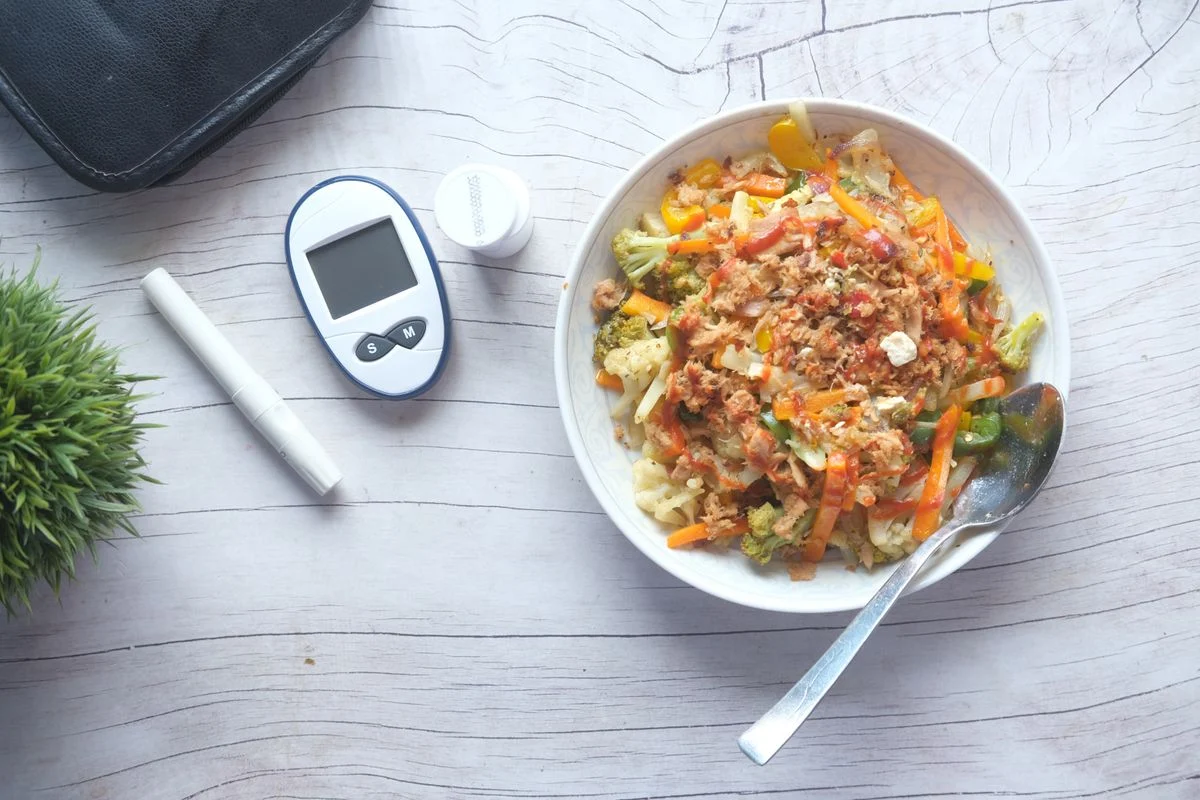
The typical diabetes food list tells you what to eat and what to avoid. It hands you a column of green tick marks and red crosses, then leaves you wondering: why does white bread spike blood sugar when sourdough might not? Why can you eat sweet potato but not white potato? Why does the same banana affect different people so differently?
This guide does something no flat list can: it explains the mechanism, gives you a tiered decision framework, and works through the borderline cases — the foods that don’t belong neatly on either side. When you understand why your food choices matter, you make better decisions at every meal, not just when you have this list in front of you.
The short answer: focus on non-starchy vegetables, lean proteins, and healthy fats (eat freely); include whole grains, legumes, and most fruit in controlled portions (eat mindfully); and sharply limit refined carbohydrates, added sugars, and ultra-processed foods. Here’s the full picture.
Why Food Affects Blood Sugar — Understanding the Glycaemic Response
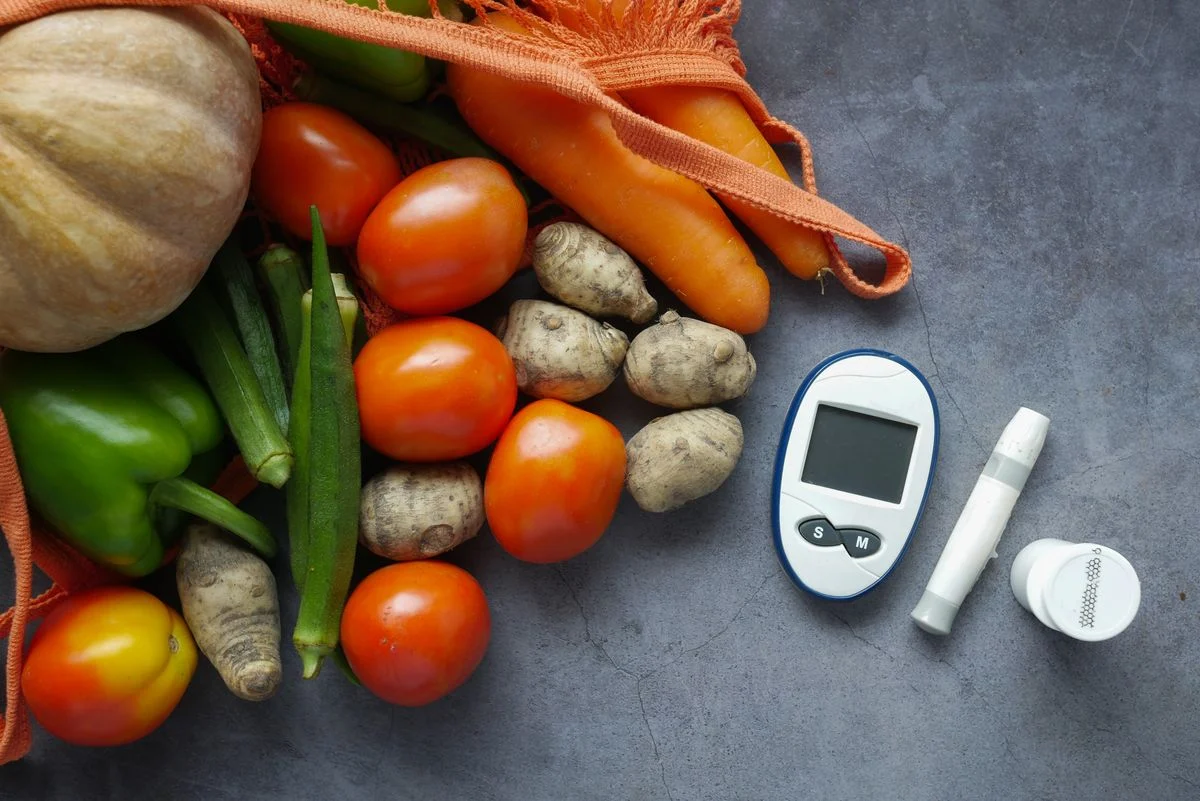
Every carbohydrate you eat is broken down into glucose. That glucose enters the bloodstream, and your pancreas releases insulin to move it into your cells for energy. When you have type 2 diabetes, this process is impaired — your cells resist insulin, your pancreas can’t keep up, or both. The result is elevated blood glucose. To understand how your blood glucose level is measured over time, see our guide on what HbA1c is and how to lower it.
Not all carbohydrates trigger the same response. The Glycaemic Index (GI) ranks foods on a scale of 0–100 based on how quickly they raise blood glucose compared to pure glucose. A GI of ≤55 is low, 56–69 is medium, and ≥70 is high.
But GI doesn’t tell the whole story. Glycaemic Load (GL) matters more in practice: it accounts for both the GI and the amount of carbohydrate in a serving. A watermelon has a high GI (~72) but a low GL per slice because most of the weight is water.
Three things slow the glycaemic response and work in your favour:
- Fibre — slows carbohydrate digestion and blunts the glucose spike
- Protein and fat — delay gastric emptying, lowering the rate of glucose absorption
- Food preparation — cooking pasta al dente, cooling rice before eating (creating resistant starch), and eating whole fruit rather than juice all lower the effective GI
The American Diabetes Association (ADA) Standards of Care 2024 recommends a dietary pattern that emphasises non-starchy vegetables, minimises added sugars and refined grains, and includes whole foods over ultra-processed alternatives. What follows is that guidance made practical.
Tier 1 — Eat Freely: These Foods Have Minimal Blood Sugar Impact
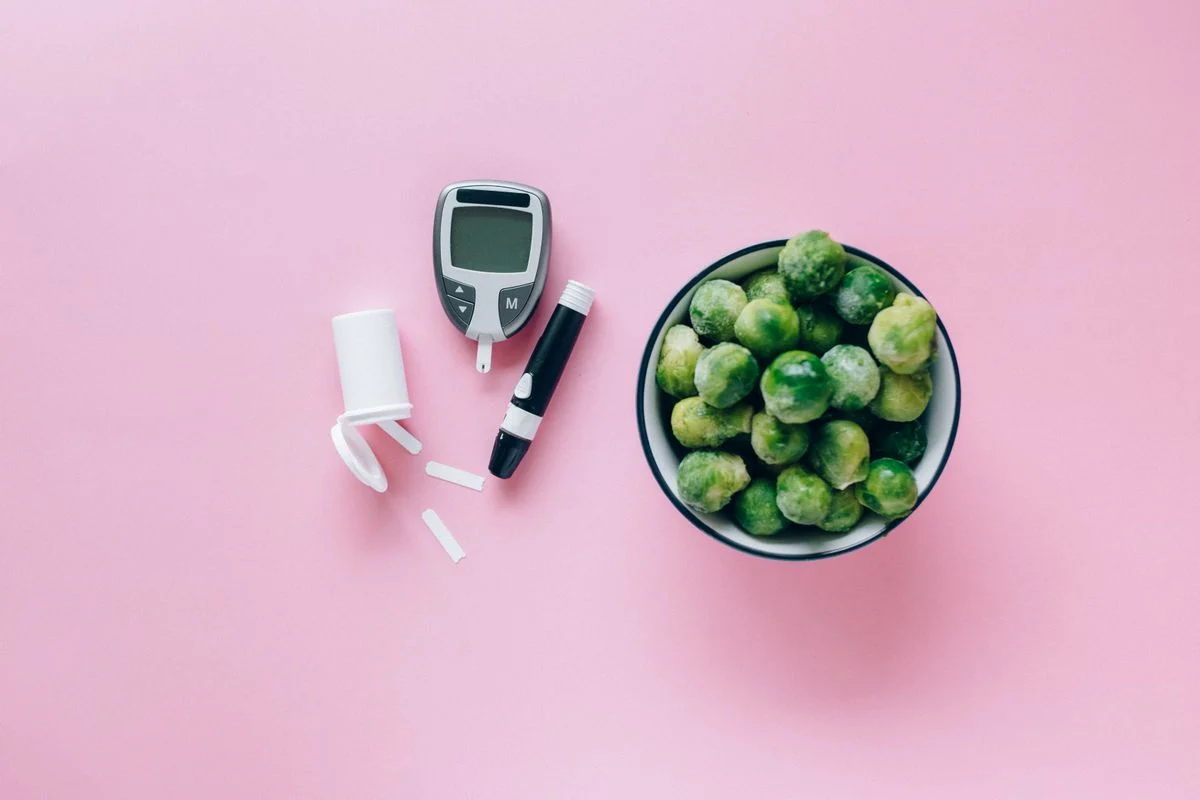
These foods have negligible carbohydrate content, very low GI, or both. They form the bulk of a diabetes-friendly plate and can be eaten in generous amounts without meaningfully affecting blood glucose.
Non-Starchy Vegetables
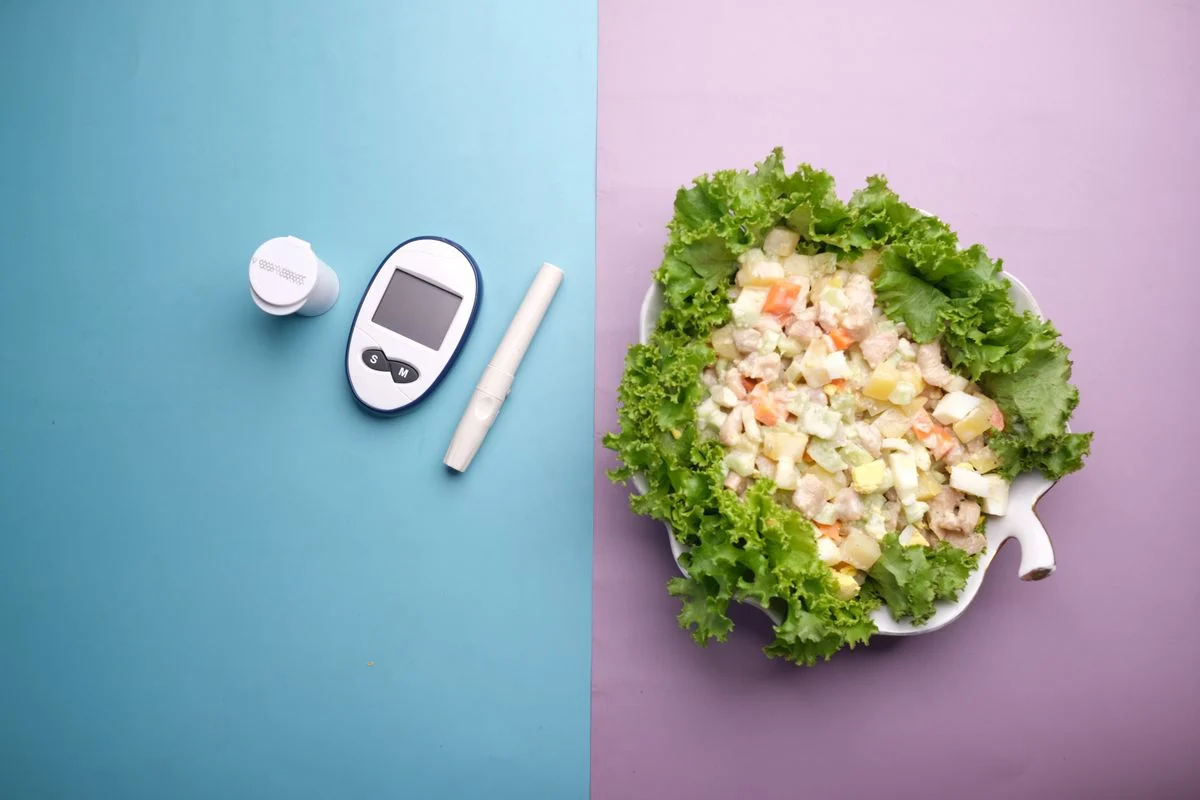
Non-starchy vegetables are the foundation of every diabetes meal plan. They provide fibre, vitamins, minerals, and antioxidants while raising blood glucose minimally.
Eat freely:
- Leafy greens: spinach, kale, rocket, Swiss chard, lettuce
- Cruciferous vegetables: broccoli, cauliflower, Brussels sprouts, cabbage
- Other non-starchy: courgette/zucchini, cucumber, celery, asparagus, green beans, mushrooms, onions, peppers (all colours), tomatoes, aubergine/eggplant
Most non-starchy vegetables have a GI below 20 and a Glycaemic Load of 1–3 per serving. A generous portion contributes far more fibre than glucose. The NHS and ADA both recommend filling at least half your plate with non-starchy vegetables at each meal.
Note: “Eat freely” means these foods are highly unlikely to spike blood sugar when eaten without heavy sauces, frying, or added sugar.
Always check what they’re cooked with.
Lean Proteins
Protein has no meaningful glycaemic effect. It does not raise blood glucose directly and helps you feel full, which reduces overall carbohydrate consumption.
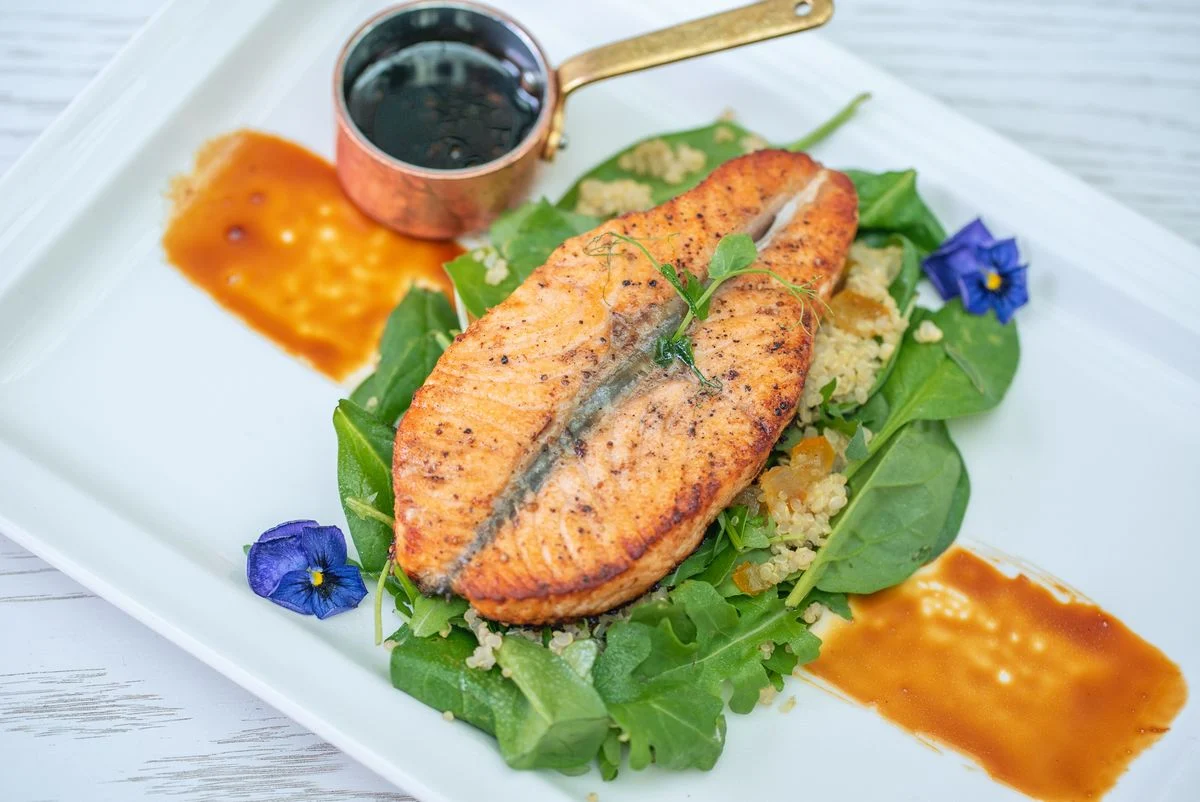
Eat freely:
- Fatty fish (GI = 0): salmon, sardines, mackerel, trout — rich in omega-3s, which the PREDIMED trial linked to reduced cardiovascular risk
- Poultry: chicken or turkey breast (remove skin to reduce saturated fat)
- Eggs: GI = 0; a 2023 meta-analysis in Nutrients found no significant association between moderate egg consumption and glycaemic control in people with type 2 diabetes
- Shellfish: prawns, scallops, crab — high protein, low fat, GI = 0
- Tofu and tempeh: plant-based proteins with minimal carbohydrate impact
Limit: Processed meats (bacon, sausages, deli meats) — associated with increased cardiovascular risk, which is already elevated in people with diabetes.
Healthy Fats
Dietary fat does not raise blood glucose. The type of fat matters for cardiovascular health, which is a key concern alongside blood sugar management in diabetes. For guidance on which cooking oils to use, see our guide to the best cooking oils for heart health and diabetes.
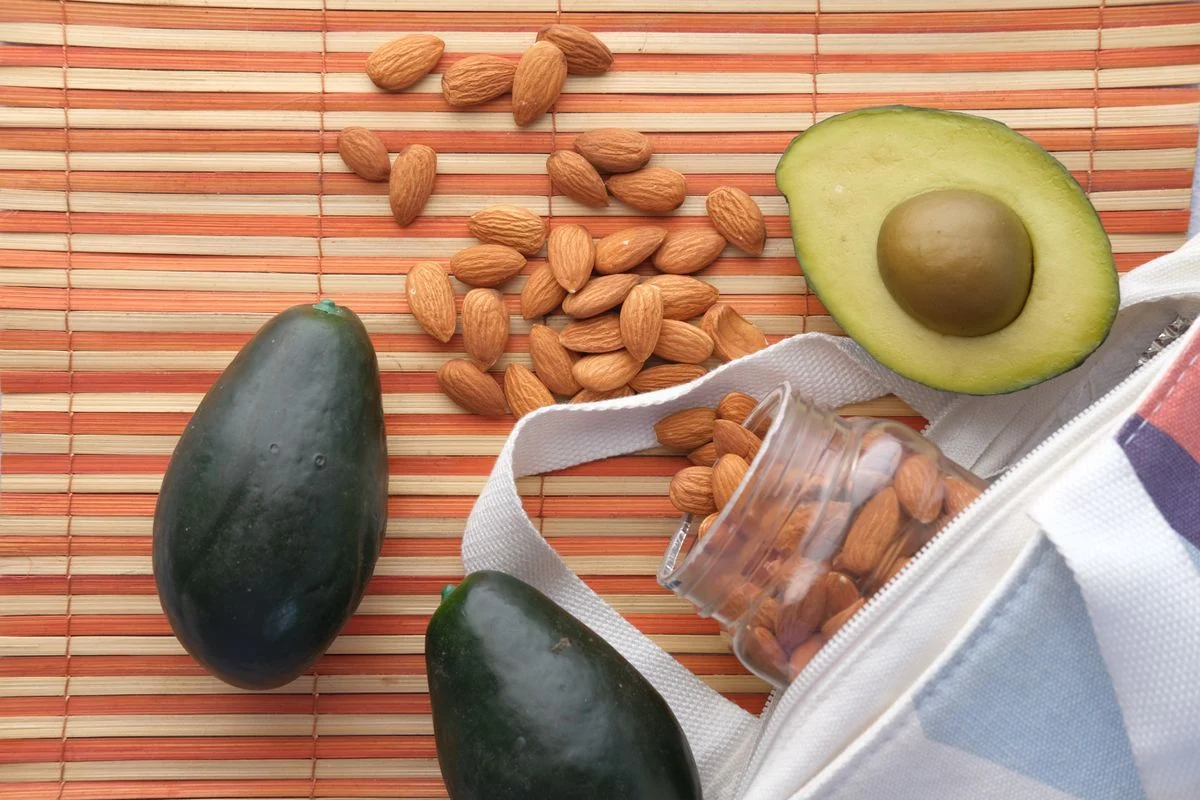
Eat freely (unsaturated fats):
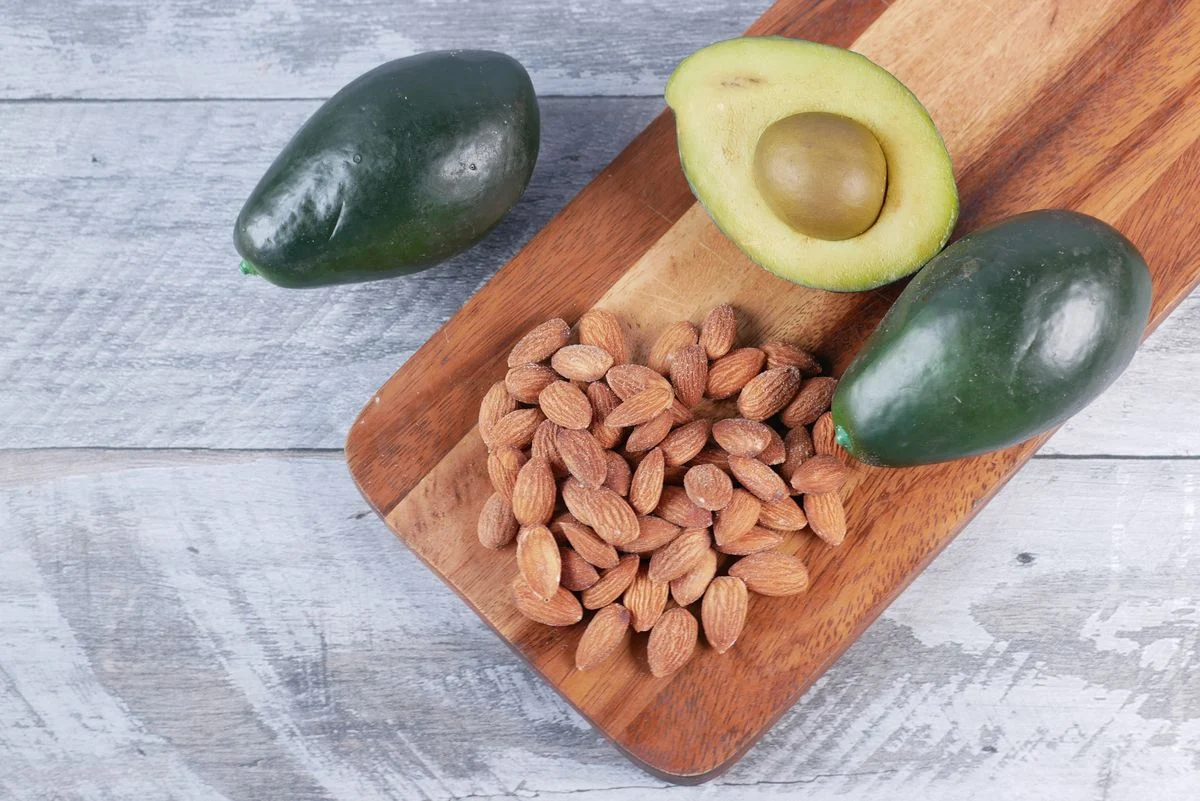
- Avocado: rich in monounsaturated fat and fibre; GI approximately 10
- Nuts: almonds, walnuts, pecans — a 2014 review in Diabetes Care found nut consumption improved both glycaemic control and blood lipid profiles
- Seeds: chia, flaxseed, hemp — high in omega-3 fatty acids and fibre
- Extra-virgin olive oil: cornerstone of the Mediterranean diet; the PREDIMED trial found it reduced major cardiovascular events compared to a low-fat control diet
Limit: Coconut oil, palm oil, and butter — high in saturated fat, which raises LDL cholesterol.
Tier 2 — Eat Mindfully: These Foods Are Fine in the Right Amounts
These foods are nutritious and appropriate in diabetes management, but they do affect blood glucose — so portion size and what you eat them with matters.
Whole Grains and Starchy Vegetables
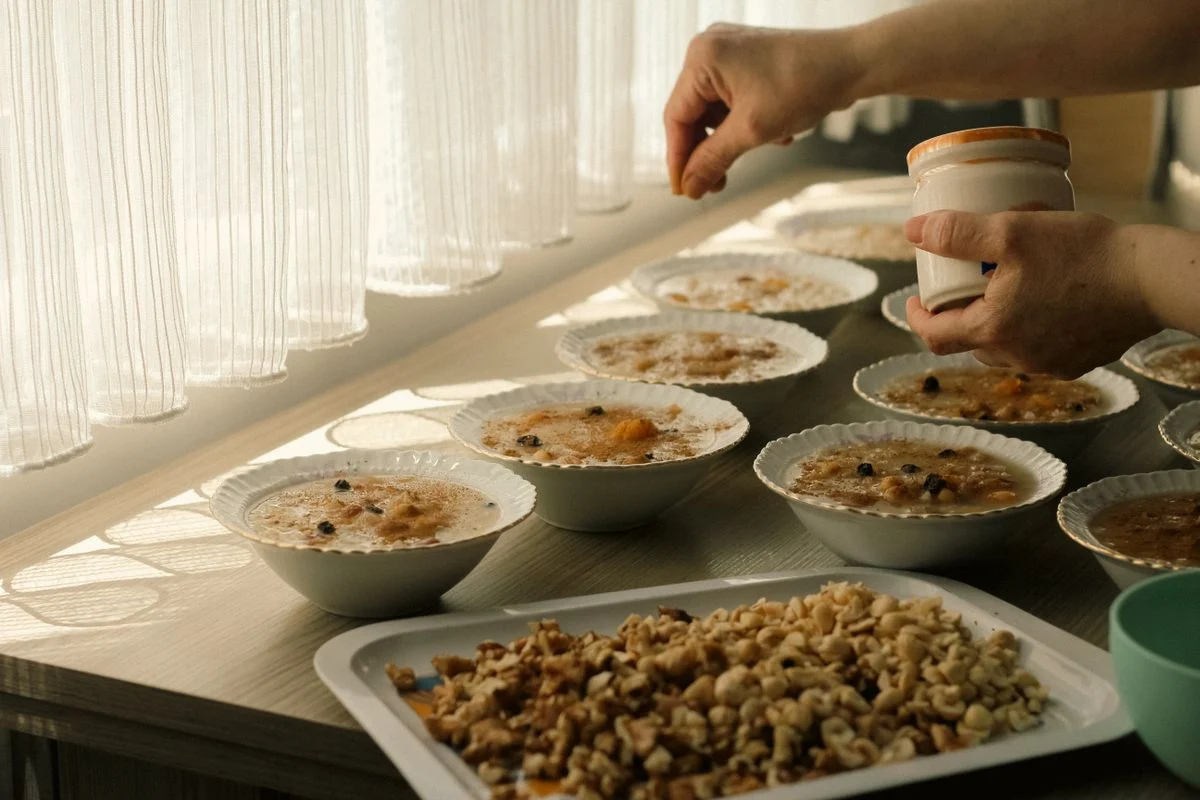
Whole grains retain the bran and germ, which means more fibre, a lower GI, and a slower glucose release than their refined equivalents. For a detailed comparison of low-carb and low-fat approaches, see our guide on low-carb vs low-fat diets for diabetes.
| Food | Approximate GI | Notes |
|---|---|---|
| Rolled oats | ~55 | Cook with water; avoid instant sachets with added sugar |
| Quinoa | ~53 | Complete protein; higher fibre than most grains |
| Brown rice | ~50–55 | Cooling then reheating lowers GI further |
| Wholegrain bread | ~50–55 | Look for “100% whole grain” on the label |
| Sweet potato (boiled) | ~54 | GI rises significantly if baked |
| Lentils | ~29 | One of the lowest-GI carbohydrate sources available |
The ADA recommends about one-quarter of your plate for grains and starchy vegetables — roughly half a cup of cooked grain or one small sweet potato per meal.
White potato (GI ~78): Cooling and reheating reduces GI to approximately 58 by increasing resistant starch content. If you eat potatoes, boil then cool them before serving, and always pair them with protein and non-starchy vegetables.
Fruit
Fruit contains natural sugars alongside fibre, vitamins, and phytonutrients. Whole fruit is consistently associated with better health outcomes in people with diabetes. Juice is not.
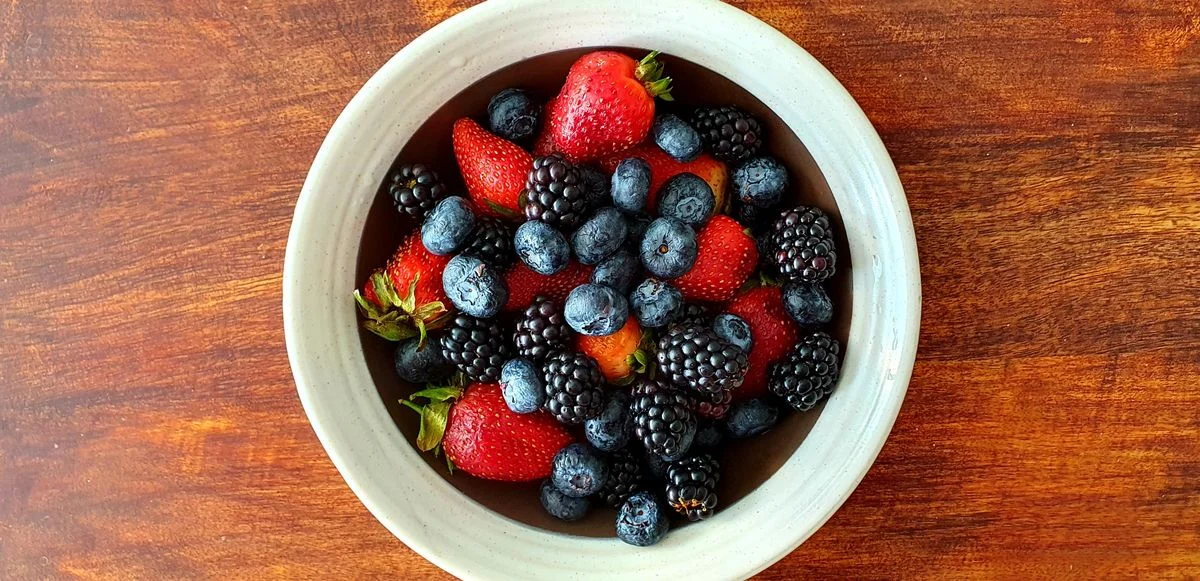
Lower-GI choices (eat in 1-cup portions):
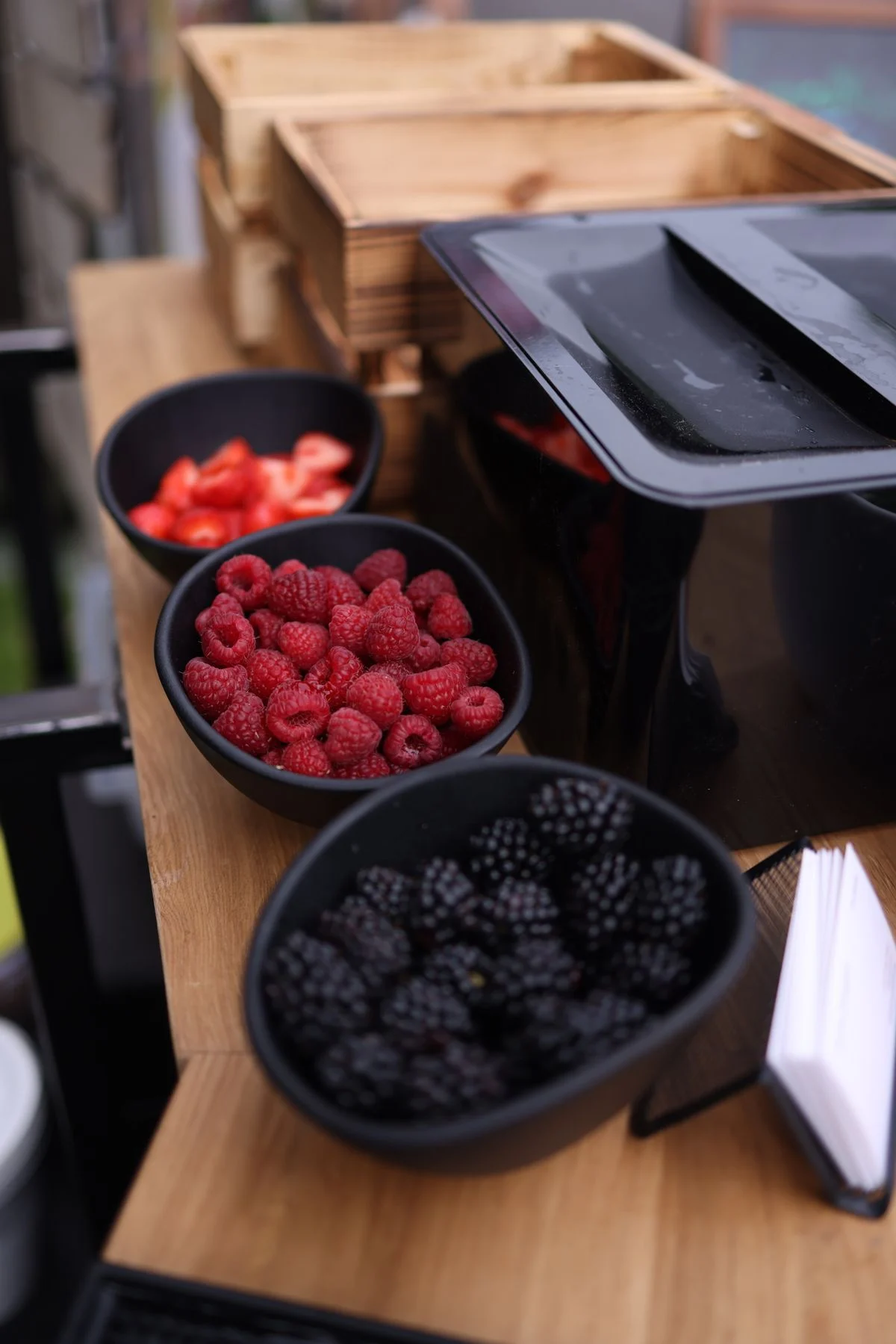
- Berries: blueberries (~40), strawberries (~40), raspberries (~32) — high in antioxidants, lower in sugar than most fruit
- Cherries: GI approximately 22
- Apples and pears: GI ~38–40; the skin contains quercetin, which has modest insulin-sensitising effects in cell studies
- Citrus: oranges (~43), grapefruit (~25)
Higher-GI fruit (smaller portions):
- Banana: GI ~51 ripe, ~42 unripe — a green banana has more resistant starch; eat half or pair with nut butter
- Mango: GI ~51; stick to half a cup rather than a full serving
- Pineapple: GI ~59; pair with a protein source to slow absorption
- Grapes: GI ~46; fine in half-cup portions
Key rule: Eat whole fruit, not juice. A 250 ml glass of orange juice raises blood glucose nearly as fast as a sugary soft drink because the fibre that slows absorption has been removed.
Dairy
Good choices:
- Plain Greek yoghurt: high protein, lower lactose than regular yoghurt, GI approximately 11
- Low-fat milk (cow’s or unsweetened fortified soya): GI ~27–40
- Cottage cheese: GI approximately 10, high in protein, low in fat
- Hard cheese (cheddar, mozzarella): GI essentially 0; watch saturated fat intake
Avoid: Flavoured yoghurts with added sugar, condensed milk, and ice cream, which combine high GI with high saturated fat.
Legumes
Legumes are the standout performers in diabetes nutrition. A 2012 study in JAMA Internal Medicine (Jenkins et al.) found that replacing other carbohydrates with legumes reduced HbA1c by 0.5 percentage points over three months and improved blood pressure in a randomised controlled trial. The effect was consistent across lentils, chickpeas, black beans, and kidney beans.
| Legume | Approximate GI | Serving tip |
|---|---|---|
| Lentils | ~29 | Excellent base for soups and stews |
| Chickpeas | ~28 | Roast for a snack or add to salads |
| Kidney beans | ~24 | Ideal for chilli and curries |
| Black beans | ~30 | High in antioxidants and fibre |
Half a cup of cooked legumes counts as both a carbohydrate serving and a protein source simultaneously — one of the few foods that does both jobs.
Tier 3 — Limit Sharply: These Foods Spike Blood Sugar and Increase Risk
These foods cause rapid blood glucose spikes, contribute to insulin resistance over time, or significantly increase cardiovascular risk — which is already two to four times higher in people with type 2 diabetes compared to those without it.
Refined Carbohydrates and Added Sugars
When grain is refined, the fibre-rich bran and nutrient-dense germ are removed. What remains digests rapidly, causing a fast and high glucose spike.
High-GI foods to sharply limit:
- White bread: GI ~73
- White rice: GI ~73
- Crackers and rice cakes: GI 72–82
- Bagels: GI ~72
- Sugary breakfast cereals: GI 70–90+
- Pastries, cakes, biscuits, doughnuts: GI 60–80 plus high saturated fat
Added sugars to minimise:
- Table sugar, honey (GI ~58), maple syrup (GI ~54), agave syrup (GI ~13 — low GI but very high fructose, which stresses the liver and may worsen insulin resistance at high doses)
- Sweets, chocolate bars, confectionery
Note: The ADA advises reducing added sugars rather than eliminating them with zero tolerance.
Context, portion size, and overall dietary pattern matter. The goal is a consistently lower-sugar diet, not perfection at every meal.
Sweetened Drinks
Liquid carbohydrates bypass the satiety signals that solid food activates. You consume the sugar without feeling full, which means total carbohydrate and calorie intake rises without any compensatory reduction elsewhere.
A large prospective study published in the BMJ (Imamura et al., 2015) — covering 17 countries and over 38,000 participants — found that each additional daily serving of sugar-sweetened beverages was associated with an 18% greater risk of type 2 diabetes (relative risk 1.18; 95% CI 1.10–1.27), even after adjusting for total energy intake.
Avoid:
- Regular fizzy drinks and soda (GI ~65)
- Fruit juices, even 100% — effectively the same glycaemic impact as soft drink
- Energy drinks and sweetened sports drinks
- Flavoured coffees and teas with added syrups (a medium vanilla latte can contain 35 g of sugar)
- Bottled smoothies with added sugar or fruit juice as a base
Better choices: Water, unsweetened sparkling water, plain coffee, green or black tea, and unsweetened dairy or plant milk in moderation.
Ultra-Processed Foods
Ultra-processed foods — defined by the NOVA classification as products made with industrial ingredients and additives not found in home cooking — are consistently linked to worse glycaemic and cardiovascular outcomes in large cohort studies. Beyond blood sugar, they tend to be high in saturated fat, sodium, and calories while being low in fibre and micronutrients, displacing the whole foods that would otherwise fill that nutritional space.
Examples to avoid:
- Packaged snack foods: crisps, baked snack bars, rice puffs
- Fast food and fried takeaway
- Processed meat: sausages, hot dogs, packaged deli meat
- Frozen ready meals with long ingredient lists
Practical test: If you can’t make a close approximation of the food in a home kitchen from recognisable ingredients, it is probably ultra-processed.
Saturated and Trans Fats
These fats do not raise blood glucose directly, but they worsen insulin resistance and raise LDL cholesterol — a critical concern for long-term diabetes management.
Limit:
- Butter, lard, ghee
- Full-fat cheese in large amounts (more than one to two servings daily)
- Fatty cuts of red meat eaten frequently
- Tropical oils (coconut oil, palm oil) used in large quantities
Avoid entirely: Trans fats (partially hydrogenated oils) — now largely prohibited in the US, UK, and EU but still present in some imported packaged products.
The “Can I Still Eat This?” Guide for Borderline Foods
These are the foods that generate the most questions because the honest answer depends on how they’re prepared, how much you eat, and what you eat them with.
| Food | GI | The reality | Practical rule |
|---|---|---|---|
| White potato | ~78 | High GI, but cooling creates resistant starch | Boil, cool, reheat; keep to ½ cup; always pair with protein and veg |
| White rice | ~73 | Cooling reduces GI; portion is the key variable | ½ cup cooked maximum; cool before eating; pair with veg and protein |
| Sourdough bread | ~54 | Long fermentation substantially lowers GI vs white bread | Fine in 1–2 slice portions; verify it’s true sourdough, not flavoured yeasted bread |
| Pasta (al dente) | ~40–50 | Cooking method makes a significant GI difference | ½–¾ cup cooked al dente; wholegrain preferred; avoid overcooking |
| Banana | ~51 ripe | Ripeness changes GI; resistant starch in unripe | ½ banana, or a full unripe one; pair with nut butter to slow absorption |
| Honey | ~58 | Still raises blood glucose significantly | Small amounts only; treat it like sugar, not a health food |
| Dark chocolate (70%+) | ~23 | Low GI; polyphenols may have modest insulin-sensitising effects | 1–2 squares (20–30 g); avoid milk or white chocolate |
| Alcohol | Variable | Hypoglycaemia risk with certain medications; beer has meaningful GI impact | Moderate intake only; never drink on an empty stomach; check with your diabetes team |
How to Build a Diabetes-Friendly Plate
The easiest way to translate this food list into daily meals is the Diabetes Plate Method, recommended by the ADA. There is no calorie counting and no weighing.
- Use a standard dinner plate — approximately 23 cm or 9 inches in diameter.
- Fill half the plate with non-starchy vegetables: a mix from the Tier 1 list above.
- Fill one quarter with lean protein: fish, chicken, tofu, eggs, legumes, or low-fat dairy.
- Fill one quarter with quality carbohydrate: a whole grain, starchy vegetable, or legume from Tier 2.
- Choose a zero-calorie or low-calorie drink: water, unsweetened tea or coffee.
- Add a small amount of healthy fat if desired: a drizzle of olive oil, a few slices of avocado, or a small handful of nuts.
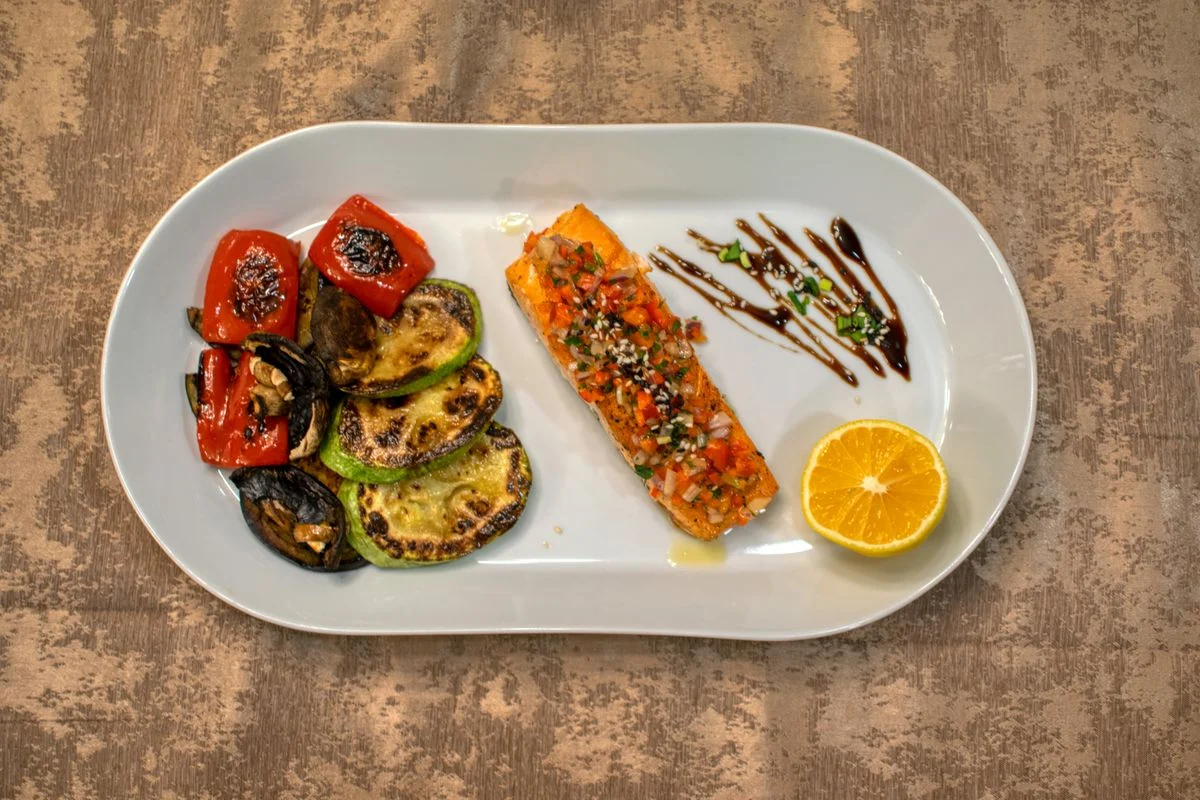
This method automatically delivers the right balance without requiring any calculations. It is flexible enough to accommodate most cuisines — whether you are eating a stir-fry, a rice bowl, a pasta dish, or a traditional Sunday roast.
Note: The plate method is a starting point, not a rigid prescription.
Your individual blood glucose response varies based on activity, sleep, stress, medication, and gut microbiome composition. Testing two hours after eating — whether with a continuous glucose monitor (CGM) or a finger-prick test — gives you the most accurate picture of how your body responds to specific foods. For a detailed look at what that blood glucose average means long-term, see our guide on what HbA1c means.
Practical Shopping and Eating Tips
Knowing what to eat and actually eating that way in daily life are two different things. These habits close the gap.
At the supermarket:
- Shop the perimeter first. Fresh produce, meat, fish, and dairy are typically along the outer edges of the store. The inner aisles hold most of the ultra-processed products.
- Read labels for total carbohydrate per serving, not sugars alone. Refined starches raise blood glucose just as fast as sugars without appearing in the sugar total.
- Look for at least 3 g of fibre per serving when buying bread, cereal, or crackers. Anything less is unlikely to be a genuinely whole grain product.
- Stock your freezer. Frozen vegetables and fish carry the same nutritional value as fresh and dramatically reduce food waste and shopping frequency.
At mealtimes:
- Eat vegetables first. A 2015 study in Diabetes Care (Shukla et al.) showed that eating vegetables and protein before carbohydrates at the same meal reduced post-meal glucose spikes by up to 37% compared to eating carbohydrates first.
- Don’t skip meals. Missing a meal and then consuming a large amount causes larger blood glucose swings than spreading the same food across three moderate meals.
- Pair carbohydrates with protein or fat. Bread alone causes a faster and higher glucose spike than the same bread eaten with eggs, nut butter, or avocado.
- Slow down. Satiety signals take approximately 20 minutes to reach the brain. Eating slowly reduces the likelihood of overeating at any single sitting.
At restaurants:
- Ask for sauces and dressings on the side — they frequently contain added sugar or refined starch thickeners.
- Choose grilled, baked, or steamed over fried.
- Swap white rice or chips for extra salad or a side of steamed vegetables.
- Halve large portions where possible — restaurant serving sizes in the US, UK, and Australia often significantly exceed the plate method’s recommended quarter-plate carbohydrate portion.
Frequently Asked Questions
Is fruit bad for diabetes?
No. Whole fruit is associated with reduced risk of type 2 diabetes progression and better long-term glycaemic outcomes. The fibre in whole fruit slows sugar absorption significantly. The concern applies primarily to fruit juice, where fibre is removed and sugar becomes concentrated. Stick to whole fruit in reasonable portions — about one cup or one medium piece per serving.
Can I eat bread if I have diabetes?
Yes, in limited amounts, if you choose the right type. Sourdough (GI ~54) and 100% wholegrain bread (GI ~50–55) have significantly lower glycaemic impact than white bread (GI ~73). Keep portions to one to two slices, pair with protein or healthy fat, and monitor your own blood glucose response.
How many carbohydrates should I eat per day?
The ADA does not endorse a single carbohydrate target because evidence supports a range of intakes depending on individual goals, medications, and preferences. Studies on low-carbohydrate diets (100–130 g/day) and very-low-carbohydrate (ketogenic) approaches both show short-term improvements in glycaemic control. The optimal amount varies by person — work with your dietitian or diabetes care team to find your individual target.
Is honey safer than sugar for diabetes?
Marginally. Honey has a GI of approximately 58 compared to table sugar at 65, but it still raises blood glucose significantly and provides roughly the same calories per teaspoon. It is not a safe substitute for sugar in diabetes management. Small amounts are acceptable as an occasional flavour addition, but treating it as a “natural” alternative to sugar is not evidence-based.
What about artificial sweeteners and sugar substitutes?
Artificial sweeteners (aspartame, sucralose, stevia-based products) do not raise blood glucose directly. The ADA notes they can be useful for reducing overall sugar and calorie intake. However, replacing sweetened drinks with water, unsweetened tea, or plain coffee has the clearest and most consistent evidence of benefit. Some research suggests very high sweetener consumption may affect gut microbiome composition, but evidence in humans remains inconclusive and dose-dependent.
If you’ve recently been diagnosed with type 2 diabetes and want a structured first-steps plan alongside this food guidance, see our guide on what to do first after a type 2 diabetes diagnosis.



