If your fasting blood sugar came back between 100 and 125 mg/dL, you have prediabetes. That number means your body is struggling to process glucose normally — but you haven’t crossed into type 2 diabetes yet. That gap is your window. Research from the CDC’s National Diabetes Prevention Program shows that structured lifestyle changes can cut your risk of progressing to type 2 diabetes by 58%, and by 71% if you’re over 60. This complete prediabetes guide explains exactly what the diagnosis means, what your test results tell you, and what to do about it.
What Is Prediabetes?
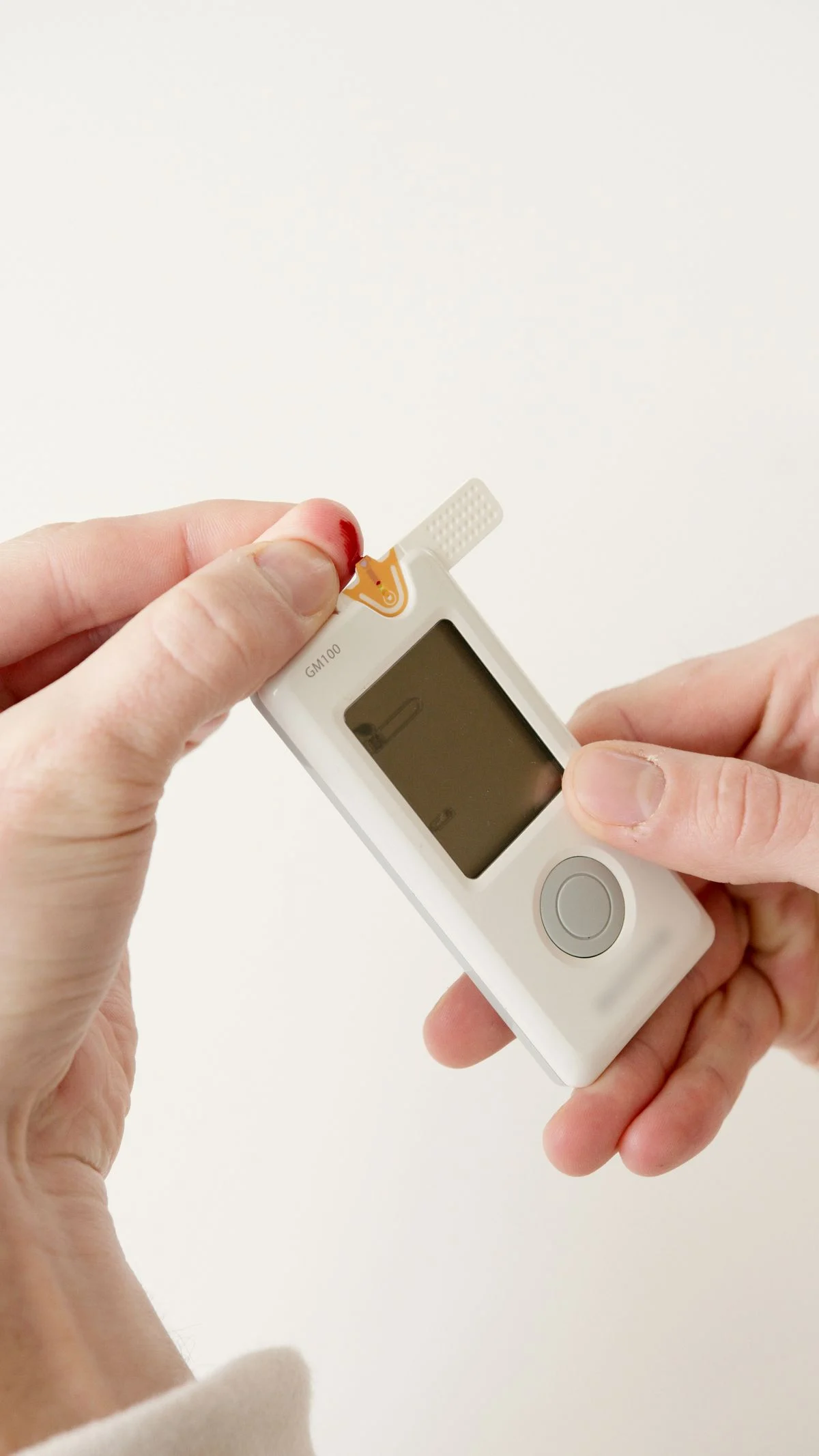
Prediabetes means your blood sugar is higher than normal but not high enough to be diagnosed as type 2 diabetes. Specifically, it means your body’s cells have become less responsive to insulin — a condition called insulin resistance. When cells resist insulin’s signal, glucose builds up in the blood instead of fueling your muscles and organs.
The condition sits in a zone between normal metabolism and full diabetes. It’s not a guaranteed path to type 2 — it’s a warning that something has shifted and that action now can prevent the shift from becoming permanent.
More than 2 in 5 adults in the United States have prediabetes, according to CDC data published in December 2024. The troubling part: around 8 in 10 people with prediabetes don’t know they have it. Most prediabetes produces no noticeable symptoms, which is why routine screening matters.
Prediabetes Blood Sugar Numbers: What the Ranges Mean
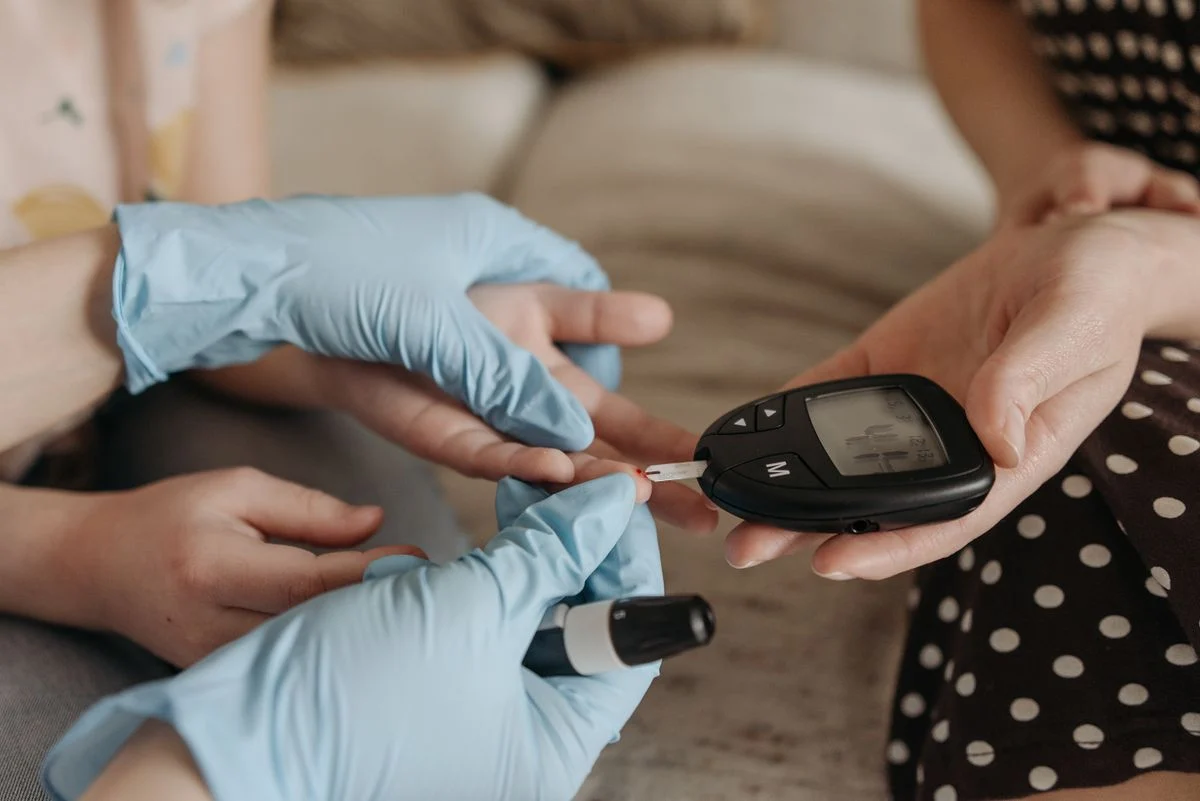
The exact blood sugar thresholds that define prediabetes depend on which test your doctor uses. Here are the three diagnostic ranges:
Fasting Plasma Glucose (FPG)
| Category | Fasting Blood Sugar |
|---|---|
| Normal | 70–99 mg/dL |
| Prediabetes | 100–125 mg/dL |
| Type 2 Diabetes | 126 mg/dL or higher |
A fasting glucose between 100–125 mg/dL is also called impaired fasting glucose (IFG). This test requires no food or drink (except water) for at least 8 hours before drawing blood.
Hemoglobin A1C (HbA1c)
| Category | A1C |
|---|---|
| Normal | Below 5.7% |
| Prediabetes | 5.7%–6.4% |
| Type 2 Diabetes | 6.5% or higher |
A1C measures the percentage of red blood cells carrying a glucose molecule. Because red blood cells live about 3 months, the test gives an average of your blood sugar control over that period — no fasting needed. According to Mayo Clinic, A1C between 5.7% and 6.4% indicates prediabetes. If you want a deeper look at what A1C numbers mean, see our guide to what is HbA1c and how to lower it.
Oral Glucose Tolerance Test (OGTT)
| Category | 2-Hour Blood Sugar |
|---|---|
| Normal | Below 140 mg/dL |
| Prediabetes | 140–199 mg/dL |
| Type 2 Diabetes | 200 mg/dL or higher |
The OGTT involves drinking a sugary solution (75 grams of glucose) and testing blood sugar two hours later. A result between 140–199 mg/dL is called impaired glucose tolerance (IGT). This test is more involved but catches cases that fasting glucose misses.
To understand how fasting glucose and HbA1c differ and which your doctor may prefer, see our comparison of fasting blood sugar vs HbA1c.
Note: Results vary between labs and measurement systems.
Your doctor interprets your number alongside your full health picture. In the UK, blood sugar may be reported in mmol/L rather than mg/dL; multiply mg/dL by 0.0555 to convert (e.g., 100 mg/dL = 5.6 mmol/L).

Prediabetes Symptoms: What to Watch For
Prediabetes usually causes no symptoms at all — which is exactly why so many people are unaware they have it. When signs do appear, they often develop gradually and are easy to attribute to other causes.
Acanthosis Nigricans
The clearest physical sign is a darkening and thickening of the skin in folds and creases — typically on the back of the neck, the armpits, and the groin. The skin takes on a velvety texture. This condition, called acanthosis nigricans, develops because high insulin levels stimulate skin cell growth. Mayo Clinic lists it as a notable early indicator of insulin resistance.
Other Possible Signs
- Increased thirst and frequent urination — as blood glucose rises, the kidneys work harder to filter it, drawing more water out of the body
- Unusual fatigue — when cells can’t absorb glucose efficiently, energy production suffers
- Blurred vision — elevated glucose can cause fluid shifts in the lenses of the eyes
- Slow-healing cuts or sores — high blood sugar impairs circulation and immune function, though this is more common in established diabetes
Caution: None of these symptoms alone confirms prediabetes.
Some people with all four show normal blood sugar; many people with prediabetes show none. The only way to know is a blood test.
Who Should Get Tested for Prediabetes?
The American Diabetes Association recommends prediabetes screening for adults who meet any of the following criteria:
- Age 35 or older, regardless of weight or other factors
- Body mass index (BMI) over 25 (or over 23 if Asian American), even without other risk factors
- First-degree relative with type 2 diabetes (parent or sibling)
- History of gestational diabetes (diabetes during pregnancy)
- Cardiovascular disease, hypertension, or abnormal cholesterol levels
- Polycystic ovary syndrome (PCOS)
- Physical inactivity — less than 150 minutes per week of moderate exercise
If you’re under 35 and have one or more risk factors, your doctor may still recommend screening. If the first test comes back normal, repeat testing every 1–3 years is advised for high-risk individuals.
Note: In the UK, your GP may screen for prediabetes as part of an NHS Health Check for people aged 40–74.
In Australia, the Australian Diabetes Risk Assessment Tool (AUSDRISK) is widely used. In Canada, the Canadian Diabetes Risk Questionnaire guides initial assessment.
How Is Prediabetes Diagnosed? The 3 Tests Explained
Any one of three tests can diagnose prediabetes. Your doctor will typically confirm an abnormal result with a repeat test on a different day before making a definitive diagnosis.
1. Fasting Plasma Glucose (FPG)
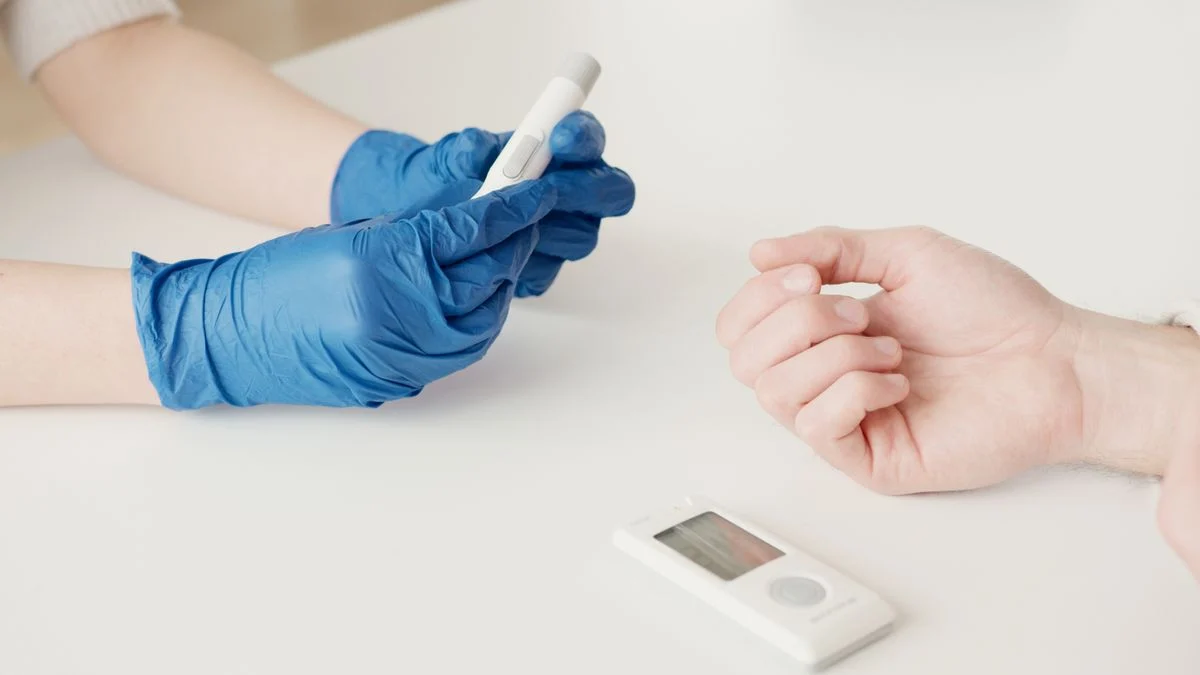
The most common first-line test. You fast overnight (8+ hours), blood is drawn in the morning, and the lab measures glucose concentration. Results are typically back within 24 hours. A reading of 100–125 mg/dL on two separate occasions confirms prediabetes.
2. Hemoglobin A1C
No fasting required — a single blood draw at any time of day. The A1C test is convenient and reproducible, but it can underestimate blood sugar problems in people with certain conditions that affect red blood cell lifespan (sickle cell trait, iron deficiency anemia). In those cases, the FPG or OGTT is more reliable.
3. Oral Glucose Tolerance Test (OGTT)
The most sensitive test for impaired glucose tolerance. It’s more time-consuming (takes about 2 hours in a clinic) and is used when the other tests give borderline or conflicting results, or during pregnancy screening. It catches blood sugar problems that only show up after eating, not when fasting.
Can Prediabetes Be Reversed?
Yes — prediabetes can be reversed, and the evidence is clear on what works.
The CDC’s National Diabetes Prevention Program (National DPP) is the most rigorously studied intervention. In the landmark Diabetes Prevention Program (DPP) research trial, participants who made structured lifestyle changes reduced their risk of progressing to type 2 diabetes by 58%. Among participants over age 60, risk reduction reached 71%.
The two lifestyle changes that drove those results:
- Lose 5–7% of body weight — For a 200-pound (about 90 kg) person, that’s 10–14 pounds (approximately 5–6 kg). Even a loss of 2–3 pounds (1–1.5 kg) can begin improving blood sugar, according to registered dietitian Nancy Oliveira at Harvard-affiliated Brigham and Women’s Hospital.
- Get 150 minutes of moderate-intensity physical activity per week — The DPP used brisk walking as the primary exercise. That’s 30 minutes, 5 days a week.
The combination of these two changes — not just one or the other — produced the 58% risk reduction. Medication (metformin) was also studied and reduced risk by 31%, less effectively than lifestyle change alone.
“Reversal” means your blood sugar returns to the normal range and stays there. It doesn’t mean you’ll never develop diabetes — if you regain weight or stop exercising, blood sugar can rise again. The more accurate term is remission: blood sugar is normal because you’re maintaining the changes that brought it there. For more on this topic, see our full guide on whether type 2 diabetes can be reversed.
Prediabetes Diet: What to Eat and What to Cut Back On
Diet is the most powerful lever for lowering blood sugar. You don’t need to follow a rigid meal plan — the goal is consistent daily choices that reduce glucose spikes and support a moderate weight loss. For a full breakdown of which foods help and which to limit, see our diabetes food list.
The Diabetes Plate Method
Harvard Health Publishing recommends the Diabetes Plate as a practical, no-counting approach:
- Half the plate: non-starchy vegetables (leafy greens, broccoli, cauliflower, zucchini, tomatoes, peppers, mushrooms)
- Quarter of the plate: complex carbohydrates (whole grains, legumes, sweet potato, quinoa)
- Quarter of the plate: lean protein (chicken, fish, eggs, tofu, low-fat dairy)
This structure automatically limits refined carbs and added sugars without requiring calorie tracking.

Foods That Help Lower Blood Sugar
- Non-starchy vegetables: very low glycemic impact; fill the plate with volume and fiber
- Legumes (lentils, chickpeas, black beans): high in fiber and protein, slow glucose absorption
- Whole grains (oats, barley, brown rice): fiber slows digestion; barley and oats contain beta-glucan, a soluble fiber with evidence for blood sugar control
- Berries: lower glycemic than most fruit; rich in antioxidants
- Fatty fish (salmon, sardines, mackerel): omega-3s support cardiovascular health, which matters because prediabetes raises heart disease risk
- Nuts and seeds: modest portions reduce post-meal blood sugar spikes
For guidance on which cooking oils support blood sugar health, see our guide on the best cooking oils for heart health and diabetes.
Foods to Reduce
- Sugary beverages — the biggest single dietary predictor of type 2 diabetes in multiple studies; includes juice, sweetened coffee, and sports drinks
- Refined carbohydrates — white bread, white rice, pastries, crackers; these digest quickly and spike blood glucose faster than whole-grain versions
- Ultra-processed snacks — chips, packaged biscuits, and many breakfast cereals combine refined carbs with high fat content
- Added sugars — check labels for sucrose, corn syrup, dextrose, and maltose in processed foods
- Alcohol — not a requirement to eliminate, but alcohol raises calorie intake, can cause blood sugar fluctuations, and impairs sleep, which independently raises glucose
Note: No single food causes or cures prediabetes.
These are patterns, not a list of forbidden items. A registered dietitian can help you build a practical plan around your preferences and schedule.
Exercise for Prediabetes: The Evidence-Based Targets
Physical activity improves insulin sensitivity even without weight loss — muscle contractions help cells absorb glucose regardless of insulin levels. That’s why exercise and diet together work better than either alone.

The CDC Target
The National DPP recommends 150 minutes of moderate-intensity aerobic activity per week, broken into at least 3 sessions. “Moderate-intensity” means your heart rate rises, you’re breathing harder, and you could carry on a conversation but not sing — think brisk walking, cycling on flat terrain, water aerobics, or doubles tennis.
Resistance Training
Adding 2 sessions of strength training per week (bodyweight exercises, dumbbells, resistance bands, or gym machines) provides additional benefit. Skeletal muscle is the body’s primary glucose disposal site. More muscle mass means more capacity to clear blood sugar after meals.

Practical Tips
- Break up sitting time — even short walks (5–10 minutes) after meals lower post-meal blood sugar meaningfully
- Start where you are — if 30 minutes feels like too much, begin with three 10-minute walks daily
- Consistency beats intensity — five moderate sessions produce better metabolic outcomes than one intense session per week
- Track your steps — a daily goal of 7,000–10,000 steps is associated with improved insulin sensitivity in observational data
Medications for Prediabetes: When Doctors Prescribe Them
Lifestyle change is the first-line treatment for prediabetes. Medication is considered when lifestyle changes haven’t moved blood sugar back to normal after 3–6 months, or when a person’s risk of progressing to type 2 diabetes is very high.
Metformin
The most commonly prescribed medication for prediabetes in high-risk individuals. In the DPP trial, metformin reduced type 2 diabetes risk by 31% compared to placebo. It works by reducing glucose production in the liver and improving insulin sensitivity in muscle.
Metformin is generally well tolerated, inexpensive, and has decades of safety data. The most common side effects are gastrointestinal (nausea, diarrhea), which typically improve with a lower starting dose and taking it with food.
Caution: Medication doesn’t replace lifestyle change — in the DPP, lifestyle change was nearly twice as effective as metformin.
If your doctor prescribes metformin for prediabetes, dietary and exercise changes remain the primary treatment.
Monitoring Your Progress After a Prediabetes Diagnosis
Once you’ve started lifestyle changes, regular monitoring helps you see what’s working and catch problems early.
Follow-up Testing
- Most guidelines recommend repeat fasting glucose or A1C every 3–6 months during active lifestyle change
- Once blood sugar normalizes, testing every 6–12 months is appropriate to confirm you’re staying in the normal range
- Your doctor may also check blood pressure, cholesterol, and kidney function, since prediabetes raises the risk of cardiovascular complications
Home Blood Sugar Monitoring
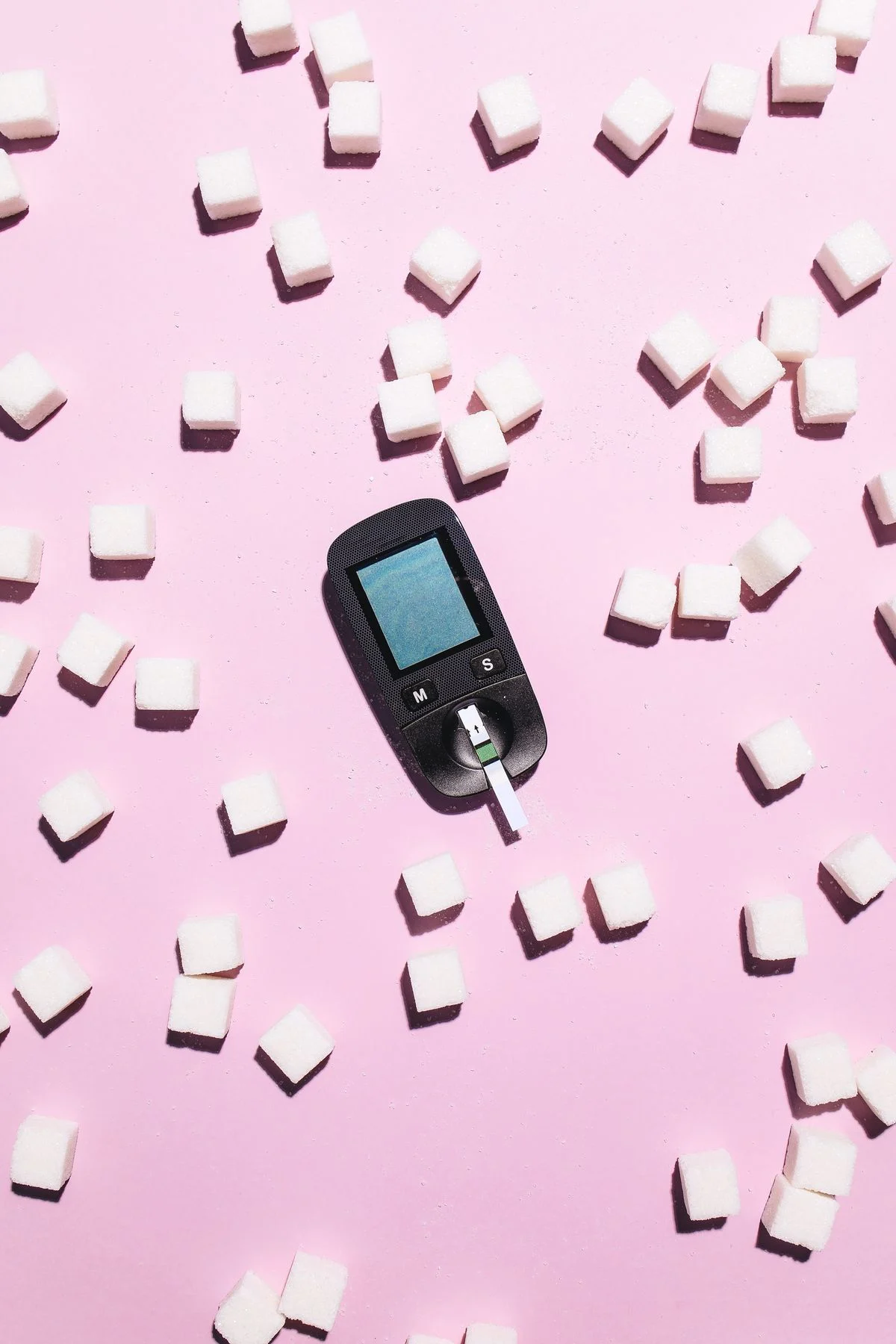
Most people with prediabetes don’t need to check blood sugar at home daily — that’s more typical in type 1 and type 2 diabetes management. However, some people find occasional home testing useful for understanding how specific foods or activities affect their glucose.
If you do test at home, fasting morning glucose (before eating, after 8+ hours without food) is the most informative single reading for tracking trend over time.
The National DPP
If you’re looking for structured support, the CDC’s National DPP is a year-long lifestyle change program delivered by trained coaches in person or online. Studies show participants average a 5–7% weight loss and 150+ minutes of weekly activity by program end. In the US, many insurance plans and Medicare cover participation for people with prediabetes. Similar structured programs exist in the UK (NHS Diabetes Prevention Programme), Australia (Life! program), and Canada (various provincial programs).
FAQ: Prediabetes Questions Answered
Is prediabetes the same as borderline diabetes? Yes — “borderline diabetes” is an informal term for prediabetes. Both mean blood sugar is elevated above normal but below the type 2 diabetes threshold.
Can prediabetes go away on its own without treatment? Rarely, and not reliably. Without lifestyle changes, approximately 15–30% of people with prediabetes progress to type 2 diabetes within 5 years. Some people see blood sugar improve with natural weight changes, but structured intervention is far more effective than waiting.
Does prediabetes always turn into type 2 diabetes? No. With consistent lifestyle changes, many people return to normal blood sugar and stay there for years or decades. Risk of progression drops significantly with even modest weight loss and regular physical activity. If you do progress, our guide on what to do first after a type 2 diabetes diagnosis walks you through the key next steps.
What is a normal blood sugar level after eating? For most adults without diabetes, blood sugar peaks at less than 140 mg/dL about 1–2 hours after the start of a meal and returns to baseline within 2–3 hours. There’s no formal “post-meal” prediabetes threshold for routine clinical diagnosis — the OGTT is the standardized post-load test.
Can children get prediabetes? Yes. Prediabetes in children and adolescents is increasing, particularly alongside rising rates of childhood obesity. Risk factors are similar to adults: family history, excess weight, and physical inactivity.
Should I follow a low-carb diet for prediabetes? Low-carbohydrate diets can help lower blood sugar and support weight loss in some people, and studies show short-term benefits. However, they’re not the only effective approach — a Mediterranean-style diet, a DASH-style diet, and the plate method approach have all shown evidence for improving prediabetes markers. Sustainability matters more than any specific pattern.
The Bottom Line
This prediabetes guide covers the essentials: prediabetes is a blood sugar range — 100–125 mg/dL fasting, 5.7–6.4% A1C, or 140–199 mg/dL on an OGTT — that signals insulin resistance without crossing into type 2 diabetes. Most people with prediabetes have no symptoms, which is why routine screening at age 35 (or earlier with risk factors) catches it.
The good news is direct: lifestyle changes work. Losing 5–7% of body weight and getting 150 minutes of weekly exercise can cut your type 2 diabetes risk by 58%. Those numbers come from a large, well-conducted clinical trial, not a self-help book. Talk to your doctor about follow-up testing frequency, and ask whether a structured program like the National DPP — or its equivalent in your country — is available to you.



