If you have diabetes and a sweet tooth, you’ve probably heard that stevia is “the safe sweetener.” It’s plant-derived, calorie-free, and carries a glycemic index of zero — meaning it doesn’t raise blood sugar directly. But is that the full picture?
The honest answer is: mostly yes, with important qualifiers. Pure stevia extract does not raise blood glucose or insulin. Some evidence suggests it may offer a mild blood-glucose-lowering effect. But “stevia” on a product label doesn’t always mean pure stevia, and the research — while encouraging — is not as conclusive as marketing copy implies.
This article covers what the science actually shows, what safety authorities say, how stevia compares to other common sweeteners, and how to use it wisely if you have diabetes. For a broader look at dietary approaches, see our guide to the best foods for blood sugar control.
Caution: This article is for informational purposes only and does not constitute medical advice.
Always consult a qualified healthcare professional before making changes to your diet, exercise routine or treatment plan — particularly if you are managing diabetes with medication.
What Is Stevia?
Stevia is a natural, non-caloric sweetener derived from the leaves of Stevia rebaudiana Bertoni, a plant native to South America. Its sweetness comes from compounds called steviol glycosides — most importantly stevioside and rebaudioside A (Reb-A).
These compounds are 200–400 times sweeter than table sugar, so only tiny amounts are needed. Stevia contains no carbohydrates and no usable calories, which is why it has a glycemic index (GI) of zero.
The difference between pure stevia and commercial stevia products
This distinction matters enormously for people with diabetes. Pure steviol glycosides (the active compounds) have no effect on blood glucose. Most commercial stevia products — packets, granules, liquid drops — are blended with other ingredients:
- Erythritol (a sugar alcohol — generally safe, minimal glucose impact)
- Maltodextrin (a filler with a GI of 85–105 — higher than table sugar)
- Inulin or chicory root (a prebiotic fibre — generally low GI)
- Dextrose (a glucose-based filler — raises blood sugar)
A product labelled “stevia” that contains maltodextrin or dextrose as a first or second ingredient can raise blood glucose, even though stevia itself does not. Always read the ingredient list, not just the front-of-pack claim.
Does Stevia Raise Blood Sugar? What the Evidence Shows
Pure stevia does not raise blood sugar. Research suggests it may modestly reduce it in some people with diabetes, though the evidence quality is low.
What the meta-analysis found
A 2024 meta-analysis indexed on PubMed (PMID 39098209) reviewed 26 studies with 31 effect sizes. Key findings:
- Stevia was associated with a modest but statistically significant reduction in blood glucose (WMD: −3.84; 95% CI: −7.15, −0.53; P = 0.02)
- The effect was most pronounced in people with higher BMI, diabetes, or hypertension
- The reduction appeared within 1–4 months of consumption
- The certainty of evidence was rated low — meaning the findings are promising but not definitive
What individual RCTs showed
A randomised controlled trial in people with type 2 diabetes examined the effect of stevia-sweetened tea over two months. Results: no statistically significant changes in fasting blood sugar (FBS), HbA1c, insulin, triglycerides, LDL, or HDL cholesterol.
These results are not contradictory to the meta-analysis. A single 2-month RCT may not be long enough or large enough to detect a modest effect that a pooled analysis of 26 studies can. The current state of evidence is: stevia is unlikely to worsen blood glucose and may improve it slightly over several months, but the effect size is modest and the certainty is low.
A separate systematic review of preclinical (animal) studies found that stevioside acts directly on pancreatic beta cells to stimulate insulin secretion in a glucose-dependent manner — meaning it only prompts insulin release when blood glucose is already elevated. This reduces the risk of hypoglycaemia (low blood sugar).
A 2025 review in Frontiers in Nutrition noted that both conventional stevia and nano-formulated stevia extracts may offer benefits in diabetes management, though most human studies are short-term with varying doses.
The bottom line on blood glucose
Stevia is a sweetener, not a treatment. It does not raise blood sugar in its pure form. It may offer a small blood-glucose-lowering effect in people with diabetes based on low-certainty evidence — but it does not replace medication or lifestyle changes. If you’re also considering supplements alongside dietary changes, see our review of supplements for diabetes.
Is Stevia Safe? What the Regulatory Authorities Say
Stevia has been reviewed by multiple global safety bodies. Their conclusions are consistent.
FDA (United States): The FDA has granted “Generally Recognized as Safe” (GRAS) status to high-purity steviol glycosides. The Acceptable Daily Intake (ADI) for steviol glycosides is 4 mg per kilogram of body weight per day, expressed as steviol equivalents — established by the Joint FAO/WHO Expert Committee on Food Additives (JECFA).
For a 70 kg (154 lb) person, that is 280 mg of steviol equivalents per day. A typical stevia packet contains roughly 40–50 mg of steviol equivalents. You would need approximately 6–7 packets per day to approach the ADI. Most people use one or two.
WHO / JECFA: The World Health Organization’s expert committee set the same 4 mg/kg BW/day ADI and considers high-purity steviol glycosides safe for general consumption, including for people with diabetes.
European Food Safety Authority (EFSA): Steviol glycosides (E960) are approved in the European Union with the same ADI.
No major health authority has identified safety concerns with stevia at amounts typical of normal dietary use.
A note on medication interactions
Some laboratory and animal studies suggest stevioside may enhance the blood-glucose-lowering effect of certain diabetes medications. At typical amounts, adding stevia to your diet is unlikely to cause problems if you take insulin, metformin, or sulphonylureas — but it is worth mentioning to your doctor, particularly if you are adjusting medication or monitoring your glucose closely.
Stevia vs. Other Sweeteners: How Does It Compare?
| Sweetener | Glycemic Index | Calories | Blood glucose impact | Safety status | Notes |
|---|---|---|---|---|---|
| Stevia (pure) | 0 | 0 | None (may mildly lower) | FDA GRAS; WHO approved | Watch for fillers in commercial blends |
| Aspartame | 0 | Negligible | None | FDA approved | Degrades above ~70°C — not ideal for baking |
| Sucralose | 0 | 0 | Minimal in pure form | FDA approved | Some studies note gut microbiome effects at high doses |
| Erythritol | 0–1 | ~0.2 cal/g | Negligible | FDA GRAS | Well tolerated; high amounts may cause GI discomfort |
| Xylitol | 7–13 | ~2.4 cal/g | Small | FDA GRAS | Toxic to dogs; high amounts cause diarrhoea |
| Monk fruit | 0 | 0 | None | FDA GRAS | Natural; no bitter aftertaste; often blended with erythritol |
| Saccharin | 0 | 0 | None | FDA approved | Metallic aftertaste; older safety concerns resolved |
| Table sugar (sucrose) | 65 | 4 cal/g | Raises significantly | N/A | Not recommended for frequent use in diabetes |
For people with diabetes, stevia, monk fruit, and erythritol are generally the most clinician-recommended options — all natural or naturally derived, zero or near-zero GI, and with established safety profiles.
How Much Stevia Is Safe Per Day?

The ADI is 4 mg/kg body weight per day as steviol equivalents (per JECFA and FDA).
| Body weight | Maximum daily ADI (steviol equivalents) | Approx. equivalent stevia packets |
|---|---|---|
| 60 kg (132 lb) | 240 mg | ~5–6 packets |
| 70 kg (154 lb) | 280 mg | ~6–7 packets |
| 80 kg (176 lb) | 320 mg | ~7–8 packets |
| 90 kg (198 lb) | 360 mg | ~8–9 packets |
Most people with diabetes use 1–3 stevia-equivalent servings per day — well within the safe threshold. Staying under 3 servings daily is a conservative, practical target.
How to read stevia product labels
- First ingredient check: It should be a steviol glycoside (stevia extract, stevioside, rebaudioside A). If maltodextrin or dextrose appears first, the product contains a meaningful GI filler.
- Look for “pure” or “100% stevia extract”: More likely to be free of high-GI fillers.
- Know your serving size: Some packets replace 1 teaspoon of sugar; others replace 2.
- Understand blends: Products like Truvia® (stevia + erythritol) are generally safe for diabetes. Products with dextrose as a filler are not purely zero-GI.
Practical Ways to Use Stevia With Diabetes
Stevia is heat-stable at typical cooking and baking temperatures, making it more versatile than aspartame.
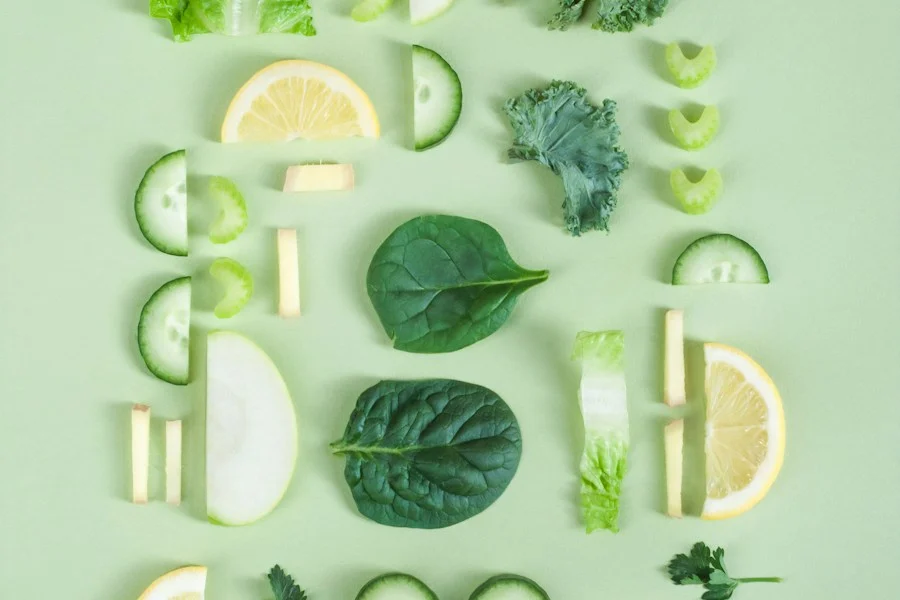
It works well in:
- Hot drinks: Tea, coffee, warm lemon water — a packet or a few liquid drops
- Cold drinks: Iced tea, homemade lemonade, smoothies
- Baking: Suitable for most recipes, though texture may differ — sugar adds bulk and moisture that stevia does not
- Yoghurt and oatmeal: A few drops avoid the glycaemic spike of pre-sweetened commercial versions
- Sauces and marinades: Useful wherever a recipe calls for a touch of sweetness
For baking, combining stevia with erythritol or a ready-made stevia/erythritol blend typically gives better results than stevia alone.

Monitoring Your Blood Sugar When You Switch to Stevia
Switching to stevia from sugar typically reduces total carbohydrate intake, which most people with type 2 diabetes find beneficial for blood glucose management. The specific product matters, though. Many people also pair a low-carb approach with sweetener swaps for better overall results.
When introducing stevia:
- Check the label for fillers before buying
- Monitor your glucose for 1–2 hours after first using a new product, especially those with sugar alcohols
- Start with one serving per day and observe your response
- Don’t assume all “zero calorie” labels behave identically — individual responses can vary, and some continuous glucose monitor (CGM) users report small fluctuations even with zero-GI sweeteners
When to Talk to Your Doctor
Stevia is considered safe for most people with diabetes. Speak to your doctor or dietitian if:
- You take insulin or diabetes medications and are making significant dietary changes
- You have chronic kidney disease (discuss with your nephrologist — stevia is metabolised differently to artificial sweeteners, but any dietary change warrants a conversation)
- You are pregnant — safety data on stevia during pregnancy is limited; discuss with your OB/GYN
- You notice unexpected blood glucose changes after introducing a new stevia product
- You have allergies to plants in the Asteraceae family (ragweed, chrysanthemums) — stevia is in the same plant family
Frequently Asked Questions
Does stevia spike blood sugar?
Pure stevia extract (steviol glycosides) has a glycemic index of zero and does not spike blood sugar. Commercial stevia blends containing maltodextrin or dextrose may cause a modest rise, depending on how much is consumed.
Can people with type 2 diabetes use stevia every day?
Regulatory bodies consider daily use of stevia at typical amounts (1–3 servings per day) safe for people with type 2 diabetes. This is well within the FDA and JECFA Acceptable Daily Intake.
Is stevia better than aspartame for diabetes?
Both have a glycemic index of zero and are considered safe at normal amounts. Stevia is heat-stable at typical cooking temperatures; aspartame degrades above about 70°C and is not suitable for baking. Stevia has a plant-derived origin and some evidence of possible glucose benefits. Most people choose based on taste preference — both are acceptable.
Will stevia affect my HbA1c?
The evidence is mixed. A two-month RCT found no significant change in HbA1c after stevia use. A 2024 meta-analysis of 26 studies found a modest blood glucose reduction with stevia over 1–4 months, though certainty was low. Whether consistent stevia use leads to a meaningful HbA1c reduction over time has not been established. If you want to understand your own HbA1c, read our full guide to what HbA1c means. And if you’re looking to lower your A1c without medication, dietary changes like reducing refined sugar are a key starting point.
Is liquid stevia better than powdered for diabetes?
Liquid stevia (pure drops) is often purer — typically containing only steviol glycosides and water, sometimes with a small amount of alcohol or glycerine. Powdered packets are more likely to include fillers. Read labels regardless of form.
Can stevia cause hypoglycaemia (low blood sugar)?
Stevia’s insulin-stimulating effect is glucose-dependent — it may prompt insulin secretion only when blood glucose is already elevated, not at normal or low levels. Hypoglycaemia from stevia alone is not documented in clinical studies.
The Takeaway: Is Stevia a Good Choice for Diabetes?
For most people with diabetes, pure stevia extract is a reasonable and safe sweetener. It does not raise blood glucose, is approved by the FDA, WHO (JECFA), and EFSA, and may offer a modest blood-glucose-lowering effect — though that benefit is currently supported only by low-certainty evidence.
The main practical considerations: read product labels to avoid blends with high-GI fillers, stay within sensible daily amounts, and monitor your glucose response when introducing any new product.
Stevia is a sweetener, not a diabetes treatment. It is one tool — alongside diet, movement, and prescribed medication — for reducing refined sugar in your diet without sacrificing sweetness. For more on building a diabetes-friendly diet, explore our diabetes food list and insulin resistance diet guide.
Written by the HealthyWayFit Editorial Team | Reviewed for accuracy against primary medical sources. Always consult your healthcare provider before changing your diabetes management plan.
Sources:
- Effect of stevia on blood glucose and HbA1C: A meta-analysis (2024) — PubMed PMID 39098209
- Effects of stevia on glycemic and lipid profile of type 2 diabetic patients: A randomized controlled trial — PMC7103435
- Effect of stevia leaves on diabetes: A systematic review and meta-analysis — PMC9469865
- Aspartame and Other Sweeteners in Food — U.S. Food & Drug Administration
- Exploring the impact of artificial sweeteners on diabetes — Frontiers in Nutrition, 2025
- Effect of stevia on gut microbiota and glucose tolerance — FEMS Microbiology Ecology, 2020
- Stevioside acts directly on pancreatic β cells to secrete insulin — Metabolism, 2000; PMID 10690946
- Stevioside ameliorates high-fat diet-induced insulin resistance — Biochemical and Biophysical Research Communications, 2012; PMID 22240021
- Hidden hazardous effects of stevia and sucralose in diabetic patients — PMC7584803
- JECFA evaluation — Joint FAO/WHO Expert Committee on Food Additives



