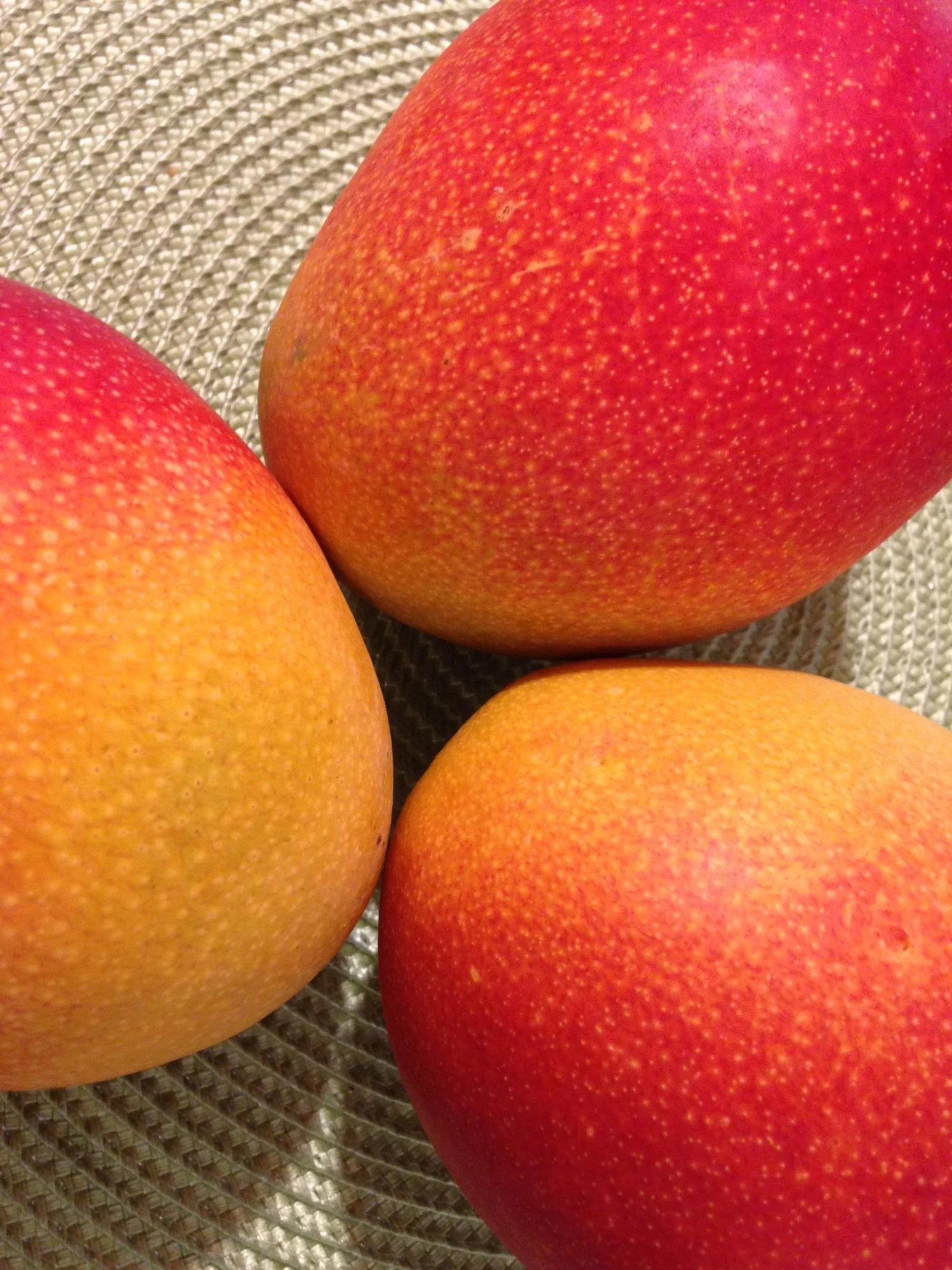
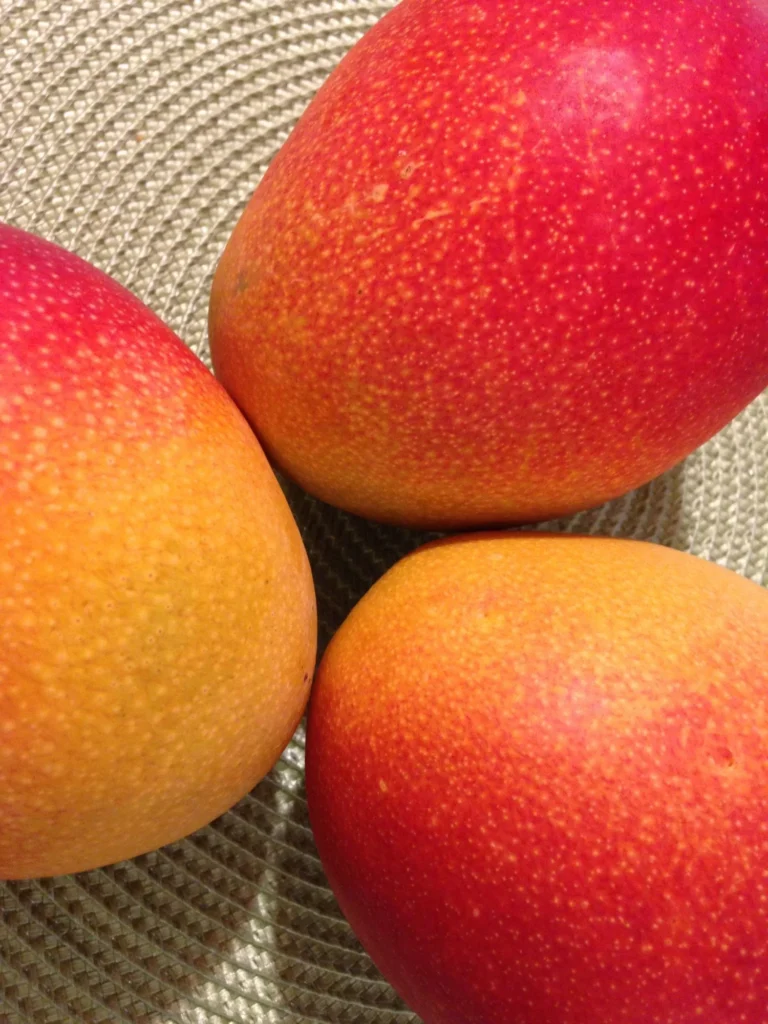
Mango has a glycemic index of 51, which places it in the medium-GI category. A diabetic can eat mango — roughly half a cup (80–100 g) per sitting — provided it is paired with protein or fat, eaten at the right time of day, and counted within the total carbohydrate budget for the meal. The variety, ripeness, and preparation method all affect how quickly blood sugar rises after eating it.
The Short Answer: Can Diabetics Eat Mango?
Yes, people with diabetes can eat mango in controlled portions. One small serving (80–100 g, roughly 10–12 small cubes) contains about 12–15 g of carbohydrates and has a glycemic index of 51. The glycemic load — which accounts for serving size — is around 8–10 for this portion, placing it in the low-to-moderate range.
Mango is not a “free food,” but it is not off the table either. The key is portion size, pairing it with fibre or protein to slow glucose absorption, and monitoring how your own blood sugar responds. For a full breakdown of which foods to build your diet around, see the best foods for blood sugar control.

Mango’s Nutritional Profile and Glycemic Index
One cup (165 g) of sliced mango provides approximately:
| Nutrient | Amount per 165 g |
|---|---|
| Calories | 99 kcal |
| Carbohydrates | 25 g |
| Dietary fibre | 2.6 g |
| Natural sugars | 22.5 g |
| Vitamin C | 60 mg (67% DV) |
| Vitamin A | 89 mcg RAE (10% DV) |
| Folate | 71 mcg (18% DV) |
| Potassium | 277 mg |
Source: USDA FoodData Central, 2024.

The glycemic index of mango averages 51 (range: 41–60 across studies), according to the University of Sydney’s GI database. This is comparable to pineapple and slightly higher than papaya for ripe variants. Unripe or firm mango tends to have a lower GI than fully ripe, soft mango because ripe mango converts more starch to simple sugars.
The glycemic load for an 80 g serving works out to roughly 7–9 — a figure that most dietitians consider acceptable for a person managing type 2 diabetes, especially when paired with a protein or fat.
Mango also contains mangiferin, a polyphenol with emerging evidence for anti-inflammatory and blood-sugar-stabilising effects. Most studies to date are on animal models or extracts rather than whole fruit, so this benefit should not be overstated.
How Mango Affects Blood Sugar
Mango raises blood sugar more than most non-starchy vegetables but less than white bread (GI ~71), white rice (GI ~73), or most fruit juices. The rise depends on several factors:

Ripeness: As mango ripens, starch converts to fructose and glucose, raising the effective glycemic index. A firm, slightly underripe mango will cause a smaller post-meal glucose spike than a very ripe, fragrant mango.
Fibre content: The 2.6 g of fibre per cup slows gastric emptying and glucose absorption. Eating mango with its fibre intact (as whole fruit rather than juice) produces a gentler glucose curve.
What you eat alongside it: Pairing mango with a source of protein (plain yogurt, a handful of peanuts, paneer) or fat (a small quantity of unsalted nuts) further blunts the glycemic response by slowing digestion.
Individual response: Blood glucose responses to the same food vary between individuals by up to 40% due to differences in gut microbiota, insulin sensitivity, and medication. If you have a continuous glucose monitor (CGM), testing how your blood sugar responds to a specific portion of mango eaten a specific way is the most reliable guide.
Caution: Mango juice and mango milkshakes are not the same as whole mango.
Juicing removes most of the fibre and concentrates the sugars, leading to a much higher glycemic response. A glass of mango juice can deliver 30–40 g of sugar with minimal fibre — this is not appropriate for most people with diabetes.
How Much Mango Can a Diabetic Eat?
The standard guidance from diabetes dietitians is one small serving per day, no more than 3–4 times per week.
| Serving size | Approximate carbs | Glycemic load |
|---|---|---|
| 80 g (10–12 small cubes) | 12–14 g | 7–9 |
| 100 g (about ½ cup) | 15–17 g | 9–11 |
| 165 g (1 full cup) | 24–26 g | 14–17 |
The 80–100 g range is the recommended single serving for most people with type 2 diabetes. A 165 g serving uses up a significant fraction of a typical per-meal carbohydrate budget (45–60 g for an active adult) and should only be eaten if carbohydrates are reduced elsewhere in that meal.
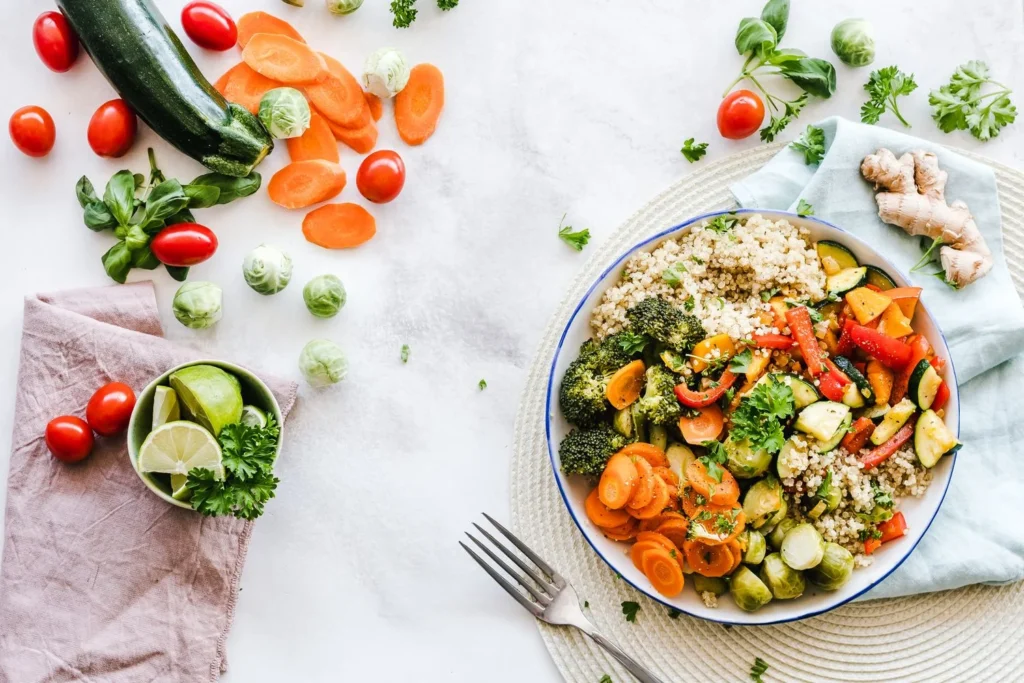
The total daily carbohydrate intake matters more than any single food choice. If mango is your fruit for the day, balance the rest of the meal with non-starchy vegetables, lean protein, and a smaller grain portion. Understanding the difference between low-carb and low-fat approaches for diabetes can help you decide how much flexibility you have for fruit in your diet.
Best Time to Eat Mango with Diabetes
The timing of fruit consumption matters for blood sugar management.
Best time: Mid-morning or mid-afternoon as a standalone snack, not immediately after a high-carbohydrate meal. Eating mango between meals gives blood glucose time to stabilise before adding more carbohydrates.
Avoid: Eating mango first thing in the morning on an empty stomach (leads to a faster glucose rise with no other macronutrients to slow it down) or as a dessert added on top of a large meal (stacks carbohydrates and can push post-meal glucose higher than either would alone).
Before exercise: A small serving of mango 30–60 minutes before moderate physical activity can be useful — the glucose rise is used as fuel and overall blood sugar impact is lower.
Which Mango Varieties Are Better for Diabetes?
India grows over 1,000 mango varieties. GI varies by variety:
| Variety | Relative GI | Notes |
|---|---|---|
| Alphonso (Hapus) | Medium (~50) | High sugar when fully ripe |
| Kesar | Medium (~52) | Similar to Alphonso |
| Dasheri | Medium–High (~55) | Very sweet when ripe |
| Totapuri | Lower (~45) | Less sweet, more tart; eaten raw |
| Raw green mango | Low (~35–40) | High starch, low sugar; often used in cooking |
Totapuri and green/raw mango are the better choices for tighter blood sugar management. Alphonso and Kesar — the most popular eating varieties — are acceptable in small portions but are not the lowest-GI options.
Note: GI values for specific Indian mango varieties are not widely studied in peer-reviewed literature.
The figures above are estimates based on their known sugar and fibre profiles and expert dietary guidance. Monitor your own response.
Best Ways to Eat Mango Without Spiking Blood Sugar
- Eat it as a snack, not dessert. Mango eaten alone between meals has a lower impact than mango piled on top of a rice-based meal.
- Pair with protein or fat. A small bowl of plain curd (yogurt) with mango cubes, or mango with a small handful of almonds, slows glucose absorption more than mango alone.
- Choose firm over very ripe. Fully ripe, fragrant mango has a higher sugar content and a higher effective GI than firm, slightly unripe mango.
- Eat the whole fruit, not juice. Whole mango contains fibre that slows digestion. Mango juice does not.
- Measure before eating. 80–100 g (10–12 cubes) is easy to underestimate. Weighing the portion once or twice builds an accurate sense of the right quantity.
- Check your blood sugar. If you have a glucometer or CGM, checking 2 hours after eating mango helps you understand your personal response. A rise of less than 2 mmol/L (36 mg/dL) from your pre-meal reading is generally considered a safe response for a single food.
Mango and Type 2 Diabetes: What the Research Shows
A 2014 randomised pilot study by researcher Edralin Lucas and colleagues (Oklahoma State University), published in Nutrition and Metabolic Insights, found that consuming freeze-dried mango (10 g daily, equivalent to about ½ cup fresh) over 12 weeks reduced fasting blood glucose in obese participants by approximately 4–5% from baseline — modest but statistically significant.
A 2020 study in Nutrients (Gao et al.) examined mango polyphenol extracts in rodent models of type 2 diabetes and found that mangiferin improved insulin sensitivity and reduced oxidative stress markers. The authors noted the limitation that animal studies do not directly predict outcomes in humans.
The current scientific consensus is that moderate, portion-controlled consumption of whole mango does not worsen blood sugar control in most people with type 2 diabetes. It is not a treatment for diabetes, and it is not a “sugar-free” food — but it can be part of a balanced diabetic diet.

No major diabetes guideline body (the American Diabetes Association, the International Diabetes Federation, or the Indian Council of Medical Research) prohibits mango for people with diabetes. All of them advise portion control and carbohydrate counting rather than blanket fruit exclusions.
When to Be Cautious with Mango
Mango is not appropriate for everyone with diabetes in every situation:
If blood sugar is poorly controlled (HbA1c above 8.5–9%): Strict carbohydrate restriction is often prioritised in this stage, and adding medium-GI fruits may not be appropriate until control improves. Discuss with your diabetes care team.

If you are on insulin or sulfonylureas: These medications lower blood sugar directly. A mango portion eaten without adequate food can, in rare cases, contribute to hypoglycaemia if medication dose is not adjusted. Do not eat mango as a standalone snack after skipping a meal.
If you have uncontrolled gestational diabetes: Gestational diabetes requires tighter blood sugar targets. Your dietitian will set your fruit allowance; stick to it rather than self-adjusting.
If you have chronic kidney disease (CKD) alongside diabetes: Mango is relatively high in potassium (277 mg per cup). People with CKD who are advised to limit potassium should check their allowance before eating mango.
How Mango Compares to Other Fruits for Diabetes
Not all fruits carry the same glycemic impact. Here’s how mango stacks up against other popular fruits:
| Fruit | GI | Carbs per 80–100 g |
|---|---|---|
| Mango (ripe) | ~51 | 12–15 g |
| Amla (Indian gooseberry) | ~25 | 5–7 g |
| Custard apple | ~54 | 20–22 g |
| Guava | ~12 | 7–9 g |
| Watermelon | ~72 | 7–9 g |
Amla and guava are lower-GI options that can be eaten in larger portions with less blood sugar impact. Custard apple has a higher carbohydrate content per serving and should be approached with similar caution to mango.
The Bottom Line
Mango is a medium-GI fruit that people with type 2 diabetes can eat in measured portions — roughly 80–100 g, no more than once a day, 3–4 times per week. Pair it with protein or fat, choose firmer varieties over fully ripe ones, and always eat the whole fruit rather than juice or smoothies. Individual blood sugar response varies, so testing with a glucometer 2 hours after eating is the most reliable guide for your specific situation.

If you are actively working to lower your A1c without medication, fruit choices like mango need to be balanced within your overall carbohydrate budget. For a broader picture of which foods help keep blood sugar steady, the Diabetes Food List: What to Eat, Limit, and Avoid covers the full range of grains, vegetables, proteins, and fruits to include in your daily diet.
Author: Kirti, Founder & Serial Entrepreneur, HealthyWayFit



