By Kirti Prakash, Certified Health Coach & Founder, HealthyWayFit
You have probably heard it more than once: “You have diabetes, so you need to avoid Indian food.” Maybe your doctor glanced at your dal-rice and frowned. Maybe someone in your family quietly slid the roti basket away from you at dinner.
Here is the truth: that advice is wrong — or at least, deeply incomplete.
Traditional Indian meals, built around dals, vegetables, whole grains, and fermented foods, are genuinely well-suited to blood sugar management. The problem is not the cuisine. The problem is how portions are sized, which ingredients slip in, and — surprisingly — the order in which you eat.
This guide explains the science, gives you practical templates, and answers the questions people actually search for: Can I eat rice? Is chapati okay? What about biryani?
Medical Disclaimer: This article is for informational purposes only and does not constitute medical advice. Always consult a qualified healthcare professional before making changes to your diet, exercise routine, or diabetes management plan.
Why Indian Meals Can Be Good for Blood Sugar
The fear around Indian food and diabetes usually focuses on carbohydrates — rice, roti, potatoes. But carbohydrates are not a monolith, and what you eat with them matters as much as the carbs themselves.
Traditional Indian meals have three things working in their favour:
1. High dietary fibre from pulses and vegetables Dals (lentils, chickpeas, kidney beans) are among the highest-fibre foods on the planet. According to the National Institutes of Health, dietary fibre slows glucose absorption in the small intestine, which flattens the blood sugar spike after a meal. A bowl of masoor dal with lunch is not working against your glucose — it is actively helping regulate it.
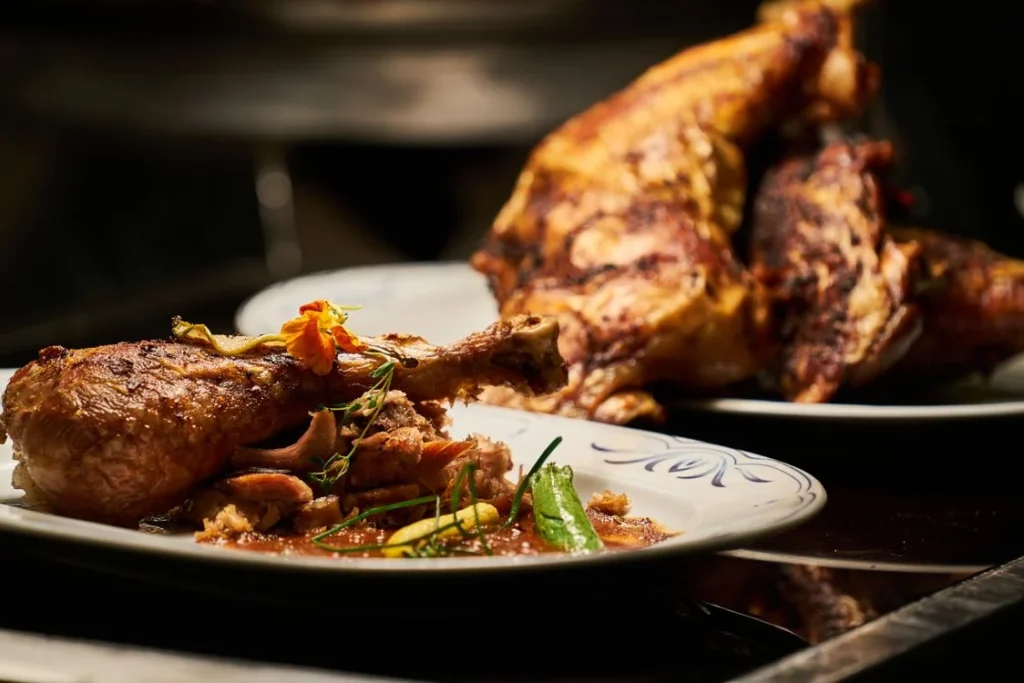
2. Plant-based protein Protein slows gastric emptying, meaning food moves more slowly from your stomach into your intestine. A slower transit time means a slower, smaller rise in blood glucose. Indian cooking is rich in protein sources: dal, paneer, curd (yoghurt), eggs, fish, chicken. A meal that pairs dal with your rice or roti behaves very differently in your body than rice alone.
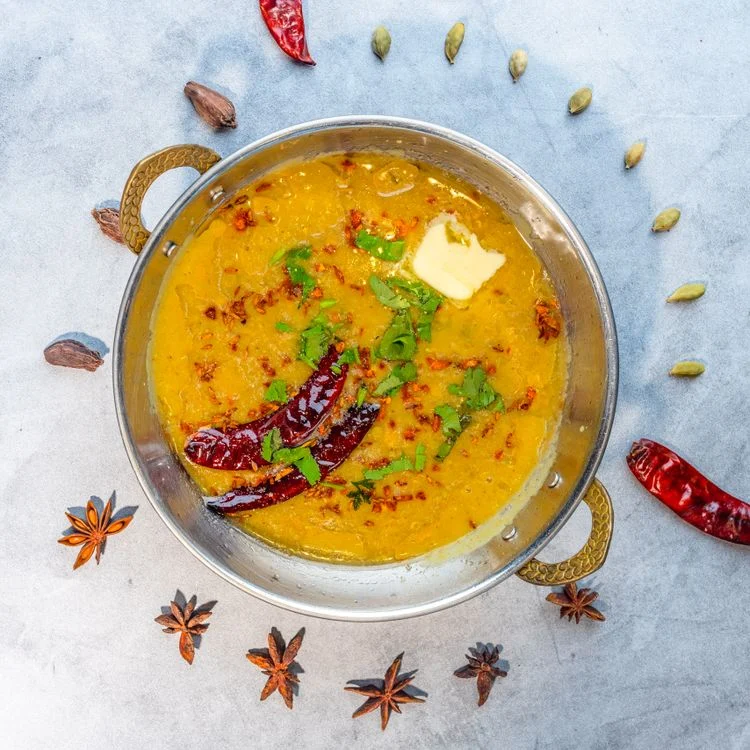
3. Spices with metabolic benefits Fenugreek (methi), turmeric, and cinnamon each have peer-reviewed evidence supporting modest improvements in insulin sensitivity or glucose regulation. These are not cures — the evidence is preliminary and the effect sizes are small — but they are a reminder that traditional Indian cooking was not designed carelessly.
The issue is not that Indian meals are inherently bad for diabetes. The issue is that modern Indian eating has drifted: portion sizes are larger, refined flour (maida) has replaced whole grains, and vegetables have shrunk while rice has grown.
The Eating Order Secret: Why What You Eat First Matters
This is the finding that surprises most people — and it is backed by solid research.
A 2015 study published in Diabetes Care (a peer-reviewed journal of the American Diabetes Association) tested what happens when people with type 2 diabetes eat the same meal but in a different order. In one condition, they ate vegetables and protein first, then carbohydrates. In the other, carbohydrates first, then vegetables and protein.
The result: eating vegetables and protein before carbohydrates reduced the post-meal blood glucose spike by 29%, and the insulin spike by 25%, compared to eating carbohydrates first. (Shukla et al., Diabetes Care, 2015)
What this means for your Indian meal:
Start with your dal and sabzi (vegetables). Eat your roti or rice last — or at least, not first. This single change, with no reduction in calories or carbohydrates, meaningfully reduces how much your blood sugar rises after eating — by up to 29% in one clinical trial published in Diabetes Care.
Most of us grew up eating rice-first or roti-first because that is how the food is served. Reversing that order is one of the highest-leverage, lowest-effort changes a person with diabetes can make.
The Balanced Thali: A Blood Sugar-Friendly Template
The traditional Indian thali is, in its original form, close to a perfect metabolic meal. The problem is the proportions have changed in modern plating.
Here is a template that keeps the flavour while protecting your glucose:
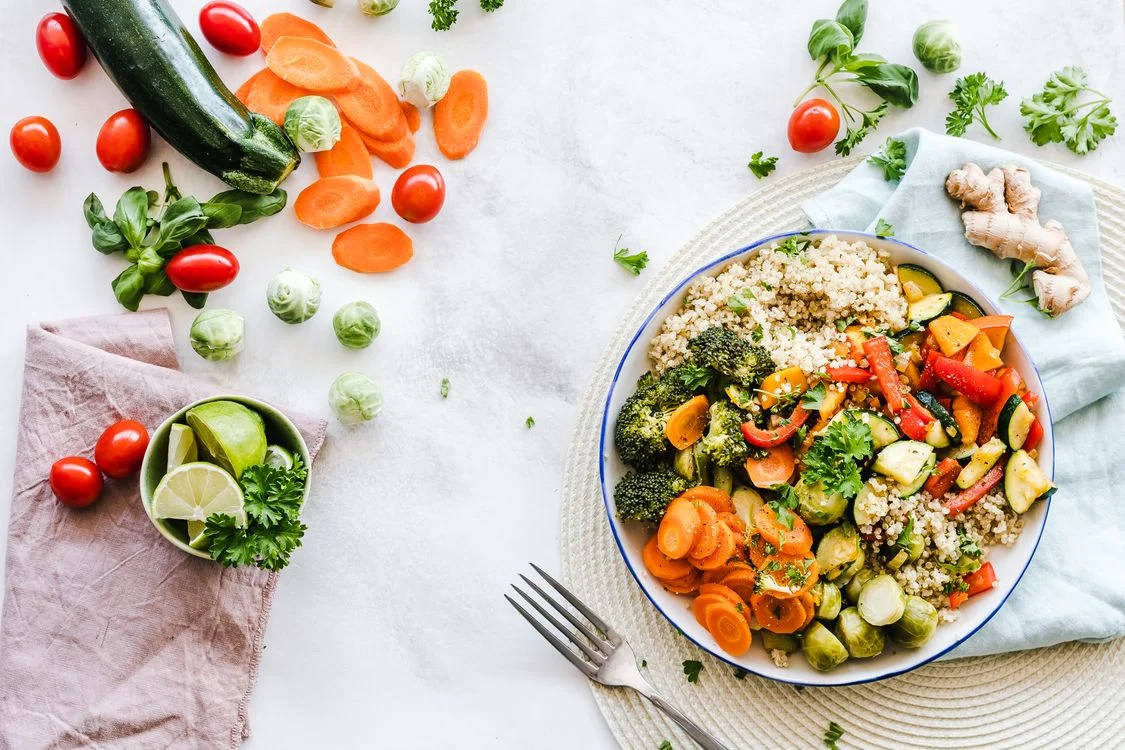
The Half-Quarter-Quarter Rule:
- Half your plate: non-starchy vegetables — any sabzi (palak, bhindi, lauki, cauliflower, methi, cabbage, beans), raw salad, raita
- One quarter: protein — dal, chole, rajma, paneer, curd, egg, fish, or chicken
- One quarter: grain — rice, roti, or millet — one serving, not two
This proportion ensures that fibre and protein dominate the meal, so by the time glucose from the grain enters your bloodstream, absorption is already being slowed. For a deeper look at which specific foods work best, see our guide to the best foods for blood sugar control.
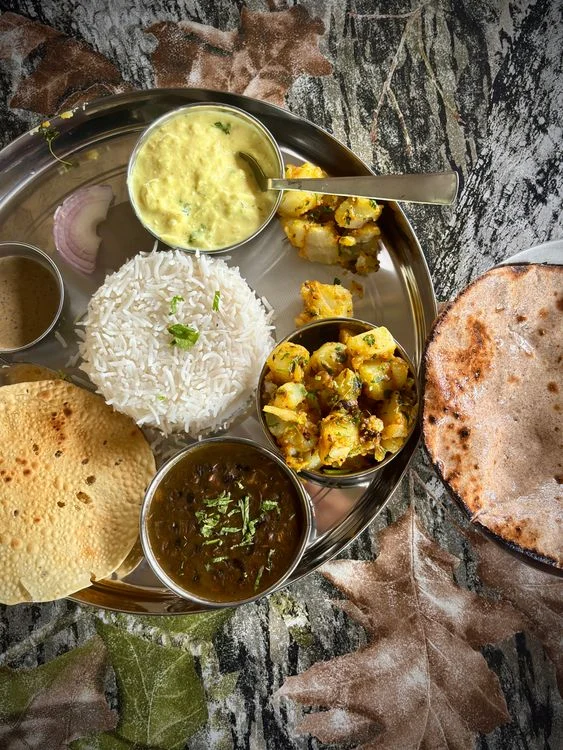
What a balanced thali looks like in practice:
| Component | Example | Serving size |
|---|---|---|
| Non-starchy veg (½ plate) | Methi sabzi or bhindi fry | 1–1.5 cups |
| Protein (¼ plate) | Masoor dal or paneer bhurji | ½ cup dal / 80g paneer |
| Grain (¼ plate) | Brown rice or 1 phulka | ½ cup cooked rice / 1 roti |
| Healthy fat | 1 tsp ghee on roti | Small amount only |
| Fermented | 2 tbsp raita or buttermilk | Small portion |
Grains: Rice, Roti, and the Truth About Carbs
Can I eat rice if I have diabetes?
Yes — but the type and quantity matter.
White rice has a higher glycaemic index (GI ~72) than brown basmati rice (GI ~50) or millets like jowar, bajra, or ragi (GI 50–70 depending on preparation). The glycaemic index measures how quickly a carbohydrate raises blood sugar compared to pure glucose.
However, GI is not the whole story. Glycaemic load — which accounts for how much of that food you actually eat — matters more. A small portion of white rice (½ cup cooked) with plenty of dal and vegetables will have a lower glycaemic load than a large bowl of brown rice eaten alone.
Practical rice guidance:
- Limit to ½ cup cooked rice per meal (roughly the size of your fist)
- Always pair with dal and/or protein — never eat rice as a standalone
- Cooling cooked rice before eating increases resistant starch content, which lowers its effective GI
- Brown basmati and parboiled rice are better choices; millets are the best
Is chapati okay for diabetics?
A standard 6-inch whole wheat phulka (no oil, thin) has a GI of roughly 52 — lower than white rice and comparable to brown basmati. One to two rotis per meal is reasonable for most people with type 2 diabetes when paired with dal and vegetables.
Avoid: paratha made with maida or stuffed with excessive ghee and potato, which raises both the fat and carbohydrate load significantly.
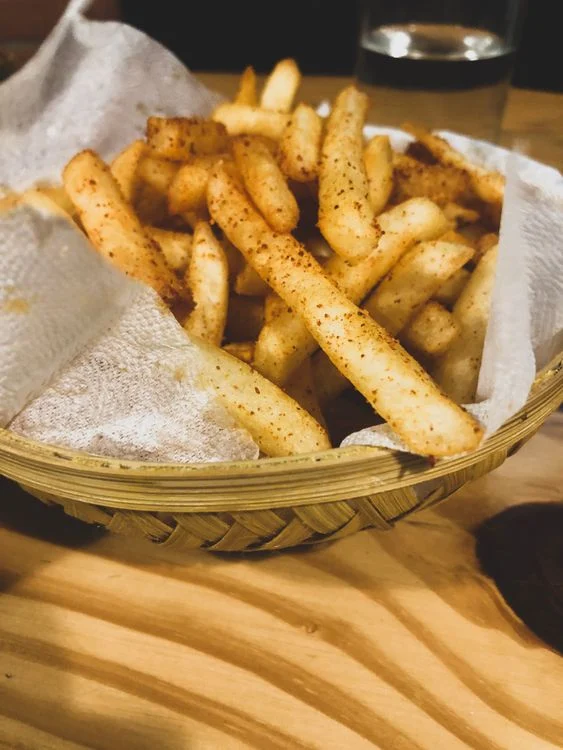
Better grain choices at a glance:
| Grain | GI (approx) | Best use |
|---|---|---|
| White rice | 72 | Limit; small portions only |
| Brown basmati rice | 50 | Good choice; ½ cup portions |
| Whole wheat roti | 52 | 1–2 per meal |
| Jowar (sorghum) roti | 50–55 | Excellent substitute |
| Bajra (pearl millet) roti | 54 | Excellent substitute |
| Ragi (finger millet) | 68 | Moderate; higher protein |
| Maida (refined flour) | 71 | Avoid or minimise |
Dal, Sabzi, and Protein: Your Blood Sugar’s Best Friends
Dal and sabzi do the heavy lifting in a diabetes-friendly Indian meal — and they are the parts most people undervalue.
Dals and pulses
Lentils, chickpeas, rajma, moong, and urad dal all sit in the low-GI range (GI 20–40). They are high in both soluble fibre and plant protein — two things that specifically slow post-meal glucose rise. The Mayo Clinic lists legumes as one of the best food choices for people managing blood sugar.
A practical rule: make dal a non-negotiable part of at least two meals a day.
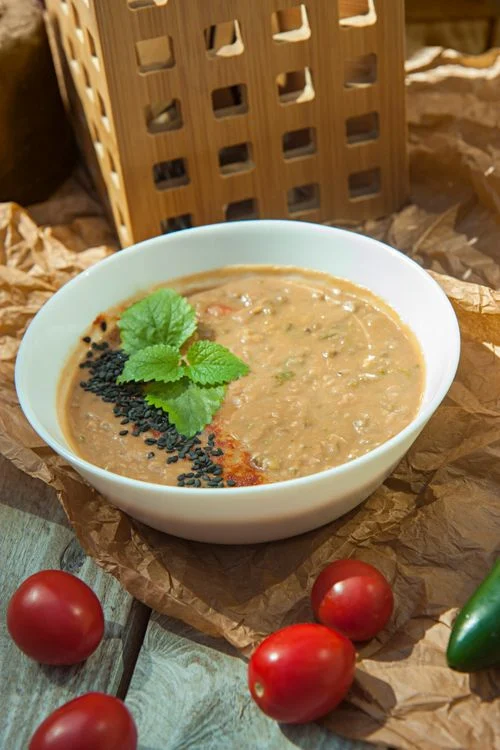
| Dal / pulse | Approximate GI | Notes |
|---|---|---|
| Whole moong | 25 | Lowest; excellent choice |
| Masoor dal | 29 | Easy to cook, high protein |
| Chana dal | 33 | High fibre, slow digestion |
| Rajma (kidney beans) | 29 | Good; pair with brown rice |
| Whole chana / chickpeas | 33 | Good snack or lunch base |
Sabzi (vegetables)
Non-starchy vegetables have a negligible impact on blood sugar. Spinach (palak), fenugreek leaves (methi), bottle gourd (lauki), ridge gourd (tori), bitter gourd (karela — which has some evidence for modest glucose-lowering effects in small studies), okra (bhindi), and cauliflower are all excellent daily choices.
Starchy vegetables — potato, sweet potato, yam — are not off-limits but should be treated like a grain: small portions, paired with fibre and protein, not eaten alone.
Paneer, curd, and dairy
Full-fat paneer in moderate portions (80–100g per serving) provides protein and fat with minimal carbohydrate impact. Homemade curd (yoghurt) adds probiotics and protein. Low-fat versions of both are fine but not necessary — the evidence that moderate fat intake worsens glycaemia is weak.
North Indian vs South Indian: Both Can Work
Indian cuisine is not one thing — and the diabetes advice that works in Punjab looks a little different from what works in Tamil Nadu or Kerala.
North Indian meals
The classic North Indian thali — dal, sabzi, roti, raita — is well-structured for blood sugar management when portions are right. The risk areas: oversized roti portions, excessive ghee, and the gradual replacement of whole wheat roti with paratha or naan (made from maida).
High-value North Indian choices:
- Moong dal cheela (lentil pancakes) for breakfast
- Rajma with brown rice (lower GI than it sounds when the dal-to-rice ratio is right)
- Palak paneer with one roti and a cucumber salad
South Indian meals
South Indian cooking has a notable advantage: fermentation. Idli and dosa batter is fermented for 8–12 hours before cooking. Fermentation partially breaks down carbohydrates and may improve the glycaemic response compared to unfermented versions of the same grains — though individual variation is significant.
High-value South Indian choices:
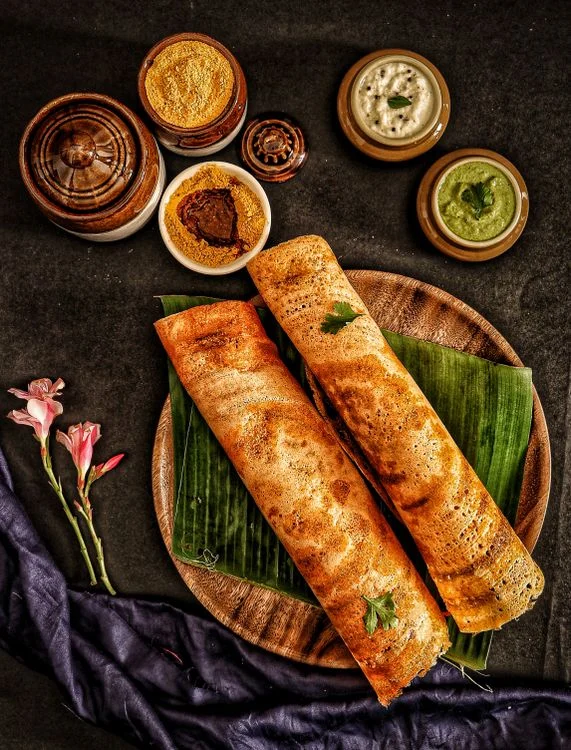
- Idli with sambar (sambar is a protein-rich, fibre-rich lentil vegetable stew — outstanding for blood sugar)
- Pesarattu (whole moong dosa) — low GI range due to the high protein content of whole moong
- Rasam — tomato and tamarind-based, very low carbohydrate
- Kootu (vegetable and lentil combination) — excellent fibre and protein in one dish
What to moderate regardless of region:
- Poori and bhatura (deep-fried, refined flour — high GI and high fat)
- Biryani with large rice portions (see next section)
- Halwa, kheer, and other festival sweets (high sugar)
What About Biryani, Puri, and Festival Foods?
Is biryani okay for diabetics?
Biryani is not forbidden — but it needs context. A standard restaurant biryani serving contains 60–90g of carbohydrate from white rice, plus fat from ghee and meat. That is a large carbohydrate load in one sitting.
If you want biryani:
- Reduce the rice portion to ½ cup and fill the rest of your plate with raita and a salad
- Eat the protein (chicken, eggs, vegetables) first, rice last
- Avoid on days when you have already had high-carb meals
Home biryani made with brown basmati rice and controlled ghee is significantly better than restaurant versions.
Puri and bhatura?
These are deep-fried in refined flour — high GI, high fat, large portions. Better reserved for occasional festival eating rather than regular meals. A plain whole-wheat phulka is nutritionally a very different food.
Festival foods and mithai?
The social pressure around Indian festivals is real. Strategies that work: eat a protein-rich meal before the gathering so you are not arriving hungry, take smaller pieces and eat them slowly, prioritise savoury items over sweet ones, and consider that one small piece of mithai at a festival is very different from daily sweet intake.
A Sample Diabetes-Friendly Indian Day
Here is what a full day of eating could look like — balanced, satisfying, and achievable.
Breakfast (7:30–8:30 am)
- 2 moong dal cheela with mint-coriander chutney
- Small bowl of homemade curd (no added sugar)
- 1 small guava or a handful of berries
Why it works: High protein from moong dal and curd, low GI, fibre from chutney herbs. No refined flour.
Mid-morning snack (11:00 am) — optional
- Small handful of roasted chana (10–12 pieces) or 5–6 almonds
- 1 cup green tea or plain water
Lunch (1:00–2:00 pm)
- Start with: cucumber-tomato salad with lemon
- Then: 1 cup masoor dal, 1 cup methi sabzi
- Finally: ½ cup brown rice or 1 whole wheat roti
- Small bowl of raita
Eating order: salad and dal first, grain last — flattens post-meal spike by up to 29% based on research from Diabetes Care (2015).
Evening snack (5:00–6:00 pm)
- 1 cup sprouts chaat (moong, tomato, lemon, minimal salt)
- Or: 1 small bowl of curd with a pinch of jeera
Dinner (7:30–8:30 pm)
- 1 cup palak dal or sambar
- 1 cup of mixed sabzi (bhindi, lauki, or any non-starchy vegetable)
- 1 whole wheat roti or ½ cup rice (whichever you did not have at lunch)
- No dessert; 1 small square of 85% dark chocolate if you want something sweet
What diabetics can eat freely at dinner: non-starchy vegetables, dal, curd, salad — no restrictions on these.
When to Talk to Your Doctor
Dietary changes can affect how much medication you need. If you are on metformin, insulin, or other glucose-lowering medications and you significantly change your diet — particularly if you are substantially reducing carbohydrates — your blood sugar may drop lower than expected.
Talk to your doctor or a registered dietitian before making major dietary changes if:
- You are on insulin or sulphonylureas (medications that lower blood sugar directly)
- Your HbA1c is above 9% and you are making significant dietary changes
- You are experiencing frequent hypoglycaemia (low blood sugar episodes)
- You have kidney disease — protein recommendations may differ
Dietary management works best as part of a supervised plan, not in isolation. If you are looking for practical strategies to lower your HbA1c without medication, our dedicated guide covers the evidence-backed approaches in detail.

Frequently Asked Questions
What foods reduce HbA1c? Foods that consistently show evidence of supporting lower HbA1c levels include whole pulses and legumes (chickpeas, lentils, kidney beans), non-starchy vegetables, fermented dairy (curd, buttermilk), and foods high in soluble fibre. These work by slowing glucose absorption and supporting a steadier insulin response over time. No single food reduces HbA1c on its own — the overall dietary pattern matters more.
Is biryani okay for diabetics? Yes, in moderation and with adjustments. Keep the rice portion to ½ cup, eat the protein first, pair with raita and salad, and avoid making it a daily choice. Home biryani with brown basmati is a better option than restaurant versions, which typically contain more rice and fat.
Is chapati okay for diabetics? Yes. A plain whole wheat phulka (thin, no added fat) has a moderate glycaemic index (~52) and is a better choice than naan, puri, or paratha made with refined flour. One to two rotis per meal, paired with dal and vegetables, is a reasonable portion for most people with type 2 diabetes.
What can diabetics eat freely for dinner? Non-starchy vegetables (palak, bhindi, lauki, cauliflower, beans, tomato), dal and sambar, curd and raita, and salads can be eaten in generous portions without worrying about blood sugar spikes. The foods to limit at dinner — not eliminate, but portion carefully — are grains (rice, roti) and starchy vegetables (potato). For more ideas on what helps blood sugar, see our guide to the best foods for blood sugar control.
Can type 2 diabetes be managed through diet alone? For some people — particularly in the earlier stages — yes. Research shows that significant dietary changes, especially reducing refined carbohydrates and losing weight, can improve blood sugar control substantially. Whether type 2 diabetes is reversible depends on how long someone has had it and how much beta cell function remains. Diet is always a core part of the management plan.
The Takeaway
Indian food is not the enemy of blood sugar management — it never was. Traditional Indian meals built around dal, sabzi, curd, and whole grains are genuinely blood sugar-friendly when portions are right and the structure is maintained.
The three changes that make the biggest difference: eat your vegetables and dal before your rice or roti, keep your grain portion to one quarter of your plate, and make dal a non-negotiable part of at least two meals a day.
If you want personalised support with managing blood sugar through food, HealthyWayFit’s coaching programme works with you on exactly this — real Indian food, practical portions, and a plan built around your lifestyle.
Sources:
- Shukla AP, et al. “Food Order Has a Significant Impact on Postprandial Glucose and Insulin Levels.” Diabetes Care. 2015;38(7):e98–e99. PubMed
- National Institutes of Health. “Dietary Fiber.” MedlinePlus. https://medlineplus.gov/dietaryfiber.html
- Mayo Clinic. “Diabetes diet: Create your healthy-eating plan.” https://www.mayoclinic.org/diseases-conditions/diabetes/in-depth/diabetes-diet/art-20044295
- American Diabetes Association. “Glycemic Index and Diabetes.” https://diabetes.org/food-nutrition/understanding-carbs/glycemic-index-and-diabetes