Metformin has been the first-line medication for type 2 diabetes for decades. But as more research confirms that lifestyle change can drive blood sugar into the normal range, more people are asking their doctors the same question: is it safe to stop taking it?
The short answer research supports is: sometimes, yes — but only under specific conditions and with careful monitoring. Stopping metformin abruptly, without meeting blood sugar criteria, or without a replacement plan, carries real risks. This article walks through what the evidence says about when stopping is appropriate, how it is typically done, and what needs to be in place first.
Why People Consider Stopping Metformin

There are several evidence-supported reasons a person and their doctor might explore stopping metformin.
Diabetes remission through lifestyle change. A landmark 2018 trial published in The Lancet (DiRECT trial, Lean et al.) found that nearly half of participants achieved diabetes remission — defined as HbA1c below 6.5% without medication — after a structured 12-month weight loss programme. At the two-year follow-up, 36% maintained remission.
Side effects that limit quality of life. Metformin commonly causes gastrointestinal symptoms — nausea, diarrhoea, bloating, and abdominal discomfort — particularly in the first weeks of use. Long-term use is also associated with reduced absorption of vitamin B12, which can contribute to neuropathy if not monitored. For some people, these side effects are persistent enough to justify exploring alternatives under medical supervision.
Kidney function concerns. Because metformin is cleared by the kidneys, declining kidney function (eGFR below 30 mL/min/1.73m²) is a contraindication. Doctors may need to stop or adjust the dose as kidney function changes with age or disease.
Procedure preparation. Many hospitals require stopping metformin 24-48 hours before imaging with contrast dye or elective surgery, due to a small risk of contrast-induced kidney stress and lactic acidosis in compromised patients.
What Research Shows Happens If You Stop Suddenly
Stopping metformin abruptly — without medical guidance and without meeting remission criteria — typically leads to a rapid rise in blood sugar (hyperglycemia). This is not the same as a withdrawal reaction. Metformin does not cause physical dependence, but it does actively lower blood glucose while it is in the body. When it is gone, the underlying insulin resistance and impaired glucose regulation reassert themselves.
Research on metformin pharmacokinetics (StatPearls, Hallare and Gerriets, 2023) shows the drug has a half-life of approximately 17.6 hours. Full washout — defined as approximately five half-lives — takes around 98.6 hours, or about four days. During this washout period, blood sugar can begin rising, especially if diet and activity levels have not changed.
Common signs of blood sugar rising after abrupt discontinuation include: increased thirst, frequent urination, unusual fatigue, blurred vision, and headaches. If these appear, blood glucose should be tested and a doctor contacted.
The Evidence-Based Criteria for Stopping Safely
A 2024 review published in the World Journal of Methodology (Raveendran, PMC11287538) synthesised existing research on remission criteria and proposed that five conditions must be met for true type 2 diabetes remission — the state that would support stopping metformin:
- Documented prior diagnosis of type 2 diabetes. Remission requires a baseline to measure from.
- Blood sugar maintained below diagnostic thresholds. For complete remission: HbA1c below 5.7%, fasting plasma glucose below 100 mg/dL. For partial remission: HbA1c 5.7%–6.4%, fasting glucose 100–125 mg/dL.
- Withdrawal of pharmacotherapy with washout. The blood sugar readings must hold up after stopping medication, confirmed at least 3 months after metformin discontinuation (to allow HbA1c to fully reflect the drug-free state).
- Evidence of improved underlying physiology. Meaningful weight loss (approximately 15 kg) is recognised as an indirect marker of reduced fat in the liver and pancreas, which correlates with restored insulin sensitivity.
- No comorbidity or medication explaining the improvement. Improvement must not be due to another illness causing weight loss or any non-diabetes medication with glucose-lowering effects.
Clinical guidelines from Healthline (medically reviewed October 2024, Alana Biggers MD) use a practical threshold that aligns with these criteria: HbA1c below 6.5% sustained for 6 months or more, fasting morning glucose consistently below 130 mg/dL, and post-meal glucose below 180 mg/dL.
See also: What is HbA1c and what do your results mean?
How Doctors Typically Reduce and Stop Metformin
When the criteria above are met and a doctor agrees to trial stopping metformin, the approach is almost always gradual rather than abrupt. The standard clinical process looks like this:
- Confirm remission criteria are met — at least two consistent HbA1c readings below 6.5%, fasting glucose below 130 mg/dL, and post-meal glucose below 180 mg/dL, sustained over at least 6 months.
- Step down the dose — many doctors halve the daily dose (for example, from 2,000 mg/day to 1,000 mg/day) and monitor blood glucose for 4–8 weeks before reducing further.
- Monitor through the washout — after the final dose, blood glucose is checked more frequently (daily home monitoring, then weekly) for the first 2–4 weeks.
- Confirm with an HbA1c test — measured no sooner than 3 months after the last dose, since HbA1c reflects the preceding 3-month average. An HbA1c taken earlier may give a falsely low reading that does not yet reflect the drug-free state.
- Agree on a threshold to restart — doctors typically define in advance the level (for example, HbA1c rising above 6.5%) at which metformin would be restarted, so the plan is clear.
This process is not a one-time decision. Research shows that blood sugar control after stopping metformin depends heavily on sustained lifestyle behaviour. If weight is regained or activity falls, remission often ends.
Lifestyle Changes That Make Stopping Possible

Research consistently shows that no one stops metformin safely by just stopping the pill. The clinical question is whether the person’s lifestyle is doing the work metformin was doing. The evidence points to several key contributors:
Sustained weight loss. The 2024 PMC review cited above identifies approximately 15 kg of weight loss as the threshold associated with meaningful improvement in insulin resistance and beta cell function — the physiological basis for remission. The DiRECT trial replicated this: participants who lost 15 kg or more had an 86% remission rate at 12 months.
Dietary change that reduces hepatic fat. According to the twin cycle hypothesis (Taylor, Diabetologia 2008), excess fat in the liver drives hepatic insulin resistance, which is at the root of most type 2 diabetes. Calorie restriction or carbohydrate reduction reduces liver fat, improving insulin sensitivity. A 2021 BMJ review (Taylor et al.) confirmed that nutritional approaches specifically targeting liver fat are central to achieving remission.
Regular physical activity. A 2022 review in Medicine and Science in Sports and Exercise found that exercise — particularly resistance training combined with aerobic activity — improves insulin sensitivity independently of weight loss, and helps maintain blood sugar control.
Sleep quality and stress management. The 2024 Raveendran review notes that poor sleep and chronic stress can trigger relapse of blood sugar control even in people who have achieved remission. These are physiological pathways: cortisol raises glucose, and sleep deprivation impairs insulin sensitivity.
If you are exploring whether lifestyle change could eventually allow medication reduction, our guide on whether type 2 diabetes is reversible covers the evidence in more detail. A structured programme may also accelerate results — our free training resource walks through the approach.
What to Monitor After Stopping Metformin

Once metformin is stopped (or being tapered), the monitoring schedule becomes critical. Research on relapse patterns after remission shows that blood sugar can rise gradually over months, sometimes without obvious symptoms, which is why testing cannot be skipped.
A reasonable monitoring framework, based on clinical guidance, includes:
- First 2-4 weeks after last dose: daily fasting blood glucose checks at home. Target: consistently below 130 mg/dL.
- At 3 months: HbA1c test. This is the earliest point at which the result fully reflects the drug-free period. Target: below 6.5%.
- At 6 months: repeat HbA1c. If below 6.5%, the remission is classified as sustained.
- Annually thereafter: continued HbA1c monitoring, along with kidney function, liver function, vitamin B12 levels, and screening for diabetes complications (eyes, feet, kidneys).
Relapse warning signs to act on immediately: fasting glucose above 130 mg/dL on two or more consecutive days, unexplained fatigue, increased thirst, or frequent urination. These warrant a prompt call to the prescribing doctor.
See also: What to do when blood sugar is not controlled with metformin
Who Should Not Stop Metformin Yet
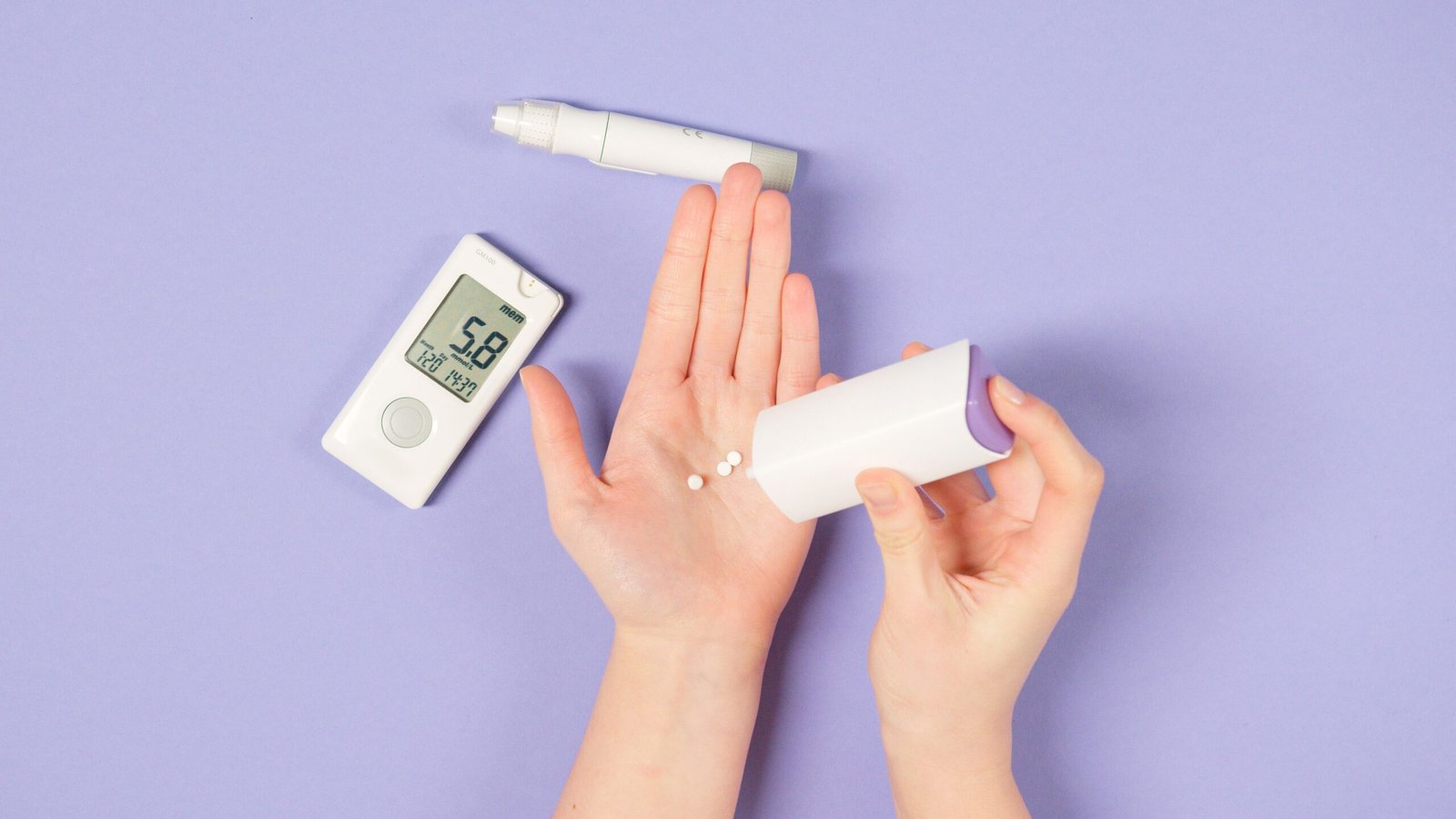
For a significant proportion of people with type 2 diabetes, metformin should not be stopped — at least not without clear evidence of sustained blood sugar normalisation. Research identifies several situations where stopping is not appropriate:
- HbA1c above 6.5%. If blood sugar has not reached the remission threshold, stopping metformin will typically cause it to rise further.
- Diabetes duration over 10 years. Longer disease duration is associated with greater beta cell loss, making it harder to maintain glucose control without medication.
- No meaningful weight loss. Without the physiological improvement that weight loss brings, the underlying drivers of diabetes remain active.
- Multiple medications for blood sugar. People on metformin plus other agents (SGLT-2 inhibitors, GLP-1 agonists, insulin) need individualised plans — stopping one medication without adjusting others carries unpredictable risks.
- Pregnancy planning or active pregnancy. Metformin is often continued or substituted in pregnancy under careful monitoring; this decision is always made by a specialist.
- Recent cardiovascular event. Some evidence suggests metformin may have cardioprotective benefits beyond blood sugar control; stopping during recovery from a cardiac event requires specialist guidance.
When to Talk to Your Doctor About Metformin

The following situations call for a proactive conversation with your doctor, rather than waiting for a scheduled review:
- Your HbA1c has been consistently below 6.5% for 6 months or more and you have made significant lifestyle changes
- You have lost 10 kg or more and are maintaining the weight loss
- You are experiencing persistent GI side effects that are affecting your daily life
- Your kidney function (eGFR) has declined, which may make metformin unsuitable
- You are preparing for surgery or a procedure requiring contrast imaging
- You are planning a pregnancy
- You feel your blood sugar may be well enough controlled to trial a dose reduction
Do not stop metformin before this conversation. Even if your blood sugar looks good at home, a full clinical picture — including HbA1c history, kidney function, and any complications — needs to inform the decision.
For a structured approach to improving blood sugar through lifestyle before raising the medication question with your doctor, the HealthyWayFit free training programme outlines evidence-based steps.
Frequently Asked Questions

Can I just stop taking metformin on my own?
No. Stopping metformin without medical guidance can cause blood sugar to rise to dangerous levels. A doctor needs to confirm that your blood sugar criteria meet remission thresholds before any dose reduction begins.
How long does it take metformin to leave my system?
Metformin has a half-life of about 17.6 hours. After stopping, it takes approximately 4-5 days (around 98.6 hours) for the drug to be substantially cleared from the body. Blood sugar testing should be done after this washout period, and HbA1c should be checked no sooner than 3 months after the last dose.
What HbA1c level allows me to stop metformin?
Research and clinical guidelines generally require HbA1c to remain below 6.5% for at least six months before discussing metformin discontinuation. Fasting glucose below 130 mg/dL and post-meal glucose below 180 mg/dL are also typically required.
What happens to blood sugar after stopping metformin?
If blood sugar has been well controlled and lifestyle changes are in place, some people maintain normal levels after stopping. However, research shows that without sustained lifestyle changes, blood sugar often rises again within months. Regular monitoring is essential.
How much weight do I need to lose before stopping metformin?
Research, including a 2024 review in the World Journal of Methodology (Raveendran, PMC11287538), identifies approximately 15 kg of weight loss as an indirect marker of improved insulin resistance and beta cell function, which are required for sustained remission.
Will I need to go back on metformin if I stop?
Many people do. Studies show that weight regain, stress, poor sleep, or illness can trigger relapse. The DiRECT trial found that maintaining remission at 2 years depended on continued weight loss, with relapse rates rising over time. Having a clear threshold (for example, HbA1c returning above 6.5%) agreed upon with the doctor in advance helps manage this.
Key takeaway: Stopping metformin safely is possible for some people with type 2 diabetes — but only when blood sugar has reached and sustained remission thresholds, meaningful weight loss has been achieved, and a doctor has confirmed it is appropriate. The process requires gradual tapering, a washout period, and close monitoring afterward. Research does not support abrupt self-discontinuation under any circumstances.
Sources
- Lean MEJ et al. Primary care-led weight management for remission of type 2 diabetes (DiRECT): an open-label, cluster-randomised trial. The Lancet. 2018;391(10120):541-551.
- Raveendran AV. Remission of type 2 diabetes mellitus: Emerging concepts and proposed diagnostic criteria. World J Methodol. 2024;14(4):95210. PMC11287538.
- Riddle MC et al. Consensus Report: Definition and Interpretation of Remission in Type 2 Diabetes. Diabetes Care. 2021;44(10):2438-2444.
- Taylor R et al. Nutritional basis of type 2 diabetes remission. BMJ. 2021;374:n1449.
- Hallare J, Gerriets V. Half Life. StatPearls. Updated 2023.
- Biggers A (reviewer). Stopping Metformin: Side Effects, Risks, and How to Stop. Healthline. Updated October 2024.
By Team HealthyWayFit