Medical disclaimer: This article is for informational purposes only and does not constitute medical advice. Always consult a qualified healthcare professional before making changes to your diabetes treatment, medication, diet, or exercise plan.
You are taking metformin and your blood sugar numbers are still not where they need to be. Your HbA1c is too high, your fasting readings are inconsistent, or your doctor has said the medication alone is no longer doing enough. You are looking for answers about what comes next.
Research has found that this situation is common and well-studied. Type 2 diabetes is a progressive condition, and for many people, metformin monotherapy eventually becomes insufficient — not because of any failure on their part, but because of how the underlying biology changes over time. What the evidence also shows is that clear, structured options exist for the next step.
This guide explains what research says about why metformin may stop controlling blood sugar, how doctors evaluate that situation, and what the evidence shows about the next steps — both pharmaceutical and lifestyle-based.
- Why Metformin Sometimes Stops Controlling Blood Sugar
- Signs That Metformin Is Not Working Well Enough
- What Your Doctor Checks Before Changing Treatment
- Second-Line Medications When Metformin Is Not Enough
- Dietary Changes That Work Alongside or Beyond Metformin
- Exercise and Blood Sugar Control Beyond Metformin
- Structured Diabetes Programs That Address Root Causes
- When to See Your Doctor Without Waiting
- Frequently Asked Questions
Why Metformin Sometimes Stops Controlling Blood Sugar
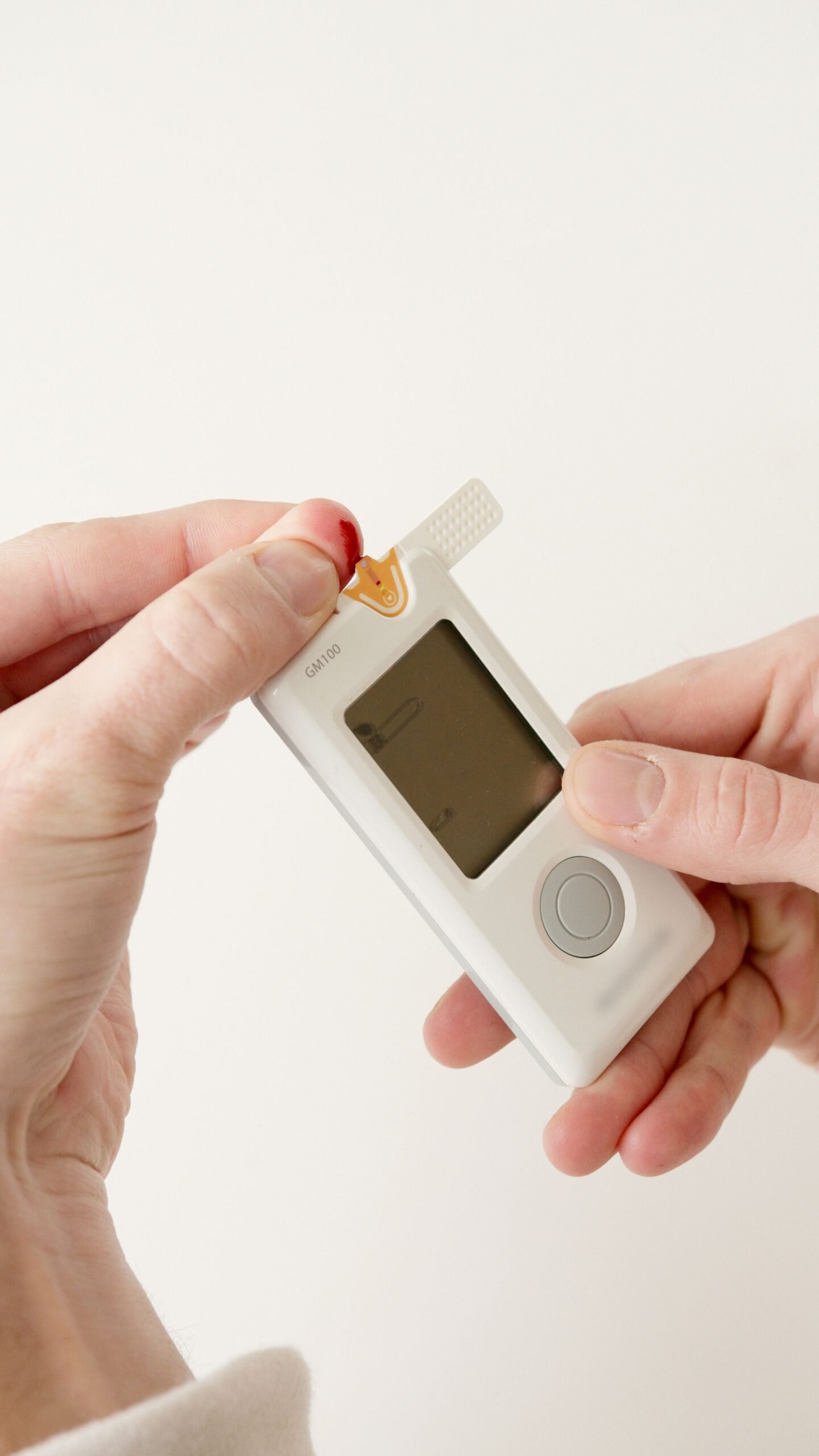
Metformin works primarily by reducing glucose production in the liver and improving the body’s sensitivity to insulin. It does not stimulate more insulin production from the pancreas. Research has found that this mechanism, while effective for many people at diagnosis, becomes less sufficient as type 2 diabetes progresses.
There are two recognised patterns when metformin stops controlling blood sugar. The first is primary non-response, where the medication does not achieve target glucose levels from the start. The second — and more common — is secondary failure, where metformin controlled blood sugar adequately at first but glucose levels rise over months or years despite continued use.
According to a study published in Current Diabetes Reports and referenced in the UK NICE clinical guidelines for type 2 diabetes, approximately half of all people who start metformin will need a second medication within three years to maintain their HbA1c target. This is not a sign of treatment failure or poor self-management — it reflects the natural progression of the condition, which involves gradual decline in beta-cell function (the pancreatic cells that produce insulin) over time, regardless of medication.
Other factors that can accelerate blood sugar rising beyond metformin’s control include significant weight gain, reduced physical activity, dietary changes, an acute illness, use of medications that raise blood sugar (such as steroids), and poor medication adherence — including taking metformin with meals less consistently than prescribed.
Signs That Metformin Is Not Working Well Enough

Research supports several measurable indicators that metformin is no longer providing adequate blood sugar control in type 2 diabetes. Recognising these signs early matters because high blood sugar that persists unchecked increases the long-term risk of diabetes complications.
The clearest indicator is a rising HbA1c reading. The American Diabetes Association’s Standards of Medical Care in Diabetes (2026) recommend a target HbA1c of below 7% for most non-pregnant adults with type 2 diabetes, with individualised targets based on age, health status, and hypoglycemia risk. If your HbA1c rises above your personalised target — particularly if it climbs above 8% — while taking metformin at maximum tolerated dose, this is a strong clinical signal that treatment intensification is needed.
Other signs to report to your doctor include:
- Fasting blood sugar consistently above 130 mg/dL (7.2 mmol/L) on most mornings, despite taking metformin as prescribed
- Postprandial blood sugar above 180 mg/dL (10 mmol/L) two hours after meals on a regular basis
- Symptoms of hyperglycemia — excessive thirst, frequent urination, blurred vision, or unexplained fatigue — which suggest blood sugar is not being controlled at the cellular level
- Worsening HbA1c on repeated testing (not a single elevated test, but an upward trend over two or more consecutive tests, typically three months apart)
If you are monitoring blood sugar at home, understanding the difference between fasting blood sugar and HbA1c readings is important for interpreting your results. Fasting blood sugar vs HbA1c explains what each test measures, what your numbers mean, and when each is most useful for tracking progress.
What Your Doctor Checks Before Changing Treatment
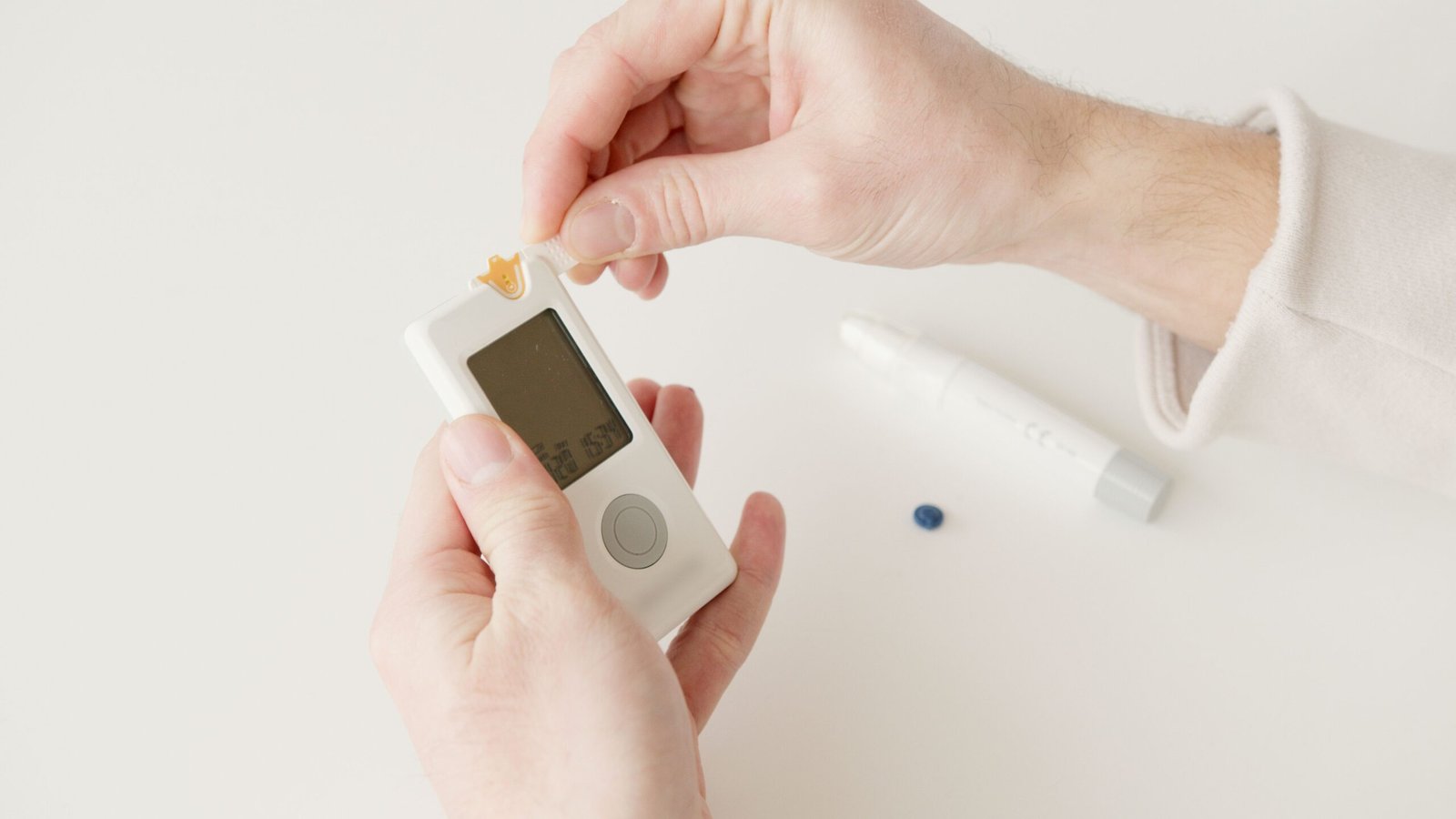
When blood sugar is not controlled on metformin, clinical guidelines recommend a structured evaluation before changing or adding medications. Research supports this approach because the right next step varies considerably depending on the individual’s health profile.
What your doctor is likely to review before recommending treatment intensification:
- Medication adherence and dose — metformin is most effective when taken consistently with food, and many people inadvertently take it less regularly or at subtherapeutic doses. Doctors typically confirm the current dose is at the maximum tolerated level (usually 2,000–2,550 mg per day in divided doses) before concluding it has failed.
- HbA1c trends over time — a single elevated HbA1c may reflect illness or a temporary dietary change. A persistent upward trend over two or more consecutive tests (each separated by approximately three months) is more clinically meaningful.
- Kidney function (eGFR) — some second-line medications, particularly SGLT-2 inhibitors, have dose adjustments or contraindications based on kidney function. Kidney function review is typically required before adding certain drug classes.
- Cardiovascular risk — according to ADA 2026 guidelines, for people with established cardiovascular disease, heart failure, or chronic kidney disease, certain medication classes (specifically SGLT-2 inhibitors and GLP-1 receptor agonists) have demonstrated cardiovascular benefits beyond glucose lowering and may be prioritised as second-line therapy regardless of HbA1c level.
- Weight trajectory — weight gain since starting metformin increases insulin resistance and may be a primary driver of worsening glycemic control. Some second-line medications also promote weight loss (particularly GLP-1 agonists), while others are weight-neutral or weight-gaining (sulfonylureas, insulin).
Second-Line Medications When Metformin Is Not Enough

According to the American Diabetes Association’s 2026 clinical guidelines and the UK NICE guidelines for type 2 diabetes, when metformin at maximum tolerated dose does not achieve the HbA1c target after approximately three months, a second medication should be added. Research supports several drug classes for this purpose, each with a different benefit profile.
The main second-line options your doctor may discuss:
- SGLT-2 inhibitors (empagliflozin, dapagliflozin, canagliflozin) — these prevent the kidneys from reabsorbing glucose, causing it to be excreted in urine. Research has found they provide additional HbA1c reductions of approximately 0.5 to 1.0 percentage points on top of metformin, with modest weight loss (2–3 kg on average). Major trials including the EMPA-REG OUTCOME and DAPA-HF studies have demonstrated significant cardiovascular and kidney-protective benefits, making SGLT-2 inhibitors preferred second-line agents for people with cardiovascular disease, heart failure, or chronic kidney disease.
- GLP-1 receptor agonists (semaglutide, dulaglutide, liraglutide) — this class includes Ozempic and similar medications. Research has found GLP-1 agonists produce HbA1c reductions of 1.0 to 1.6 percentage points in clinical studies and are associated with meaningful weight loss. Like SGLT-2 inhibitors, they are preferred by ADA guidelines for people with cardiovascular disease. For a detailed comparison of options in this class, alternatives to Ozempic for type 2 diabetes reviews the evidence across medication and lifestyle options.
- DPP-4 inhibitors (sitagliptin, alogliptin, saxagliptin) — a milder class that extends the action of the body’s own GLP-1 hormone. Research has found they reduce HbA1c by approximately 0.5 to 0.8 percentage points with a low risk of hypoglycemia and weight-neutral effect. They are generally well tolerated and suitable for people with mild to moderate blood sugar elevation above target.
- Sulfonylureas (gliclazide, glipizide) — one of the oldest and most widely used second-line options, stimulating more insulin release from the pancreas. Research has found sulfonylureas reduce HbA1c by approximately 1.0 to 1.5 percentage points. The main disadvantages are hypoglycemia risk and modest weight gain, which are factors in the individualisation of choice.
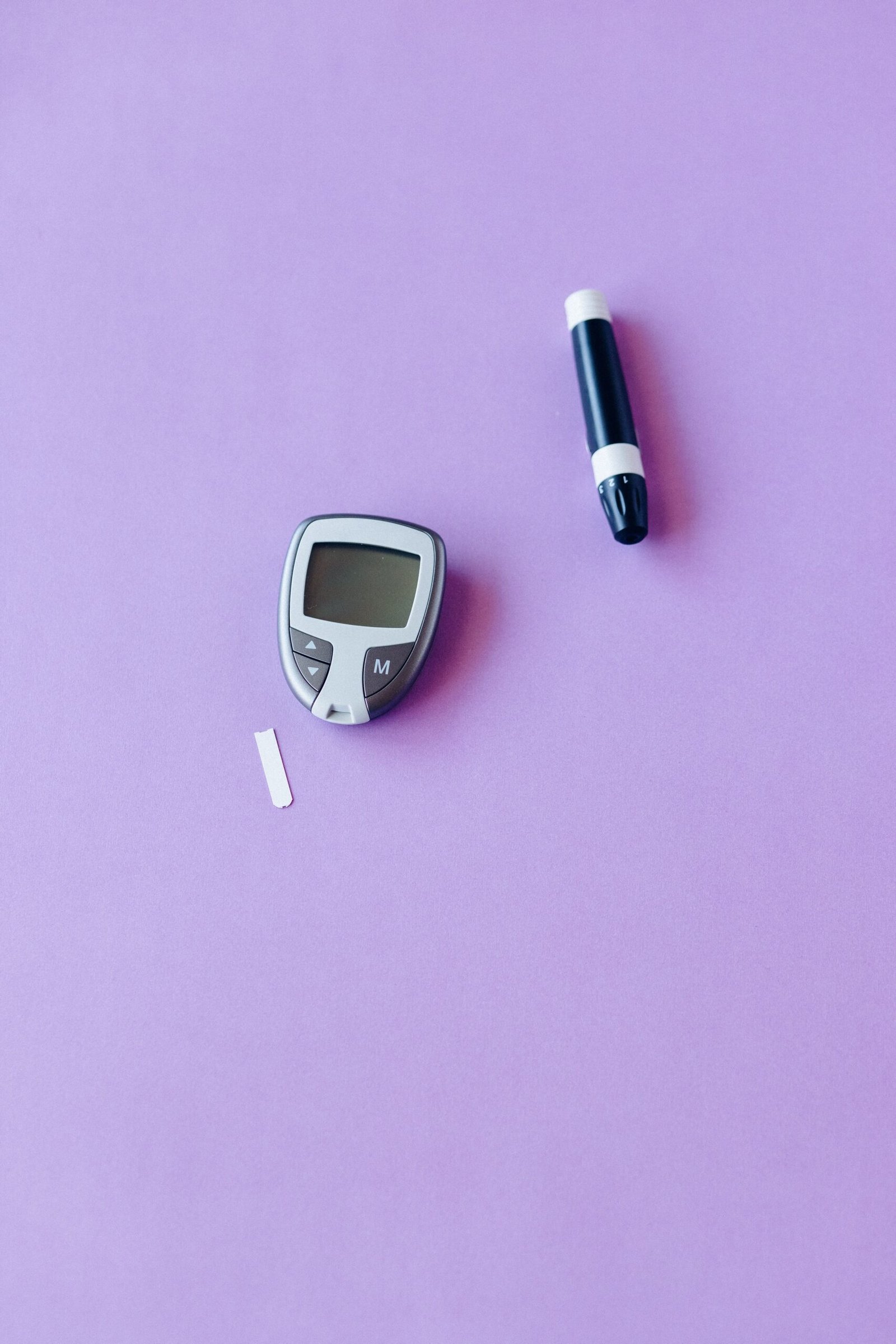
According to a real-world outcomes study published in Current Diabetes Reports (Whyte et al., PMC7261289), of 7,170 people who added a second agent to metformin (sulfonylurea, DPP-4 inhibitor, TZD, or SGLT-2 inhibitor) when HbA1c was at or above target, mean HbA1c fell from 8.34% to 7.44% at twelve months. All four drug classes produced meaningful improvement, with SGLT-2 inhibitors showing the most durable response at 12 months.
The right choice of second-line medication depends on your cardiovascular risk profile, kidney function, weight trajectory, affordability, and whether you have other health conditions. Research strongly supports shared decision-making between patient and clinician when choosing the next medication step.
Dietary Changes That Work Alongside or Beyond Metformin
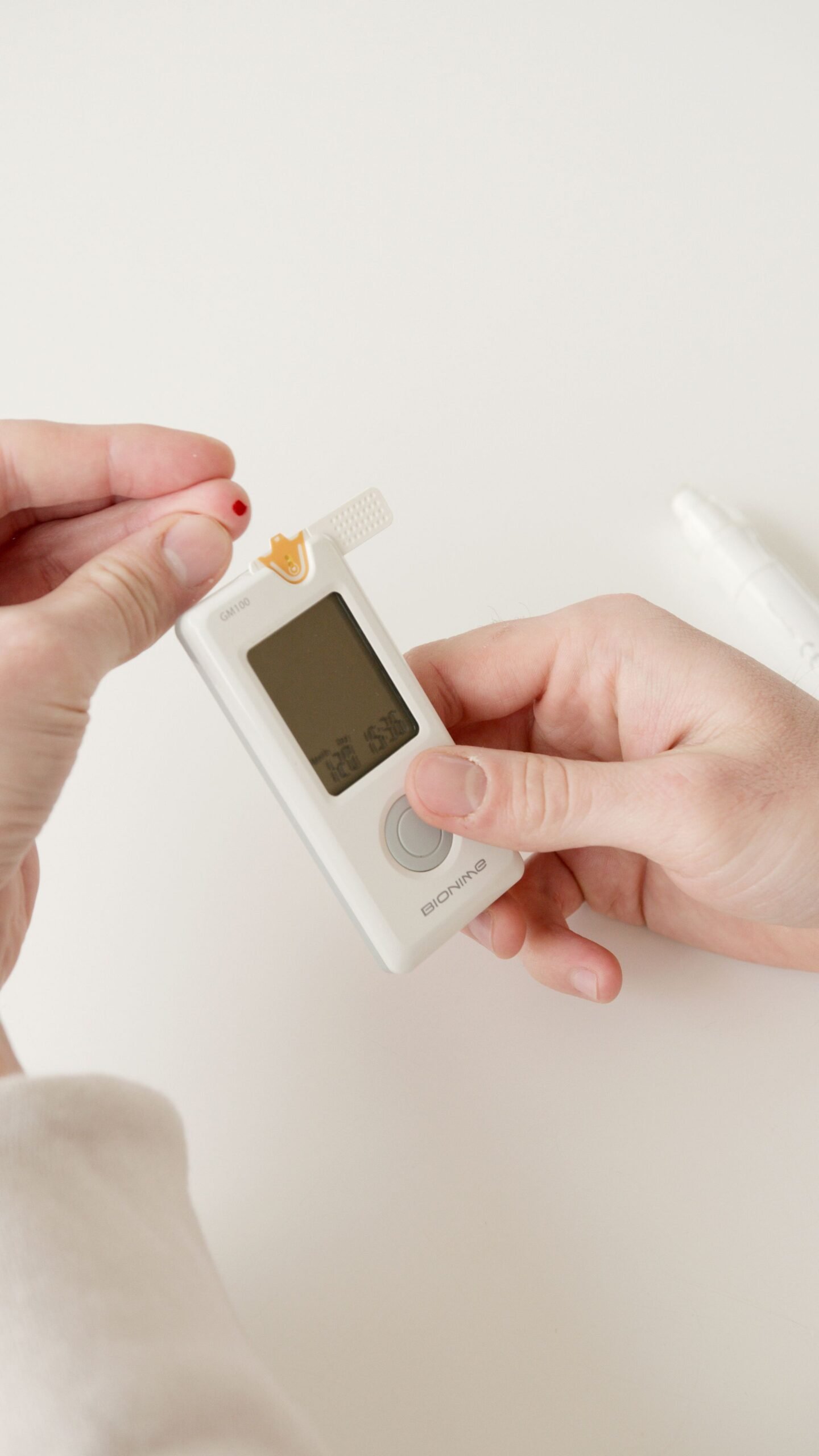
When blood sugar is not controlled with metformin, dietary changes are not a replacement for treatment intensification — but research supports their role as a meaningful complement to any medication change. Dietary improvements can lower HbA1c independently and may reduce how much additional medication is needed.
The American Diabetes Association’s Standards of Medical Care in Diabetes (2026) recommend a low-glycemic-load dietary pattern as one of the most evidence-supported approaches for blood sugar management in type 2 diabetes. In practical terms, this means reducing refined carbohydrates and sugars while prioritising fibre-rich vegetables, legumes, and whole grains, alongside adequate protein.
Evidence-backed dietary strategies when metformin is not controlling blood sugar:
- Reduce refined carbohydrate portions — white bread, white rice, sugary drinks, and processed snack foods cause rapid postprandial glucose spikes that metformin cannot fully offset, particularly as insulin secretion declines. Switching to smaller portions of lower-glycemic carbohydrates (lentils, oats, sweet potato, wholegrain bread) can meaningfully reduce postprandial peaks.
- Prioritise non-starchy vegetables — filling at least half the plate at each meal with non-starchy vegetables (broccoli, cauliflower, leafy greens, peppers) provides fibre, micronutrients, and volume with minimal glycemic impact.
- Increase dietary protein — research suggests that adequate protein intake (approximately 0.8–1.2 g per kg body weight) slows gastric emptying and reduces postprandial glucose rise. Protein from eggs, fish, legumes, and unsweetened dairy supports satiety and helps moderate meal-by-meal glucose excursions.
- Reduce overall calorie intake modestly if overweight — weight loss of even 5–10% of body weight has been shown to meaningfully improve insulin sensitivity and HbA1c. Research supports that total calorie reduction, regardless of which macronutrient is reduced, drives the metabolic improvement.

For a detailed overview of dietary approaches that have shown clinical efficacy for blood sugar control without requiring a very-low-carbohydrate or ketogenic approach, diabetes reversal without keto covers the evidence across Mediterranean, low-calorie, and plant-forward dietary strategies.
Exercise and Blood Sugar Control Beyond Metformin
Physical activity has a direct glucose-lowering effect that is mechanically independent of metformin. During exercise, contracting muscles take up glucose from the bloodstream without requiring insulin — a pathway that remains active regardless of how well metformin is working. Research has found this effect persists for 24 to 48 hours after each session, which is why regular, consistent exercise produces better glycemic results than occasional activity.
The ADA’s 2026 Standards of Medical Care recommend at least 150 minutes per week of moderate-intensity aerobic exercise for adults with type 2 diabetes. Research consistently shows this level of activity is associated with HbA1c reductions of approximately 0.5 to 0.7 percentage points in people with type 2 diabetes — on top of whatever medication benefit they are achieving.
Practical strategies for using exercise to improve blood sugar when metformin is not enough:
- Walk after meals — a 2022 study published in Sports Medicine (Reynolds et al.) found that a 10–15 minute walk after meals was associated with significantly lower postprandial glucose spikes compared to sitting, and that this after-meal walking was more effective for blood sugar than the equivalent duration of walking at other times of day.
- Target 150 minutes of moderate aerobic exercise per week — spread across five or more days, rather than concentrated in one or two long sessions, for more consistent 24-hour blood sugar control.
- Add resistance training twice weekly — muscle mass is a major site of glucose disposal. Two to three sessions per week of resistance exercise (body weight, bands, or light weights) improves insulin sensitivity and has been shown in research to independently reduce HbA1c.
- Monitor blood glucose around exercise — particularly when any medication change is underway, since the combination of exercise and certain second-line medications (notably sulfonylureas) can occasionally cause low blood sugar (hypoglycemia).
Structured Diabetes Programs That Address Root Causes
When blood sugar is not controlled with metformin, one option that research supports is engaging with a structured diabetes management program — particularly for people motivated to address the underlying metabolic drivers rather than relying solely on adding further medication.
Structured programs typically combine personalised dietary guidance, real-time blood sugar feedback through continuous glucose monitoring (CGM), behavioural coaching, and regular check-ins with a healthcare team. Research has found that people who engage consistently with structured lifestyle programs can achieve HbA1c reductions meaningful enough to potentially reduce or delay the need for additional diabetes medications.
The DiRECT trial (Lean et al., published in The Lancet Diabetes & Endocrinology, 2019) demonstrated that a structured dietary intervention led to diabetes remission — defined as HbA1c below 6.5% without medication — in approximately 46% of participants at one year and 36% at two years. Structured, supported lifestyle interventions of various designs consistently outperform self-guided dietary advice for glycemic outcomes in the research literature.
Structured programs are particularly valuable when metformin is not enough because they address insulin resistance at its root, provide CGM-based personalised blood sugar feedback, and offer coaching support — all of which research shows significantly improves long-term adherence to lifestyle changes.
For an introduction to the evidence base behind lifestyle-centred diabetes management, HealthyWayFit’s free training explains the approach to natural blood sugar management that structured programs are built on.
When to See Your Doctor Without Waiting

Research confirms that persistently elevated blood sugar — even without acute symptoms — increases the risk of long-term diabetes complications. If you suspect metformin is not controlling your blood sugar, do not wait through multiple HbA1c cycles before acting.
Contact your doctor promptly if any of the following apply while you are taking metformin:
- Fasting blood sugar consistently above 250 mg/dL (13.9 mmol/L) on multiple readings
- Symptoms of hyperglycemia: excessive thirst, frequent urination, blurry vision, persistent fatigue, or headaches occurring regularly
- Your HbA1c is above your personalised target on two or more consecutive tests, particularly if it is above 8.5%
- You have started a new medication known to raise blood sugar (corticosteroids, antipsychotics, or immunosuppressants)
- You have been ill — even with a common infection — and blood sugar has risen significantly, as illness raises glucose independently of diabetes medication
- Symptoms suggesting diabetic ketoacidosis (rare in type 2 diabetes but possible): nausea, vomiting, abdominal pain, rapid breathing, or fruity-smelling breath are medical emergencies requiring immediate care
Most clinical guidelines also recommend that if an HbA1c test finds blood sugar significantly above target, a treatment review should be arranged within four to eight weeks — not deferred to the next annual review.
Frequently Asked Questions
How long should I give metformin before concluding it is not working?
Research and clinical guidelines suggest evaluating metformin’s effectiveness at its maximum tolerated dose after three months of consistent use. If HbA1c remains above target after three months on the maximum tolerated dose, most guidelines recommend considering treatment intensification rather than extending the trial further.
Can diet and exercise alone fix blood sugar if metformin is not working?
Research has found that intensive lifestyle changes — particularly significant dietary calorie restriction combined with increased physical activity — can produce HbA1c improvements meaningful enough for some people to reduce or eliminate medication. The DiRECT trial demonstrated remission in approximately 46% of participants at one year through a structured dietary program. However, the degree of change required is substantial, and outcomes depend on how long someone has had diabetes and their baseline HbA1c. For most people with longstanding type 2 diabetes and HbA1c above 8%, lifestyle change alone is unlikely to achieve full control without some medication support.
Is it safe to stay on metformin while adding a second medication?
Research and clinical guidelines consistently support continuing metformin when a second agent is added. Metformin has complementary mechanisms (liver glucose reduction, insulin sensitisation) to most second-line medications, and combination therapy generally produces additive glucose-lowering without meaningfully increasing side-effect risk. Your doctor will confirm whether metformin should be continued based on your kidney function and tolerance.
Why does metformin stop working over time?
Metformin’s mechanism remains active, but the underlying condition progresses. Research shows that type 2 diabetes involves progressive decline in insulin-producing beta-cell function over years. As less insulin is produced by the pancreas, metformin’s action of improving insulin sensitivity becomes less effective on its own, because there is less insulin for the body to respond to. This is why most people with type 2 diabetes eventually need additional medications.
What is the best second-line medication to add to metformin?
Research does not support a single universal “best” second-line medication. The ADA’s 2026 guidelines recommend individualised choice based on several factors: for people with established cardiovascular disease, heart failure, or chronic kidney disease, SGLT-2 inhibitors and GLP-1 receptor agonists are preferred. For others, DPP-4 inhibitors are weight-neutral with low hypoglycemia risk; sulfonylureas provide stronger glucose lowering; SGLT-2 inhibitors offer modest weight loss; GLP-1 agonists offer the strongest weight-loss effect. Your doctor can guide the right choice based on your specific risk profile.
Will blood sugar come down quickly once I start a second medication?
According to research, most second-line medications produce meaningful HbA1c reductions within three to six months of starting at the prescribed dose. The real-world outcomes study (Whyte et al., PMC7261289) found that in people adding a second agent to metformin with a starting HbA1c of approximately 8.3%, mean HbA1c fell to 7.3% within six months and stabilised near 7.4% at 12 months.
Takeaway: Blood sugar not controlled with metformin is a recognised pattern in type 2 diabetes, driven primarily by disease progression. Research clearly supports the next steps: confirming the current dose is maximal, adding a second medication class matched to your individual risk profile, and strengthening dietary and physical activity habits. Early action — not waiting for blood sugar to rise further — consistently produces the best outcomes in the research evidence.
If you want to explore how structured lifestyle management can work alongside medication when metformin alone is not enough, HealthyWayFit’s free training introduces an evidence-based approach to natural blood sugar management.
This article is for informational purposes only and does not constitute medical advice. Always consult a qualified healthcare professional before making changes to your diabetes treatment, medication, or lifestyle plan.
By Team HealthyWayFit
Sources
- American Diabetes Association. (2026). Standards of Medical Care in Diabetes — 2026. Diabetes Care. Read guidelines
- Whyte, M. B., et al. (2020). What Next After Metformin in Type 2 Diabetes? Selecting the Right Drug for the Right Patient. Current Diabetes Reports. Read study
- National Institute for Health and Care Excellence. (2022). Type 2 diabetes in adults: management (NG28). NICE Guidelines. Read guidelines
- Lean, M. E. J., et al. (2019). Durability of a primary care-led weight-management intervention for remission of type 2 diabetes: 2-year results of the DiRECT open-label, cluster-randomised trial. The Lancet Diabetes & Endocrinology. Read study
- Reynolds, A. N., et al. (2022). Acute blood glucose lowering effects and long-term adherence to beginning or continuing walking after eating in adults with type 2 diabetes. Sports Medicine. Read study