By Kirti, Founder & Serial Entrepreneur, HealthyWayFit | Certified Health Coach
Medical Disclaimer: This article is for informational purposes only and does not constitute medical advice. Diabetes reversal and remission require medical supervision. Always consult a qualified healthcare professional — ideally an endocrinologist or diabetologist — before changing your diet, exercise routine, or medication.

If you have recently been diagnosed with type 2 diabetes, you may have heard that it can be “reversed.” Your doctor may have mentioned it, or you may have read about it on a WhatsApp forward or YouTube video. The promise sounds extraordinary: that a condition once thought to be permanent and progressive may, in some people, become something closer to manageable — or even put into full remission.
This guide gives you the honest answer. Diabetes reversal is real, it is supported by robust clinical evidence, and for many newly diagnosed Indians it is a realistic goal. It is also not guaranteed, not permanent for everyone, and not a replacement for medical care. What follows is everything you need to understand — the science, the methods, the timeline, and what a reversal plan actually looks like with Indian food and lifestyle — so you can have an informed conversation with your doctor.
What Does “Diabetes Reversal” Actually Mean?
“Reversal” is a popular term. The medical term used by the American Diabetes Association (ADA), Diabetes UK, and most major bodies since 2021 is remission.
The ADA defines type 2 diabetes remission as an HbA1c below 6.5% (48 mmol/mol) that is maintained for at least three months without the use of glucose-lowering medications. Two subtypes are recognised:
- Partial remission: HbA1c between 5.7% and 6.4% without medication for at least three months.
- Complete remission (full remission): HbA1c below 5.7% (normal range) without medication for at least three months.
When people say “diabetes reversal,” they almost always mean achieving complete or partial remission — getting blood sugar to a non-diabetic range without drugs. The word “reversal” implies permanence; “remission” is the more accurate term because blood sugar can return to diabetic levels if the lifestyle changes are not maintained.
Key distinction for you: Reversal does not mean your beta cells (the insulin-producing cells of the pancreas) are fully healed or that you are “cured.” It means your blood sugar is under control without medication. The underlying tendency remains, which is why long-term lifestyle maintenance is essential.
Is Diabetes Reversal Real? What the Science Says
Yes. The evidence base is now strong. Here are the landmark studies you should know about:
The DiRECT Trial (UK, 2018–ongoing)
Published in The Lancet in 2018, the Diabetes Remission Clinical Trial (DiRECT) is the most rigorous evidence to date. Led by Professor Roy Taylor at Newcastle University, 306 people with type 2 diabetes of up to six years’ duration were put on a total diet replacement programme (825–853 kcal/day liquid formula diet) for three to five months, followed by stepped food reintroduction and long-term support.
Results at one year: 46% of participants achieved remission (HbA1c below 6.5% without medication). At two years, 36% remained in remission. The key driver was weight loss — those who lost 15 kg or more had an 86% remission rate at one year (Lean et al., The Lancet, 2018; Lean et al., The Lancet Diabetes & Endocrinology, 2019).
Indian Studies
A 2017 study published in the Journal of Natural Science, Biology and Medicine followed 32 newly diagnosed young adult Indians with type 2 diabetes on intensive lifestyle therapy. Results:
- Remission at 3 months: 75%
- Remission at 1 year: 75%
- Remission at 2 years: 68.75%
(Sarathi et al., J Nat Sci Biol Med, 2017)
Who Can Reverse Type 2 Diabetes?
Not everyone with type 2 diabetes has the same chance of remission. Research points to clear factors that improve or reduce the likelihood:
| Factor | Why it Matters |
|---|---|
| Short duration (diagnosed within last 6 years) | Beta-cell function is better preserved |
| Significant weight to lose | Weight loss is the primary driver of remission |
| Fewer or no medications needed | Indicates some beta-cell reserve |
| Younger age | Beta cells recover more readily |
| Lower baseline HbA1c | Less glucose damage to beta cells |
How Diabetes Reversal Works: The Biological Mechanism
Understanding the mechanism helps you understand why certain interventions work.
When the liver accumulates excess fat (hepatic steatosis), it becomes resistant to insulin’s signals. The liver continues producing glucose even when it should not, leading to elevated fasting blood sugar. Fat also deposits in and around the pancreas, suppressing the beta cells that produce insulin.
When you achieve significant caloric restriction or weight loss:
- Liver fat reduces within days to weeks → insulin sensitivity in the liver improves
- Pancreatic fat reduces over weeks to months → beta-cell function recovers
- Blood sugar normalises → HbA1c falls into the non-diabetic range
Methods with Evidence: How to Approach Reversal
1. Low-Calorie Diet (LCD): The DiRECT Approach
The DiRECT trial used an 825–853 kcal/day total diet replacement formula for 12–20 weeks. This is medically supervised and not something to attempt at home without oversight. A lower-calorie Indian diet (1,200–1,500 kcal/day) with medical supervision can produce similar results, as the Sarathi et al. study showed.
2. Low-Carbohydrate Diet
Reducing carbohydrate intake lowers blood sugar directly by reducing the glucose load after meals. Low-carb diets (typically under 130 g carbohydrate per day) have shown significant remission rates in multiple studies. For Indian readers, rice, roti, and sugar-sweetened beverages are the primary sources; these are replaced with millets, non-starchy vegetables, and legumes.
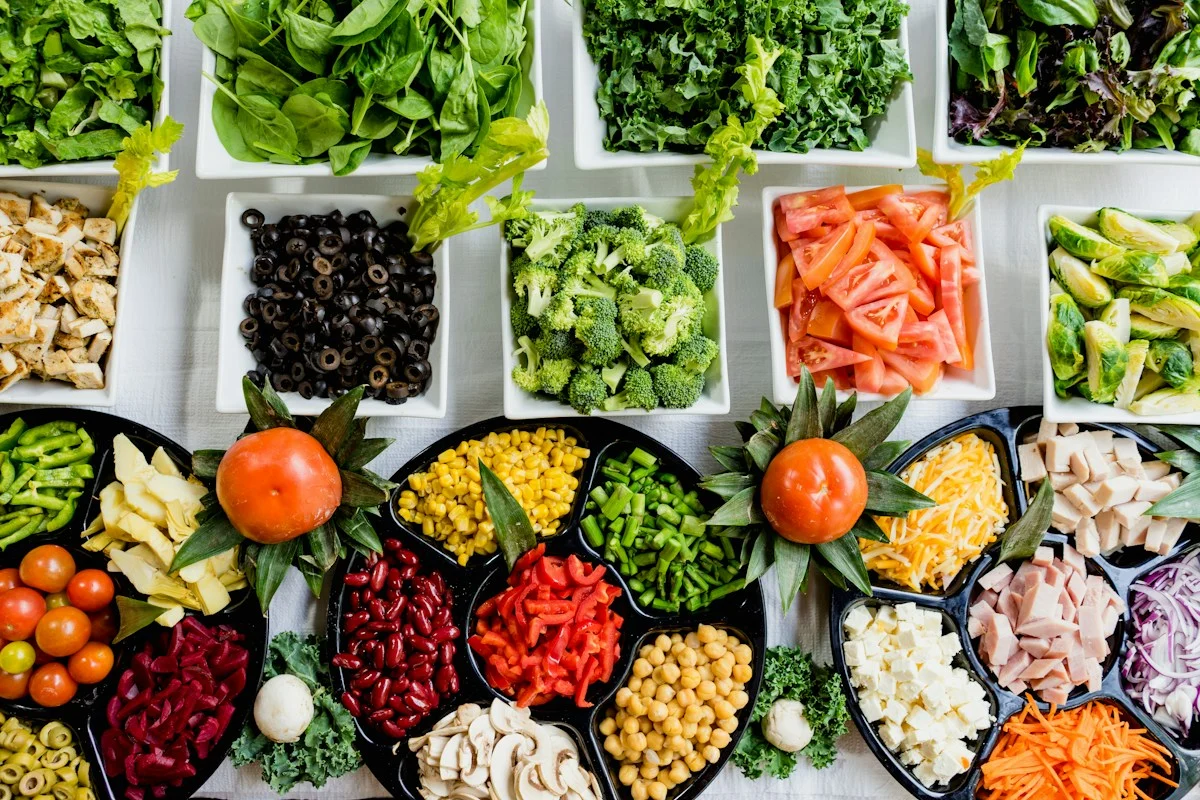
See our diabetes food list guide for a full breakdown of what to eat and avoid on a low-carb Indian diet.
3. Intermittent Fasting
Intermittent fasting (IF) involves restricting eating to specific windows of time — commonly 16:8 or 5:2. Evidence for IF producing diabetes remission is growing but less robust than LCD or low-carb approaches. Caution: Fasting while on sulphonylureas or insulin carries a risk of hypoglycaemia. Always adjust medications in consultation with your doctor.
4. Exercise and Metabolic Fitness

Both aerobic exercise (walking, cycling, swimming) and resistance training improve insulin sensitivity in muscles. Regular exercise — particularly 150 minutes per week of moderate-intensity aerobic activity — is associated with significant HbA1c reduction. Daily brisk walking for 45–60 minutes may lower HbA1c by 0.5–1.0 percentage points on its own.
5. Bariatric (Metabolic) Surgery
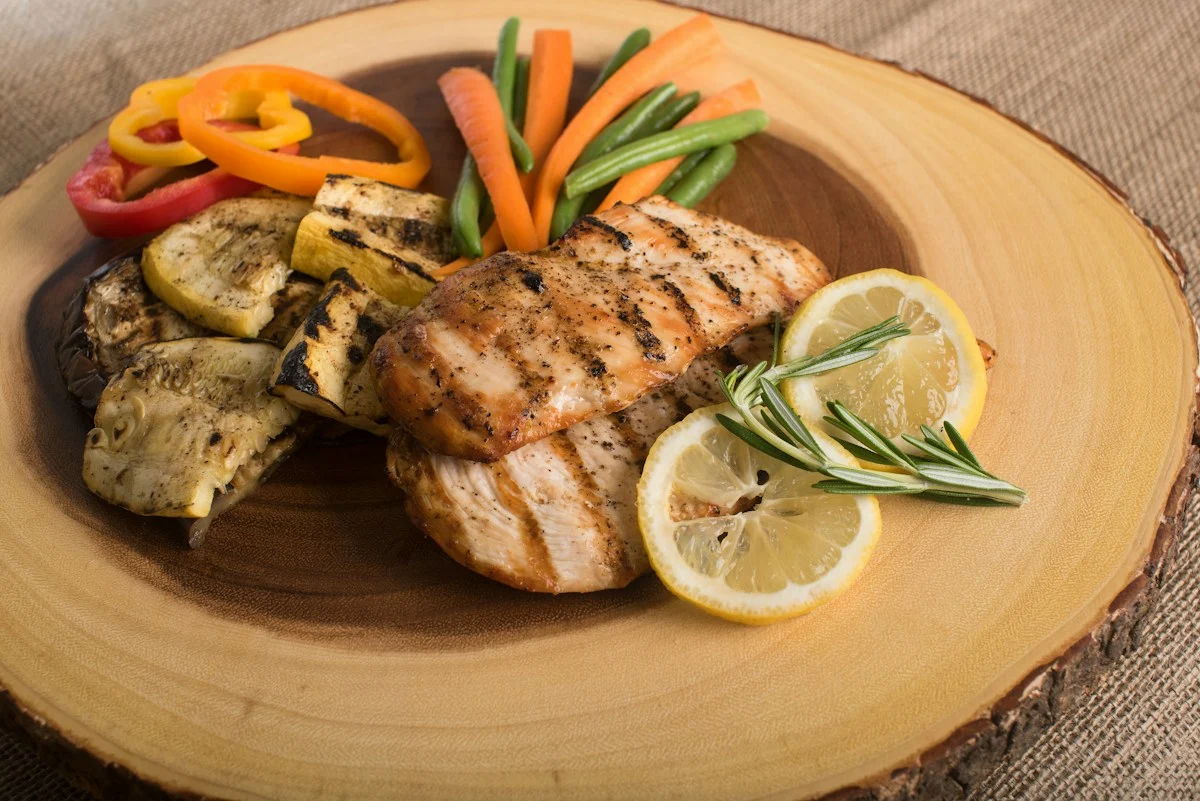
Gastric bypass achieves remission in 60–80% of patients at one year. Surgery is relevant for people with BMI above 32.5 (in Indians) who have failed other approaches, or for those with BMI above 37.5.
HbA1c Targets and Timelines
| Status | HbA1c Range | Meaning |
|---|---|---|
| Normal | Below 5.7% | Non-diabetic range |
| Prediabetes | 5.7%–6.4% | Elevated risk |
| Diabetes diagnosis | 6.5% or above | Diabetic range |
| Partial remission | 5.7%–6.4% without medication | Real progress |
| Complete remission | Below 5.7% without medication | Full remission |
Read our deep-dive on what HbA1c means and how to interpret your test results.
The Indian Diet Approach to Diabetes Reversal
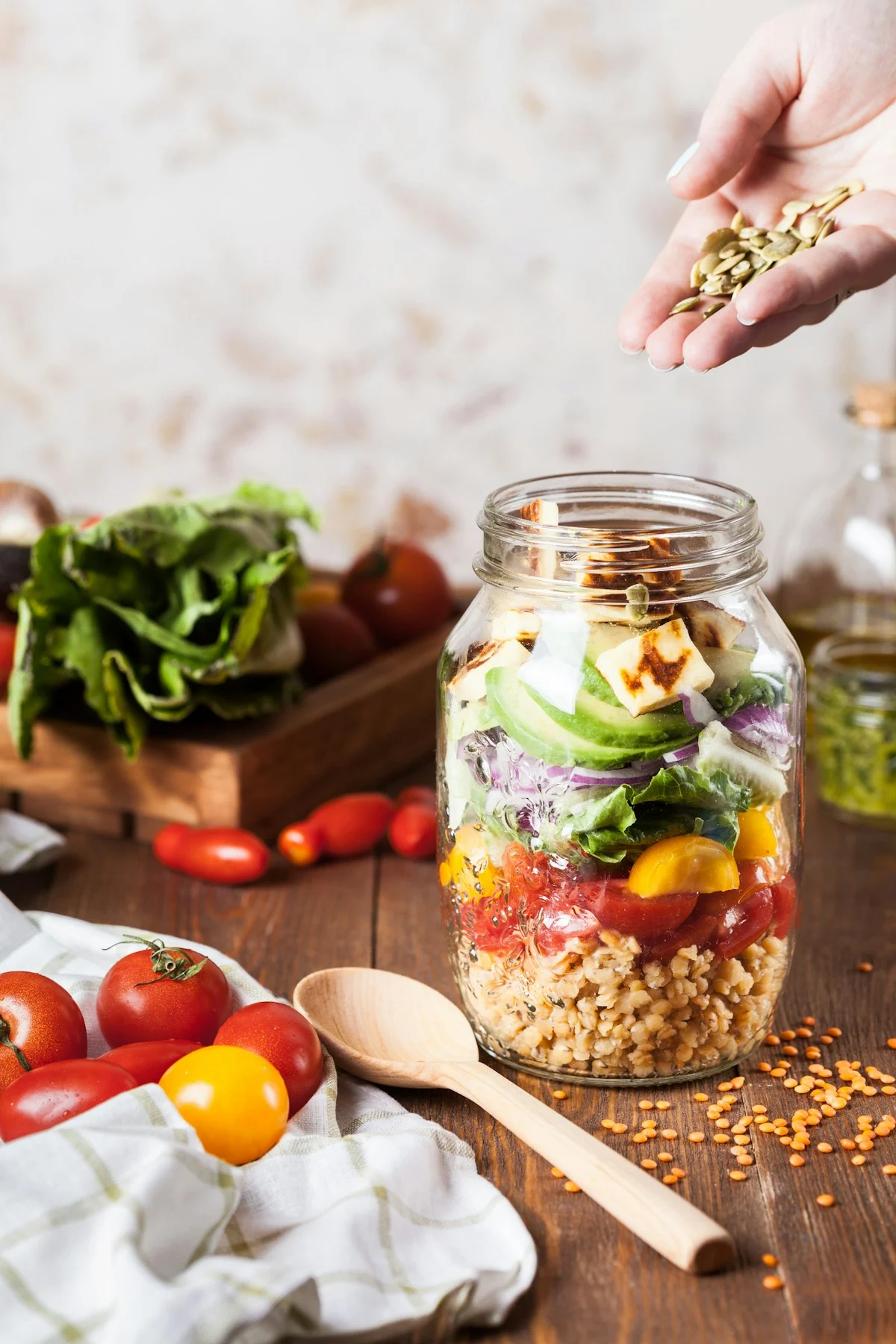
Indian cuisine can be adapted powerfully for diabetes reversal. The key shifts are reducing refined carbohydrate load, increasing fibre and protein, and prioritising lower-glycaemic alternatives.
| Replace This | With This |
|---|---|
| White rice | Small portions of brown rice or ragi |
| Wheat roti | Jowar roti, bajra roti, or smaller wheat roti |
| Fruit juice | Whole fruits in small portions |
| Sugar in chai | No sugar or one small teaspoon of jaggery (still limit) |
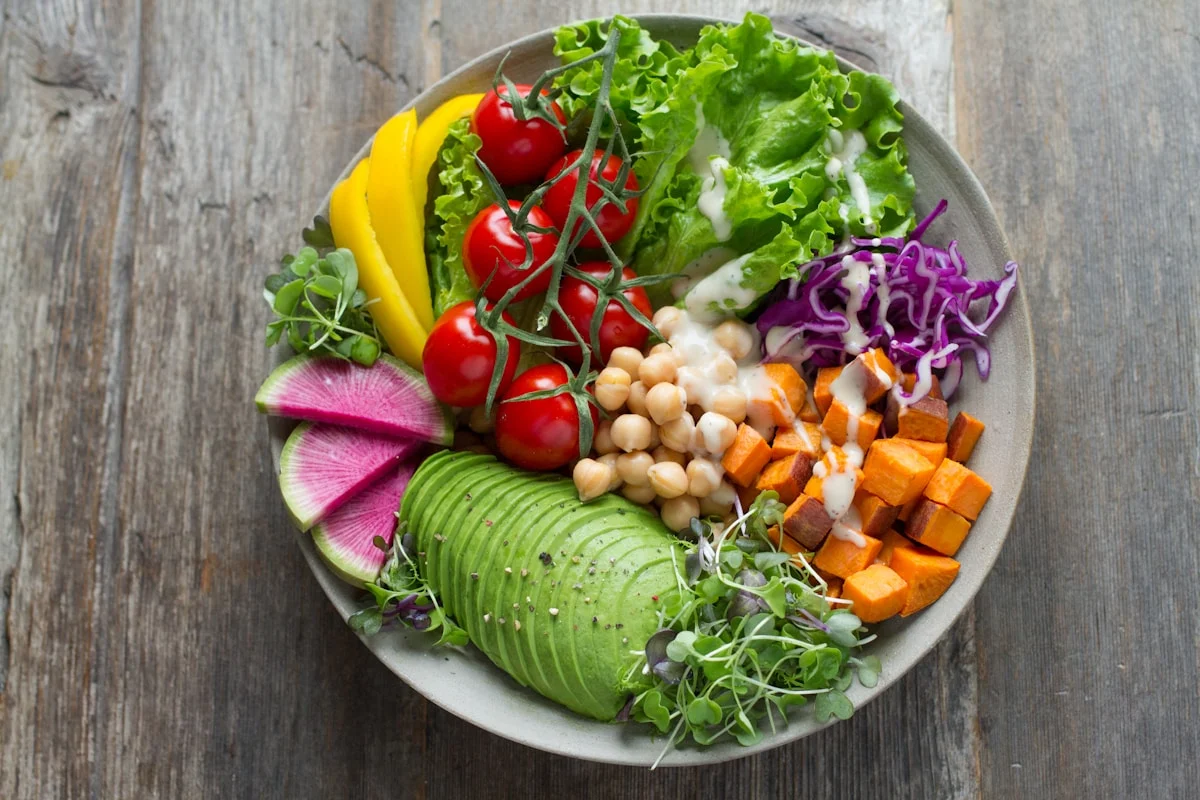
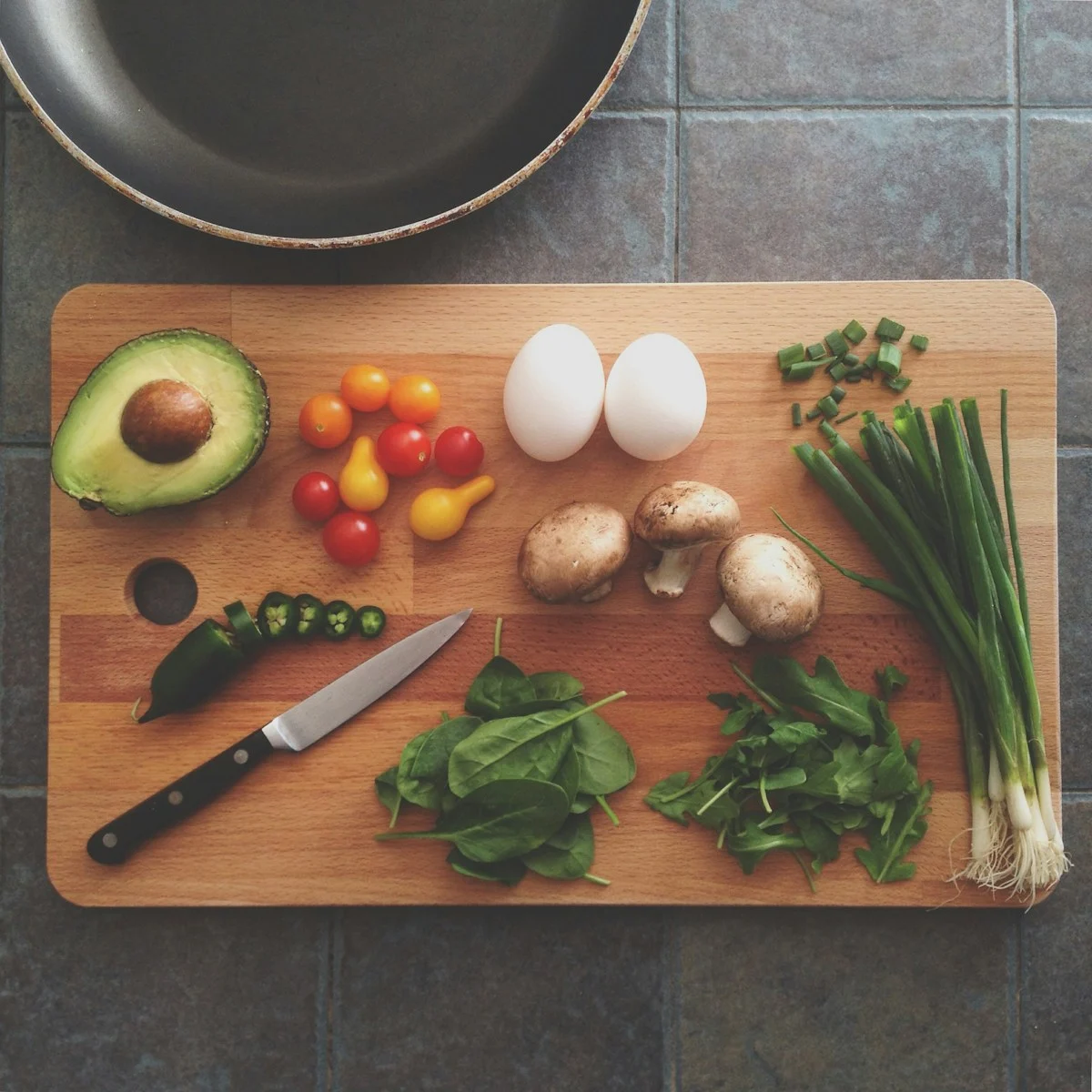
Millets — ragi, jowar, bajra, foxtail millet, little millet — have a lower glycaemic index than white rice or wheat and are rich in fibre. Building a reversal plate:
- Half the plate: non-starchy vegetables (sabzi, salads, dal without too much rice)
- One quarter: protein (paneer, tofu, egg, lentils, small portions of chicken or fish)
- One quarter: complex carbohydrate (small portion of millet roti, brown rice, or dal)
For a structured meal plan, see our diabetes reversal diet plan and diabetes reversal programme options in India.
Realistic Outcomes vs. the Hype

What is realistic:
- Many newly diagnosed Indians can achieve significant HbA1c reduction within 3–6 months of lifestyle change.
- Roughly 30–50% of those who commit fully can achieve remission within one year if diagnosed recently.
- Even without full remission, reducing HbA1c from 9% to 6.8% substantially reduces the risk of complications.
What is not supported:
- “Reverse diabetes in 7 days” or “cure with one food.”
- Supplements alone producing remission.
Can Diabetes Come Back After Reversal?
Yes. Remission is not permanent if the lifestyle changes are not maintained. DiRECT data showed that at two years, 36% of participants remained in remission — lower than the 46% at one year. Weight regain is the most common trigger for blood sugar returning.
Read our detailed post on type 2 diabetes remission: what long-term data shows.
When to See a Doctor
Immediately, if:
- You have been newly diagnosed and have not yet spoken to a diabetologist or endocrinologist.
- You want to reduce or stop diabetes medication — do not do this without medical supervision.
- Your HbA1c is above 9%.
Regularly: HbA1c every 3 months during active reversal attempt. Fasting blood sugar at the frequency your doctor recommends.
FAQ: Your Top Questions on Diabetes Reversal
Q1: Can type 2 diabetes be completely cured?
Type 2 diabetes cannot be permanently “cured” in the way an infection can be. It can be put into remission — HbA1c below 6.5% without medication — which is sustained for as long as the lifestyle changes are maintained.
Q2: How much weight do I need to lose to reverse diabetes?
Studies suggest approximately 15 kg is associated with the highest remission rates in Western populations. For Indians — who develop type 2 diabetes at lower BMI — even 5–10 kg may produce significant metabolic improvement.
Q3: Is it possible to reverse diabetes if I have been diabetic for 10 years?
Remission becomes less likely as diabetes duration increases. However, significant HbA1c improvement is still possible and clinically beneficial.
Q4: Can I stop my diabetes medication if my blood sugar improves?
Only under medical supervision. Stopping abruptly — especially insulin or sulphonylureas — is dangerous.
Q5: What HbA1c level means my diabetes is reversed?
By ADA criteria, complete remission is HbA1c below 5.7% without medication for at least three months. Partial remission is 5.7%–6.4% without medication.
Summary
Type 2 diabetes reversal — more precisely, remission — is a clinically validated, evidence-based goal for many people newly diagnosed in India. Remission is most likely if you act early — within the first five to six years of diagnosis. The results from the 2017 Indian study (68.75% remission at two years in newly diagnosed young adults) show what is possible with committed lifestyle change and medical support.
It requires sustained effort, regular monitoring, and a qualified medical team. But for many Indians facing a new diagnosis, it is a realistic and worth pursuing goal.
Your next step: Book an appointment with a diabetologist or endocrinologist. Ask specifically about a structured reversal programme, get a C-peptide test to assess beta-cell function, and begin the process with a care team behind you.
Last reviewed: October 2026 | Author: Kirti, Founder & Certified Health Coach, HealthyWayFit
Medical Disclaimer: This article is for informational purposes only and is not a substitute for professional medical advice, diagnosis, or treatment. Always seek the advice of your physician or other qualified health provider with any questions you may have regarding a medical condition.