By Kirti, Founder & Serial Entrepreneur, HealthyWayFit | Certified Health Coach
Medical Disclaimer: This article is for informational purposes only and does not constitute medical advice. Always consult a qualified healthcare professional before making changes to your diet, exercise routine, or medication plan — especially if you are managing diabetes.
The Indian thali is one of the most nutritionally complete meals in the world. It has dal, sabzi, roti or rice, curd, salad, and sometimes a sweet — every food group in one plate. But for someone with type 2 diabetes, the traditional thali as eaten in most Indian homes can quietly spike blood sugar: large portions of white rice, maida-based roti, or a heavily sweetened dessert can push glucose well above target ranges.
The good news: the thali format itself is not the problem. The composition and portions are what matter. A diabetes-friendly Indian thali keeps the cultural soul of the meal intact — the flavours, the variety, the communal experience — while rearranging the proportions and swapping a few ingredients for lower-glycemic alternatives.
This guide shows you exactly what goes on a diabetes-friendly thali, how much of each component, which grains to choose, and what a 7-day plan looks like in practice.
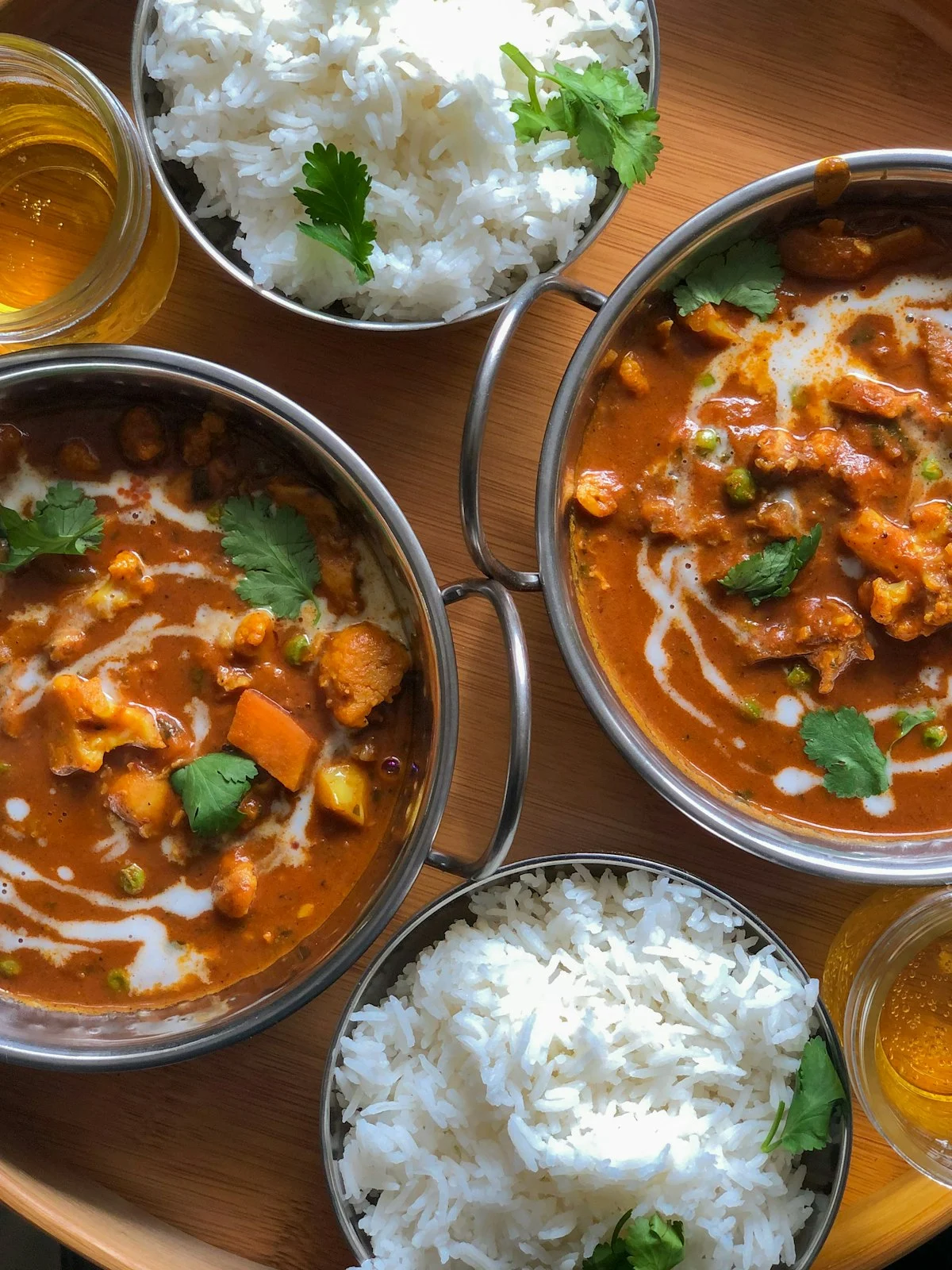
What Makes a Thali Diabetes-Friendly?
A diabetes-friendly thali manages blood sugar through four levers working together:
1. Glycemic Index (GI) of carbohydrates. The glycemic index measures how quickly a food raises blood glucose compared to pure glucose (GI = 100). Foods with a GI below 55 are considered low-GI and cause a slower, smaller rise in blood sugar, according to research published by the American Diabetes Association. White rice has a GI of around 64–72; ragi (finger millet) has a GI of approximately 68 in roti form but a significantly lower glycemic load when paired with fibre-rich vegetables, as shown in a study in the Asia Pacific Journal of Clinical Nutrition.
2. Portion control. Total carbohydrate intake — not just GI — determines the glycemic load. A small portion of white rice may produce less blood sugar rise than a large portion of “healthy” brown rice. The Indian Council of Medical Research (ICMR) recommends approximately 50–60% of total calories from carbohydrates for diabetics, with emphasis on complex, high-fibre sources.
3. Protein and fat as glucose buffers. Dal, curd, paneer, and ghee slow gastric emptying and reduce the rate at which glucose enters the bloodstream. Including protein and healthy fat with every thali is not optional — it is the mechanism that makes the meal diabetes-safe.
4. Dietary fibre. Fibre slows carbohydrate digestion and improves insulin sensitivity over time. The WHO recommends at least 25–29 g of dietary fibre per day for adults; most Indians consume far less. Vegetables, dal, and whole grains in a well-constructed thali can easily provide 12–15 g of fibre in a single meal.
The four levers that make a thali diabetes-friendly: glycemic index, portion size, protein, and fibre.
The Ideal Diabetes Thali — What Goes on the Plate (and How Much)
Think of a standard 12-inch thali divided into zones. The following proportions are a practical starting point; your doctor or dietitian may adjust quantities based on your medications, weight, and HbA1c targets. For more on understanding your HbA1c, see our guide: What Is HbA1c?
| Component | Portion (per meal) | Notes |
|---|---|---|
| Grain / roti / rice | 1–2 small rotis (30–40 g each) OR ½ cup cooked rice (75–80 g) | Choose millet-based rotis; limit white rice |
| Dal / lentils | ¾–1 cup cooked (150–180 ml) | High protein, high fibre; always include |
| Sabzi / vegetable curry | 1–1.5 cups (150–200 g) | Fill half the plate; prioritise non-starchy vegetables |
| Salad / raw vegetables | 1 cup (100 g) | Eat before the grains to blunt glucose rise |
| Curd / raita | ½ cup (100–120 g) | Plain, unsweetened; improves gut health |
| Ghee | 1 teaspoon (5 ml) | Slows digestion; do not eliminate entirely |
| Pickle / papad | Small serving or avoid | High sodium in pickle; papad is high-GI |
Total carbohydrates per meal target: approximately 45–60 g for most type 2 diabetics (check with your doctor; targets vary based on medication and individual metabolism).
Half the plate is vegetables and salad; one quarter is dal or protein; one quarter is grain.
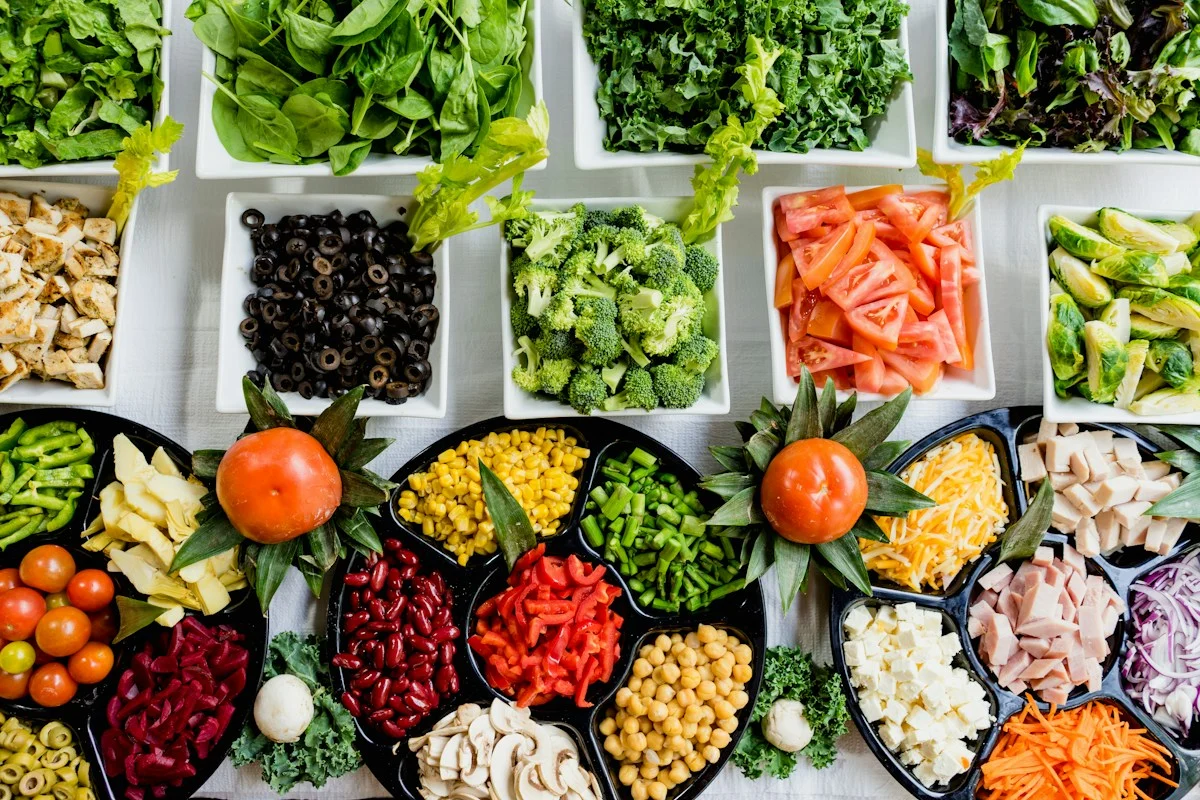
Best Grain and Carb Options for a Diabetic Thali
The grain quarter of the thali is where most blood sugar damage happens in a conventional Indian meal. Here is how to make it work for you.
Roti vs. Rice vs. Millets — a GI Comparison
| Grain | GI (approximate) | Fibre per 100 g (cooked) | Notes |
|---|---|---|---|
| White rice | 64–72 | 0.3 g | High GI; limit to ½ cup if included |
| Brown rice | 50–55 | 1.8 g | Better; still watch portions |
| Whole wheat roti | 49–62 | 2 g | Better than white rice; portion 1–2 small |
| Ragi (finger millet) roti | 54–68* | 3.6 g | High calcium; rich in fibre |
| Jowar (sorghum) roti | 55–70* | 2 g | Gluten-free; good for rotation |
| Bajra (pearl millet) roti | 54–67* | 1.2 g | Warming; ideal for winter thalis |
| Barley (jau) | 22–28 | 3.9 g | Excellent; can replace rice in khichdi |
GI values for millet rotis vary depending on cooking method and accompaniments. Source: PMC study on glycaemic indices of traditional Indian foods
Practical rule: rotate ragi, jowar, and bajra rotis through the week rather than eating the same grain daily. This distributes micronutrient benefits and prevents monotony. For a deeper dive into ragi specifically, see: Is Ragi Good for Diabetes?
What to do with rice: If you prefer rice, switch to parboiled rice (GI ≈ 38–45), cool it after cooking (cooling increases resistant starch, lowering GI further), and limit to ½ cup per meal. Pair it with a large portion of dal and eat salad first.
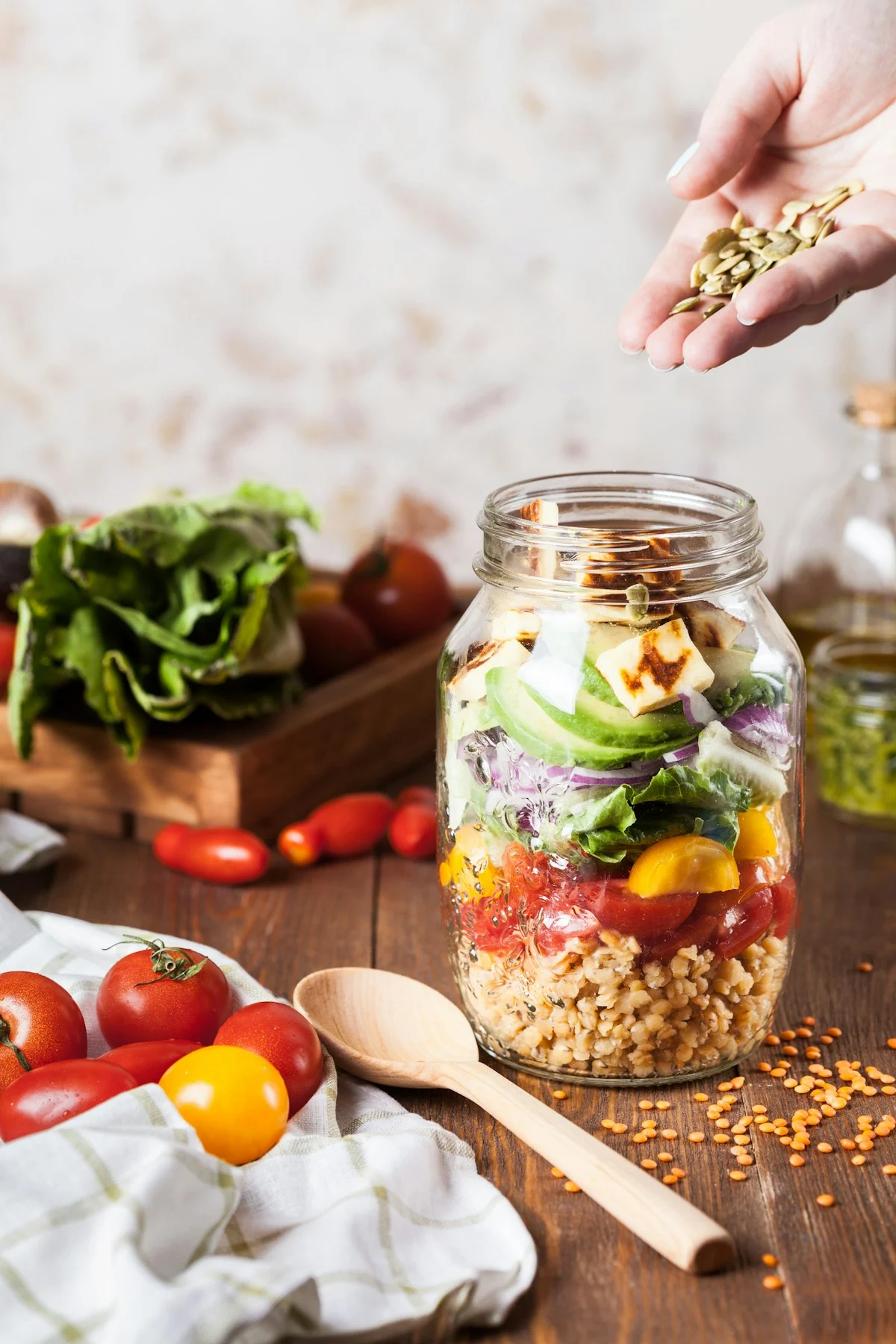
Ragi, jowar, and bajra are the best grain swaps for a diabetes-friendly thali.
Dal and Protein Choices
Dal is the most diabetes-friendly element of a traditional Indian thali and should never be skipped or reduced. It provides:
- Slow-digesting complex carbohydrates
- 6–9 g of protein per ½ cup serving (cooked)
- 6–8 g of dietary fibre per serving
- A low-to-medium GI of 25–43 depending on the lentil
According to a meta-analysis published in JAMA Internal Medicine, legume consumption is associated with improved glycaemic control and lower cardiovascular risk in type 2 diabetes.
Best Dal Options for Diabetics
| Dal | GI | Protein per serving | Notes |
|---|---|---|---|
| Chana dal (split Bengal gram) | 8–11 | 8 g | Lowest GI of all dals; excellent choice |
| Moong dal (split mung) | 25–32 | 7 g | Easy to digest; good for daily use |
| Masoor dal (red lentils) | 21–30 | 9 g | Fast to cook; high iron |
| Toor dal (split pigeon pea) | 22–32 | 7 g | Standard everyday dal; good choice |
| Rajma (kidney beans) | 23–29 | 8 g | Excellent but takes longer to digest |
| Urad dal | 43–48 | 7 g | Medium GI; use in moderation |
Preparation matters: Cooking dal with a tempering of mustard seeds, asafoetida, and turmeric is traditional and fine. Avoid thickening with flour or adding sugar. Keep the consistency moderately thin — watery dal is digested faster than thick dal.
Additional protein sources for the thali:
- Paneer: 50–75 g (watch for saturated fat; use low-fat paneer)
- Egg (bhurji or boiled): 1–2 eggs
- Curd: 100 g plain unsweetened curd adds 4–5 g of protein and beneficial probiotics
Chana dal and moong dal are the best daily choices for blood sugar management.
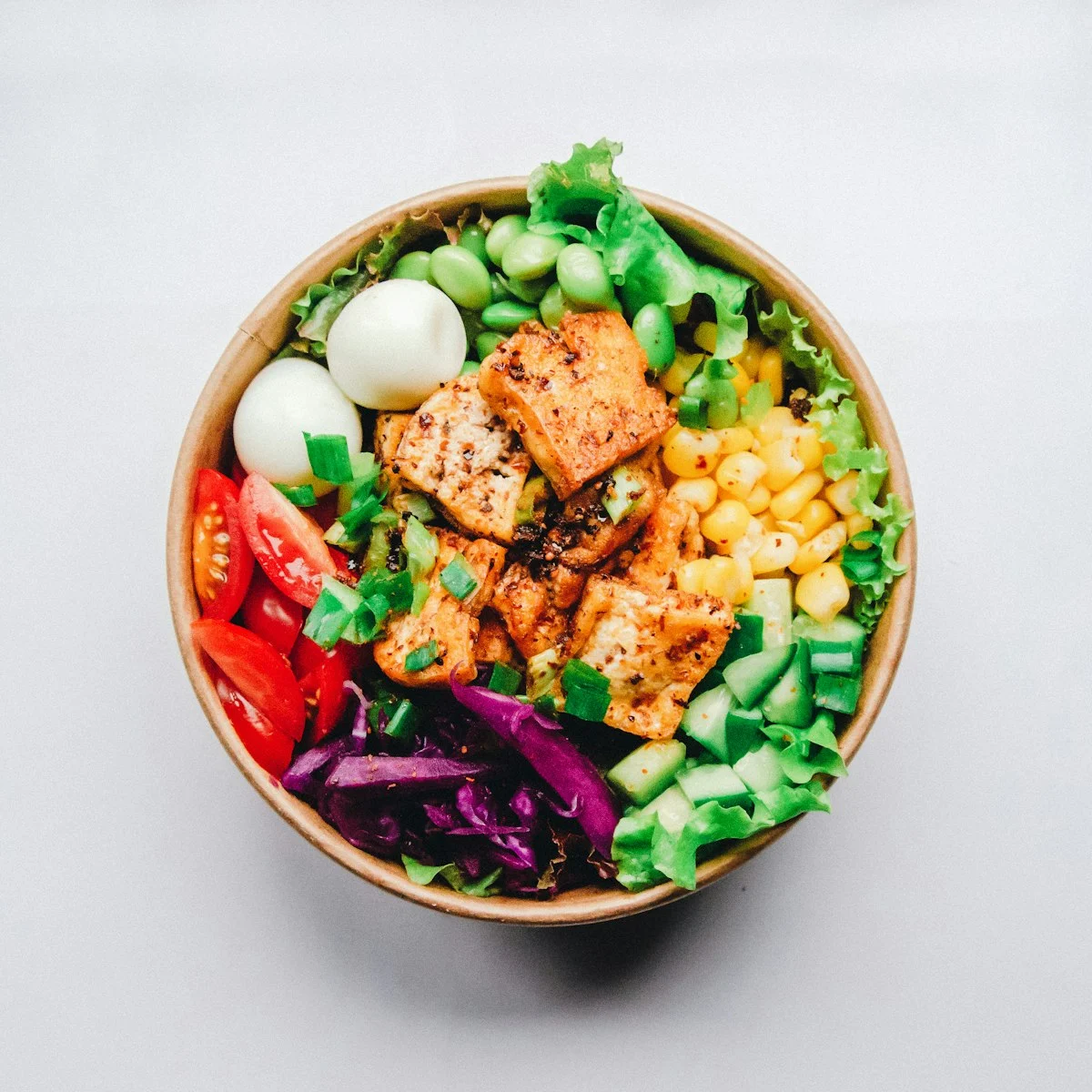
Vegetables and Sabzi: What to Include and What to Limit
Vegetables should fill at least half your thali. Non-starchy vegetables have negligible impact on blood sugar and provide fibre, micronutrients, and antioxidants. The challenge in Indian cooking is that even vegetables can become high-carb or high-calorie when cooked with excess oil, cream, or added starch.
Vegetables Freely Included
These are low in carbohydrates (under 5 g per 100 g) and high in fibre:
- Palak (spinach), methi (fenugreek leaves), amaranth (chaulai)
- Bhindi (okra) — particularly beneficial; research suggests okra may help reduce glucose absorption
- Lauki (bottle gourd), tinda, turai (ridge gourd)
- Karela (bitter gourd) — research suggests it may have modest glucose-lowering properties; NIH review here
- Broccoli, cauliflower, cabbage, beans (French beans, cluster beans)
- Tomato, capsicum, cucumber, zucchini
Vegetables to Moderate (Starchy)
These are higher in carbohydrates and should be counted toward your grain/carb quota:
- Potato (GI 65–80): limit to 1 small potato; do not eat potato sabzi alongside roti + rice
- Arbi (taro root): high GI; use occasionally in small portions
- Sweet potato: medium GI (44–50); a better swap for potato if craved
- Corn / maize: moderate GI; limit to 30–40 g
Cooking method matters: dry sabzis (stir-fried) are preferred over sabzis cooked in cream or excess oil. A teaspoon of mustard oil or ghee per serving is appropriate; avoid deep-frying vegetables.
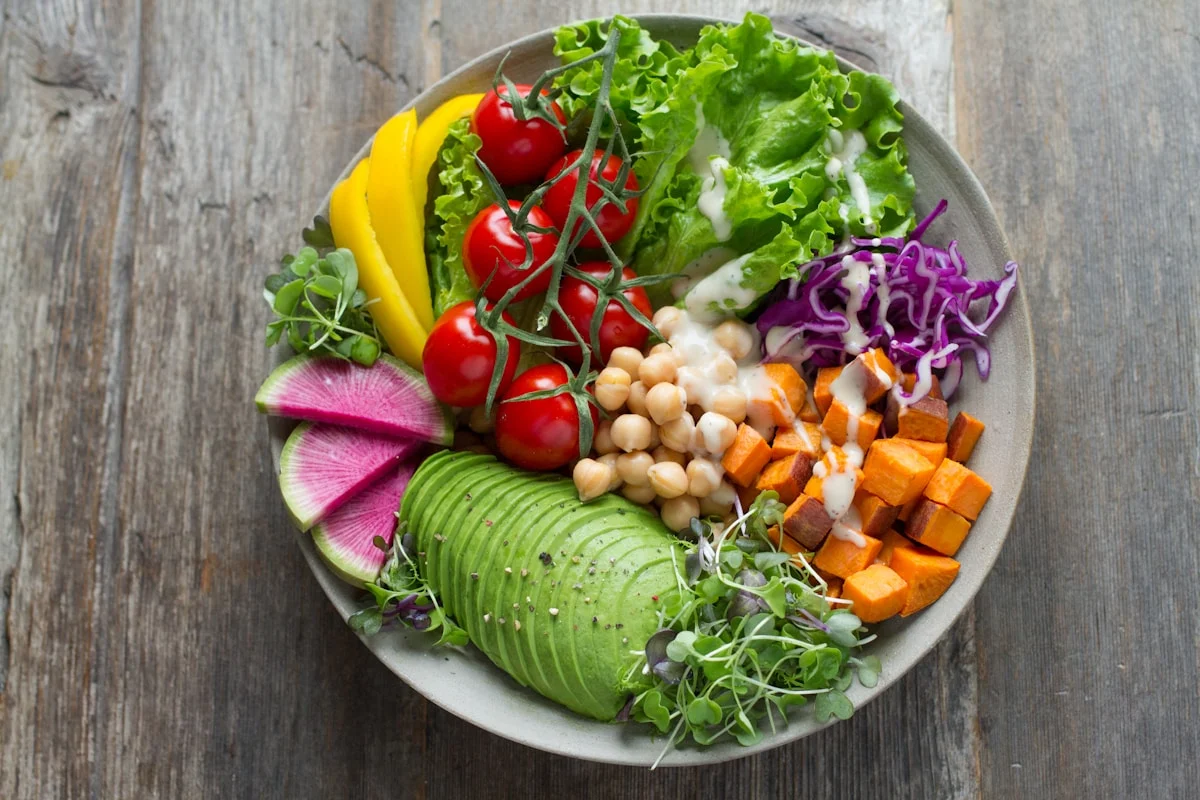
Bhindi, palak, methi, and lauki are among the best sabzi choices for a diabetic thali.
Curd, Raita, and Fermented Foods
Plain curd (dahi) is one of the most underrated elements of the Indian thali for diabetics. It provides:
- Probiotics that support gut health and may improve insulin sensitivity
- Protein (approximately 4–5 g per 100 g)
- Calcium without the GI impact of grain-based foods
- A cooling buffer that slows gastric emptying when eaten alongside carbohydrates
A 2021 review in the journal Nutrients found that probiotic-rich foods, including fermented dairy, were associated with modest improvements in fasting blood glucose and HbA1c in type 2 diabetes patients.
How to include curd in your thali:
- Plain, unsweetened curd: 100–150 g per meal
- Raita: curd whisked with chopped cucumber, mint, and a pinch of cumin — eat this after salad and before grain
- Chaas (buttermilk): a good post-meal drink; diluted with water, low in calories, probiotic-rich
- Avoid sweetened yoghurt, flavoured curd, or fruit-yoghurt blends — these contain added sugar
Other fermented foods that support blood sugar management:
- Idli (fermented rice and urad dal batter) — a lower-GI alternative to plain rice when paired with sambar and chutney
- Kanji (fermented black carrot drink) — traditional North Indian drink; probiotic-rich, low sugar
Plain curd or raita with every thali slows digestion and adds gut-friendly probiotics.
What to Avoid or Limit on a Diabetic Thali
Certain elements of the traditional Indian thali consistently cause blood sugar spikes and should be reduced or removed for diabetic management:
| Item | Why to Limit | Better Swap |
|---|---|---|
| White rice (large portion) | GI 64–72; rapidly raises glucose | ½ cup parboiled rice or millet roti |
| Maida roti / puri / paratha | Refined flour; very high GI | Whole wheat or millet roti |
| Deep-fried accompaniments (pakora, bhajiyas, samosa) | High fat + refined carb combination worsens insulin response | Roasted or air-fried alternatives |
| Sweetened dessert (gulab jamun, halwa, kheer) | Concentrated sugar + refined carbs | A small piece of dark chocolate or fruit (not mango/banana) |
| Sweetened lassi or mango lassi | Liquid sugar spikes glucose rapidly | Plain chaas or water |
| Potato sabzi (aloo) as a main vegetable | High GI potato as primary carb plus roti is double-loading | Replace with lauki, tinda, or palak |
| Papad (fried) | High GI, high sodium | Skip or have roasted papad (one piece) |
| Pickle (achaar) | High sodium raises blood pressure, which compounds diabetes risk | Limit to one teaspoon |
For a comprehensive list of foods for diabetes management, see: Diabetes Reversal Diet Plan
Sample 7-Day Diabetes Thali Plan
This plan follows the portion framework above. Each day includes one main meal (lunch thali); adapt the same principles for dinner. Breakfast suggestions are included for completeness.
Adjust grain portions based on your own blood glucose readings. Always check with your doctor or dietitian before starting a new meal plan, especially if you are on insulin or medication. For a complete reversal diet plan, see: Diabetes Reversal Diet Plan
A 7-day plan keeps variety high and reduces decision fatigue.
Day 1 — Monday
Breakfast: Vegetable oats upma with a boiled egg
Lunch Thali:
- 1 ragi roti
- ¾ cup chana dal
- 1 cup palak paneer (small portion paneer)
- 1 cup mixed salad (cucumber, tomato, onion)
- 100 g plain curd
- 1 tsp ghee
Dinner: Moong dal khichdi (½ cup) with raita and stir-fried bhindi
Day 2 — Tuesday
Breakfast: Besan chilla with mint chutney
Lunch Thali:
- ½ cup parboiled rice + 1 jowar roti
- ¾ cup toor dal
- 1 cup lauki ki sabzi
- 1 cup salad
- 100 g raita
- 1 tsp ghee
Dinner: Palak dal with 1 bajra roti and stir-fried cabbage
Day 3 — Wednesday
Breakfast: 2 idli with sambar (no coconut chutney or limit to 1 tbsp)
Lunch Thali:
- 2 bajra rotis
- ¾ cup rajma
- 1 cup mixed vegetable sabzi (beans, carrot, capsicum)
- 1 cup salad
- 100 g curd
- 1 tsp ghee
Dinner: Egg bhurji with 1 wheat roti and soup
Day 4 — Thursday
Breakfast: Moong dal cheela (2 pieces) with curd
Lunch Thali:
- 1 wheat roti + 1 ragi roti
- ¾ cup masoor dal
- 1 cup turai sabzi
- 1 cup salad
- 100 g raita
- 1 tsp ghee
Dinner: Dal rice (½ cup rice + ¾ cup moong dal) + salad
Day 5 — Friday
Breakfast: Vegetable poha (half portion) with sprouts salad
Lunch Thali:
- 2 jowar rotis
- ¾ cup chana dal
- 1 cup methi sabzi
- 1 cup salad
- 100 g curd
- 1 tsp ghee
Dinner: Karela stir-fry with 1 ragi roti and chaas
Day 6 — Saturday
Breakfast: Sprouts chaat with lemon
Lunch Thali:
- ½ cup parboiled rice
- ¾ cup rajma
- 1 cup aloo-free mixed sabzi
- 1 cup salad
- 100 g plain curd
- 1 tsp ghee
Dinner: Vegetable khichdi (barley or moong + minimal rice) with raita
Day 7 — Sunday
Breakfast: Besan dhokla (2 pieces) with green chutney
Lunch Thali:
- 1 bajra roti + 1 ragi roti
- ¾ cup whole moong (sabut)
- 1 cup bhindi sabzi
- 1 cup salad
- 100 g raita
- 1 tsp ghee
Dinner: Palak soup + 1 wheat roti + stir-fried paneer
Tips for Eating a Diabetic Thali at a Restaurant
Restaurant thalis — whether at a Rajasthani dhaba or a South Indian meals restaurant — are typically designed for maximum satisfaction, not blood sugar control. Large portions of white rice, unlimited rotis, sweetened dessert, and fried accompaniments are standard. Here is how to navigate them:
At a restaurant thali, you can always ask for extra dal and sabzi instead of more rice or roti.
1. Eat salad and raita first. Most restaurant thalis come with a small salad and raita. Eat these before touching the grains — this lowers the post-meal glucose spike by 20–30%, according to research on meal sequencing.
2. Ask for extra dal and sabzi instead of more roti or rice. Most restaurants will oblige. Dal and sabzi are cheaper ingredients; they are rarely refused.
3. Limit rice to ½ cup (one small katori). Push the rice to the side of the thali and fill the remaining space with dal and vegetables.
4. Skip the sweet. The gulab jamun, halwa, or payasam at the end of a restaurant thali is the single highest GI item on the plate. Ask for buttermilk (chaas) instead if available.
5. Avoid the fried accompaniments. Puri, bhajiyas, and papad add refined carbohydrates that compound the grain load. Request plain roti or skip the fried items.
6. Eat slowly. Taking 20–25 minutes over a meal gives your body time to register satiety and slows glucose absorption.
When to See a Doctor
A diabetes-friendly thali supports blood sugar management but is not a replacement for medical care. Consult your doctor or diabetes care team if:
- Your blood sugar remains elevated (above 180 mg/dL two hours after a meal) despite dietary changes
- You experience symptoms of hypoglycaemia (shakiness, sweating, confusion) after reducing carbohydrates
- You are on insulin or sulphonylureas — carbohydrate reduction may need a corresponding medication adjustment
- Your HbA1c has not improved after 3 months of dietary changes
For more on the broader picture of managing type 2 diabetes through diet, see our guide: Diabetes Reversal Diet Plan
Note on diabetes reversal: Some people with type 2 diabetes achieve significant improvements or remission through dietary and lifestyle changes. This requires medical supervision and individual assessment. See: Is Type 2 Diabetes Reversible? — but always work with your healthcare provider before reducing medications.
Frequently Asked Questions
Can I eat rice on a diabetic thali?
Yes, in moderation. Limit cooked rice to ½ cup (about 75 g) per meal, choose parboiled or cooled rice for a lower glycemic effect, and always pair it with a full serving of dal and vegetables. Eating rice alone or in large quantities is what causes problems.
Is ghee allowed on a diabetic thali?
Research suggests that small amounts of ghee (1 teaspoon per meal) do not worsen blood sugar and may slow gastric emptying, reducing glucose spikes. Avoid excessive ghee. Source: NCBI review on dietary fats and diabetes.
Which roti is best for diabetes?
Ragi (finger millet) roti is generally considered the best option due to its high calcium and fibre content. Jowar and bajra are also excellent. Rotating among millets is better than eating the same grain daily.
How many rotis can a diabetic eat per meal?
Generally 1–2 small rotis (approximately 30–35 g each, uncooked weight) per meal. The exact number depends on your total carbohydrate target, which your doctor or dietitian should set individually.
Is curd good for diabetics?
Plain, unsweetened curd is beneficial. It is low-GI, probiotic-rich, and provides protein. Avoid flavoured, sweetened, or fruit yoghurts.
What Indian foods should a diabetic completely avoid?
No single food needs to be completely eliminated, but the following should be significantly limited: maida (refined flour), sugar, white rice in large portions, fried snacks, sweetened drinks, and concentrated sweets (mithai).
Summary: Building Your Diabetes-Friendly Thali
A diabetes-friendly Indian thali is not a deprivation diet — it is a rebalancing of a meal format that is already nutritionally sophisticated. The core shifts are:
- Half the plate → non-starchy vegetables and salad
- One quarter → dal or other protein (curd, egg, paneer)
- One quarter → whole grain or millet-based carbohydrate (1–2 small rotis or ½ cup parboiled rice)
- Always include → plain curd or raita, a small amount of healthy fat (ghee)
- Eat in this order → salad first → dal and vegetables → grain last
These changes, sustained consistently, can meaningfully support blood sugar control. Combine them with regular physical activity and medical supervision for the best outcomes.
For more on managing diabetes through diet and lifestyle in an Indian context, explore our Diabetes Reversal Diet Plan and the complete Diabetes Reversal Guide.
Written by Kirti, Founder & Serial Entrepreneur, HealthyWayFit | Certified Health Coach
Published: October 2026 | Last reviewed: October 2026



