
By Kirti, Founder & Serial Entrepreneur, HealthyWayFit | Certified Health Coach
You just got your lab report back. The number reads 9 — or 9% — next to “HbA1c.” Maybe your doctor looked serious. Maybe nobody explained what it actually means. Now you’re home, staring at that number, and your mind is racing.
Here’s the honest answer: an HbA1c of 9 is a signal that your blood sugar has been running too high for too long. It’s not a death sentence, and it doesn’t mean you’ve failed. But it does mean your body is asking you to pay attention — and to act.
This article explains exactly what that number means, what level is considered dangerous, whether it can be brought down, and what steps — including diet changes that work in an Indian context — may help you get there.
Caution: This article is for informational purposes only and does not constitute medical advice. Always consult a qualified healthcare professional — ideally an endocrinologist or a certified diabetes educator — before making changes to your diet, exercise routine, or medication.
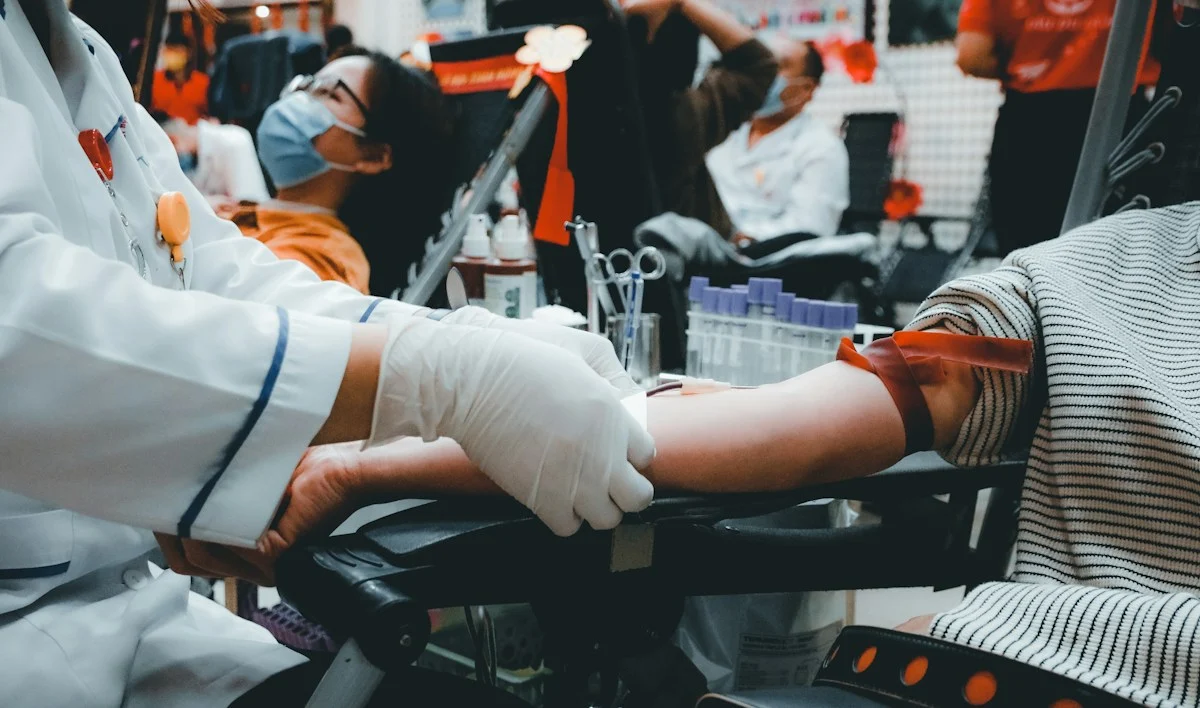
What Does HbA1c 9 Mean?
HbA1c — also written as glycated haemoglobin or A1c — is a blood test that reflects your average blood glucose over the past two to three months. Unlike a fasting glucose test that captures a single moment, HbA1c shows the bigger picture.
The way it works: glucose in your blood attaches to haemoglobin (the protein in red blood cells). The higher your blood sugar over time, the more haemoglobin becomes “glycated.” Because red blood cells live for about 90 days, the test captures roughly three months of average blood sugar.
An HbA1c of 9% translates to an estimated average glucose (eAG) of approximately 212 mg/dL — according to the American Diabetes Association’s eAG calculator and published conversion tables from NCBI. For reference:
| HbA1c % | Estimated Average Glucose (mg/dL) | What it means |
|---|---|---|
| Below 5.7% | Below 117 mg/dL | Normal |
| 5.7–6.4% | 117–137 mg/dL | Prediabetes |
| 6.5–7% | 140–154 mg/dL | Diabetes — at or near target |
| 7–8% | 154–183 mg/dL | Diabetes — above target |
| 8–9% | 183–212 mg/dL | Diabetes — significantly above target |
| Above 9% | Above 212 mg/dL | Diabetes — high risk zone |
To understand how this test is different from your fasting glucose reading, see our guide: What Is HbA1c? Your Complete Guide to Results, Target Ranges, and Lowering Your A1c.
Is HbA1c 9 Dangerous?
Yes — an HbA1c of 9 is in the high-risk zone, and it warrants prompt action. That said, “dangerous” doesn’t mean irreversible. It means your risk of complications is meaningfully higher than it would be at an HbA1c below 7%, and the sooner you act, the more of that risk you can reduce.
Here’s what the research shows at an HbA1c around 9%:
Cardiovascular risk: The UK Prospective Diabetes Study (UKPDS), one of the largest diabetes trials ever conducted, found that each 1% reduction in HbA1c was associated with a 21% reduction in diabetes-related deaths, 14% reduction in myocardial infarction, and 37% reduction in microvascular complications. At 9%, you have significant room to lower risk by reducing your HbA1c.
Kidney damage (diabetic nephropathy): The NIH notes that sustained high blood glucose is one of the primary drivers of kidney damage in people with diabetes. Early control can slow this progression.
Eye damage (diabetic retinopathy): According to the NHS, poor blood sugar control significantly increases the risk of diabetic retinopathy, which can lead to vision loss. HbA1c above 8–9% is considered high risk territory.
Nerve damage (diabetic neuropathy): High blood sugar damages small blood vessels and nerves, particularly in the feet and hands. The Mayo Clinic notes that tight blood sugar control is the most effective way to prevent or slow neuropathy.
The risks are real — but they are not fixed. Every percentage point you bring your HbA1c down reduces your complication risk. That’s the most important thing to understand.
Can HbA1c 9 Be Reversed or Brought Down?
Yes — an HbA1c of 9 can be brought down in most people. The evidence is clear on this.
A landmark review published in Diabetes Care (a journal of the American Diabetes Association) found that structured lifestyle interventions — including dietary changes and increased physical activity — can reduce HbA1c by 1–2 percentage points in people with type 2 diabetes. Source: NCBI/PubMed.
This means an HbA1c of 9 could potentially come down to 7–8% through lifestyle alone — and further with medication support. Some people with initially high HbA1c values who make significant, sustained lifestyle changes may achieve remission (HbA1c below 6.5% without medication), though this is more common when the condition has not been present for many years.
To understand what remission means in full — and whether it may be possible for you — read: Is Type 2 Diabetes Reversible? What Remission Means — and Whether It’s Possible for You.
What “reversible” actually means: The word “reversal” is commonly used, but it’s more accurate to say that many people can achieve significant reductions — and some can achieve remission (normal HbA1c without medication). Whether that’s possible for you depends on how long you’ve had high blood sugar, your current medications, your body weight, and other health factors. Your doctor is the right person to set your personal target.
How Long Does It Take to Lower HbA1c from 9?
Because HbA1c reflects a three-month average, it takes time to see results — even when your lifestyle changes are working.
Here’s a realistic timeline based on published evidence:
Weeks 1–4: Your fasting blood sugar and post-meal glucose may begin to improve if you make dietary changes and add physical activity. Your HbA1c won’t change yet, but your body is already responding.
3 months: Your first follow-up HbA1c test will show the effect of your first three months of changes. A reduction of 0.5–1.5% is a realistic expectation from lifestyle changes alone, depending on adherence, starting point, and whether medication is involved.
6 months: With consistent effort — and medication if your doctor has prescribed it — a reduction of 1–2.5 percentage points from 9% is achievable for many people. Some people will see more.
12 months and beyond: Sustained improvements are possible. The DiRECT trial (published in The Lancet) showed that intensive dietary intervention helped nearly half of participants achieve remission (HbA1c below 6.5%) at 12 months. Most of these participants started with HbA1c values in the 8–10% range.
Note: HbA1c reduction varies widely between individuals. Do not compare your results to someone else’s timeline. The goal is consistent improvement — not a race.
Diet Changes That May Lower HbA1c — Indian Context

Diet is one of the most powerful levers for reducing HbA1c — and the good news is that a traditional Indian diet already contains many foods that support blood sugar management. The key is making a few targeted adjustments.
Foods and patterns associated with lower HbA1c
1. Reduce refined carbohydrates and white rice portion sizes. White rice has a high glycaemic index (GI of 64–72), which means it raises blood sugar quickly. Research published in BMJ found that each additional serving of white rice per day was associated with an 11% increased risk of type 2 diabetes in Asian populations. Replacing one serving of white rice with millets (ragi, jowar, bajra — all with lower GI values of 54–68), red or brown rice, or broken wheat (daliya) may help reduce post-meal blood sugar spikes.
2. Prioritise protein at every meal. Adding dal, chana, rajma, eggs, paneer, or curd to meals helps slow glucose absorption and improves satiety. A 2022 meta-analysis in Nutrients found that higher protein intake was associated with modest HbA1c reductions in people with type 2 diabetes.
3. Add non-starchy vegetables at every meal. Palak, methi, karela, tinda, lauki, capsicum, and cabbage are low in carbohydrates and high in fibre. The NIH supports dietary fibre as beneficial for blood sugar control — aiming for 25–30g of fibre per day from food sources.
4. Reduce added sugar and sweetened drinks. Chai with multiple teaspoons of sugar, packaged fruit juices, sweetened lassi, mithai, and namkeen crackers all contribute to blood sugar spikes. Switching to unsweetened tea or buttermilk (chaas) makes a meaningful difference.
5. Be mindful of meal timing and size. Large, infrequent meals cause bigger blood sugar swings. Smaller, more frequent meals — or at minimum not skipping meals — may help. Eating the largest carbohydrate portion at lunch rather than dinner is a practical adjustment many people find helpful.
For a detailed food guide, see our article: Diabetes Diet Plan India: What to Eat to Reverse High Blood Sugar.

Exercise for HbA1c Reduction

Exercise is one of the most well-studied non-medication interventions for reducing HbA1c. A meta-analysis published in JAMA found that structured exercise training was associated with a clinically significant reduction in HbA1c of approximately 0.66 percentage points — even without changes in body weight.
Both aerobic exercise and resistance training are beneficial, and combining them appears to work better than either alone.
What works for HbA1c:
- Brisk walking (30 minutes, 5 days a week): The most accessible and evidence-backed starting point. After meals, a 15–20 minute walk has been shown to blunt post-meal blood sugar spikes — a 2022 study in Sports Medicine via PubMed confirmed this effect.
- Resistance training (2–3 times per week): Bodyweight exercises — squats, wall push-ups, chair stands — build muscle, which increases glucose uptake. Even simple home exercises qualify.
- Yoga: Research published in the Journal of Diabetes Research suggests yoga practice may be associated with modest improvements in HbA1c in people with type 2 diabetes, though it should complement — not replace — aerobic and resistance work.
Note: If you are newly diagnosed or have complications (heart disease, neuropathy, foot problems), consult your doctor before beginning a new exercise programme. Start slow and build up.
When Medication Is Also Needed
Lifestyle changes are powerful — but at an HbA1c of 9, medication is very likely to be part of your plan, at least initially. This is not a failure. It is appropriate medical care.
The American Diabetes Association Standards of Care (2024) recommends that most people with an HbA1c above 8.5–9% begin glucose-lowering medication alongside lifestyle changes from the outset. Waiting for lifestyle alone to work over several months while your HbA1c stays at 9 means continued exposure to high blood sugar and its effects.
Common first-line medications in India include:
- Metformin — typically the first medication prescribed for type 2 diabetes. It works by reducing glucose production in the liver and is generally well-tolerated.
- SGLT2 inhibitors (e.g., empagliflozin, dapagliflozin) — also recommended in people with heart or kidney complications.
- GLP-1 receptor agonists — associated with both HbA1c reduction and weight loss.
- Sulphonylureas — older class, still widely used in India; effective but carry risk of hypoglycaemia.
Your doctor will choose based on your full clinical picture. Do not stop or change medication without medical guidance — even if your blood sugar improves significantly.
When to See a Doctor — Red Flags
At an HbA1c of 9, you need a doctor involved in your management. This is not optional. Lifestyle changes alone may not be sufficient, and certain signs need immediate attention.
See a doctor urgently if you notice:
- Extreme thirst or very frequent urination (possible hyperglycaemia or diabetic ketoacidosis)
- Blurred vision that has worsened recently
- Tingling, numbness, or burning in your feet or hands
- Wounds on your feet that are healing slowly or not at all
- Dizziness, shakiness, or sudden sweating (possible hypoglycaemia if you are on medication)
- Chest pain or shortness of breath
Schedule a routine follow-up if:
- You have just received an HbA1c result of 9 for the first time and don’t yet have a care plan
- Your HbA1c has not improved after three months of consistent effort
- You are managing diabetes during pregnancy
- You have kidney disease, heart disease, or other complications that need specialist coordination
If you’ve recently been diagnosed, this guide may help you get oriented: Type 2 Diabetes Remission: What It Is, Who Can Achieve It, and How.
Frequently Asked Questions
Is HbA1c 9 very high?
Yes, an HbA1c of 9% is significantly above both the normal range (below 5.7%) and the general diabetes management target (below 7% for most adults, per the ADA). It indicates that average blood glucose over the past three months was around 212 mg/dL — higher than the safe zone. It warrants prompt action and medical review.
Can I lower HbA1c from 9 to 7 without medication?
Some people can lower HbA1c by 1–2 percentage points through diet and exercise alone — which would bring a 9% result to approximately 7–8%. Whether medication is also needed depends on how your body responds and your doctor’s assessment. At 9%, most clinical guidelines recommend medication alongside lifestyle changes, at least initially.
What foods should I avoid with HbA1c 9?
The foods most likely to worsen blood sugar control are: white rice in large quantities, white bread and maida-based items (biscuits, samosas, naan), sweetened drinks (packaged juices, soft drinks, sweetened chai), full-sugar mithai and desserts, and deep-fried snacks. For a full guide, see our Diabetes Diet Plan India.
How often should I test HbA1c when it is at 9?
Most doctors recommend testing every three months until your HbA1c is stable and within your target range. Once it is well-controlled, testing every six months may be sufficient — but follow your doctor’s guidance.
Can stress raise HbA1c?
Yes — cortisol (the stress hormone) raises blood glucose. Chronic stress can make blood sugar harder to control. Managing stress through sleep, gentle exercise, breathing practices, and addressing sources of chronic pressure is part of a complete diabetes management approach.
Summary: What to Do If Your HbA1c Is 9
An HbA1c of 9 is a clear signal — but it is a starting point, not a final verdict. Here’s what the evidence supports:
- See your doctor — if you haven’t already, get a full assessment and a personalised target. At 9%, medication is likely part of the plan alongside lifestyle.
- Adjust your diet — reduce refined carbohydrates, increase protein and vegetables, cut added sugar. You don’t need a radical diet; you need consistent, manageable changes.
- Move more — a 30-minute daily walk plus two resistance sessions per week is a realistic starting point backed by evidence.
- Take medication as prescribed — if your doctor has recommended it, take it. Medication is not a sign of failure; it is part of treatment.
- Retest in three months — track your progress with another HbA1c test. Improvement confirms that what you’re doing is working.
Every percentage point you bring your HbA1c down measurably reduces your risk. The goal is not perfection — it’s consistent, meaningful improvement.
Written by Kirti, Founder & Serial Entrepreneur, HealthyWayFit | Certified Health Coach. This article draws on peer-reviewed research from PubMed/NCBI, NIH, the NHS, Mayo Clinic, and the American Diabetes Association. Last updated: October 2026.



