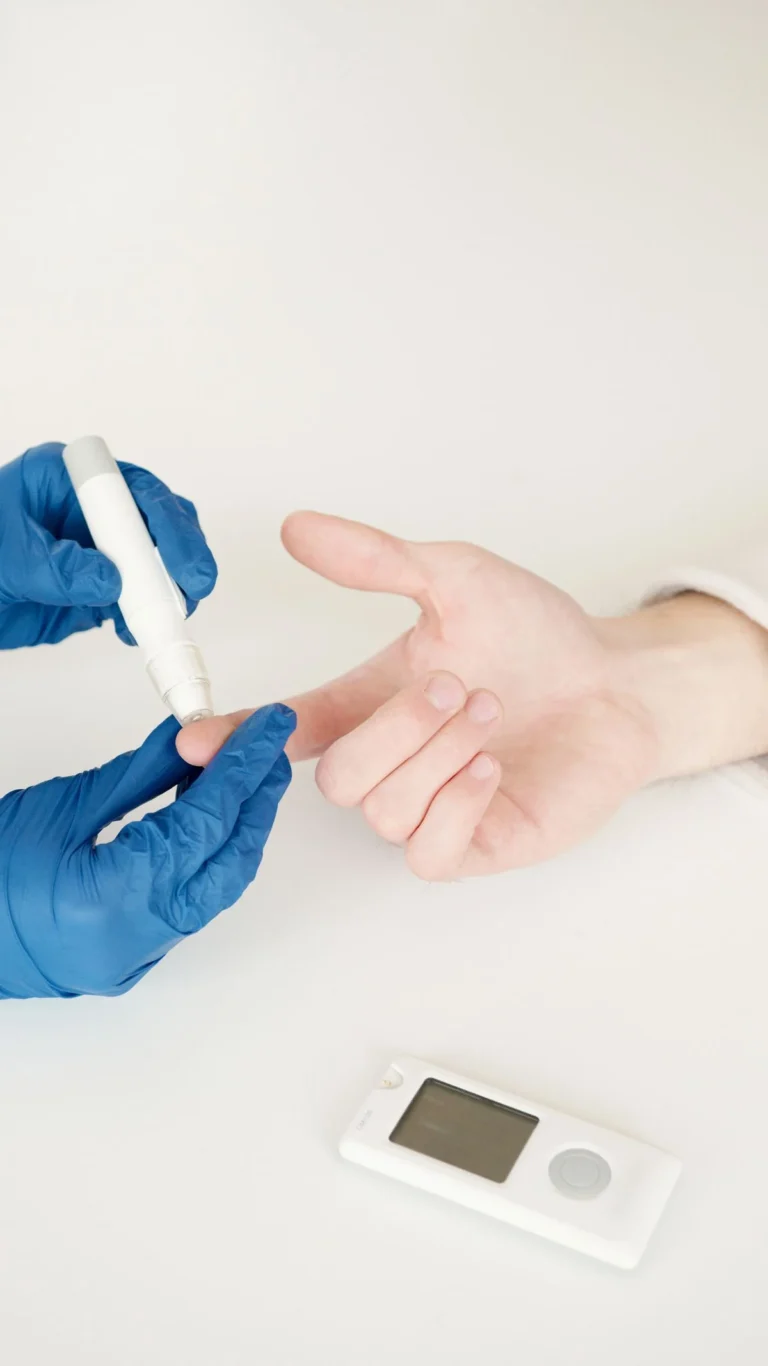
Pomegranate is good for diabetes when eaten in sensible portions. It has a low glycemic index (GI around 53–54), and a 2025 meta-analysis of 34 randomized controlled trials found that pomegranate consumption significantly reduced fasting blood glucose, fasting insulin, and insulin resistance markers in adults. The key caveats: portion size matters, whole arils are better than bottled juice, and pomegranate is not a replacement for diabetes medication or a structured meal plan.

What Is the Glycemic Index of Pomegranate?
Pomegranate arils have a glycemic index of approximately 53, which places them in the low-GI category (below 55). A half-cup serving of pomegranate seeds contains roughly 16 g of carbohydrate and has a glycemic load of around 8–9 — low enough that a moderate portion is unlikely to cause a sharp blood sugar spike in most people with type 2 diabetes.
The glycemic index measures how quickly a food raises blood glucose compared to pure glucose (GI = 100). A GI of 53 means pomegranate releases its sugars relatively slowly, partly because of its fibre content and partly because punicalagin — one of pomegranate’s key polyphenols — inhibits alpha-amylase, an enzyme involved in carbohydrate digestion. Slower digestion means a flatter glucose curve.

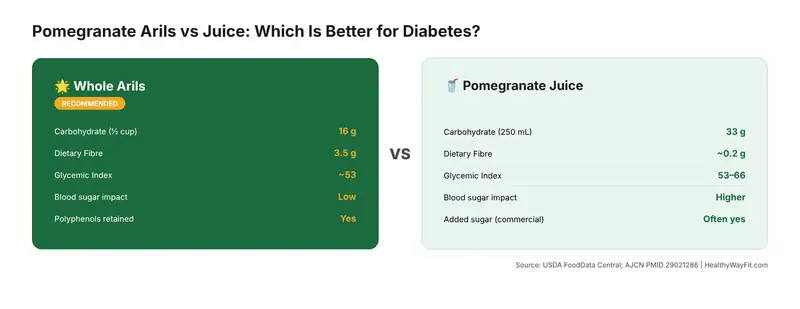
Pomegranate juice has a higher and more variable GI, typically 53–66 depending on the product, and lacks much of the fibre that slows digestion in whole fruit.
What Does the Research Show About Pomegranate and Blood Sugar?
A 2025 GRADE-assessed systematic review and dose-response meta-analysis published in BMC Nutrition (Mohammadzaheri et al., PMCID PMC12372205) analysed 34 randomised controlled trials involving 1,500 adults. Pomegranate consumption was significantly associated with reductions in fasting blood glucose (weighted mean difference: −3.04 mg/dL, p < 0.001), fasting insulin (−0.97 IU/mL, p < 0.001), and HOMA-IR, the standard measure of insulin resistance (−0.34, p < 0.001).
The change in HbA1c — the 3-month average blood sugar marker — was not statistically significant (WMD: +0.046%, p = 0.723). This means pomegranate showed consistent short-term effects on fasting glucose and insulin sensitivity, but evidence for meaningful long-term glycaemic control (HbA1c) is still weak.

A 2024 systematic review and meta-analysis in Diabetes & Metabolic Syndrome (Bahari et al.) analysed 32 eligible studies and found significant reductions in fasting blood glucose, fasting insulin, HbA1c, and HOMA-IR. People who already had prediabetes or diabetes (fasting glucose above 100 mg/dL) showed the strongest improvements.
The 2025 meta-analysis also found a non-linear dose-response relationship for fasting blood glucose with both pomegranate dose and duration — meaning benefit does not simply increase as you eat more; there appears to be an optimal range.
Note: The effect sizes are statistically significant but clinically modest.
A drop of 3 mg/dL in fasting glucose is meaningful as part of a whole dietary pattern but not large enough on its own to replace medication or produce remission. Pomegranate is a supportive food, not a treatment.

Pomegranate Arils vs Juice: Does the Form Matter?
Whole arils and bottled pomegranate juice behave differently in the body, and whole arils are the better choice for people with diabetes.
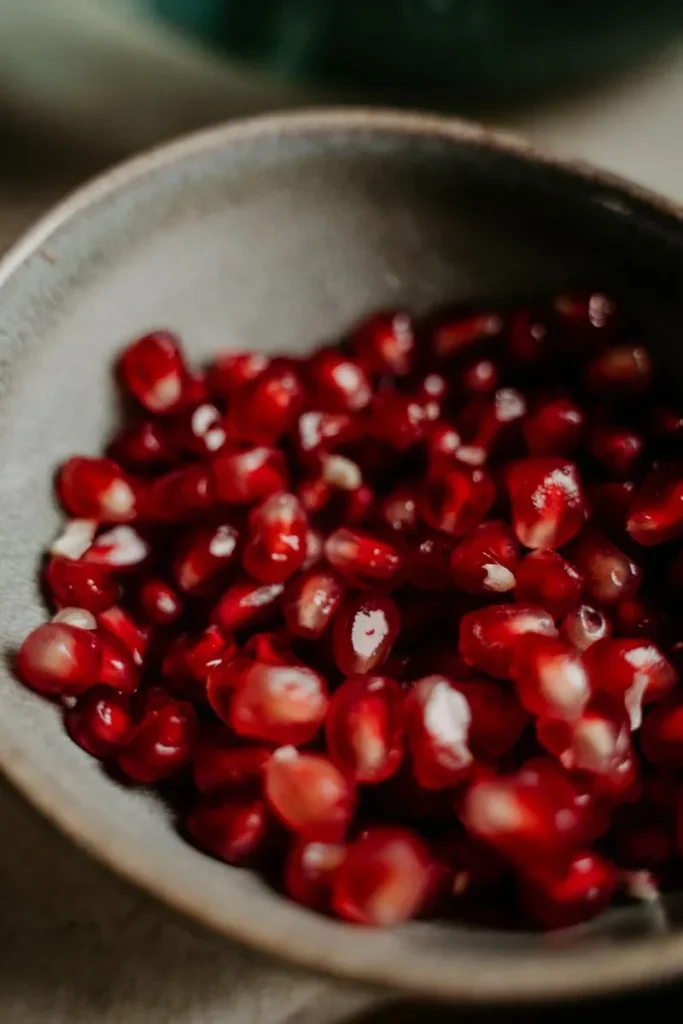
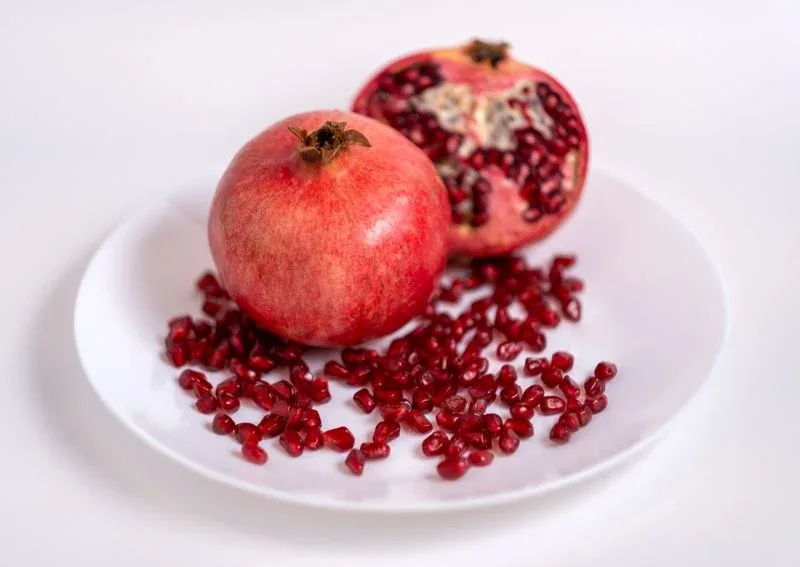
Whole pomegranate arils provide fibre alongside natural sugars. Fibre slows gastric emptying, blunts the glucose peak, and supports gut bacteria linked to better metabolic health. A half-cup of arils contains about 3.5 g of fibre and 16 g of carbohydrate.
A 2017 randomised crossover trial published in the American Journal of Clinical Nutrition (PMID 29021286) found that pomegranate juice — but not a pomegranate extract supplement — produced a lower glycaemic response when paired with a high-GI food. However, bottled juices often contain added sugars and strip out most of the beneficial fibre. A glass (250 mL) of commercial pomegranate juice can carry 33 g of carbohydrate — more than double the amount in a half-cup of arils — with little to no fibre.
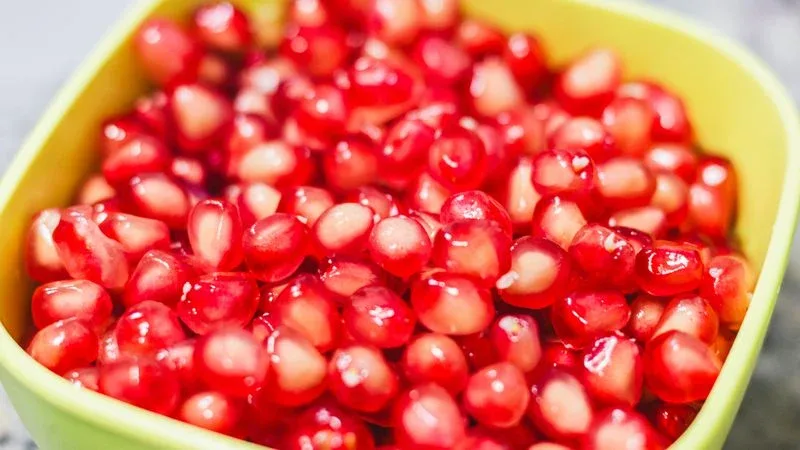
Fresh-pressed pomegranate juice (no added sugar) retains polyphenols but has far less fibre than whole fruit. If you drink pomegranate juice, a small portion (about 100–150 mL, no added sugar) is a more reasonable choice than a full glass.
Other Health Benefits of Pomegranate for People with Diabetes
People with type 2 diabetes are at higher cardiovascular risk, and pomegranate has several properties relevant to heart health.
Blood pressure: Drinking approximately 200 mL of pomegranate juice daily for six weeks significantly lowered blood pressure in people with type 2 diabetes in one study, according to WebMD’s review of pomegranate research. Pomegranate’s polyphenols — punicalagin, ellagic acid, and gallic acid — are thought to support arterial health by reducing oxidative stress and inflammation in blood vessel walls.
Cholesterol: Some evidence links pomegranate consumption to improvements in the LDL-to-HDL ratio and lower total cholesterol, though findings vary across studies.
Anti-inflammatory effects: Chronic low-grade inflammation drives insulin resistance and diabetes complications. Pomegranate’s polyphenols may reduce inflammatory markers, which is relevant for long-term complication risk.
Gut microbiome: Polyphenols from pomegranate act as prebiotics, increasing the abundance of beneficial gut bacteria. Since gut health is closely tied to glucose metabolism, this may partly explain the blood sugar effects seen in clinical trials.
These benefits come with context: most studies used pomegranate juice or standardised extracts, not always the amount of arils you’d eat in a typical serving.

How Much Pomegranate Can You Eat with Diabetes?
A half-cup (roughly 80–90 g) of pomegranate arils per day is a reasonable portion for most people with type 2 diabetes. This provides about 16 g of carbohydrate, 3.5 g of fibre, and a meaningful dose of polyphenols without an excessive carbohydrate load.
Count it toward your daily fruit intake and include it within your carbohydrate budget for that meal. Pairing pomegranate arils with a source of protein or fat — yogurt, nuts, or a salad with olive oil dressing — will further blunt any glucose rise.
If you monitor blood sugar with a continuous glucose monitor or test strips, checking 1–2 hours after eating pomegranate will show your individual response, since glycaemic responses vary between people. Those with tighter glucose targets or on insulin may want to confirm their personal response before making pomegranate a daily habit.
If you have chronic kidney disease alongside diabetes, be aware that pomegranate is relatively high in potassium. Speak with your dietitian or doctor before adding it regularly.
How to Add Pomegranate to a Diabetes Diet
Pomegranate arils work well in small amounts added to existing meals rather than eaten as a large standalone snack. Practical ways to include them:
- Sprinkle a few tablespoons over plain Greek yogurt or steel-cut oats for breakfast
- Add to a salad with leafy greens, cucumber, and a vinaigrette
- Mix into raita or plain yogurt as a side dish
- Top a grilled chicken or fish dish for colour and flavour contrast
- Stir into cottage cheese with a small handful of nuts

Avoid commercial pomegranate-flavoured products — juices, smoothies, and dried pomegranate are usually high in added sugar and low in fibre. Fresh pomegranates are typically in season from October through January. Pre-shelled arils sold in refrigerated packs are a convenient alternative and retain nutritional value.
You might also be comparing pomegranate to other fruits you enjoy. See how similar fruits stack up: Is Guava Good for Diabetes?, Is Papaya Good for Diabetes?, Is Banana Good for Diabetes?, and Is Jackfruit Good for Diabetes?.
Frequently Asked Questions

Is pomegranate juice safe for diabetes?
Fresh-pressed pomegranate juice with no added sugar is lower risk than commercial bottled versions, but whole arils are a better choice because they contain fibre. If you drink juice, limit to 100–150 mL and account for the carbohydrates.
Does pomegranate raise blood sugar?
A normal portion of pomegranate arils (about half a cup) is unlikely to cause a sharp blood sugar spike, thanks to its low GI (around 53) and fibre content. Large portions or sweetened juices can raise blood sugar.
Can pomegranate replace diabetes medication?
No. Pomegranate may support blood glucose management as part of a healthy diet, but the effects shown in clinical trials are modest and it is not a substitute for prescribed medication or a structured diabetes management plan.

How many pomegranate seeds can a diabetic eat per day?
A half-cup of arils (about 80–90 g) is a sensible daily portion. This delivers roughly 16 g of carbohydrate and fits within most diabetes meal plans.
The Bottom Line
Pomegranate is a safe and nutritious fruit for people with diabetes when eaten in sensible amounts. Its low glycaemic index (around 53) and fibre content mean a half-cup of arils is unlikely to spike blood sugar. The best available evidence — a 2025 meta-analysis of 34 randomised controlled trials — found significant reductions in fasting blood glucose, fasting insulin, and insulin resistance markers, though the effect on HbA1c was not statistically significant.
Choose whole arils over juice whenever possible, keep portions to about half a cup, and count the carbohydrates within your daily target. Pomegranate is one supportive piece of a broader diabetes-friendly diet — and a well-evidenced one at that.
Kirti is the Founder & Serial Entrepreneur behind HealthyWayFit, publishing evidence-based guides to help people with diabetes make informed food and lifestyle choices.