By Kirti, Founder & Serial Entrepreneur, HealthyWayFit
Caution: This article is for informational purposes only and does not constitute medical advice.
Always consult a qualified healthcare professional before making any changes to your diet, exercise routine or medication.
Type 2 diabetes symptoms often develop so gradually that many people live with the condition for years without realising it. According to the US Centers for Disease Control and Prevention (CDC), approximately 8.5 million Americans have undiagnosed diabetes — their blood sugar is elevated, but no test has confirmed it yet.
If you have been dismissing persistent fatigue, blurry vision or an unusual thirst as something minor, this guide walks through the 10 most common warning signs of type 2 diabetes, the mechanism behind each one, and when it is time to stop waiting and request a blood test.
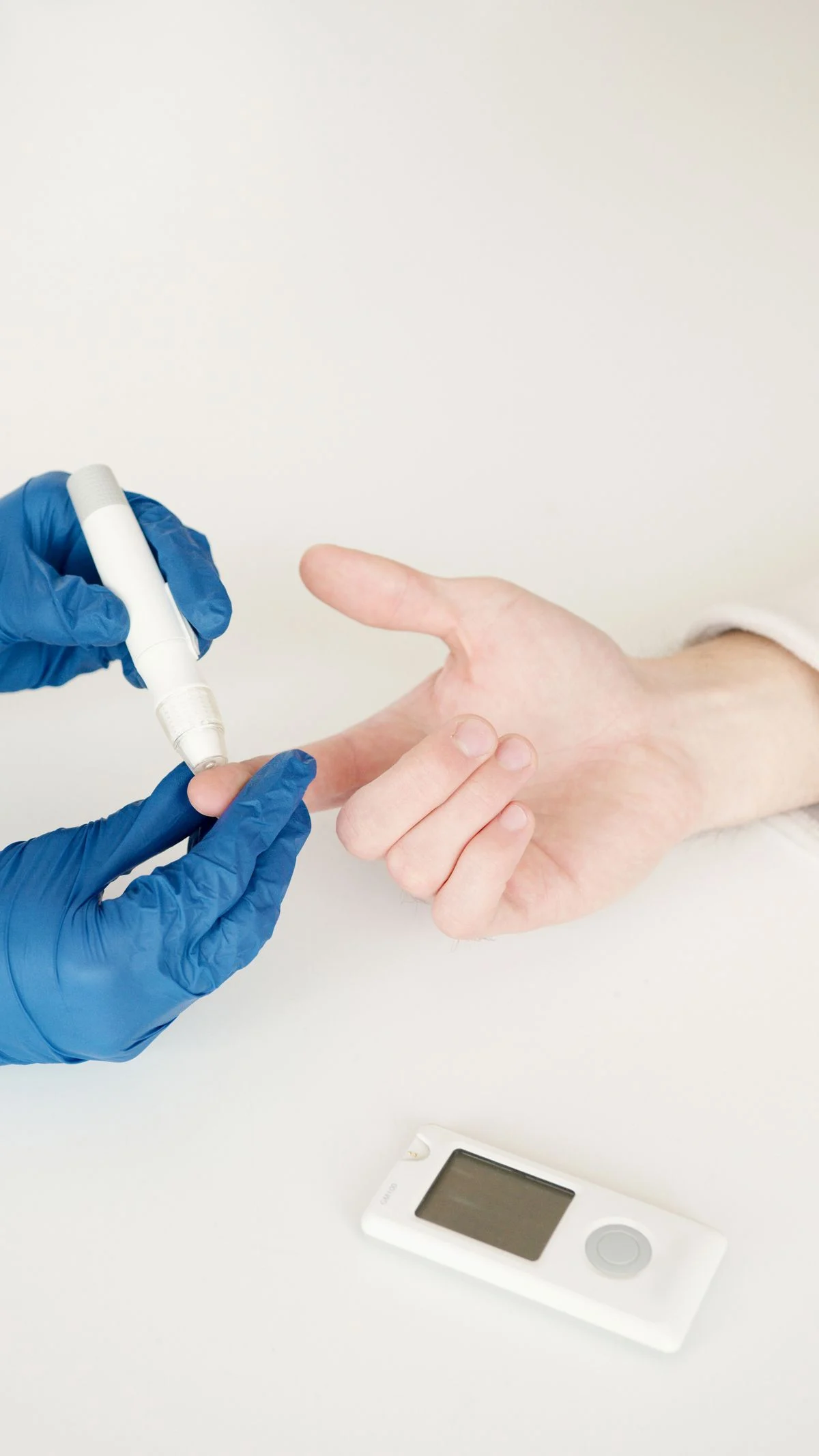
Regular blood sugar testing can catch elevated glucose before symptoms become severe. Photo: Pexels
Why Type 2 Diabetes Symptoms Are So Easy to Miss
Most conditions announce themselves with sharp, sudden symptoms. Type 2 diabetes does not work that way.
The underlying problem — insulin resistance — builds over years, not days. Your cells gradually stop responding to insulin as well as they should, and your pancreas overcompensates by producing more. During this compensation phase, blood sugar may be mildly elevated, but not high enough to trigger obvious symptoms. By the time the pancreas can no longer keep up and blood sugar climbs further, insulin resistance may have been present for a decade.
According to the National Institute of Diabetes and Digestive and Kidney Diseases (NIDDK), symptoms of type 2 diabetes often develop slowly — and in some people, no symptoms appear at all.
This slow progression is precisely why the American Diabetes Association (ADA) recommends testing for type 2 diabetes starting at age 35 for anyone with risk factors — long before noticeable symptoms emerge. The blood tests to request are an HbA1c test or a fasting plasma glucose test.
The 10 Warning Signs of Type 2 Diabetes
These symptoms are not unique to diabetes, and having one or two does not confirm a diagnosis. But if you recognise several — particularly alongside risk factors such as excess weight, being over 45, or a family history of diabetes — they are worth discussing with your doctor promptly.
1. Frequent Urination (Polyuria)
Going to the bathroom far more often than usual, including waking during the night to urinate, is one of the most recognised signs of elevated blood sugar.
Why it happens: When blood glucose rises above approximately 10 mmol/L (180 mg/dL), the kidneys can no longer reabsorb all of the excess sugar. To remove glucose from the body, the kidneys generate more urine — pulling fluid from tissues in the process. The result is significantly more frequent urination, often including nocturnal episodes that disrupt sleep.
Insulin resistance prevents cells from absorbing glucose efficiently, driving many T2D symptoms. Photo: Pexels
2. Excessive Thirst (Polydipsia)
A persistent, hard-to-satisfy thirst — still present even after drinking — typically accompanies frequent urination.
Why it happens: The additional urine produced to flush out excess glucose removes fluid from the body’s tissues. The brain detects this developing dehydration and signals thirst to prompt fluid replacement. Drinking more leads to urinating more, which leads to thirst again — a cycle driven directly by high blood sugar.
3. Increased Hunger (Polyphagia)
Feeling hungry shortly after eating, or experiencing persistent hunger despite normal food intake, can signal that your cells are not receiving the energy they need.
Why it happens: Glucose is the primary fuel for cells. In type 2 diabetes, insulin resistance means cells cannot absorb glucose efficiently even when it is present in the bloodstream. Cells signal hunger because they are genuinely energy-deprived, even as blood sugar levels remain high. Eating more raises blood glucose further, compounding the problem.
What you eat directly affects blood glucose levels and the severity of type 2 diabetes symptoms. Photo: Pexels
4. Unexplained Fatigue
Feeling persistently tired despite adequate sleep, or experiencing a heavy, foggy fatigue that does not improve with rest, is one of the most frequently reported early symptoms.
Why it happens: Fatigue in type 2 diabetes has several overlapping causes: cells are energy-deprived because glucose cannot enter them efficiently; chronic low-grade inflammation from persistently high blood sugar impairs overall energy metabolism; disrupted sleep from frequent nighttime urination adds to the exhaustion. Together, these make fatigue both common and persistent — often predating a formal diagnosis by months or years.
Fatigue that does not improve with rest may reflect cells being unable to use glucose for energy. Photo: Pexels
5. Blurred Vision
Sudden changes in vision — blurriness, difficulty focusing or rapidly shifting eyesight — can be an early warning sign that blood sugar has risen significantly.
Why it happens: The lens of the eye responds to changes in fluid balance. When blood glucose rises, the body draws fluid into the lens to maintain osmotic balance, causing it to swell and alter its shape. This changes the focal length of the lens, producing blurry or unstable vision. This is usually reversible with blood sugar control. It is distinct from diabetic retinopathy — damage to the blood vessels of the retina that develops with prolonged high blood sugar over years and can cause permanent vision loss.
6. Slow-Healing Wounds and Sores
Cuts, bruises and sores that take longer than expected to heal are a well-documented sign of uncontrolled blood sugar, particularly affecting the feet.
Why it happens: High glucose impairs wound healing through multiple mechanisms: it damages small blood vessels, reducing circulation to the skin and peripheral tissues; it impairs white blood cell function, weakening the immune response at the wound site; and it creates an environment in which bacteria and fungi thrive. Foot wounds are especially concerning because nerve damage (see symptom 7) may mean wounds go unnoticed until they become serious.
Chronic high blood sugar damages nerves and blood vessels, slowing the body’s ability to heal. Photo: Pexels
7. Tingling or Numbness in Hands and Feet (Peripheral Neuropathy)
A tingling, “pins and needles,” burning or numb sensation in the hands and feet — particularly the toes and fingers — may indicate early nerve damage from chronically elevated blood sugar.
Why it happens: High blood glucose damages the small blood vessels supplying the nerves and directly injures nerve fibres through a buildup of toxic glucose byproducts. The longest nerves in the body — those running to the feet — are affected first, which is why this symptom typically starts at the toes and works upward. Early-stage neuropathy may be partially reversible with improved blood sugar control, according to the Mayo Clinic. Advanced nerve damage is generally not reversible.
8. Frequent Infections
Getting infections more often than usual — including urinary tract infections (UTIs), skin infections, gum disease or fungal infections — can reflect impaired immune function from elevated blood sugar.
Why it happens: Glucose feeds bacteria and fungi. When blood sugar is persistently high, it creates favourable growth conditions for pathogens. Simultaneously, elevated glucose impairs the function of neutrophils (the white blood cells responsible for neutralising pathogens), weakening the body’s first line of defence. Women with type 2 diabetes also have an elevated risk of vaginal yeast infections caused by Candida albicans, which thrives in a high-glucose environment.
Recurrent infections — including UTIs, skin infections and fungal infections — can indicate elevated blood glucose. Photo: Pexels
9. Darkened Skin Patches (Acanthosis Nigricans)
Dark, velvety patches of skin appearing in the folds of the neck, armpits, groin or under the breasts are a visible sign often associated with insulin resistance.
Why it happens: Acanthosis nigricans is caused by excess insulin in the bloodstream stimulating the growth of skin cells (keratinocytes and melanocytes) in skin folds. Because it is a direct consequence of insulin resistance rather than high blood sugar itself, these patches can appear before a person develops full type 2 diabetes — and may be one of the earliest visible warning signs. The condition itself is not dangerous or contagious, but it warrants a conversation with a doctor about blood sugar screening.
When cells cannot access glucose, the body may break down fat stores — causing unexplained weight loss. Photo: Pexels
10. Unexplained Weight Loss
Losing weight without making dietary changes — especially when experiencing increased hunger — may seem counterintuitive, but it is a recognised symptom of undiagnosed or poorly controlled type 2 diabetes.
Why it happens: When cells cannot access glucose, the body turns to alternative energy sources — breaking down stored fat and, in prolonged cases, muscle tissue. The kidneys also excrete calories by removing glucose in the urine, contributing to an unexplained caloric deficit. This symptom is more prominent in people whose blood sugar is severely elevated; with milder uncontrolled diabetes, weight loss may be subtle or absent.
Unintentional weight loss despite adequate food intake may indicate that cells are failing to use glucose for energy. Photo: Pexels
Early vs. Later Symptoms: What Appears First?
The ten symptoms do not all appear at the same time. The table below summarises which are more likely to appear early versus which tend to emerge only with more prolonged or advanced high blood sugar.
| Symptom | Early stage | Later / advanced |
|---|---|---|
| Frequent urination | ✓ Common | ✓ Persists |
| Excessive thirst | ✓ Common | ✓ Persists |
| Increased hunger | ✓ Common | ✓ Persists |
| Unexplained fatigue | ✓ Common | ✓ Persists |
| Blurred vision | ✓ Reversible | May become permanent (retinopathy) |
| Slow-healing wounds | ✓ Possible | ✓ More pronounced |
| Tingling / numbness | Sometimes | ✓ Common |
| Frequent infections | Sometimes | ✓ More common |
| Acanthosis nigricans | ✓ Often pre-diabetes | ✓ Persists |
| Unexplained weight loss | Occasional | More likely with severe hyperglycaemia |
The key implication: by the time tingling, persistent numbness or slow-healing wounds appear, blood sugar has usually been elevated for some time. Waiting for severe or dramatic symptoms before seeking a test may mean you have already missed the earliest intervention window.
Additional Symptoms in Women and Men
Women with type 2 diabetes may also experience:
- Recurrent vaginal yeast infections — Candida thrives in high-glucose environments and frequent or hard-to-treat infections can be an early pointer to elevated blood sugar
- Frequent urinary tract infections (UTIs) — glucose in the urine supports bacterial growth in the urinary tract
- PCOS connection — polycystic ovary syndrome is associated with insulin resistance and significantly raises the risk of developing type 2 diabetes; women with PCOS who experience irregular periods, excess hair growth or difficulty conceiving should ask their doctor about blood sugar screening
Men with type 2 diabetes may also notice:
- Erectile dysfunction — nerve and blood vessel damage from high blood sugar affects sexual function; this can appear years before other symptoms in some men
- Loss of muscle mass — insulin resistance impairs protein synthesis and may accelerate muscle loss, particularly in men with sedentary lifestyles
- Reduced libido — low testosterone, which is more common in men with obesity and insulin resistance, can accompany type 2 diabetes
When to Ask for a Diabetes Test
You do not need to wait until you have multiple severe symptoms. These situations warrant a conversation with your doctor about blood sugar testing:
- You experience two or more of the symptoms above
- You are aged 35 or over with any risk factor (excess weight, family history of diabetes, high blood pressure, high cholesterol, history of gestational diabetes)
- You have a diagnosis of prediabetes and have not been re-tested recently
- You notice acanthosis nigricans or have had recurrent UTIs or yeast infections
- You are pregnant or planning to become pregnant with a history of gestational diabetes
What to ask for: An HbA1c test measures your average blood glucose over the previous two to three months and is the most common diagnostic tool. A fasting plasma glucose test (requiring at least eight hours without food) is the alternative. Understanding the difference between these tests helps you interpret your results — read our guide on fasting blood sugar vs HbA1c.
Diagnostic thresholds (ADA Standards of Medical Care in Diabetes, 2024):
- Diabetes: HbA1c ≥ 48 mmol/mol (≥ 6.5%) or fasting plasma glucose ≥ 7.0 mmol/L (≥ 126 mg/dL)
- Prediabetes: HbA1c 39–47 mmol/mol (5.7–6.4%) or fasting glucose 5.6–6.9 mmol/L (100–125 mg/dL)
When to seek urgent care: Chest pain, sudden vision loss, confusion, extreme thirst combined with rapid weight loss over a short period, or any infected foot wound with signs of spreading — these require same-day or emergency medical attention, not a scheduled appointment.
If you recognise several of these warning signs, ask your doctor for a blood sugar test rather than waiting. Photo: Pexels
FAQ
Can you have type 2 diabetes with no symptoms at all?
Yes. Many people have no noticeable symptoms, particularly in the early years when blood sugar is only mildly elevated. Routine testing is the only reliable way to identify type 2 diabetes before symptoms appear. This is why screening programmes target people with risk factors regardless of how they feel day to day.
How quickly do type 2 diabetes symptoms develop?
Unlike type 1 diabetes — where symptoms can emerge suddenly over days to weeks — type 2 symptoms typically develop gradually over months to years. Many people are diagnosed at routine check-ups without having attributed their low-level symptoms to their blood sugar.
Can type 2 diabetes symptoms go away with treatment?
Some early symptoms — particularly blurred vision, fatigue and excessive thirst — can improve substantially with blood sugar control, whether through lifestyle changes, medication or both. Nerve damage from prolonged high blood sugar is less reversible, which is why early diagnosis matters. Read our guide on how to lower your HbA1c without medication to understand your options.
How is type 2 diabetes different from type 1 in terms of symptoms?
Both types share core symptoms — thirst, frequent urination, fatigue and blurred vision. Type 1 diabetes tends to produce these symptoms more acutely and severely, often with significant rapid weight loss and, in undiagnosed cases, diabetic ketoacidosis (DKA). Type 2 onset is gradual and symptoms are often mild enough to be dismissed. A blood test and clinical assessment will distinguish between the two.
What is the single most common first symptom of type 2 diabetes?
There is no universal first symptom — onset varies. However, fatigue, increased thirst and more frequent urination are among the most commonly reported early signs. Many people later reflect that they dismissed these symptoms for months or years before a diagnosis. If in doubt, a blood test is straightforward and non-invasive.
Takeaway
Type 2 diabetes symptoms are often quiet, slow-moving and easy to attribute to stress, age or lifestyle. The combination of frequent urination, excessive thirst, unexplained fatigue, blurred vision and slow-healing wounds — particularly in someone with known risk factors — warrants a blood sugar test without delay.
If you have already been diagnosed, the steps you take next matter as much as the diagnosis itself. Read our guide on what to do first after a type 2 diabetes diagnosis to understand your options and priorities, and explore the evidence on how to lower your HbA1c without medication for lifestyle strategies backed by clinical research.
Sources:
- Centers for Disease Control and Prevention. Symptoms of Diabetes. CDC.gov. Accessed 2026.
- Mayo Clinic. Type 2 diabetes — Symptoms and causes. MayoClinic.org. February 2025.
- National Institute of Diabetes and Digestive and Kidney Diseases. Symptoms & Causes of Diabetes. NIDDK.nih.gov. Accessed 2026.
- American Diabetes Association. Warning Signs and Symptoms of Diabetes. Diabetes.org. Accessed 2026.
- American Diabetes Association. Standards of Medical Care in Diabetes — 2024. Diabetes Care. 2024; doi:10.2337/dc24-S002.
- Cleveland Clinic. Type 2 Diabetes: What It Is, Causes, Symptoms & Treatment. My.ClevelandClinic.org. Accessed 2026.