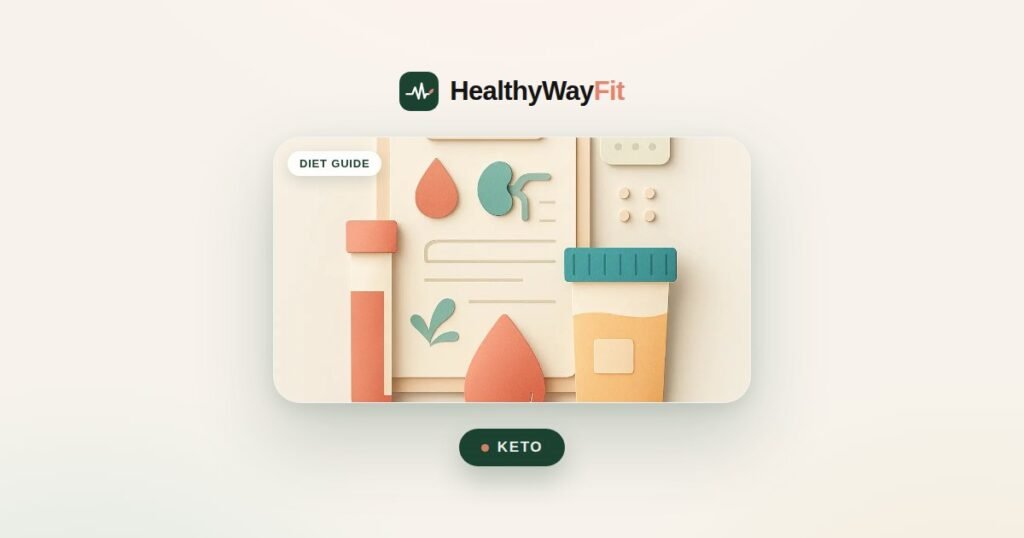
Few diets generate as much excitement, and as much caution, as the ketogenic diet. By cutting carbohydrate very low and raising fat, keto shifts the body into “ketosis,” burning fat for fuel. For type 2 diabetes, the appeal is obvious: with very little carbohydrate coming in, post-meal glucose spikes shrink dramatically. Research suggests keto may improve blood sugar and support weight loss for some people. But it also carries real precautions, especially if you take diabetes medication. This guide covers both sides honestly.
How keto affects blood sugar
On keto, carbohydrate typically drops to a very low daily amount, often around 20 to 50 grams. With so few carbs, the body produces less glucose and needs less insulin, so many people see flatter glucose curves and lower fasting readings. Weight loss, which further improves insulin sensitivity, is common in the early months. These effects are why keto attracts so much interest for type 2 management.
Important: If you take insulin or sulfonylureas, starting keto without medical supervision can cause dangerous low blood sugar. Medication doses often need to be reduced before or as you begin. Never attempt keto on these medicines without your doctor’s involvement.
What you eat on keto
- Proteins: eggs, paneer, tofu, chicken, fish, and soya.
- Healthy fats: ghee, olive oil, coconut, nuts, seeds and avocado.
- Non-starchy vegetables: palak, bhindi, cauliflower, cabbage, beans and salad.
- Very limited: grains, rice, roti, potato, sugar, most fruit, and legumes in large amounts.
The real precautions
Keto is effective but demanding, and it isn’t right for everyone. Be aware of:
- Hypoglycaemia risk on glucose-lowering medication, as noted above.
- “Keto flu”: early fatigue, headache and irritability as your body adapts; staying hydrated and replacing salts helps.
- Digestive changes: low fibre can cause constipation, so prioritise vegetables, seeds and psyllium (isabgol).
- Heart-health questions: the type of fat matters; emphasise unsaturated fats over heavy saturated fat.
- Sustainability: many people find strict keto hard to maintain, and a moderate low-carb plan may be easier long term.
- Not for everyone: those with certain kidney, liver, pancreatic or type 1 conditions, and pregnant women, should avoid keto unless a specialist advises otherwise.
Making keto workable in an Indian kitchen
Desi keto is very possible with the right swaps:
- Replace rice and roti with cauliflower rice, or thin almond/coconut-flour rotis.
- Cook paneer, tofu, egg and vegetable dishes in ghee or cold-pressed oils.
- Use plenty of low-carb sabzis: bhindi, baingan, palak paneer, cabbage.
- Snack on nuts, cheese, or a boiled egg rather than namkeen and biscuits.
- Flavour freely with Indian spices, which add no meaningful carbs.
What a day looks like
- Breakfast: two-egg omelette or paneer bhurji cooked in ghee, with sauteed spinach.
- Lunch: palak paneer or tofu curry, a large non-starchy vegetable, and cauliflower rice, with a cucumber salad.
- Snack: a handful of almonds and walnuts, or cheese cubes.
- Dinner: grilled fish or chicken (or tofu tikka), stir-fried vegetables in olive oil, and a bowl of curd.
Notice there’s no rice or roti in the usual sense, and fat plus protein carry the meal’s satisfaction. Because keto meals are so filling, many people naturally eat less often and snack less, which supports the weight loss that helps blood sugar. Staying well hydrated and getting enough salt, potassium and magnesium, ideally through food and with your doctor’s input, helps you avoid the early “keto flu” and keep energy steady.
Should keto be forever?
Not necessarily. Some people use keto as a short, supervised phase to jump-start weight loss and glucose control, then transition to a sustainable moderate low-carb pattern. Others maintain it longer. The best approach is the one you can follow safely and consistently, decided with your care team.
Frequently asked questions
Can keto reverse type 2 diabetes?
Some people achieve remission or major improvement through low-carbohydrate approaches combined with weight loss, and keto is one such approach. However, “reversal” is not guaranteed, results vary, and diabetes can return if old habits return. Type 1 diabetes cannot be reversed by any diet.
Is keto safe with metformin?
Metformin alone carries a low risk of hypoglycaemia, so keto is often more straightforward with it than with insulin or sulfonylureas. Still, you should always start under medical guidance so your whole regimen and readings can be reviewed.
What about cholesterol?
Keto can change lipid levels in different directions for different people. Choosing more unsaturated fats and getting periodic blood tests through your doctor helps keep the approach heart-smart.
Consider keto with expert support
Keto can be genuinely helpful for type 2 diabetes, but it is the diet where supervision matters most. Our HealthyWayFit clinicians can assess whether it suits you, coordinate medication changes safely, and monitor your progress.
This guide is for education only and is not medical advice. It is not a substitute for care from a qualified professional. Please consult your doctor or dietitian before starting keto, and never stop or adjust diabetes medication on your own, especially insulin or sulfonylureas, because of the risk of dangerously low blood sugar.