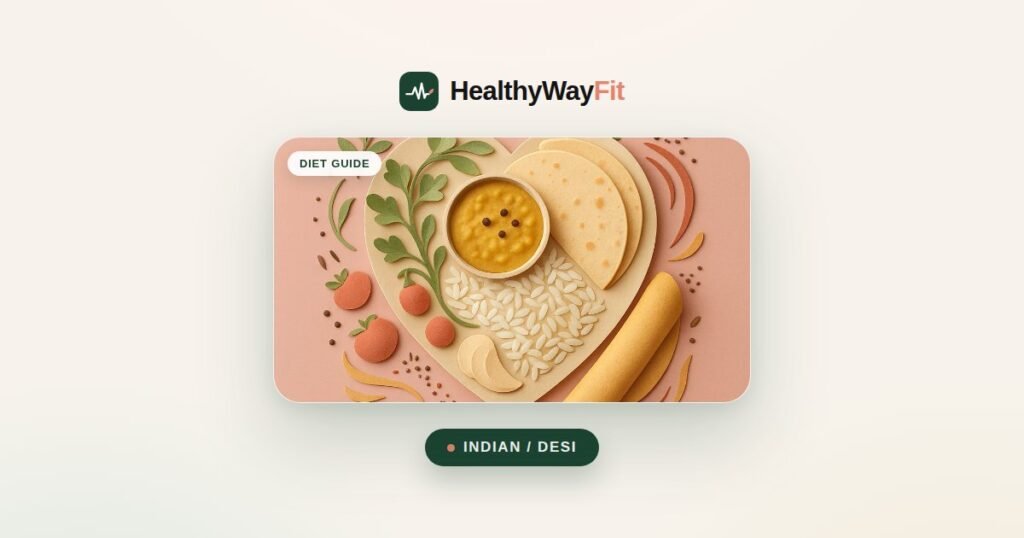
The Indian thali is one of the most balanced meal formats ever invented: a little of many things, eaten together. The challenge for blood sugar isn’t the thali itself, it’s the proportions. Too much rice and roti, too little dal and vegetable, and a sweet to finish can send glucose soaring. Rebuild the same thali with smarter ratios and you get a satisfying, familiar meal that supports type 2 diabetes management without giving up the food you love.
Rethinking the thali, not replacing it
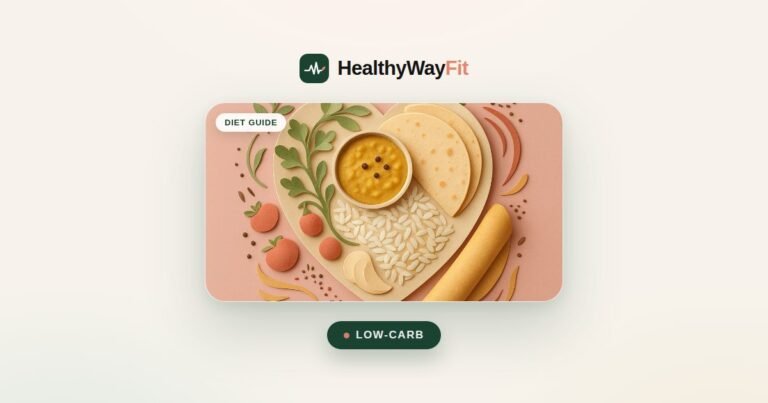
Most traditional thalis are carbohydrate-heavy: a mountain of rice, several rotis, and only a small katori of dal and sabzi. The fix is to flip those proportions. Make vegetables and protein the stars, keep grains as a measured side, and treat sweets as an occasional pleasure. You keep the flavours, the variety and the comfort, while smoothing out post-meal spikes.
The blood-sugar-friendly ratio
- Half the thali: non-starchy vegetables, salad and greens such as bhindi, lauki, palak, gobhi and kachumber.
- One quarter: protein like dal, rajma, chana, paneer, tofu, egg, curd, fish or chicken.
- One quarter: grains, ideally millet roti (bajra, jowar, ragi) or a small portion of brown or hand-pounded rice.
- A little healthy fat: ghee, seeds or a spoon of pickle for flavour and satiety.
Tip: Start your thali with the salad and sabzi, move to dal and protein, and eat rice or roti last. This simple food order can meaningfully reduce the glucose rise.
Swaps that keep the meal desi
- Choose millet or besan rotis over refined maida-based breads like naan and bhatura.
- Prefer brown, red or hand-pounded rice, and keep the portion to a fist.
- Add curd or chaas; the protein and probiotics support digestion and fullness.
- Bulk up dals with extra vegetables to raise fibre and protein per bite.
- Reserve mithai for festivals, and enjoy a small piece mindfully after a balanced meal.
Don’t forget the “invisible” carbs
Sugar hides in unexpected places: sweetened chai and lassi, jars of pickle with added sugar, ketchup, packaged masalas and fried snacks. Reading labels and cutting added sugar in daily drinks often makes a bigger difference than people expect. Unsweetened chai, plain chaas and water are your everyday allies.
What a day looks like
- Breakfast: vegetable besan chilla or moong dal chilla with mint chutney, plus a bowl of curd. Or paneer-vegetable stuffed roti.
- Lunch thali: one millet roti, a katori of dal or rajma, a large mixed sabzi, kachumber salad, and a bowl of curd. A few spoons of brown rice if desired.
- Snack: roasted chana or a handful of peanuts with masala chaas.
- Dinner: grilled or curried paneer, tofu, fish or chicken, sauteed greens, a small dal, and one millet roti.
It still feels like a proper Indian meal, just rebalanced so vegetables and protein lead and grains follow.
Regional flexibility
Every region can adapt this. South Indian meals can lean on sambar, rasam, plenty of poriyal and a smaller portion of rice or a couple of ragi/idli servings. Bengali and coastal thalis can feature fish with lots of vegetables. Punjabi thalis can emphasise dal, sarson ka saag and paneer with millet roti. The ratio principle travels everywhere.
If you take medication
Reducing your grain and sugar load can lower your blood sugar noticeably. If you use insulin or sulfonylureas, this is good news but needs care, since doses may need adjusting to prevent hypoglycaemia. Check your readings, especially in the first weeks, and discuss any changes with your doctor before altering medicine.
Frequently asked questions
Do I have to give up rice completely?
No. Rice can stay in your thali as a measured portion, ideally a less-refined variety, eaten after your vegetables and protein. It’s the quantity and the company it keeps that matter, not a total ban.
Are millets really better than wheat?
Millets like bajra, jowar and ragi tend to be higher in fibre and can produce gentler glucose responses for many people, and they add welcome variety. Whole wheat in sensible portions is fine too. Rotating grains is a good strategy.
Can I still enjoy festival sweets?
Yes, mindfully. Have a small portion after a balanced meal rather than on an empty stomach, and keep it occasional rather than daily. One thoughtful piece is very different from a daily habit.
Make your thali work for you
Your ideal proportions depend on your appetite, activity and medications. Our HealthyWayFit dietitians can help you design a thali that honours your regional cuisine while keeping your blood sugar steady.
This guide is for education only and is not medical advice. It is not a substitute for care from a qualified professional. Please consult your doctor or dietitian before making major diet changes, and never stop or adjust diabetes medication on your own, especially insulin or sulfonylureas, because of the risk of low blood sugar.