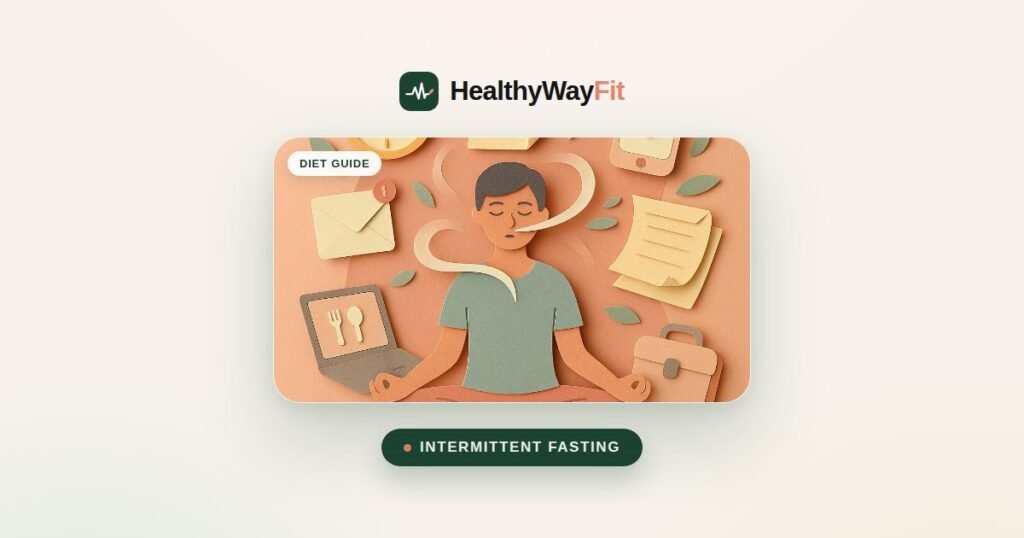
Intermittent fasting has moved from fad to serious topic in diabetes care. Rather than changing what you eat, it changes when you eat, concentrating meals into a shorter window and giving your body a longer daily rest from food. For type 2 diabetes, research suggests time-restricted eating may support weight loss and improve insulin sensitivity. But fasting on diabetes medication carries a genuine risk of low blood sugar, so it must be approached carefully and, ideally, with your doctor.
What intermittent fasting actually means
Intermittent fasting (IF) simply means cycling between eating and not eating over set periods. Common gentle patterns include:
- 12:12 — a 12-hour eating window, 12 hours fasting (essentially an early dinner and no late-night snacking).
- 14:10 — a 10-hour eating window, a moderate and popular step up.
- 16:8 — an 8-hour eating window, a stricter form best done with guidance.
For most people with type 2 diabetes, starting gentle with 12:12 or 14:10 is safer and more sustainable than jumping to long fasts.
Why it may help
A longer overnight fast can lower insulin levels, encourage the body to use stored fat, and reduce constant grazing that keeps glucose elevated. Many people also eat fewer total calories simply because the eating window is shorter, which supports weight loss and, in turn, better blood sugar control.
Safety first: If you take insulin or sulfonylureas, fasting can drop your blood sugar too low. Do not start extended fasting without medical advice, keep a fast-acting sugar source handy, and check your glucose more often when you begin.
Fasting the right way, not the extreme way
Intermittent fasting is not an excuse to eat poorly during the window, nor to starve. To make it work:
- Break your fast with a balanced meal of protein, vegetables and some healthy fat, not with sweets or fried food.
- Keep the total food quality high; IF amplifies a good diet, it doesn’t fix a bad one.
- Stay hydrated during fasting hours with water, unsweetened chai, black coffee or chaas.
- Don’t over-restrict; extreme, prolonged fasting is unnecessary and risky for most people.
- Stop and eat if you feel shaky, sweaty, dizzy or confused, which can signal a low.
What a day looks like
Here is a gentle 14:10 pattern with the eating window from roughly 9am to 7pm:
- Fast ends, breakfast (9am): vegetable besan chilla with curd, or eggs with sauteed spinach.
- Lunch (1pm): dal or rajma, a large sabzi, salad, and one millet roti.
- Snack (4pm): a handful of nuts or roasted chana with chaas.
- Dinner (6:30 to 7pm): paneer, tofu, fish or chicken with vegetables and a small portion of grain, finished before the window closes.
- After 7pm: water and unsweetened drinks only, and an earlier, restful evening.
The simplest win for many people is just this: finish dinner earlier and stop late-night snacking. Eating your last meal well before bed also tends to improve overnight and morning glucose readings, since your body isn’t processing food while you sleep. Many people find this earlier rhythm improves their sleep quality too, which itself supports better blood sugar the next day. Consistency, rather than an extreme window, is what makes the habit stick.
Who should be extra cautious
Fasting is not for everyone. People who are pregnant or breastfeeding, those with a history of eating disorders, people who are underweight, and those with certain medical conditions should avoid fasting unless a specialist advises it. Anyone on glucose-lowering medication needs a doctor’s input first.
Frequently asked questions
Can I drink chai or coffee while fasting?
Yes, plain unsweetened chai, black coffee and water are fine and can help you feel comfortable during fasting hours. Avoid adding sugar, honey or large amounts of milk, which effectively break the fast.
Will fasting cause muscle loss?
Gentle time-restricted eating with adequate protein during your window is unlikely to cause meaningful muscle loss. Include protein at each meal and stay active, ideally with some resistance exercise, to protect muscle.
How do I know if fasting is dropping my sugar too low?
Warning signs of hypoglycaemia include shakiness, sweating, palpitations, hunger, dizziness and confusion. If these occur, treat immediately with a fast-acting sugar and check your glucose. Recurrent lows mean your fasting plan or medication needs review by your doctor.
Fast smart, with support
Intermittent fasting can be a helpful tool for type 2 diabetes, but the safe way depends on your medications and health. Our HealthyWayFit team can help you choose an eating window, coordinate with your doctor, and monitor your response.
This guide is for education only and is not medical advice. It is not a substitute for care from a qualified professional. Please consult your doctor or dietitian before starting intermittent fasting, and never stop or adjust diabetes medication on your own, especially insulin or sulfonylureas, because of the risk of low blood sugar.