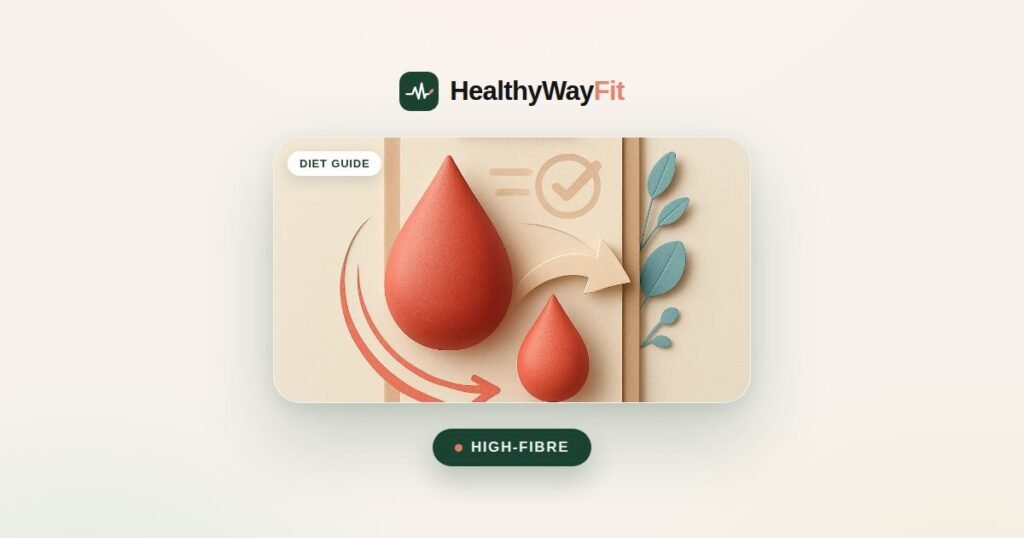
If you could add just one thing to your plate to steady your blood sugar, fibre would be a top contender. Found in vegetables, legumes, whole grains, fruit, nuts and seeds, fibre slows digestion, softens the rise in glucose after meals, and keeps you full for longer. Most people, in India and worldwide, eat far less fibre than is ideal. Closing that gap is one of the simplest, most effective moves for type 2 diabetes management.
How fibre blunts glucose spikes
There are two broad types of fibre, and both help. Soluble fibre, found in oats, legumes, isabgol (psyllium), apples and flaxseed, forms a gel that slows the absorption of sugar, flattening the spike after a meal. Insoluble fibre, from whole grains and vegetable skins, supports digestion and fullness. Together they mean the same carbohydrate hits your bloodstream more gently, which is exactly what you want.
Where to find fibre in a desi kitchen
- Legumes: dal, rajma, chana, lobia, sprouts.
- Whole grains: bajra, jowar, ragi, whole wheat, brown rice, oats.
- Vegetables: bhindi, beans, gobhi, palak, carrots and all salads.
- Fruit: guava, pear, apple, orange and berries, eaten whole.
- Nuts and seeds: almonds, flax, chia, pumpkin and sunflower seeds.
- Isabgol (psyllium husk): an easy soluble-fibre booster in water or curd.
Tip: Add fibre gradually and drink plenty of water. Increasing fibre too fast without enough fluids can cause bloating and discomfort.
Simple habits that raise your fibre
- Start meals with a vegetable or salad course.
- Add a katori of dal or beans to lunch and dinner.
- Choose whole fruit over juice, keeping the fibre-rich pulp and skin.
- Swap refined grains for millets, brown rice and whole-wheat options.
- Sprinkle flax or chia into curd, chilla batter or smoothies.
- Keep the skins on vegetables like cucumber, carrot and apple where suitable.
The “fibre-first” ordering trick
Eating your fibre-rich vegetables and legumes before your rice or roti can noticeably reduce the post-meal glucose rise from the very same meal. It’s a free, effortless strategy: salad and sabzi first, protein next, grains last. Many people find this one habit alone smooths out their readings.
What a day looks like
- Breakfast: vegetable oats or besan chilla, a spoon of flaxseed stirred into curd, and a small guava.
- Lunch: mixed salad first, then a katori of rajma, a large vegetable sabzi, and one millet roti.
- Snack: roasted chana or sprouts chaat with lemon and onion.
- Dinner: a big bowl of vegetable-and-lentil soup or dal, sauteed greens, and a small portion of brown rice.
Every meal is anchored by legumes and vegetables, so fibre is built in rather than bolted on.
Fibre and fullness
Because fibre-rich foods are filling and slow to digest, they help curb the cravings and grazing that push blood sugar up. This makes a high-fibre pattern useful for weight management too, which further improves insulin sensitivity over time. Fibre also feeds the beneficial bacteria in your gut, which produce compounds that may support healthier metabolism and appetite signals. In other words, a well-fed gut can be a quiet ally in your blood-sugar goals, another reason to make whole plants the base of every meal.
A note on medication
As your post-meal spikes flatten and your overall control improves, your blood sugar may run lower. If you take insulin or sulfonylureas, watch for lows and let your doctor adjust doses. Fibre supplements like isabgol can also affect how some medicines are absorbed, so take medications and psyllium a couple of hours apart and mention supplements to your doctor.
Frequently asked questions
How much fibre should I aim for?
General guidance suggests most adults benefit from considerably more fibre than they currently eat, built up gradually from whole foods. Rather than chasing an exact number, focus on including vegetables, legumes and whole grains at every meal, which naturally raises your intake.
Is a fibre supplement as good as food?
Whole foods are best because they bring vitamins, minerals and antioxidants along with fibre. A supplement like isabgol can be a helpful add-on, especially for soluble fibre, but it shouldn’t replace fibre-rich meals.
Why do I feel bloated after adding fibre?
Bloating usually means you increased fibre too quickly or aren’t drinking enough water. Scale up gradually over a couple of weeks, hydrate well, and your gut will adapt.
Fill your plate with fibre, the smart way
A high-fibre day is one of the easiest upgrades for steadier blood sugar. Our HealthyWayFit dietitians can help you hit your fibre goals with foods you enjoy, while keeping portions and medications in balance.
This guide is for education only and is not medical advice. It is not a substitute for care from a qualified professional. Please consult your doctor or dietitian before making major diet changes, and never stop or adjust diabetes medication on your own, especially insulin or sulfonylureas, because of the risk of low blood sugar.