
.svg)
Diabetes has become one of the most common chronic conditions worldwide, affecting millions of people and placing a heavy burden on health and daily life. But many are asking: what is diabetes reversal, and is it truly possible to regain control over blood sugar levels without lifelong dependence on medication?
In this comprehensive guide, we explore 10 proven insights on diabetes reversal, backed by medical research, expert recommendations, and real-life success stories. You’ll learn how lifestyle changes, dietary adjustments, physical activity, and proper monitoring can work together to improve insulin sensitivity, lower blood sugar, and promote long-term health.
Whether you’re newly diagnosed or have been managing type 2 diabetes for years, understanding what diabetes reversal is and how it works empowers you to take proactive steps toward better health.
From adopting a balanced diet rich in whole foods and fiber to incorporating regular exercise and stress management techniques, these strategies provide a roadmap for achieving meaningful, lasting results.
By the end of this article, you’ll not only know what diabetes reversal is but also gain actionable insights to start your journey toward improved blood sugar control, overall well-being, and a healthier, more energetic life.
What exactly is diabetes reversal, and how does it differ from diabetes management?

Diabetes reversal refers to the process of restoring blood sugar levels to a normal or near-normal range without the need for ongoing diabetes medication.
Unlike diabetes management, which focuses on controlling symptoms and preventing complications while often relying on medications, diabetes reversal targets the root causes of type 2 diabetes primarily insulin resistance, poor diet, and sedentary lifestyle. In essence, reversal aims for long-term remission rather than temporary control.
Key Differences Between Diabetes Reversal and Management:
- Diabetes Reversal:
- Focuses on reducing or eliminating the need for medication.
- Targets root causes like insulin resistance and visceral fat.
- Achieved through sustainable lifestyle and dietary changes.
- Aims for long-term normalization of blood sugar and improved metabolic health.
- Diabetes Management:
- Focuses on controlling blood sugar levels with medication or insulin.
- Often does not address underlying causes fully.
- Primarily aims to prevent complications like neuropathy, kidney disease, and heart issues.
- May involve lifelong monitoring and ongoing medication.
By understanding this difference, individuals can make informed choices about strategies for better health and potential reversal of type 2 diabetes.
10 Proven Insights Into Diabetes Reversal
1. Achieve Weight Loss Through a Balanced Diet
- Reducing excess body fat, especially around the abdomen, can significantly improve insulin sensitivity.
- Focus on low-glycemic foods, whole grains, lean protein, and healthy fats.
- Evidence shows even a 5-10% reduction in body weight can dramatically improve blood sugar levels.
2. Adopt a Low-Carb or Mediterranean Diet
- Diets low in refined carbohydrates help regulate blood sugar spikes.
- A Mediterranean-style diet rich in vegetables, olive oil, fish, and nuts supports heart health while improving glucose metabolism.
3. Incorporate Regular Physical Activity
- Exercise increases insulin sensitivity and helps reduce blood sugar.
- Both aerobic activities (walking, cycling) and strength training are effective.
- Aim for at least 150 minutes of moderate-intensity exercise per week.
4. Monitor and Track Blood Sugar Consistently
- Self-monitoring enables identification of patterns and triggers for high blood sugar.
- Use continuous glucose monitors (CGMs) or home testing kits to adjust diet and activity in real time.
5. Reduce Visceral Fat and Belly Fat
- Visceral fat is strongly linked to insulin resistance.
- Strategies include intermittent fasting, high-fiber diet, and regular exercise.
- Even small reductions can improve glucose metabolism significantly.
6. Prioritize Sleep and Stress Management
- Poor sleep and chronic stress increase cortisol, which raises blood sugar.
- Techniques such as meditation, yoga, and consistent sleep schedules can improve insulin sensitivity.
7. Include Fiber-Rich and Anti-Inflammatory Foods
- Foods high in soluble fiber (like oats, legumes, and vegetables) slow glucose absorption.
- Anti-inflammatory foods like berries, fatty fish, and leafy greens help reduce oxidative stress linked to diabetes.
8. Limit Processed Foods and Sugary Drinks
- Ultra-processed foods contribute to insulin resistance.
- Avoid soda, packaged snacks, and refined sugar, replacing them with whole, nutrient-dense alternatives.
9. Engage in Intermittent Fasting or Time-Restricted Eating
- Short periods of fasting improve insulin sensitivity and promote fat loss.
- Common approaches include 16:8 fasting (16 hours fasting, 8 hours eating window).
10. Seek Medical Guidance and Personalized Support
- Work with endocrinologists, dietitians, and diabetes educators to tailor a reversal plan.
- Professional monitoring ensures safe reduction of medications and tracking of HbA1c, fasting glucose, and lipid levels.
Are there scientifically proven methods for reversing diabetes, or is it just a myth?

For decades, many believed that type 2 diabetes was a lifelong condition that could only be managed with medication, insulin therapy, and lifestyle modifications. However, growing scientific research now supports that diabetes reversal is not a myth, it is achievable, especially in the early stages of the disease, through targeted lifestyle interventions and metabolic therapies.
Unlike diabetes management, which focuses primarily on controlling blood sugar, diabetes reversal aims to restore normal glucose metabolism and reduce insulin resistance, sometimes eliminating the need for medication entirely.
Several landmark studies and clinical trials have shown that strategies like weight loss, dietary changes, exercise, and intermittent fasting can normalize blood sugar levels, HbA1c, and insulin sensitivity, providing long-term health benefits.
It’s important to note that reversal is more feasible in type 2 diabetes than type 1 diabetes, since type 1 involves autoimmune destruction of insulin-producing cells.
Key Scientifically Proven Methods for Diabetes Reversal:
1. Significant Weight Loss Through Calorie Restriction
- Clinical studies, such as the DiRECT trial in the UK, demonstrate that losing 10-15% of body weight can normalize blood sugar and HbA1c in newly diagnosed type 2 diabetes patients.
- Targeted fat loss, particularly visceral fat, is crucial to restoring insulin sensitivity.
2. Low-Carbohydrate and Mediterranean Diets
- Research shows that low-carb diets reduce post-meal glucose spikes and improve insulin sensitivity.
- The Mediterranean diet, rich in vegetables, nuts, olive oil, and fish, has been linked to improved glycemic control and reduced inflammation.
3. Intermittent Fasting and Time-Restricted Eating
- Studies indicate that intermittent fasting can lower fasting glucose and improve beta-cell function.
- Fasting periods of 16 hours or more, combined with balanced nutrition, enhance metabolic flexibility.
4. Regular Physical Activity
- Both aerobic exercises (walking, swimming, cycling) and resistance training improve glucose uptake in muscles.
- Physical activity helps reduce insulin resistance, supports weight management, and improves cardiovascular health.
5. Continuous Blood Sugar Monitoring and Data-Driven Adjustments
- Using CGMs or frequent glucose testing helps track blood sugar patterns and personalize diet, exercise, and medication strategies.
- Evidence shows that real-time glucose feedback improves compliance and outcomes.
6. Reduction of Visceral Fat Through Lifestyle Interventions
- Visceral fat is strongly linked to insulin resistance.
- Combining calorie restriction, exercise, and anti-inflammatory foods can reduce belly fat and restore normal insulin function.
7. High-Fiber and Anti-Inflammatory Diets
- Soluble fiber slows glucose absorption, while anti-inflammatory foods reduce oxidative stress, which is critical for reversing type 2 diabetes.
- Foods like oats, legumes, berries, leafy greens, and fatty fish support insulin sensitivity.
8. Stress Management and Adequate Sleep
- Chronic stress increases cortisol, which raises blood sugar.
- Practices such as meditation, yoga, and 7-8 hours of sleep improve hormonal balance and glucose metabolism.
9. Medication Adjustment Under Medical Supervision
- In some cases, medications like metformin or GLP-1 agonists can be safely reduced or stopped as lifestyle changes improve blood sugar.
- Medical guidance ensures safe reduction of drugs while preventing hypoglycemia.
10. Early Intervention and Continuous Support
- Studies show that early diagnosis and prompt lifestyle interventions increase the likelihood of reversal.
- Long-term success is supported by diabetes educators, nutritionists, and support groups, ensuring sustainable changes.
How do lifestyle changes like diet and exercise contribute to true diabetes reversal?

Lifestyle interventions are the cornerstone of diabetes reversal, particularly for type 2 diabetes. Unlike medication, which only manages symptoms, dietary adjustments and physical activity address the root causes insulin resistance, high blood sugar, and excess visceral fat allowing for long-term improvements in metabolic health.
Below is a detailed breakdown of how these factors work together to achieve true diabetes reversal.
1. Weight Loss Through Calorie Control and Balanced Diets
- Excess body fat, especially visceral fat around the organs, is strongly linked to insulin resistance.
- Reducing calorie intake, focusing on whole foods, lean proteins, healthy fats, and high-fiber vegetables, leads to fat loss and improved glucose metabolism.
- Clinical trials, such as the DiRECT study, have demonstrated that 10-15% weight loss can normalize blood sugar and potentially eliminate the need for diabetes medication.
- Weight reduction improves HbA1c levels, fasting glucose, and overall metabolic health, forming a foundation for diabetes reversal.
2. Low-Carbohydrate and Low-Glycemic Diets
- Diets low in refined carbohydrates and sugars prevent postprandial blood sugar spikes, reducing stress on insulin-producing beta cells.
- Foods with a low glycemic index, such as whole grains, legumes, and non-starchy vegetables, help maintain steady blood sugar levels.
- Research shows that low-carb or Mediterranean-style diets improve insulin sensitivity and reduce inflammation, which are key to achieving long-term diabetes reversal.
3. Intermittent Fasting and Time-Restricted Eating
- Intermittent fasting (IF) or time-restricted eating improves metabolic flexibility, enabling the body to switch efficiently between glucose and fat for energy.
- Fasting has been shown to lower fasting blood glucose, improve insulin sensitivity, and reduce liver and visceral fat—critical factors in reversing type 2 diabetes.
- Common approaches include 16:8 fasting (16 hours fasting, 8 hours eating), which has scientific backing for improved glycemic control.
4. Regular Aerobic Exercise
- Aerobic exercises, such as walking, swimming, cycling, or jogging, increase glucose uptake by muscles, reducing circulating blood sugar levels.
- Physical activity stimulates AMPK (AMP-activated protein kinase), a key enzyme that improves insulin sensitivity and cellular glucose absorption.
- Guidelines recommend at least 150 minutes of moderate-intensity aerobic activity per week for optimal metabolic benefits.
5. Resistance and Strength Training
- Resistance training builds lean muscle mass, which acts as a major reservoir for glucose uptake.
- Increased muscle mass enhances basal metabolic rate and improves insulin-mediated glucose disposal.
- Studies show combining resistance training with aerobic exercise can significantly improve HbA1c and fasting blood sugar levels, accelerating diabetes reversal.
6. Stress Reduction and Hormonal Balance
- Chronic stress elevates cortisol, which increases blood sugar and promotes insulin resistance.
- Lifestyle practices such as yoga, meditation, mindfulness, and deep-breathing exercises reduce stress hormones and improve glycemic control.
- Managing stress is crucial because high cortisol levels can counteract the positive effects of diet and exercise on blood sugar.
7. Sleep Optimization for Metabolic Health
- Inadequate sleep disrupts insulin signaling, increases appetite, and promotes weight gain.
- Consistently achieving 7-8 hours of quality sleep per night supports hormone balance, reduces insulin resistance, and enhances the effectiveness of diet and exercise interventions.
8. High-Fiber and Anti-Inflammatory Foods
- Soluble fiber slows glucose absorption and improves postprandial blood sugar levels.
- Anti-inflammatory foods like berries, leafy greens, fatty fish, and nuts reduce oxidative stress and chronic inflammation, which are closely linked to insulin resistance.
- A fiber-rich, anti-inflammatory diet complements exercise by enhancing insulin sensitivity and supporting fat loss.
9. Personalized Nutrition and Continuous Monitoring
- Tracking food intake, blood sugar responses, and physical activity enables personalized adjustments for maximum effectiveness.
- Tools like continuous glucose monitors (CGMs) or smartphone apps help individuals identify triggers and optimize their diet and exercise plan.
- Personalized interventions are more effective for sustainable diabetes reversal than generic guidelines.
10. Long-Term Behavioral Change and Habit Formation
- True diabetes reversal requires sustainable lifestyle changes, not temporary interventions.
- Forming healthy habits, such as meal planning, regular workouts, and consistent sleep schedules, ensures long-term blood sugar control and metabolic health.
- Research shows that structured lifestyle programs with ongoing support from nutritionists, diabetes educators, or support groups significantly increase the likelihood of long-term remission.
Which types of diabetes can realistically be reversed, and which cannot?
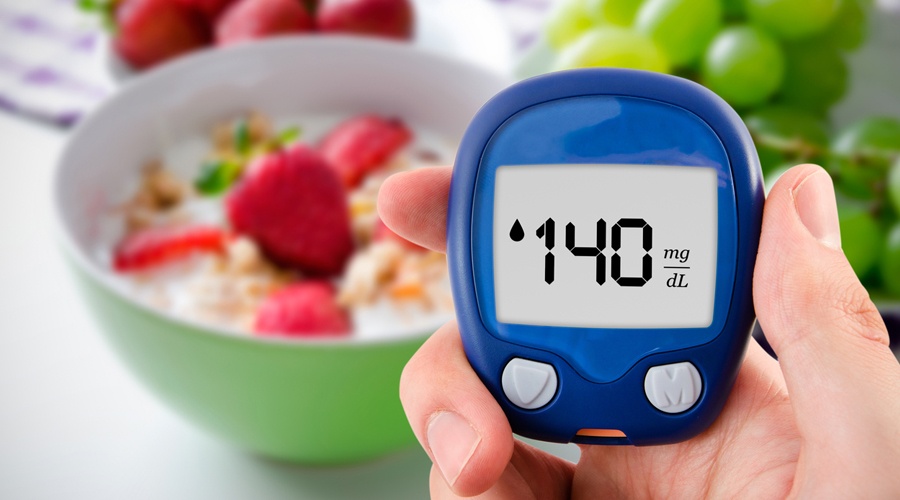
Diabetes is a broad term encompassing several conditions that affect blood sugar regulation, but not all forms are equally reversible. Type 2 diabetes is the most responsive to lifestyle interventions, dietary adjustments, and medical strategies aimed at diabetes reversal.
On the other hand, type 1 diabetes and some other rare forms are currently not considered reversible, as they involve autoimmune destruction of insulin-producing cells. Understanding which types of diabetes are reversible is crucial for setting realistic expectations and developing an effective management or reversal plan.
Diabetes Types That Can Be Reversed (Primarily Type 2 Diabetes):
1. Type 2 Diabetes
- Caused mainly by insulin resistance and often linked to excess body fat, poor diet, and sedentary lifestyle.
- Lifestyle interventions—such as weight loss, low-carb or Mediterranean diets, regular exercise, and intermittent fasting—can restore normal blood sugar levels and reduce or eliminate the need for medication.
- Clinical studies, like the DiRECT trial, demonstrate that up to 46% of individuals with early type 2 diabetes achieved remission through structured lifestyle programs.
2. Prediabetes / Insulin Resistance
- Individuals with prediabetes or impaired glucose tolerance can often prevent progression to full-blown type 2 diabetes.
- Lifestyle modifications targeting weight management, diet, and physical activity can completely normalize blood sugar and prevent diabetes onset.
- Reversal at this stage is highly achievable and can significantly reduce long-term health risks.
Diabetes Types That Are Generally Not Reversible:
1. Type 1 Diabetes
- An autoimmune condition where the body attacks and destroys insulin-producing beta cells in the pancreas.
- Individuals with type 1 diabetes require lifelong insulin therapy because their bodies cannot produce enough insulin naturally.
- While research into beta-cell regeneration and advanced therapies is ongoing, true reversal is not currently achievable.
2. Latent Autoimmune Diabetes in Adults (LADA)
- A slower-onset form of autoimmune diabetes in adults, sometimes initially misdiagnosed as type 2 diabetes.
- Similar to type 1, the autoimmune attack prevents full reversal, though careful management can preserve residual insulin function for a time.
3. Secondary Diabetes (Caused by Other Conditions)
- Diabetes caused by pancreatic disease, hormonal disorders, or certain medications may not be reversible unless the underlying condition is fully resolved.
- For example, steroid-induced diabetes can improve after stopping the medication, but reversal depends on the situation.
Can medication alone lead to diabetes reversal, or is a holistic approach necessary?

While medications are critical for managing type 2 diabetes and preventing complications, relying solely on medication rarely results in true diabetes reversal. Medications control blood sugar temporarily but do not address the root causes such as insulin resistance, excess visceral fat, and poor lifestyle habits.
Scientific evidence and clinical trials consistently show that sustainable diabetes reversal requires a holistic approach, combining diet, exercise, stress management, and behavioral changes alongside medication when necessary.
1. Role of Medication in Diabetes Management
- Medications like metformin, GLP-1 agonists, SGLT2 inhibitors, and insulin help regulate blood sugar and prevent complications.
- They are particularly important for individuals with advanced type 2 diabetes or significantly elevated HbA1c levels.
- Medication alone can manage symptoms, but it does not target the underlying causes such as insulin resistance or excess body fat.
- Relying solely on drugs may mask symptoms without providing long-term metabolic improvements.
2. Limitations of Medication-Only Approaches
- Medications do not promote weight loss or reduce visceral fat, which are key factors in diabetes reversal.
- Long-term use may lead to side effects, dependency, or diminishing effectiveness.
- Research shows that individuals who only take medication without lifestyle changes are less likely to achieve diabetes remission.
3. The Holistic Approach: Diet, Exercise, and Lifestyle Changes
- Combining dietary interventions (low-carb, Mediterranean, high-fiber diets) with regular physical activity directly targets insulin resistance and improves glucose metabolism.
- Lifestyle changes promote weight loss, fat reduction, and improved beta-cell function, which are essential for true diabetes reversal.
- Incorporating stress management, adequate sleep, and behavioral changes enhances hormonal balance and ensures sustainable results.
4. Synergy Between Medication and Lifestyle Interventions
- For some individuals, a short-term combination of medication and lifestyle changes can jumpstart blood sugar control.
- Medications can be gradually reduced under medical supervision as the body responds to lifestyle interventions.
- Clinical evidence, including the DiRECT study, highlights that participants who combined structured diets, exercise, and medication adjustments achieved higher rates of type 2 diabetes remission compared to medication alone.
5. Long-Term Success Requires a Holistic Strategy
True diabetes reversal is more than lowering blood sugar temporarily, it’s about achieving sustainable metabolic health.
- A holistic approach addresses:
- Insulin resistance through diet and exercise
- Excess fat and weight management
- Stress and sleep optimization
- Continuous monitoring of blood sugar and HbA1c
This strategy ensures long-term remission, reduces the risk of complications, and improves overall health and energy levels.
Understanding what is diabetes reversal is the first step toward taking control of your health and blood sugar naturally. While knowledge is powerful, guidance and support make the journey easier.
For practical tips, structured programs, and expert-backed strategies to achieve real results, visit HealthyWayFit, your go-to resource for effective lifestyle changes and diabetes reversal insights.
HealthyWayFit — India’s Most Personal Diabetes Reversal Program
You’re told to “eat less,” “exercise more,” or “try another pill.” Yet your sugars remain stubborn, energy crashes continue, and every lab report feels like another warning. What’s missing isn’t willpower — it’s the right system.
That’s where HealthyWayFit comes in.
We are not another app, crash diet, or one-size-fits-all chart. HealthyWayFit is a 12-month, end-to-end Type 2 Diabetes Reversal Program designed exclusively for Indian professionals who want results that fit their lifestyle.
Over the past few years, our team has helped hundreds of Indians lower HbA1c, reduce medicine dependency, and—in many cases—achieve complete reversal of Type 2 diabetes.
Our tone is simple: empathetic, therapeutic, and committed. We listen first, design second, and support you every step of the way.
1) What Makes HealthyWayFit Different?
1. Personalized Nutrition You Can Actually Follow No fad superfoods or unrealistic smoothie charts. We use your ghar ka khana—dal, roti, rice, idli, dosa, paneer, sabzi—and align it with blood sugar control. No separate cooking, no family pressure. A plan that works whether you’re 35 or 85.
2. Metabolic Exercise for Type 2 Diabetes Control Our short, 15–20 minute metabolic routines target big muscle groups (legs, shoulders, glutes) and can lower sugar readings by 50–100 points. No gym, no equipment, just science-backed movements you can do at home.
3. Stress & Sleep Mastery Stress raises cortisol, which raises sugar. We equip you with practical tools—one-minute breathing practices, sleep optimization, and micro-habits—to keep your blood sugar stable, even on your busiest days.
4. Doctor-Led, Holistic Care Every client is guided by a Senior MD Diabetologist ensuring medical safety, while lifestyle coaches design food, exercise, and habit strategies. This unique blend of medical expertise and daily support is why our clients see true reversal.
5. Relentless Support & Accountability From weekly coaching calls and daily check-ins to festival, travel, and dining-out guides, we make sure your reversal journey adapts to real life, not the other way around.
2) What Results Can You Expect?
Most clients notice changes within 20–60 days: better energy, lighter mornings, and lower sugar readings. Over the year, we focus on long-term stabilization, so results are not just quick but sustainable for years to come.
3) Is HealthyWayFit Right for You?
If you’re a working professional or entrepreneur living with Type 2 diabetes, and can dedicate just 15–30 minutes daily, HealthyWayFit is built for you. This isn’t a crash course. It’s a life-changing reversal system personalized to your food, family, and lifestyle.
4) Take the Next Step
Your journey starts with a personal consultation where we understand your health history, challenges, and lifestyle. If we’re aligned, we’ll design a custom Type 2 Diabetes Reversal Plan built just for you.
Explore more at: healthywayfit Book your consultation here: calendly
Move beyond “managing” diabetes. With HealthyWayFit, you can reverse Type 2 diabetes—safely, sustainably, and with support at every step.
Frequently Asked Questions (FAQs)

1. What real-world examples or case studies demonstrate successful diabetes reversal?
Clinical studies like the DiRECT trial in the UK and patient case reports show that structured lifestyle interventions—diet, exercise, and weight loss—can achieve remission in type 2 diabetes. Participants often normalized blood sugar, HbA1c, and insulin sensitivity, highlighting the potential for real-world diabetes reversal.
2. How quickly can someone expect to see results after starting a reversal protocol?
Early improvements in blood sugar and insulin sensitivity can be observed within 2–12 weeks, depending on adherence and baseline health. Significant results, such as medication reduction or normalization of HbA1c, typically occur within 3–6 months under structured diet, exercise, and lifestyle interventions for type 2 diabetes.
3. Are there any risks associated with attempting to reverse diabetes independently?
Independent attempts carry risks like hypoglycemia if medications are not adjusted, nutrient deficiencies from restrictive diets, and mismanagement of blood sugar. Close monitoring by medical professionals is essential. Safe reversal requires guidance on diet, exercise, medication adjustments, and regular blood glucose and HbA1c tracking.
4. How do medical professionals view the concept of diabetes reversal—are they supportive or skeptical?
Most medical professionals support diabetes reversal for type 2 diabetes if evidence-based protocols are followed. They emphasize lifestyle interventions alongside careful monitoring. Skepticism remains for type 1 diabetes, autoimmune diabetes, and self-directed methods due to safety concerns and lack of long-term studies.
5. What are the long-term benefits of reversing diabetes versus simply managing symptoms?
Diabetes reversal provides sustained blood sugar normalization, improved insulin sensitivity, weight loss, and reduced complications. Unlike management, which only controls symptoms, reversal decreases the risk of heart disease, neuropathy, kidney damage, and enhances overall metabolic health, energy levels, and quality of life long-term.
Conclusion
Understanding what is diabetes reversal empowers you to move beyond simply managing blood sugar toward achieving lasting metabolic health. As research and real-world evidence show, type 2 diabetes reversal is possible through structured lifestyle changes, personalized nutrition, targeted exercise, stress management, and medical guidance.
Rather than relying solely on medication, a holistic approach addresses the root causes—insulin resistance and excess visceral fat—leading to sustainable results.
With the right system, support, and consistency, diabetes reversal can transform not just lab reports, but energy, confidence, and long-term quality of life. Programs like HealthyWayFit make this journey practical, safe, and achievable.


