
.svg)
Modern diabetes care is increasingly shifting from restriction-based dieting to metabolic repair through culturally sustainable eating, and that’s where an Indian diet plan for diabetes reversal becomes powerful.
Instead of imported food rules or extreme calorie cutting, this approach works with familiar Indian staples, lentils, whole grains, vegetables, spices, and balanced cooking methods to rebuild insulin sensitivity in a realistic way. The goal is not temporary sugar control, but long-term metabolic healing that fits daily Indian life.
Traditional Indian food patterns were historically rich in fiber, plant diversity, slow-digesting carbohydrates, and anti-inflammatory spices.
These elements naturally stabilize blood glucose, support gut health, and reduce insulin spikes. The problem isn’t Indian food itself, it’s the modern shift toward refined flour, excess sugar, processed oils, and sedentary habits. A structured Indian diet plan for diabetes reversal simply restores the metabolic wisdom already embedded in traditional eating.
This framework focuses on timing, portion balance, and food combinations, not deprivation. Meals are built around steady energy release, improved insulin response, and reduced metabolic stress.
When followed consistently, this style of eating encourages gradual glucose normalization, sustainable weight balance, and improved cellular energy use the biological foundations required for reversal. Most importantly, it allows people to heal without abandoning cultural foods, family meals, or everyday cooking routines, making it practical enough to maintain for life.
Which traditional foods are included in an Indian diet plan for diabetes reversal?
1) Whole Grains That Release Energy Slowly
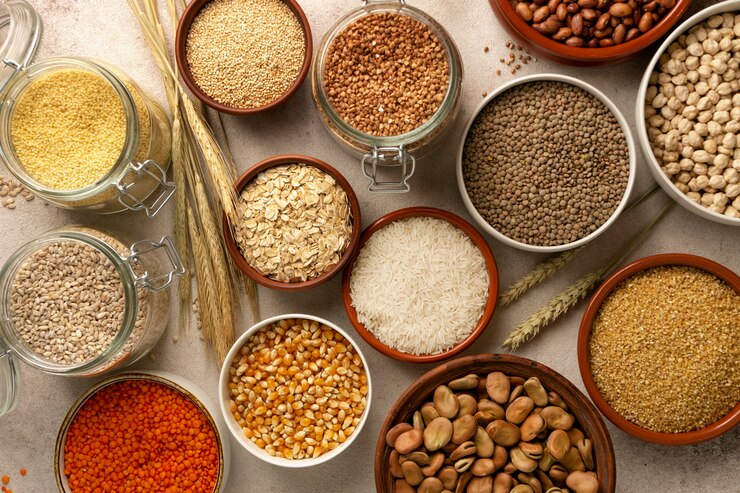
Whole grains are a central pillar of an Indian diet plan for diabetes reversal because they deliver carbohydrates in a slow, controlled manner. Traditional grains like jowar, bajra, ragi, barley, and hand-pounded rice are rich in fiber and micronutrients that improve insulin response.
Unlike refined flour and polished rice, whole grains digest gradually, preventing sharp glucose spikes and crashes. This steady energy release helps regulate appetite and reduces cravings that often sabotage blood sugar control. Their fiber also nourishes gut bacteria, which plays a growing role in metabolic health.
When eaten with protein and vegetables, whole grains create balanced meals that promote satiety, stabilize glucose levels, and support long-term metabolic recovery without extreme dietary restriction.
2) Lentils and Legumes for Insulin Support
Lentils and legumes are powerful metabolic foods within an Indian diet plan for diabetes reversal because they combine plant protein, resistant starch, and soluble fiber. Moong dal, masoor dal, rajma, chana, and chickpeas digest slowly, helping prevent rapid sugar elevation after meals.
Their protein content supports muscle maintenance, which improves how the body uses glucose. Regular intake of dals also enhances gut health, which influences inflammation and insulin sensitivity. Traditional preparation methods like soaking and sprouting increase nutrient availability and reduce digestive strain.
Because legumes are filling and nutrient-dense, they reduce overeating and promote stable energy throughout the day. This makes them an essential daily component for sustainable glucose management and gradual metabolic healing.
3) Vegetables, Spices, and Healing Fats
Non-starchy vegetables, traditional spices, and natural fats complete the therapeutic structure of an Indian diet plan for diabetes reversal. Vegetables such as bitter gourd, spinach, gourds, okra, cabbage, and carrots provide antioxidants that reduce inflammation linked to insulin resistance.
Indian spices like turmeric, fenugreek, cinnamon, cumin, and ginger actively support glucose metabolism and digestion. Meanwhile, healthy fats from ghee, coconut, and cold-pressed oils slow carbohydrate absorption and increase satiety, preventing blood sugar swings.
These elements work together to create meals that are both flavorful and metabolically protective. Traditional Indian cooking naturally integrates these foods, forming a dietary pattern that regulates appetite, balances hormones, and supports long-term metabolic repair without abandoning cultural eating habits.
Why does an Indian diet plan for diabetes reversal work better than crash diets?
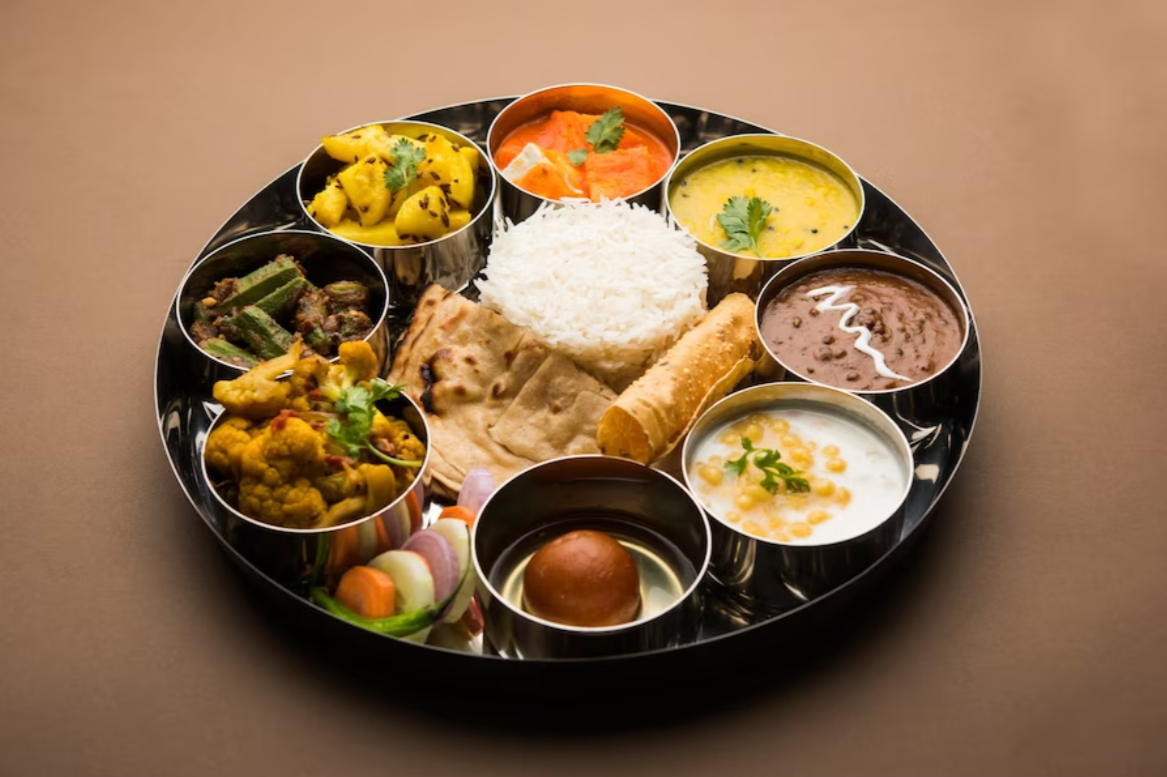
Crash diets promise fast results, but they often ignore how metabolism, hormones, and long-term behavior actually work. An Indian diet plan for diabetes reversal is effective because it is built around sustainable metabolic repair, not starvation.
Instead of forcing the body into stress mode through extreme calorie restriction, it stabilizes glucose using familiar foods, fiber-rich grains, legumes, vegetables, and balanced fats. This steady nourishment improves insulin sensitivity while preserving muscle mass and energy levels.
Most crash diets trigger hormonal backlash increased hunger hormones, slowed metabolism, and rebound weight gain which can worsen insulin resistance over time.
A structured Indian dietary framework works with the body’s biology, allowing gradual healing that people can realistically follow for years, not weeks. That consistency is what drives true reversal.
Key reasons it works better than crash diets:
- Prevents metabolic slowdown Crash dieting signals starvation to the body, reducing metabolic rate and making fat loss harder. A balanced Indian plan provides enough nutrition to keep metabolism active, allowing steady glucose regulation without hormonal panic.
- Stabilizes blood sugar instead of shocking it Extreme diets often create cycles of restriction and bingeing that spike glucose. Traditional Indian meals emphasize slow-digesting carbohydrates and fiber that keep blood sugar steady throughout the day.
- Protects muscle mass Severe calorie cutting burns muscle along with fat. Lentils, legumes, and balanced protein in Indian eating preserve muscle tissue, which is critical for improving insulin sensitivity.
- Reduces hunger hormones Crash diets elevate ghrelin (the hunger hormone), increasing cravings and emotional eating. Fiber-rich Indian foods promote fullness and regulate appetite naturally.
- Supports gut health Traditional Indian foods feed beneficial gut bacteria that influence inflammation and insulin function. Crash diets often damage gut diversity, worsening metabolic stress.
- Encourages long-term adherence Eating familiar cultural foods removes psychological resistance. People are far more likely to maintain habits that feel normal and enjoyable.
- Lowers inflammation Spices like turmeric, ginger, and fenugreek have anti-inflammatory effects that directly support insulin function, something crash diets rarely address.
- Avoids rebound weight gain Because the plan is sustainable, weight and glucose improvements are maintained instead of reversed after the diet ends.
- Balances hormones, not just calories Diabetes is a hormonal condition, not just a calorie problem. The Indian dietary pattern stabilizes insulin, cortisol, and appetite hormones simultaneously.
What mistakes ruin an Indian diet plan for diabetes reversal?

1) Relying on “Healthy” Refined Carbs
One of the biggest mistakes is assuming foods labeled healthy are automatically diabetes-friendly. Many people switch from white rice to packaged multigrain bread or processed “diabetic atta,” thinking it’s enough. These foods are still heavily refined and digest quickly, causing glucose spikes.
Even excess roti, poha, or upma without protein balance can overload carbohydrates. An Indian diet plan for diabetes reversal works only when carbs are slow-digesting and portion-controlled.
Meals must include fiber, protein, and fat to blunt sugar release. Without balance, even traditional foods can behave like refined carbs and quietly sabotage blood sugar stability and long-term metabolic healing.
2) Ignoring Portion Size
Traditional foods become harmful when eaten in unlimited quantities. Many people believe that because dal, rice, or millet are healthy, portion size doesn’t matter. But diabetes reversal depends on total glucose load per meal, not just food quality.
Overeating even nutritious foods stresses insulin response and slows progress. A balanced Indian plate should prioritize vegetables first, moderate grains, and adequate protein.
Eating slowly and stopping at comfortable fullness helps regulate appetite hormones. Portion awareness is not restriction, it’s metabolic strategy. Without it, calorie surplus and glucose overload continue, preventing consistent improvement despite eating the “right” foods.
3) Skipping Protein Balance
Meals built mostly around carbohydrates, even whole grains, lack the protein needed for stable glucose control. Many Indian plates are grain-heavy with minimal dal, paneer, eggs, or legumes. This imbalance causes faster digestion and earlier hunger, leading to snacking and sugar swings.
Protein slows gastric emptying, improves satiety, and supports muscle tissue that helps absorb glucose efficiently. A proper Indian diet plan for diabetes reversal distributes protein across all meals, not just dinner.
When protein is skipped, the body struggles to maintain steady energy, and cravings increase. Over time, this weakens insulin response and disrupts metabolic repair.
4) Fear of Healthy Fats
Another common mistake is avoiding fats completely due to outdated diet fears. People cut ghee, coconut, nuts, and traditional oils, believing low-fat equals healthy. In reality, healthy fats are essential for diabetes reversal. They slow carbohydrate absorption, stabilize energy, and support hormone production.
Without fat, meals digest too quickly and trigger glucose spikes. The issue is not natural fats but refined vegetable oils and deep-fried foods. Traditional fats in moderate amounts improve satiety and reduce overeating. Eliminating them creates unstable meals that increase hunger and metabolic stress, making the diet harder to sustain and less effective.
5) Inconsistent Meal Timing
Irregular eating patterns disrupt insulin rhythm and stress metabolism. Skipping breakfast, eating late dinners, or long fasting followed by overeating creates blood sugar volatility. The body prefers predictable fuel timing. A structured Indian diet plan spaces meals to maintain stable glucose and prevent energy crashes.
Consistency trains hormones to function efficiently and reduces impulsive eating. Many people focus only on food choice while ignoring schedule, but timing strongly affects insulin sensitivity.
Erratic patterns confuse hunger signals and encourage overeating later in the day. Regular, balanced meals are a metabolic anchor that supports gradual diabetes reversal.
What hidden sugars sabotage an Indian diet plan for diabetes reversal?

1) Sweetened Beverages Disguised as “Healthy”
Many drinks marketed as natural or energizing quietly sabotage an Indian diet plan for diabetes reversal. Packaged fruit juices, sweetened lassi, flavored yogurt drinks, energy drinks, and bottled iced teas contain concentrated sugars without fiber. Even fresh juice spikes glucose faster than whole fruit because the fiber is removed.
Coconut water in excess can also add hidden sugar load. These liquids don’t create fullness, so people consume large amounts without realizing the impact. Regular intake leads to repeated insulin spikes throughout the day. Replacing sweet beverages with water, buttermilk, or unsweetened herbal drinks protects metabolic stability.
2) Sugar Hidden in Packaged “Diet” Foods
Foods labeled diabetic-friendly, low-fat, or multigrain often contain added sugars to improve taste. Breakfast cereals, granola, protein bars, flavored oats, and packaged snacks may include glucose syrup, maltodextrin, or inverted sugar. These ingredients digest rapidly and behave like refined sugar inside the body.
Because marketing focuses on health claims, people underestimate their impact. Frequent consumption keeps insulin elevated and slows reversal progress. Reading ingredient labels is critical; if sugar appears in any form near the top, it’s not supportive of metabolic healing. Whole, minimally processed foods remain far safer than branded health products.
3) Restaurant and Street Food Sauces
Indian restaurant dishes and street foods frequently contain hidden sugar in gravies, chutneys, and sauces. Ketchup, sweet chutneys, Chinese-style sauces, and packaged masala mixes often include added sugar to enhance flavor. Even savory dishes may contain sugar to balance acidity.
These small additions accumulate across meals, raising total glucose load without obvious sweetness. Because the sugar is mixed into complex flavors, it’s easy to overlook.
Cooking at home allows better control of ingredients and seasoning. When eating out, choosing simpler preparations and avoiding sweet sauces reduces unexpected sugar exposure that can derail glucose control.
4) Refined Flour Foods That Convert Quickly to Sugar
Refined flour acts like hidden sugar once digested. Foods made from maida, white bread, naan, bakery items, biscuits, noodles, and fried snacks break down rapidly into glucose. They may not taste sweet, but their metabolic effect mirrors sugar spikes. Frequent consumption overwhelms insulin response and promotes fat storage.
Many people eliminate visible sugar but continue eating refined flour daily, unknowingly blocking progress. Replacing maida with whole grains and fiber-rich alternatives slows digestion and stabilizes blood sugar. The danger lies not just in sweetness but in how quickly a food converts into glucose.
5) Everyday Additions That Quietly Add Up
Small daily habits can collectively sabotage reversal efforts. Adding sugar to tea or coffee multiple times a day, sweetening curd, using sweet pickles, or consuming “just a little” dessert after meals seems harmless individually. However, repeated minor doses keep insulin active throughout the day.
This prevents the body from entering a stable metabolic rhythm. Diabetes reversal depends on reducing cumulative sugar exposure, not just avoiding large desserts. Awareness of these micro-sugars is essential. Eliminating routine sweet additions often creates noticeable improvements in energy, cravings, and glucose levels within weeks.
How do traditional cooking oils affect an Indian diet plan for diabetes reversal?
1) Cold-Pressed Mustard Oil and Metabolic Stability
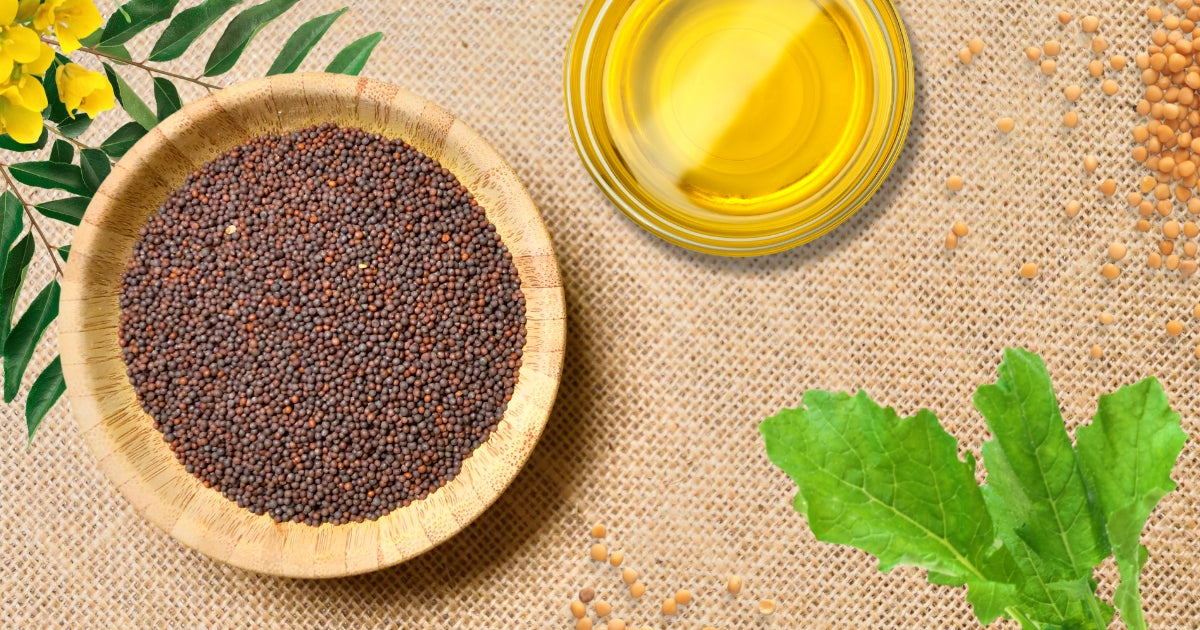
Cold-pressed mustard oil has long been used in Indian cooking and plays a supportive role in an Indian diet plan for diabetes reversal when used in moderation. Unlike refined vegetable oils, cold-pressed oils retain natural antioxidants and fatty acid balance that reduce inflammation.
Chronic inflammation is closely linked to insulin resistance, so choosing minimally processed oils matters. Mustard oil contains a favorable ratio of monounsaturated and polyunsaturated fats that support heart and metabolic health. It also enhances satiety, helping meals digest slowly and preventing sudden glucose spikes.
Traditional tempering methods use small amounts of oil for flavor rather than excess frying, which keeps calorie load controlled. When combined with fiber-rich foods, mustard oil helps stabilize energy release, supporting steady blood sugar and sustainable metabolic healing.
2) Ghee and Hormonal Balance
Ghee is often misunderstood as unhealthy, yet in controlled quantities it can support diabetes recovery. Traditional ghee contains fat-soluble vitamins and short-chain fatty acids that nourish gut lining and reduce inflammation. A healthy gut improves insulin signaling and glucose metabolism.
Ghee slows gastric emptying, meaning carbohydrates enter the bloodstream more gradually. This prevents rapid sugar spikes after meals. It also increases satiety, reducing overeating and unnecessary snacking. The problem arises only when ghee is overused in deep-fried or calorie-dense foods.
Used mindfully — a teaspoon for cooking or finishing dishes, it enhances nutrient absorption and metabolic balance. In a traditional Indian dietary framework, ghee acts as a stabilizer rather than a threat when portion control is respected.
3) Coconut Oil and Insulin Sensitivity
Coconut oil contains medium-chain triglycerides (MCTs), fats that are metabolized differently from most oils. Instead of being stored easily as body fat, they are rapidly converted into energy. This can support metabolic efficiency and reduce glucose dependency for fuel.
Coconut oil also has antimicrobial properties that benefit gut health, which indirectly influences insulin sensitivity. In coastal Indian diets, coconut has been used for centuries without the modern epidemic of metabolic disease seen with refined oils.
The key factor is processing: virgin or cold-pressed coconut oil preserves beneficial compounds. When used in moderate amounts alongside vegetables and protein, coconut oil helps create balanced meals that digest steadily. Excess frying, however, negates benefits and adds metabolic stress.
4) The Hidden Damage of Refined Vegetable Oils
Highly refined vegetable oils such as soybean, sunflower, corn, and blended “refined oils” are one of the biggest modern disruptions to traditional Indian eating. Industrial processing strips nutrients and creates unstable fatty acids that promote inflammation.
These oils are often reheated repeatedly during frying, producing compounds that worsen insulin resistance. Regular consumption contributes to oxidative stress, which interferes with metabolic repair. Unlike traditional fats used sparingly for cooking, refined oils are common in packaged foods and restaurant meals, increasing daily exposure.
Replacing them with cold-pressed, minimally processed oils restores a more natural fat balance. Reducing refined oil intake lowers inflammatory burden, allowing insulin function to recover and supporting long-term diabetes reversal.
Why do some people fail with an Indian diet plan for diabetes reversal?

1) Expecting Instant Results
Some people fail because they expect rapid transformation instead of gradual metabolic repair. Diabetes reversal is a biological process that requires consistency, not quick fixes. When glucose levels don’t drop dramatically within days, frustration builds and motivation fades.
The body needs time to restore insulin sensitivity, reduce inflammation, and rebalance hormones. Traditional Indian eating supports this healing, but results appear steadily, not overnight.
Those chasing fast outcomes often jump between diets, creating metabolic confusion. Success comes from patience and repetition of small habits. Viewing the plan as a long-term lifestyle instead of a temporary experiment increases adherence and allows real progress to accumulate.
2) Inconsistency in Daily Habits
Even a well-designed plan fails when followed irregularly. Many people eat carefully for a few days, then revert to old habits during social events or stressful periods. These repeated breaks prevent the body from stabilizing glucose patterns. Insulin function improves through predictable routines, regular meals, balanced portions, and steady sleep.
When habits swing between discipline and indulgence, metabolic signals remain chaotic. Consistency matters more than perfection. A sustainable Indian diet works only when applied daily, not occasionally. Building routines that survive busy schedules is essential. Without habit stability, even the best food choices cannot deliver lasting reversal.
3) Emotional Eating and Stress
Emotional stress is a hidden driver of dietary failure. Anxiety, work pressure, and family stress elevate cortisol, a hormone that raises blood sugar and increases cravings for refined carbohydrates. Many people eat not from hunger but from emotional fatigue, overriding their structured plan.
Traditional meals can stabilize metabolism, but chronic stress disrupts hormone balance. Without stress management, food becomes a coping mechanism.
Practices like walking, breathing exercises, and sleep regulation are part of diabetes recovery. Ignoring the emotional side of eating creates cycles of guilt and relapse. Addressing mental health strengthens discipline and allows nutritional strategies to work effectively.
4) Misunderstanding “Healthy” Foods
Failure often comes from misunderstanding what healthy truly means. People may overconsume fruit, honey, jaggery, or packaged health snacks assuming they are safe. Natural sugar is still sugar when eaten in excess. Similarly, overeating whole grains without protein balance can overload glucose.
Marketing labels and social media trends create confusion, leading to choices that appear healthy but destabilize blood sugar. Education is critical.
Understanding glycemic impact, portion size, and meal balance prevents accidental sabotage. Diabetes reversal requires clarity, not guesswork. When knowledge is incomplete, effort is misdirected, and progress stalls despite sincere attempts to follow a healthier path.
If you’re ready to move beyond theory and want structured guidance, accountability, and a practical roadmap, this is where the HealthyWayFit program becomes valuable.
Instead of navigating diabetes reversal alone, the program translates these principles into step-by-step daily action, meal frameworks, habit coaching, and metabolic support designed for real Indian lifestyles. Many people struggle not because information is missing, but because implementation is inconsistent.
HealthyWayFit bridges that gap by turning knowledge into routine. With expert direction and a supportive system, readers can accelerate progress, reduce guesswork, and build sustainable habits that make long-term reversal feel achievable rather than overwhelming.
HealthyWayFit — India’s Most Personal Diabetes Reversal Program

You’re told to “eat less,” “exercise more,” or “try another pill.” Yet your sugars remain stubborn, energy crashes continue, and every lab report feels like another warning. What’s missing isn’t willpower — it’s the right system.
That’s where HealthyWayFit comes in.
We are not another app, crash diet, or one-size-fits-all chart. HealthyWayFit is a 12-month, end-to-end Type 2 Diabetes Reversal Program designed exclusively for Indian professionals who want results that fit their lifestyle.
Over the past few years, our team has helped hundreds of Indians lower HbA1c, reduce medicine dependency, and—in many cases—achieve complete reversal of Type 2 diabetes.
Our tone is simple: empathetic, therapeutic, and committed. We listen first, design second, and support you every step of the way.
1) What Makes HealthyWayFit Different?
1. Personalized Nutrition You Can Actually Follow No fad superfoods or unrealistic smoothie charts. We use your ghar ka khana—dal, roti, rice, idli, dosa, paneer, sabzi—and align it with blood sugar control. No separate cooking, no family pressure. A plan that works whether you’re 35 or 85.
2. Metabolic Exercise for Type 2 Diabetes Control Our short, 15–20 minute metabolic routines target big muscle groups (legs, shoulders, glutes) and can lower sugar readings by 50–100 points. No gym, no equipment, just science-backed movements you can do at home.
3. Stress & Sleep Mastery Stress raises cortisol, which raises sugar. We equip you with practical tools—one-minute breathing practices, sleep optimization, and micro-habits—to keep your blood sugar stable, even on your busiest days.
4. Doctor-Led, Holistic Care Every client is guided by a Senior MD Diabetologist ensuring medical safety, while lifestyle coaches design food, exercise, and habit strategies. This unique blend of medical expertise and daily support is why our clients see true reversal.
5. Relentless Support & Accountability From weekly coaching calls and daily check-ins to festival, travel, and dining-out guides, we make sure your reversal journey adapts to real life, not the other way around.
2) What Results Can You Expect?
Most clients notice changes within 20–60 days: better energy, lighter mornings, and lower sugar readings. Over the year, we focus on long-term stabilization, so results are not just quick but sustainable for years to come.
3) Is HealthyWayFit Right for You?
If you’re a working professional or entrepreneur living with Type 2 diabetes, and can dedicate just 15–30 minutes daily, HealthyWayFit is built for you. This isn’t a crash course. It’s a life-changing reversal system personalized to your food, family, and lifestyle.
4) Take the Next Step
Your journey starts with a personal consultation where we understand your health history, challenges, and lifestyle. If we’re aligned, we’ll design a custom Type 2 Diabetes Reversal Plan built just for you.
Explore more at: healthywayfit Book your consultation here: calendly
Move beyond “managing” diabetes. With HealthyWayFit, you can reverse Type 2 diabetes—safely, sustainably, and with support at every step.
Frequently Asked Questions (FAQs)

1) How does portion control shape an Indian diet plan for diabetes reversal?
Portion control determines total glucose load, not just food quality. Even healthy grains and lentils can spike sugar if overeaten. A balanced plate prioritizes vegetables, moderate grains, and adequate protein to slow digestion. Eating mindfully prevents excess calories and stabilizes insulin response.
Consistent portion awareness trains appetite hormones, reduces cravings, and supports steady metabolic repair without extreme restriction, making long-term diabetes reversal realistic and sustainable.
2) Can festive Indian foods work in an Indian diet plan for diabetes reversal?
Festive foods can fit when approached with strategy, not guilt. Smaller portions, protein-first eating, and sharing desserts prevent glucose overload. Choosing homemade sweets with less sugar and pairing them with fiber-rich meals reduces spikes. Diabetes reversal is about patterns, not perfection.
Occasional celebration foods don’t ruin progress when everyday habits remain strong. Flexibility improves adherence and prevents binge-restrict cycles that harm metabolism.
3) What daily habits strengthen an Indian diet plan for diabetes reversal?
Consistent meal timing, slow eating, hydration, and daily movement reinforce dietary benefits. Sunlight exposure, walking after meals, and cooking fresh food improve glucose control.
Tracking hunger cues prevents emotional eating. Small routines repeated daily train insulin rhythm and appetite hormones. Diabetes reversal thrives on predictability. Structured habits reduce decision fatigue and create an environment where healthy choices become automatic rather than forced.
4) Does an Indian diet plan for diabetes reversal work without exercise?
Diet alone can improve glucose control, but exercise accelerates reversal. Muscle activity increases glucose uptake independent of insulin, lowering blood sugar naturally.
Without movement, progress is slower and insulin sensitivity improves less efficiently. Even light activity like walking enhances results. The plan still works nutritionally, but pairing it with regular movement transforms good progress into optimal metabolic recovery.
5) How do sleep and stress impact an Indian diet plan for diabetes reversal?
Poor sleep and chronic stress elevate cortisol, a hormone that raises blood sugar and increases cravings. Even perfect nutrition struggles against hormonal imbalance.
Sleep deprivation reduces insulin sensitivity and encourages overeating. Stress triggers emotional eating and metabolic inflammation. Restorative sleep and stress management stabilize hormones, making dietary efforts effective. Diabetes reversal is biochemical, not just dietary recovery requires nervous system balance as much as food discipline.
Conclusion
An Indian diet plan for diabetes reversal is not about abandoning culture, fearing food, or chasing extreme solutions. It is about restoring balance using the very foods and habits that once supported strong metabolic health.
When traditional grains, lentils, vegetables, healthy fats, and mindful routines come together, they create a system that stabilizes blood sugar naturally and sustainably.
Real reversal happens through consistency, portion awareness, emotional balance, movement, and sleep not short bursts of motivation. The journey is gradual, but it is powerful because it is livable.
By aligning everyday Indian eating with modern metabolic science, people gain control over their energy, weight, and glucose without feeling restricted. With the right structure and support, diabetes reversal stops being a distant hope and becomes a practical, repeatable lifestyle that protects health for years to come.


