
.svg)
Type 2 diabetes is often described as a progressive condition, but growing research shows that the body can regain metabolic control when given the right nutritional environment. A structured diet plan diabetes reversal approach is not about crash dieting or eliminating entire food groups.
It is about retraining how the body processes glucose, reducing chronic inflammation, and restoring insulin efficiency through consistent, targeted eating patterns. Every meal becomes an opportunity to stabilize blood sugar rather than trigger spikes that accelerate insulin resistance.
The foundation of a successful diet plan diabetes reversal strategy lies in nutrient timing, food quality, and metabolic balance. Whole foods rich in fiber, lean protein, and healthy fats slow glucose absorption and reduce the stress placed on the pancreas.
Over time, this steady pattern helps cells respond better to insulin, improves energy regulation, and supports gradual fat loss, a key driver in diabetes remission. Unlike restrictive fad diets, this method prioritizes sustainability so progress can continue long after the initial improvements appear.
This guide introduces 10 effective, science-backed tips designed for real life. Each recommendation focuses on practical adjustments that compound into measurable results: smarter carbohydrate management, improved meal composition, better hydration habits, and lifestyle cues that support metabolic healing.
Whether the goal is reducing medication dependence, stabilizing daily blood sugar swings, or building a long-term prevention framework, these strategies provide a clear roadmap.
With consistency, a well-executed diet plan diabetes reversal model can shift the body from survival mode back into balance, where healing becomes possible and health becomes predictable.
Which 10 Diet Plan Diabetes Reversal Tips Deliver the Fastest Results?

1) Prioritize Low-Glycemic, High-Fiber Carbohydrates
The fastest improvements often come from replacing refined carbohydrates with slow-digesting, fiber-rich options. Low-glycemic foods reduce post-meal glucose spikes and decrease insulin demand, allowing the body to stabilize quickly.
Vegetables, legumes, whole grains, and seeds release sugar gradually and feed beneficial gut bacteria linked to better insulin sensitivity. This shift alone can produce measurable blood sugar improvements within days. Instead of eliminating carbohydrates, the goal is choosing smarter sources that support metabolic rhythm.
Consistent fiber intake trains the body to process glucose predictably, reducing energy crashes and accelerating early reversal progress.
2) Balance Every Meal With Protein
Adding protein to each meal slows digestion and prevents rapid glucose absorption. This stabilizes blood sugar and supports muscle tissue, which acts as a storage site for excess glucose. Protein also increases satiety, reducing overeating and impulsive snacking that derail progress.
When meals lack protein, sugar enters the bloodstream too quickly, overwhelming insulin response. A consistent protein balance helps regulate appetite hormones and maintain steady energy.
Over time, this reduces metabolic stress and supports faster improvements in insulin sensitivity. Even distribution of protein throughout the day reinforces a stable internal glucose environment.
3) Use Healthy Fats to Reduce Inflammation
Healthy fats accelerate reversal by calming chronic inflammation, a major driver of insulin resistance. Olive oil, nuts, seeds, avocados, and fatty fish strengthen cell membranes and improve insulin signaling. These fats also slow digestion, helping prevent sharp blood sugar spikes after meals.
Rather than avoiding fat, strategic inclusion stabilizes energy and supports hormone balance. When inflammation decreases, insulin receptors respond more effectively, allowing glucose to enter cells with less effort. This metabolic relief speeds early progress and builds a foundation for long-term blood sugar stability.
4) Eliminate Liquid Sugar Completely
Sugary drinks create the fastest glucose spikes because they bypass digestion and flood the bloodstream instantly. Eliminating soda, sweetened coffee drinks, packaged juices, and energy beverages often leads to immediate improvements in daily glucose readings.
Liquid sugar provides no fiber or satiety, encouraging repeated intake and constant insulin stress. Replacing these drinks with water, herbal tea, or unsweetened beverages gives the pancreas relief.
Many people see measurable change within the first week simply by removing liquid sugar. This step reduces metabolic chaos and creates space for the body to regain glucose control.
5) Eat on a Consistent Schedule
Irregular eating confuses hormonal regulation and destabilizes blood sugar patterns. A predictable meal schedule trains the body to anticipate energy intake, improving insulin timing and glucose management. Skipping meals followed by overeating forces large sugar swings that slow reversal progress.
Regular spacing between balanced meals supports steady energy and reduces stress hormones that raise blood sugar. Consistency allows the metabolic system to operate with rhythm rather than reaction.
Over time, predictable eating patterns reduce cravings and strengthen insulin sensitivity, accelerating improvement.
6) Increase Daily Movement After Meals
Light activity after eating helps muscles absorb glucose without requiring as much insulin. A short walk, stretching, or gentle household movement can significantly reduce post-meal sugar spikes. Muscles act like glucose sponges when active, clearing excess sugar from the bloodstream.
This simple habit compounds quickly, especially when practiced after the largest meals. Movement improves circulation, supports fat loss, and reinforces insulin efficiency. It does not require intense exercise, consistency matters more than intensity. Daily post-meal activity turns every meal into an opportunity for metabolic healing.
7) Hydrate to Support Glucose Regulation
Proper hydration improves blood volume, kidney function, and sugar clearance. When the body is dehydrated, glucose becomes more concentrated in the bloodstream, making regulation harder. Drinking adequate water helps flush excess sugar and reduces false hunger signals often mistaken for cravings.
Hydration also supports cellular communication, including insulin signaling pathways. Many people underestimate how strongly water intake influences blood sugar stability. Regular hydration throughout the day creates a smoother metabolic environment, accelerating early improvements and supporting consistent energy.
8) Improve Sleep to Restore Insulin Sensitivity
Poor sleep reduces insulin sensitivity as powerfully as unhealthy eating. Even one night of sleep deprivation increases glucose resistance the next day. Deep sleep is when hormonal repair occurs, including appetite regulation and cellular recovery. A consistent sleep schedule lowers cortisol, a stress hormone that raises blood sugar.
Prioritizing rest allows the body to shift from survival mode into repair mode. When sleep improves, cravings decline and decision-making strengthens, reinforcing healthy habits. This invisible pillar of reversal often determines how fast results appear.
9) Reduce Chronic Stress Signals
Long-term stress keeps the body in a constant glucose-release state. Stress hormones instruct the liver to dump sugar into the bloodstream, even without food.
This sabotages reversal efforts regardless of diet quality. Stress management practices such as breathing exercises, sunlight exposure, walking, or mindfulness calm the nervous system and reduce inflammatory signals.
Lower stress improves insulin communication and appetite control. Emotional regulation is not separate from metabolic health, it directly affects glucose stability. A calm nervous system accelerates physiological repair.
10) Maintain Consistency Over Perfection
The fastest results come from repeatable habits, not extreme measures. Perfection creates burnout, while consistency builds momentum. Small daily actions compound into measurable metabolic change. A structured routine trains the body to expect stability, reinforcing insulin efficiency and reducing inflammatory stress.
Occasional setbacks matter less than long-term adherence. Sustainable progress requires realistic adjustments that can continue indefinitely. When habits are repeatable, the body adapts and healing accelerates naturally. Consistency transforms temporary effort into permanent metabolic improvement.
How does a diet plan diabetes reversal approach change insulin sensitivity over time?

1) Gradual Reduction in Insulin Resistance
A structured diet plan diabetes reversal approach improves insulin sensitivity by steadily lowering the constant demand placed on insulin production. When meals are redesigned to reduce rapid glucose spikes through fiber-rich carbohydrates, balanced protein, and healthy fats the bloodstream experiences fewer extreme sugar fluctuations.
This allows insulin receptors on cells to “reset” and become more responsive over time. In the early weeks, the body shifts away from emergency glucose storage toward more efficient energy use. As inflammation decreases and visceral fat begins to drop, insulin signaling pathways function more smoothly.
This is important because excess fat tissue, especially around the liver and abdomen, interferes with insulin’s effectiveness. By consistently reducing these metabolic stressors, the body gradually relearns how to transport glucose into cells without requiring excessive insulin output, marking the first measurable improvement in sensitivity.
2) Cellular Repair and Metabolic Flexibility
As the diet plan diabetes reversal process continues, the body begins repairing cellular damage caused by prolonged high blood sugar. Chronically elevated glucose creates oxidative stress that weakens mitochondria, the energy centers of cells and disrupts insulin communication.
A nutrient-dense eating pattern rich in antioxidants, micronutrients, and stable energy sources supports mitochondrial recovery. Over time, cells regain the ability to switch efficiently between glucose and fat for fuel, a state known as metabolic flexibility. This flexibility is a hallmark of improved insulin sensitivity.
When cells are no longer overloaded with glucose, they require less insulin to function. The liver also becomes better at regulating stored sugar release, preventing unnecessary spikes.
These internal improvements are gradual but compounding. With sustained adherence, the body moves from a sugar-dependent state to a balanced fuel system, reducing metabolic strain and strengthening insulin efficiency at a cellular level.
3) Hormonal Balance and Long-Term Stability
Long-term insulin sensitivity depends not only on food choice but on hormonal balance. A well-designed diet plan diabetes reversal stabilizes hormones that influence hunger, fat storage, and glucose regulation including cortisol, leptin, and glucagon.
When meals are consistent and nutritionally complete, stress hormones decline, reducing the liver’s tendency to release excess sugar into the bloodstream. Appetite-regulating hormones also normalize, helping prevent overeating and late-night glucose surges.
Over months, this hormonal harmony reinforces better insulin function. Fat tissue becomes less inflammatory, muscle tissue absorbs glucose more effectively, and the pancreas is relieved from constant overproduction. The result is not just temporary improvement but a sustainable metabolic rhythm.
Instead of reacting to sugar emergencies, the body maintains steady energy and predictable blood sugar patterns, which is the ultimate goal of improving insulin sensitivity over time.
What foods accelerate progress in a structured diet plan diabetes reversal strategy?
1) High-Fiber Whole Foods That Stabilize Glucose
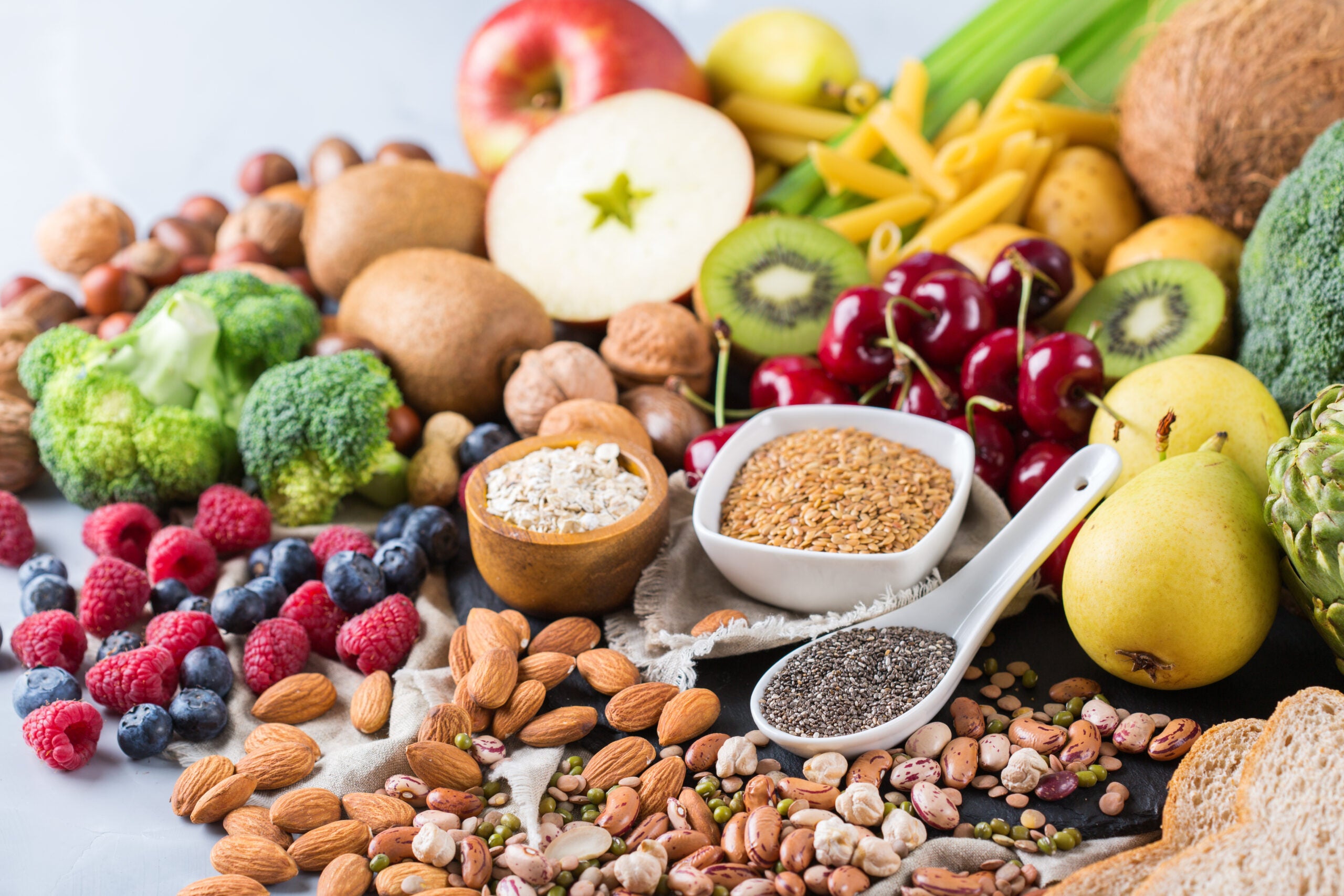
Fiber-rich whole foods accelerate progress in a structured diet plan diabetes reversal strategy by slowing digestion and preventing sharp blood sugar spikes. Vegetables, legumes, whole grains, seeds, and low-glycemic fruits create a gradual glucose release that reduces insulin demand.
Soluble fiber in foods like oats, lentils, and chia forms a gel-like texture in the gut, improving sugar absorption control and supporting beneficial gut bacteria. A healthier gut microbiome is strongly linked to better insulin sensitivity.
Consistently prioritizing high-fiber meals trains the body to process carbohydrates more efficiently, helping stabilize energy, reduce cravings, and create a metabolic environment that favors steady reversal progress.
2) Lean Proteins That Support Insulin Efficiency
Lean protein sources help regulate blood sugar by slowing carbohydrate absorption and supporting muscle repair, a key factor in improving insulin sensitivity. Foods such as eggs, fish, poultry, tofu, Greek yogurt, and legumes provide amino acids that maintain muscle mass, which acts as a major storage site for glucose.
The more metabolically active muscle tissue the body maintains, the more effectively it clears sugar from the bloodstream. Protein also promotes satiety hormones that prevent overeating and reduce glucose overload.
In a diet plan diabetes reversal framework, evenly distributing protein throughout the day prevents energy crashes and supports a steady hormonal environment for healing.
3) Healthy Fats That Reduce Inflammation
Anti-inflammatory fats accelerate diabetes reversal by improving cell membrane function and insulin signaling. Sources like olive oil, nuts, seeds, avocados, and fatty fish provide omega-3 and monounsaturated fats that calm chronic inflammation, one of the hidden drivers of insulin resistance.
When inflammation drops, insulin receptors respond more effectively, allowing glucose to enter cells with less hormonal effort. Healthy fats also stabilize meals by extending digestion time, preventing rapid sugar spikes after eating.
Instead of fearing fat, a structured diet plan diabetes reversal uses it strategically to balance hormones, protect organs, and sustain energy, creating a metabolic state that supports long-term glucose control.
How quickly can blood sugar improve with a diet plan diabetes reversal routine?
1) Early Phase: First 1–2 Weeks of Metabolic Adjustment
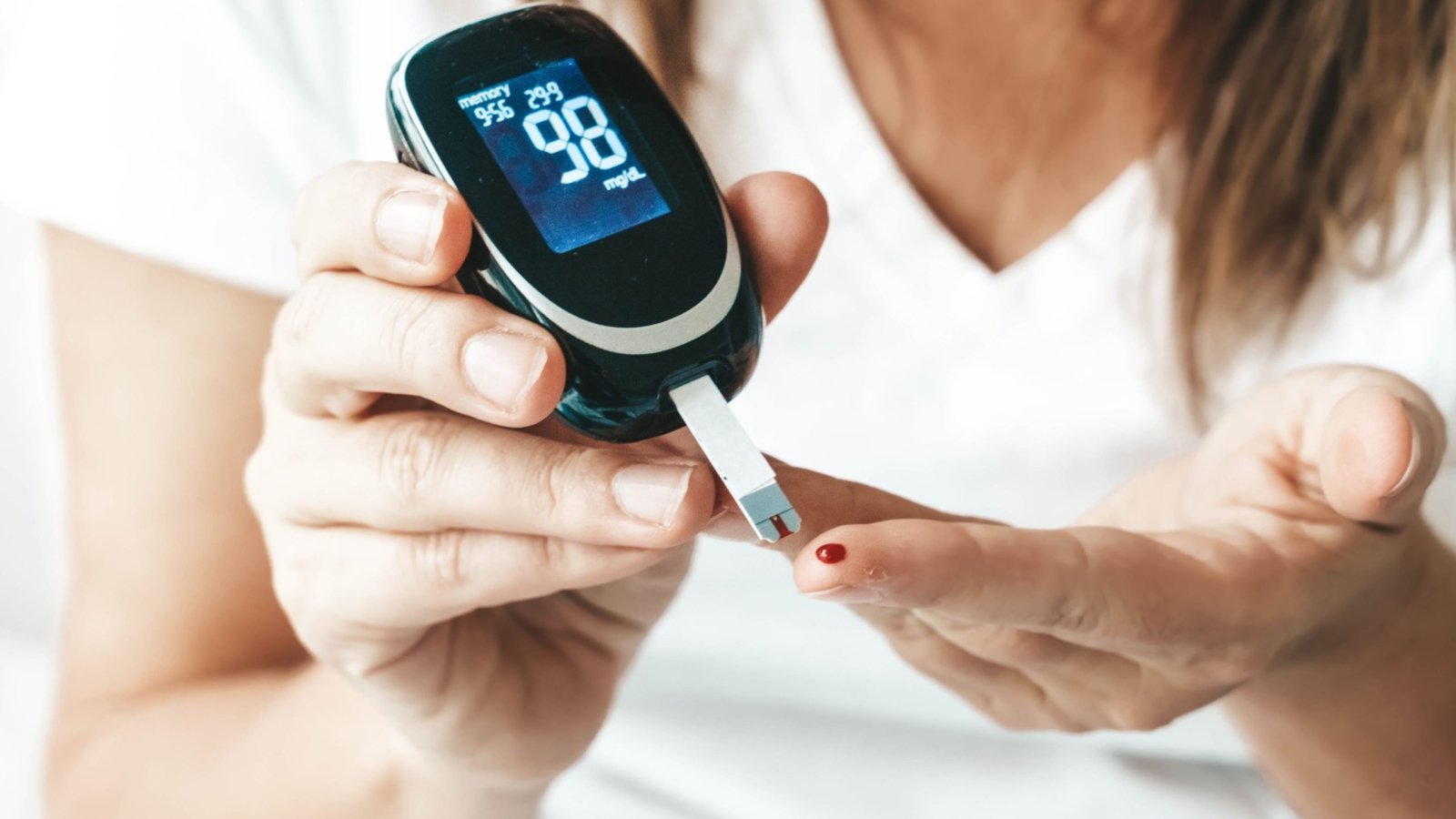
In the first weeks of a structured diet plan diabetes reversal routine, many people notice early shifts in fasting blood sugar and post-meal spikes. This phase focuses on removing high-glycemic triggers and stabilizing meal composition. The body responds quickly when sugar overload is reduced, allowing insulin to work more efficiently.
While full reversal takes time, the early stage often brings measurable improvements that motivate consistency. Energy becomes steadier, cravings decline, and hydration balance improves as glucose regulation stabilizes.
These early changes are not cosmetic, they reflect real metabolic recalibration happening at the cellular level.
- Reduced post-meal glucose spikes
- Improved fasting sugar readings
- Fewer energy crashes during the day
- Lower sugar cravings
- Better hydration and electrolyte balance
2) Adaptation Phase: Weeks 3–8 of Consistent Practice
During weeks three through eight, the body enters a deeper adaptation stage. Fat stored around organs begins to decrease, inflammation drops, and insulin receptors regain sensitivity. Blood sugar improvements become more predictable rather than fluctuating daily. This phase is where habits compound into visible results.
Muscle tissue becomes more active in glucose storage, and the liver regulates sugar release more efficiently. Many individuals observe improved lab markers during this period if the routine is followed consistently. The metabolic system is no longer reacting in crisis mode, it starts functioning with rhythm and stability.
- More stable daily glucose patterns
- Reduced insulin resistance
- Gradual fat loss supporting hormone balance
- Improved energy endurance
- Better appetite regulation
3) Consolidation Phase: 2–6 Months of Sustained Reversal
Long-term improvement occurs when early gains are reinforced over several months. By this stage, the body has relearned how to manage sugar without constant insulin overload. Cellular repair continues, inflammation remains lower, and blood sugar stability becomes the new baseline rather than an effort.
This phase determines whether improvements become permanent. Consistency transforms short-term regulation into lasting metabolic resilience. Medication needs may decrease under medical supervision, and the risk of complications drops significantly as glucose variability shrinks.
- Sustained normal-range glucose levels
- Stronger insulin sensitivity
- Reduced medication dependency (with guidance)
- Predictable energy and mood stability
- Long-term metabolic resilience
What metabolic mistakes slow down a diet plan diabetes reversal journey?

1) Over-restricting Calories and Triggering Stress Hormones
One of the biggest metabolic mistakes in a diet plan diabetes reversal journey is aggressive calorie restriction. While cutting food intake may seem like a fast track to improvement, extreme dieting activates stress hormones such as cortisol.
Elevated cortisol signals the liver to release more stored glucose into the bloodstream, working against blood sugar stability. The body interprets severe restriction as a survival threat, slowing metabolism and conserving energy. This makes insulin resistance harder to reverse, not easier.
Sustainable reversal requires nourishment, not deprivation. Balanced meals with adequate protein, fiber, and healthy fats tell the body it is safe, allowing metabolic repair to proceed.
When people under-eat, they often experience fatigue, cravings, and rebound overeating, which leads to glucose volatility. A consistent, moderate intake supports steady hormonal balance and encourages gradual fat loss, the true driver of improved insulin sensitivity.
2) Ignoring Carbohydrate Quality and Timing
Not all carbohydrates behave the same metabolically, yet many reversal attempts fail because carb quality and timing are overlooked. Refined grains, sugary snacks, and liquid carbohydrates flood the bloodstream rapidly, forcing repeated insulin surges. Even if total calories are controlled, poor carbohydrate selection maintains insulin resistance.
Timing also matters: eating large carbohydrate-heavy meals late at night disrupts circadian glucose regulation and increases morning blood sugar. A structured approach prioritizes slow-digesting carbs paired with protein and fat to soften glucose impact. When carb timing aligns with daytime activity, muscles use glucose more efficiently.
Without this strategy, the body remains stuck in a spike-crash cycle. Successful reversal depends on teaching the metabolism predictability. Consistent glucose patterns reduce pancreatic strain and improve cellular insulin response over time.
3) Neglecting Sleep, Stress, and Recovery Signals
Metabolic healing does not come from food alone. Many people stall progress because they ignore sleep quality and chronic stress. Poor sleep reduces insulin sensitivity as dramatically as unhealthy eating. When the nervous system remains in a constant stress state, inflammatory signals rise and glucose control weakens.
Even the best diet plan diabetes reversal strategy struggles under sleep deprivation and emotional strain. The body prioritizes survival over healing when rest is inadequate. Recovery is when hormonal repair happens: appetite hormones rebalance, muscle tissue restores itself, and insulin receptors regain efficiency.
Without sufficient rest, cravings intensify and decision-making weakens, leading to inconsistent habits. Stress management, regular sleep cycles, and recovery practices are not optional extras, they are core metabolic pillars. A reversal journey succeeds when nutrition, rest, and nervous system regulation work together as one system.
How does protein balance affect a diet plan diabetes reversal outcome?
1) Stabilizing Blood Sugar Through Slower Digestion
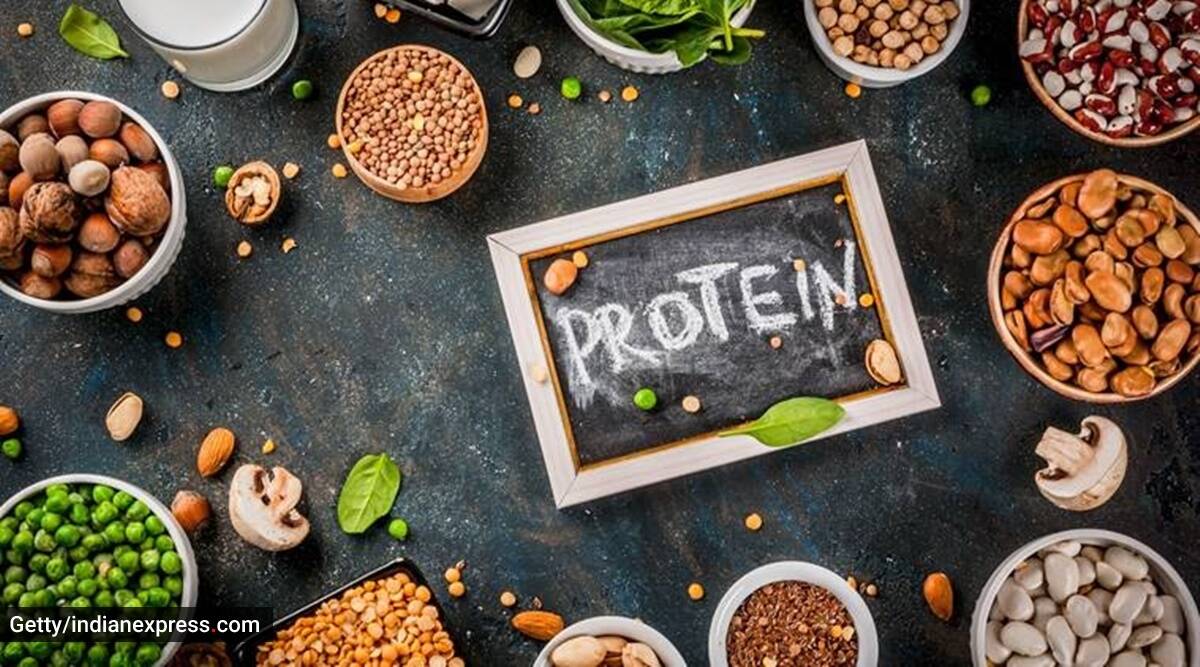
Protein balance plays a central role in a successful diet plan diabetes reversal outcome because it slows how quickly glucose enters the bloodstream. When protein is paired with carbohydrates, digestion becomes more gradual, preventing sharp sugar spikes that strain insulin production.
This steadier release helps maintain predictable energy and reduces post-meal crashes that trigger cravings. Over time, consistent blood sugar stability lowers metabolic stress and allows insulin receptors to recover sensitivity.
Meals lacking protein digest too quickly, overwhelming the system. Balanced protein intake acts like a metabolic brake, keeping glucose movement controlled and supporting steady reversal progress.
2) Supporting Muscle Mass and Glucose Storage
Muscle tissue is one of the body’s largest glucose storage sites, and adequate protein intake helps preserve and build that tissue. A higher proportion of lean muscle improves insulin sensitivity because active muscle absorbs glucose more efficiently than fat tissue.
In a diet plan diabetes reversal framework, protein supports muscle repair and prevents metabolic slowdown during fat loss. Without sufficient protein, the body may break down muscle for energy, weakening glucose control.
Maintaining muscle mass strengthens metabolic capacity, allowing the body to manage sugar with less insulin effort and improving long-term blood sugar regulation.
3) Regulating Appetite and Hormonal Signals
Protein strongly influences hunger hormones that affect glucose control. Adequate intake increases satiety hormones and reduces ghrelin, the hormone that drives appetite. This helps prevent overeating and emotional snacking that destabilize blood sugar.
When meals are protein-balanced, cravings decline and energy remains steady, supporting consistent eating patterns. Stable appetite regulation reduces the likelihood of binge-restrict cycles that damage insulin sensitivity.
Over time, hormonal balance reinforces disciplined habits without relying on willpower alone. In a structured diet plan diabetes reversal strategy, protein becomes a tool not just for nutrition, but for behavioral stability that protects metabolic healing.
If you’re ready to move from information to real transformation, guidance makes the journey easier and faster. Knowing what to eat is powerful but having a structured system, accountability, and expert support turns knowledge into consistent action. That’s where the HealthyWayFit program bridges the gap.
Instead of guessing your next step, you follow a proven framework designed to simplify food choices, stabilize blood sugar, and build habits that last.
A supportive environment reduces overwhelm and keeps progress measurable. If your goal is sustainable diabetes reversal rather than temporary change, this is the moment to invest in a plan that supports you every step forward.
HealthyWayFit — India’s Most Personal Diabetes Reversal Program

You’re told to “eat less,” “exercise more,” or “try another pill.” Yet your sugars remain stubborn, energy crashes continue, and every lab report feels like another warning. What’s missing isn’t willpower — it’s the right system.
That’s where HealthyWayFit comes in.
We are not another app, crash diet, or one-size-fits-all chart. HealthyWayFit is a 12-month, end-to-end Type 2 Diabetes Reversal Program designed exclusively for Indian professionals who want results that fit their lifestyle.
Over the past few years, our team has helped hundreds of Indians lower HbA1c, reduce medicine dependency, and—in many cases—achieve complete reversal of Type 2 diabetes.
Our tone is simple: empathetic, therapeutic, and committed. We listen first, design second, and support you every step of the way.
1) What Makes HealthyWayFit Different?
1. Personalized Nutrition You Can Actually Follow No fad superfoods or unrealistic smoothie charts. We use your ghar ka khana—dal, roti, rice, idli, dosa, paneer, sabzi—and align it with blood sugar control. No separate cooking, no family pressure. A plan that works whether you’re 35 or 85.
2. Metabolic Exercise for Type 2 Diabetes Control Our short, 15–20 minute metabolic routines target big muscle groups (legs, shoulders, glutes) and can lower sugar readings by 50–100 points. No gym, no equipment, just science-backed movements you can do at home.
3. Stress & Sleep Mastery Stress raises cortisol, which raises sugar. We equip you with practical tools—one-minute breathing practices, sleep optimization, and micro-habits—to keep your blood sugar stable, even on your busiest days.
4. Doctor-Led, Holistic Care Every client is guided by a Senior MD Diabetologist ensuring medical safety, while lifestyle coaches design food, exercise, and habit strategies. This unique blend of medical expertise and daily support is why our clients see true reversal.
5. Relentless Support & Accountability From weekly coaching calls and daily check-ins to festival, travel, and dining-out guides, we make sure your reversal journey adapts to real life, not the other way around.
2) What Results Can You Expect?
Most clients notice changes within 20–60 days: better energy, lighter mornings, and lower sugar readings. Over the year, we focus on long-term stabilization, so results are not just quick but sustainable for years to come.
3) Is HealthyWayFit Right for You?
If you’re a working professional or entrepreneur living with Type 2 diabetes, and can dedicate just 15–30 minutes daily, HealthyWayFit is built for you. This isn’t a crash course. It’s a life-changing reversal system personalized to your food, family, and lifestyle.
4) Take the Next Step
Your journey starts with a personal consultation where we understand your health history, challenges, and lifestyle. If we’re aligned, we’ll design a custom Type 2 Diabetes Reversal Plan built just for you.
Explore more at: healthywayfit Book your consultation here: calendly
Move beyond “managing” diabetes. With HealthyWayFit, you can reverse Type 2 diabetes—safely, sustainably, and with support at every step.
Frequently Asked Questions(FAQs)

1) How should carbohydrates be managed in a diet plan diabetes reversal model?
Carbohydrates should be managed by prioritizing quality, timing, and pairing. Choose low-glycemic, fiber-rich carbs like vegetables, legumes, and whole grains, and combine them with protein and healthy fats to slow glucose absorption. Portion awareness matters more than elimination.
Spreading carb intake across balanced meals prevents spikes, supports insulin recovery, and trains the body to process glucose steadily instead of reacting to overload.
2) What grocery shopping rules support a diet plan diabetes reversal lifestyle?
Smart grocery shopping focuses on perimeter foods: fresh vegetables, lean proteins, eggs, dairy, nuts, and whole ingredients with minimal labels. Avoid ultra-processed items high in added sugar and refined oils. Reading ingredient lists protects against hidden glucose triggers.
Planning meals before shopping reduces impulse buying. A structured cart leads to a structured kitchen, which reinforces consistent habits that support metabolic healing.
3) How does hydration impact results in a diet plan diabetes reversal program?
Hydration directly affects blood sugar concentration and cellular efficiency. Adequate water intake helps the kidneys flush excess glucose and improves circulation, allowing insulin to work more effectively.
Dehydration can mimic hunger and trigger unnecessary eating. Consistent hydration stabilizes energy, reduces cravings, and supports metabolic processes involved in glucose regulation. Even mild dehydration slows progress, while proper fluid intake accelerates recovery.
4) What long-term habits maintain results after diet plan diabetes reversal?
Long-term success depends on repeatable routines: consistent meal timing, balanced nutrition, daily movement, stress regulation, and reliable sleep. Monitoring blood sugar trends maintains awareness without obsession.
Sustainable habits replace short-term discipline. When healthy behaviors become automatic, the body maintains insulin sensitivity naturally. Progress is preserved through rhythm, not restriction, allowing metabolic balance to continue without constant effort or burnout.
5) How does gut health influence a diet plan diabetes reversal strategy?
Gut health shapes how the body processes sugar and inflammation. A diverse microbiome improves insulin sensitivity and nutrient absorption. Fiber-rich foods, fermented items, and plant variety feed beneficial bacteria that regulate glucose response.
Poor gut balance increases inflammatory signals that worsen insulin resistance. Strengthening gut ecology supports hormonal communication and stabilizes metabolism, making diabetes reversal more efficient and sustainable.
Conclusion
Reversing type 2 diabetes is not about chasing shortcuts, it’s about building a metabolic environment where the body can finally function the way it was designed to. A structured diet plan diabetes reversal approach works because it aligns nutrition, movement, sleep, stress control, and daily habits into one coordinated system.
Each small adjustment compounds: steadier glucose, better insulin response, improved energy, and reduced inflammation. Over time, these changes stop feeling like effort and start feeling like your new normal. That shift is where real transformation happens. The goal isn’t temporary control, it’s long-term predictability and confidence in your health.
With the right framework and consistent action, the body moves out of survival mode and into recovery. Sustainable reversal is not extreme, complicated, or unreachable. It is the result of repeatable habits practiced daily, supported by the right guidance, and maintained with patience and commitment.


