
.svg)
Managing type 2 diabetes is no longer just about avoiding sugar, it’s about choosing the right everyday foods that actively support blood sugar control and insulin sensitivity. Research increasingly shows that a strategic focus on type 2 diabetes reversal foods can help address the root cause of the condition: insulin resistance.
The good news is that many of these foods are simple, affordable, and already part of traditional diets. You don’t need extreme restrictions or complicated meal plans just smarter, consistent choices.
Everyday eating patterns built around high-fiber vegetables, quality proteins, healthy fats, and low-glycemic carbohydrates can stabilize glucose levels and reduce sudden blood sugar spikes. These foods work by slowing digestion, improving metabolic flexibility, and helping the body use insulin more effectively.
Over time, this approach supports weight balance, reduces inflammation, and promotes long-term metabolic health, key factors in any realistic diabetes reversal strategy.
This guide explores practical type 2 diabetes reversal foods you can easily add to your daily meals. Instead of focusing on deprivation, the emphasis is on nourishment, sustainability, and real-world eating habits.
Whether you are newly diagnosed, prediabetic, or working toward better glucose control, understanding how everyday food choices influence your metabolism can be one of the most powerful tools for lasting change.
What are the best everyday type 2 diabetes reversal foods to eat daily?
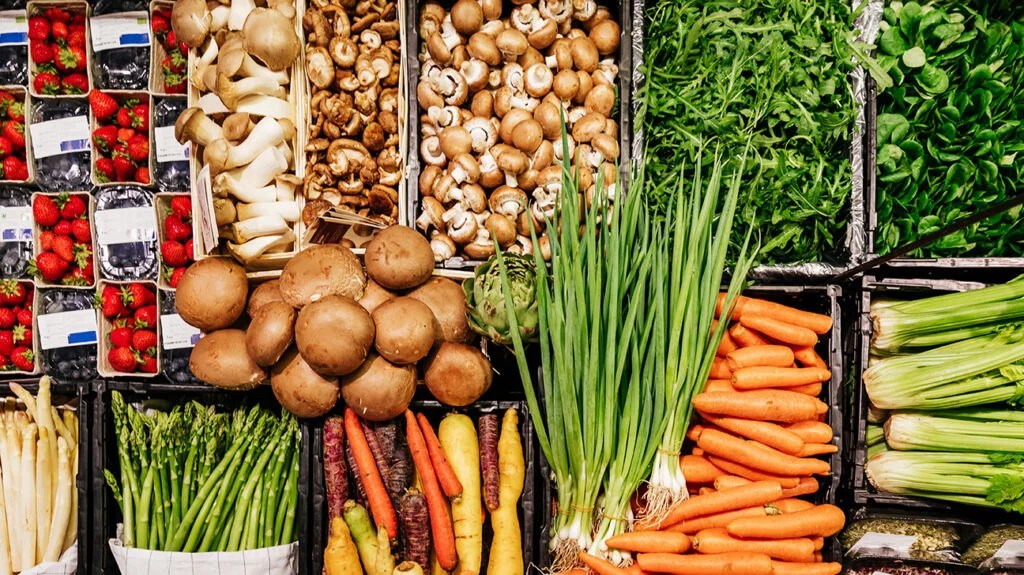
The best everyday type 2 diabetes reversal foods are those that help stabilize blood sugar, reduce insulin resistance, and support long-term metabolic health. Rather than focusing on extreme dieting, the goal is to build a daily eating pattern around foods that digest slowly, provide steady energy, and reduce glucose spikes.
These foods work by combining fiber, protein, and healthy fats, a powerful trio that improves insulin sensitivity and keeps you full longer. When eaten consistently, they can support weight balance, reduce inflammation, and make blood sugar easier to manage.
Importantly, diabetes-friendly eating is not about eliminating entire food groups. It’s about choosing nutrient-dense foods that nourish the body while preventing rapid sugar absorption.
Many of the best options are affordable, widely available, and easy to include in regular meals. A practical diabetes reversal approach focuses on foods you can eat daily without feeling restricted or deprived.
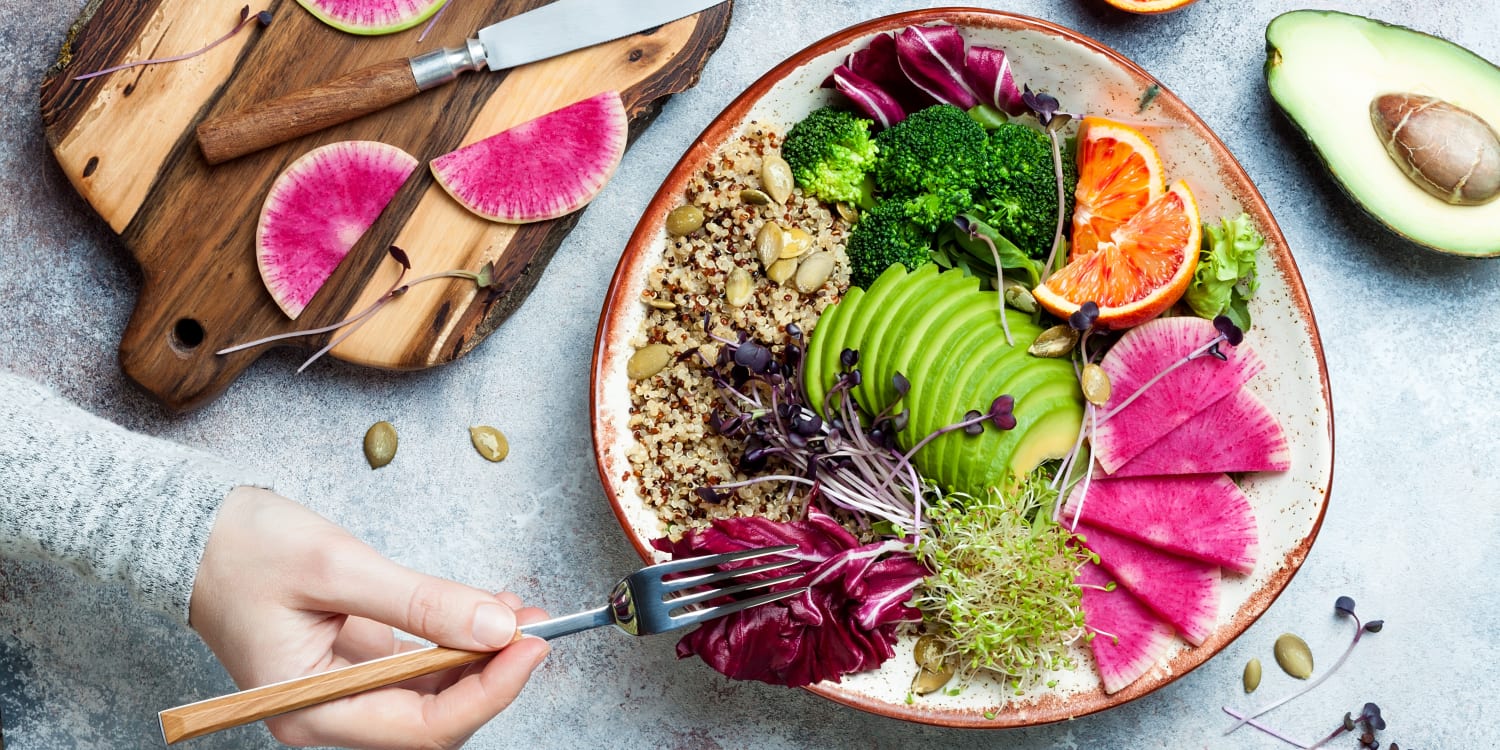
Some of the most effective everyday type 2 diabetes reversal foods include:
- Leafy green vegetables – Spinach, fenugreek leaves, kale, and other greens are low in carbohydrates but rich in fiber, magnesium, and antioxidants that support insulin function.
- Non-starchy vegetables – Broccoli, cauliflower, gourds, beans, and carrots slow digestion and help prevent sharp blood sugar rises.
- Whole legumes – Lentils, chickpeas, kidney beans, and black gram provide plant protein and resistant starch that improves glucose control.
- Healthy fats – Nuts, seeds, olive oil, coconut, and avocado reduce inflammation and improve satiety without spiking blood sugar.
- High-quality protein – Eggs, paneer, tofu, fish, and lean poultry stabilize appetite and reduce post-meal glucose fluctuations.
- Low-glycemic fruits – Berries, guava, apple, and pomegranate provide fiber and antioxidants while releasing sugar slowly.
- Whole grains in moderation – Millets, oats, quinoa, and brown rice offer fiber and minerals that support steady energy when portion-controlled.
- Fermented foods – Curd, yogurt, and fermented vegetables improve gut health, which is increasingly linked to better insulin sensitivity.
The key is consistency. Eating these foods daily in balanced portions creates a stable metabolic environment where the body can respond better to insulin. Over time, this dietary pattern supports sustainable improvements in blood sugar control and overall health making everyday food choices a central pillar of any realistic type 2 diabetes reversal strategy.
Which type 2 diabetes reversal foods help stabilize blood sugar naturally?
1) Fiber-Rich Vegetables
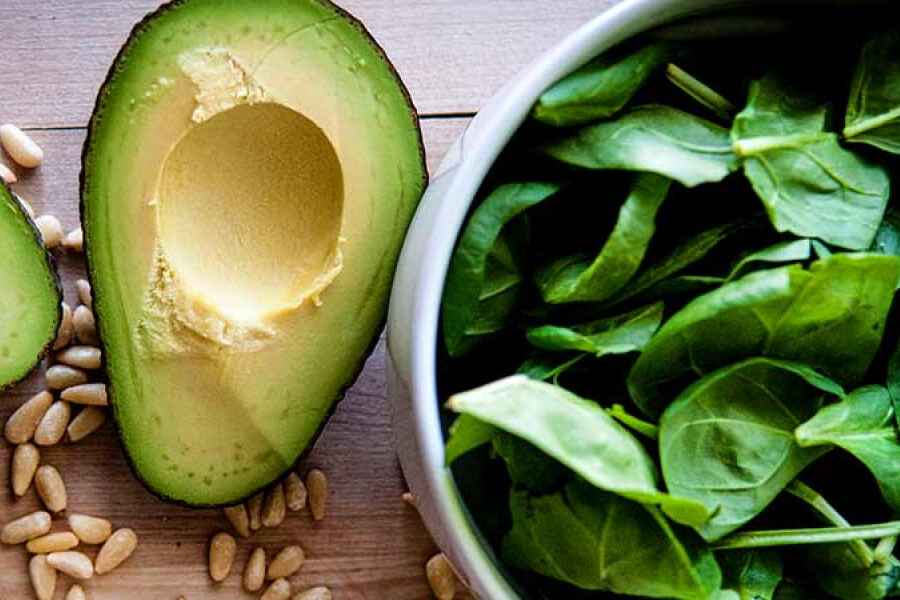
Fiber-rich vegetables are among the most powerful type 2 diabetes reversal foods for stabilizing blood sugar naturally. Vegetables such as spinach, broccoli, okra, gourds, cabbage, and cauliflower contain soluble and insoluble fiber that slows the absorption of glucose into the bloodstream.
This prevents sharp post-meal sugar spikes and reduces the workload on insulin. These vegetables are also low in calories but high in micronutrients like magnesium and potassium, which support metabolic function. Because they add bulk to meals, they improve satiety and help reduce overeating, an important factor in managing insulin resistance.
Eating vegetables first during a meal can further blunt glucose rise by slowing digestion of carbohydrates eaten afterward. Over time, a vegetable-rich diet reduces inflammation, supports gut health, and promotes steady energy levels. Their everyday accessibility makes them a practical foundation for a sustainable blood sugar–friendly eating pattern.
2) Legumes and Plant Proteins
Legumes are highly effective type 2 diabetes reversal foods because they combine fiber, protein, and resistant starch, a trio that stabilizes glucose and improves insulin sensitivity. Lentils, chickpeas, kidney beans, and black beans digest slowly, leading to gradual sugar release instead of sudden spikes.
Resistant starch feeds beneficial gut bacteria, producing compounds that improve metabolic health and reduce inflammation. Plant proteins also support muscle maintenance, which helps the body use glucose more efficiently. Unlike refined carbohydrates, legumes have a low glycemic index and keep you full longer, reducing cravings for sugary foods.
Regular consumption has been linked to better HbA1c levels and improved long-term blood sugar control. They are affordable, versatile, and culturally adaptable, making them easy to include in daily meals. Replacing refined grains with legumes even a few times per week can significantly enhance glucose stability.
3) Healthy Fats and Nuts
Healthy fats are essential type 2 diabetes reversal foods because they slow digestion and prevent rapid blood sugar fluctuations. Nuts, seeds, olive oil, coconut, and avocado provide unsaturated fats that improve insulin sensitivity and reduce chronic inflammation.
When combined with carbohydrates, fats lower the glycemic impact of a meal by delaying stomach emptying. Nuts also contain magnesium and protein, both linked to better glucose regulation. Regular nut consumption has been associated with lower fasting blood sugar and reduced risk of metabolic complications.
These foods are energy-dense but highly satiating, helping prevent overeating and stabilizing appetite hormones. Unlike processed fats, natural sources support heart health, crucial for people with diabetes risk. Including a small handful of nuts or seeds daily can improve metabolic balance without raising blood sugar. Their convenience makes them ideal snacks in a diabetes-friendly eating routine.
4) High-Quality Protein Foods
Protein-rich foods play a central role among type 2 diabetes reversal foods because protein has minimal impact on blood sugar while improving insulin response. Eggs, fish, tofu, paneer, lean poultry, and Greek yogurt provide amino acids that support muscle repair and metabolic efficiency.
Muscle tissue acts as a glucose sink, helping remove sugar from the bloodstream more effectively. Protein also slows digestion when eaten with carbohydrates, reducing post-meal glucose spikes. In addition, adequate protein intake helps regulate appetite hormones, lowering cravings for refined sugar and snacks.
Research shows that balanced protein intake improves long-term glycemic control and supports healthy weight management. Choosing minimally processed protein sources is key, as processed meats may increase inflammation.
Including protein in every meal creates steadier energy levels and reduces blood sugar variability throughout the day, making it an essential pillar of a natural diabetes reversal strategy.
How do everyday foods support type 2 diabetes reversal?
1) Improving Insulin Sensitivity Through Nutrient Density
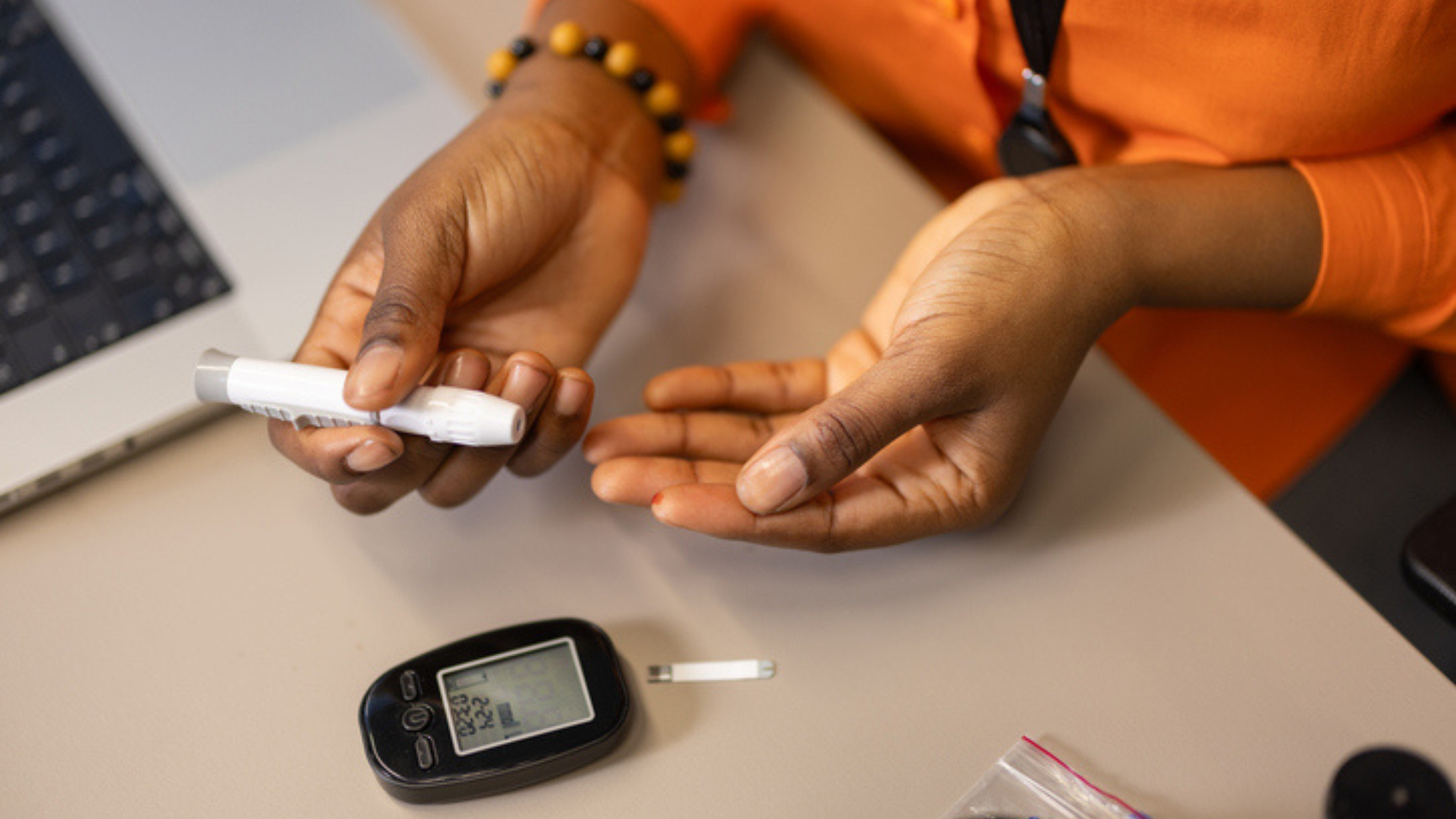
Everyday whole foods support type 2 diabetes reversal by improving how the body responds to insulin. Nutrient-dense foods such as vegetables, legumes, nuts, seeds, and lean proteins contain vitamins, minerals, and antioxidants that reduce cellular inflammation, one of the hidden drivers of insulin resistance.
Magnesium, for example, found in leafy greens and seeds, plays a direct role in glucose metabolism. When cells become less inflamed and better nourished, insulin can move sugar from the bloodstream into tissues more efficiently. This reduces chronic high blood sugar and eases pressure on the pancreas.
Highly processed foods, in contrast, worsen insulin resistance by promoting oxidative stress. Everyday healthy foods act like metabolic repair tools, gradually restoring balance.
Over time, consistent nutrient intake helps the body regulate glucose naturally, making insulin signaling smoother and more predictable, which is a key step toward sustainable diabetes improvement.
2) Slowing Glucose Absorption and Preventing Spikes
Another way everyday foods support diabetes reversal is by slowing how quickly glucose enters the bloodstream. Fiber-rich foods such as vegetables, whole legumes, oats, and seeds form a gel-like structure during digestion that delays sugar absorption.
This prevents sharp glucose spikes followed by crashes, a cycle that worsens insulin resistance. When blood sugar rises gradually, the body requires less insulin to manage it. Lower insulin demand reduces metabolic stress and improves long-term glucose control.
Healthy fats and proteins enhance this effect by further slowing digestion and promoting steady energy release. Instead of dramatic sugar fluctuations, the body experiences a smooth metabolic curve. This stability reduces cravings, improves concentration, and supports hormonal balance.
Repeating this pattern daily trains the body to maintain better glucose control automatically. Over months, fewer spikes mean less damage to blood vessels and organs, supporting overall metabolic recovery.
3) Supporting Weight Balance and Fat Metabolism
Everyday diabetes-friendly foods help regulate body weight, which is closely tied to insulin sensitivity. Excess visceral fat around organs releases inflammatory chemicals that block insulin function. Whole foods rich in fiber and protein increase satiety, naturally reducing calorie intake without strict dieting.
When appetite is stable, overeating declines and fat stores begin to normalize. Healthy fats from nuts, seeds, and oils support hormone balance and prevent energy crashes that trigger sugar cravings. As body fat decreases, insulin receptors become more responsive, allowing glucose to enter cells more effectively.
This creates a positive metabolic feedback loop: better insulin sensitivity leads to easier weight regulation, and healthier weight improves glucose control. Unlike crash diets, everyday foods support gradual, sustainable fat metabolism. This slow, steady improvement is more effective long term and reduces the risk of relapse, making dietary consistency a cornerstone of diabetes reversal.
4) Enhancing Gut Health and Hormonal Regulation
The gut microbiome plays a powerful role in blood sugar control, and everyday whole foods help nourish beneficial bacteria. Fiber, resistant starch, and fermented foods act as fuel for gut microbes that produce short-chain fatty acids. These compounds improve insulin sensitivity, reduce inflammation, and influence appetite hormones.
A balanced gut ecosystem strengthens the intestinal barrier, preventing inflammatory molecules from entering the bloodstream. This reduces metabolic stress and supports hormonal stability. Fermented foods like yogurt and traditional pickled vegetables introduce probiotics that further enhance microbial diversity.
When the gut is healthy, communication between the digestive system, liver, and pancreas becomes more efficient. This improves how the body processes glucose after meals.
Consistently eating microbiome-friendly foods builds a foundation for long-term metabolic resilience. Over time, better gut health translates into steadier blood sugar patterns and improved overall energy regulation.
What simple meals include effective type 2 diabetes reversal foods?
1) Vegetable and Protein Breakfast Bowl
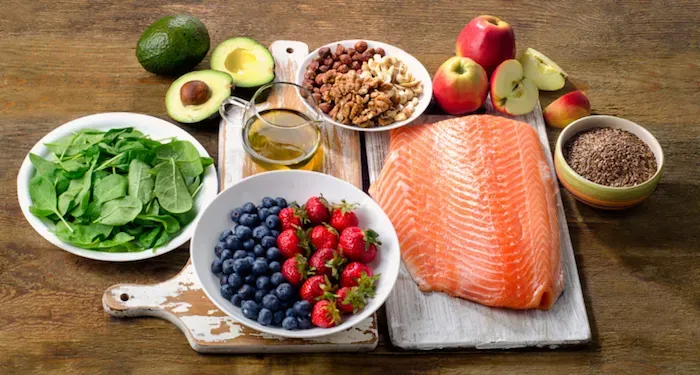
A balanced breakfast bowl is one of the simplest ways to include effective type 2 diabetes reversal foods early in the day. Combining fiber-rich vegetables with protein and healthy fats helps prevent morning glucose spikes and keeps energy steady for hours. A vegetable and protein bowl is flexible, quick to prepare, and can be adapted to local ingredients.
The key is to prioritize non-starchy vegetables and a solid protein base to slow digestion and support insulin sensitivity. Starting the day with this kind of meal trains the body to maintain stable blood sugar instead of triggering cravings for refined carbohydrates.
- Scrambled eggs or tofu with spinach, tomatoes, and onions
- A side of avocado or a few soaked almonds
- Plain yogurt or curd for gut health
- Optional sprinkle of seeds like flax or chia
- Minimal oil, preferably olive or mustard oil
2) Lentil and Vegetable Power Lunch
A lentil-based lunch is rich in plant protein and fiber, making it a powerful combination for blood sugar stability. Lentils digest slowly, releasing glucose gradually and reducing insulin demand. When paired with vegetables and moderate whole grains, the meal becomes filling without being heavy.
This type of lunch supports afternoon energy, prevents post-meal fatigue, and reduces the urge for sugary snacks later. It is affordable, culturally familiar, and easy to prepare in batches, making it ideal for everyday eating.
- Cooked lentils or dal with mixed vegetables
- Small portion of brown rice or millet roti
- Stir-fried okra, beans, or gourds
- Fresh salad with cucumber and carrot
- A spoon of ghee or olive oil for healthy fat
3) Balanced Snack Plate
Snacks can either destabilize blood sugar or strengthen metabolic control depending on what you choose. A balanced snack built around protein, fiber, and healthy fat prevents glucose spikes between meals. Instead of processed snacks, whole-food combinations help sustain energy and improve insulin response.
This kind of snack is especially useful for people who experience afternoon sugar cravings. It keeps hunger controlled without overeating at the next meal.
- Handful of nuts and seeds
- Sliced guava or apple with peanut butter
- Roasted chickpeas
- Paneer cubes or boiled eggs
- Green tea or unsweetened herbal tea
4) Light Protein and Vegetable Dinner
Dinner should be lighter but still nutritionally complete to support overnight glucose balance. A protein-and-vegetable focused meal helps prevent late-night blood sugar elevation and improves morning fasting levels.
Avoiding heavy refined carbs at night allows the body to rest metabolically. This type of dinner promotes better sleep, digestion, and hormone regulation while still being satisfying.
- Grilled fish, tofu, or paneer
- Steamed or sautéed mixed vegetables
- Clear vegetable soup
- Small serving of quinoa or millet if needed
- Fermented side like yogurt or pickle in moderation
How often should you eat type 2 diabetes reversal foods for results?
1) Consistent Meals to Maintain Blood Sugar Stability
Eating type 2 diabetes reversal foods consistently throughout the day is more effective than eating large, irregular meals. Most people benefit from structured meal timing that prevents long gaps, which can cause blood sugar crashes followed by overeating. A steady rhythm of balanced meals trains the body to regulate glucose more efficiently.
Instead of focusing only on what to eat, frequency matters because insulin sensitivity improves when the body receives predictable fuel. Consistency reduces metabolic stress and helps hormones responsible for hunger and satiety function properly.
For many individuals, three balanced meals with one planned snack works well, but the exact schedule can vary based on activity level and personal tolerance.
The key is avoiding erratic eating patterns. When meals regularly include fiber, protein, and healthy fats, the body experiences fewer spikes, leading to more stable energy and better long-term glucose control.
2) Spacing Meals to Support Insulin Response
Proper spacing between meals allows insulin levels to rise and fall naturally, preventing constant metabolic overload. Grazing all day may seem harmless, but frequent snacking can keep insulin elevated, making it harder for the body to regain sensitivity.
Eating every 4–5 hours gives the digestive system time to reset while maintaining steady energy. During this gap, the body begins using stored energy instead of relying only on incoming food, which supports fat metabolism and improves insulin signaling.
When the next meal arrives, cells respond more effectively to glucose. This rhythm helps prevent chronic hyperinsulinemia, a major driver of insulin resistance. Planned, nutrient-dense meals are more beneficial than random snacking.
Drinking water, herbal tea, or black coffee between meals can help manage appetite without disturbing insulin balance, reinforcing a structured eating pattern that supports gradual metabolic repair.
3) Long-Term Habit Over Short-Term Perfection
Results from eating type 2 diabetes reversal foods come from repetition, not occasional healthy meals. Blood sugar improvement is cumulative, meaning daily habits matter more than perfection. Consistently choosing supportive foods across weeks and months allows the body to adapt and rebuild insulin sensitivity.
Even small improvements, repeated daily, create measurable metabolic change. Many people expect rapid transformation, but the body responds best to steady patterns rather than extreme restriction. A sustainable routine reduces relapse risk and encourages adherence.
Eating well most of the time is more powerful than strict dieting followed by burnout. Over time, stable eating frequency improves appetite control, energy regulation, and sleep quality, all of which influence glucose balance.
Viewing food as a long-term therapy instead of a temporary fix helps maintain motivation and supports gradual, lasting diabetes management progress.
If you’re ready to move beyond theory and want structured guidance, this is where a personalized program can make a real difference. Understanding type 2 diabetes reversal foods is powerful, but applying that knowledge consistently in daily life is often the hardest part.
A guided system like the HealthyWayFit program helps bridge that gap by turning nutrition principles into a practical routine you can follow with confidence. Instead of guessing what to eat, when to eat, or how to balance meals, you get a clear roadmap designed for real-world lifestyles.
With expert support, accountability, and a focus on sustainable habits, the process becomes less overwhelming and more achievable. For readers who want faster clarity, structured coaching, and a step-by-step approach to improving blood sugar and metabolic health, exploring the HealthyWayFit program can be a smart next step toward lasting change.
HealthyWayFit — India’s Most Personal Diabetes Reversal Program

You’re told to “eat less,” “exercise more,” or “try another pill.” Yet your sugars remain stubborn, energy crashes continue, and every lab report feels like another warning. What’s missing isn’t willpower — it’s the right system.
That’s where HealthyWayFit comes in.
We are not another app, crash diet, or one-size-fits-all chart. HealthyWayFit is a 12-month, end-to-end Type 2 Diabetes Reversal Program designed exclusively for Indian professionals who want results that fit their lifestyle.
Over the past few years, our team has helped hundreds of Indians lower HbA1c, reduce medicine dependency, and—in many cases—achieve complete reversal of Type 2 diabetes.
Our tone is simple: empathetic, therapeutic, and committed. We listen first, design second, and support you every step of the way.
1) What Makes HealthyWayFit Different?
1. Personalized Nutrition You Can Actually Follow No fad superfoods or unrealistic smoothie charts. We use your ghar ka khana—dal, roti, rice, idli, dosa, paneer, sabzi—and align it with blood sugar control. No separate cooking, no family pressure. A plan that works whether you’re 35 or 85.
2. Metabolic Exercise for Type 2 Diabetes Control Our short, 15–20 minute metabolic routines target big muscle groups (legs, shoulders, glutes) and can lower sugar readings by 50–100 points. No gym, no equipment, just science-backed movements you can do at home.
3. Stress & Sleep Mastery Stress raises cortisol, which raises sugar. We equip you with practical tools—one-minute breathing practices, sleep optimization, and micro-habits—to keep your blood sugar stable, even on your busiest days.
4. Doctor-Led, Holistic Care Every client is guided by a Senior MD Diabetologist ensuring medical safety, while lifestyle coaches design food, exercise, and habit strategies. This unique blend of medical expertise and daily support is why our clients see true reversal.
5. Relentless Support & Accountability From weekly coaching calls and daily check-ins to festival, travel, and dining-out guides, we make sure your reversal journey adapts to real life, not the other way around.
2) What Results Can You Expect?
Most clients notice changes within 20–60 days: better energy, lighter mornings, and lower sugar readings. Over the year, we focus on long-term stabilization, so results are not just quick but sustainable for years to come.
3) Is HealthyWayFit Right for You?
If you’re a working professional or entrepreneur living with Type 2 diabetes, and can dedicate just 15–30 minutes daily, HealthyWayFit is built for you. This isn’t a crash course. It’s a life-changing reversal system personalized to your food, family, and lifestyle.
4) Take the Next Step
Your journey starts with a personal consultation where we understand your health history, challenges, and lifestyle. If we’re aligned, we’ll design a custom Type 2 Diabetes Reversal Plan built just for you.
Explore more at: healthywayfit Book your consultation here: calendly
Move beyond “managing” diabetes. With HealthyWayFit, you can reverse Type 2 diabetes—safely, sustainably, and with support at every step.
Frequently Asked Questions (FAQs)

1) Are there affordable type 2 diabetes reversal foods for everyday diets?
Yes, many effective type 2 diabetes reversal foods are inexpensive staples. Lentils, beans, seasonal vegetables, eggs, oats, peanuts, and curd provide fiber and protein at low cost. Buying local produce and whole foods instead of packaged snacks improves blood sugar while saving money.
Affordable eating is often healthier because it emphasizes minimally processed foods that digest slowly and support steady glucose control.
2) Which vegetables are considered type 2 diabetes reversal foods?
Non-starchy, fiber-rich vegetables are key type 2 diabetes reversal foods. Spinach, okra, gourds, cabbage, broccoli, cauliflower, beans, and leafy greens slow glucose absorption and reduce insulin demand.
These vegetables are low in calories but high in antioxidants and minerals that support metabolic health. Eating a variety daily improves gut health, reduces inflammation, and helps stabilize blood sugar after meals.
3) What fruits are safe in a type 2 diabetes reversal foods plan?
Low-glycemic, fiber-rich fruits are safest in a type 2 diabetes reversal foods plan. Guava, berries, apple, pear, kiwi, and pomegranate release sugar slowly due to their fiber content.
Whole fruits are better than juices because they prevent rapid glucose spikes. Eating fruit with nuts or yogurt further reduces sugar impact while providing antioxidants that support long-term metabolic balance.
4) How do protein-rich type 2 diabetes reversal foods help blood sugar control?
Protein-rich type 2 diabetes reversal foods stabilize appetite and reduce post-meal sugar spikes. Foods like eggs, lentils, tofu, paneer, fish, and yogurt slow digestion and improve insulin response.
Protein helps preserve muscle, which absorbs glucose more efficiently. Including protein in every meal prevents energy crashes and sugar cravings, creating steadier blood sugar patterns throughout the day.
5) Can adding type 2 diabetes reversal foods improve insulin sensitivity?
Yes, consistently eating type 2 diabetes reversal foods improves insulin sensitivity over time. Fiber, healthy fats, and quality protein reduce inflammation and help cells respond better to insulin.
Stable blood sugar patterns lower metabolic stress, allowing the body to regulate glucose more efficiently. Daily repetition of these food choices gradually restores insulin function and supports sustainable diabetes improvement.
Conclusion
A sustainable approach to managing type 2 diabetes is built on everyday decisions, not extreme measures. The consistent inclusion of type 2 diabetes reversal foods creates a stable foundation for better blood sugar control, improved insulin sensitivity, and long-term metabolic health.
These foods are not exotic or restrictive, they are practical, affordable choices that fit naturally into daily life. When combined with structured habits, mindful meal timing, and supportive guidance, they become a powerful tool for gradual transformation.
The goal is not perfection but repetition: steady nourishment that helps the body heal and adapt over time. Whether you begin by adding more vegetables, choosing protein-rich meals, or following a guided program like HealthyWayFit, each step compounds into meaningful progress.
True diabetes reversal is less about short-term dieting and more about building a lifestyle that supports your health every single day.


