
.svg)
Type 2 diabetes is no longer viewed as an irreversible condition managed only through medication. Modern metabolic research shows that targeted nutrition can actively support the body’s ability to restore insulin sensitivity, stabilize blood sugar, and repair underlying metabolic dysfunction.
The type 2 diabetes reversal diet guide is built around this evidence-based understanding: food is not just fuel, it is a metabolic tool.
Rather than focusing on extreme restriction or temporary dieting trends, this guide explains a structured food strategy designed to promote long-term metabolic recovery.
It identifies which foods reduce glucose spikes, which nutrients improve insulin signaling, and how balanced meal composition can gradually retrain the body’s metabolic response. The goal is not quick fixes, but sustainable physiological improvement.
A successful reversal-oriented diet works on multiple biological levels. It lowers chronic inflammation, supports liver and pancreatic function, improves cellular glucose uptake, and reduces insulin resistance, the root driver of type 2 diabetes.
By aligning daily eating patterns with these metabolic principles, individuals can create an environment where blood sugar regulation becomes easier and more stable over time.
This approach is practical, science-backed, and adaptable to everyday life. It emphasizes real foods, strategic carbohydrate management, healthy fats, adequate protein, and nutrient density not deprivation.
The type 2 diabetes reversal diet guide translates complex metabolic science into clear, actionable eating frameworks that readers can implement step by step.
Ultimately, metabolic recovery is not about perfection; it is about consistency and informed choices. With the right dietary structure, the body has an extraordinary capacity to repair and rebalance itself.
This guide serves as a roadmap for using nutrition intentionally to support that recovery, helping readers move toward better glucose control, improved energy, and long-term metabolic health.
What is the type 2 diabetes reversal diet guide and how does it support metabolic recovery?

The type 2 diabetes reversal diet guide is a structured, science-informed nutrition framework designed to address the root metabolic causes of type 2 diabetes rather than just managing symptoms.
At its core, the guide focuses on improving insulin sensitivity, stabilizing blood sugar fluctuations, and reducing chronic inflammation, the biological drivers that keep diabetes active. Instead of promoting extreme dieting or short-term food restrictions, it outlines a sustainable eating pattern that retrains how the body processes glucose and uses energy.
Metabolic recovery happens when the body becomes more efficient at transporting glucose from the bloodstream into cells without requiring excessive insulin. Over time, insulin resistance weakens this system, causing elevated blood sugar and metabolic stress.
The type 2 diabetes reversal diet guide supports recovery by strategically selecting foods that lower glycemic load, improve cellular response to insulin, and repair metabolic flexibility. This means meals are built not just around calories, but around hormonal and biochemical impact.
The guide emphasizes consistency and structure. Each food choice is designed to reduce stress on the pancreas, support liver health, and prevent sharp glucose spikes that accelerate insulin resistance.
When followed over time, this eating approach helps the body shift from a cycle of metabolic overload to one of regulation and balance. The result is gradual improvement in glucose control, energy levels, and long-term metabolic resilience.
Key ways the type 2 diabetes reversal diet guide supports metabolic recovery:
- Stabilizes blood sugar levels Prioritizes low-glycemic, high-fiber foods that slow glucose absorption and prevent sharp spikes.
- Improves insulin sensitivity Encourages nutrient-dense meals that enhance cellular responsiveness to insulin signals.
- Reduces chronic inflammation Includes anti-inflammatory foods that protect metabolic tissues and improve hormonal balance.
- Supports liver and pancreatic function Focuses on foods that reduce fat accumulation and metabolic strain in critical organs.
- Promotes sustainable fat loss Helps reduce visceral fat, a major contributor to insulin resistance.
- Optimizes carbohydrate quality and timing Teaches strategic carb intake rather than elimination, improving metabolic flexibility.
- Balances macronutrients Combines protein, healthy fats, and fiber to create stable energy release.
- Encourages nutrient density Ensures vitamins and minerals required for glucose metabolism are consistently available.
- Retrains metabolic pathways Helps the body return to efficient energy usage instead of glucose overload.
- Builds long-term eating habits Designed for lifelong implementation, not temporary dieting.
In essence, the type 2 diabetes reversal diet guide treats food as metabolic therapy. It creates an internal environment where the body can gradually restore balance, making blood sugar control easier and more natural over time.
This approach supports not only diabetes management, but broader metabolic health, energy regulation, and long-term disease prevention.
Which foods are emphasized in a type 2 diabetes reversal diet guide for stable blood sugar?

1) Non-Starchy Vegetables
Non-starchy vegetables form the foundation of a type 2 diabetes reversal diet guide because they provide high fiber with minimal glucose impact. Leafy greens, broccoli, cauliflower, zucchini, bell peppers, cucumbers, and asparagus help slow carbohydrate absorption and reduce post-meal blood sugar spikes.
Their antioxidants lower inflammation, which improves insulin signaling at the cellular level. These vegetables are also rich in magnesium and potassium, minerals linked to better glucose control.
Eating large portions increases satiety without excess calories, helping regulate appetite and weight. Consistent vegetable intake trains the body toward stable energy release and smoother metabolic function throughout the day.
2) Lean Protein Sources
Protein plays a stabilizing role in blood sugar management by slowing digestion and reducing rapid glucose fluctuations. A type 2 diabetes reversal diet guide emphasizes lean proteins such as eggs, fish, skinless poultry, tofu, lentils, beans, and Greek yogurt.
These foods preserve muscle mass, which is essential for glucose uptake because muscle tissue acts as a major storage site for sugar. Adequate protein also lowers hunger hormones, preventing overeating and insulin spikes.
When paired with fiber and healthy fats, protein creates balanced meals that support steady insulin response, metabolic repair, and long-term appetite control without relying on extreme carbohydrate restriction.
3) Healthy Fats
Healthy fats improve metabolic recovery by supporting hormone production and reducing inflammation. The guide highlights sources like olive oil, avocados, nuts, seeds, chia, flaxseed, and fatty fish such as salmon. These fats slow gastric emptying, which helps prevent blood sugar surges after meals.
They also improve cellular membrane health, making insulin signaling more efficient. Contrary to outdated diet myths, moderate healthy fat intake does not worsen diabetes when carbohydrates are controlled. Instead, it enhances satiety and stabilizes energy levels.
Including healthy fats consistently shifts the body toward better metabolic flexibility and reduces dependency on rapid glucose-based energy cycles.
4) High-Fiber Whole Carbohydrates
Carbohydrates are not eliminated; they are strategically chosen. A type 2 diabetes reversal diet guide prioritizes high-fiber whole carbohydrates such as quinoa, oats, barley, sweet potatoes, brown rice, and legumes. Fiber slows glucose absorption and feeds beneficial gut bacteria that influence insulin sensitivity.
These carbohydrates provide sustained energy rather than rapid spikes. Portion control and pairing with protein and fat further reduce glycemic load.
The goal is carbohydrate quality, not avoidance. Whole food carbs supply essential micronutrients needed for metabolic pathways and help retrain the body to process glucose efficiently instead of reacting with exaggerated insulin responses.
5) Low-Glycemic Fruits
Fruits are included selectively, focusing on low-glycemic options that deliver nutrients without overwhelming blood sugar. Berries, apples, pears, kiwi, oranges, and pomegranate are emphasized because their fiber and polyphenols blunt glucose release.
These compounds also protect pancreatic cells and reduce oxidative stress. Fruit is best consumed whole rather than juiced, preserving fiber structure. Timing matters as well, pairing fruit with protein or fat prevents rapid sugar absorption.
When eaten mindfully, fruit supports metabolic healing rather than disrupting it. It provides vitamins, hydration, and antioxidants that reinforce the body’s ability to regulate glucose naturally.
How does the type 2 diabetes reversal diet guide improve insulin sensitivity naturally?

1) Reducing Chronic Blood Sugar Spikes
The type 2 diabetes reversal diet guide improves insulin sensitivity by minimizing repeated blood sugar spikes that exhaust the body’s insulin response. Frequent glucose surges force the pancreas to release large amounts of insulin, and over time, cells become less responsive to this signal.
The guide counters this cycle by emphasizing low-glycemic, fiber-rich foods that release glucose slowly into the bloodstream. Balanced meals combining carbohydrates with protein and healthy fats further reduce glycemic load. When blood sugar rises gradually instead of sharply, insulin demand drops, allowing receptors to regain sensitivity.
This calmer metabolic environment reduces cellular stress and inflammation, both major contributors to insulin resistance.
Over time, consistent blood sugar stability retrains metabolic pathways, enabling the body to use insulin more efficiently. The improvement is gradual but cumulative, restoring the body’s ability to regulate glucose without excessive hormonal strain.
2) Lowering Inflammation and Oxidative Stress
Chronic inflammation interferes with insulin signaling at the cellular level. The type 2 diabetes reversal diet guide targets this hidden barrier by prioritizing anti-inflammatory foods rich in antioxidants, phytonutrients, and omega-3 fats. Leafy greens, berries, nuts, seeds, olive oil, and fatty fish reduce inflammatory markers that block insulin receptors.
Highly processed foods, refined sugars, and trans fats known to fuel inflammation are minimized. This dietary shift protects pancreatic beta cells and improves communication between insulin and muscle tissue. Oxidative stress, which damages metabolic tissues, is also reduced through nutrient-dense eating patterns.
When inflammation decreases, cells become more receptive to insulin, allowing glucose to enter more efficiently. This process doesn’t rely on medication; it relies on restoring internal balance. As inflammatory load drops, metabolic systems function more smoothly, supporting long-term improvements in insulin sensitivity and overall endocrine health.
3) Supporting Healthy Weight and Visceral Fat Reduction
Excess visceral fat is one of the strongest drivers of insulin resistance because it releases hormones that disrupt glucose regulation. The type 2 diabetes reversal diet guide improves insulin sensitivity by encouraging steady fat loss without extreme calorie restriction.
High-fiber foods, protein-rich meals, and healthy fats increase satiety and stabilize hunger hormones, naturally reducing overeating. As body fat decreases particularly around the abdomen inflammatory signaling declines and insulin pathways become more responsive. The liver and muscles regain their ability to process glucose effectively.
Importantly, the guide focuses on sustainable fat loss rather than rapid dieting, preventing metabolic slowdown. Even modest weight reduction can significantly enhance insulin sensitivity.
This gradual shift improves how the body stores and uses energy, helping restore metabolic flexibility. Over time, reduced visceral fat lowers insulin demand and supports healthier glucose control without aggressive interventions.
4) Enhancing Muscle Glucose Uptake
Muscle tissue plays a critical role in blood sugar regulation because it acts as a primary storage site for glucose. The type 2 diabetes reversal diet guide improves insulin sensitivity by preserving and supporting lean muscle through adequate protein intake and balanced nutrition.
When muscles are nourished properly, they absorb glucose more efficiently, reducing the amount circulating in the bloodstream. Nutrients like magnesium, potassium, and amino acids help optimize cellular energy pathways involved in glucose transport.
Stable eating patterns also prevent muscle breakdown that can occur with crash dieting. As muscle cells become more metabolically active, they require less insulin to absorb glucose. This reduces strain on the pancreas and improves whole-body insulin responsiveness.
Stronger metabolic activity within muscle tissue creates a protective buffer against blood sugar spikes, reinforcing the body’s natural ability to regulate glucose and maintain steady energy levels.
What daily meal framework does the type 2 diabetes reversal diet guide recommend?
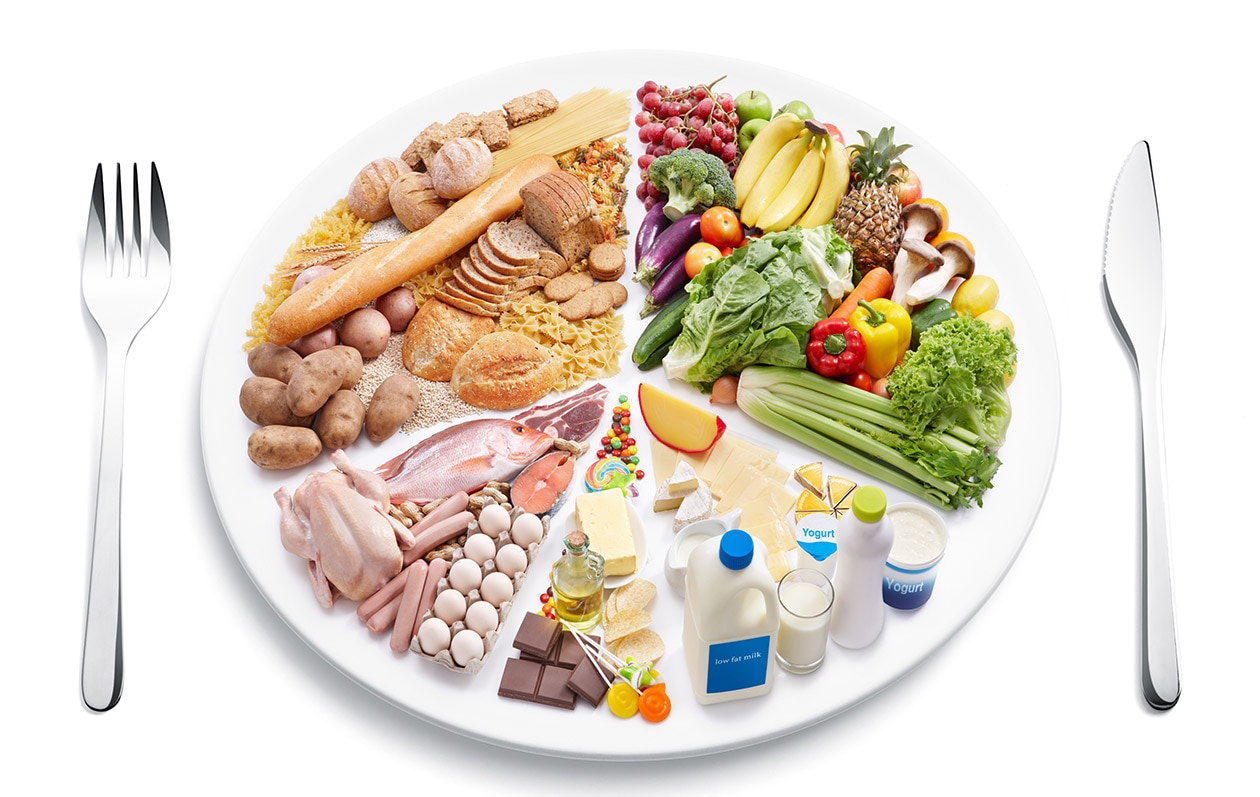
1) Balanced Plate Composition at Every Meal
The type 2 diabetes reversal diet guide recommends building each meal around a predictable macronutrient structure to prevent glucose spikes and maintain steady energy. A practical framework is half the plate non-starchy vegetables, one quarter lean protein, and one quarter high-fiber carbohydrates, with a small portion of healthy fats added.
This composition slows digestion and stabilizes post-meal blood sugar. Vegetables provide fiber and micronutrients, protein supports muscle glucose uptake, and controlled carbohydrates supply sustained fuel. Healthy fats extend satiety and improve hormonal signaling.
Repeating this structure daily trains the body to expect steady nutrient delivery instead of metabolic overload. Over time, consistent plate balance improves insulin efficiency and reduces erratic hunger patterns.
2) Structured Meal Timing and Spacing
Meal timing is as important as food choice in metabolic recovery. The guide recommends eating at consistent intervals typically three main meals with one optional protein-rich snack to avoid prolonged fasting followed by overeating. Regular spacing helps maintain predictable insulin rhythms and prevents extreme glucose swings.
Skipping meals can increase stress hormones that worsen insulin resistance, while constant grazing keeps insulin elevated. A structured schedule allows the body to cycle between feeding and recovery states efficiently. Evening meals are lighter and lower in refined carbohydrates to protect overnight glucose stability.
Predictable timing retrains circadian metabolic patterns, improving hormonal balance and supporting more stable blood sugar control throughout the day.
3) Fiber-First Eating Strategy
The guide emphasizes starting meals with fiber-rich foods to blunt glucose absorption. Eating vegetables or a salad before carbohydrates slows gastric emptying and reduces post-meal spikes. Fiber forms a physical barrier in the digestive tract that moderates sugar release into the bloodstream.
This strategy is simple but powerful; it changes the metabolic response without eliminating carbohydrates. Soluble fiber from legumes, oats, seeds, and vegetables also nourishes gut bacteria that influence insulin sensitivity. Over time, a fiber-first habit improves digestive efficiency and glucose tolerance.
This framework encourages mindful meal sequencing rather than restriction, allowing people to enjoy balanced meals while maintaining metabolic stability and reducing insulin stress.
4) Protein Anchoring for Satiety and Control
Each meal in the type 2 diabetes reversal diet guide is anchored by a reliable protein source to stabilize appetite and glucose response. Protein slows carbohydrate digestion and lowers the insulin demand triggered by meals. Including eggs, fish, poultry, tofu, beans, or yogurt ensures sustained fullness and prevents energy crashes that drive cravings.
Protein also preserves lean muscle, which improves long-term glucose uptake. Anchoring meals with protein reduces the urge for frequent snacking and helps maintain caloric balance without strict counting. This steady nutrient delivery supports hormonal regulation and appetite control.
Over time, consistent protein intake reinforces metabolic resilience and helps the body maintain predictable blood sugar patterns.
How long does metabolic recovery take when following a diabetes-focused nutrition plan?

1) Early Metabolic Changes (First 2–4 Weeks)
In the first few weeks of following a diabetes-focused nutrition plan, the body begins adjusting to more stable blood sugar input. Many people notice fewer glucose spikes, improved energy, and reduced cravings as insulin demand drops. The liver starts releasing less stored glucose, and inflammation begins to decrease.
These early adaptations don’t mean diabetes is reversed yet, but they signal that metabolic stress is easing. Consistency during this phase is critical because the body is relearning how to process nutrients efficiently. Small improvements in fasting glucose and appetite control often appear first, laying the groundwork for deeper recovery.
2) Measurable Insulin Sensitivity Improvements (1–3 Months)
Between one and three months, sustained dietary structure can produce measurable metabolic improvements. Insulin receptors become more responsive, allowing cells to absorb glucose with less hormonal effort. Many individuals see better HbA1c trends, improved fasting glucose, and gradual weight reduction, particularly around the abdomen.
Muscle tissue becomes more active in glucose storage, while visceral fat decreases, a key driver of insulin resistance. Energy levels stabilize as the body shifts away from constant glucose overload.
This period reflects true metabolic retraining rather than temporary symptom control. Progress varies by individual, but consistent nutrition strongly influences the speed of improvement.
3) Deeper Metabolic Repair (3–6 Months)
After several months of consistent eating patterns, deeper biological repair begins. Inflammation drops further, liver fat may decrease, and pancreatic stress is reduced. Hormonal rhythms become more predictable, supporting long-term insulin efficiency.
At this stage, many people experience sustained blood sugar stability and reduced reliance on extreme dietary vigilance. The body becomes metabolically flexible, able to handle carbohydrates without exaggerated spikes. This phase represents structural metabolic healing rather than surface-level changes.
Habits formed here are crucial for maintaining progress. Continued adherence strengthens the body’s natural regulatory systems and lowers the likelihood of relapse into insulin resistance.
4) Long-Term Metabolic Maintenance (6–12 Months and Beyond)
Long-term recovery focuses on maintaining gains rather than chasing rapid change. By six months to a year, consistent nutrition can solidify new metabolic patterns. Blood sugar control becomes more predictable, and healthy eating shifts from effortful to automatic.
The body operates with improved insulin efficiency, lower inflammation, and better energy regulation. This phase is about sustainability: reinforcing habits that protect metabolic health for life.
Recovery is not a single endpoint but an ongoing process. Continued adherence to the framework helps prevent regression and supports overall cardiovascular and endocrine health, extending benefits beyond diabetes management alone.
What scientific principles support the type 2 diabetes reversal diet guide?

1) Glycemic Load and Blood Sugar Regulation
One core scientific principle behind the type 2 diabetes reversal diet guide is glycemic load, a measure of how quickly foods raise blood glucose. High-glycemic foods trigger rapid insulin release, which over time contributes to insulin resistance. The guide prioritizes low-glycemic, fiber-rich carbohydrates that release glucose gradually.
This stabilizes post-meal blood sugar and reduces pancreatic stress. Scientific research shows that controlled glycemic exposure improves insulin receptor sensitivity and lowers long-term glucose markers like HbA1c. By managing both carbohydrate quality and quantity, the diet reduces metabolic volatility.
Stable glucose input allows the endocrine system to recover from chronic overstimulation, supporting more efficient hormonal signaling and restoring the body’s natural regulatory balance.
2) Insulin Sensitivity and Cellular Signaling
At a cellular level, insulin sensitivity depends on how effectively receptors respond to hormonal signals. Chronic overnutrition and inflammation interfere with these pathways. The type 2 diabetes reversal diet guide supports receptor repair by reducing excessive insulin demand and supplying nutrients required for cellular energy metabolism.
Magnesium, omega-3 fats, antioxidants, and amino acids play documented roles in improving insulin signaling. Balanced macronutrient intake prevents repeated metabolic overload that damages receptor function. Scientific models show that when insulin exposure decreases and inflammation drops, cells regain responsiveness.
This improves glucose transport into muscle and liver tissue. The diet therefore works not by eliminating glucose, but by restoring the biological communication system that governs how the body uses it.
3) Inflammation and Metabolic Stress Reduction
Chronic low-grade inflammation is now recognized as a central driver of insulin resistance. Inflammatory molecules block insulin receptors and impair glucose transport. The diet guide is grounded in anti-inflammatory nutrition science, emphasizing whole foods rich in phytonutrients and healthy fats while minimizing ultra-processed ingredients.
Antioxidants neutralize oxidative stress that damages metabolic tissues, including pancreatic beta cells. Research links dietary patterns high in vegetables, fiber, and unsaturated fats with reduced inflammatory markers such as CRP. Lower inflammation allows insulin pathways to function normally again.
By calming immune overactivation, the diet shifts the body from a stress state to a repair state. This environment supports long-term metabolic recovery and protects organs involved in glucose regulation.
4) Energy Balance and Visceral Fat Biology
Another supporting principle is the relationship between visceral fat and hormonal dysfunction. Fat stored around abdominal organs releases inflammatory hormones that directly worsen insulin resistance. The type 2 diabetes reversal diet guide promotes sustainable energy balance through satiety-focused eating rather than aggressive calorie restriction.
High-fiber foods, protein, and healthy fats regulate hunger hormones like leptin and ghrelin, encouraging gradual fat loss. Scientific evidence shows even modest visceral fat reduction significantly improves insulin sensitivity. As internal fat decreases, inflammatory signaling drops and liver function improves.
This restores metabolic flexibility, the body’s ability to switch between fuel sources efficiently. The diet therefore addresses a root biological driver of diabetes, not just surface glucose levels.
Understanding the science is powerful but real transformation happens when knowledge is paired with structured guidance and daily accountability. Many readers find that applying a diabetes-focused nutrition strategy becomes easier with expert support, personalized planning, and a clear roadmap.
That’s where the HealthyWayFit program bridges the gap between information and action. It translates these metabolic principles into step-by-step coaching, meal frameworks, and habit systems designed for real life.
Instead of navigating recovery alone, the program provides a supportive structure that helps turn consistent healthy choices into lasting metabolic change, making sustainable progress more achievable and less overwhelming.
HealthyWayFit — India’s Most Personal Diabetes Reversal Program

You’re told to “eat less,” “exercise more,” or “try another pill.” Yet your sugars remain stubborn, energy crashes continue, and every lab report feels like another warning. What’s missing isn’t willpower — it’s the right system.
That’s where HealthyWayFit comes in.
We are not another app, crash diet, or one-size-fits-all chart. HealthyWayFit is a 12-month, end-to-end Type 2 Diabetes Reversal Program designed exclusively for Indian professionals who want results that fit their lifestyle.
Over the past few years, our team has helped hundreds of Indians lower HbA1c, reduce medicine dependency, and—in many cases—achieve complete reversal of Type 2 diabetes.
Our tone is simple: empathetic, therapeutic, and committed. We listen first, design second, and support you every step of the way.
1) What Makes HealthyWayFit Different?
1. Personalized Nutrition You Can Actually Follow No fad superfoods or unrealistic smoothie charts. We use your ghar ka khana—dal, roti, rice, idli, dosa, paneer, sabzi—and align it with blood sugar control. No separate cooking, no family pressure. A plan that works whether you’re 35 or 85.
2. Metabolic Exercise for Type 2 Diabetes Control Our short, 15–20 minute metabolic routines target big muscle groups (legs, shoulders, glutes) and can lower sugar readings by 50–100 points. No gym, no equipment, just science-backed movements you can do at home.
3. Stress & Sleep Mastery Stress raises cortisol, which raises sugar. We equip you with practical tools—one-minute breathing practices, sleep optimization, and micro-habits—to keep your blood sugar stable, even on your busiest days.
4. Doctor-Led, Holistic Care Every client is guided by a Senior MD Diabetologist ensuring medical safety, while lifestyle coaches design food, exercise, and habit strategies. This unique blend of medical expertise and daily support is why our clients see true reversal.
5. Relentless Support & Accountability From weekly coaching calls and daily check-ins to festival, travel, and dining-out guides, we make sure your reversal journey adapts to real life, not the other way around.
2) What Results Can You Expect?
Most clients notice changes within 20–60 days: better energy, lighter mornings, and lower sugar readings. Over the year, we focus on long-term stabilization, so results are not just quick but sustainable for years to come.
3) Is HealthyWayFit Right for You?
If you’re a working professional or entrepreneur living with Type 2 diabetes, and can dedicate just 15–30 minutes daily, HealthyWayFit is built for you. This isn’t a crash course. It’s a life-changing reversal system personalized to your food, family, and lifestyle.
4) Take the Next Step
Your journey starts with a personal consultation where we understand your health history, challenges, and lifestyle. If we’re aligned, we’ll design a custom Type 2 Diabetes Reversal Plan built just for you.
Explore more at: healthywayfit Book your consultation here: calendly
Move beyond “managing” diabetes. With HealthyWayFit, you can reverse Type 2 diabetes—safely, sustainably, and with support at every step.
Frequently Asked Questions(FAQs)

1) How does this diet guide balance carbohydrates without causing glucose spikes?
The guide emphasizes controlled carbohydrate quality rather than elimination. It prioritizes low-glycemic, fiber-rich carbs like legumes, vegetables, and whole grains that slow digestion and glucose absorption.
Pairing carbs with protein, healthy fats, and fiber stabilizes post-meal blood sugar. Portion awareness and sequencing, eating fiber and protein first further reduce spikes. This balanced strategy supports steady energy, prevents sharp insulin surges, and retrains metabolic flexibility over time.
2) What role does meal timing play in reversing insulin resistance?
Consistent meal timing improves insulin sensitivity by aligning eating patterns with circadian rhythms. Structured spacing between meals prevents constant insulin release, allowing the body to reset. Avoiding late-night eating reduces overnight glucose load and improves fasting blood sugar.
Predictable timing also stabilizes hunger hormones, reducing cravings. Over time, this rhythm trains the body to process nutrients efficiently, which supports gradual reversal of insulin resistance and metabolic recovery.
3) How can beginners implement the type 2 diabetes reversal diet guide step by step?
Beginners should start with simple swaps: replace refined carbs with whole foods, add protein to every meal, and increase vegetable intake. Next, establish regular meal timing and portion awareness. Focus on hydration and reduce sugary beverages.
Track meals to identify patterns without obsessing over perfection. Gradual habit stacking, one change per week builds confidence. This stepwise approach prevents overwhelm and creates sustainable metabolic improvements that compound over time.
4) What metabolic markers improve when following a structured reversal diet?
A structured reversal diet improves fasting glucose, HbA1c, insulin levels, and triglycerides. Many people also see better HDL cholesterol, reduced inflammation markers, and improved waist circumference.
Stable blood sugar reduces oxidative stress, protecting vascular health. As insulin sensitivity improves, energy metabolism becomes more efficient. These measurable shifts indicate the body is moving away from metabolic dysfunction toward resilience, which lowers long-term diabetes and cardiovascular risk.
5) How does this guide promote sustainable eating instead of restrictive dieting?
The guide focuses on inclusion, not deprivation. It teaches flexible food frameworks instead of rigid rules, encouraging balanced plates rather than banned foods.
By stabilizing appetite and energy, it reduces emotional eating cycles. Sustainability comes from realistic portions, enjoyable meals, and adaptable planning for social life. This mindset shift transforms eating into a supportive lifestyle practice, making long-term adherence easier than short-term restrictive dieting.
Conclusion
The type 2 diabetes reversal diet guide reframes nutrition as a long-term metabolic strategy, not a temporary fix. By focusing on food quality, meal structure, and sustainable habits, it creates an internal environment where insulin sensitivity can gradually improve.
Stable blood sugar, reduced inflammation, and better energy regulation are not achieved through restriction, but through consistent, informed eating patterns that support the body’s natural repair systems. Over time, these daily choices compound into measurable metabolic recovery.
The real power of this guide lies in its practicality: it fits into real life while aligning with modern metabolic science. With structured support, such as programs like HealthyWayFit, readers can translate knowledge into action more easily.
Ultimately, recovery is a journey of steady progress. When nutrition becomes intentional and repeatable, the body responds with resilience, balance, and renewed metabolic health.


