
.svg)
Type 1 diabetes reversal is a phrase that attracts growing attention online, but it is also widely misunderstood. Unlike type 2 diabetes, type 1 diabetes is an autoimmune condition in which the body permanently stops producing insulin. Current medical science does not support a complete biological reversal of type 1 diabetes.
However, many people use the term type 1 diabetes reversal to describe improved blood sugar control, reduced insulin needs, extended honeymoon phases, or better long-term metabolic stability through advanced management strategies.
The real risk is not misunderstanding the science alone, it’s following misleading advice that can destabilize blood glucose and harm long-term health.
Many individuals searching for type 1 diabetes reversal unknowingly adopt practices that interfere with insulin therapy, ignore autoimmune realities, or rely on unproven methods that promise unrealistic outcomes. These mistakes can lead to blood sugar volatility, increased complications risk, and emotional burnout.
Understanding the common mistakes that prevent safe and effective type 1 diabetes management is critical. Evidence-based strategies including precision insulin use, structured nutrition, continuous glucose monitoring, and lifestyle optimization can dramatically improve glycemic control and quality of life.
While true reversal is not currently possible, optimal management can help people with type 1 diabetes achieve near-normal blood sugar ranges, protect organ health, and extend longevity.
This guide explores the 7 common mistakes that prevent type 1 diabetes reversal, clarifies what science actually supports, and outlines practical, research-backed approaches to avoid these pitfalls. The goal is not false hope — it is empowerment through accurate information, smarter decision-making, and sustainable blood sugar control.
What are the most common mistakes that prevent type 1 diabetes reversal?
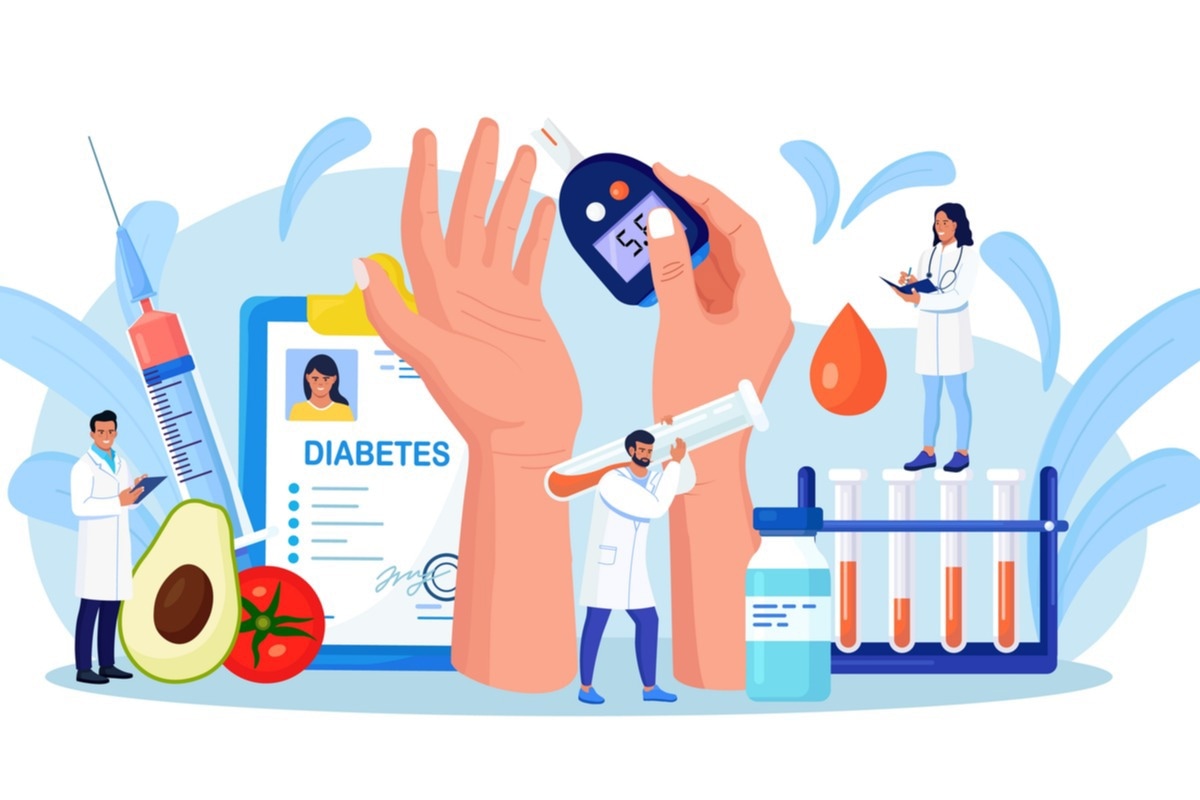
1. Chasing “Cure” Claims Instead of Evidence-Based Care
Many people searching for type 1 diabetes reversal are drawn to online cure claims that promise insulin independence through supplements, extreme diets, or detox programs. These approaches often encourage reducing or stopping insulin the only life-saving therapy for type 1 diabetes.
Delaying proper treatment destabilizes blood sugar and increases the risk of diabetic ketoacidosis. Instead of miracle solutions, consistent medical management supports safer long-term outcomes and better glucose stability.
- Following unverified social media advice
- Stopping or reducing insulin without medical supervision
- Spending money on unproven supplements
- Ignoring endocrinologist guidance
- Expecting permanent reversal instead of management
2. Poor Insulin Timing and Dosing Habits
Insulin management is highly precise, and small mistakes can lead to large glucose swings. Skipping boluses, guessing carbohydrate counts, or mistiming injections prevents stable control that some interpret as “failed reversal.” Optimal insulin therapy mimics natural pancreatic function as closely as possible.
When dosing is inconsistent, blood sugar variability increases inflammation and long-term complication risk. Structured insulin education is one of the strongest predictors of success in advanced type 1 diabetes care.
- Injecting insulin too late after meals
- Estimating carbs instead of measuring
- Avoiding dose adjustments
- Fear of hypoglycemia causing under-dosing
- Inconsistent daily routines
3. Ignoring Continuous Glucose Data
Modern diabetes technology provides powerful insight into blood sugar trends, yet many people underuse continuous glucose monitors (CGMs) or fail to analyze their data. Without pattern tracking, it’s difficult to improve time-in-range or identify triggers. Effective type 1 diabetes management relies on proactive decision-making based on data, not guesswork.
Treating numbers as feedback not judgment allows smarter insulin strategies and lifestyle adjustments that improve long-term metabolic stability.
- Not reviewing glucose trend reports
- Reacting emotionally instead of analytically
- Ignoring nighttime glucose patterns
- Overcorrecting highs and lows
- Failing to share data with healthcare providers
4. Over-Restrictive or Extreme Dieting
Extreme low-carb, fasting, or elimination diets are often marketed as ways to reverse type 1 diabetes. While nutrition plays a role in blood sugar control, overly restrictive eating can increase stress hormones, trigger binge cycles, and worsen glucose variability. Sustainable nutrition supports insulin matching not insulin avoidance.
A balanced diet helps maintain energy, muscle health, and hormonal stability, all of which influence glucose control more than short-term dietary extremes.
- Eliminating entire food groups unnecessarily
- Fear-based eating patterns
- Chronic undereating
- Following influencer diet trends
- Ignoring personal metabolic responses
5. Neglecting Stress and Sleep Management
Stress and sleep deprivation significantly raise blood sugar through cortisol and adrenaline release. Many people focus only on food and insulin while overlooking hormonal factors that influence glucose control.
Chronic stress can mimic insulin resistance, making management harder and creating the illusion that strategies aren’t working. Improving sleep quality and nervous system regulation can stabilize blood sugar as effectively as medication adjustments in some individuals.
- Sleeping fewer than 6–7 hours nightly
- High daily psychological stress
- Lack of recovery time
- Irregular sleep schedules
- Excess caffeine late in the day
6. Avoiding Physical Activity or Overtraining
Movement improves insulin sensitivity, circulation, and metabolic flexibility. However, both inactivity and excessive high-intensity training can destabilize glucose. Balanced exercise supports better insulin efficiency without causing repeated hypoglycemia or stress hormone spikes.
A personalized activity plan not random workouts leads to more predictable glucose responses and improved time-in-range.
- Sedentary lifestyle habits
- Exercising without glucose planning
- Overtraining without recovery
- Ignoring hydration
- Fear of exercise-induced lows
7. Lack of Ongoing Diabetes Education
Type 1 diabetes management evolves as technology and research advance. People who stop learning often rely on outdated practices that limit progress. Education improves confidence, reduces burnout, and enhances problem-solving. Continuous learning transforms diabetes care from reactive crisis management into proactive optimization.
- Not attending diabetes education programs
- Avoiding follow-up appointments
- Relying on old insulin strategies
- Ignoring new technology options
- Feeling embarrassed to ask questions
How can I avoid mistakes that stop type 1 diabetes reversal?

1. Prioritize Evidence-Based Treatment Over “Cure” Narratives
Avoiding mistakes starts with accepting the medical reality of type 1 diabetes. When people chase reversal promises, they often drift away from safe insulin therapy and structured care. The strongest protection is committing to evidence-based management guided by an endocrinologist.
Insulin is not a failure it is the replacement for a hormone your body cannot produce. The most successful long-term outcomes come from people who combine modern insulin strategies, glucose monitoring, and realistic expectations. Instead of searching for shortcuts, focus on optimizing what science already proves works.
This mindset reduces emotional burnout and protects you from risky experimentation. Reliable information sources, diabetes educators, and peer-reviewed research help filter out misleading advice. The goal is not abandoning hope; it’s building control through methods that support safety, consistency, and metabolic stability over decades.
2. Build Precision Around Insulin and Nutrition
Avoiding management mistakes requires treating insulin and food as a coordinated system rather than separate tasks. Precision improves outcomes. Learn accurate carbohydrate counting, understand insulin-to-carb ratios, and track how different meals affect your glucose patterns.
Nutrition should support predictable dosing not eliminate insulin or create fear around eating. Balanced meals with fiber, protein, and healthy fats slow glucose spikes and make insulin timing easier. Instead of extreme dieting, aim for repeatable routines that reduce guesswork.
Small daily consistency matters more than dramatic changes. Logging meals and glucose responses can reveal patterns that guide smarter adjustments. Over time, this approach increases time-in-range and reduces frustration. Think of food and insulin as data-driven tools you refine continuously. Mastery comes from observation, adjustment, and patience not perfection.
3. Use Glucose Data as Feedback, Not Judgment
Continuous glucose monitoring and pattern tracking are powerful only when used objectively. Many people react emotionally to numbers, which leads to overcorrection and unstable swings. Avoid mistakes by treating glucose data as neutral information. Every high or low is feedback about timing, dosing, stress, or activity not a personal failure.
Review weekly patterns instead of obsessing over single readings. Focus on trends such as morning spikes, post-meal responses, or nighttime drops. This mindset encourages calm decision-making and smarter problem solving. Sharing data with healthcare providers strengthens adjustments and prevents blind spots.
The goal is progress, not perfect numbers. When glucose data becomes a learning tool instead of a source of guilt, management improves naturally and sustainably.
4. Support Hormones Through Sleep, Stress Control, and Movement
Blood sugar is heavily influenced by hormones beyond insulin. Chronic stress, sleep deprivation, and sedentary habits raise cortisol and adrenaline, making glucose harder to manage. Avoid mistakes by protecting recovery as seriously as you manage meals.
Consistent sleep schedules, moderate exercise, and stress regulation stabilize the nervous system and improve insulin efficiency. Even small lifestyle shifts walking after meals, strength training, breathing exercises, or limiting late-night screen exposure can reduce glucose variability. Balance is key.
Overtraining or extreme routines can be just as disruptive as inactivity. A stable daily rhythm supports predictable blood sugar patterns. Think of lifestyle habits as metabolic infrastructure: the stronger the foundation, the easier insulin therapy works.
5. Commit to Ongoing Education and Adaptive Learning
Type 1 diabetes management evolves with technology and research. Avoid stagnation by staying engaged in learning. Diabetes education programs, updated clinical guidelines, and new tools such as hybrid closed-loop pumps can significantly improve quality of life.
People who actively learn tend to experience less burnout because they feel in control rather than reactive. Regular follow-ups with healthcare teams allow proactive adjustments before problems escalate. Education also builds confidence in handling illness, travel, exercise, and unexpected glucose changes.
Curiosity is protective. The more you understand your body and your tools, the fewer preventable mistakes occur. Long-term success is not about rigid rules it’s about adaptive skills that grow with your life.
Which habits hinder type 1 diabetes reversal and how can I fix them?

1. Relying on Guesswork Instead of Structured Insulin Habits
A major obstacle to stable blood sugar is treating insulin casually instead of systematically. Guessing carb counts, skipping corrections, or injecting late turns diabetes into constant crisis management. This creates unpredictable highs and lows that feel like failure. Fixing this habit requires building routine and precision.
Measure portions, pre-bolus when appropriate, and track insulin responses to common meals. Over time, patterns emerge that make dosing easier and less stressful. Think of insulin as a calibrated tool, not an emergency fix.
Structure reduces anxiety and increases confidence. Consistency not perfection is what improves time-in-range. When insulin habits become predictable, glucose becomes more predictable too.
2. Emotional Reactions to Glucose Numbers
Treating glucose readings as personal judgments leads to panic corrections and burnout. Many people swing between overcorrecting highs and fearing lows, which worsens variability. Numbers are data, not grades. The fix is shifting to a neutral, analytical mindset. Look for patterns across days instead of reacting to single readings.
Ask what influenced the number: food timing, stress, sleep, activity, or insulin delay. This curiosity replaces blame with problem-solving. Emotional detachment doesn’t mean ignoring glucose, it means using it strategically. Calm decisions produce smoother control than rushed ones.
The goal is steady progress, not perfect graphs. When numbers become feedback instead of fear, management becomes sustainable.
3. Extreme Dieting Instead of Sustainable Nutrition
Overly restrictive diets often promise diabetes “reversal,” but extremes usually backfire. Severe carb restriction, fasting, or fear-based eating increases stress hormones and creates unstable energy levels. This makes insulin harder to match, not easier. The fix is adopting repeatable, balanced meals that support predictable dosing.
Include protein, fiber, and healthy fats to slow absorption and reduce spikes. You don’t need to eliminate foods you need to understand how they affect you. Sustainable eating protects mental health as much as physical health. Long-term success comes from patterns you can maintain for years. Stability beats intensity every time when managing type 1 diabetes.
4. Ignoring Sleep, Stress, and Recovery
Many people focus only on food and insulin while ignoring hormones that drive glucose. Poor sleep and chronic stress raise cortisol, which increases blood sugar even with perfect dosing. The fix is treating recovery as part of diabetes care.
Aim for consistent sleep, regular downtime, and stress regulation practices like walking, stretching, or breathing exercises. These habits improve insulin sensitivity and reduce unexplained highs.
Recovery is not laziness, it is metabolic maintenance. Small daily improvements in rest and stress control can stabilize glucose more than aggressive adjustments. A calm nervous system makes diabetes management easier and more predictable.
5. Stopping Education After Diagnosis
Type 1 diabetes tools and strategies evolve constantly. People who stop learning often rely on outdated habits that limit progress. The fix is committing to lifelong education. Regular check-ins with healthcare providers, diabetes classes, and new technology training can dramatically improve control.
Education reduces fear because you understand what’s happening and why. It also prevents small mistakes from becoming long-term patterns. Curiosity builds resilience.
The more informed you are, the more adaptable your management becomes. Diabetes is not static your knowledge shouldn’t be either. Ongoing learning turns management from reactive survival into confident optimization.
Can correcting lifestyle mistakes improve type 1 diabetes reversal outcomes?

1. Lifestyle Corrections Improve Insulin Efficiency
While insulin is essential in type 1 diabetes, lifestyle habits determine how effectively that insulin works. When sleep, nutrition, and movement are optimized, the body becomes more insulin sensitive, meaning smaller doses can achieve better control. This doesn’t replace insulin, but it enhances how the body responds to it.
Many people interpret this improvement as “reversal-like” progress because glucose becomes easier to manage and variability decreases. Lifestyle is not a cure it’s a powerful amplifier of medical therapy.
- Better insulin sensitivity reduces glucose spikes
- More predictable dosing improves time-in-range
- Lower inflammation supports metabolic stability
- Reduced stress hormones improve glucose response
- Fewer extreme highs and lows
2. Correcting Habits Stabilizes Hormones Beyond Insulin
Blood sugar is influenced by cortisol, adrenaline, growth hormone, and sleep hormones not just insulin. Chronic stress and poor recovery create hormonal chaos that raises glucose even with correct dosing. Fixing lifestyle mistakes restores hormonal balance, making diabetes management less reactive.
Many unexplained highs are actually stress-driven. When recovery improves, insulin starts working more predictably. This hormonal stability is one of the biggest hidden advantages of lifestyle correction.
- Sleep lowers cortisol and improves sensitivity
- Stress management prevents glucose surges
- Regular routines stabilize daily patterns
- Exercise improves hormonal balance
- Recovery reduces unpredictable highs
3. Consistent Habits Reduce Glucose Variability
One of the biggest risks in type 1 diabetes is glucose variability, not just high averages. Wild swings damage blood vessels more than steady numbers. Correcting lifestyle mistakes builds repeatable patterns, which makes insulin dosing more accurate.
Predictability is the secret advantage. When meals, activity, and sleep follow stable rhythms, glucose becomes easier to forecast and manage. This consistency is often mistaken for “reversal,” but it’s actually optimized control.
- Repeatable meals improve insulin matching
- Routine sleep stabilizes morning glucose
- Planned activity prevents sudden crashes
- Consistency reduces emergency corrections
- Predictable patterns build confidence
4. Lifestyle Improvements Reduce Long-Term Complication Risk
Even without reversal, the real goal is protecting organs, nerves, and blood vessels. Lifestyle corrections improve circulation, heart health, and inflammation markers that influence complication risk. People with strong daily habits often maintain near-normal glucose ranges for decades.
This dramatically improves quality of life and longevity. Good habits don’t just change numbers they change outcomes. Long-term success is measured in stability, not cure language.
- Improved cardiovascular health
- Lower inflammation markers
- Better kidney and nerve protection
- Enhanced energy and mental clarity
- Reduced burnout and fatigue
5. Healthy Habits Strengthen Mental Resilience
Diabetes management is psychological as much as biological. Burnout leads to skipped doses, avoidance, and inconsistent care. Correcting lifestyle mistakes builds resilience by supporting mental health. Exercise, sleep, and structured routines improve mood and decision-making.
A stable mind supports stable glucose. Many people underestimate how emotional fatigue worsens management. Strong habits protect motivation and consistency, which are essential for long-term success.
- Reduced diabetes burnout
- Improved mood stability
- Better focus and decision-making
- Increased confidence in self-care
- Stronger long-term adherence
What practical strategies support type 1 diabetes reversal?
1. Optimize Insulin Therapy With Structured Precision
The strongest practical strategy is mastering insulin use as a daily system rather than reacting to numbers in crisis mode. Precision creates stability. Work toward consistent carb counting, appropriate pre-bolus timing, and regular dose adjustments with your healthcare provider.
Modern tools like insulin pumps and hybrid closed-loop systems can dramatically increase time-in-range when used intentionally. Instead of chasing perfect readings, aim for predictable patterns. Logging meals, activity, and insulin responses helps identify repeatable trends.
This turns management into a learning cycle instead of guesswork. Small refinements accumulate into major improvements over time. Think of insulin as a finely tuned instrument that improves with calibration. Structured insulin strategy doesn’t remove diabetes, but it can produce near-normal glucose control that feels transformative in daily life.
2. Build Repeatable Nutrition Patterns That Support Predictability
The goal of nutrition in type 1 diabetes is not restriction it is predictability. Meals that are balanced and repeatable make insulin matching easier and reduce stress. Include fiber, protein, and healthy fats to slow glucose absorption and prevent sharp spikes. You don’t need to eliminate carbohydrates; you need to understand how your body responds to them.
Eating at consistent times and using familiar meal templates reduces variability. Overly complex diets often increase burnout and instability. Sustainable nutrition is about rhythm, not perfection. When food becomes predictable, glucose becomes predictable.
This allows insulin therapy to work more efficiently and reduces emotional fatigue. Practical eating strategies should support energy, mental clarity, and long-term adherence rather than short-lived extremes.
3. Use Continuous Glucose Feedback to Guide Decisions
Continuous glucose monitoring is one of the most powerful tools available, but its value comes from interpretation, not just wearing the device. The strategy is to review patterns weekly instead of reacting emotionally to single readings. Look for trends in mornings, post-meal spikes, or overnight dips.
Treat the data as feedback that guides small adjustments. Share reports with your healthcare provider to refine dosing safely. When glucose numbers become neutral information rather than judgment, decision-making improves. Over time, you develop intuition about how sleep, stress, food, and activity influence your body.
This feedback loop builds confidence and reduces fear. The practical advantage is smoother control, fewer emergencies, and a stronger intuition for managing daily variability.
4. Strengthen Lifestyle Foundations That Improve Insulin Sensitivity
Sleep, stress regulation, and movement directly influence glucose stability. A body under chronic stress releases cortisol and adrenaline, which raise blood sugar even with correct insulin dosing. Practical strategies include consistent sleep schedules, daily light movement like walking, and moderate strength training to improve insulin efficiency.
Stress reduction practices breathing exercises, stretching, or quiet downtime calm the nervous system and stabilize hormones. These habits act as hidden glucose regulators. They don’t replace insulin, but they reduce resistance and variability. Even small improvements compound over time.
Think of lifestyle as the foundation that supports every medical strategy. When the foundation is strong, insulin works more predictably and management feels less exhausting.
5. Commit to Lifelong Learning and Adaptive Management
Type 1 diabetes management evolves as technology and research advance. A practical long-term strategy is staying engaged in education. Attend follow-ups, explore new tools, and refresh your skills regularly. Education prevents outdated habits from limiting progress.
It also reduces fear because you understand what’s happening inside your body. People who actively learn tend to feel more in control and less burned out. Adaptive management means adjusting strategies as life changes work, travel, illness, aging, and exercise all require flexibility.
Diabetes is dynamic, not static. Curiosity is protective. The more informed you are, the more confident and resilient your management becomes. Knowledge turns uncertainty into strategy.
If you’re ready to move from theory into structured action, the next step is guided support. Managing type 1 diabetes at a high level isn’t just about knowing what to do, it’s about having a system that helps you apply the right habits consistently.
A program like HealthyWayFit can serve as that bridge between information and daily execution, offering structured routines, accountability, and practical lifestyle coaching that aligns with evidence-based diabetes management.
Instead of navigating changes alone, readers can benefit from a framework designed to simplify decisions, reinforce healthy patterns, and support long-term stability. Sustainable progress comes from consistent guidance, and the right environment can make advanced diabetes management feel achievable rather than overwhelming.
HealthyWayFit — India’s Most Personal Diabetes Reversal Program
You’re told to “eat less,” “exercise more,” or “try another pill.” Yet your sugars remain stubborn, energy crashes continue, and every lab report feels like another warning. What’s missing isn’t willpower — it’s the right system.
That’s where HealthyWayFit comes in.
We are not another app, crash diet, or one-size-fits-all chart. HealthyWayFit is a 12-month, end-to-end Type 2 Diabetes Reversal Program designed exclusively for Indian professionals who want results that fit their lifestyle.
Over the past few years, our team has helped hundreds of Indians lower HbA1c, reduce medicine dependency, and—in many cases—achieve complete reversal of Type 2 diabetes.
Our tone is simple: empathetic, therapeutic, and committed. We listen first, design second, and support you every step of the way.
1) What Makes HealthyWayFit Different?
1. Personalized Nutrition You Can Actually Follow No fad superfoods or unrealistic smoothie charts. We use your ghar ka khana—dal, roti, rice, idli, dosa, paneer, sabzi—and align it with blood sugar control. No separate cooking, no family pressure. A plan that works whether you’re 35 or 85.
2. Metabolic Exercise for Type 2 Diabetes Control Our short, 15–20 minute metabolic routines target big muscle groups (legs, shoulders, glutes) and can lower sugar readings by 50–100 points. No gym, no equipment, just science-backed movements you can do at home.
3. Stress & Sleep Mastery Stress raises cortisol, which raises sugar. We equip you with practical tools—one-minute breathing practices, sleep optimization, and micro-habits—to keep your blood sugar stable, even on your busiest days.
4. Doctor-Led, Holistic Care Every client is guided by a Senior MD Diabetologist ensuring medical safety, while lifestyle coaches design food, exercise, and habit strategies. This unique blend of medical expertise and daily support is why our clients see true reversal.
5. Relentless Support & Accountability From weekly coaching calls and daily check-ins to festival, travel, and dining-out guides, we make sure your reversal journey adapts to real life, not the other way around.
2) What Results Can You Expect?
Most clients notice changes within 20–60 days: better energy, lighter mornings, and lower sugar readings. Over the year, we focus on long-term stabilization, so results are not just quick but sustainable for years to come.
3) Is HealthyWayFit Right for You?
If you’re a working professional or entrepreneur living with Type 2 diabetes, and can dedicate just 15–30 minutes daily, HealthyWayFit is built for you. This isn’t a crash course. It’s a life-changing reversal system personalized to your food, family, and lifestyle.
4) Take the Next Step
Your journey starts with a personal consultation where we understand your health history, challenges, and lifestyle. If we’re aligned, we’ll design a custom Type 2 Diabetes Reversal Plan built just for you.
Explore more at: healthywayfit Book your consultation here: calendly
Move beyond “managing” diabetes. With HealthyWayFit, you can reverse Type 2 diabetes—safely, sustainably, and with support at every step.
Frequently Asked Questions (FAQs)

1) How do diet and exercise mistakes affect type 1 diabetes reversal?
Diet and exercise mistakes increase glucose variability, making insulin harder to match and creating the illusion that strategies aren’t working. Extreme diets, inconsistent meals, or unplanned workouts trigger stress hormones that destabilize blood sugar.
Balanced nutrition and structured activity improve insulin sensitivity and predictability. The goal isn’t reversal it’s smoother control. Correcting mistakes reduces swings, improves time-in-range, and supports long-term metabolic stability.
2) Are there research-backed ways to prevent mistakes that block type 1 diabetes reversal?
Yes, research strongly supports structured insulin education, continuous glucose monitoring, consistent sleep, and moderate physical activity. Diabetes self-management education programs improve outcomes by teaching pattern recognition and dosing precision.
Evidence shows that predictable routines reduce variability more than aggressive experimentation. These strategies don’t reverse type 1 diabetes, but they prevent preventable instability and improve safety, confidence, and long-term health markers.
3) What errors do people often make when trying type 1 diabetes reversal naturally?
Common errors include stopping insulin, following extreme diets, trusting unverified online cures, and ignoring medical supervision. These actions increase risk rather than improve control. Many people underestimate how hormones like stress and sleep affect glucose.
The biggest mistake is chasing natural “reversal” instead of optimizing evidence-based management. Sustainable progress comes from precision, education, and balancenot shortcuts or miracle promises.
4) How long does it take to see results from avoiding mistakes in type 1 diabetes reversal?
Some improvements appear within days smoother glucose trends, fewer spikes, and better energy. Measurable changes like improved time-in-range often show within weeks. Long-term markers such as A1C typically reflect progress over 2–3 months.
The key is consistency. Avoiding mistakes builds momentum gradually. Management improves step by step, not overnight, but the cumulative effect can feel transformative.
5) Can avoiding these 7 mistakes make type 1 diabetes reversal more effective?
Avoiding mistakes doesn’t create reversal, but it dramatically improves management effectiveness. Better routines enhance insulin efficiency, reduce burnout, and stabilize glucose patterns.
Many people experience “reversal-like” control near-normal ranges and fewer emergencies when habits align with evidence-based care. The benefit isn’t curing diabetes; it’s maximizing health, safety, and quality of life through smarter daily decisions.
Conclusion
Type 1 diabetes reversal may not be medically possible today, but optimal management is absolutely achievable. The difference between struggle and stability often comes down to avoiding preventable mistakes and building repeatable, evidence-based habits.
Precision insulin use, sustainable nutrition, stress regulation, structured activity, and continuous education create a powerful foundation for long-term health. These strategies don’t promise miracles, they deliver control, confidence, and resilience.
When lifestyle, technology, and medical care work together, many people achieve near-normal glucose patterns that protect organs, extend longevity, and improve quality of life.
The real victory is not chasing a cure, but mastering a system that supports your body every day. With the right mindset, guidance, and consistency, type 1 diabetes management becomes less about survival and more about sustainable performance, empowerment, and living fully without fear.


