
.svg)
Type 2 diabetes is a condition that affects millions worldwide, making blood sugar management and overall health a daily challenge. But here’s the good news: with the right strategies, achieving reversal of type 2 diabetes is not only possible, it can be done in as little as 90 days.
This doesn’t mean quick fixes or fad diets — it means adopting evidence-based lifestyle changes that target the root causes of type 2 diabetes and support long-term health.
In this guide, we’ll walk you through 8 practical tips that are designed to help you control blood sugar naturally, improve insulin sensitivity, and maintain a healthy lifestyle.
From dietary adjustments and exercise routines to stress management and sleep optimization, these tips are backed by research and real-life success stories. Each step focuses on sustainable habits that can transform your health and make reversal of type 2 diabetes a realistic goal.
Whether you’re newly diagnosed or have been managing type 2 diabetes for years, understanding the right combination of nutrition, movement, and lifestyle changes is key to taking control of your health.
By implementing these tips consistently, you can reduce reliance on medication, improve energy levels, and experience measurable improvements in blood sugar levels.
By the end of this guide, you’ll have a clear, actionable roadmap to achieve reversal of type 2 diabetes in 90 days, empowering you to live a healthier, more vibrant life.
What evidence supports the possibility of reversing type 2 diabetes within 90 days?

Recent research and clinical studies suggest that reversal of type 2 diabetes is possible within a relatively short period, such as 90 days, when individuals adopt targeted dietary, lifestyle, and behavioral changes.
This is primarily achieved through interventions that reduce insulin resistance, improve blood sugar control, and support weight loss, which are key factors in the development and progression of type 2 diabetes.
Several evidence-based approaches have demonstrated measurable improvements in glycemic levels, sometimes allowing patients to significantly reduce or even stop diabetes medication under medical supervision.
Key Evidence and Supporting Strategies:
- Low-Calorie and Low-Carb Diets: Clinical studies have shown that calorie-restricted or low-carbohydrate diets can lead to rapid reductions in blood sugar levels and improve insulin sensitivity, helping to achieve early reversal of type 2 diabetes.
- Intermittent Fasting: Research indicates that intermittent fasting can promote weight loss, enhance insulin sensitivity, and reduce fasting blood glucose, contributing to diabetes reversal.
- Regular Physical Activity: Exercise, particularly a combination of aerobic and resistance training, improves glucose metabolism, reduces insulin resistance, and supports sustainable blood sugar management.
- Weight Loss: Studies consistently show that losing 5–10% of body weight can have a profound effect on glycemic control, sometimes leading to remission of type 2 diabetes within months.
- Medical Supervision and Structured Programs: Programs like the Diabetes Remission Clinical Trials (DiRECT) have documented successful reversal in a significant number of participants following structured dietary interventions and lifestyle modifications within 90 days.
- Behavioral and Lifestyle Changes: Stress management, adequate sleep, and avoiding processed foods also support blood sugar regulation and long-term reversal outcomes.
In conclusion, while reversal of type 2 diabetes in 90 days is not guaranteed for everyone, substantial evidence from clinical research shows that sustained dietary changes, physical activity, weight loss, and healthy lifestyle choices can make it a realistic and achievable goal.
What Are 8 Practical Tips to Achieve Reversal of Type 2 Diabetes in 90 Days?
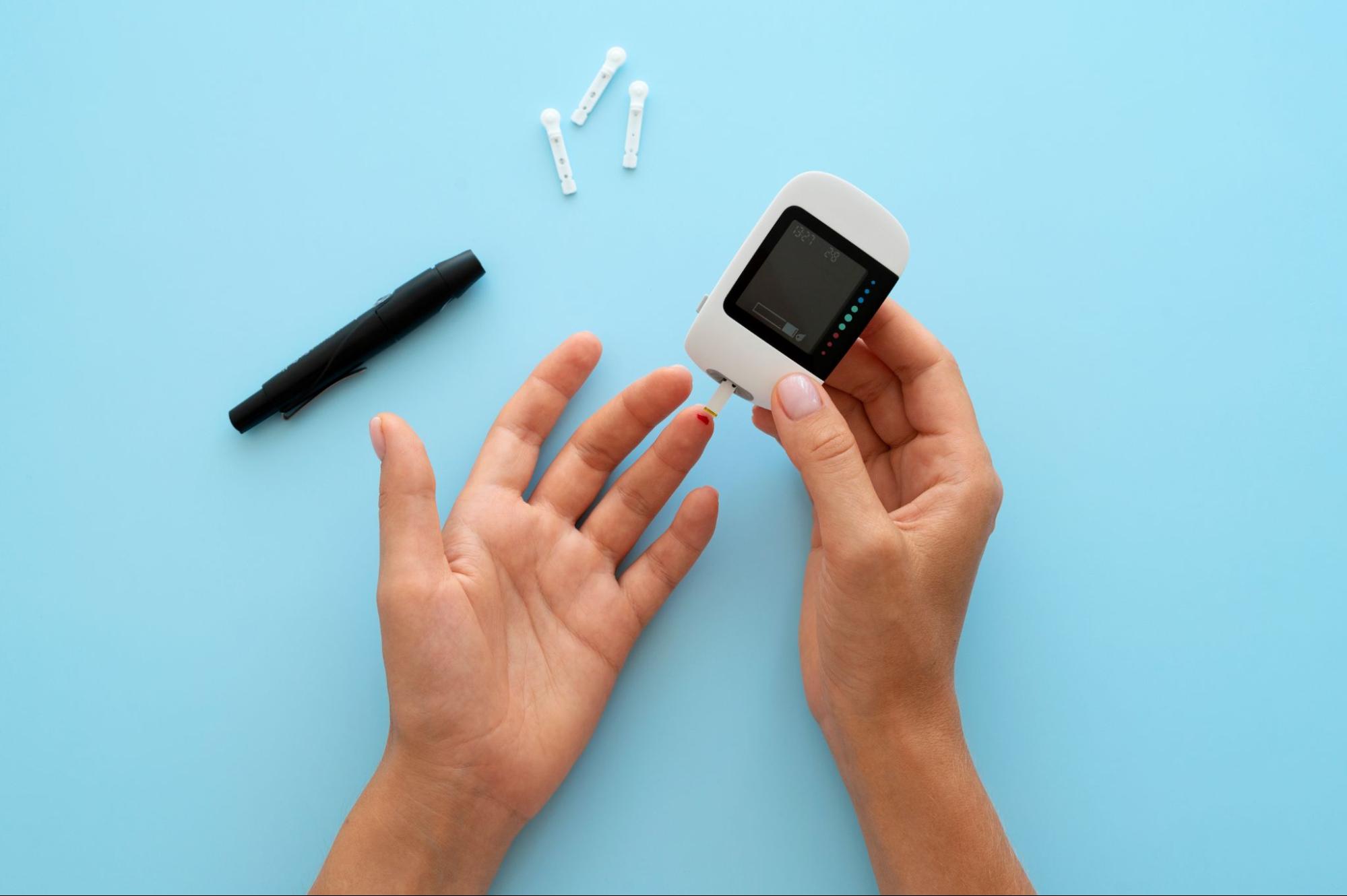
Achieving reversal of type 2 diabetes in 90 days is a realistic goal when you implement consistent, evidence-based strategies. These practical tips focus on blood sugar management, improving insulin sensitivity, and adopting a healthy lifestyle. Each tip is backed by research and can help you take control of your health naturally.
1. Follow a Low-Calorie, Balanced Diet
Diet is one of the most powerful tools for reversing type 2 diabetes. Reducing calorie intake, especially from processed foods and refined sugars, helps your body regulate blood sugar levels and promotes weight loss. Focus on:
- Whole foods like vegetables, lean proteins, and whole grains
- Healthy fats from avocados, nuts, and olive oil
- Avoiding sugary beverages, snacks, and ultra-processed foods Clinical studies show that structured low-calorie diets can significantly improve insulin sensitivity and support diabetes remission.
2. Incorporate Intermittent Fasting
- Intermittent fasting has been linked to rapid improvements in blood sugar control and insulin function. Methods like 16:8 (16 hours fasting, 8 hours eating) or alternate-day fasting can:
- Reduce overall calorie intake
- Promote fat loss, particularly visceral fat
- Improve glycemic control Research indicates that intermittent fasting can be a valuable tool for those aiming for reversal of type 2 diabetes within a short timeframe.
3. Engage in Regular Physical Activity
Exercise enhances glucose metabolism and improves insulin sensitivity, which are critical for blood sugar management. A combination of:
- Aerobic exercises like brisk walking, cycling, or swimming
- Resistance training like weight lifting or bodyweight exercises …can accelerate diabetes reversal. Aim for at least 150 minutes of moderate activity per week to maximize benefits.
4. Achieve Sustainable Weight Loss
Excess body fat, especially around the abdomen, contributes to insulin resistance, a major factor in type 2 diabetes. Losing just 5–10% of your body weight can:
- Improve glycemic control
- Reduce reliance on diabetes medications
- Support long-term reversal of type 2 diabetes Combining dietary adjustments with consistent exercise is the most effective approach to sustainable weight loss.
5. Monitor Blood Sugar Levels Regularly
Tracking your blood glucose helps you understand how your body responds to diet, exercise, and lifestyle changes. Effective monitoring allows you to:
- Identify foods and habits that spike blood sugar
- Adjust meal plans and activity for optimal results
- Stay motivated as you see measurable improvements Using home glucose meters or continuous glucose monitors can provide actionable insights for your diabetes reversal journey.
6. Prioritize Sleep and Stress Management
Poor sleep and chronic stress can elevate blood sugar levels and reduce insulin sensitivity. To support reversal efforts:
- Aim for 7–9 hours of quality sleep per night
- Practice stress-reduction techniques like meditation, yoga, or deep breathing
- Avoid late-night snacking, which can spike glucose Managing stress and sleep enhances your body’s natural ability to regulate blood sugar.
7. Stay Hydrated and Limit Sugary Beverages
Drinking water instead of sugary drinks reduces unnecessary sugar intake, supporting glycemic control. Tips include:
- Drinking 8–10 glasses of water per day
- Replacing sodas, fruit juices, and sweetened drinks with water, herbal teas, or black coffee
- Using natural flavorings like lemon or mint to make hydration enjoyable Proper hydration aids digestion, improves metabolism, and supports blood sugar management.
8. Follow Evidence-Based Medical Guidance
While lifestyle changes are crucial, working with a healthcare professional ensures safety and effectiveness. They can:
- Adjust medications as your blood sugar improves
- Recommend supplements if needed
- Provide structured programs like the DiRECT study protocols, which have shown successful type 2 diabetes reversal in 90 days Professional guidance ensures that your approach to diabetes reversal is both safe and effective.
How do dietary changes contribute to rapid improvements in blood sugar control?

Diet is one of the most powerful tools for achieving rapid improvements in blood sugar control and supporting the reversal of type 2 diabetes. By carefully selecting foods and adopting strategic eating patterns, it is possible to influence glucose metabolism, insulin sensitivity, and overall glycemic control.
These dietary changes not only stabilize blood sugar but also reduce the risk of diabetes-related complications and improve overall health.
1. Reducing Refined Carbohydrates and Added Sugars
Refined carbohydrates and added sugars are among the main contributors to blood sugar spikes. Foods like white bread, pasta, pastries, sugary drinks, and processed snacks are quickly digested, causing rapid increases in glucose and forcing the pancreas to produce excess insulin.
Over time, this can worsen insulin resistance, a key factor in type 2 diabetes. By replacing these foods with low-glycemic alternatives, such as whole grains, vegetables, and legumes, blood sugar rises more slowly, reducing insulin demand.
Studies show that cutting refined carbs can produce measurable improvements in fasting glucose, HbA1c, and postprandial blood sugar in just a few weeks, supporting early steps toward diabetes reversal.
2. Incorporating High-Fiber Foods
Dietary fiber, particularly soluble fiber, is essential for slowing carbohydrate absorption, which prevents sudden blood sugar spikes after meals.
Foods rich in fiber, such as leafy greens, cruciferous vegetables, berries, apples, legumes, and whole grains, not only stabilize glycemic levels but also promote satiety, helping with weight management, which is a key factor in improving insulin sensitivity.
Additionally, fiber positively impacts gut microbiota, which research shows can influence glucose metabolism and systemic inflammation, both crucial for reversing type 2 diabetes. High-fiber diets have consistently been associated with lower post-meal glucose levels and improved long-term glycemic control.
3. Emphasizing Lean Proteins
Protein plays a critical role in blood sugar management because it has minimal impact on glucose levels and helps slow the digestion of carbohydrates. Including lean proteins such as fish, chicken, eggs, low-fat dairy, tofu, and legumes in your meals can improve insulin sensitivity and reduce appetite for high-carb foods.
Adequate protein intake also preserves lean muscle mass, which is important because muscle tissue is a major site for glucose uptake. Increased muscle mass improves glucose metabolism, contributing to faster glycemic stabilization and supporting efforts toward type 2 diabetes reversal.
4. Including Healthy Fats
Healthy fats are another essential component of a diabetes-friendly diet. Sources like avocados, nuts, seeds, olive oil, and fatty fish slow digestion, reduce blood sugar spikes, and increase satiety. Fats also help regulate hormones involved in glucose metabolism and improve insulin sensitivity.
Studies show that diets incorporating monounsaturated and omega-3 fats can lower postprandial blood glucose and reduce inflammation, both of which are critical for long-term blood sugar control and the reversal of type 2 diabetes. Including healthy fats ensures your meals are satisfying and helps prevent reliance on refined carbs for energy.
5. Timing Meals Strategically
When you eat is just as important as what you eat for blood sugar management. Proper meal timing can reduce post-meal spikes, improve fasting glucose levels, and enhance insulin efficiency.
Techniques like smaller, balanced meals spaced evenly throughout the day or intermittent fasting protocols (e.g., 16:8 fasting) have been shown to lower fasting glucose, reduce insulin resistance, and improve metabolic flexibility.
Aligning meals with your body’s natural circadian rhythm also supports hormonal balance and further enhances glycemic control, which is key for those aiming for rapid improvements in type 2 diabetes.
6. Limiting Processed and Ultra-Processed Foods
Ultra-processed foods are high in refined carbohydrates, unhealthy fats, sodium, and additives, which can exacerbate blood sugar instability and contribute to chronic inflammation.
Avoiding packaged snacks, fast foods, sugary cereals, and ready-to-eat meals is crucial for creating a metabolic environment conducive to type 2 diabetes reversal.
Whole, minimally processed foods allow the body to metabolize glucose more efficiently, reduce insulin demand, and promote sustained improvements in glycemic control.
7. Staying Hydrated
Adequate hydration is often overlooked but plays a significant role in blood sugar regulation. Water helps dilute glucose in the bloodstream, supports kidney function in excreting excess sugar, and facilitates metabolic processes essential for glycemic control.
Replacing sugary beverages with water, herbal teas, or unsweetened drinks prevents unnecessary glucose intake and reduces postprandial spikes. Proper hydration, combined with a nutrient-dense diet, contributes to overall blood sugar stability and enhances the effectiveness of other dietary interventions.
8. Evidence from Research
Clinical research strongly supports the role of dietary changes in achieving rapid improvements in blood sugar control. Structured interventions like low-calorie diets, low-carbohydrate plans, and high-fiber eating patterns have been shown to reduce fasting glucose, HbA1c, and post-meal glucose significantly within weeks.
The DiRECT trial, for example, demonstrated that participants following a medically supervised low-calorie diet achieved type 2 diabetes remission in as little as 12 weeks. Other studies indicate that combining high-fiber, lean protein, and healthy fat intake with reduced refined carbohydrates can accelerate glycemic improvements and support long-term diabetes reversal.
Which forms of exercise have been shown to be most effective in reversing diabetes quickly?

Exercise is one of the most powerful tools for achieving rapid reversal of type 2 diabetes. Physical activity improves insulin sensitivity, glucose uptake, and overall glycemic control, which are critical for lowering blood sugar and reducing dependence on medication.
Different forms of exercise offer unique benefits, and combining multiple types can accelerate blood sugar regulation and support long-term diabetes remission.
1. Aerobic Exercise
Aerobic exercise, also known as cardiovascular exercise, is highly effective in improving blood sugar control and supporting the reversal of type 2 diabetes. Activities like brisk walking, jogging, cycling, swimming, and dancing increase heart rate and improve oxygen delivery to muscles, which enhances glucose metabolism.
Benefits of aerobic exercise for diabetes reversal:
- Reduces fasting blood glucose and HbA1c levels
- Improves insulin sensitivity across muscle cells
- Supports weight loss, which further enhances glycemic control
- Enhances cardiovascular health, reducing the risk of diabetes-related complications
Research shows that 150 minutes per week of moderate-intensity aerobic exercise can significantly lower blood sugar within a few weeks, making it a cornerstone of type 2 diabetes management and reversal.
2. Resistance Training
Resistance training, also called strength or weight training, involves exercises that increase muscle strength and mass. Examples include lifting weights, bodyweight exercises (push-ups, squats, lunges), and resistance bands.
Why resistance training is effective for reversing diabetes quickly:
- Muscle tissue is a primary site for glucose uptake, so increasing muscle mass improves insulin sensitivity
- Enhances resting metabolism, aiding weight loss and blood sugar control
- Reduces visceral fat, which is closely linked to insulin resistance
- Improves overall functional fitness, making sustained physical activity easier
Studies indicate that combining resistance training 2–3 times per week with aerobic exercise produces the fastest improvements in glycemic control and type 2 diabetes reversal.
3. High-Intensity Interval Training (HIIT)
High-Intensity Interval Training (HIIT) alternates short bursts of intense activity with recovery periods. Examples include sprint intervals, cycling sprints, or circuit-style bodyweight exercises.
Benefits of HIIT for rapid diabetes reversal:
- Rapidly improves insulin sensitivity and glucose uptake
- Reduces abdominal and visceral fat, a major contributor to type 2 diabetes
- Provides time-efficient workouts with significant metabolic benefits
- Boosts cardiovascular health, complementing blood sugar management
Clinical research shows that even 2–3 HIIT sessions per week can produce measurable reductions in fasting glucose and HbA1c, sometimes more effectively than moderate-intensity aerobic exercise alone.
4. Flexibility and Mobility Exercises
While not directly lowering blood sugar as much as aerobic or resistance training, flexibility and mobility exercises like yoga, Pilates, and stretching play a supportive role in type 2 diabetes reversal.
How these exercises help:
- Reduce stress hormones like cortisol, which can increase blood sugar
- Improve posture and mobility, making aerobic and resistance exercises safer and more effective
- Enhance overall well-being, supporting adherence to a healthy lifestyle
Yoga and similar mind-body exercises have also been linked to modest improvements in fasting glucose, HbA1c, and insulin sensitivity, particularly when combined with diet and other forms of exercise.
5. Combined Exercise Programs
The most effective approach for rapid reversal of type 2 diabetes is often a combination of aerobic exercise, resistance training, and high-intensity intervals. Research demonstrates that individuals who integrate multiple forms of exercise achieve:
- Faster reductions in fasting glucose and HbA1c
- Greater improvements in insulin sensitivity
- More effective weight loss, particularly visceral fat
- Improved cardiovascular and muscular health, supporting long-term diabetes remission
Structured programs, like those used in clinical trials, often combine moderate-intensity aerobic sessions 3–5 times per week, resistance training 2–3 times per week, and optional HIIT 1–2 times per week, along with lifestyle interventions such as dietary changes and stress management, to maximize results.
6. Practical Tips for Exercising Safely
To ensure that exercise contributes effectively to reversing type 2 diabetes quickly, consider these guidelines:
- Start gradually if new to exercise and build intensity over time
- Monitor blood sugar levels before and after workouts, especially if on medication
- Combine exercise with a balanced diet and adequate hydration
- Incorporate rest and recovery days to prevent injury and optimize metabolic response
- Seek guidance from healthcare professionals or certified trainers for personalized programs
Why is it important to monitor blood glucose levels daily during a reversal program?
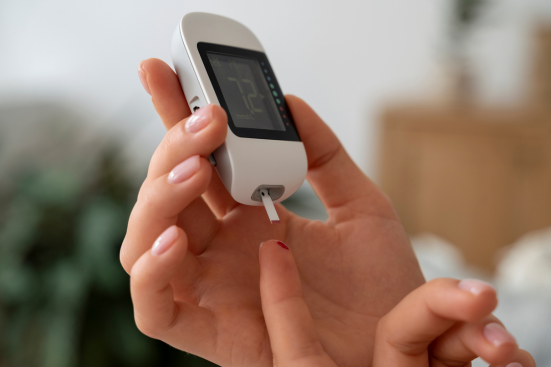
Monitoring blood glucose levels daily is a critical component of any program aimed at the reversal of type 2 diabetes. Regular monitoring allows individuals to understand how their body responds to dietary changes, physical activity, medication adjustments, and other lifestyle interventions.
By tracking blood sugar consistently, you gain actionable insights into patterns, triggers, and progress, which is essential for achieving rapid improvements in glycemic control and supporting long-term diabetes remission.
Without daily monitoring, it becomes difficult to evaluate the effectiveness of interventions or make timely adjustments, potentially slowing progress toward type 2 diabetes reversal.
Key Reasons for Daily Blood Glucose Monitoring:
- Tracks Immediate Responses to Food and Meals Monitoring helps identify which foods cause spikes in blood sugar levels, enabling you to adjust your dietary plan for better glycemic control. This ensures that every meal supports your diabetes reversal goals rather than worsening glucose variability.
- Measures Effectiveness of Exercise and Physical Activity Different forms of exercise, including aerobic, resistance, and HIIT, affect insulin sensitivity and blood sugar differently. Daily monitoring provides immediate feedback on how workouts impact fasting and postprandial glucose, helping you optimize exercise routines for maximum benefit.
- Detects Hypoglycemia or Hyperglycemia Early Sudden drops or spikes in blood sugar can be dangerous, especially when combined with medication. Daily monitoring allows early detection and correction of hypoglycemia or hyperglycemia, ensuring safety during a diabetes reversal program.
- Supports Medication Adjustments If you are on insulin or other glucose-lowering medications, consistent monitoring provides data needed for healthcare providers to adjust dosages safely. This prevents blood sugar fluctuations while facilitating progress toward diabetes remission.
- Motivates and Encourages Adherence Seeing measurable improvements in fasting glucose, post-meal glucose, and overall trends reinforces positive behaviors. Daily monitoring provides tangible proof that lifestyle interventions, dietary changes, and exercise are working to achieve reversal of type 2 diabetes.
- Helps Identify Patterns and Triggers Monitoring daily allows you to notice patterns, such as high readings after certain meals, late-night snacking, or periods of stress. Identifying these triggers enables precise dietary and lifestyle adjustments, improving glycemic control and speeding up type 2 diabetes reversal.
- Enables Personalized Diabetes Management Each individual responds differently to foods, exercise, and lifestyle changes. Daily monitoring ensures a personalized approach where interventions can be tailored based on your unique glucose patterns, optimizing your path to diabetes remission.
- Tracks Long-Term Progress Consistent data over weeks and months provides insights into the overall trend of blood sugar control, allowing you to measure improvements in HbA1c, fasting glucose, and postprandial glucose. This objective feedback is critical for evaluating the success of your reversal program.
How can stress management accelerate progress towards diabetes reversal?

Stress plays a significant role in the progression and management of type 2 diabetes. Chronic stress triggers hormonal changes, including elevated cortisol and adrenaline, which can negatively impact blood sugar control and insulin sensitivity.
Effectively managing stress is therefore a crucial component of any diabetes reversal program, as it supports glycemic control, enhances overall health, and accelerates progress toward type 2 diabetes remission.
1. Reducing Cortisol Levels
Chronic stress increases the release of cortisol, a hormone that raises blood sugar by promoting glucose production in the liver. High cortisol levels can lead to insulin resistance, making it harder to achieve glycemic control.
By practicing stress management techniques such as meditation, deep breathing exercises, or mindfulness, cortisol levels can be reduced, which helps:
- Lower fasting and postprandial glucose
- Improve insulin sensitivity
- Support the reversal of type 2 diabetes by creating a hormonal environment conducive to better blood sugar regulation
2. Improving Blood Sugar Control
Stress can cause blood sugar spikes, even in individuals adhering to a healthy diet and exercise routine. Stress management helps regulate these fluctuations by reducing the body’s overactivation of the stress response.
Techniques like yoga, progressive muscle relaxation, and mindfulness-based stress reduction have been shown to stabilize blood glucose levels, making glycemic control easier to achieve.
3. Enhancing Insulin Sensitivity
Chronic stress can impair the body’s ability to respond to insulin, worsening insulin resistance, which is a major barrier to type 2 diabetes reversal.
Stress-reducing practices help improve the body’s responsiveness to insulin, allowing glucose to be absorbed efficiently by cells and reducing reliance on medications. Improved insulin sensitivity accelerates blood sugar management and supports long-term diabetes remission.
4. Supporting Healthy Lifestyle Choices
High stress often leads to poor lifestyle habits such as overeating, emotional eating, sleep deprivation, and reduced physical activity, all of which negatively affect blood sugar control. Stress management encourages:
- Better adherence to healthy eating plans
- Consistent exercise routines
- Adequate sleep, which further supports insulin sensitivity and glycemic control By reducing stress, individuals are more likely to maintain the behaviors necessary for type 2 diabetes reversal.
5. Enhancing Mental and Emotional Well-Being
Diabetes management is as much psychological as it is physical. Stress can lead to anxiety, depression, or burnout, which may reduce motivation to follow a diabetes reversal program. Stress management techniques improve mental clarity, focus, and motivation, enabling individuals to:
- Stay consistent with dietary and exercise interventions
- Make mindful, health-oriented choices
- Accelerate progress toward reversal of type 2 diabetes
6. Integrating Stress Management Into a Diabetes Reversal Program
To maximize the benefits of stress management:
- Practice daily mindfulness or meditation sessions (10–20 minutes)
- Incorporate yoga or tai chi 2–3 times per week
- Engage in breathing exercises or guided relaxation during stressful periods
- Ensure adequate sleep and rest, aiming for 7–9 hours per night
- Use journaling or cognitive behavioral techniques to manage negative thought patterns
Consistently integrating these practices improves both glycemic control and overall well-being, making other interventions—like diet, exercise, and weight management—more effective for type 2 diabetes reversal.
If you’re serious about taking control of your health and achieving lasting reversal of type 2 diabetes, the next step is finding a program that works with your lifestyle—not against it. HealthyWayFit offers a personalized, doctor-led system designed specifically for Indian professionals, combining nutrition, metabolic exercise, stress management, and continuous support.
This isn’t about quick fixes or temporary changes; it’s a sustainable approach that helps you lower blood sugar, reduce medication dependency, and reclaim your energy. If you’re ready to move beyond just managing diabetes and start reversing it safely and effectively, HealthyWayFit is built to guide you every step of the way.
HealthyWayFit — India’s Most Personal Diabetes Reversal Program

You’re told to “eat less,” “exercise more,” or “try another pill.” Yet your sugars remain stubborn, energy crashes continue, and every lab report feels like another warning. What’s missing isn’t willpower — it’s the right system.
That’s where HealthyWayFit comes in.
We are not another app, crash diet, or one-size-fits-all chart. HealthyWayFit is a 12-month, end-to-end Type 2 Diabetes Reversal Program designed exclusively for Indian professionals who want results that fit their lifestyle.
Over the past few years, our team has helped hundreds of Indians lower HbA1c, reduce medicine dependency, and—in many cases—achieve complete reversal of Type 2 diabetes.
Our tone is simple: empathetic, therapeutic, and committed. We listen first, design second, and support you every step of the way.
1) What Makes HealthyWayFit Different?
1. Personalized Nutrition You Can Actually Follow No fad superfoods or unrealistic smoothie charts. We use your ghar ka khana—dal, roti, rice, idli, dosa, paneer, sabzi—and align it with blood sugar control. No separate cooking, no family pressure. A plan that works whether you’re 35 or 85.
2. Metabolic Exercise for Type 2 Diabetes Control Our short, 15–20 minute metabolic routines target big muscle groups (legs, shoulders, glutes) and can lower sugar readings by 50–100 points. No gym, no equipment, just science-backed movements you can do at home.
3. Stress & Sleep Mastery Stress raises cortisol, which raises sugar. We equip you with practical tools—one-minute breathing practices, sleep optimization, and micro-habits—to keep your blood sugar stable, even on your busiest days.
4. Doctor-Led, Holistic Care Every client is guided by a Senior MD Diabetologist ensuring medical safety, while lifestyle coaches design food, exercise, and habit strategies. This unique blend of medical expertise and daily support is why our clients see true reversal.
5. Relentless Support & Accountability From weekly coaching calls and daily check-ins to festival, travel, and dining-out guides, we make sure your reversal journey adapts to real life, not the other way around.
2) What Results Can You Expect?
Most clients notice changes within 20–60 days: better energy, lighter mornings, and lower sugar readings. Over the year, we focus on long-term stabilization, so results are not just quick but sustainable for years to come.
3) Is HealthyWayFit Right for You?
If you’re a working professional or entrepreneur living with Type 2 diabetes, and can dedicate just 15–30 minutes daily, HealthyWayFit is built for you. This isn’t a crash course. It’s a life-changing reversal system personalized to your food, family, and lifestyle.
4) Take the Next Step
Your journey starts with a personal consultation where we understand your health history, challenges, and lifestyle. If we’re aligned, we’ll design a custom Type 2 Diabetes Reversal Plan built just for you.
Explore more at: healthywayfit Book your consultation here: calendly
Move beyond “managing” diabetes. With HealthyWayFit, you can reverse Type 2 diabetes—safely, sustainably, and with support at every step.
Frequently Asked Questions(FAQs)

1. What role does sleep play in achieving better insulin sensitivity within three months?
Adequate sleep regulates hormones like cortisol and insulin, reducing insulin resistance and improving glucose metabolism. Consistently 7–9 hours nightly enhances insulin sensitivity, stabilizes blood sugar, supports weight management, and accelerates progress toward type 2 diabetes reversal. Poor sleep can undermine dietary and exercise efforts.
2. Are there specific foods or nutrients that should be prioritized for optimal results?
Prioritize high-fiber foods, lean proteins, healthy fats, and low-glycemic carbs. Include vegetables, legumes, whole grains, nuts, seeds, and fatty fish rich in omega-3s. These nutrients improve blood sugar control, enhance insulin sensitivity, reduce inflammation, and support sustainable reversal of type 2 diabetes.
3. How can individuals stay motivated and consistent with their lifestyle changes for 90 days?
Set clear goals, track progress, and celebrate small wins. Use accountability tools, coaching support, and structured routines for diet, exercise, and stress management. Visualizing health improvements, monitoring blood glucose, and integrating enjoyable activities reinforce adherence and ensure sustainable progress toward type 2 diabetes reversal.
4. What success stories or clinical case studies demonstrate the effectiveness of these strategies?
The DiRECT trial and similar studies show that low-calorie, structured diets combined with exercise and lifestyle changes can achieve type 2 diabetes remission within 12 weeks. Patients reduced HbA1c, lost weight, and lowered medication needs, validating the effectiveness of diet, exercise, and behavioral interventions.
5. Are there risks involved in aggressively pursuing diabetes reversal, and how can they be managed safely?
Rapid blood sugar reductions may cause hypoglycemia, nutrient deficiencies, or medication imbalances. Risks can be managed with doctor supervision, gradual dietary changes, blood glucose monitoring, and personalized exercise plans. Safe, structured programs ensure sustainable reversal of type 2 diabetes without compromising overall health.
Conclusion
Achieving reversal of type 2 diabetes in 90 days is possible with consistent, evidence-based lifestyle changes.
By focusing on balanced nutrition, regular exercise, stress and sleep management, blood sugar monitoring, and medical guidance, individuals can improve insulin sensitivity, reduce medication dependency, and support long-term glycemic control.
Programs like HealthyWayFit provide a structured, personalized approach, combining science-backed strategies with ongoing support to ensure results are safe and sustainable.
While individual progress may vary, adopting these practical tips empowers you to take control of your health, restore energy, and move confidently toward lasting diabetes remission.


