
.svg)
Prediabetes is a warning sign but it’s also an opportunity. With the right nutrition strategy, many people can stabilize blood sugar, improve insulin sensitivity, and prevent progression to type 2 diabetes.
A well-structured pre diabetes reversal diet is not about extreme restriction or trendy dieting. It’s about building a sustainable meal plan that works with your metabolism, balances glucose levels, and supports healthy weight loss without deprivation.
The essentials of a pre diabetes reversal diet focus on smart food choices: fiber-rich carbohydrates, lean proteins, healthy fats, and whole foods that digest slowly and prevent blood sugar spikes. When meals are intentionally balanced, your body receives steady energy instead of dramatic glucose highs and crashes.
Over time, this consistency helps retrain insulin response, reduce inflammation, and create an environment where reversal becomes possible.
This guide breaks down the practical foundation you need not just what to eat, but how to structure meals, portion intelligently, and create a realistic plan you can follow daily.
Whether you’re newly diagnosed with prediabetes or proactively improving metabolic health, understanding these diet essentials can transform confusion into clarity. Instead of guessing what works, you’ll learn how to design a meal plan that supports stable blood sugar, sustainable habits, and long-term health outcomes.
What is a pre diabetes reversal diet and how does it work?
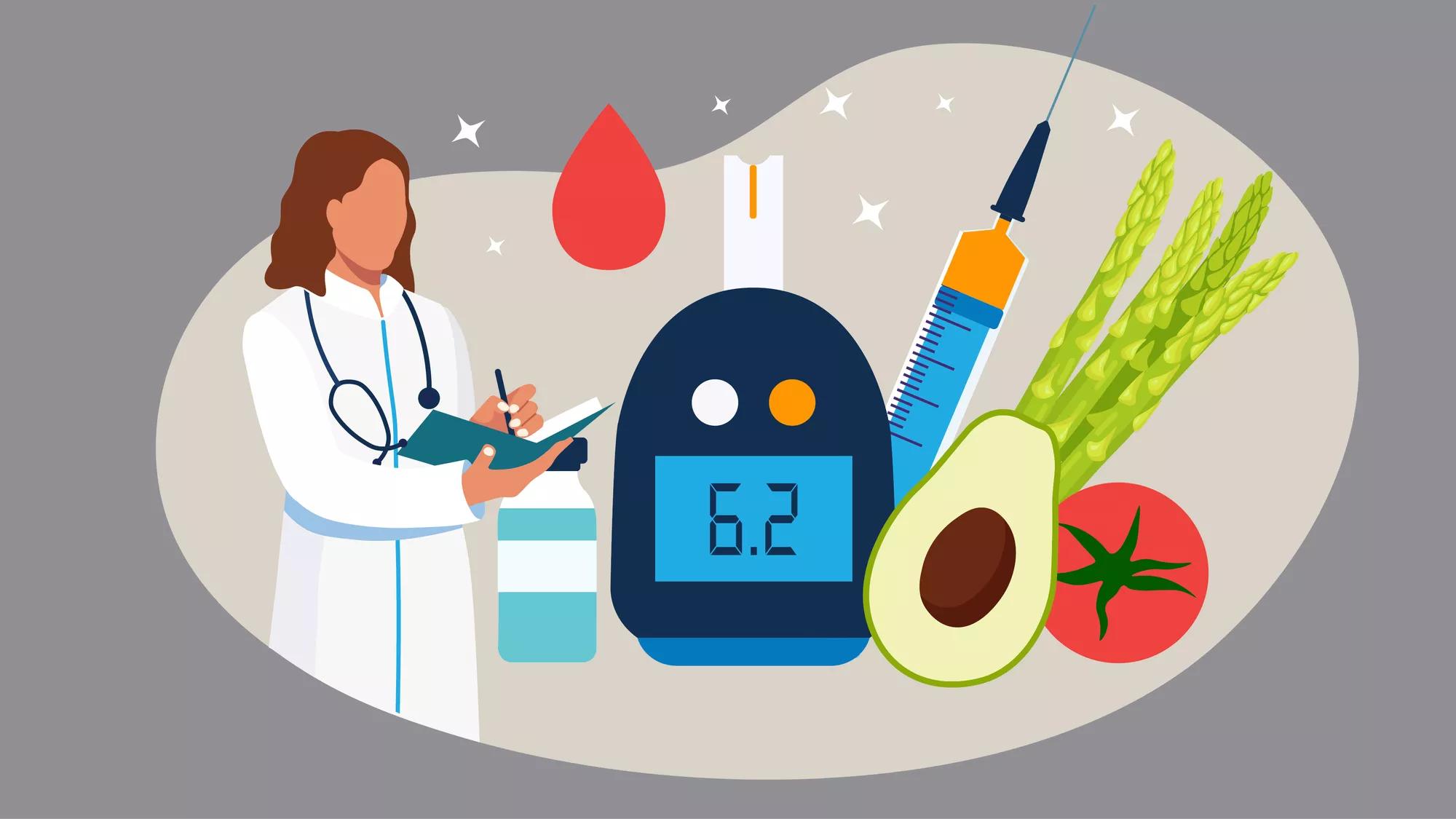
A pre diabetes reversal diet is a structured eating approach designed to stabilize blood sugar, improve insulin sensitivity, and reduce the metabolic stress that leads to type 2 diabetes. Prediabetes occurs when the body begins struggling to use insulin effectively, causing elevated glucose levels that are not yet in the diabetic range but signal future risk.
The goal of a pre diabetes reversal diet is not short-term dieting; it is a sustainable nutritional framework that retrains how the body processes carbohydrates and energy. By emphasizing whole foods, controlled portions, and balanced macronutrients, this diet helps reduce blood sugar spikes, manage weight, and support hormonal balance.
Over time, consistent dietary changes can lower fasting glucose levels, improve HbA1c markers, and decrease fat accumulation around the liver and pancreas two major drivers of insulin resistance.
Unlike extreme restriction plans, a reversal-focused diet prioritizes steady habits that are realistic for daily life. It teaches individuals how to eat in a way that supports long-term metabolic repair rather than temporary fixes, making it both preventative and corrective in nature.
How it works:
- Focuses on low-glycemic, fiber-rich carbohydrates that release glucose slowly
- Prioritizes lean protein to improve satiety and stabilize blood sugar
- Includes healthy fats that reduce inflammation and support insulin function
- Eliminates ultra-processed foods and refined sugars that trigger glucose spikes
- Encourages portion control to reduce excess calorie intake and visceral fat
- Balances meals to prevent rapid energy crashes and overeating
- Supports gradual weight loss, which improves insulin sensitivity
- Promotes consistent meal timing to regulate metabolic rhythms
- Increases micronutrient intake that supports pancreatic and hormonal health
- Builds long-term eating habits instead of temporary dieting strategies
What foods should I include in a pre diabetes reversal diet meal plan?
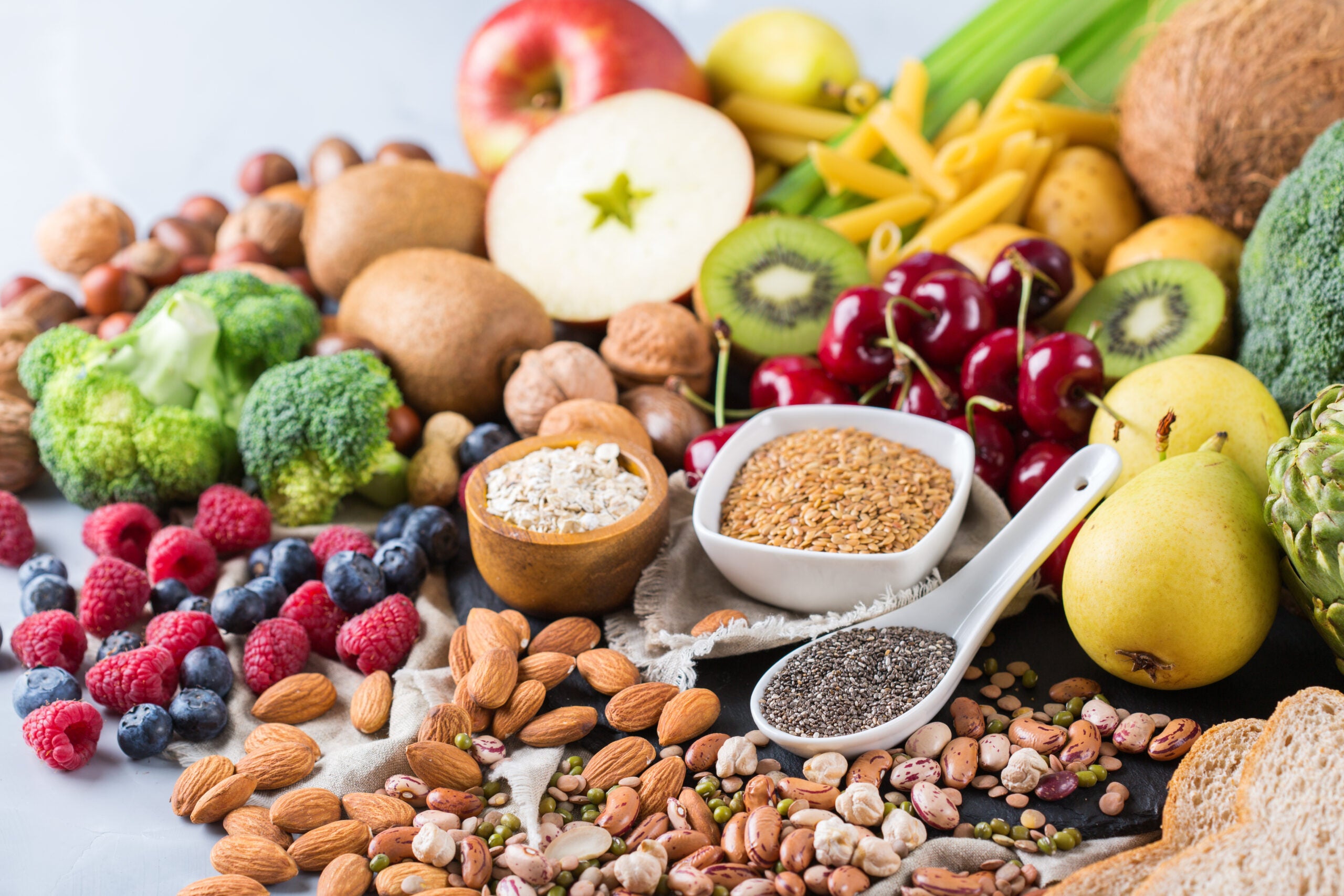
1) Fiber-Rich Whole Carbohydrates
Fiber-rich whole carbohydrates should form the foundation of a pre diabetes reversal diet because they digest slowly and prevent rapid blood sugar spikes. Unlike refined carbs, whole grains and unprocessed plant foods contain intact fiber that slows glucose absorption and improves insulin response.
Good options include oats, quinoa, brown rice, barley, whole lentils, beans, chickpeas, and sweet potatoes. These foods help you feel full longer, reducing cravings and overeating. Fiber also supports gut health, and emerging research shows that a healthy gut microbiome improves glucose regulation.
The key is portion awareness even healthy carbs should be balanced with protein and fat to avoid excess glucose load. Choosing minimally processed carbohydrates trains the body to handle energy more efficiently over time.
Instead of eliminating carbs, the goal is to upgrade them to nutrient-dense sources that stabilize energy and reduce metabolic stress. This shift helps maintain steady blood sugar throughout the day and supports sustainable dietary habits.
2) Lean Proteins for Blood Sugar Stability
Lean protein is essential in a pre diabetes reversal diet because it slows digestion, reduces glucose spikes, and improves satiety. Including protein in every meal prevents rapid rises and crashes in blood sugar, which are major drivers of insulin resistance.
Excellent sources include eggs, fish, skinless chicken, turkey, tofu, paneer (in moderation), Greek yogurt, lentils, and legumes. Protein also helps preserve muscle mass during weight loss, and muscle tissue plays a major role in glucose uptake.
The more metabolically active muscle you maintain, the better your body handles sugar. Plant-based proteins are particularly beneficial because they often come packaged with fiber and micronutrients. The goal is balance, not excess. A steady protein intake throughout the day keeps hunger hormones regulated and reduces emotional eating.
When meals are built around a strong protein anchor, people naturally make better food decisions and experience fewer cravings, making long-term adherence easier.
3) Healthy Fats That Improve Insulin Function
Healthy fats are often misunderstood, but they are crucial in a pre diabetes reversal diet. The right fats reduce inflammation, support hormone balance, and slow carbohydrate absorption. Sources such as avocados, nuts, seeds, olive oil, fatty fish (like salmon), and nut butters provide essential fatty acids that improve insulin sensitivity.
These fats also enhance meal satisfaction, helping prevent overeating. Chronic inflammation is closely linked to insulin resistance, and anti-inflammatory fats act as a protective factor. Replacing trans fats and processed oils with natural fat sources can significantly improve metabolic health.
Portion control remains important because fats are calorie-dense, but eliminating them entirely can backfire by increasing hunger and cravings. When combined with fiber and protein, healthy fats create balanced meals that provide steady energy. This trio fiber, protein, and fat is the metabolic formula that helps stabilize blood sugar and supports reversal goals.
4) Non-Starchy Vegetables for Volume and Nutrients
Non-starchy vegetables are one of the most powerful tools in a pre diabetes reversal diet because they deliver maximum nutrition with minimal glucose impact. Vegetables like spinach, broccoli, cauliflower, zucchini, bell peppers, cucumbers, cabbage, and leafy greens are rich in vitamins, minerals, antioxidants, and fiber.
They add volume to meals without raising blood sugar significantly, which helps with appetite control and weight management. These vegetables improve insulin sensitivity and reduce oxidative stress a hidden contributor to metabolic dysfunction.
Eating a variety of colorful vegetables ensures broad micronutrient coverage that supports pancreatic and hormonal health. Filling half your plate with non-starchy vegetables is a simple strategy that naturally reduces excess carbohydrates and calories without feeling restrictive.
Their fiber also slows digestion of other foods eaten in the same meal, leading to smoother glucose curves and fewer energy crashes throughout the day.
Which foods should I avoid on a pre diabetes reversal diet?
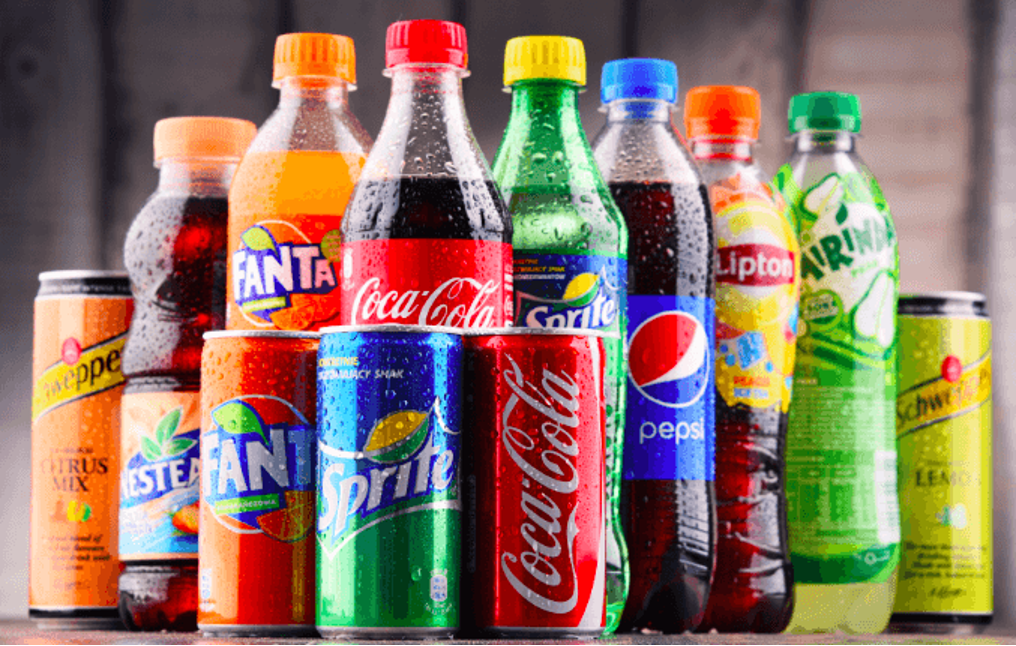
1) Refined Sugars and Sweetened Beverages
Refined sugars are one of the biggest obstacles to reversing prediabetes because they cause rapid spikes in blood glucose and force the pancreas to release large amounts of insulin. Over time, repeated sugar surges worsen insulin resistance- the root problem in prediabetes.
Foods and drinks like soda, packaged fruit juices, sweetened tea or coffee, candy, desserts, pastries, and flavored yogurts deliver concentrated sugar without fiber to slow absorption. Liquid sugar is especially harmful because it enters the bloodstream quickly and does not trigger fullness signals, leading to overeating.
Even products marketed as “healthy” can contain hidden sugars under names like corn syrup, maltose, or cane juice. A pre diabetes reversal diet works best when sugar intake is minimized and replaced with whole foods.
Reducing added sugar allows insulin levels to stabilize, decreases cravings, and helps retrain taste preferences toward natural sweetness found in fruits.
2) Refined Carbohydrates and White Flour Products
Refined carbohydrates behave similarly to sugar in the body because they are stripped of fiber and digest extremely fast. Foods like white bread, white rice, pasta made from refined flour, bakery items, crackers, and packaged snack foods quickly convert to glucose, causing blood sugar spikes followed by crashes.
These fluctuations increase hunger and encourage fat storage, particularly around the abdomen, which worsens insulin resistance. Unlike whole grains, refined carbs provide little nutritional value and do not support metabolic repair. Many processed carb foods are engineered to be hyper-palatable, making portion control difficult.
A pre diabetes reversal diet aims to stabilize energy, and refined carbs work against this goal. Replacing them with whole grains and fiber-rich alternatives improves digestion and glucose control. Eliminating frequent refined carb consumption helps smooth blood sugar curves and reduces the metabolic stress that drives progression toward diabetes.
3) Ultra-Processed and Packaged Foods
Ultra-processed foods are designed for convenience but are harmful for metabolic health. They often contain a combination of refined carbs, unhealthy fats, artificial additives, and high sodium levels. Examples include packaged snacks, frozen meals, fast food, chips, instant noodles, processed meats, and ready-to-eat desserts.
These foods are calorie-dense but nutrient-poor, meaning they deliver excess energy without supporting insulin function or cellular repair. Additives and preservatives may also increase inflammation, which is closely linked to insulin resistance. Ultra-processed foods tend to bypass natural hunger regulation, encouraging overeating and weight gain.
A pre diabetes reversal diet prioritizes whole, minimally processed foods because the body recognizes and metabolizes them more efficiently.
Reducing reliance on packaged products helps restore natural appetite cues and improves overall nutrient intake. Cooking more meals at home is one of the most effective strategies for avoiding hidden sugars and unhealthy ingredients.
4) Unhealthy Fats and Fried Foods
Not all fats are harmful, but trans fats and heavily processed oils can worsen inflammation and insulin resistance. Fried foods, commercial baked goods, margarine, hydrogenated oils, and fast food meals often contain unhealthy fats that damage metabolic health.
These fats interfere with insulin signaling and promote fat storage in the liver and abdominal region, two major contributors to prediabetes progression. Deep-fried foods are also calorie-dense and easy to overconsume, making weight management difficult.
A pre diabetes reversal diet replaces harmful fats with natural sources like nuts, seeds, olive oil, and fatty fish. Reducing fried and processed fats lowers systemic inflammation and improves the body’s ability to respond to insulin. While occasional indulgences are realistic, frequent consumption slows progress.
Choosing cooking methods like grilling, baking, steaming, or sautéing with healthy oils supports better long-term glucose control.
How do I build a meal plan that works for a pre diabetes reversal diet?
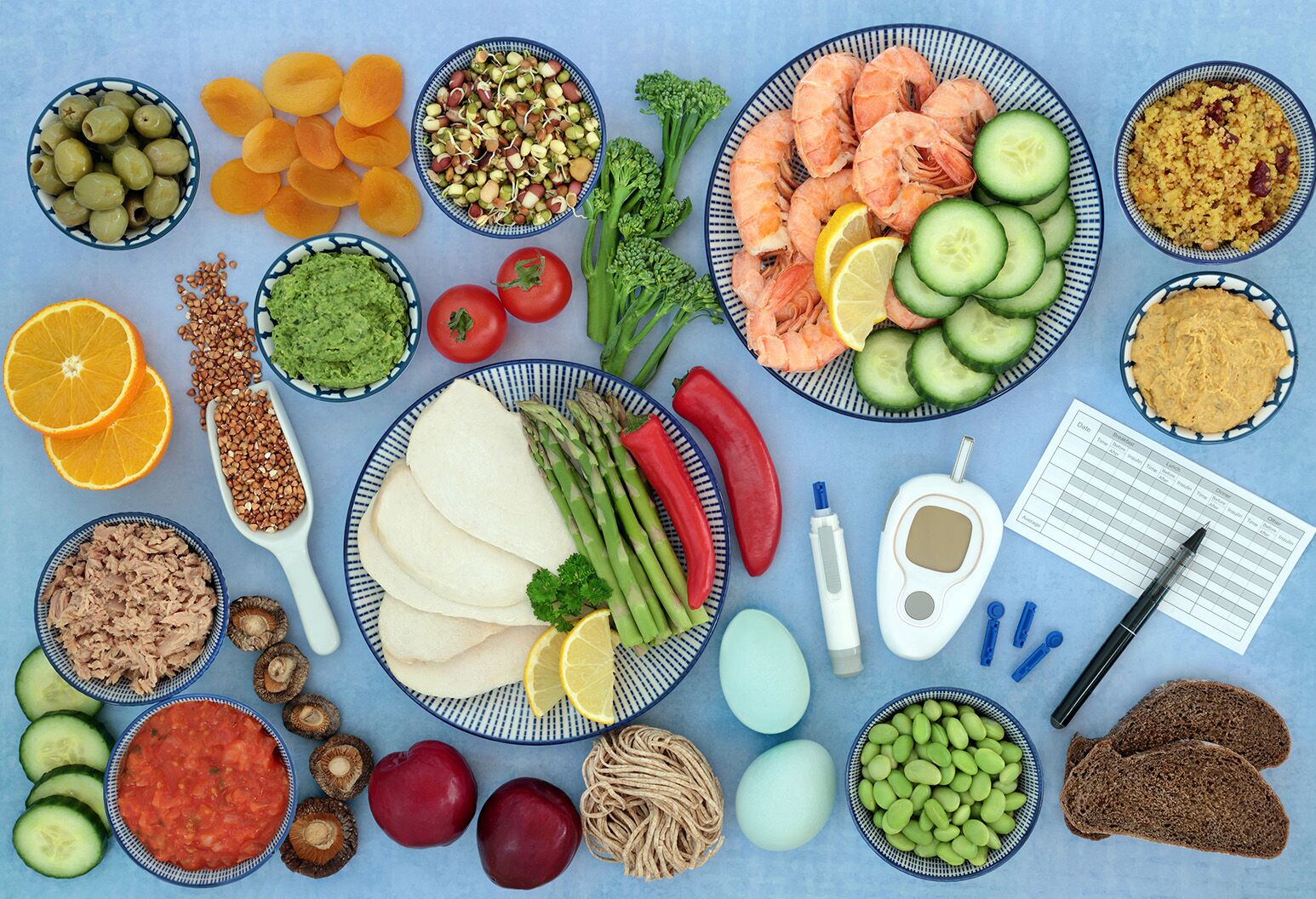
1) Start with the Blood Sugar Balance Formula
The most effective pre diabetes reversal meal plan is built around a simple formula: combine fiber-rich carbohydrates, lean protein, and healthy fats at every meal. This balance slows digestion, prevents glucose spikes, and keeps energy steady for hours. Instead of focusing on calorie counting alone, think about how foods interact metabolically.
A plate built only from carbs even healthy ones can still overwhelm blood sugar. But when carbs are paired with protein and fats, glucose enters the bloodstream gradually. This reduces insulin stress and improves long-term sensitivity. Structuring meals this way also improves satiety, which helps prevent snacking and emotional eating.
A helpful visual strategy is the plate method: half non-starchy vegetables, one quarter protein, and one quarter whole carbohydrates. Repeating this structure daily trains the body into predictable glucose rhythms. Over time, consistency matters more than perfection.
2) Plan Meals Around Whole, Predictable Foods
A successful meal plan removes guesswork by prioritizing whole, minimally processed foods that behave predictably in the body. Whole foods contain fiber, micronutrients, and natural structure that support metabolic repair.
When planning your week, choose staple ingredients you can repeat in different combinations such as grilled chicken, lentils, brown rice, roasted vegetables, eggs, and leafy greens. Predictability helps stabilize blood sugar because the body responds consistently to familiar foods.
It also reduces decision fatigue, which often leads to unhealthy convenience choices. Batch cooking grains, proteins, and vegetables in advance makes healthy meals easier to assemble on busy days. A strong pre diabetes meal plan is not about variety overload; it’s about reliable nutrition you can sustain.
The simpler your base ingredients, the easier it becomes to maintain long-term adherence and avoid hidden sugars or refined additives.
3) Structure Meal Timing to Avoid Energy Crashes
Meal timing is just as important as food choice in a pre diabetes reversal diet. Long gaps without eating can cause blood sugar dips followed by overeating, while constant grazing keeps insulin elevated. A structured rhythm of three balanced meals with one optional protein-rich snack works well for most people.
The goal is steady energy, not constant fullness. Eating at consistent times trains the body’s metabolic clock and improves glucose regulation. Breakfast should include protein and fiber to prevent mid-morning crashes. Lunch should be balanced enough to sustain afternoon energy, and dinner should be satisfying but not overly heavy.
Avoid late-night eating, which disrupts insulin sensitivity and sleep quality. When meals are spaced intentionally, hunger signals normalize and cravings decrease. This rhythm helps your metabolism operate efficiently, making blood sugar control more automatic rather than a daily struggle.
4) Build a Realistic Plan You Can Repeat Weekly
The best meal plan is not the most complex, it’s the one you can repeat without stress. Sustainability is the hidden key to reversing prediabetes. Instead of designing a perfect but unrealistic schedule, create a flexible template you can follow weekly. Choose 3–4 breakfast options, 4–5 lunches, and 4–5 dinners that rotate easily.
Repetition reduces decision fatigue and grocery waste while reinforcing healthy habits. Plan meals that match your lifestyle, cooking skill, and time availability. If a plan feels restrictive or complicated, it will not last. Include occasional planned treats to prevent binge cycles.
A realistic plan acknowledges social meals and busy days while keeping the nutritional foundation strong. When healthy eating becomes routine rather than effortful, metabolic improvement happens naturally. Consistency over months not days is what allows a pre diabetes reversal diet to truly work.
How quickly can a pre diabetes reversal diet show results?

1) Early Changes in Energy and Appetite (First 1–2 Weeks)
Many people notice the first signs of progress within the first one to two weeks of starting a pre diabetes reversal diet. These early changes are less about lab numbers and more about how the body feels day to day. Stable blood sugar leads to fewer energy crashes, reduced sugar cravings, and more predictable hunger patterns.
When meals are balanced with fiber, protein, and healthy fats, the body shifts away from constant glucose spikes and begins operating on steadier fuel. This can improve focus, sleep quality, and mood. Some individuals also experience mild initial weight loss due to reduced processed food intake and better appetite regulation.
These early wins are important psychologically because they reinforce consistency. While blood sugar markers may not normalize instantly, these functional improvements signal that the metabolic environment is already shifting in a healthier direction.
2) Measurable Blood Sugar Improvements (4–8 Weeks)
Between four and eight weeks, many people begin seeing measurable improvements in fasting glucose and post-meal blood sugar readings. This is when the body starts adapting more deeply to consistent nutrition. Reduced intake of refined carbs and sugars lowers insulin demand, allowing cells to regain sensitivity.
The liver also begins releasing less excess glucose into the bloodstream. For individuals tracking numbers at home, trends often show smoother glucose curves with fewer spikes. Healthcare providers may observe early reductions in HbA1c during follow-up visits.
Weight loss, even modest amounts, plays a major role here losing just 5–7% of body weight can significantly improve insulin response. At this stage, consistency becomes more important than perfection.
Regular movement, hydration, and sleep amplify dietary benefits. These weeks represent the transition from surface-level changes to measurable metabolic repair.
3) Significant Metabolic Shifts (3–6 Months)
The most meaningful reversal progress typically occurs over three to six months of sustained dietary habits. During this period, fat stored around the liver and pancreas begins to decrease, which is critical for restoring insulin function.
As inflammation drops and cells respond better to insulin, fasting glucose and HbA1c levels can return to normal or near-normal ranges for many individuals. Muscle tissue becomes more efficient at using glucose, and appetite hormones stabilize.
People often report feeling lighter, clearer mentally, and more physically resilient. Importantly, these improvements reflect long-term adaptation, not temporary dieting effects.
The body is relearning how to regulate energy properly. This phase demonstrates that reversal is not an overnight event but a gradual biological repair process. Consistency over months allows the pancreas and metabolic system to recover in a way that short-term restriction never could.
4) Long-Term Maintenance and Protection (6 Months and Beyond)
Beyond six months, the focus shifts from reversal to protection and maintenance. At this stage, healthy eating patterns become lifestyle habits rather than conscious effort. Blood sugar stability is easier to maintain because the body has adapted to steady rhythms of nutrition.
The risk of progressing to type 2 diabetes drops significantly when weight, inflammation, and insulin resistance are controlled long term. Many people find they no longer experience intense cravings or emotional eating patterns that once disrupted progress.
Regular follow-up lab tests often confirm sustained improvement. However, this phase also highlights an important truth: reversal is maintained through ongoing habits, not a finish line.
Returning to highly processed eating patterns can reintroduce risk. Long-term success comes from viewing a pre diabetes reversal diet as a permanent upgrade to metabolic health rather than a temporary intervention.
Understanding what to eat is powerful but having a guided system makes transformation faster, easier, and more sustainable. If you want structured support, personalized meal planning, and expert strategies designed specifically for reversing prediabetes, the HealthyWayFit program provides a step-by-step roadmap you don’t have to figure out alone.
Instead of guessing what works, you follow a proven framework that simplifies food decisions, builds consistency, and keeps you accountable. Many people struggle not because they lack motivation, but because they lack clarity and structure.
HealthyWayFit bridges that gap by turning knowledge into daily action, helping you build habits that stabilize blood sugar and support long-term health not just short-term change.
HealthyWayFit — India’s Most Personal Diabetes Reversal Program

You’re told to “eat less,” “exercise more,” or “try another pill.” Yet your sugars remain stubborn, energy crashes continue, and every lab report feels like another warning. What’s missing isn’t willpower — it’s the right system.
That’s where HealthyWayFit comes in.
We are not another app, crash diet, or one-size-fits-all chart. HealthyWayFit is a 12-month, end-to-end Type 2 Diabetes Reversal Program designed exclusively for Indian professionals who want results that fit their lifestyle.
Over the past few years, our team has helped hundreds of Indians lower HbA1c, reduce medicine dependency, and—in many cases—achieve complete reversal of Type 2 diabetes.
Our tone is simple: empathetic, therapeutic, and committed. We listen first, design second, and support you every step of the way.
1) What Makes HealthyWayFit Different?
1. Personalized Nutrition You Can Actually Follow No fad superfoods or unrealistic smoothie charts. We use your ghar ka khana—dal, roti, rice, idli, dosa, paneer, sabzi—and align it with blood sugar control. No separate cooking, no family pressure. A plan that works whether you’re 35 or 85.
2. Metabolic Exercise for Type 2 Diabetes Control Our short, 15–20 minute metabolic routines target big muscle groups (legs, shoulders, glutes) and can lower sugar readings by 50–100 points. No gym, no equipment, just science-backed movements you can do at home.
3. Stress & Sleep Mastery Stress raises cortisol, which raises sugar. We equip you with practical tools—one-minute breathing practices, sleep optimization, and micro-habits—to keep your blood sugar stable, even on your busiest days.
4. Doctor-Led, Holistic Care Every client is guided by a Senior MD Diabetologist ensuring medical safety, while lifestyle coaches design food, exercise, and habit strategies. This unique blend of medical expertise and daily support is why our clients see true reversal.
5. Relentless Support & Accountability From weekly coaching calls and daily check-ins to festival, travel, and dining-out guides, we make sure your reversal journey adapts to real life, not the other way around.
2) What Results Can You Expect?
Most clients notice changes within 20–60 days: better energy, lighter mornings, and lower sugar readings. Over the year, we focus on long-term stabilization, so results are not just quick but sustainable for years to come.
3) Is HealthyWayFit Right for You?
If you’re a working professional or entrepreneur living with Type 2 diabetes, and can dedicate just 15–30 minutes daily, HealthyWayFit is built for you. This isn’t a crash course. It’s a life-changing reversal system personalized to your food, family, and lifestyle.
4) Take the Next Step
Your journey starts with a personal consultation where we understand your health history, challenges, and lifestyle. If we’re aligned, we’ll design a custom Type 2 Diabetes Reversal Plan built just for you.
Explore more at: healthywayfit Book your consultation here: calendly
Move beyond “managing” diabetes. With HealthyWayFit, you can reverse Type 2 diabetes—safely, sustainably, and with support at every step.
Frequently Asked Questions (FAQs)

1) Does a pre diabetes reversal diet improve insulin sensitivity?
Yes. A well-designed pre diabetes reversal diet improves insulin sensitivity by reducing blood sugar spikes and lowering chronic inflammation. Balanced meals rich in fiber, lean protein, and healthy fats help cells respond better to insulin over time.
Even modest weight loss significantly enhances glucose uptake by muscles and reduces fat around the liver and pancreas. Consistent nutrition retrains metabolism, allowing insulin to work more efficiently and predictably.
2) How many meals per day should I eat on a pre diabetes reversal diet?
Most people do well with three balanced meals and one optional protein-rich snack. This structure prevents long fasting gaps that trigger overeating while avoiding constant grazing that keeps insulin elevated.
The goal is steady energy, not frequent eating. Regular meal timing helps regulate hunger hormones and blood sugar rhythms. Consistency matters more than strict schedules meals should be spaced to maintain stable glucose without feeling deprived.
3) Can a pre diabetes reversal diet reduce the risk of type 2 diabetes?
Yes. A consistent pre diabetes reversal diet directly targets the root causes of type 2 diabetes: insulin resistance, excess visceral fat, and unstable blood sugar. Research shows that dietary changes combined with moderate weight loss can dramatically lower progression risk.
Whole-food nutrition improves metabolic flexibility and reduces strain on the pancreas. When sustained long term, these habits shift the body from a disease pathway toward metabolic protection and resilience.
4) What are common mistakes in a pre diabetes reversal diet?
Common mistakes include eliminating all carbohydrates instead of choosing better ones, relying on processed “diet” foods, skipping meals, and focusing only on calories rather than blood sugar balance. Many people underestimate portion sizes or ignore protein and healthy fats, leading to cravings and energy crashes.
Another mistake is expecting rapid results and quitting early. Reversal requires consistency, not perfection. Sustainable habits matter more than extreme short-term restriction.
5) Is a vegetarian pre diabetes reversal diet effective?
Yes, a vegetarian pre diabetes reversal diet can be highly effective when planned correctly. Plant-based meals rich in legumes, whole grains, vegetables, nuts, and seeds provide fiber that stabilizes blood sugar and improves insulin sensitivity.
The key is prioritizing protein and avoiding refined vegetarian carbs like white bread or sugary snacks. Balanced vegetarian eating supports weight management, reduces inflammation, and promotes long-term metabolic health when structured thoughtfully.
Conclusion
Prediabetes does not have to be a life sentence, it can be a turning point. The choices you make daily around food, movement, and routine have the power to restore balance long before diabetes takes hold.
A thoughtful pre diabetes reversal diet is not about perfection or restriction; it’s about building a repeatable system that supports stable blood sugar, steady energy, and sustainable health. When meals are balanced, habits are consistent, and guidance is available, the body is remarkably capable of repair.
Small improvements compound into meaningful change over time. Whether you follow these principles independently or with structured support, the key is action.
Every balanced meal is a signal to your metabolism that healing is possible. With patience, structure, and commitment, you’re not just managing risk you’re actively moving toward long-term metabolic freedom and a healthier future.


