
.jpg)
.svg)
Managing blood sugar effectively is one of the biggest challenges for millions of people living with type 2 diabetes or prediabetes. While medication can help control symptoms, growing research shows that addressing the root causes of high blood sugar through nutrition and lifestyle can be far more effective in the long term.
A diet for diabetes reversal is a science-backed approach designed to improve insulin sensitivity, reduce blood sugar levels, and restore metabolic health naturally. Unlike temporary fixes or fad diets, this approach focuses on sustainable changes in eating habits that target the underlying mechanisms of diabetes, such as insulin resistance, chronic inflammation, and excess visceral fat.
Following a diet for diabetes reversal is not about extreme restriction or completely eliminating carbohydrates. Instead, it emphasizes nutrient-dense whole foods, balanced carbohydrate intake, lean protein sources, and healthy fats that collectively support stable blood sugar and overall wellness.
Research indicates that when combined with regular physical activity, stress management, and adequate sleep, these dietary strategies can significantly improve glycemic control, sometimes reducing or even eliminating the need for diabetes medication in certain individuals.
This approach is more than just a meal plan it’s a holistic framework for achieving lasting health benefits. By understanding which foods help lower blood sugar, which foods exacerbate insulin resistance, and how meal timing can impact metabolism, individuals can take meaningful steps toward reversing type 2 diabetes naturally.
In this article, we’ll explore how a diet for diabetes reversal works, the most effective foods to include, which foods to avoid, and practical strategies to implement these changes in everyday life. Whether you are newly diagnosed or looking for long-term solutions, this evidence-based guide will help you understand how nutrition can play a central role in managing and potentially reversing diabetes.
What is the scientific evidence behind a diet for diabetes reversal?

The scientific evidence supporting a diet for diabetes reversal has grown substantially over the past decade, demonstrating that targeted dietary strategies can not only improve blood sugar control but, in some cases, help achieve long-term remission of type 2 diabetes.
Unlike conventional treatments that focus primarily on managing symptoms with medication, these dietary approaches target the root causes of diabetes,insulin resistance, excess liver and pancreatic fat, chronic inflammation, and impaired glucose metabolism.
Clinical studies, randomized trials, and meta-analyses have consistently shown that structured dietary interventions can lead to significant improvements in glycemic control, reduction in HbA1c levels, and in some cases, reduced dependence on diabetes medication.
A well-designed diet for diabetes reversal emphasizes nutrient-dense foods, low-glycemic carbohydrates, healthy fats, and lean proteins, while also incorporating lifestyle factors such as physical activity, adequate sleep, and stress management for maximum metabolic benefit.
Key Scientific Evidence and Findings:
Calorie Restriction and Weight Loss:
- Studies like the DiRECT trial (Diabetes Remission Clinical Trial) demonstrated that participants who followed a low-calorie diet experienced substantial weight loss, decreased liver and pancreatic fat, and improved insulin sensitivity. Nearly 46% of participants achieved diabetes remission at one year.
- Research shows that even a moderate weight loss of 5–10% of body weight can significantly lower HbA1c and improve metabolic markers.
Low-Carbohydrate and Mediterranean Diets:
- Clinical trials indicate that low-carb diets reduce post-meal blood sugar spikes, improve glycemic variability, and can enhance insulin function.
- Mediterranean-style diets rich in vegetables, legumes, whole grains, olive oil, and fish have been linked to improved HbA1c, reduced cardiovascular risk, and better long-term metabolic health.
Reduction of Liver and Pancreatic Fat:
- Excess visceral fat and fat accumulation in the liver and pancreas are key contributors to insulin resistance. Studies show that targeted dietary interventions that reduce overall body fat and visceral fat improve pancreatic beta-cell function, allowing the body to produce and use insulin more effectively.
Impact on Insulin Sensitivity and Glucose Metabolism:
- Research demonstrates that diets emphasizing high-fiber foods, low-glycemic carbohydrates, lean protein, and healthy fats improve insulin sensitivity, stabilize blood glucose levels, and reduce systemic inflammation, which is a major factor in type 2 diabetes progression.
Long-Term Sustainability and Remission:
- Structured dietary programs combined with behavioral support and lifestyle changes show that some individuals can maintain long-term diabetes remission, sometimes for several years.
- Evidence also suggests that earlier intervention after diagnosis improves the likelihood of remission, emphasizing the importance of timely dietary management.
Supporting Lifestyle Factors:
- Studies consistently highlight that dietary interventions are most effective when paired with regular physical activity, stress reduction techniques, and adequate sleep, all of which enhance the effects of a diet for diabetes reversal by reducing chronic inflammation and improving metabolic flexibility.
How does a diet for diabetes reversal help manage blood sugar levels naturally?

1. Improving Insulin Sensitivity
A primary way a diet for diabetes reversal helps manage blood sugar is by improving insulin sensitivity. Insulin is the hormone responsible for moving glucose from the bloodstream into cells for energy. In type 2 diabetes, cells become resistant to insulin, leading to elevated blood sugar levels.
Diets rich in whole foods, high-fiber vegetables, lean proteins, and healthy fats help reduce insulin resistance by promoting more efficient glucose uptake by the cells. Clinical studies show that low-glycemic foods prevent sudden spikes in blood sugar, while nutrient-dense meals enhance the body’s ability to respond to insulin.
Over time, this dietary approach can reduce the strain on the pancreas, lower circulating glucose, and stabilize energy levels. By improving insulin sensitivity, a diet for diabetes reversal addresses a root cause of hyperglycemia rather than just masking symptoms.
2. Reducing Visceral and Pancreatic Fat
Another critical mechanism through which a diet for diabetes reversal works is by reducing excess fat around the liver and pancreas. Visceral fat is strongly linked to insulin resistance and impaired glucose metabolism, as it releases inflammatory molecules that interfere with insulin signaling.
Low-calorie diets, portion-controlled meals, and balanced macronutrient intake help the body burn this harmful fat. Research, including the DiRECT trial, shows that even modest weight loss can significantly decrease liver and pancreatic fat, leading to restored insulin production and improved blood sugar control.
By targeting the root metabolic dysfunction, rather than just restricting sugar intake, this dietary approach allows the body to naturally normalize glucose levels. This reduction in organ fat is essential for long-term remission of type 2 diabetes.
3. Stabilizing Post-Meal Blood Sugar Spikes
A diet for diabetes reversal also helps manage blood sugar by stabilizing postprandial glucose levels, the blood sugar rise that occurs after meals. Eating low-glycemic carbohydrates, high-fiber vegetables, and balanced meals slows digestion and glucose absorption, preventing sudden spikes.
Protein and healthy fats further moderate blood sugar by delaying carbohydrate metabolism. Stabilized post-meal glucose prevents overproduction of insulin, reduces inflammation, and decreases oxidative stress in the body.
Over time, maintaining steady blood sugar levels reduces the risk of complications associated with diabetes, such as nerve damage or cardiovascular disease. By focusing on smart food choices and balanced meal composition, this dietary approach helps the body maintain natural glucose homeostasis and reduces the dependency on medication for controlling blood sugar.
4. Reducing Inflammation and Oxidative Stress
Chronic inflammation and oxidative stress are key contributors to insulin resistance and high blood sugar. A diet for diabetes reversal emphasizes anti-inflammatory foods like leafy greens, berries, nuts, fatty fish, and olive oil, which help neutralize harmful free radicals and reduce systemic inflammation.
By lowering inflammation, the body’s cells respond better to insulin, allowing glucose to enter cells efficiently. In addition, antioxidants and micronutrients from whole foods protect pancreatic beta cells, supporting natural insulin production. Scientific studies indicate that dietary patterns high in processed foods, refined sugars, and unhealthy fats worsen inflammation, whereas targeted nutritional interventions can reverse these effects.
By addressing these root causes, a diet for diabetes reversal not only manages blood sugar naturally but also improves overall metabolic health, promoting long-term stability and reduced diabetes-related complications.
Which foods are most effective in a diet for diabetes reversal?
1. Non-Starchy Vegetables
Non-starchy vegetables are foundational in a diet for diabetes reversal because they are low in calories, high in fiber, and rich in essential vitamins and minerals. Vegetables like spinach, kale, broccoli, cauliflower, zucchini, and peppers help slow the absorption of glucose, which reduces postprandial blood sugar spikes.
High fiber content improves insulin sensitivity by supporting gut health and promoting satiety, preventing overeating. Many studies indicate that diets rich in non-starchy vegetables are linked to lower HbA1c levels and reduced risk of complications associated with type 2 diabetes.
Additionally, these vegetables contain antioxidants that reduce inflammation and protect pancreatic beta cells, supporting natural insulin production. Incorporating a variety of colorful, non-starchy vegetables in every meal ensures consistent blood sugar management and forms the backbone of any effective diet for diabetes reversal.
2. Lean Proteins
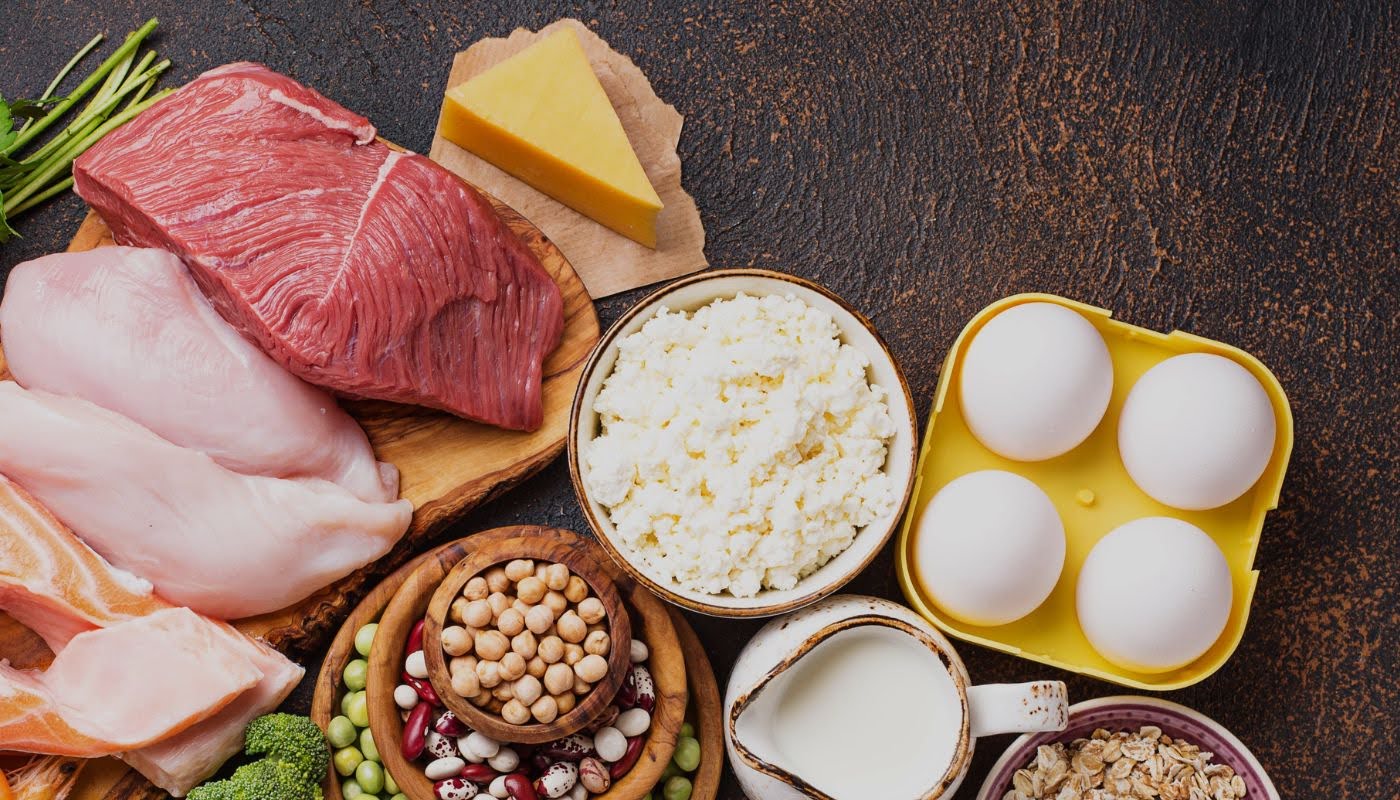
Protein is another key component of a diet for diabetes reversal. Lean protein sources like chicken, turkey, fish, eggs, tofu, and legumes help stabilize blood sugar by slowing carbohydrate absorption and promoting satiety, which reduces overeating. Proteins also support muscle maintenance, which is critical because muscle tissue is a major site for glucose uptake and directly impacts insulin sensitivity.
Research suggests that higher protein intake in balanced diets can lower fasting blood sugar and improve metabolic markers. Additionally, certain protein-rich foods like fatty fish (salmon, mackerel, sardines) provide omega-3 fatty acids, which reduce inflammation and support cardiovascular health, an important consideration for people with diabetes. By including lean proteins in every meal, a diet for diabetes reversal ensures steady energy, improved blood sugar control, and enhanced insulin function.
3. Whole Grains and High-Fiber Carbohydrates
Contrary to outdated advice, not all carbohydrates are harmful. In a diet for diabetes reversal, whole grains and high-fiber carbohydrates are preferred because they are digested slowly, preventing sharp blood sugar spikes. Foods like oats, quinoa, brown rice, barley, and whole-grain bread provide complex carbs that release glucose gradually, supporting stable energy and better insulin regulation.
High fiber content also feeds beneficial gut bacteria, improving gut health and reducing systemic inflammation, both of which contribute to better blood sugar control. Studies show that diets rich in whole grains are associated with lower HbA1c levels and reduced risk of diabetes-related complications. By replacing refined carbs with whole grains, individuals following a diet for diabetes reversal can satisfy their carbohydrate needs without compromising glycemic control or metabolic health.
4. Healthy Fats
Healthy fats are an essential part of a diet for diabetes reversal because they improve satiety, stabilize blood sugar, and support cardiovascular health. Sources such as olive oil, avocado, nuts, seeds, and fatty fish provide monounsaturated and polyunsaturated fats that enhance insulin sensitivity and reduce inflammation.
Research indicates that incorporating these fats into meals slows digestion and moderates glucose absorption, preventing post-meal spikes. Additionally, omega-3 fatty acids from fatty fish lower triglycerides, reduce oxidative stress, and support overall metabolic function.
Unlike trans fats or highly processed oils, these healthy fats nourish cells, help maintain hormone balance, and promote long-term metabolic health. Including a variety of these fats in a diet for diabetes reversal ensures that meals are satisfying, blood sugar remains stable, and the body receives essential nutrients critical for reversing insulin resistance.
5. Low-Glycemic Fruits
While sugar-rich fruits can spike blood sugar, low-glycemic fruits are effective in a diet for diabetes reversal. Berries, cherries, apples, pears, and citrus fruits have a low glycemic index, meaning they release glucose slowly and do not overwhelm insulin response.
These fruits are also packed with antioxidants, vitamins, and fiber, which reduce inflammation, protect pancreatic beta cells, and support insulin sensitivity. Research shows that incorporating low-glycemic fruits into a balanced diet improves overall glycemic control and reduces diabetes-related oxidative stress.
Unlike processed snacks or sugary foods, these fruits provide natural sweetness while contributing to metabolic health. Eating them in moderation, ideally alongside protein or healthy fats, ensures that blood sugar levels remain stable, making them a practical and enjoyable component of a diet for diabetes reversal.
How does a diet for diabetes reversal improve insulin sensitivity?

1. Reduction of Visceral and Liver Fat
A key way a diet for diabetes reversal improves insulin sensitivity is by reducing visceral fat and fat accumulation in the liver. Excess fat in these areas is a major contributor to insulin resistance, as it releases inflammatory molecules and interferes with normal insulin signaling.
Structured dietary approaches, including low-calorie meals, balanced macronutrients, and whole-food-based eating, help the body burn this harmful fat. Clinical studies, such as the DiRECT trial, have shown that even moderate weight loss (5–10% of body weight) can significantly restore insulin function.
By decreasing organ fat, a diet for diabetes reversal allows pancreatic beta cells to work more effectively, improving glucose uptake by muscles and other tissues. Over time, this reduces circulating blood sugar levels naturally, decreasing the need for medication and supporting long-term metabolic health.
2. High-Fiber Foods and Gut Health
High-fiber foods are another mechanism through which a diet for diabetes reversal enhances insulin sensitivity. Soluble fiber from vegetables, fruits, legumes, and whole grains slows carbohydrate absorption, preventing sudden spikes in blood sugar.
Moreover, fiber feeds beneficial gut bacteria, producing short-chain fatty acids that reduce systemic inflammation and improve insulin signaling. A healthy gut microbiome has been strongly linked to better glucose regulation and reduced insulin resistance.
Studies suggest that diets rich in fiber increase satiety, decrease overeating, and support stable blood sugar levels throughout the day. By combining fiber-rich foods with other nutrient-dense options, a diet for diabetes reversal directly addresses one of the root causes of insulin resistance while also promoting long-term digestive and metabolic health.
3. Balanced Macronutrients to Stabilize Blood Sugar
A diet for diabetes reversal improves insulin sensitivity by emphasizing balanced macronutrient intake. Meals that combine low-glycemic carbohydrates, lean protein, and healthy fats slow glucose absorption, reduce post-meal insulin surges, and prevent pancreatic stress.
Proteins stimulate glucagon release, which works alongside insulin to maintain blood sugar balance, while healthy fats enhance satiety and reduce rapid glucose spikes. Research shows that diets with carefully controlled macronutrient ratios improve fasting glucose levels, HbA1c, and overall insulin responsiveness.
By avoiding high-glycemic or processed foods that spike blood sugar, a diet for diabetes reversal trains the body to respond more efficiently to insulin. Over time, this balanced approach helps restore natural metabolic function and supports long-term diabetes management.
4. Anti-Inflammatory and Antioxidant-Rich Foods
Chronic inflammation is a major driver of insulin resistance, and a diet for diabetes reversal improves insulin sensitivity by incorporating anti-inflammatory and antioxidant-rich foods. Foods like leafy greens, berries, nuts, fatty fish, and olive oil reduce oxidative stress and inflammation, which interfere with insulin signaling.
By lowering inflammation, these foods help cells respond more effectively to insulin, allowing glucose to be absorbed efficiently into tissues. Clinical studies show that anti-inflammatory diets reduce fasting glucose and improve insulin action. Additionally, antioxidants protect pancreatic beta cells from damage, preserving natural insulin production.
Including these foods regularly in a diet for diabetes reversal not only stabilizes blood sugar but also supports overall metabolic health, reducing the risk of diabetes-related complications over time.
How long does it take to see results from a diet for diabetes reversal?

1. Initial Improvements in Blood Sugar (1–4 Weeks)
When following a diet for diabetes reversal, some individuals may notice initial improvements in blood sugar levels within the first few weeks. Reducing refined carbohydrates, added sugars, and processed foods, while focusing on nutrient-dense, high-fiber vegetables, lean proteins, and healthy fats, can quickly stabilize post-meal glucose spikes.
Early changes often include more consistent energy levels, reduced sugar cravings, and modest weight loss, particularly in individuals with high visceral fat. Studies indicate that fasting blood sugar and postprandial glucose can start to improve within 2–4 weeks of adopting a structured dietary plan.
However, these early improvements reflect changes in glucose absorption and initial insulin response rather than full reversal. Maintaining consistency during this period is critical, as early results motivate adherence and set the foundation for longer-term metabolic improvements in a diet for diabetes reversal.
2. Moderate Changes and Weight Loss (1–3 Months)
Within 1–3 months, a diet for diabetes reversal typically produces moderate but meaningful changes in blood sugar control, HbA1c levels, and body weight. Continued adherence to low-glycemic carbohydrates, high-fiber vegetables, lean proteins, and healthy fats promotes visceral fat reduction and improved insulin sensitivity.
Research, including findings from the DiRECT trial, demonstrates that structured dietary interventions can lead to significant weight loss and measurable reductions in liver and pancreatic fat within this period. These changes often result in more stable fasting blood glucose, decreased dependence on medications, and improved metabolic markers.
At this stage, many individuals notice sustained energy levels, better appetite control, and a reduction in sugar cravings. Consistency over these months is essential, as metabolic adaptations during this period determine whether long-term remission is achievable.
3. Long-Term Results and Potential Remission (6–12 Months)
Long-term results from a diet for diabetes reversal typically become evident between 6 to 12 months, when sustained dietary adherence, weight management, and lifestyle changes culminate in improved metabolic function.
Studies show that significant reductions in liver and pancreatic fat, coupled with restored insulin sensitivity, can lead to partial or complete remission of type 2 diabetes in some individuals.
At this stage, many people achieve HbA1c levels in the non-diabetic range and may reduce or eliminate their need for glucose-lowering medications under medical supervision. The key factors influencing long-term results include consistency, portion control, meal composition, physical activity, and stress management.
While individual timelines vary depending on disease duration, genetics, and lifestyle, a well-structured diet for diabetes reversal can produce lasting improvements in blood sugar control, energy levels, and overall metabolic health over several months.
4. Factors That Influence How Quickly Results Are Seen
The timeline for seeing results from a diet for diabetes reversal depends on multiple factors, including baseline blood sugar levels, weight, duration of diabetes, and adherence to dietary guidelines. Individuals with shorter disease duration, lower visceral fat, and higher physical activity levels may see faster improvements.
Conversely, long-standing type 2 diabetes or advanced insulin resistance may require longer to achieve measurable changes. Meal composition, portion control, fiber intake, and the inclusion of anti-inflammatory foods also influence the rate of improvement.
Additionally, lifestyle factors like sleep quality, stress levels, and consistency in daily routines can either accelerate or slow the effects of the diet. Regular monitoring of blood sugar, HbA1c, and weight is essential to track progress and make adjustments. Understanding these variables helps set realistic expectations for the timeline of results in a diet for diabetes reversal.
If you’re ready to take the next step toward reversing type 2 diabetes naturally, the HealthyWayFit program offers a structured, science-backed approach to implementing a diet for diabetes reversal in real life.
Designed to combine personalized meal plans, expert guidance, and lifestyle support, the program helps you improve insulin sensitivity, stabilize blood sugar, and achieve lasting metabolic health.
With practical strategies, easy-to-follow recipes, and ongoing coaching, HealthyWayFit makes it simpler to turn the principles discussed in this article into sustainable, real-world results—empowering you to regain control of your health.
HealthyWayFit — India’s Most Personal Diabetes Reversal Program
You’re told to “eat less,” “exercise more,” or “try another pill.” Yet your sugars remain stubborn, energy crashes continue, and every lab report feels like another warning. What’s missing isn’t willpower — it’s the right system.
That’s where HealthyWayFit comes in.
We are not another app, crash diet, or one-size-fits-all chart. HealthyWayFit is a 12-month, end-to-end Type 2 Diabetes Reversal Program designed exclusively for Indian professionals who want results that fit their lifestyle.
Over the past few years, our team has helped hundreds of Indians lower HbA1c, reduce medicine dependency, and—in many cases—achieve complete reversal of Type 2 diabetes.
Our tone is simple: empathetic, therapeutic, and committed. We listen first, design second, and support you every step of the way.
1) What Makes HealthyWayFit Different?
1. Personalized Nutrition You Can Actually Follow No fad superfoods or unrealistic smoothie charts. We use your ghar ka khana—dal, roti, rice, idli, dosa, paneer, sabzi—and align it with blood sugar control. No separate cooking, no family pressure. A plan that works whether you’re 35 or 85.
2. Metabolic Exercise for Type 2 Diabetes Control Our short, 15–20 minute metabolic routines target big muscle groups (legs, shoulders, glutes) and can lower sugar readings by 50–100 points. No gym, no equipment, just science-backed movements you can do at home.
3. Stress & Sleep Mastery Stress raises cortisol, which raises sugar. We equip you with practical tools—one-minute breathing practices, sleep optimization, and micro-habits—to keep your blood sugar stable, even on your busiest days.
4. Doctor-Led, Holistic Care Every client is guided by a Senior MD Diabetologist ensuring medical safety, while lifestyle coaches design food, exercise, and habit strategies. This unique blend of medical expertise and daily support is why our clients see true reversal.
5. Relentless Support & Accountability From weekly coaching calls and daily check-ins to festival, travel, and dining-out guides, we make sure your reversal journey adapts to real life, not the other way around.
2) What Results Can You Expect?
Most clients notice changes within 20–60 days: better energy, lighter mornings, and lower sugar readings. Over the year, we focus on long-term stabilization, so results are not just quick but sustainable for years to come.
3) Is HealthyWayFit Right for You?
If you’re a working professional or entrepreneur living with Type 2 diabetes, and can dedicate just 15–30 minutes daily, HealthyWayFit is built for you. This isn’t a crash course. It’s a life-changing reversal system personalized to your food, family, and lifestyle.
4) Take the Next Step
Your journey starts with a personal consultation where we understand your health history, challenges, and lifestyle. If we’re aligned, we’ll design a custom Type 2 Diabetes Reversal Plan built just for you.
Explore more at: healthywayfit Book your consultation here: calendly
Move beyond “managing” diabetes. With HealthyWayFit, you can reverse Type 2 diabetes—safely, sustainably, and with support at every step.
Frequently Asked Questions (FAQs)

1. How sustainable is a diet for diabetes reversal in real-life conditions?
A diet for diabetes reversal is sustainable when it emphasizes balanced, whole foods, portion control, and flexibility, rather than extreme restriction. Real-life success depends on creating meal plans that fit individual lifestyles, preferences, and cultural habits. Gradual changes, structured guidance, and support systems improve adherence.
Combining nutrition with physical activity, stress management, and mindful eating makes it easier to maintain long-term blood sugar control, supporting lasting metabolic health without feeling deprived.
2. Does a diet for diabetes reversal address the root causes of insulin resistance?
Yes, a diet for diabetes reversal targets the root causes of insulin resistance, including excess liver and visceral fat, chronic inflammation, and poor glucose metabolism. By focusing on whole foods, high fiber, healthy fats, and balanced macronutrients, it improves insulin signaling and pancreatic function.
Weight loss and nutrient optimization reduce fat-induced metabolic dysfunction, while stabilizing blood sugar. This approach addresses underlying metabolic issues rather than merely managing symptoms, offering a pathway to long-term improvements in insulin sensitivity.
3. How does weight loss influence the success of a diet for diabetes reversal?
Weight loss is a critical factor in the success of a diet for diabetes reversal. Even modest reductions (5–10% of body weight) decrease visceral and liver fat, improving insulin sensitivity and glucose metabolism. Fat loss reduces inflammation and relieves stress on pancreatic beta cells, enabling natural insulin production.
Clinical trials show that combining dietary interventions with weight management significantly increases the likelihood of achieving long-term blood sugar control and, in some cases, complete remission of type 2 diabetes.
4. Are there risks or limitations associated with a diet for diabetes reversal?
While generally safe, a diet for diabetes reversal has potential limitations. Rapid weight loss or extreme caloric restriction can cause nutrient deficiencies, fatigue, or gallstones if not medically supervised. Individuals on glucose-lowering medications must monitor blood sugar to avoid hypoglycemia.
Long-term adherence can be challenging without personalized guidance, structured meal planning, and lifestyle support. Additionally, results vary based on diabetes duration, genetics, and pre-existing conditions, so realistic expectations and professional oversight are essential.
Conclusion
In conclusion, a diet for diabetes reversal offers a scientifically backed, holistic approach to managing and potentially reversing type 2 diabetes. By focusing on nutrient-dense whole foods, balanced carbohydrates, lean proteins, healthy fats, and anti-inflammatory options, this approach addresses the root causes of insulin resistance, including excess visceral and liver fat, chronic inflammation, and impaired glucose metabolism.
Combined with lifestyle strategies such as regular physical activity, stress management, and adequate sleep, these dietary changes can stabilize blood sugar, improve insulin sensitivity, and support long-term metabolic health. Evidence from clinical trials and real-world studies demonstrates that consistent adherence can lead to measurable reductions in HbA1c, decreased dependence on medication, and, in some cases, lasting remission.
Ultimately, a diet for diabetes reversal is not a temporary fix but a sustainable framework for achieving better energy, improved health, and enhanced quality of life, empowering individuals to take control of their diabetes naturally and effectively.


