
.svg)
A diet chart for diabetes reversal is built around one central goal: improving insulin sensitivity and stabilizing blood sugar through structured, sustainable eating habits. Rather than focusing on extreme restrictions, modern diabetes nutrition strategies emphasize whole foods, balanced macronutrients, and meal timing that supports metabolic recovery.
Research increasingly shows that targeted dietary changes can help many people with type 2 diabetes improve glucose control, reduce insulin resistance, and support long-term metabolic health when combined with lifestyle adjustments.
The foundation of an effective diabetes reversal diet plan includes nutrient-dense foods that regulate blood sugar, reduce inflammation, and promote steady energy levels.
Essential foods such as high-fiber vegetables, lean proteins, healthy fats, low-glycemic carbohydrates, and antioxidant-rich plant foods work together to minimize glucose spikes and improve insulin function.
A structured meal plan for diabetes reversal also helps eliminate guesswork by guiding portion sizes, meal timing, and food combinations that maintain stable blood sugar throughout the day.
This guide explores a practical diet chart for diabetes reversal built around nine essential foods and realistic meal patterns that can fit everyday life.
By understanding how specific foods influence glucose metabolism and insulin response, readers can make informed dietary choices that support healthy blood sugar control, weight management, and sustainable metabolic improvement key pillars in any evidence-based diabetes management approach.
What is the best diet chart for diabetes reversal to control blood sugar naturally?

The best diet chart for diabetes reversal to control blood sugar naturally is not a crash diet or a one-size-fits-all pla, it is a structured eating pattern designed to reduce insulin resistance, stabilize glucose levels, and support long-term metabolic healing.
For people with type 2 diabetes or prediabetes, research consistently shows that improving food quality, meal timing, and nutrient balance can significantly improve blood sugar control. The goal is to create steady energy, avoid sharp glucose spikes, and encourage the body to respond to insulin more effectively.
A strong diabetes reversal diet focuses on whole, minimally processed foods that digest slowly, reduce inflammation, and support healthy weight management.
Instead of extreme restriction, the best results come from consistency, portion awareness, and smart food combinations. When followed correctly, this type of diet chart becomes a sustainable lifestyle rather than a temporary fix.
A practical diet chart for diabetes reversal should include the following core principles:
- Prioritize low-glycemic carbohydrates Choose foods that release glucose slowly into the bloodstream. Examples include oats, quinoa, lentils, beans, sweet potatoes, and whole grains. These foods prevent sudden blood sugar spikes and help maintain steady energy.
- Increase fiber intake at every meal Fiber slows sugar absorption and improves insulin sensitivity. Non-starchy vegetables like spinach, broccoli, carrots, cucumber, cabbage, and bell peppers should fill at least half your plate.
- Include lean protein with each meal Protein stabilizes blood sugar and reduces hunger cravings. Good sources include eggs, fish, chicken breast, tofu, paneer, Greek yogurt, and legumes.
- Add healthy fats to improve insulin response Nuts, seeds, olive oil, avocado, and fatty fish help regulate hormones and reduce inflammation linked to insulin resistance.
- Control portion sizes to prevent glucose overload Even healthy foods can raise blood sugar if eaten in excess. A balanced plate should roughly follow:
- 50% vegetables
- 25% protein
- 25% complex carbohydrates
- Follow consistent meal timing Eating at regular intervals (every 3–4 hours) prevents extreme highs and lows in blood sugar. Avoid long fasting gaps followed by heavy meals.
- Limit refined sugar and ultra-processed foods White bread, sugary drinks, packaged snacks, and desserts rapidly spike glucose and worsen insulin resistance.
- Stay hydrated to support metabolic function Water improves glucose transport and reduces unnecessary hunger signals.
- Focus on whole foods over calorie counting Quality matters more than strict calorie restriction. Whole foods naturally regulate appetite and blood sugar.
A sample daily structure in a diet chart for diabetes reversal may look like this:
- Breakfast: High-fiber carbs + protein (oats with nuts and yogurt)
- Mid-morning snack: Fruit + nuts
- Lunch: Vegetables + lean protein + whole grain
- Evening snack: Seeds or boiled eggs
- Dinner: Light protein + vegetables + small portion of carbs
This style of eating supports gradual, sustainable improvement in insulin sensitivity rather than temporary sugar control. When combined with regular physical activity, good sleep, and stress management, the right diet chart becomes a powerful tool for long-term blood sugar balance.
Which essential foods should be included in a diet chart for diabetes reversal?

1) High-Fiber Non-Starchy Vegetables
High-fiber non-starchy vegetables should make up the largest portion of a diabetes reversal plate because they have minimal impact on blood sugar while delivering vitamins, minerals, and antioxidants. Vegetables such as spinach, broccoli, cauliflower, cabbage, cucumber, zucchini, and bell peppers slow digestion and reduce glucose spikes after meals.
Their fiber content improves gut health, which is closely linked to insulin sensitivity and metabolic balance. These vegetables are also low in calories but high in volume, helping with satiety and weight management, an important factor in reversing insulin resistance.
Eating a variety of colors ensures a broader spectrum of protective plant compounds that reduce inflammation. Ideally, half of every meal should consist of non-starchy vegetables, prepared with minimal oil and salt. Regular vegetable intake supports steady energy levels and helps retrain the body to process carbohydrates more efficiently over time.
2) Lean Protein Sources
Lean protein is essential in a diet chart for diabetes reversal because it stabilizes blood sugar, preserves muscle mass, and reduces hunger cravings. Protein slows carbohydrate absorption, preventing rapid glucose rises after eating. Good sources include eggs, chicken breast, fish, tofu, lentils, paneer, Greek yogurt, and legumes.
Fish such as salmon and sardines also provide omega-3 fats that lower inflammation associated with insulin resistance. Adequate protein intake supports metabolic repair and improves body composition, both of which are crucial in long-term diabetes management.
Including protein in every meal promotes fullness and prevents overeating, a common trigger for blood sugar fluctuations. It also supports hormone balance that regulates appetite and energy use.
For best results, choose grilled, boiled, or lightly sautéed preparations instead of fried options. Consistent protein intake helps maintain stable glucose levels and enhances the effectiveness of a diabetes reversal eating pattern.
3) Low-Glycemic Whole Carbohydrates
Carbohydrates are not the enemy in diabetes reversal, the type and quality matter most. Low-glycemic whole carbohydrates digest slowly and provide sustained energy without overwhelming the bloodstream with sugar. Examples include oats, quinoa, brown rice, millets, lentils, beans, and sweet potatoes.
These foods contain fiber and resistant starch that improve insulin sensitivity and support gut bacteria linked to better glucose control. Unlike refined grains, whole carbohydrates maintain their natural structure, which slows digestion and prevents spikes.
Controlled portions are key; carbohydrates should complement meals rather than dominate them. Pairing carbs with protein and vegetables further reduces their glycemic impact. Completely eliminating carbs is often unsustainable and unnecessary, while smart carb choices help retrain the body to use glucose efficiently.
A balanced intake of low-glycemic carbohydrates ensures energy, nutrient density, and metabolic stability within a structured diabetes reversal diet chart.
4) Healthy Fats
Healthy fats play a protective role in improving insulin response and reducing chronic inflammation. Sources such as nuts, seeds, olive oil, avocados, and fatty fish support hormone function and prolong satiety. Unlike trans fats or heavily processed oils, natural fats help regulate blood sugar by slowing digestion and preventing sudden hunger crashes.
They also enhance nutrient absorption, especially fat-soluble vitamins that contribute to metabolic health. Including moderate amounts of healthy fat in meals improves taste and sustainability, making dietary changes easier to maintain long term.
Research suggests that diets rich in unsaturated fats are associated with better glucose control and cardiovascular protection both critical for people managing diabetes.
Portion awareness is important since fats are calorie-dense, but avoiding them entirely can disrupt hormonal balance. When used wisely, healthy fats become a stabilizing component of a diet chart for diabetes reversal.
5) Antioxidant-Rich Fruits
Fruits can be included in a diabetes reversal diet when chosen carefully and eaten in controlled portions. Antioxidant-rich fruits such as berries, apples, guava, kiwi, oranges, and pomegranate provide fiber, vitamins, and polyphenols that protect cells from oxidative stress linked to insulin resistance.
Whole fruits are far superior to juices because fiber slows sugar absorption and reduces blood glucose spikes. Fruits also satisfy sweet cravings naturally, helping reduce dependence on refined sugar. The key is moderation and pairing fruit with protein or healthy fat for example, an apple with nuts to further stabilize blood sugar.
Fruits with a lower glycemic load provide nourishment without overwhelming the body’s insulin response. Regular fruit intake contributes to heart health, immune support, and metabolic resilience. When integrated thoughtfully, antioxidant-rich fruits enhance variety and sustainability in a long-term diabetes reversal diet chart.
6) Fermented and Probiotic Foods
Fermented and probiotic foods support gut health, which plays a direct role in insulin sensitivity and inflammation control. A balanced gut microbiome improves how the body processes carbohydrates and regulates blood sugar.
Foods such as yogurt, kefir, buttermilk, fermented vegetables, and traditional Indian preparations like homemade curd introduce beneficial bacteria that strengthen digestion and metabolic signaling.
Healthy gut bacteria influence hormone release linked to appetite and glucose metabolism. Regular intake of probiotic foods may reduce chronic inflammation, a hidden contributor to insulin resistance. These foods also improve nutrient absorption and immune balance.
Choosing unsweetened versions is important, as added sugars cancel their metabolic benefits. When included daily in moderate portions, fermented foods act as metabolic support tools that enhance the effectiveness of a diabetes reversal diet chart.
7) Nuts and Seeds
Nuts and seeds are nutrient-dense foods that provide a powerful mix of protein, fiber, and healthy fats that stabilize blood sugar. Almonds, walnuts, pistachios, chia seeds, flaxseeds, pumpkin seeds, and sunflower seeds slow digestion and reduce post-meal glucose spikes.
They also contain magnesium and antioxidants that support insulin function and reduce inflammation. Small portions can improve satiety, helping control cravings and prevent overeating. Despite being calorie-dense, research shows that moderate nut consumption is linked to better weight management and metabolic health.
Seeds like flax and chia also support gut health and cholesterol balance, which are important in diabetes care. The key is portion control, a small handful is enough to deliver benefits. When used as snacks or meal additions, nuts and seeds become stabilizing anchors in a diabetes reversal diet chart.
8) Legumes and Pulses
Legumes and pulses are among the most effective plant-based foods for blood sugar control. Lentils, chickpeas, kidney beans, black beans, and peas are rich in fiber and plant protein, which slow carbohydrate absorption and improve insulin sensitivity.
Their resistant starch feeds beneficial gut bacteria, strengthening metabolic health over time. Legumes provide sustained energy without sharp glucose spikes, making them ideal staples in a diabetes reversal plan. They also support heart health by lowering cholesterol and reducing inflammation.
Because they digest slowly, legumes promote fullness and reduce the likelihood of overeating later. Traditional diets that include regular pulses are consistently linked to lower diabetes risk. When cooked with minimal oil and paired with vegetables, legumes become a cornerstone food group that enhances stability, nutrition, and sustainability in a structured diabetes reversal diet.
9) Hydrating, Low-Calorie Fluids
Proper hydration is often overlooked but is essential in a diabetes reversal diet chart. Water supports glucose transport in the bloodstream and helps the kidneys flush excess sugar. Mild dehydration can elevate blood sugar and trigger false hunger signals that lead to overeating.
Low-calorie fluids such as water, herbal teas, lemon water, and unsweetened green tea help maintain metabolic balance without adding sugar. Adequate hydration improves energy levels, digestion, and appetite regulation.
Sugary drinks should be replaced with clean fluids that support rather than stress insulin function. Drinking water before meals may also improve portion control.
Consistent hydration reduces metabolic strain and complements dietary changes. While not a food in the traditional sense, fluid intake acts as a silent regulator that enhances the effectiveness of every other component in a diabetes reversal eating plan.
How do meal plans help improve insulin sensitivity in diabetes reversal?

1) Structured Meal Timing
Structured meal timing improves insulin sensitivity by training the body to process glucose in a predictable rhythm. When meals are irregular, the body experiences repeated spikes and crashes in blood sugar, forcing insulin to work harder. A consistent eating schedule stabilizes this cycle and reduces metabolic stress.
Eating balanced meals every 3–4 hours prevents extreme hunger, which often leads to overeating and sharp glucose surges. Over time, predictable nutrient intake helps cells respond more efficiently to insulin signals. Structured timing also aligns with circadian biology the body processes food better during active daytime hours than late at night.
Meal planning encourages earlier dinners and reduces nighttime snacking, both linked to improved insulin function. This rhythm supports hormonal balance, appetite regulation, and energy stability. A well-designed diabetes reversal meal plan therefore acts like a metabolic reset, restoring order to how the body manages blood sugar.
2) Balanced Macronutrient Distribution
Meal plans improve insulin sensitivity by ensuring each meal contains the right balance of carbohydrates, protein, and fat. Carbohydrates alone can spike blood sugar, but pairing them with protein and healthy fats slows digestion and moderates glucose release.
This balanced macronutrient structure prevents insulin overload and teaches the body to use glucose more efficiently. Protein supports muscle maintenance, and muscle tissue plays a major role in glucose uptake from the bloodstream. Healthy fats reduce inflammation, a hidden driver of insulin resistance.
When meals are pre-planned with proper proportions, people are less likely to rely on high-carb convenience foods that destabilize blood sugar. Balanced eating also improves satiety hormones, reducing cravings and emotional eating.
Over time, repeated exposure to steady, controlled glucose levels retrains insulin receptors to respond more effectively. This gradual improvement is central to how structured meal plans support diabetes reversal.
3) Portion Control and Calorie Awareness
Portion control is a critical factor in restoring insulin sensitivity because excess calorie intake forces the body to store more glucose and fat, worsening resistance. Meal plans create visual and practical boundaries that prevent accidental overeating.
Even healthy foods can disrupt blood sugar when portions are excessive. Structured meal planning encourages plate balance half vegetables, a quarter protein, and a quarter complex carbohydrates which naturally moderates calorie load.
This pattern reduces fat accumulation around organs, a key contributor to insulin dysfunction. Gradual weight reduction, even as little as 5–10% of body weight, has been shown to significantly improve insulin sensitivity. Meal plans remove guesswork and impulsive eating, replacing it with predictable intake.
Controlled portions reduce metabolic strain and give insulin a manageable workload. Over time, the body becomes more responsive to insulin signals, allowing glucose to enter cells efficiently rather than lingering in the bloodstream.
4) Reduced Glycemic Variability
One of the biggest benefits of structured meal planning is minimizing glycemic variability, the constant ups and downs in blood sugar that damage insulin function. Frequent glucose spikes force the pancreas to produce large amounts of insulin, eventually dulling cellular response.
Meal plans emphasize low-glycemic foods, fiber-rich vegetables, and consistent nutrient intake that smooth out these fluctuations. Stable blood sugar protects insulin receptors from overload and reduces oxidative stress. When glucose levels remain steady, energy improves and inflammation decreases, both essential for metabolic repair.
Reduced variability also protects blood vessels and nerves from long-term damage associated with diabetes. By controlling what and when you eat, meal planning creates a predictable glucose environment that encourages healing.
Over time, fewer spikes mean less insulin is required, and the body becomes more efficient at glucose management, a hallmark of improving insulin sensitivity in diabetes reversal.
5) Behavioral Consistency and Habit Formation
Insulin sensitivity improves not only from what is eaten, but from consistent habits reinforced by meal planning. Repeated healthy eating patterns train the brain and metabolism simultaneously. Decision fatigue the mental exhaustion from constant food choices, often leads to poor eating decisions.
A structured plan removes this burden and increases adherence to healthy behaviors. Behavioral consistency reduces stress hormones like cortisol, which are known to worsen insulin resistance. Meal planning also encourages mindful eating, slower digestion, and better appetite regulation.
Over weeks and months, the body adapts to predictable nutrient intake and becomes metabolically flexible, switching efficiently between fuel sources. Habit formation is the hidden engine behind sustainable diabetes reversal. Rather than relying on motivation, structured routines create automatic health-supporting behaviors.
This long-term consistency strengthens insulin response and transforms meal planning into a lifestyle framework that supports lasting blood sugar control.
What foods should be avoided in a diabetes reversal meal plan?

1) Refined Sugars and Sweetened Beverages
Refined sugars and sweetened drinks are among the most damaging foods in a diabetes reversal meal plan because they enter the bloodstream rapidly and force a sharp insulin response. These foods provide calories without fiber, protein, or nutrients that slow absorption. Frequent sugar spikes train the body to become more insulin resistant over time. Liquid sugar is especially harmful because it bypasses satiety signals, making it easy to overconsume. Avoiding these items is one of the fastest ways to stabilize blood glucose and reduce metabolic stress.
- Sugary sodas and packaged fruit juices
- Energy drinks and sweetened coffee beverages
- Candy, desserts, and bakery sweets
- Flavored syrups and sweetened yogurt
- Added sugar in packaged sauces and cereals
2) Refined Grains and Ultra-Processed Carbohydrates
Refined grains behave similarly to sugar inside the body because processing removes fiber and nutrients that slow digestion. White flour products break down quickly into glucose, causing repeated spikes that worsen insulin resistance. Ultra-processed carbs are often engineered to be hyper-palatable, encouraging overeating and disrupting hunger signals. A diabetes reversal plan focuses on whole grains instead of stripped, fast-digesting starches. Removing refined carbohydrates reduces the constant glucose rollercoaster that exhausts insulin function.
- White bread, white rice, and refined pasta
- Packaged snacks like chips and crackers
- Instant noodles and processed cereals
- Pastries and commercial baked goods
- Fast food buns and pizza crusts
3) Trans Fats and Deep-Fried Foods
Trans fats and heavily fried foods increase inflammation, which is a hidden driver of insulin resistance. These fats interfere with how insulin communicates with cells and are strongly linked to metabolic disease. Deep-fried foods are also calorie dense and often paired with refined carbs, creating a double burden on blood sugar control. Repeated exposure to unhealthy fats can damage blood vessels and worsen cardiovascular risk, a major concern for people with diabetes. Avoiding these foods supports both insulin sensitivity and long-term heart health.
- Fried fast foods and packaged fried snacks
- Margarine and hydrogenated oils
- Commercial baked goods with trans fats
- Deep-fried street foods
- Processed frozen fried meals
4) Highly Processed Packaged Foods
Highly processed foods are loaded with hidden sugars, unhealthy fats, preservatives, and refined starches that destabilize blood sugar. These foods are designed for long shelf life and taste appeal, not metabolic health. Regular intake overwhelms the body with fast calories and low nutrient density, making insulin regulation harder.
Packaged foods also encourage mindless eating and oversized portions. A diabetes reversal meal plan prioritizes whole foods because they naturally regulate appetite and glucose response.
- Packaged ready-to-eat meals
- Flavored instant noodles and mixes
- Sugary breakfast cereals
- Processed deli meats
- Packaged snack bars and cookies
5) Excess Alcohol and Sugary Alcoholic Drinks
Alcohol disrupts liver function, which plays a central role in blood sugar regulation. Sugary alcoholic beverages add rapid glucose spikes on top of metabolic stress. Even moderate drinking can impair insulin sensitivity when combined with poor diet habits. Alcohol also lowers inhibition, increasing the likelihood of overeating unhealthy foods. While occasional controlled intake may be manageable for some individuals, frequent consumption undermines diabetes reversal efforts. Reducing alcohol supports hormonal balance and more stable glucose control.
- Sweet cocktails and flavored liquors
- Beer with high carbohydrate content
- Sugary wine coolers
- Pre-mixed alcoholic beverages
- Excessive or binge drinking patterns
How often should you eat when following a diet chart for diabetes reversal?
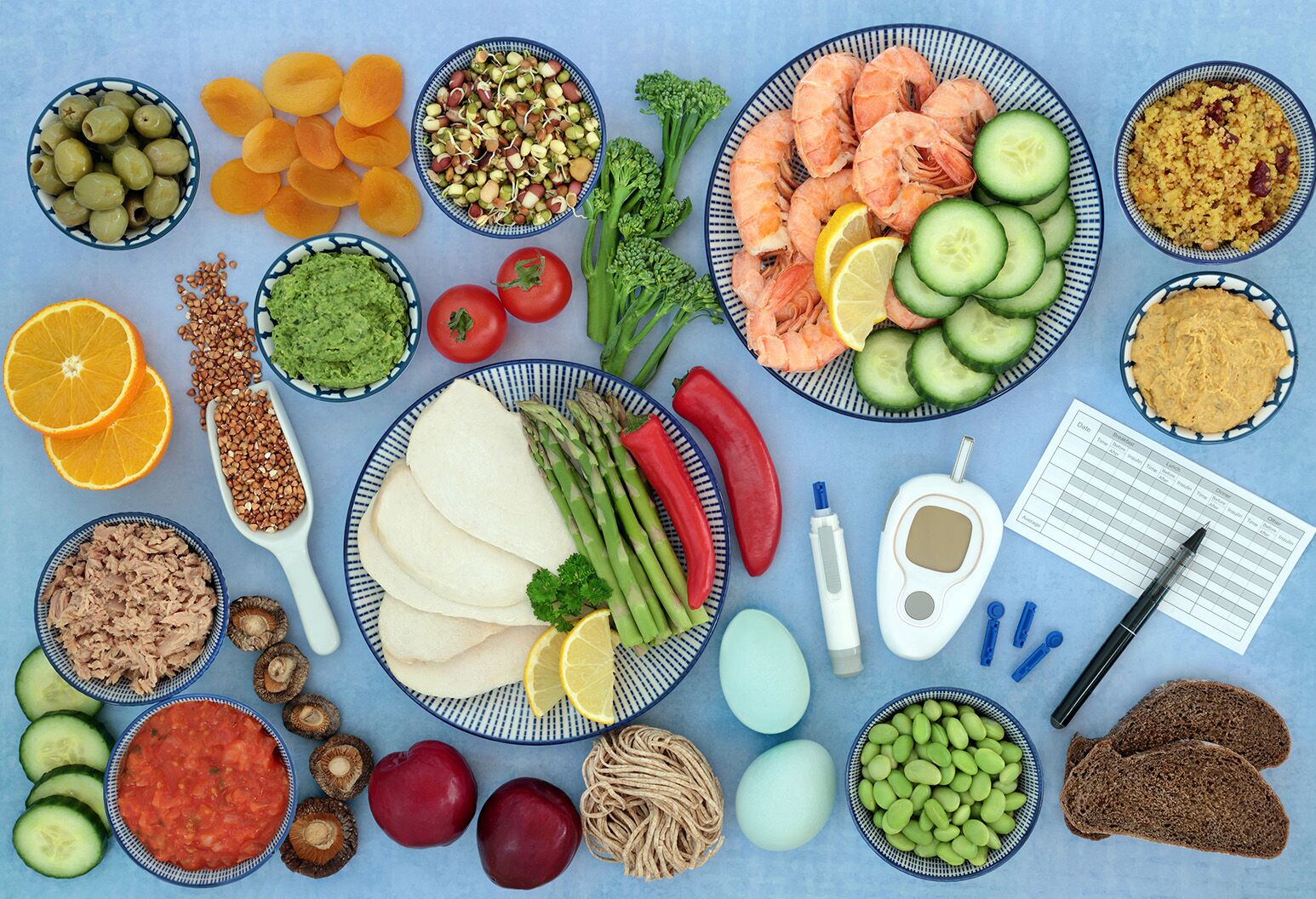
1. Eating Every 3–4 Hours to Stabilize Blood Sugar
Eating every 3–4 hours is often recommended in a diabetes reversal diet chart because it helps maintain stable blood glucose and prevents extreme spikes or crashes. When long gaps occur between meals, blood sugar can drop too low, triggering intense hunger and overeating later.
Frequent, balanced meals reduce stress on insulin response and support better metabolic control. Each meal should combine fiber-rich carbohydrates, lean protein, and healthy fats to slow digestion and improve insulin sensitivity. This rhythm trains the body to use glucose more efficiently instead of storing excess sugar as fat.
Regular meal timing also supports hormonal balance, particularly cortisol and insulin, which play key roles in diabetes management. Rather than focusing on calorie restriction alone, structured meal spacing helps maintain consistent energy levels, reduces cravings, and improves adherence to the diet plan, making long-term diabetes reversal efforts more sustainable and practical.
2. Structured Main Meals with Planned Healthy Snacks
A diabetes reversal diet chart typically includes 3 main meals and 1–2 planned snacks to prevent overeating and support steady glucose control. Skipping meals can lead to sudden blood sugar fluctuations, which worsen insulin resistance over time.
Planned snacks are not random grazing; they are intentional mini-meals designed to maintain satiety and metabolic stability. Ideal snacks include nuts, seeds, yogurt, boiled eggs, or low-glycemic fruits paired with protein. These combinations slow sugar absorption and reduce post-meal spikes.
Structured eating prevents impulsive food choices driven by hunger and fatigue. It also encourages mindful portion control, which is essential for weight management, a key factor in diabetes reversal. When meals and snacks are predictable, the body adapts to a steady fuel supply, improving insulin efficiency and reducing inflammatory responses associated with metabolic disease.
3. Consistent Meal Timing to Improve Insulin Sensitivity
Consistency in meal timing is just as important as food quality when following a diabetes reversal diet chart. Eating at roughly the same times daily helps regulate the body’s internal clock, improving how insulin functions. Irregular eating patterns can confuse metabolic signaling, leading to higher fasting glucose and poor appetite control.
A predictable schedule trains the pancreas and digestive system to respond efficiently, reducing sudden sugar surges. Many people benefit from aligning meals with natural circadian rhythms eating more earlier in the day and lighter in the evening.
This supports better glucose tolerance and reduces nighttime blood sugar elevation. Consistent timing also strengthens habit formation, making the diet easier to follow long term. Over time, the body becomes metabolically flexible, handling carbohydrates more effectively and supporting gradual, sustainable improvement in blood sugar control.
If you’re looking for a structured, supportive way to turn these strategies into real, sustainable results, this is where the HealthyWayFit program can make a meaningful difference.
Instead of guessing what to eat or struggling to stay consistent on your own, the program brings together guided nutrition, practical lifestyle coaching, and accountability designed for long-term health not quick fixes.
Many readers find that having a clear roadmap removes overwhelm and helps them focus on steady progress. If you’re ready to move from information to action and want expert guidance tailored to your goals, exploring HealthyWayFit could be the next smart step in your journey.
HealthyWayFit — India’s Most Personal Diabetes Reversal Program

You’re told to “eat less,” “exercise more,” or “try another pill.” Yet your sugars remain stubborn, energy crashes continue, and every lab report feels like another warning. What’s missing isn’t willpower — it’s the right system.
That’s where HealthyWayFit comes in.
We are not another app, crash diet, or one-size-fits-all chart. HealthyWayFit is a 12-month, end-to-end Type 2 Diabetes Reversal Program designed exclusively for Indian professionals who want results that fit their lifestyle.
Over the past few years, our team has helped hundreds of Indians lower HbA1c, reduce medicine dependency, and—in many cases—achieve complete reversal of Type 2 diabetes.
Our tone is simple: empathetic, therapeutic, and committed. We listen first, design second, and support you every step of the way.
1) What Makes HealthyWayFit Different?
1. Personalized Nutrition You Can Actually Follow No fad superfoods or unrealistic smoothie charts. We use your ghar ka khana—dal, roti, rice, idli, dosa, paneer, sabzi—and align it with blood sugar control. No separate cooking, no family pressure. A plan that works whether you’re 35 or 85.
2. Metabolic Exercise for Type 2 Diabetes Control Our short, 15–20 minute metabolic routines target big muscle groups (legs, shoulders, glutes) and can lower sugar readings by 50–100 points. No gym, no equipment, just science-backed movements you can do at home.
3. Stress & Sleep Mastery Stress raises cortisol, which raises sugar. We equip you with practical tools—one-minute breathing practices, sleep optimization, and micro-habits—to keep your blood sugar stable, even on your busiest days.
4. Doctor-Led, Holistic Care Every client is guided by a Senior MD Diabetologist ensuring medical safety, while lifestyle coaches design food, exercise, and habit strategies. This unique blend of medical expertise and daily support is why our clients see true reversal.
5. Relentless Support & Accountability From weekly coaching calls and daily check-ins to festival, travel, and dining-out guides, we make sure your reversal journey adapts to real life, not the other way around.
2) What Results Can You Expect?
Most clients notice changes within 20–60 days: better energy, lighter mornings, and lower sugar readings. Over the year, we focus on long-term stabilization, so results are not just quick but sustainable for years to come.
3) Is HealthyWayFit Right for You?
If you’re a working professional or entrepreneur living with Type 2 diabetes, and can dedicate just 15–30 minutes daily, HealthyWayFit is built for you. This isn’t a crash course. It’s a life-changing reversal system personalized to your food, family, and lifestyle.
4) Take the Next Step
Your journey starts with a personal consultation where we understand your health history, challenges, and lifestyle. If we’re aligned, we’ll design a custom Type 2 Diabetes Reversal Plan built just for you.
Explore more at: healthywayfit Book your consultation here: calendly
Move beyond “managing” diabetes. With HealthyWayFit, you can reverse Type 2 diabetes—safely, sustainably, and with support at every step.
Frequently Asked Questions(FAQs)

1) How long does it take to see results from a diabetes reversal diet plan?
Many people notice early improvements in blood sugar within 2–4 weeks, especially when they consistently follow a structured diabetes reversal diet plan. Weight loss, improved fasting glucose, and better post-meal readings can appear quickly, but meaningful metabolic changes usually take 3–6 months.
Results vary based on insulin resistance, activity level, sleep, and medication use. Sustainable progress matters more than speed. Gradual, steady improvements are safer and more likely to last long term.
2) Is a vegetarian diet chart effective for diabetes reversal?
A well-designed vegetarian diet chart can be very effective for diabetes reversal when it emphasizes protein, fiber, and low-glycemic carbohydrates. Foods like lentils, beans, paneer, tofu, nuts, seeds, and vegetables improve insulin sensitivity and stabilize blood sugar.
The key is avoiding refined grains, sugary foods, and excess processed vegetarian options. Balanced vegetarian eating supports weight control and gut health, both essential for metabolic improvement, making it a practical and sustainable choice for many people.
3) What is a sample daily meal plan in a diet chart for diabetes reversal?
A sample day might start with a protein-rich breakfast like vegetable omelet or paneer with whole grains. Lunch could include dal, mixed vegetables, salad, and a small portion of brown rice or roti.
A healthy snack may be nuts or yogurt. Dinner should be lighter: sautéed vegetables with protein such as tofu, fish, or chicken. The focus is portion control, fiber, and protein at every meal to maintain steady blood sugar.
4) How does a diabetes reversal diet support long-term metabolic health?
A diabetes reversal diet improves insulin sensitivity, reduces inflammation, and supports healthy weight key pillars of long-term metabolic health. Whole foods rich in fiber, protein, and micronutrients stabilize glucose and lower stress on the pancreas.
Over time, this eating pattern helps regulate hormones, improve energy use, and reduce risk of complications. Consistent dietary habits paired with activity and sleep create a foundation that protects heart health and metabolic function for years.
5) Can intermittent fasting be combined with a diet chart for diabetes reversal?
Yes, intermittent fasting can complement a diabetes reversal diet when done safely and with medical guidance. Structured fasting windows may improve insulin sensitivity and help control calorie intake. However, food quality still matters fasting is not effective if meals are high in refined carbs.
People on diabetes medication must be cautious to avoid hypoglycemia. A balanced approach combining nutrient-dense meals with appropriate fasting can enhance results for some individuals.
Conclusion
A diet chart for diabetes reversal is not about perfection or extreme restriction, it is about building a repeatable system that steadily improves how your body handles glucose. When meals are structured around whole foods, balanced nutrients, and consistent timing, insulin sensitivity can gradually recover.
The real power of this approach lies in sustainability. Small daily decisions around food, movement, sleep, and stress accumulate into meaningful metabolic change over months, not days.
Diabetes reversal is less a single diet and more a lifestyle framework that supports long-term health. With the right guidance, practical meal planning, and supportive habits, blood sugar control becomes predictable rather than stressful.
The goal is not temporary improvement, but a stable, energizing way of eating that protects your future health. When consistency replaces confusion, reversal becomes not just possible, but maintainable.


