
.svg)
Diabetes is a growing health challenge worldwide, but the good news is that diabetes reversal is possible with the right approach.
While medication and insulin therapy are essential for many, research and expert guidance show that targeted lifestyle changes particularly in diet and exercise can help improve blood sugar levels, enhance overall health, and, in some cases, reverse the effects of type 2 diabetes.
In this article, we’ll explore 6 practical steps that make diabetes reversal possible through diet and exercise. These steps are grounded in scientific evidence and backed by medical experts, providing actionable strategies to regain control over your health naturally.
From optimizing nutrition to adopting a consistent exercise routine and monitoring blood sugar, each step focuses on long-term wellness rather than quick fixes.
Whether you are recently diagnosed or have been managing diabetes for years, understanding these steps can empower you to take control of your condition, reduce complications, and improve your quality of life. By following these proven strategies, reversing diabetes naturally can become a realistic and achievable goal.
What are the key benefits of reversing diabetes through diet and exercise rather than relying solely on medication?

Reversing diabetes through diet and exercise rather than relying solely on medication offers multiple health advantages. This approach addresses the root causes of type 2 diabetes and promotes long-term wellness. Let’s explore the benefits in detail:
1. Improved Blood Sugar Control Naturally
One of the most significant benefits of using diet and exercise is better blood sugar regulation without heavy dependence on medication.
- Balanced nutrition: Eating whole foods, high-fiber vegetables, lean proteins, and healthy fats stabilizes blood glucose levels.
- Regular physical activity: Exercise increases glucose uptake by muscles, reducing blood sugar spikes after meals.
- Reduced insulin resistance: Combining diet and exercise improves insulin sensitivity, meaning the body uses insulin more effectively, which is a key factor in diabetes reversal.
This natural regulation helps prevent sudden hypoglycemia or hyperglycemia episodes often associated with sole reliance on medication.
2. Reduced Dependence on Medication
Medications for diabetes, including insulin, are effective but often come with side effects like weight gain, digestive issues, or long-term organ stress.
- By following a structured diet and exercise plan, many people can lower or even eliminate the need for certain diabetes medications under medical supervision.
- This reduces the financial burden and potential side effects associated with long-term drug therapy.
Focusing on lifestyle changes empowers patients to take control of their health naturally, rather than becoming dependent solely on pharmaceuticals.
3. Weight Management and Fat Reduction
Obesity is a major contributor to type 2 diabetes. Diet and exercise directly address this:
- Calorie control and nutrient-rich meals help reduce excess body fat.
- Regular aerobic and strength training exercises burn calories and build lean muscle, which improves metabolism and glucose uptake.
Even a 5–10% reduction in body weight can significantly improve blood sugar levels and reduce the risk of diabetes complications, making diabetes reversal possible for many individuals.
4. Cardiovascular Health Benefits
People with diabetes have a higher risk of heart disease. Lifestyle changes improve heart and vascular health:
- Exercise strengthens the heart and improves blood circulation.
- A diet low in processed sugars and unhealthy fats lowers cholesterol and triglyceride levels.
- Improved blood sugar control reduces the risk of atherosclerosis, heart attacks, and strokes.
These benefits go beyond just diabetes management—they support overall long-term wellness.
5. Enhanced Energy, Mood, and Mental Health
Diet and exercise affect not only physical health but also mental well-being:
- Stable blood sugar levels prevent fatigue, irritability, and brain fog.
- Physical activity releases endorphins, reducing stress, anxiety, and depression, which are common in diabetes patients.
- A balanced diet rich in vitamins and minerals improves cognitive function and mood.
This holistic improvement makes it easier to stick with lifestyle changes, further supporting diabetes reversal.
6. Prevention of Complications and Long-Term Health Benefits
Relying solely on medication may control symptoms but does not address underlying causes. Lifestyle modifications help:
- Reduce risk of kidney disease, neuropathy, and vision problems.
- Improve liver function and reduce fatty liver risk.
- Support healthy aging and longevity by addressing inflammation and oxidative stress.
By combining diet, exercise, and healthy habits, patients can achieve sustainable diabetes reversal and improve overall quality of life.
7. Empowerment and Lifestyle Control
Finally, adopting diet and exercise strategies gives individuals agency over their health:
- Understanding how foods and activity affect blood sugar builds awareness.
- Patients can make informed decisions rather than relying passively on medication.
- This proactive approach fosters a healthier mindset and long-term compliance.
What Are the 6 Steps That Make Diabetes Reversal Possible Through Diet and Exercise?

Reversing type 2 diabetes is not just about medication, it’s about creating a healthy lifestyle that addresses the root causes of the disease. Research shows that diet and exercise play a critical role in improving blood sugar levels, reducing insulin resistance, and supporting overall metabolic health.
Here are the 6 essential steps that make diabetes reversal possible:
1. Adopt a Balanced, Nutrient-Rich Diet
A well-structured diet is the foundation of diabetes reversal. Focus on whole foods, including vegetables, fruits, lean proteins, whole grains, and healthy fats. Reducing processed foods, sugary snacks, and refined carbohydrates helps stabilize blood sugar levels and reduces spikes in insulin.
Incorporate high-fiber foods like leafy greens, beans, and whole grains to slow glucose absorption and promote satiety.
Healthy fats from nuts, seeds, and olive oil support heart health, which is crucial for people with diabetes. Proper portion control and meal timing can also regulate blood glucose levels naturally, making it easier for your body to respond to insulin effectively.
2. Engage in Regular Physical Activity
Exercise is a powerful tool for natural diabetes management. Both aerobic exercises (like walking, jogging, or cycling) and resistance training (like weight lifting or bodyweight exercises) improve insulin sensitivity and help muscles absorb glucose more efficiently.
Regular physical activity also aids in weight management, reduces abdominal fat, and supports cardiovascular health. Even 30–45 minutes of moderate exercise most days of the week can significantly improve blood sugar control and support the reversal of type 2 diabetes.
Importantly, consistency is key; sporadic workouts are less effective than a structured routine.
3. Monitor and Track Blood Sugar Levels
Monitoring blood sugar levels is critical for understanding how your diet and exercise choices affect glucose control. Use a glucometer or continuous glucose monitor (CGM) to track fasting and post-meal blood sugar.
Keeping a daily log of blood sugar readings, meals, and activity helps identify patterns, such as which foods spike glucose or which exercises lower it effectively.
This data empowers individuals to make informed adjustments and see progress toward diabetes reversal. Regular monitoring also reduces the risk of hypoglycemia or hyperglycemia, especially for those transitioning away from medication reliance.
4. Maintain a Healthy Weight
Weight management is closely linked to diabetes reversal. Excess body fat, particularly around the abdomen, contributes to insulin resistance, making blood sugar control difficult. By combining a nutrient-dense diet with regular exercise, individuals can achieve gradual and sustainable weight loss.
Even a 5–10% reduction in body weight can significantly improve insulin sensitivity and help normalize blood sugar levels. Maintaining a healthy weight not only supports diabetes management but also reduces the risk of heart disease, fatty liver, and other metabolic complications commonly associated with diabetes.
5. Manage Stress and Prioritize Sleep
Chronic stress and poor sleep patterns can negatively affect blood sugar regulation and insulin sensitivity. When the body is stressed, it releases cortisol, a hormone that can increase blood glucose levels. Similarly, inadequate sleep disrupts hormonal balance, appetite control, and glucose metabolism.
Incorporating stress-reducing techniques such as meditation, yoga, deep breathing exercises, or even regular walks can support overall metabolic health. Prioritizing 7–9 hours of quality sleep each night improves energy, mood, and natural diabetes control, complementing diet and exercise efforts for diabetes reversal.
6. Stay Consistent and Adopt a Long-Term Healthy Lifestyle
Perhaps the most critical step in making diabetes reversal possible is consistency. Short-term diets or sporadic exercise may show temporary results, but lasting change requires adopting a sustainable healthy lifestyle.
This includes sticking to a balanced diet, regular exercise routine, blood sugar monitoring, weight management, and stress control over months and years. Engaging with healthcare professionals, dietitians, or diabetes educators can provide guidance and accountability, ensuring progress is safe and effective.
Over time, consistent lifestyle modifications can lead to natural improvement in insulin sensitivity, reduced reliance on medication, and measurable progress toward diabetes reversal.
How does a step-by-step approach increase your chances of successfully managing or reversing diabetes?

Managing or reversing diabetes is a complex process that involves multiple lifestyle factors. A step-by-step approach provides structure, accountability, and measurable progress, making it easier to achieve long-term results. Here’s why this approach is so effective:
1. Provides Clear and Actionable Guidance
A step-by-step plan breaks down the overwhelming task of diabetes management into simple, achievable actions. Instead of attempting multiple lifestyle changes at once, individuals can focus on one step at a time, such as improving diet or increasing daily physical activity.
This structured approach ensures that each action is targeted toward improving blood sugar control, reducing insulin resistance, and promoting diabetes reversal. Clear guidance also reduces confusion and enhances adherence to a healthy routine.
2. Encourages Consistency and Habit Formation
Consistency is key for successful diabetes management. By implementing lifestyle changes gradually and in sequence, individuals are more likely to form lasting habits.
For example, starting with meal planning and portion control before introducing daily exercise allows the body and mind to adapt gradually. Over time, these habits become part of a sustainable routine, which is essential for long-term blood sugar stability and achieving natural diabetes control.
3. Allows Monitoring and Adjustment
A step-by-step approach makes it easier to track progress and make adjustments based on results. By focusing on one area at a time such as dietary changes or exercise routines individuals can measure improvements in blood sugar levels, weight, and insulin sensitivity.
This monitoring helps identify what works best for each person, allowing for a personalized approach to diabetes reversal. Adjustments can be made gradually without overwhelming the patient or causing frustration.
4. Reduces the Risk of Overwhelm and Burnout
Attempting to overhaul your diet, exercise, and lifestyle all at once can be stressful and unsustainable. A step-by-step plan reduces overwhelm by prioritizing changes in manageable increments.
For instance, starting with simple dietary adjustments before incorporating high-intensity exercise or advanced meal planning makes the process feel achievable. This approach supports long-term adherence, which is critical for successful diabetes management and reversal.
5. Builds Confidence and Motivation
Each completed step provides a sense of accomplishment and progress, which boosts confidence and motivation. Seeing tangible improvements in blood sugar control, weight, or energy levels encourages continued commitment to lifestyle changes.
This positive feedback loop reinforces the idea that diabetes reversal is possible, motivating individuals to maintain consistency in diet, exercise, and other healthy habits.
6. Targets Root Causes of Diabetes Effectively
A step-by-step approach allows you to systematically address the underlying causes of type 2 diabetes, such as insulin resistance, excess body fat, poor diet, and sedentary behavior.
By gradually improving nutrition, physical activity, sleep, and stress management, the body’s metabolism improves, insulin sensitivity increases, and blood sugar levels stabilize naturally. This structured strategy enhances the likelihood of long-term diabetes reversal rather than simply managing symptoms with medication.
7. Promotes Sustainable Long-Term Lifestyle Changes
Finally, a step-by-step approach emphasizes slow, sustainable change rather than quick fixes. Lifestyle modifications implemented gradually are more likely to be maintained over time, reducing the risk of relapse.
Sustainable habits in diet, exercise, sleep, and stress management contribute to continuous improvement in blood sugar control and overall metabolic health, increasing the chances of successfully reversing or managing diabetes naturally.
Which specific dietary changes are proven to have the greatest impact on blood sugar control?

Diet plays a pivotal role in managing and reversing type 2 diabetes, as what you eat directly affects blood sugar levels and insulin sensitivity. Research shows that certain dietary changes are particularly effective in stabilizing glucose, improving metabolic health, and reducing reliance on medication.
By focusing on nutrient-dense foods and minimizing high-glycemic items, individuals can achieve better blood sugar control naturally.
The most impactful dietary changes include:
- Increase High-Fiber Foods – Consuming vegetables, fruits, legumes, and whole grains slows glucose absorption and prevents blood sugar spikes. Soluble fiber, in particular, improves insulin sensitivity and supports gut health.
- Reduce Refined Carbohydrates and Sugary Foods – Limiting white bread, pasta, pastries, and sweetened beverages reduces rapid glucose surges, making it easier to maintain stable blood sugar levels.
- Opt for Low-Glycemic Index (GI) Foods – Foods like sweet potatoes, oats, quinoa, and non-starchy vegetables release glucose slowly, preventing sudden spikes in blood sugar.
- Include Lean Proteins – Protein from fish, poultry, tofu, and legumes helps maintain satiety, reduces overeating, and stabilizes blood sugar when paired with carbohydrates.
- Incorporate Healthy Fats – Monounsaturated and polyunsaturated fats from olive oil, nuts, seeds, and fatty fish improve insulin sensitivity and support cardiovascular health.
- Practice Portion Control and Meal Timing – Eating smaller, balanced meals at regular intervals prevents blood sugar swings and reduces stress on the pancreas.
- Stay Hydrated with Water – Proper hydration helps maintain glucose balance and supports overall metabolic function. Avoid sugar-sweetened drinks that elevate blood sugar.
By implementing these dietary strategies consistently, individuals can improve insulin sensitivity, stabilize glucose levels, and move closer to achieving diabetes reversal naturally. Combining these dietary changes with regular exercise and lifestyle modifications amplifies the benefits and supports long-term health.
How important is exercise in the diabetes reversal process, and what types of physical activity yield the best results?
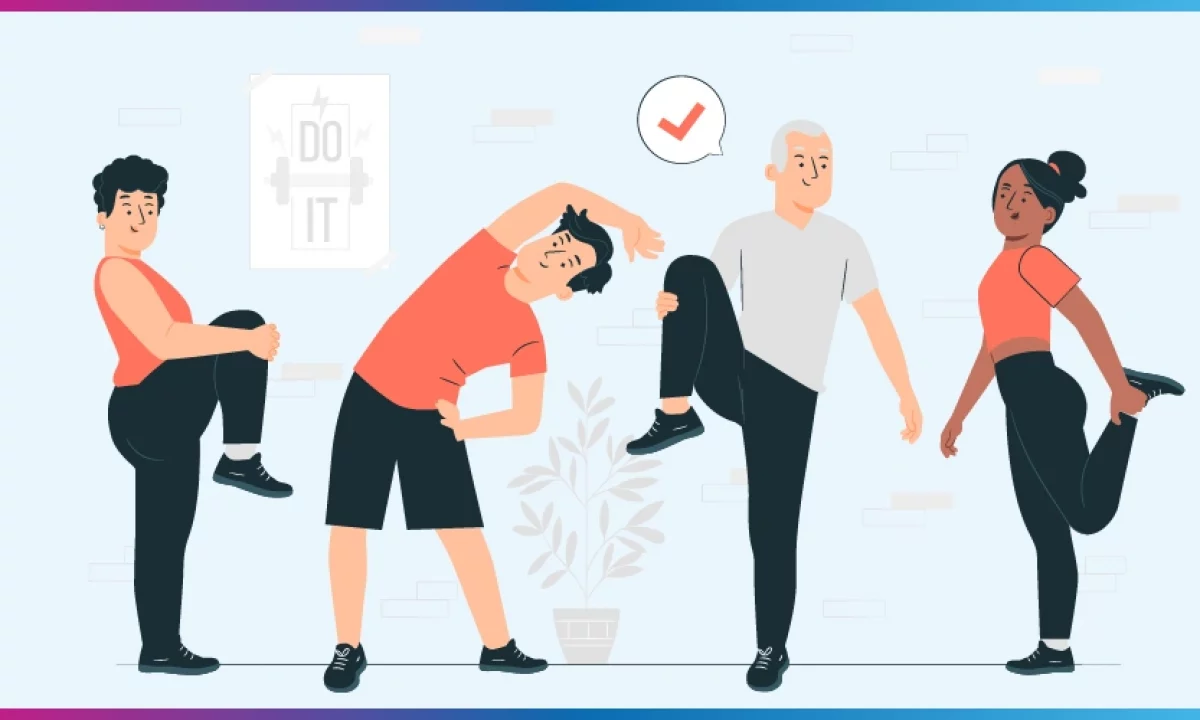
Exercise is one of the most effective tools for diabetes reversal and management. Physical activity helps improve blood sugar control, insulin sensitivity, and overall metabolic health, addressing one of the core causes of type 2 diabetes—insulin resistance.
Regular exercise works synergistically with dietary changes, weight management, and stress reduction to make diabetes reversal possible naturally, without relying solely on medication.
1. Enhances Insulin Sensitivity
Exercise increases the body’s ability to use insulin efficiently. During physical activity, muscles consume glucose for energy, which lowers blood sugar levels naturally. Over time, this improves insulin sensitivity, meaning your body requires less insulin to manage blood sugar.
This effect is crucial in diabetes reversal, as improved insulin efficiency directly reduces the risk of high glucose spikes and long-term complications.
2. Supports Weight Loss and Reduces Abdominal Fat
Excess body fat, especially around the abdomen, is a major contributor to insulin resistance and type 2 diabetes. Engaging in regular physical activity helps burn calories, reduce body fat, and build lean muscle mass. Even a 5–10% reduction in body weight can significantly enhance blood sugar control and increase the likelihood of successful diabetes reversal.
3. Boosts Cardiovascular and Overall Health
People with diabetes are at a higher risk of heart disease. Exercise strengthens the heart, improves blood circulation, lowers blood pressure, and reduces cholesterol and triglycerides. By combining aerobic exercise with strength training, individuals not only manage blood sugar but also support long-term cardiovascular health, which is essential for sustainable diabetes reversal.
4. Reduces Stress and Improves Mental Wellbeing
Physical activity triggers the release of endorphins, which reduce stress, anxiety, and depression. High stress levels and poor mental health can elevate cortisol, a hormone that raises blood sugar. By incorporating regular exercise, individuals can maintain better blood sugar control while improving mood, energy levels, and overall quality of life.
Types of Physical Activity That Yield the Best Results
Different forms of exercise contribute to diabetes reversal in complementary ways. The best results come from a combination of aerobic, resistance, and flexibility exercises:
- Aerobic Exercise (Cardio) Activities such as brisk walking, jogging, cycling, swimming, or dancing increase heart rate and improve glucose uptake by muscles. Aerobic exercise is especially effective for reducing blood sugar levels post-meals and improving cardiovascular health.
- Resistance Training (Strength Training) Weight lifting, resistance bands, bodyweight exercises, and functional training increase muscle mass, which enhances glucose utilization and improves insulin sensitivity. Strength training also supports long-term weight management, which is critical for diabetes reversal.
- High-Intensity Interval Training (HIIT) Short bursts of intense activity followed by rest periods have been shown to rapidly improve blood sugar control, insulin sensitivity, and cardiovascular fitness. HIIT can be time-efficient while providing substantial metabolic benefits.
- Flexibility and Balance Exercises Yoga, Pilates, and stretching routines improve flexibility, reduce stress, and enhance overall mobility. While not directly lowering blood sugar, these exercises complement aerobic and resistance training by supporting overall wellness and stress management, which are important for long-term diabetes control.
- Daily Lifestyle Activity Simple activities such as taking the stairs, walking after meals, gardening, or household chores contribute to daily calorie burn and improved glucose regulation. Incorporating these activities consistently reinforces the effects of structured workouts.
5. Consistency Is Key
The benefits of exercise for diabetes reversal are cumulative. Aim for 150 minutes of moderate-intensity aerobic exercise per week, combined with 2–3 strength training sessions, and include daily movement in your routine.
Consistent physical activity, paired with a healthy diet and lifestyle changes, maximizes the chance of achieving long-term blood sugar control and natural diabetes reversal.
If you’re ready to take the next step toward better blood sugar control and long-term wellness, having the right guidance makes all the difference.
This is where HealthyWayFit comes in. With a strong focus on evidence-based nutrition, practical fitness strategies, and sustainable lifestyle changes, HealthyWayFit helps simplify the journey toward diabetes management and reversal.
Whether you’re looking for expert-backed tips, structured plans, or ongoing motivation, HealthyWayFit provides reliable resources to support your goal of improving health naturally—one step at a time.
HealthyWayFit — India’s Most Personal Diabetes Reversal Program

HealthyWayFit — India’s Most Personal Diabetes Reversal Program
HealthyWayFit — India’s Most Personal Diabetes Reversal Program
You’re told to “eat less,” “exercise more,” or “try another pill.” Yet your sugars remain stubborn, energy crashes continue, and every lab report feels like another warning. What’s missing isn’t willpower — it’s the right system.
That’s where HealthyWayFit comes in.
We are not another app, crash diet, or one-size-fits-all chart. HealthyWayFit is a 12-month, end-to-end Type 2 Diabetes Reversal Program designed exclusively for Indian professionals who want results that fit their lifestyle.
Over the past few years, our team has helped hundreds of Indians lower HbA1c, reduce medicine dependency, and—in many cases—achieve complete reversal of Type 2 diabetes.
Our tone is simple: empathetic, therapeutic, and committed. We listen first, design second, and support you every step of the way.
1) What Makes HealthyWayFit Different?
1. Personalized Nutrition You Can Actually Follow No fad superfoods or unrealistic smoothie charts. We use your ghar ka khana—dal, roti, rice, idli, dosa, paneer, sabzi—and align it with blood sugar control. No separate cooking, no family pressure. A plan that works whether you’re 35 or 85.
2. Metabolic Exercise for Type 2 Diabetes Control Our short, 15–20 minute metabolic routines target big muscle groups (legs, shoulders, glutes) and can lower sugar readings by 50–100 points. No gym, no equipment, just science-backed movements you can do at home.
3. Stress & Sleep Mastery Stress raises cortisol, which raises sugar. We equip you with practical tools—one-minute breathing practices, sleep optimization, and micro-habits—to keep your blood sugar stable, even on your busiest days.
4. Doctor-Led, Holistic Care Every client is guided by a Senior MD Diabetologist ensuring medical safety, while lifestyle coaches design food, exercise, and habit strategies. This unique blend of medical expertise and daily support is why our clients see true reversal.
5. Relentless Support & Accountability From weekly coaching calls and daily check-ins to festival, travel, and dining-out guides, we make sure your reversal journey adapts to real life, not the other way around.
2) What Results Can You Expect?
Most clients notice changes within 20–60 days: better energy, lighter mornings, and lower sugar readings. Over the year, we focus on long-term stabilization, so results are not just quick but sustainable for years to come.
3) Is HealthyWayFit Right for You?
If you’re a working professional or entrepreneur living with Type 2 diabetes, and can dedicate just 15–30 minutes daily, HealthyWayFit is built for you. This isn’t a crash course. It’s a life-changing reversal system personalized to your food, family, and lifestyle.
4) Take the Next Step
Your journey starts with a personal consultation where we understand your health history, challenges, and lifestyle. If we’re aligned, we’ll design a custom Type 2 Diabetes Reversal Plan built just for you.
Explore more at: healthywayfit Book your consultation here: calendly
Move beyond “managing” diabetes. With HealthyWayFit, you can reverse Type 2 diabetes—safely, sustainably, and with support at every step.
Frequently Asked Questions(FAQs)

1) Why is it essential to follow all six steps rather than just focusing on one or two aspects?
Diabetes is a multifactorial condition influenced by diet, exercise, weight, stress, sleep, and consistency. Focusing on only one or two steps may produce limited results, but following all six steps works synergistically to improve insulin sensitivity, stabilize blood sugar levels, and support sustainable diabetes reversal.
2) How quickly can someone expect to see improvements in their blood sugar levels after starting these steps?
Many people notice improvements in blood sugar levels within a few weeks of adopting dietary changes and regular exercise. However, the timeline varies based on consistency, baseline health, and insulin resistance. Meaningful and lasting diabetes reversal typically develops over several months of sustained lifestyle changes.
3) What common misconceptions about diabetes reversal might discourage people from trying this approach, and how can they be addressed?
A common misconception is that diabetes reversal is impossible or requires extreme diets. Others believe medication alone is sufficient. These myths can be addressed through education, evidence-based research, and real-world success stories showing that gradual lifestyle changes can significantly improve blood sugar control.
4) Are there any risks or precautions people should consider before beginning a diet and exercise program aimed at diabetes reversal?
Yes, sudden changes in diet or physical activity can affect blood sugar levels, especially for those on medication. Individuals should monitor glucose closely, avoid extreme routines, and consult healthcare professionals to prevent hypoglycemia, injuries, or nutritional deficiencies while pursuing diabetes reversal safely.
5) In what ways can professional guidance enhance the effectiveness of these six steps for diabetes reversal?
Professional guidance from doctors, dietitians, or fitness experts ensures personalized plans, safe medication adjustments, and proper monitoring. Experts help identify individual challenges, optimize diet and exercise strategies, and improve adherence, significantly increasing the chances of successful and sustainable diabetes reversal.
Conclusion
Diabetes reversal is not about quick fixes or isolated efforts, it’s about adopting a structured, science-backed lifestyle approach that addresses the root causes of the condition.
By consistently following all six steps—balanced nutrition, regular exercise, blood sugar monitoring, weight management, stress control, and long-term consistency individuals can significantly improve insulin sensitivity and overall metabolic health.
When combined with the right guidance and support, these steps make diabetes reversal possible, sustainable, and safe. With commitment, patience, and expert-led strategies, managing and even reversing type 2 diabetes can become a realistic goal, leading to better energy, fewer complications, and an improved quality of life.


