
.svg)
Diabetes reversal is a term that often creates confusion, yet it holds significant promise for improving long-term health when properly understood.
The diabetes reversal meaning goes beyond simply lowering blood sugar, it refers to achieving and maintaining normal blood glucose levels without the need for ongoing diabetes medication, primarily in type 2 diabetes.
Through sustainable lifestyle changes, including a balanced diabetes-friendly diet, regular physical activity, weight management, and improved insulin sensitivity, many individuals can effectively manage and even reverse the progression of the condition.
In this guide, we explore 7 essential insights on diabetes reversal to clarify what it truly involves, how it works in real life, and why understanding the correct meaning of diabetes reversal is crucial for better metabolic health and long-term well-being.
What Is the True Meaning of Diabetes Reversal? 7 Essential Insights for Better Health
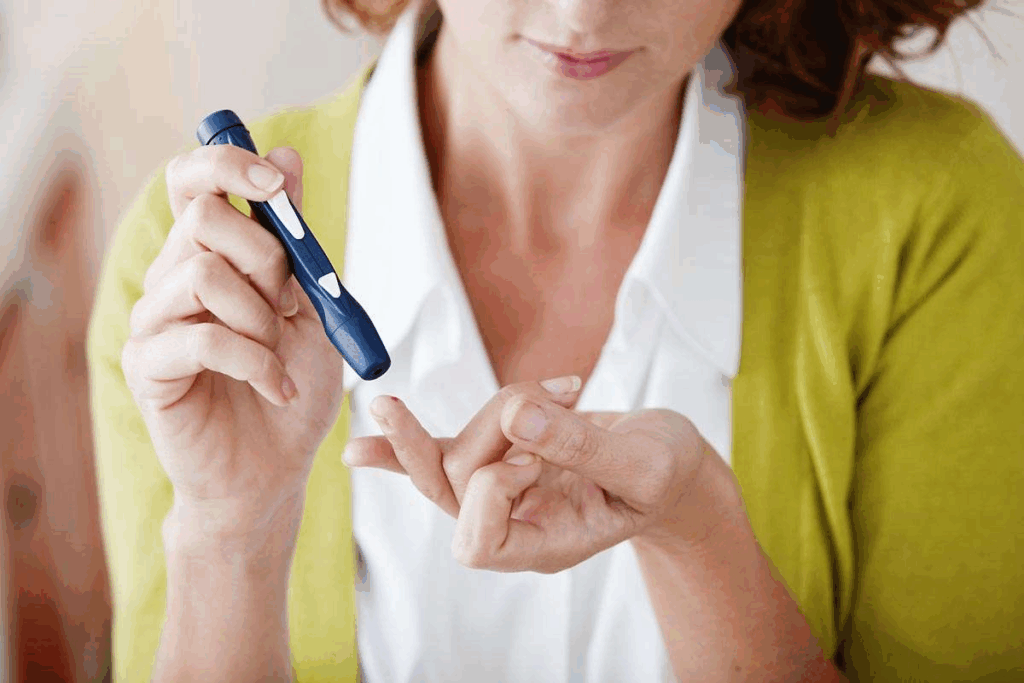
Understanding the true meaning of diabetes reversal helps clear confusion and sets realistic expectations, especially for people with type 2 diabetes. Diabetes reversal is not a quick fix or miracle cure it is a scientifically supported process focused on restoring metabolic health.
Below are 7 essential insights explained in detail, using evidence-based concepts and relevant keywords.
1. Diabetes Reversal Means Remission, Not a Permanent Cure
The medical community defines diabetes reversal as diabetes remission, meaning blood sugar levels return to normal or near-normal ranges without the need for diabetes medication. However, this state is maintained only as long as healthy lifestyle habits continue. If old habits return, blood glucose levels can rise again.
2. It Primarily Applies to Type 2 Diabetes
The possibility of diabetes reversal applies mainly to type 2 diabetes, which is driven by insulin resistance and metabolic dysfunction. Type 1 diabetes cannot be reversed because it involves autoimmune destruction of insulin-producing cells. Understanding this distinction is essential for accurate expectations.
3. Insulin Resistance Is the Core Target
At the heart of type 2 diabetes reversal is improving insulin sensitivity. Excess fat in the liver and pancreas interferes with insulin action. Reducing this fat through weight loss, better nutrition, and physical activity helps restore normal glucose regulation and lowers blood sugar naturally.
4. Weight Loss Plays a Critical Role
Scientific evidence shows that sustained weight loss, even as little as 5–10% of body weight, can significantly improve blood sugar control. Greater weight loss increases the likelihood of achieving long-term diabetes remission, especially when fat loss occurs in key metabolic organs.
5. Lifestyle Changes Drive Sustainable Reversal
A diabetes-reversal lifestyle focuses on a balanced diet, regular exercise, quality sleep, and stress management. Diets rich in fiber, lean protein, and low-glycemic foods, combined with aerobic and resistance exercise, help lower insulin resistance and stabilize blood glucose levels.
6. Early Action Improves Reversal Outcomes
The sooner lifestyle changes begin after diagnosis, the higher the chances of type 2 diabetes reversal. Early-stage diabetes responds better because insulin-producing beta cells are less damaged, making metabolic recovery more achievable.
7. Medical Guidance Is Essential for Safety
Although diabetes reversal can occur naturally, healthcare supervision is critical. Monitoring HbA1c, fasting glucose, and post-meal blood sugar ensures progress is safe and sustainable. Medication adjustments should always be done under professional guidance to prevent complications.
Why is understanding the concept of diabetes reversal important for long-term health?

Understanding the concept of diabetes reversal is important for long-term health because it shifts the focus from temporary blood sugar control to correcting the underlying metabolic problems that cause type 2 diabetes, such as insulin resistance, excess body fat, and poor lifestyle habits.
When people clearly understand the true diabetes reversal meaning, they are more likely to adopt sustainable changes in diet, physical activity, weight management, and overall lifestyle that support lasting blood glucose control.
This knowledge empowers individuals to move beyond a medication-dependent mindset, reduce the risk of diabetes-related complications, and improve overall metabolic and cardiovascular health over time.
Why understanding diabetes reversal matters for long-term health:
- Addresses root causes: Focuses on improving insulin sensitivity and metabolic health rather than only managing high blood sugar
- Reduces complication risk: Lowers the chances of long-term complications such as heart disease, nerve damage, kidney disease, and vision problems
- Encourages sustainable lifestyle changes: Promotes healthy eating, regular exercise, stress management, and better sleep habits
- Decreases medication dependence: Helps many people reduce or eliminate the need for diabetes medications under medical guidance
- Improves quality of life: Supports better energy levels, weight control, and overall physical and mental well-being
- Supports long-term remission: Increases the likelihood of maintaining diabetes remission and preventing relapse
By understanding diabetes reversal, individuals can make informed, proactive decisions that support long-term blood sugar control, prevent disease progression, and lead to better overall health outcomes.
What scientific evidence supports the possibility of reversing diabetes, especially type 2?
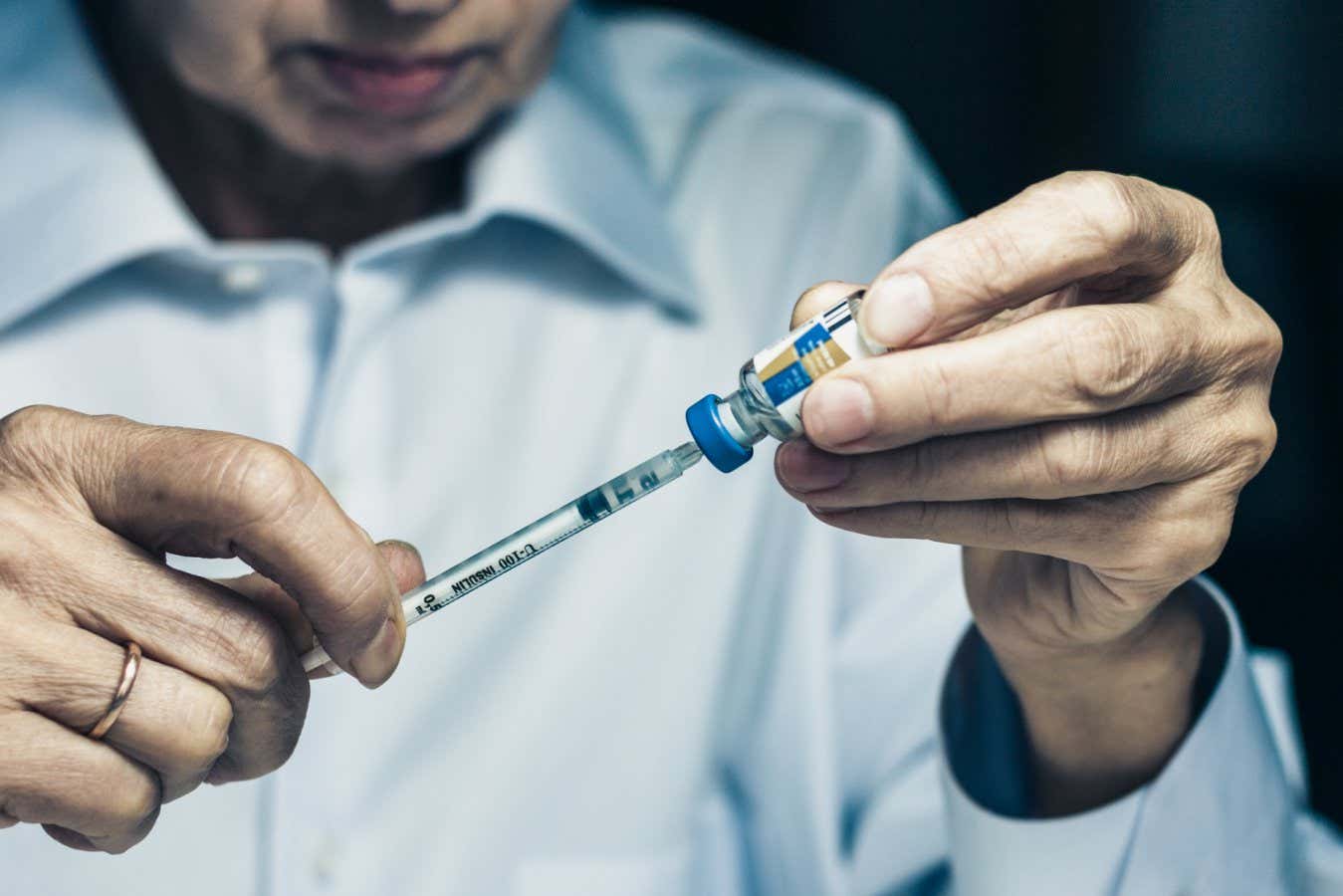
Scientific evidence increasingly supports the possibility of reversing type 2 diabetes, particularly through targeted lifestyle and metabolic interventions.
While type 1 diabetes cannot be reversed, multiple high-quality studies show that type 2 diabetes remission is achievable for many individuals by addressing the disease’s root causes mainly insulin resistance, excess liver and pancreatic fat, and impaired insulin secretion.
Below are the key scientific foundations that explain how and why diabetes reversal is possible.
1. Understanding the Root Cause: Insulin Resistance and Fat Accumulation
Research shows that type 2 diabetes is not solely a blood sugar disorder, but a condition driven by chronic insulin resistance and excess fat stored in the liver and pancreas.
- Excess liver fat increases glucose production
- Pancreatic fat impairs insulin-producing beta cells
- Reducing this fat can restore normal insulin function
This understanding laid the groundwork for studying diabetes reversal through weight loss and metabolic repair rather than lifelong glucose control alone.
2. Evidence from Weight Loss and Calorie Restriction Studies
Multiple clinical trials demonstrate that significant weight loss can lead to diabetes remission:
- Rapid calorie restriction reduces liver fat within days
- Pancreatic fat decreases over weeks, improving insulin secretion
- Blood glucose levels normalize even before major weight loss occurs
These findings confirm that type 2 diabetes can be reversed by restoring metabolic balance, not just by masking symptoms with medication.
3. The DiRECT Trial: Strong Clinical Proof
One of the most cited studies on diabetes reversal is the Diabetes Remission Clinical Trial (DiRECT):
- Participants followed a low-calorie, structured weight-loss program
- Nearly half achieved type 2 diabetes remission within one year
- Those who lost more than 10–15 kg had the highest remission rates
This trial provided robust evidence that diabetes remission is possible and sustainable when lifestyle changes are maintained.
4. Role of Diet Quality in Diabetes Reversal
Scientific studies support specific dietary approaches in improving insulin sensitivity:
- Low-carbohydrate and low-glycemic diets reduce glucose spikes
- Mediterranean diets improve metabolic health and inflammation
- Whole foods and reduced ultra-processed foods lower insulin demand
These dietary strategies help stabilize blood sugar levels, promote weight loss, and support long-term diabetes reversal.
5. Impact of Physical Activity on Insulin Sensitivity
Exercise is a proven scientific tool for reversing insulin resistance:
- Muscle contraction improves glucose uptake without insulin
- Regular physical activity increases insulin sensitivity for up to 48 hours
- Resistance training preserves muscle mass during weight loss
Studies consistently show that combining exercise with dietary changes significantly improves diabetes outcomes and remission rates.
6. Evidence for Early Intervention and Diabetes Duration
Research highlights that early-stage type 2 diabetes is more reversible:
- Shorter diabetes duration = better beta-cell recovery
- Early lifestyle intervention yields higher remission success
- Long-term unmanaged diabetes causes irreversible beta-cell damage
This supports the importance of early diagnosis and prompt lifestyle action.
7. Reduction in Medication with Sustained Remission
Clinical evidence shows that individuals who achieve diabetes reversal:
- Maintain normal HbA1c levels without medication
- Experience improved cholesterol and blood pressure
- Have lower long-term cardiovascular risk
This reinforces that diabetes reversal is not temporary blood sugar control, but true metabolic improvement.
8. Scientific Consensus: Reversal Means Remission, Not a Cure
Medical science clarifies that:
- Diabetes reversal = remission, not a permanent cure
- Blood sugar can rise again if unhealthy habits return
- Long-term success depends on sustained lifestyle changes
This distinction ensures realistic expectations while validating that type 2 diabetes reversal is scientifically achievable.
Which lifestyle changes are most effective in achieving diabetes reversal?

Achieving diabetes reversal, especially in type 2 diabetes, depends largely on consistent, evidence-based lifestyle changes that address the root causes of the condition, such as insulin resistance, excess body fat, and poor metabolic health.
Scientific research shows that when these changes are applied together and sustained over time, they significantly increase the chances of diabetes remission. Below are the most effective lifestyle changes explained in detail.
1. Sustainable Weight Loss and Fat Reduction
One of the most powerful drivers of type 2 diabetes reversal is sustained weight loss, particularly the reduction of fat stored in the liver and pancreas. Excess fat in these organs interferes with insulin action and insulin secretion.
Losing even 5–10% of body weight can dramatically improve insulin sensitivity, normalize fasting blood glucose, and reduce HbA1c levels. Long-term, gradual weight loss achieved through healthy eating patterns is more effective for maintaining diabetes remission than rapid, short-term dieting.
2. Diet Focused on Blood Sugar Control
A diabetes-reversal diet emphasizes whole, nutrient-dense foods that stabilize blood glucose and reduce insulin demand. Diets rich in fiber, lean protein, healthy fats, and low-glycemic carbohydrates help prevent blood sugar spikes and improve metabolic health.
Reducing refined carbohydrates, added sugars, and ultra-processed foods is essential for improving glucose control and supporting long-term diabetes reversal.
3. Regular Physical Activity and Exercise
Consistent physical activity plays a critical role in reversing insulin resistance. Exercise helps muscles absorb glucose without requiring insulin, lowering blood sugar levels naturally.
A combination of aerobic exercise (such as walking or cycling) and strength training improves insulin sensitivity, preserves muscle mass during weight loss, and enhances overall metabolic function. Regular movement also helps maintain diabetes remission by preventing weight regain.
4. Improving Insulin Sensitivity Through Muscle Health
Building and maintaining muscle mass is essential for long-term blood sugar regulation. Muscles act as a primary site for glucose storage, and greater muscle mass increases the body’s ability to manage glucose efficiently.
Resistance training and adequate protein intake support muscle health, making the body more responsive to insulin and reducing the progression of type 2 diabetes.
5. Stress Management and Hormonal Balance
Chronic stress raises cortisol levels, which can increase blood glucose and worsen insulin resistance. Effective stress management techniques—such as mindfulness, yoga, deep breathing, or meditation—help stabilize hormones and support metabolic health. Lower stress levels contribute to better blood sugar control and improve the success of diabetes reversal efforts.
6. Quality Sleep and Circadian Rhythm Regulation
Poor sleep disrupts insulin sensitivity and appetite-regulating hormones, making blood sugar control more difficult. Prioritizing 7–9 hours of quality sleep each night improves glucose metabolism, supports weight loss, and reduces cravings for high-sugar foods. Good sleep hygiene is a foundational but often overlooked component of sustainable diabetes reversal.
7. Consistency and Long-Term Lifestyle Adherence
Diabetes reversal is not a short-term fix but a long-term commitment to healthy living. Consistently following balanced nutrition, regular exercise, adequate sleep, and stress management helps maintain normal blood glucose levels without medication. Long-term adherence ensures that type 2 diabetes remains in remission and reduces the risk of relapse.
Can diabetes reversal occur naturally without medication?
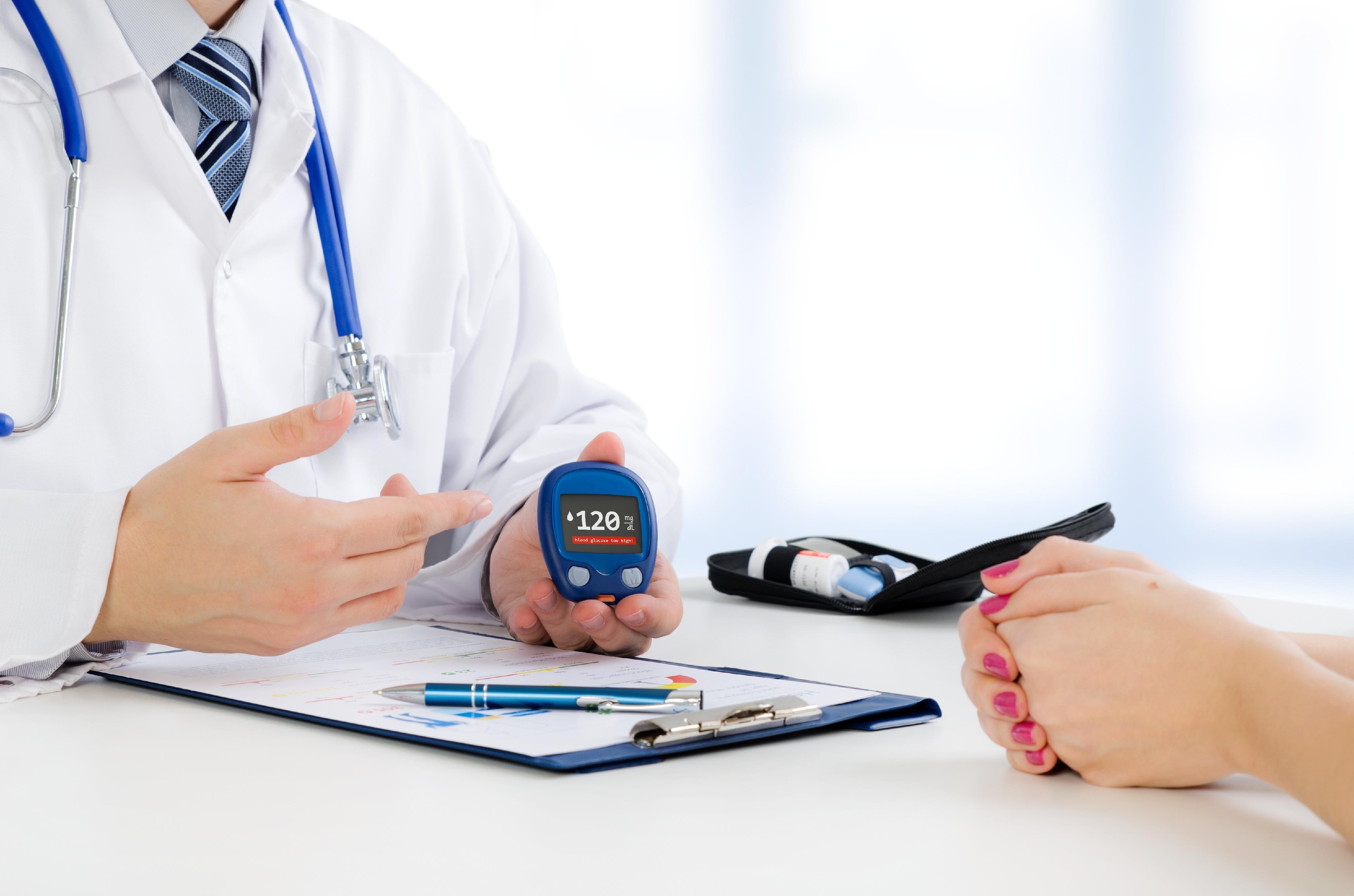
Yes, diabetes reversal can occur naturally without medication, particularly in people with type 2 diabetes, when the condition is addressed early and managed through consistent, evidence-based lifestyle changes.
Natural diabetes reversal focuses on correcting the root causes of the disease mainly insulin resistance, excess body fat, poor dietary habits, and physical inactivity rather than relying solely on drugs to control blood sugar levels.
Many clinical studies show that sustained improvements in diet quality, weight management, physical activity, and overall metabolic health can lead to normal or near-normal blood glucose levels without the ongoing need for diabetes medications, under proper medical supervision.
Key factors that support natural diabetes reversal without medication:
- Weight loss and fat reduction: Losing excess weight, especially liver and pancreatic fat, improves insulin sensitivity and restores normal glucose metabolism
- Balanced, low-glycemic diet: Eating fiber-rich whole foods, reducing refined carbohydrates and added sugars, and choosing healthy fats helps stabilize blood sugar levels
- Regular physical activity: Aerobic exercise and strength training increase glucose uptake by muscles and lower insulin resistance naturally
- Improved insulin sensitivity: Lifestyle changes enhance the body’s ability to use insulin effectively, reducing high blood sugar without drugs
- Stress management: Lowering chronic stress reduces cortisol-driven blood sugar spikes and supports metabolic balance
- Quality sleep: Adequate sleep improves hormone regulation and blood glucose control
- Early intervention: Natural diabetes reversal is more achievable in people with a shorter duration of type 2 diabetes
Important considerations:
- Diabetes reversal means remission, not a permanent cure, and healthy habits must be maintained to sustain results
- Medication reduction or discontinuation should always be done under medical guidance to avoid unsafe blood sugar fluctuations
- Natural diabetes reversal is not suitable for type 1 diabetes and may be more challenging in advanced type 2 diabetes
Can type 1 and type 2 diabetes both be reversed?

No, type 1 and type 2 diabetes cannot both be reversed, because they have fundamentally different causes and disease mechanisms.
While type 2 diabetes reversal (more accurately called type 2 diabetes remission) is scientifically possible for many people through targeted lifestyle changes, type 1 diabetes cannot be reversed with current medical knowledge.
Understanding this distinction is essential for setting realistic expectations and choosing the right long-term treatment approach.
Type 1 vs. Type 2 Diabetes: Key Differences in Reversibility
Type 1 diabetes is an autoimmune condition in which the body’s immune system mistakenly attacks and destroys the insulin-producing beta cells in the pancreas.
As a result, the body cannot produce insulin at all. Because this loss of insulin production is permanent with today’s treatments, type 1 diabetes cannot be reversed or put into remission. Individuals with type 1 diabetes require lifelong insulin therapy to survive and maintain blood glucose control.
While healthy eating, regular exercise, and technology such as insulin pumps and continuous glucose monitors can greatly improve blood sugar management and quality of life, they do not restore insulin production or reverse the disease.
Type 2 diabetes, in contrast, develops primarily due to insulin resistance and gradual beta-cell dysfunction, often linked to excess body fat, poor diet, and physical inactivity. In many cases, the pancreas still produces insulin, but the body does not use it effectively.
Scientific evidence shows that by reducing insulin resistance and excess liver and pancreatic fat through weight loss, dietary changes, and regular physical activity, people with type 2 diabetes can achieve normal or near-normal blood glucose levels without medication—a state known as diabetes remission.
Reversibility explained in detail:
- Type 1 diabetes
- Autoimmune destruction of insulin-producing cells
- No natural insulin production
- Cannot be reversed or cured with current treatments
- Requires lifelong insulin therapy and medical management
- Type 2 diabetes
- Driven by insulin resistance and metabolic dysfunction
- Insulin production is often still present
- Can be reversed into remission through lifestyle changes
- May reduce or eliminate the need for diabetes medication under medical supervision
Important clarifications about diabetes reversal:
- Reversal means remission, not a permanent cure
- Blood sugar levels can rise again if unhealthy habits return
- Early diagnosis and early intervention greatly improve the chances of type 2 diabetes reversal
- Medical guidance is essential when adjusting medications
In summary, only type 2 diabetes has the potential to be reversed or put into remission, while type 1 diabetes cannot be reversed due to irreversible autoimmune damage.
Understanding this difference helps individuals pursue effective, evidence-based strategies for long-term blood sugar control, metabolic health, and overall well-being.
Understanding the true meaning of diabetes reversal is only the first step—putting these insights into action requires a structured, science-backed approach, which is why guided lifestyle programs like the HealthyWayFit program can help individuals apply these principles safely and sustainably for long-term better health.
HealthyWayFit — India’s Most Personal Diabetes Reversal Program
HealthyWayFit — India’s Most Personal Diabetes Reversal Program
You’re told to “eat less,” “exercise more,” or “try another pill.” Yet your sugars remain stubborn, energy crashes continue, and every lab report feels like another warning. What’s missing isn’t willpower — it’s the right system.
That’s where HealthyWayFit comes in.
We are not another app, crash diet, or one-size-fits-all chart. HealthyWayFit is a 12-month, end-to-end Type 2 Diabetes Reversal Program designed exclusively for Indian professionals who want results that fit their lifestyle.
Over the past few years, our team has helped hundreds of Indians lower HbA1c, reduce medicine dependency, and—in many cases—achieve complete reversal of Type 2 diabetes.
Our tone is simple: empathetic, therapeutic, and committed. We listen first, design second, and support you every step of the way.
1) What Makes HealthyWayFit Different?
1. Personalized Nutrition You Can Actually Follow No fad superfoods or unrealistic smoothie charts. We use your ghar ka khana—dal, roti, rice, idli, dosa, paneer, sabzi—and align it with blood sugar control. No separate cooking, no family pressure. A plan that works whether you’re 35 or 85.
2. Metabolic Exercise for Type 2 Diabetes Control Our short, 15–20 minute metabolic routines target big muscle groups (legs, shoulders, glutes) and can lower sugar readings by 50–100 points. No gym, no equipment, just science-backed movements you can do at home.
3. Stress & Sleep Mastery Stress raises cortisol, which raises sugar. We equip you with practical tools—one-minute breathing practices, sleep optimization, and micro-habits—to keep your blood sugar stable, even on your busiest days.
4. Doctor-Led, Holistic Care Every client is guided by a Senior MD Diabetologist ensuring medical safety, while lifestyle coaches design food, exercise, and habit strategies. This unique blend of medical expertise and daily support is why our clients see true reversal.
5. Relentless Support & Accountability From weekly coaching calls and daily check-ins to festival, travel, and dining-out guides, we make sure your reversal journey adapts to real life, not the other way around.
2) What Results Can You Expect?
Most clients notice changes within 20–60 days: better energy, lighter mornings, and lower sugar readings. Over the year, we focus on long-term stabilization, so results are not just quick but sustainable for years to come.
3) Is HealthyWayFit Right for You?
If you’re a working professional or entrepreneur living with Type 2 diabetes, and can dedicate just 15–30 minutes daily, HealthyWayFit is built for you. This isn’t a crash course. It’s a life-changing reversal system personalized to your food, family, and lifestyle.
4) Take the Next Step
Your journey starts with a personal consultation where we understand your health history, challenges, and lifestyle. If we’re aligned, we’ll design a custom Type 2 Diabetes Reversal Plan built just for you.
Explore more at: healthywayfit Book your consultation here: calendly
Move beyond “managing” diabetes. With HealthyWayFit, you can reverse Type 2 diabetes—safely, sustainably, and with support at every step.
Frequently Asked Questions (FAQs)

1. Why do experts disagree on the diabetes reversal meaning?
Experts disagree on the diabetes reversal meaning because some define it as complete freedom from diabetes, while others use the medically accurate term diabetes remission. Differences in study criteria, duration of normal blood sugar control, and medication use also contribute to varying interpretations.
2. Does weight loss affect diabetes reversal outcomes?
Yes, weight loss strongly affects type 2 diabetes reversal outcomes. Losing excess body fat, especially from the liver and pancreas, improves insulin sensitivity and restores glucose regulation. Studies show greater and sustained weight loss significantly increases the chances of long-term diabetes remission.
3. How can monitoring blood sugar levels help track progress toward diabetes reversal?
Regular blood sugar monitoring helps track progress by showing how diet, exercise, and lifestyle changes affect glucose levels. Measuring fasting glucose, post-meal readings, and HbA1c provides clear evidence of improving insulin sensitivity and movement toward diabetes remission.
4. Are there specific diets or exercise routines proven to assist in reversing diabetes symptoms?
Yes, research supports low-calorie, low-carbohydrate, and Mediterranean diets for improving blood sugar control. Combined with aerobic exercise and resistance training, these approaches reduce insulin resistance, promote weight loss, and support type 2 diabetes reversal.
5. What role do healthcare professionals play in guiding individuals through diabetes reversal?
Healthcare professionals guide diabetes reversal by creating personalized plans, monitoring blood sugar and medications, preventing complications, and ensuring safe lifestyle changes. Their supervision is essential for adjusting treatment, interpreting test results, and maintaining long-term diabetes remission safely.
Conclusion
Understanding the true meaning of diabetes reversal empowers individuals to move beyond temporary blood sugar control toward lasting metabolic health, especially in type 2 diabetes.
Scientific evidence clearly shows that diabetes reversal more accurately called diabetes remission is achievable through sustained lifestyle changes, early intervention, and medical guidance.
By improving insulin sensitivity, supporting healthy weight loss, adopting balanced nutrition, staying physically active, and managing stress and sleep, many people can reduce or even eliminate medication dependence.
When paired with structured, expert-led programs, these insights can translate into safe, sustainable, and long-term health outcomes making diabetes reversal a realistic goal rather than just a hopeful idea.


