
.svg)
A diabetes reversal meal plan focuses on improving blood sugar control by addressing the root causes of insulin resistance through smart food choices and proper meal timing. Rather than extreme dieting, this approach emphasizes balanced nutrition, whole foods, and consistent eating patterns that help stabilize glucose levels and support long-term metabolic health.
Research shows that when the right foods are eaten at the right time, the body can respond better to insulin and reduce chronic blood sugar spikes.
This practical diabetes reversal meal plan explains what to eat such as fiber-rich vegetables, quality protein, healthy fats, and low-glycemic carbohydrates while clearly outlining what to avoid, including refined sugars, ultra-processed foods, and excessive refined carbs that worsen insulin resistance.
Just as important, it highlights when to eat, showing how meal timing, regular eating windows, and avoiding late-night meals can significantly improve blood sugar regulation and energy levels.
By following a structured diabetes reversal meal plan, individuals with type 2 diabetes or prediabetes can support long-term blood sugar improvement, enhance insulin sensitivity, and build sustainable eating habits that promote lasting health without relying on quick fixes or restrictive food rules.
What is a diabetes reversal meal plan and how does it work for blood sugar control?
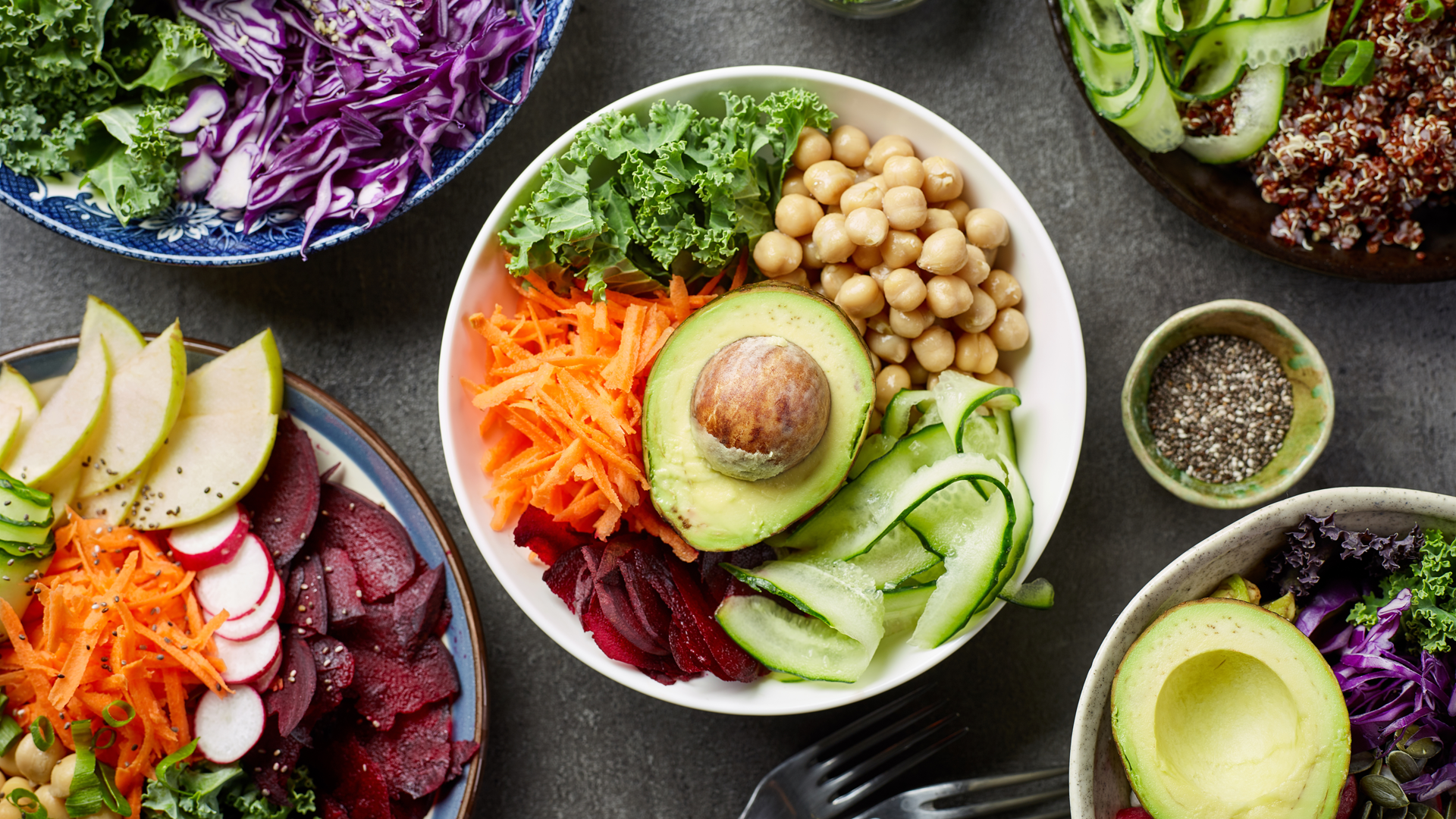
A diabetes reversal meal plan is a structured, evidence-based way of eating designed to bring blood sugar levels back into a non-diabetic or near-normal range, particularly for people with type 2 diabetes or prediabetes.
It does not claim to “cure” diabetes; instead, it focuses on improving insulin sensitivity, reducing glucose spikes, and correcting underlying metabolic dysfunction through consistent nutrition choices and meal timing.
At its core, a diabetes reversal meal plan emphasizes:
- Whole, minimally processed foods that provide steady energy and reduce blood sugar fluctuations
- Balanced macronutrients—high-quality protein, healthy fats, and controlled carbohydrates
- A focus on low-glycemic and high-fiber foods to slow glucose absorption
- Calorie awareness without extreme restriction, supporting gradual fat loss
- Sustainable eating patterns that can be maintained long term
The goal is to reduce the daily demand for insulin, lower fasting and post-meal blood sugar, and support metabolic flexibility over time.
1. Improving insulin sensitivity at the cellular level
A diabetes reversal meal plan works by reducing chronic exposure to high glucose and insulin. When refined carbohydrates and added sugars are limited, cells become more responsive to insulin again.
Weight loss—especially the reduction of visceral fat around the liver and pancreas further improves insulin signaling, allowing glucose to move efficiently from the bloodstream into cells.
2. Slowing glucose absorption and reducing spikes
High-fiber foods such as vegetables, legumes, and whole grains slow digestion and glucose release into the bloodstream.
Pairing carbohydrates with protein and healthy fats further stabilizes blood sugar after meals. This prevents sharp post-meal spikes, which are a major driver of insulin resistance and long-term complications.
3. Reducing excess glucose production by the liver
In type 2 diabetes, the liver often releases too much glucose between meals. A diabetes reversal meal plan helps correct this by lowering insulin resistance and improving liver fat metabolism. As liver function normalizes, fasting blood sugar levels begin to decline.
4. Supporting better meal timing and metabolic rhythm
When meals are eaten at consistent times and late-night eating is avoided, the body’s natural insulin rhythm improves. Strategic meal timing, and in some cases time-restricted eating, gives insulin levels time to fall between meals. This improves fat burning, reduces insulin demand, and supports stable blood sugar throughout the day.
5. Lowering chronic inflammation and oxidative stress
Whole foods rich in antioxidants, omega-3 fats, and micronutrients help reduce low-grade inflammation associated with insulin resistance. As inflammation decreases, insulin receptors function more effectively, further improving blood sugar control and metabolic health.
How does meal timing influence the success of a diabetes reversal meal plan?

Meal timing is a critical but often underestimated component of a diabetes reversal meal plan. Beyond what and how much you eat, when you eat directly affects insulin levels, glucose metabolism, fat storage, and circadian rhythms.
Properly timed meals help reduce insulin resistance, stabilize blood sugar throughout the day, and support long-term metabolic improvements. Below are the key ways meal timing influences success, explained in detail.
1. Regulating insulin release and sensitivity
Meal timing plays a powerful role in regulating how often and how much insulin the body releases. Every time food especially carbohydrates is consumed, insulin is secreted to move glucose from the bloodstream into cells.
When meals are frequent, irregular, or spread late into the night, insulin levels remain elevated for long periods. This constant insulin exposure contributes to worsening insulin resistance, which is a primary driver of type 2 diabetes.
A well-structured diabetes reversal meal plan spaces meals appropriately, allowing insulin levels to rise and fall naturally. These insulin “rest periods” improve cellular responsiveness, meaning less insulin is needed to manage the same amount of glucose.
Over time, this leads to better fasting blood sugar levels and reduced post-meal spikes. Consistent meal timing also trains the body to anticipate food intake, improving hormonal efficiency and metabolic flexibility. This improved insulin rhythm is one of the foundational mechanisms through which diabetes reversal becomes possible.
2. Aligning eating patterns with circadian rhythms
The body’s ability to process glucose follows a circadian rhythm, with insulin sensitivity highest earlier in the day and lowest at night. Eating large meals late in the evening forces the body to handle glucose at a time when insulin efficiency is naturally reduced. This often results in higher overnight and fasting blood sugar levels the following morning.
A diabetes reversal meal plan that prioritizes earlier meals and avoids late-night eating aligns food intake with the body’s internal clock. This alignment reduces glucose intolerance and improves daily blood sugar stability.
When meals are consumed during daylight hours, the body uses glucose more efficiently for energy rather than storing it as fat. Over time, circadian-aligned eating improves metabolic signaling, supports hormonal balance, and reduces the metabolic stress that contributes to insulin resistance and poor glycemic control.
3. Supporting better fasting blood sugar control
Fasting blood sugar is strongly influenced by overnight insulin and glucose regulation. Irregular eating patterns, late dinners, and nighttime snacking keep insulin elevated during sleep, disrupting the body’s ability to lower blood sugar naturally. This often leads to higher morning glucose readings, even if daytime eating appears controlled.
By setting a consistent eating window and finishing meals several hours before bedtime, a diabetes reversal meal plan allows insulin levels to drop overnight. This encourages the body to shift into fat-burning mode and reduces excessive glucose release from the liver.
As liver insulin sensitivity improves, fasting blood sugar levels gradually decline. Over time, this consistent overnight metabolic reset becomes a key driver of long-term blood sugar improvement and diabetes reversal success.
4. Reducing post-meal glucose spikes through meal spacing
Closely spaced meals and constant snacking prevent blood sugar from returning to baseline between eating occasions. This keeps glucose and insulin levels elevated throughout the day, increasing metabolic stress and limiting fat utilization. A diabetes reversal meal plan uses strategic meal spacing to reduce this problem.
Spacing meals 3–4 hours apart allows glucose levels to stabilize before the next meal. This improves insulin efficiency and reduces cumulative glucose exposure over the day. Meal spacing also encourages the body to rely on stored energy between meals, improving metabolic flexibility.
Over time, this leads to fewer and smaller blood sugar spikes, better A1C levels, and improved overall glucose control key indicators of successful diabetes reversal.
5. Enhancing fat loss and metabolic flexibility
Excess visceral fat is closely linked to insulin resistance and poor blood sugar control. Meal timing influences whether the body stores energy as fat or burns it for fuel. When insulin remains elevated due to frequent or late eating, fat burning is suppressed, making metabolic improvement difficult.
A diabetes reversal meal plan that includes defined eating windows supports periods of low insulin, allowing fat breakdown to occur. This improves metabolic flexibility the body’s ability to switch between glucose and fat for energy.
As fat stores decrease, especially around the liver and pancreas, insulin sensitivity improves further. This creates a positive feedback loop where better meal timing accelerates fat loss, enhances glucose regulation, and strengthens long-term diabetes reversal outcomes.
Which healthy fats support diabetes reversal and metabolic health?

Healthy fats play a crucial role in a diabetes reversal meal plan because they improve insulin sensitivity, reduce inflammation, and help stabilize blood sugar levels when consumed in the right amounts and sources.
Unlike refined carbohydrates, healthy fats have minimal impact on blood glucose and can enhance satiety, making dietary changes easier to sustain. Below are the key types of healthy fats that support diabetes reversal and metabolic health, explained in clear sub-sections.
1. Monounsaturated fats
Monounsaturated fats are among the most beneficial fats for people aiming to reverse insulin resistance. These fats help improve lipid profiles, lower LDL cholesterol, and enhance insulin sensitivity. Research consistently shows that replacing refined carbohydrates or saturated fats with monounsaturated fats leads to better glycemic control and reduced cardiovascular risk, which is especially important for individuals with type 2 diabetes.
Common sources of monounsaturated fats include olive oil, avocados, olives, nuts, and seeds. In a diabetes reversal meal plan, these fats help slow digestion, reduce post-meal blood sugar spikes, and promote fullness. Extra virgin olive oil, in particular, contains antioxidant compounds that further reduce inflammation and support metabolic health. Regular intake of monounsaturated fats is strongly associated with improved long-term blood sugar regulation.
2. Omega-3 fatty acids
Omega-3 fatty acids are essential fats known for their powerful anti-inflammatory effects. Chronic inflammation is a major contributor to insulin resistance and metabolic dysfunction, making omega-3s especially valuable in a diabetes reversal meal plan.
These fats help improve insulin signaling, reduce triglyceride levels, and support heart health, an important consideration since diabetes significantly increases cardiovascular risk.
Fatty fish such as salmon, sardines, mackerel, and tuna are the best sources of omega-3s. Plant-based sources include flaxseeds, chia seeds, and walnuts, although these provide a less active form that must be converted in the body. I
ncluding omega-3-rich foods several times per week can help lower systemic inflammation, improve metabolic markers, and support overall blood sugar stability.
3. Polyunsaturated fats from whole food sources
Polyunsaturated fats, when consumed from natural, whole food sources, can support insulin sensitivity and metabolic health. These fats help improve cell membrane function, allowing glucose and insulin to move more efficiently into cells. When balanced properly, polyunsaturated fats contribute to improved cholesterol levels and reduced insulin resistance.
Good sources include nuts, seeds, and certain plant oils used in moderation. However, it is important to distinguish whole-food polyunsaturated fats from highly refined seed oils, which may promote inflammation when overconsumed. In a diabetes reversal meal plan, polyunsaturated fats should complement monounsaturated and omega-3 fats rather than dominate fat intake.
4. Natural saturated fats in moderation
Saturated fats have long been controversial, but current evidence suggests that natural, minimally processed sources can be included in moderation within a balanced diabetes reversal meal plan. These fats can support satiety and provide stable energy without directly raising blood sugar levels. However, excessive intake may worsen insulin resistance in some individuals.
Sources such as full-fat dairy, coconut, and unprocessed meats should be consumed thoughtfully and balanced with unsaturated fats. The key is quality and portion control. When saturated fats come from whole foods and are not combined with refined carbohydrates, they are less likely to negatively impact metabolic health.
5. Fats to limit or avoid
While focusing on healthy fats, it is equally important to limit unhealthy fat sources. Trans fats and highly refined industrial seed oils are associated with increased inflammation and insulin resistance. These fats are commonly found in ultra-processed foods, fried snacks, and packaged baked goods.
A diabetes reversal meal plan prioritizes whole, minimally processed fat sources and avoids artificial and refined fats that undermine metabolic health. Reducing these fats helps lower inflammation, improves insulin function, and supports long-term blood sugar improvement.
How much protein is ideal in a diabetes reversal meal plan for stable blood sugar levels?

Protein plays a central role in a diabetes reversal meal plan because it helps stabilize blood sugar, supports muscle mass, and reduces post-meal glucose spikes.
The ideal protein intake is not one-size-fits-all, but research and clinical practice provide clear ranges that work well for most people aiming to improve insulin sensitivity and long-term metabolic health.
1) General protein intake guidelines for diabetes reversal
For most adults following a diabetes reversal meal plan, a moderate-to-higher protein intake is ideal. This typically falls within:
- 1.0 to 1.5 grams of protein per kilogram of ideal body weight per day, or
- 20–30% of total daily calories from protein
This range provides enough protein to slow carbohydrate absorption, reduce hunger, and support lean muscle mass without overloading the body with excess calories.
People who are older, physically active, or actively losing weight may benefit from the higher end of this range, while those with kidney concerns should follow personalized medical guidance.
2) Why adequate protein stabilizes blood sugar
Protein has a minimal direct impact on blood glucose compared to carbohydrates. When included in meals, it slows digestion and delays glucose release into the bloodstream.
This results in smaller and more controlled post-meal blood sugar rises. Adequate protein intake also reduces the likelihood of overeating refined carbohydrates later in the day, which is a common trigger for glucose spikes.
Additionally, protein stimulates hormones that promote fullness and satiety, making it easier to maintain consistent meal timing an important factor in diabetes reversal. Over time, stable protein intake helps reduce daily glucose variability and improves overall glycemic control.
3) Protein distribution across meals matters
In a diabetes reversal meal plan, how protein is distributed is just as important as total intake. Consuming protein evenly across meals rather than concentrating it in one meal supports steady blood sugar levels throughout the day. A practical target is:
- 25–40 grams of protein per main meal, depending on body size and activity level
This approach reduces post-meal glucose excursions and supports sustained energy without reliance on frequent snacking.
4) Choosing the right protein sources
High-quality protein sources support metabolic health more effectively than highly processed options. Ideal choices include lean meats, fish, eggs, dairy, legumes, tofu, and nuts and seeds in balanced portions. Combining plant and animal protein sources can further improve nutrient diversity and insulin response.
Ultra-processed protein foods often contain hidden sugars and refined fats that undermine blood sugar control and should be limited in a diabetes reversal meal plan.
5) Special considerations and safety
While higher protein intake is generally beneficial for blood sugar control, individuals with chronic kidney disease or advanced diabetes complications should consult a healthcare professional before increasing protein intake. Personalization ensures protein supports metabolic health without unintended risks.
How do ultra-processed carbohydrates affect blood sugar control?

Ultra-processed carbohydrates are one of the biggest barriers to stable blood sugar and successful diabetes reversal. These carbohydrates are typically stripped of fiber and nutrients, rapidly digested, and engineered to be highly palatable.
As a result, they disrupt glucose regulation, insulin function, and long-term metabolic health. Below are the key ways ultra-processed carbohydrates affect blood sugar control, explained in detail.
1. They cause rapid blood sugar spikes and crashes
Ultra-processed carbohydrates such as white bread, sugary cereals, pastries, packaged snacks, and sweetened beverages are quickly broken down into glucose. Because they lack fiber, protein, and healthy fats, glucose enters the bloodstream rapidly, leading to sharp blood sugar spikes. In response, the pancreas releases a large amount of insulin to bring glucose levels down.
This rapid insulin surge often overshoots, causing blood sugar to drop too quickly. The result is a blood sugar “crash,” which triggers hunger, fatigue, and cravings for more refined carbohydrates. Repeated spikes and crashes place constant stress on insulin-producing cells and make blood sugar control increasingly difficult over time.
2. They worsen insulin resistance over time
Frequent consumption of ultra-processed carbohydrates keeps insulin levels elevated for much of the day. When cells are constantly exposed to high insulin, they gradually become less responsive—a condition known as insulin resistance. As insulin resistance worsens, more insulin is required to manage the same amount of glucose.
This cycle accelerates the progression from normal blood sugar to prediabetes and type 2 diabetes. In a diabetes reversal context, ultra-processed carbohydrates directly oppose metabolic recovery by reinforcing the very mechanisms that cause high blood sugar. Reducing or eliminating these foods allows insulin sensitivity to improve and lowers the overall insulin burden on the body.
3. They disrupt appetite regulation and increase overeating
Ultra-processed carbohydrates interfere with the body’s natural appetite signals. Because they digest quickly and provide little satiety, they fail to trigger fullness hormones effectively. This leads to increased hunger shortly after eating, encouraging frequent snacking and overeating.
Additionally, many ultra-processed foods are designed to be hyper-palatable, combining refined carbohydrates with unhealthy fats and additives.
This combination overstimulates reward pathways in the brain, making portion control difficult. Increased calorie intake especially from refined carbs contributes to weight gain and visceral fat accumulation, which further impairs insulin sensitivity and blood sugar control.
4. They increase liver fat and fasting blood sugar
Excess glucose from ultra-processed carbohydrates that is not immediately used for energy is converted into fat in the liver. Over time, this leads to fatty liver, a major contributor to insulin resistance. A fatty liver releases excess glucose into the bloodstream, particularly overnight, resulting in elevated fasting blood sugar levels.
This mechanism explains why many people experience high morning glucose readings despite eating little or no sugar the night before. Reducing ultra-processed carbohydrate intake helps lower liver fat, improve hepatic insulin sensitivity, and gradually normalize fasting blood sugar an essential step in diabetes reversal.
5. They promote inflammation and metabolic stress
Ultra-processed carbohydrates often contain additives, preservatives, and refined oils that contribute to chronic low-grade inflammation. Inflammation interferes with insulin signaling and damages metabolic pathways involved in glucose regulation.
Repeated blood sugar spikes also increase oxidative stress, further impairing insulin function. Over time, this metabolic stress increases the risk of diabetes complications and cardiovascular disease. Replacing ultra-processed carbohydrates with whole, fiber-rich foods reduces inflammation, stabilizes blood sugar, and supports long-term metabolic health.
As you begin to understand how food quality, macronutrient balance, and meal timing work together to improve blood sugar control, the next step is knowing how to apply this knowledge consistently in real life. T
his is where many people struggle not because the science is unclear, but because translating it into daily meals, routines, and habits can feel overwhelming. A structured, guided approach removes this confusion and helps you stay on track without guesswork.
The HealthyWayFit program is designed to bridge that gap by turning evidence-based nutrition and lifestyle strategies into a simple, personalized system you can follow long term. I
nstead of generic advice, it focuses on practical meal planning, metabolic-friendly food choices, and sustainable habits that support insulin sensitivity and lasting blood sugar improvement making diabetes reversal not just possible, but achievable in everyday life.
HealthyWayFit — India’s Most Personal Diabetes Reversal Program

You’re told to “eat less,” “exercise more,” or “try another pill.” Yet your sugars remain stubborn, energy crashes continue, and every lab report feels like another warning. What’s missing isn’t willpower — it’s the right system.
That’s where HealthyWayFit comes in.
We are not another app, crash diet, or one-size-fits-all chart. HealthyWayFit is a 12-month, end-to-end Type 2 Diabetes Reversal Program designed exclusively for Indian professionals who want results that fit their lifestyle.
Over the past few years, our team has helped hundreds of Indians lower HbA1c, reduce medicine dependency, and—in many cases—achieve complete reversal of Type 2 diabetes.
Our tone is simple: empathetic, therapeutic, and committed. We listen first, design second, and support you every step of the way.
1) What Makes HealthyWayFit Different?
1. Personalized Nutrition You Can Actually Follow No fad superfoods or unrealistic smoothie charts. We use your ghar ka khana—dal, roti, rice, idli, dosa, paneer, sabzi—and align it with blood sugar control. No separate cooking, no family pressure. A plan that works whether you’re 35 or 85.
2. Metabolic Exercise for Type 2 Diabetes Control Our short, 15–20 minute metabolic routines target big muscle groups (legs, shoulders, glutes) and can lower sugar readings by 50–100 points. No gym, no equipment, just science-backed movements you can do at home.
3. Stress & Sleep Mastery Stress raises cortisol, which raises sugar. We equip you with practical tools—one-minute breathing practices, sleep optimization, and micro-habits—to keep your blood sugar stable, even on your busiest days.
4. Doctor-Led, Holistic Care Every client is guided by a Senior MD Diabetologist ensuring medical safety, while lifestyle coaches design food, exercise, and habit strategies. This unique blend of medical expertise and daily support is why our clients see true reversal.
5. Relentless Support & Accountability From weekly coaching calls and daily check-ins to festival, travel, and dining-out guides, we make sure your reversal journey adapts to real life, not the other way around.
2) What Results Can You Expect?
Most clients notice changes within 20–60 days: better energy, lighter mornings, and lower sugar readings. Over the year, we focus on long-term stabilization, so results are not just quick but sustainable for years to come.
3) Is HealthyWayFit Right for You?
If you’re a working professional or entrepreneur living with Type 2 diabetes, and can dedicate just 15–30 minutes daily, HealthyWayFit is built for you. This isn’t a crash course. It’s a life-changing reversal system personalized to your food, family, and lifestyle.
4) Take the Next Step
Your journey starts with a personal consultation where we understand your health history, challenges, and lifestyle. If we’re aligned, we’ll design a custom Type 2 Diabetes Reversal Plan built just for you.
Explore more at: healthywayfit Book your consultation here: calendly
Move beyond “managing” diabetes. With HealthyWayFit, you can reverse Type 2 diabetes—safely, sustainably, and with support at every step.
Frequently Asked Questions (FAQs)

1) Which processed foods interfere with diabetes reversal and insulin sensitivity?
Highly processed foods such as refined grains, sugary snacks, packaged baked goods, sweetened beverages, and ready-to-eat meals interfere with diabetes reversal by causing rapid blood sugar spikes and chronic insulin elevation.
These foods are typically low in fiber and nutrients but high in refined carbohydrates, unhealthy fats, and additives that promote inflammation. Regular intake worsens insulin resistance, increases visceral fat, and makes long-term blood sugar control difficult.
2) Does intermittent fasting support a diabetes reversal meal plan?
Intermittent fasting can support a diabetes reversal meal plan by reducing overall insulin exposure and improving insulin sensitivity when practiced correctly. Limiting eating to a defined time window allows insulin levels to fall between meals, promoting fat burning and better glucose regulation.
However, fasting should be paired with nutrient-dense foods and consistent routines, and it may not suit everyone without medical guidance.
3) Is late-night eating harmful in a diabetes reversal meal plan?
Late-night eating is generally harmful in a diabetes reversal meal plan because insulin sensitivity is lowest in the evening.
Consuming food late increases the likelihood of elevated nighttime and fasting blood sugar levels. It also disrupts circadian rhythms and keeps insulin elevated during sleep, limiting fat burning and metabolic recovery. Avoiding late meals supports better overnight glucose regulation and morning blood sugar control.
4) How does spacing meals improve insulin response and glucose regulation?
Spacing meals improves insulin response by allowing blood sugar and insulin levels to return closer to baseline between meals. When meals are too close together, insulin remains elevated, worsening insulin resistance.
Proper spacing typically three to four hours reduces metabolic stress, improves insulin efficiency, and stabilizes blood glucose throughout the day. This pattern also supports fat utilization and long-term metabolic health.
Conclusion
A well-designed diabetes reversal meal plan goes far beyond temporary diet changes it addresses the root causes of high blood sugar by combining the right food choices with proper meal timing and sustainable habits.
By focusing on whole, minimally processed foods, balanced macronutrients, and strategic eating patterns, this approach helps improve insulin sensitivity, reduce glucose spikes, and restore metabolic balance over time.
Just as importantly, avoiding ultra-processed carbohydrates, managing protein intake, choosing healthy fats, and respecting the body’s natural circadian rhythm create an internal environment where blood sugar control becomes easier and more predictable.
However, knowledge alone is not enough. Consistent application, personalization, and long-term support are what turn theory into results. When these principles are implemented through a structured, guided system, individuals with type 2 diabetes or prediabetes can move beyond short-term control toward lasting improvement.
With the right plan and support, diabetes reversal is not about restriction or perfection it’s about building a healthier, more resilient metabolism that works for everyday life.


