
.svg)
Diabetes reversal is possible, and growing scientific evidence shows that the right combination of nutrition and lifestyle changes can significantly improve blood sugar control and metabolic health. For millions of people living with type 2 diabetes or prediabetes, the idea of long-term remission is no longer unrealistic. it is achievable with consistent, informed action.
Modern research highlights that diabetes is not only a condition of high blood sugar but a metabolic disorder influenced by insulin resistance, excess visceral fat, chronic inflammation, poor dietary habits, and physical inactivity.
By addressing these root causes through evidence-based nutrition strategies such as balanced carbohydrate intake, whole foods, adequate protein, healthy fats, and improved meal timing, many individuals have been able to reduce or even eliminate their dependence on medication under medical supervision.
Lifestyle changes play an equally critical role in diabetes reversal. Regular physical activity, weight management, stress reduction, quality sleep, and improved gut health all contribute to better insulin sensitivity and stable glucose levels.
When combined with consistent blood sugar monitoring and personalized guidance, these habits support sustainable, long-term results rather than short-term fixes.
This guide explores how diabetes reversal is possible through practical, science-backed nutrition and lifestyle strategies. You’ll learn how to improve insulin sensitivity, lower HbA1c levels, support weight loss, and create daily habits that promote lasting metabolic health.
Whether you’re newly diagnosed, managing prediabetes, or looking to regain control of type 2 diabetes, this evidence-driven approach focuses on realistic steps that support long-term success and overall well-being.
What scientific evidence supports the possibility of reversing diabetes through nutrition and lifestyle changes?

A growing body of clinical research demonstrates that structured lifestyle modifications particularly changes in diet quality, energy balance, weight management, and physical activity can significantly improve insulin sensitivity, reduce chronic inflammation, and restore metabolic health in people with type 2 diabetes.
Systematic reviews and meta-analyses show that lifestyle interventions combining dietary changes (such as low-energy, Mediterranean, or plant-based diets) with regular exercise produce measurable increases in rates of diabetes remission, improvements in HbA1c levels, and better weight control compared with standard care alone.
Expert consensus statements from leading organizations, such as the American College of Lifestyle Medicine, specifically highlight that diet as a primary intervention when sufficiently intensive and accompanied by supportive lifestyle changes can help many adults with type 2 diabetes achieve remission defined by normal blood glucose without glucose-lowering medication.
Additionally, real-world lifestyle programs involving plant-based nutrition, structured exercise, and stress-reducing practices have been documented to achieve long-term remission in case series, with participants maintaining normal glucose tolerance for years after intensive lifestyle intervention.
Key Evidence:
- Structured diet + activity leads to remission: Systematic reviews find that structured lifestyle interventions—including calorie-controlled, low-carbohydrate, or Mediterranean-style diets combined with regular physical activity—are effective in achieving diabetes remission, weight loss, and improved quality of life in type 2 diabetes patients.
- Expert consensus supports dietary remission: Consensus statements by specialist panels conclude that diet as a primary intervention can achieve T2D remission in many adults, especially when diet emphasizes whole foods with minimal processing and adequate nutritional support.
- Plant-based and whole food diets improve glucose control: Studies show that whole-food, plant-based diet programs (with moderate physical activity) improve glycemic control, reduce medication needs, and can induce remission in some participants.
- Long-term lifestyle changes can sustain remission: Case series of lifestyle modification programs involving vegan diets, structured exercise, and stress management have documented sustained remission (normal OGTT and HbA1c) for several years.
- Weight loss enhances metabolic recovery: Evidence from multiple trials emphasizes that weight loss—even moderate amounts—is strongly linked to improvements in insulin sensitivity and is a major predictor of diabetes remission through lifestyle change.
- Beyond diet: holistic lifestyle factors matter: Clinical evidence also highlights the importance of sleep quality, stress reduction, and consistent physical activity for improving metabolic health and supporting long-term control of blood glucose.
Which specific dietary approaches have been most effective in achieving diabetes reversal?

1. Calorie-Restricted and Low-Energy Diets (Very Low-Calorie Diets – VLCDs)
One of the strongest bodies of scientific evidence for type 2 diabetes reversal comes from low-energy and very low-calorie diets, typically ranging from 800–1,200 calories per day under medical supervision. These diets work by rapidly reducing excess fat in the liver and pancreas.
Significant weight loss achieved through calorie restriction improves insulin sensitivity, restores normal insulin secretion, and lowers fasting blood glucose and HbA1c levels. Research shows that individuals who achieve and maintain substantial weight loss are far more likely to enter diabetes remission without medication.
Key benefits:
- Rapid improvement in insulin resistance
- Reduction in liver and pancreatic fat
- Significant drop in HbA1c and fasting glucose
- High remission rates in early-stage type 2 diabetes
2. Low-Carbohydrate and Ketogenic Diets
Low-carbohydrate and ketogenic diets focus on significantly reducing carbohydrate intake to lower post-meal blood sugar spikes and insulin demand. By limiting carbs, the body relies more on fat for energy, improving metabolic flexibility and glycemic control.
These diets have been shown to reduce HbA1c, promote weight loss, and allow many individuals to reduce or discontinue diabetes medications. Improved blood sugar control often occurs quickly, even before major weight loss, due to reduced glucose intake.
Key benefits:
- Lower postprandial blood glucose levels
- Reduced insulin requirements
- Improved triglycerides and HDL cholesterol
- Effective for rapid blood sugar stabilization
3. Mediterranean Diet
The Mediterranean diet is widely regarded as one of the most sustainable dietary patterns for long-term metabolic health. It emphasizes whole foods such as vegetables, fruits, legumes, whole grains, olive oil, nuts, seeds, and moderate protein from fish and poultry.
This diet improves insulin sensitivity, reduces inflammation, and supports cardiovascular health, an important factor for people with diabetes. Long-term studies show that the Mediterranean diet can significantly reduce the risk of diabetes progression and support diabetes remission when combined with weight loss and lifestyle changes.
Key benefits:
- Improved insulin sensitivity
- Anti-inflammatory and heart-protective effects
- Sustainable and culturally adaptable
- Better long-term adherence
Relevant keywords: Mediterranean diet, diabetes management, insulin sensitivity, metabolic health
4. Whole-Food, Plant-Based Diets
Whole-food, plant-based diets focus on vegetables, fruits, legumes, whole grains, nuts, and seeds while minimizing or eliminating animal products and processed foods. These diets are naturally high in fiber, antioxidants, and phytonutrients, which improve glucose metabolism and gut health.
High fiber intake slows glucose absorption, reduces insulin spikes, and improves insulin sensitivity. Plant-based diets are also effective for weight loss, which plays a critical role in type 2 diabetes reversal.
Key benefits:
- High fiber improves blood sugar regulation
- Reduced inflammation and oxidative stress
- Improved gut microbiome health
- Lower calorie density supports weight loss
5. Low-Glycemic Index (Low-GI) Diets
Low-glycemic index diets prioritize foods that cause slower, more gradual increases in blood glucose levels. These include non-starchy vegetables, whole grains, legumes, nuts, and minimally processed foods.
By reducing blood sugar spikes and insulin demand, low-GI diets help improve glycemic control and reduce HbA1c. While they may not always induce rapid remission alone, they are highly effective as part of a comprehensive diabetes reversal strategy.
Key benefits:
- Stabilized blood glucose levels
- Reduced insulin demand
- Improved post-meal glycemic control
- Easier long-term adherence
6. Time-Restricted Eating and Intermittent Fasting (Supportive Approach)
Although not a diet in the traditional sense, time-restricted eating and intermittent fasting enhance the effectiveness of nutritional interventions. By limiting eating windows, insulin levels decrease, fat burning increases, and metabolic health improves.
When combined with high-quality nutrition, intermittent fasting can accelerate weight loss, improve insulin sensitivity, and support diabetes remission—especially in insulin-resistant individuals.
Key benefits:
- Improved insulin sensitivity
- Reduced insulin levels
- Enhanced fat metabolism
- Supports weight loss and metabolic recovery
How significant is the impact of regular physical activity on reversing diabetes compared to diet alone?

1. Diet Alone vs. Diet Plus Physical Activity: What the Evidence Shows
Dietary changes are the foundation of type 2 diabetes reversal, particularly because nutrition directly influences blood glucose levels, insulin demand, and body weight. However, research consistently shows that combining diet with regular physical activity produces significantly better outcomes than diet alone.
While diet can lower HbA1c and fasting glucose by reducing glucose intake and promoting weight loss, physical activity directly improves how muscles absorb glucose, independent of weight loss. This dual mechanism makes the combination far more effective for sustained diabetes remission.
Key insight:
- Diet primarily reduces glucose intake
- Exercise improves glucose utilization and insulin efficiency
2. How Physical Activity Improves Insulin Sensitivity
One of the most powerful effects of regular physical activity is improved insulin sensitivity. When muscles contract during exercise, they absorb glucose without needing insulin, lowering blood sugar levels immediately. Over time, consistent activity increases the number and efficiency of glucose transporters (GLUT4) in muscle cells.
This means the body requires less insulin to manage blood sugar, directly targeting the core defect in type 2 diabetes—insulin resistance.
Key benefits:
- Increased muscle glucose uptake
- Lower insulin resistance
- Improved post-meal blood glucose control
- Reduced pancreatic stress
3. Role of Exercise in Reducing Visceral and Liver Fat
Excess visceral fat and fatty liver are strongly linked to poor insulin sensitivity and impaired glucose regulation. While diet-induced weight loss reduces total body fat, physical activity preferentially targets visceral fat, even when weight loss is modest.
Reducing liver fat improves hepatic insulin sensitivity, lowering fasting blood glucose and improving overall metabolic health—key steps in diabetes reversal.
Key benefits:
- Reduction in visceral and liver fat
- Improved fasting glucose levels
- Better metabolic flexibility
4. Resistance Training vs. Aerobic Exercise: Which Is More Effective?
Both aerobic exercise and resistance training contribute to type 2 diabetes remission, but they work through different mechanisms:
Aerobic Exercise
Improves cardiovascular health, burns calories, and lowers blood glucose during and after activity.
Resistance Training
Increases muscle mass, which raises resting glucose uptake and improves long-term insulin sensitivity.
Studies show that combining aerobic and resistance training yields the greatest improvements in HbA1c and insulin sensitivity.
Key benefits of combined training:
- Greater HbA1c reduction
- Improved muscle glucose disposal
- Better long-term blood sugar control
5. Exercise Helps Maintain Weight Loss and Prevent Relapse
Sustaining weight loss is one of the biggest challenges in long-term diabetes remission. Physical activity helps prevent weight regain by increasing energy expenditure, preserving lean muscle mass, and improving metabolic rate.
People who maintain remission consistently report higher levels of physical activity compared to those who relapse, highlighting its role in long-term success.
6. Exercise Alone vs. Combined Lifestyle Intervention
Exercise alone can improve blood sugar control, but it is rarely sufficient on its own to reverse diabetes. Studies show that physical activity without dietary change leads to modest HbA1c improvements but lower remission rates.
In contrast, combined lifestyle interventions—diet, exercise, sleep optimization, and stress management—produce the highest remission rates and the most durable metabolic improvements.
Key comparison:
- Exercise alone: Improves control
- Diet alone: Can induce remission
- Diet + exercise: Highest and most sustainable remission rates
7. How Much Physical Activity Is Needed for Diabetes Reversal?
Clinical guidelines and research suggest:
- 150–300 minutes per week of moderate-intensity aerobic activity
- 2–3 resistance training sessions per week
- Daily movement (walking after meals significantly lowers glucose spikes)
Even modest increases in activity provide measurable benefits, especially when combined with dietary changes.
Are there real-life success stories of individuals who have reversed their diabetes permanently?
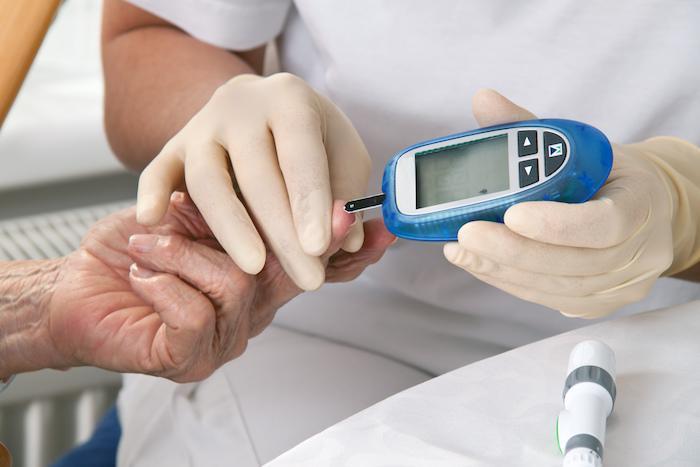
Yes, there are numerous real-life success stories of people who have achieved diabetes reversal or long-term remission through diet, lifestyle changes, and sustained commitment to metabolic health. These stories demonstrate that type 2 diabetes reversal is possible, often without reliance on medications once core lifestyle changes take effect.
Below are several detailed examples, organized in subsections, that bring these successes to life and include relevant keywords like diabetes reversal, type 2 diabetes remission, lifestyle changes, and blood glucose control.
1. Shivali Modha: Reversing Type 2 Diabetes Through Healthy Eating and Weight Loss
Shivali’s journey shows how consistent nutrition changes and weight control can transform someone’s health. Diagnosed with type 2 diabetes in her mid-20s, her condition initially seemed like a lifelong challenge. Instead of viewing diabetes solely as a chronic disease, she embraced a healthy eating plan focused on whole foods, paying attention to portion sizes, balanced macronutrients, and foods with a lower impact on blood sugar.
Over time, her blood glucose levels normalized, and she achieved diabetes remission. Shivali’s experience emphasizes that taking control through daily food choices and maintaining a balanced diet can lead to lasting improvements in blood sugar control and metabolic health.
2. Edward Morrison: Sustainable Remission Through Structured Lifestyle Intervention
Edward’s story represents a classic diabetes reversal path supported by a structured lifestyle intervention program. Diagnosed with type 2 diabetes in his mid-50s, he opted into a comprehensive program aimed at sustainable change rather than quick fixes.
By adopting a balanced diet, engaging in regular physical activity, and closely tracking his progress, Edward achieved type 2 diabetes remission and kept it for over three years. His success highlights that long-term blood glucose control and consistent lifestyle habits not just temporary diet fads are essential for lasting diabetes reversal.
3. Huda Al Ali: Dramatic Lifestyle Shift Leads to Diabetes Reversal
The experience of Huda Al Ali from Abu Dhabi demonstrates how intentional lifestyle changes especially diet and exercise can drive profound improvements in metabolic health. After years of struggling with high blood sugar and weight gain, Huda decided to revamp her diet and incorporate regular physical activity.
She reduced her weight from 98 kg to 70 kg and saw her blood sugar levels fall into normal ranges within months. Her HbA1c improved dramatically, cardiovascular risk dropped significantly, and she achieved a level of metabolic control consistent with diabetes reversal.
This story shows the powerful role that nutrition and lifestyle adjustments have in improving insulin sensitivity and lowering chronic disease risk over time.
4. David: Multiple Episodes of Diabetes Remission Through Weight Loss and Lifestyle Support
David’s journey illustrates that diabetes remission is achievable multiple times, even when setbacks occur. After previously losing significant weight and putting his type 2 diabetes into remission, he later experienced weight regain, and his glucose levels rose again.
However, with renewed commitment through a support program focused on nutrition and lifestyle strategies, David lost 17 kg over 12 weeks and again achieved remission without medication. His story highlights both the dynamic nature of diabetes and how continued diet and lifestyle commitment can repeatedly lead to blood sugar normalization and remission.
5. Community and Program-Based Successes: Everyday People Achieving Remission
Beyond individual high-profile examples, thousands of people around the world share similar successes. Members of dedicated diabetes programs have reported not only medication reduction but full diabetes remission through sustained dietary and lifestyle changes.
Some participants have lost significant weight, dramatically lowered their HbA1c, and regained quality of life after decades with type 2 diabetes. These community-based stories underscore that even long-term diabetes can be addressed effectively with structured support, education, and consistent implementation of healthy eating, movement, and metabolic health habits.
6. Everyday Individuals: Diverse Paths to Improved Blood Sugar Control
In addition to documented media and program cases, many individuals share personal triumphs in online communities. People have reported lowering their A1c into normal ranges, losing excess weight, adopting low-carb diets, intermittent fasting, increasing daily activity, and most importantly maintaining these habits long enough to shift their metabolic health.
These accounts often describe how diabetes reversal is not about a single wheel-house solution, but about persistent commitment to sustainable eating patterns, movement habits, and glucose monitoring that keep blood sugar consistently in healthy ranges.
What role do stress management and sleep quality play in achieving lasting diabetes reversal?

Stress management and sleep quality play a foundational yet often underestimated role in achieving lasting diabetes reversal, especially for individuals with type 2 diabetes or prediabetes. Even the most effective diabetes reversal diet and exercise plan can fall short if chronic stress and poor sleep continue to disrupt metabolic health.
Below is a detailed, subsection-wise explanation using relevant keywords to show how these two factors directly influence insulin sensitivity, blood sugar control, and long-term diabetes remission.
The Impact of Chronic Stress on Blood Sugar and Diabetes Reversal
Chronic psychological stress activates the body’s stress response system, leading to elevated levels of cortisol and adrenaline. These stress hormones signal the liver to release stored glucose into the bloodstream, which results in persistent high blood sugar levels.
For individuals working toward type 2 diabetes reversal, this constant glucose surge makes it harder for insulin to function effectively, worsening insulin resistance.
Over time, unmanaged stress contributes to inflammation, which is a major driver of metabolic dysfunction. Chronic inflammation interferes with insulin signaling pathways, slowing or completely stalling progress toward diabetes remission.
This explains why many people following a healthy diet still struggle with blood sugar control when stress remains high.
How Stress Increases Insulin Resistance and Weight Gain
Long-term stress doesn’t just raise blood glucose—it also promotes abdominal fat accumulation, a known risk factor for insulin resistance. Elevated cortisol levels encourage fat storage around vital organs, which further disrupts glucose metabolism. This creates a vicious cycle where stress leads to weight gain, and weight gain worsens diabetes.
In the context of diabetes reversal through lifestyle changes, stress management becomes essential for breaking this cycle. Studies consistently show that individuals who actively manage stress experience better fasting blood glucose levels and improved HbA1c outcomes.
Stress Management Techniques That Support Diabetes Reversal
Effective stress management helps lower cortisol levels, stabilize blood sugar, and enhance insulin sensitivity. Practices such as mindfulness meditation, deep breathing exercises, yoga, and regular physical activity activate the parasympathetic nervous system, allowing the body to shift into a healing state.
By reducing stress, these techniques improve emotional regulation, making it easier to maintain long-term dietary adherence and consistent exercise habits—both critical for permanent diabetes reversal. Stress management also improves sleep quality, creating a positive feedback loop for metabolic health.
The Role of Sleep Quality in Blood Sugar Regulation
Sleep is a critical regulator of glucose metabolism and insulin function. Poor sleep quality or insufficient sleep disrupts hormonal balance, leading to higher levels of ghrelin (the hunger hormone) and lower levels of leptin (the satiety hormone). This imbalance increases cravings for refined carbohydrates, making blood sugar control more difficult.
Even a few nights of inadequate sleep can significantly reduce insulin sensitivity, causing elevated fasting glucose levels. For those aiming for diabetes reversal, consistent high-quality sleep is just as important as diet and exercise.
How Sleep Deprivation Worsens Insulin Resistance
Sleep deprivation activates the same stress pathways as chronic anxiety, raising cortisol and inflammatory markers. This hormonal disruption directly impairs insulin’s ability to transport glucose into cells, increasing post-meal blood sugar spikes.
Research has shown that people who sleep fewer than six hours per night have a significantly higher risk of developing type 2 diabetes—and those already diagnosed face greater difficulty achieving long-term diabetes remission. Restorative sleep allows pancreatic beta cells to recover and function more efficiently, supporting natural insulin production.
Improving Sleep Quality for Sustainable Diabetes Reversal
Prioritizing sleep hygiene can dramatically improve metabolic outcomes. Establishing a regular sleep schedule, reducing screen exposure before bedtime, and creating a calm sleeping environment help regulate the body’s circadian rhythm, which plays a key role in glucose regulation.
When sleep quality improves, individuals often notice better morning blood sugar readings, reduced insulin resistance, and improved energy levels. These benefits make it easier to sustain healthy lifestyle habits, reinforcing the process of lasting diabetes reversal.
The Combined Effect of Stress Reduction and Quality Sleep
Stress management and sleep quality work together to optimize hormonal balance and metabolic health. Reduced stress leads to better sleep, while improved sleep lowers cortisol and inflammation. This synergy enhances insulin sensitivity, stabilizes blood glucose, and supports consistent progress toward diabetes reversal without medication for many individuals.
In long-term success stories of diabetes remission, effective stress control and restorative sleep consistently emerge as key lifestyle pillars—alongside nutrition and physical activity.
Diabetes reversal is not about quick fixes or temporary control, it’s about creating sustainable changes that restore metabolic health from the inside out. As you’ve seen throughout this article, the right combination of targeted nutrition, consistent physical activity, quality sleep, and stress management can dramatically improve insulin sensitivity and blood sugar control.
To put these principles into action with clarity and confidence, a structured, expert-guided approach makes all the difference. That’s where the HealthyWayFit program comes in—offering personalized nutrition plans, lifestyle coaching, and ongoing support to help you achieve lasting diabetes reversal results safely and naturally.
HealthyWayFit — India’s Most Personal Diabetes Reversal Program
You’re told to “eat less,” “exercise more,” or “try another pill.” Yet your sugars remain stubborn, energy crashes continue, and every lab report feels like another warning. What’s missing isn’t willpower — it’s the right system.
That’s where HealthyWayFit comes in.
We are not another app, crash diet, or one-size-fits-all chart. HealthyWayFit is a 12-month, end-to-end Type 2 Diabetes Reversal Program designed exclusively for Indian professionals who want results that fit their lifestyle.
Over the past few years, our team has helped hundreds of Indians lower HbA1c, reduce medicine dependency, and—in many cases—achieve complete reversal of Type 2 diabetes.
Our tone is simple: empathetic, therapeutic, and committed. We listen first, design second, and support you every step of the way.
1) What Makes HealthyWayFit Different?
1. Personalized Nutrition You Can Actually Follow No fad superfoods or unrealistic smoothie charts. We use your ghar ka khana—dal, roti, rice, idli, dosa, paneer, sabzi—and align it with blood sugar control. No separate cooking, no family pressure. A plan that works whether you’re 35 or 85.
2. Metabolic Exercise for Type 2 Diabetes Control Our short, 15–20 minute metabolic routines target big muscle groups (legs, shoulders, glutes) and can lower sugar readings by 50–100 points. No gym, no equipment, just science-backed movements you can do at home.
3. Stress & Sleep Mastery Stress raises cortisol, which raises sugar. We equip you with practical tools—one-minute breathing practices, sleep optimization, and micro-habits—to keep your blood sugar stable, even on your busiest days.
4. Doctor-Led, Holistic Care Every client is guided by a Senior MD Diabetologist ensuring medical safety, while lifestyle coaches design food, exercise, and habit strategies. This unique blend of medical expertise and daily support is why our clients see true reversal.
5. Relentless Support & Accountability From weekly coaching calls and daily check-ins to festival, travel, and dining-out guides, we make sure your reversal journey adapts to real life, not the other way around.
2) What Results Can You Expect?
Most clients notice changes within 20–60 days: better energy, lighter mornings, and lower sugar readings. Over the year, we focus on long-term stabilization, so results are not just quick but sustainable for years to come.
3) Is HealthyWayFit Right for You?
If you’re a working professional or entrepreneur living with Type 2 diabetes, and can dedicate just 15–30 minutes daily, HealthyWayFit is built for you. This isn’t a crash course. It’s a life-changing reversal system personalized to your food, family, and lifestyle.
4) Take the Next Step
Your journey starts with a personal consultation where we understand your health history, challenges, and lifestyle. If we’re aligned, we’ll design a custom Type 2 Diabetes Reversal Plan built just for you.
Explore more at: healthywayfit Book your consultation here: calendly
Move beyond “managing” diabetes. With HealthyWayFit, you can reverse Type 2 diabetes—safely, sustainably, and with support at every step.
Frequently Asked Questions(FAQs)

1) Can all types of diabetes be reversed using nutrition and lifestyle, or does this only apply to certain forms, like type 2 diabetes?
Diabetes reversal through nutrition and lifestyle mainly applies to type 2 diabetes and prediabetes, where insulin resistance is the core issue. Type 1 diabetes and advanced LADA cannot be reversed because they involve autoimmune destruction of insulin-producing cells, though lifestyle changes still improve control and reduce complications.
2) How quickly can someone expect to see improvements in blood sugar control after changing their diet and lifestyle?
Many people notice improvements in blood sugar levels within days to weeks after adopting a low-glycemic diet, regular physical activity, and stress reduction. Significant reductions in fasting glucose and HbA1c often occur within 8–12 weeks, depending on consistency, disease duration, and metabolic health.
3) What are the main obstacles people face when trying to reverse diabetes, and how can they be overcome?
Common obstacles include poor adherence to dietary changes, lack of support, chronic stress, sleep deprivation, and unrealistic expectations. These can be overcome through structured meal planning, gradual habit changes, stress management, education, and accountability from healthcare providers or support groups.
4) Is medication still necessary during the process of reversing diabetes through nutrition and lifestyle changes?
Medication is often necessary initially, especially to keep blood sugar in a safe range. As insulin sensitivity improves, many individuals can reduce or discontinue medications under medical supervision. Stopping medication without guidance is unsafe, even during successful diabetes reversal efforts.
5) How can working with healthcare professionals enhance the chances of successful, lasting results?
Healthcare professionals provide personalized guidance, monitor blood sugar trends, adjust medications safely, and address risks early. Dietitians, doctors, and diabetes educators help set realistic goals, ensure nutritional adequacy, and improve long-term adherence—greatly increasing the likelihood of safe, lasting diabetes remission.
Conclusion
Diabetes reversal is no longer a distant hope but a realistic outcome when nutrition and lifestyle are addressed at the root-cause level.
Scientific evidence, real-life success stories, and clinical experience all confirm that improving insulin sensitivity, reducing excess fat, managing stress, optimizing sleep, and staying physically active can lead to lasting remission in type 2 diabetes.
The key lies in consistency, personalization, and medical safety. With the right guidance and structured support such as the HealthyWayFit program individuals can move beyond short-term sugar control and achieve sustainable metabolic health, reduced medication dependence, and a better quality of life for years to come.


