
.svg)
Managing type 2 diabetes is no longer just about avoiding sugar, it’s about choosing the right diabetes reversal foods that actively support blood sugar balance and metabolic healing.
Research increasingly shows that strategic food choices can improve insulin sensitivity, stabilize glucose levels, and reduce the long-term complications linked to diabetes. The right foods don’t just manage symptoms; they address the root drivers of insulin resistance.
This guide explores 9 proven diabetes reversal foods that can accelerate your results and support natural blood sugar control. These foods are rich in fiber, essential nutrients, anti-inflammatory compounds, and blood-sugar-stabilizing properties that work with your body instead of against it.
Whether you’re newly diagnosed, prediabetic, or working to optimize your metabolic health, understanding which foods promote diabetes reversal, weight balance, and sustained energy is a powerful first step.
By learning how to incorporate these foods into your daily routine, you can create a practical, science-backed eating strategy that supports long-term diabetes management, improves overall wellness, and helps your body move toward recovery — naturally and sustainably.
What are the most effective diabetes reversal foods for faster results?
1. Leafy Green Vegetables
Leafy greens such as spinach, kale, fenugreek leaves, and Swiss chard are among the most powerful diabetes reversal foods because they are extremely low in carbohydrates while being rich in fiber, magnesium, and antioxidants. These nutrients help reduce inflammation and improve insulin response, which is crucial for reversing insulin resistance.
Their high fiber content slows glucose absorption, preventing sudden blood sugar spikes after meals. Leafy greens are also packed with polyphenols that protect pancreatic cells responsible for insulin production.
Regular consumption supports weight management, which is a major factor in diabetes reversal. Including leafy greens in salads, soups, or smoothies can significantly improve metabolic flexibility and help stabilize glucose levels throughout the day. Their nutrient density makes them ideal for sustained energy and long-term blood sugar control without adding excess calories.
2. Fatty Fish
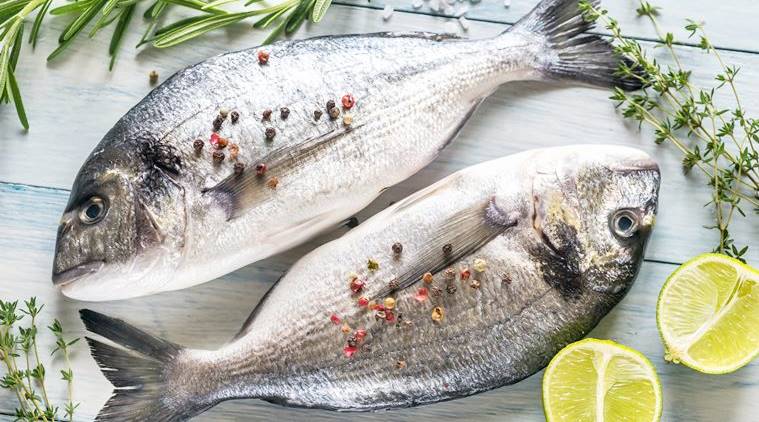
Fatty fish like salmon, sardines, mackerel, and tuna are rich in omega-3 fatty acids, which are essential for reducing inflammation linked to type 2 diabetes. Chronic inflammation worsens insulin resistance, making fatty fish a critical addition to diabetes reversal foods.
Omega-3s improve lipid profiles, support heart health, and help regulate blood sugar levels. Protein from fish also slows digestion and prevents rapid glucose spikes, keeping energy stable. Studies show that regular fish consumption improves insulin sensitivity and reduces the risk of metabolic syndrome.
Additionally, fatty fish promotes satiety, helping control appetite and reduce overeating. This is important because excess body fat contributes to insulin dysfunction. Eating fatty fish two to three times per week provides essential nutrients that actively support metabolic repair and cardiovascular protection, both of which are vital for reversing diabetes naturally.
3. Nuts and Seeds
Almonds, walnuts, chia seeds, flaxseeds, and pumpkin seeds are nutrient-dense diabetes reversal foods that stabilize blood sugar and improve insulin sensitivity. They contain healthy fats, plant protein, fiber, and magnesium, a mineral strongly linked to better glucose regulation. Nuts and seeds slow carbohydrate digestion, preventing sharp rises in blood sugar.
Their healthy fat content improves satiety, helping reduce cravings and emotional eating. Regular intake is associated with lower HbA1c levels and improved metabolic markers. Chia and flaxseeds also contain soluble fiber that forms a gel-like substance in the gut, slowing glucose absorption.
This steady energy release supports sustained blood sugar control throughout the day. Including a handful of nuts or seeds as snacks or meal toppings creates a simple, effective strategy for improving metabolic health while promoting natural diabetes reversal.
4. Whole Eggs
Whole eggs are often misunderstood, but they are one of the most effective diabetes reversal foods due to their high-quality protein and healthy fat content. Eggs have minimal impact on blood sugar and help maintain stable glucose levels after meals.
Their protein improves satiety hormones, reducing hunger and supporting weight management, a key component of reversing diabetes. Eggs also contain choline, which supports liver health and fat metabolism. Research suggests that egg consumption can improve insulin sensitivity and reduce inflammation when eaten as part of a balanced diet.
Because they are nutrient-dense and filling, eggs prevent overeating and energy crashes. Starting the day with eggs instead of refined carbohydrates can significantly improve blood sugar stability. They provide a practical, affordable way to support metabolic healing and sustained energy.
5. Legumes
Beans, lentils, chickpeas, and peas are powerful plant-based diabetes reversal foods due to their high fiber and protein content. Their low glycemic index means they digest slowly, releasing glucose gradually into the bloodstream. This prevents sudden spikes and crashes in blood sugar.
Legumes are also rich in resistant starch, which improves gut health and enhances insulin sensitivity. The fiber in legumes feeds beneficial gut bacteria that play a role in metabolic regulation. Studies show that regular legume consumption lowers fasting blood sugar and improves long-term glucose control.
They are filling and help reduce calorie intake, which supports weight loss and diabetes reversal. Adding legumes to soups, curries, or salads provides a steady energy source and promotes sustained blood sugar balance throughout the day.
6. Berries
Berries such as blueberries, strawberries, and raspberries are unique diabetes reversal foods because they are sweet yet low in sugar compared to other fruits. They are rich in antioxidants called anthocyanins, which improve insulin sensitivity and reduce oxidative stress.
Berries also contain fiber that slows glucose absorption, preventing sugar spikes. Their natural sweetness satisfies cravings without harming blood sugar control. Research shows that berry consumption improves post-meal glucose response and reduces inflammation.
They also support heart health, which is critical for people managing diabetes. Berries can be added to yogurt, smoothies, or eaten as snacks to replace processed desserts. Their powerful antioxidant profile makes them ideal for protecting cells from damage while promoting metabolic recovery and long-term glucose stability.
7. Avocados
Avocados are one of the best diabetes reversal foods because they are rich in monounsaturated fats that improve insulin sensitivity. Unlike high-carb foods, avocados have minimal impact on blood sugar while providing fiber that supports digestive health. Healthy fats slow digestion and prevent glucose spikes after meals.
Avocados also contain potassium and anti-inflammatory compounds that support cardiovascular health, a major concern for diabetics. Their creamy texture increases meal satisfaction and reduces cravings for processed foods. Studies show that diets rich in monounsaturated fats improve metabolic markers and glucose control.
Adding avocado to salads, toast alternatives, or smoothies enhances nutrient absorption and promotes sustained energy. Their combination of fiber and healthy fats makes them ideal for stabilizing blood sugar and supporting natural diabetes reversal.
8. Cinnamon
Cinnamon is a natural metabolic booster and one of the most studied diabetes reversal foods. It contains compounds that mimic insulin and improve glucose uptake by cells. Cinnamon slows carbohydrate digestion and reduces post-meal blood sugar spikes.
Regular consumption has been linked to lower fasting glucose levels and improved insulin sensitivity. It also has anti-inflammatory and antioxidant properties that protect metabolic tissues. Adding cinnamon to tea, oatmeal, or yogurt provides flavor without sugar.
While it’s not a standalone cure, it acts as a powerful support tool in a diabetes-friendly diet. Its ability to enhance insulin efficiency makes it valuable for long-term glucose management. Consistent use, combined with whole foods, supports steady metabolic improvement and faster diabetes reversal results.
9. Fermented Foods
Fermented foods like yogurt, kefir, sauerkraut, and kimchi support gut health, which plays a critical role in diabetes reversal. A healthy gut microbiome improves insulin sensitivity and reduces inflammation. Fermented foods contain probiotics that help regulate glucose metabolism and enhance nutrient absorption.
Studies show that better gut bacteria balance is linked to improved blood sugar control and reduced insulin resistance. These foods also strengthen immune function and digestive efficiency. Including fermented foods daily helps maintain metabolic balance and reduces systemic inflammation.
Their beneficial bacteria influence hormones that regulate appetite and energy use. By improving gut health, fermented foods indirectly accelerate diabetes reversal and support long-term metabolic stability.
Can diabetes reversal foods really improve blood sugar control?
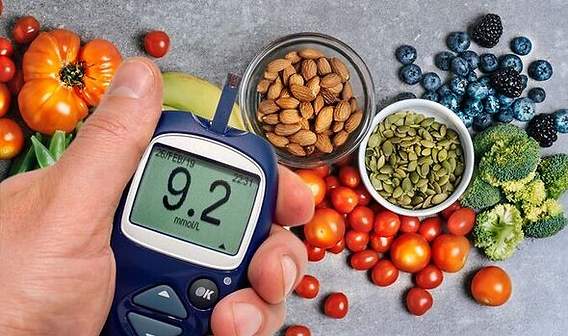
Yes, diabetes reversal foods can genuinely improve blood sugar control, but the key lies in consistency and overall lifestyle. These foods are not magic cures; rather, they work by correcting the metabolic imbalances that cause high glucose levels in the first place.
When you eat foods that stabilize insulin response, reduce inflammation, and support healthy weight, your body becomes more efficient at using glucose. Over time, this can lower fasting blood sugar, reduce HbA1c, and improve energy levels.
Scientific research increasingly supports that a diet focused on whole, fiber-rich, nutrient-dense foods can reverse insulin resistance, the root driver of type 2 diabetes. Instead of simply masking symptoms, diabetes reversal foods help retrain your metabolism to function properly.
Key ways diabetes reversal foods improve blood sugar control include:
- Slowing glucose absorption: High-fiber foods prevent sudden spikes after meals
- Improving insulin sensitivity: Healthy fats and proteins help cells respond better to insulin
- Reducing inflammation: Anti-inflammatory nutrients protect metabolic tissues
- Supporting weight loss: Nutrient-dense foods reduce cravings and overeating
- Enhancing gut health: A balanced microbiome improves glucose metabolism
- Providing steady energy: Stable blood sugar prevents crashes and sugar cravings
- Protecting pancreatic function: Antioxidants reduce cellular damage
When combined with movement, sleep, and stress management, these foods create an environment where the body can gradually regain blood sugar balance. Over time, many people experience measurable improvements, proving that food is not just fuel, but a powerful metabolic tool.
How do diabetes reversal foods increase insulin sensitivity naturally?
1. Reducing Chronic Inflammation
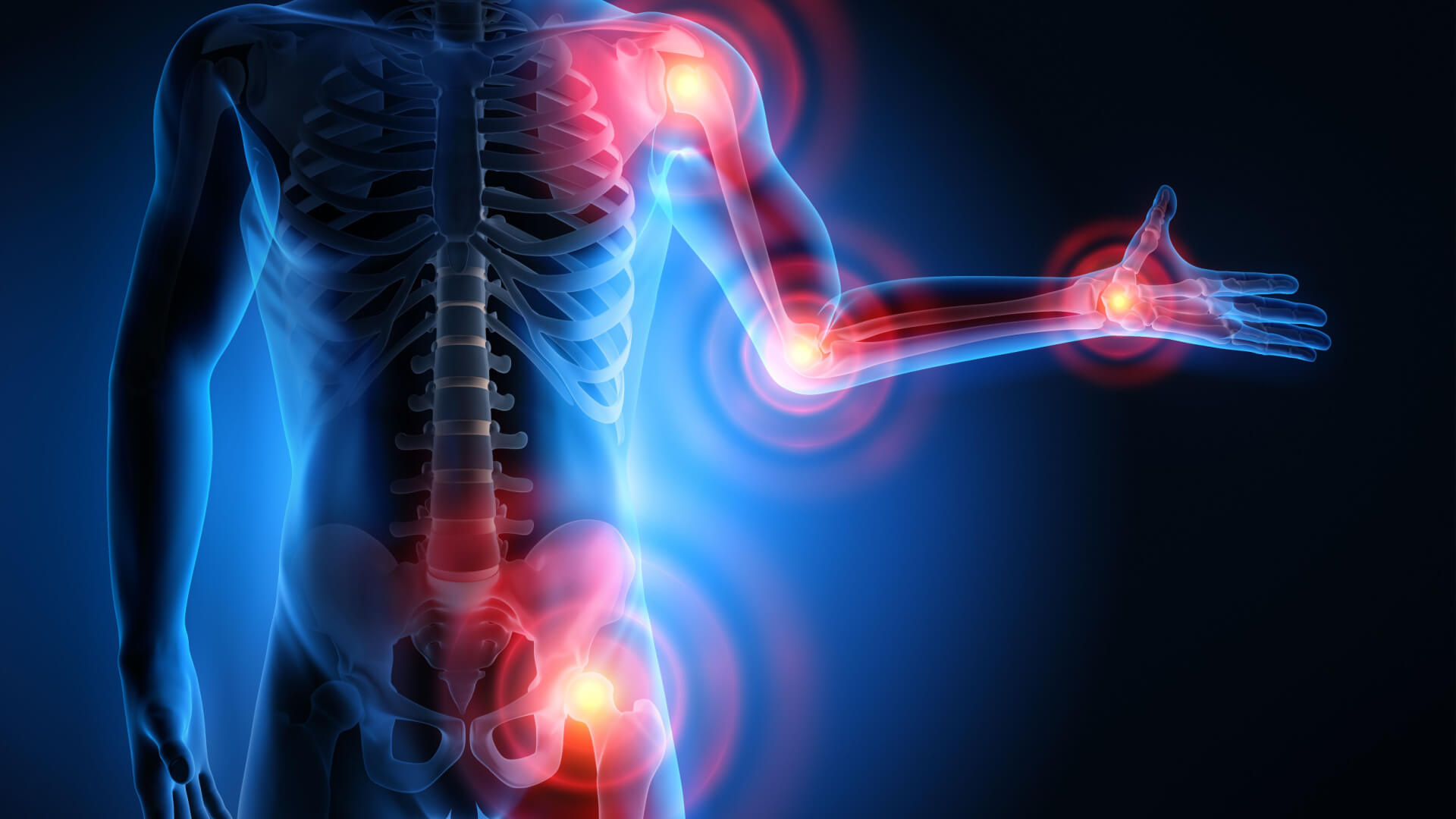
One major reason insulin resistance develops is chronic, low-grade inflammation inside the body. Many diabetes reversal foods are rich in anti-inflammatory compounds like omega-3 fatty acids, antioxidants, and phytonutrients that calm this internal stress.
When inflammation decreases, insulin receptors on cells begin functioning more efficiently, allowing glucose to enter cells instead of remaining in the bloodstream. Foods like leafy greens, fatty fish, berries, and nuts protect tissues from oxidative damage that weakens insulin signaling.
Over time, this protection restores metabolic flexibility. Inflammation also affects fat tissue, especially around the abdomen, which releases chemicals that worsen insulin resistance. Anti-inflammatory foods reduce these harmful signals and promote healthier fat metabolism.
By consistently eating nutrient-dense foods that fight inflammation, the body creates a biochemical environment where insulin can work properly again, naturally improving sensitivity without medication dependence.
2. Stabilizing Blood Sugar Through Fiber
Fiber plays a central role in improving insulin sensitivity because it slows how quickly glucose enters the bloodstream. Diabetes reversal foods high in soluble fiber such as legumes, vegetables, seeds, and whole plant foods form a gel-like substance in the digestive tract.
This slows carbohydrate breakdown and prevents sharp blood sugar spikes that strain insulin production. When blood sugar remains stable, the pancreas does not need to release excessive insulin, giving cells time to recover their responsiveness.
Fiber also feeds beneficial gut bacteria that produce short-chain fatty acids, compounds shown to enhance insulin signaling. Over time, consistent fiber intake trains the body to manage glucose more efficiently.
Stable glucose patterns reduce metabolic stress, improve hormonal balance, and prevent the cycle of spikes and crashes that worsen insulin resistance. This steady digestion process is one of the most powerful natural tools for restoring insulin sensitivity.
3. Supporting Healthy Fat Metabolism
Insulin resistance is strongly linked to excess fat stored in the liver and muscles. Diabetes reversal foods that contain healthy fats such as avocados, nuts, seeds, and fatty fish help the body burn fat more efficiently instead of storing it. Monounsaturated and omega-3 fats improve cell membrane flexibility, making insulin receptors more responsive.
When cells can communicate better with insulin, glucose uptake improves. Healthy fats also reduce harmful triglycerides and support hormone balance, both of which influence insulin function. Unlike processed fats, natural fats promote satiety and prevent overeating, helping reduce visceral fat around organs.
As internal fat decreases, insulin signaling improves dramatically. By shifting the body from fat storage mode to fat-burning mode, these foods correct one of the root causes of insulin resistance and help the metabolism operate smoothly and naturally.
4. Enhancing Gut Microbiome Health
The gut microbiome plays a surprisingly powerful role in insulin sensitivity. Diabetes reversal foods rich in fiber and probiotics feed beneficial bacteria that regulate glucose metabolism. A healthy gut produces signaling molecules that reduce inflammation and improve how the body processes carbohydrates.
Fermented foods like yogurt, kefir, and kimchi introduce helpful bacteria that strengthen the gut lining and prevent metabolic toxins from entering the bloodstream. When gut balance improves, the body becomes more efficient at extracting nutrients and managing blood sugar.
Research shows that people with diverse gut bacteria have better insulin responses and lower diabetes risk. The microbiome also influences appetite hormones, reducing cravings that lead to blood sugar spikes.
By nourishing gut health, diabetes reversal foods create a ripple effect that improves insulin signaling throughout the entire body, making metabolic recovery more sustainable.
5. Improving Muscle Glucose Uptake
Muscle tissue is one of the largest consumers of glucose in the body. Diabetes reversal foods that provide quality protein, magnesium, and essential nutrients support muscle repair and function, allowing muscles to absorb glucose more effectively.
When muscles become insulin sensitive, they pull sugar from the bloodstream and use it for energy. This reduces circulating glucose and decreases the demand on insulin. Foods like eggs, legumes, fish, and seeds provide amino acids needed for muscle maintenance.
Magnesium-rich foods improve cellular energy production and insulin receptor activity. Strong, well-nourished muscles act like a glucose sponge, protecting against blood sugar spikes. Over time, improved muscle metabolism restores balance to the entire glucose regulation system.
Combined with physical activity, nutrient-dense foods dramatically enhance insulin efficiency and promote long-term metabolic resilience.
What mistakes should I avoid when eating diabetes reversal foods?

1. Overeating “Healthy” Foods
One common mistake is assuming that diabetes reversal foods can be eaten in unlimited amounts. Even healthy foods can raise blood sugar if portion sizes are excessive. Nuts, seeds, whole grains, and fruits are nutritious, but they still contain calories and carbohydrates that affect glucose levels.
Overeating slows progress and can lead to weight gain, which worsens insulin resistance. The goal is balance, not restriction or excess. Eating mindfully helps your body respond better to insulin and maintain steady energy. Portion awareness also prevents digestive overload and reduces unnecessary glucose spikes.
Many people unknowingly sabotage results by snacking constantly, even on healthy foods. Structured meals with controlled portions allow the metabolism to reset and function efficiently. Diabetes reversal is not just about food quality, it’s also about eating the right amounts at the right times.
2. Ignoring Overall Diet Balance
Focusing only on adding diabetes reversal foods while continuing to eat processed sugar and refined carbohydrates is a major mistake. Healthy foods cannot cancel out the damage of ultra-processed meals. A balanced diet must reduce sugary drinks, white flour products, and packaged snacks that spike blood sugar.
Without removing harmful foods, insulin resistance continues despite good additions. True metabolic healing happens when the entire dietary pattern supports blood sugar stability. This means combining fiber, protein, and healthy fats in each meal.
Many people expect quick results by adding one or two superfoods, but consistency across all meals is what drives change. Ignoring overall balance creates mixed signals for the body, preventing steady improvement. Diabetes reversal requires a whole-diet approach, not isolated food choices.
3. Relying Only on Food Without Lifestyle Changes
Another mistake is expecting diabetes reversal foods to work without movement, sleep, and stress management. Food is powerful, but insulin sensitivity is influenced by the entire lifestyle. Lack of physical activity prevents muscles from using glucose effectively. Poor sleep increases stress hormones that raise blood sugar.
Chronic stress keeps the body in a high-glucose survival mode. Even the best diet struggles to overcome these factors. Diabetes reversal foods work best when combined with daily walking, strength activity, and proper rest. Lifestyle habits amplify the benefits of good nutrition.
Many people blame food when results slow down, but the missing link is often recovery and movement. A holistic approach creates an environment where the body can heal faster and respond naturally to insulin.
4. Expecting Instant Results
Impatience is a silent obstacle in diabetes reversal. Some people quit healthy eating because they don’t see immediate blood sugar changes. Insulin resistance develops over years, so recovery takes time. Expecting instant results leads to frustration and inconsistency.
Diabetes reversal foods work gradually by repairing metabolic damage, reducing inflammation, and retraining insulin response. Early improvements may be subtle, better energy, fewer cravings, or stable mood before lab numbers change. Consistency matters more than speed.
When people jump between diets searching for fast results, the body never adapts long enough to heal. Sustainable progress happens through steady habits repeated daily. Understanding that diabetes reversal is a process helps maintain motivation and prevents discouragement.
5. Skipping Meals or Undereating
Some people try to accelerate results by skipping meals or drastically cutting calories. This backfires because extreme restriction stresses the body and destabilizes blood sugar. When meals are skipped, the liver releases stored glucose, causing unexpected spikes.
Undereating also slows metabolism and increases cravings, leading to overeating later. Diabetes reversal foods should nourish the body, not deprive it. Regular, balanced meals teach the body to trust a steady energy supply. This stabilizes insulin release and prevents survival-mode responses.
Gentle calorie control is effective, but starvation signals worsen insulin resistance. Eating consistently supports hormonal balance and keeps glucose levels predictable. The goal is metabolic healing, not punishment. Proper fueling allows the body to repair itself safely and sustainably.
Which diabetes reversal foods doctors recommend most?

1. Leafy Green Vegetables
Doctors consistently recommend leafy green vegetables as a top diabetes reversal food because they deliver high nutrition with minimal impact on blood sugar. Spinach, kale, mustard greens, and fenugreek leaves are rich in fiber, magnesium, and antioxidants that improve insulin sensitivity.
Their low carbohydrate density prevents glucose spikes while supporting weight control. Physicians often advise filling half your plate with non-starchy vegetables because they stabilize blood sugar and reduce inflammation. Leafy greens also support heart health, which is critical for people with diabetes.
Eating them daily improves nutrient intake without excess calories. Their fiber slows digestion, keeping glucose steady after meals. Medical nutrition guidelines emphasize greens as a safe, protective food that supports long-term metabolic recovery and sustainable diabetes management.
2. Fatty Fish
Doctors frequently recommend fatty fish like salmon, sardines, and mackerel because of their omega-3 fatty acids, which reduce inflammation and improve insulin function. Chronic inflammation is a major driver of insulin resistance, so anti-inflammatory foods are medically encouraged.
Fatty fish also supports cardiovascular health, lowering triglycerides and protecting blood vessels essential for diabetes patients. High-quality protein in fish prevents rapid glucose spikes and helps maintain muscle mass. Many clinical diet plans suggest eating fatty fish two to three times per week.
Regular intake is associated with improved metabolic markers and better blood sugar stability. Physicians value fish as a nutrient-dense alternative to processed meats, helping patients shift toward heart-friendly, glucose-stabilizing protein sources.
3. Nuts and Seeds
Medical professionals often recommend nuts and seeds as smart snacks for blood sugar control. Almonds, walnuts, chia seeds, and flaxseeds contain fiber, healthy fats, and magnesium, all linked to improved insulin sensitivity. Their fat and protein slow digestion, preventing sharp glucose rises after eating.
Doctors encourage portion-controlled servings because nuts are calorie-dense but highly protective when eaten moderately. Research shows regular nut consumption is associated with lower HbA1c and improved cholesterol levels. Seeds like chia and flax also support gut health, which influences glucose metabolism.
These foods help reduce cravings and emotional eating, making long-term dietary adherence easier. Physicians value them as practical, everyday tools for stabilizing energy and supporting metabolic healing.
4. Legumes
Legumes such as lentils, chickpeas, and beans are widely recommended by doctors for their low glycemic index and high fiber content. They release glucose slowly into the bloodstream, preventing sugar spikes. Physicians appreciate legumes because they combine plant protein and complex carbohydrates in a balanced way.
Their resistant starch improves gut bacteria, which plays a role in insulin sensitivity. Clinical studies show regular legume intake improves fasting glucose and long-term blood sugar control.
They are filling, affordable, and versatile, making them easy to include in daily meals. Doctors often suggest replacing refined grains with legumes to stabilize energy. Their steady digestion supports weight management and reduces metabolic stress, both critical for diabetes reversal.
5. Berries
Doctors recommend berries as a safer fruit choice for people managing blood sugar. Blueberries, strawberries, and raspberries are rich in antioxidants that improve insulin sensitivity and reduce inflammation. Their fiber slows sugar absorption, making them gentler on glucose levels than high-sugar fruits.
Medical nutrition plans often include berries as a dessert replacement because they satisfy sweetness without harmful spikes. Research links berry consumption to improved post-meal glucose response and cardiovascular protection.
Physicians value their antioxidant density, which protects cells from damage caused by high blood sugar. Including berries regularly helps patients maintain a balanced diet without feeling deprived. They provide natural sweetness while actively supporting metabolic recovery.
How quickly do diabetes reversal foods show results?

1. Early Changes in Energy and Cravings
Many people notice the first results within days to a couple of weeks after consistently eating diabetes reversal foods. Early improvements usually appear as steadier energy, fewer sugar cravings, and reduced afternoon fatigue. When blood sugar stops swinging sharply, the body no longer demands quick sugar fixes.
This stabilization helps mood and focus as well. These early signs are important because they show the metabolism is beginning to respond. While glucose numbers may not change dramatically yet, internal hormonal balance is improving. These small wins build motivation and signal that the body is moving toward healthier insulin function.
2. Blood Sugar Improvements in Weeks
Measurable blood sugar changes often begin within 2–6 weeks of consistent dietary changes. Fasting glucose may gradually decline, and post-meal spikes become less extreme. This happens because fiber-rich, anti-inflammatory foods reduce metabolic stress and improve insulin sensitivity.
The pancreas doesn’t need to overwork, allowing glucose regulation to normalize. Many people see better daily readings before long-term markers change.
Doctors often observe that consistent nutrition matters more than perfection. Even moderate improvements can reduce symptoms like excessive thirst or fatigue. This phase reflects the body relearning how to process carbohydrates more efficiently.
3. Long-Term HbA1c and Metabolic Shifts
Significant long-term markers like HbA1c typically improve over 8–12 weeks or longer, since this test reflects average blood sugar over time. Sustainable diabetes reversal is gradual, not instant. As inflammation drops and weight stabilizes, insulin receptors regain responsiveness.
The liver and muscles become better at storing and using glucose. These deeper metabolic shifts require repetition and patience. Consistency with diabetes reversal foods, movement, and sleep produces compounding benefits.
Over months, many people experience steady improvement rather than sudden transformation. Lasting change happens when habits become routine, allowing the body to repair itself naturally and maintain stable glucose control.
If you’re ready to turn knowledge into action, the next step is structured guidance. Understanding diabetes reversal foods is powerful, but real progress happens when healthy choices become a consistent routine.
The HealthyWayFit program is designed to bridge that gap by giving you a clear, practical roadmap, meal structure, habit coaching, and accountability that fits real life. Instead of guessing what to eat or struggling with motivation, you follow a system built to support steady blood sugar improvement and sustainable lifestyle change.
Many people fail not from lack of information, but from lack of support and direction. A guided program removes confusion, simplifies decisions, and helps you stay consistent long enough to see measurable results.
If you want faster progress, expert-backed structure, and a community that keeps you moving forward, HealthyWayFit can be the catalyst that turns intention into transformation.
HealthyWayFit — India’s Most Personal Diabetes Reversal Program
You’re told to “eat less,” “exercise more,” or “try another pill.” Yet your sugars remain stubborn, energy crashes continue, and every lab report feels like another warning. What’s missing isn’t willpower — it’s the right system.
That’s where HealthyWayFit comes in.
We are not another app, crash diet, or one-size-fits-all chart. HealthyWayFit is a 12-month, end-to-end Type 2 Diabetes Reversal Program designed exclusively for Indian professionals who want results that fit their lifestyle.
Over the past few years, our team has helped hundreds of Indians lower HbA1c, reduce medicine dependency, and—in many cases—achieve complete reversal of Type 2 diabetes.
Our tone is simple: empathetic, therapeutic, and committed. We listen first, design second, and support you every step of the way.
1) What Makes HealthyWayFit Different?
1. Personalized Nutrition You Can Actually Follow No fad superfoods or unrealistic smoothie charts. We use your ghar ka khana—dal, roti, rice, idli, dosa, paneer, sabzi—and align it with blood sugar control. No separate cooking, no family pressure. A plan that works whether you’re 35 or 85.
2. Metabolic Exercise for Type 2 Diabetes Control Our short, 15–20 minute metabolic routines target big muscle groups (legs, shoulders, glutes) and can lower sugar readings by 50–100 points. No gym, no equipment, just science-backed movements you can do at home.
3. Stress & Sleep Mastery Stress raises cortisol, which raises sugar. We equip you with practical tools—one-minute breathing practices, sleep optimization, and micro-habits—to keep your blood sugar stable, even on your busiest days.
4. Doctor-Led, Holistic Care Every client is guided by a Senior MD Diabetologist ensuring medical safety, while lifestyle coaches design food, exercise, and habit strategies. This unique blend of medical expertise and daily support is why our clients see true reversal.
5. Relentless Support & Accountability From weekly coaching calls and daily check-ins to festival, travel, and dining-out guides, we make sure your reversal journey adapts to real life, not the other way around.
2) What Results Can You Expect?
Most clients notice changes within 20–60 days: better energy, lighter mornings, and lower sugar readings. Over the year, we focus on long-term stabilization, so results are not just quick but sustainable for years to come.
3) Is HealthyWayFit Right for You?
If you’re a working professional or entrepreneur living with Type 2 diabetes, and can dedicate just 15–30 minutes daily, HealthyWayFit is built for you. This isn’t a crash course. It’s a life-changing reversal system personalized to your food, family, and lifestyle.
4) Take the Next Step
Your journey starts with a personal consultation where we understand your health history, challenges, and lifestyle. If we’re aligned, we’ll design a custom Type 2 Diabetes Reversal Plan built just for you.
Explore more at: healthywayfit Book your consultation here: calendly
Move beyond “managing” diabetes. With HealthyWayFit, you can reverse Type 2 diabetes—safely, sustainably, and with support at every step.
Frequently Asked Questions(FAQs)

1) What is the best diet plan using diabetes reversal foods?
The best diet plan focuses on whole, fiber-rich diabetes reversal foods combined with lean protein and healthy fats at every meal. A balanced plate includes leafy vegetables, legumes, nuts, seeds, and low-glycemic fruits.
Meals should stabilize blood sugar rather than spike it. Consistency matters more than perfection. Structured eating patterns help retrain insulin response and support sustainable metabolic healing.
2) Can beginners follow a diet based on diabetes reversal foods?
Yes, beginners can easily follow a diet built around diabetes reversal foods because it emphasizes simple, natural ingredients rather than complicated rules. The focus is on swapping processed foods with whole foods like vegetables, legumes, and healthy fats. Gradual changes make the transition manageable.
Beginners benefit from steady energy, fewer cravings, and improved blood sugar awareness, making long-term adherence realistic and sustainable.
3) Do diabetes reversal foods help with long-term diabetes management?
Diabetes reversal foods support long-term management by addressing the root causes of insulin resistance. Regular intake improves blood sugar stability, reduces inflammation, and supports healthy weight maintenance.
Over time, these effects lower metabolic stress and protect organs affected by diabetes. Sustainable eating habits built around nutrient-dense foods help maintain consistent glucose control, reducing complications and improving overall quality of life.
4) Are diabetes reversal foods backed by science?
Yes, scientific research supports the benefits of high-fiber, anti-inflammatory, nutrient-dense foods in improving insulin sensitivity and blood sugar control. Studies consistently show that whole-food dietary patterns reduce HbA1c, stabilize glucose levels, and lower diabetes risk.
While no single food is a cure, combined dietary strategies create measurable metabolic improvements. Evidence-based nutrition remains a cornerstone of modern diabetes care and prevention.
5) How do diabetes reversal foods support natural health recovery?
Diabetes reversal foods support recovery by reducing inflammation, stabilizing blood sugar, and improving cellular insulin response. They nourish gut bacteria, enhance nutrient absorption, and protect tissues from oxidative stress. These processes restore metabolic balance and energy regulation.
Over time, the body becomes more efficient at processing glucose, allowing gradual healing. Consistent nutrition gives the body the tools it needs to repair itself naturally.
Conclusion
In conclusion, diabetes reversal is not about a single miracle food or a temporary diet, it’s about building a sustainable system that supports your body every day. The right diabetes reversal foods work together to stabilize blood sugar, improve insulin sensitivity, reduce inflammation, and restore metabolic balance.
When combined with movement, sleep, and stress management, these habits create long-term healing rather than short-term control. Progress may be gradual, but consistent nutrition produces measurable changes that protect your energy, organs, and quality of life.
Most importantly, reversal is possible when knowledge turns into action. By choosing whole, nutrient-dense foods and following a structured plan that fits real life, you give your body the conditions it needs to repair itself naturally. Small daily decisions compound into powerful results and over time, those results become a healthier, stronger future.


