
.svg)
Managing blood sugar and improving overall health doesn’t have to be complicated. With the right guidance, you can take actionable steps that make a real difference in your journey toward diabetes reversal.
The diabetes reversal food guide is designed to help you understand which foods support healthy blood sugar levels, improve insulin sensitivity, and reduce the risk of diabetes-related complications.
Unlike generic diet advice, this guide focuses on science-backed strategies that are practical and easy to implement in daily life.
From nutrient-rich vegetables and fiber-packed whole grains to healthy fats and lean proteins, the foods included are carefully selected to stabilize glucose levels while nourishing your body.
In this guide, you’ll learn not only what to eat but also how to structure your meals, plan portions, and combine foods for maximum benefits.
By following these steps consistently, you can experience meaningful health breakthroughs, including improved energy, better metabolic function, and stronger overall wellness.
Whether you’re just starting or looking to optimize your current eating habits, this guide provides a clear roadmap to help you take control of your health and support long-term diabetes reversal.
What is the diabetes reversal food guide, and how can it help manage blood sugar?

The diabetes reversal food guide is a comprehensive framework that identifies the most effective foods and eating strategies to help manage blood sugar, reduce insulin resistance, and support long-term metabolic health.
Unlike standard diet plans, this guide focuses on foods that actively contribute to lowering blood glucose levels while improving overall nutrition. It is grounded in scientific research, emphasizing the role of macronutrients, micronutrients, and fiber in controlling blood sugar fluctuations.
By following this guide, individuals with type 2 diabetes or those at risk can make smarter food choices that promote better insulin sensitivity and reduce the need for medications over time.
Key ways the diabetes reversal food guide helps manage blood sugar include:
- Prioritizing low-glycemic foods:
- Foods that release glucose slowly into the bloodstream prevent sudden spikes in blood sugar.
- Examples: leafy greens, whole grains like quinoa, lentils, and non-starchy vegetables.
- Incorporating fiber-rich foods:
- Soluble fiber slows digestion and sugar absorption, reducing post-meal glucose surges.
- Examples: oats, chia seeds, beans, and fruits like apples and berries.
- Including healthy fats:
- Unsaturated fats help improve insulin sensitivity and reduce inflammation.
- Examples: avocados, nuts, olive oil, and fatty fish like salmon.
- Emphasizing lean protein sources:
- Proteins stabilize blood sugar and support muscle health, which is important for glucose metabolism.
- Examples: chicken, turkey, tofu, eggs, and low-fat dairy.
- Avoiding blood sugar–spiking foods:
- The guide helps you identify and limit refined carbs, sugary snacks, sweetened beverages, and highly processed foods.
- Balancing meals and portion sizes:
- Combines carbs, proteins, and fats in the right proportions to prevent glucose overload.
- Encourages mindful eating and structured meal timing to maintain steady energy levels.
By following the diabetes reversal food guide consistently, individuals can experience improved blood sugar control, reduced insulin resistance, and better overall health outcomes. Over time, it serves as a practical roadmap for building sustainable eating habits that actively support diabetes reversal.
Which foods in the diabetes reversal food guide are most effective for improving insulin sensitivity?
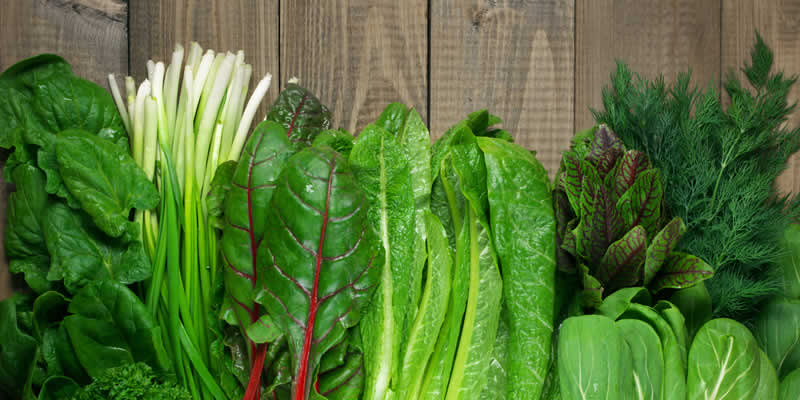
1. Leafy Greens and Non-Starchy Vegetables
Leafy greens like spinach, kale, and Swiss chard, along with non-starchy vegetables such as broccoli, cauliflower, and zucchini, are essential for improving insulin sensitivity. They are low in carbohydrates but high in fiber, vitamins, and minerals, which help regulate blood sugar levels.
Fiber slows the absorption of glucose into the bloodstream, preventing sudden spikes that can worsen insulin resistance. Additionally, these vegetables are rich in antioxidants, particularly magnesium and vitamin C, which help reduce inflammation and oxidative stress two major contributors to impaired insulin function.
Regularly including these foods in meals not only supports healthy blood sugar but also enhances overall metabolic health, making it easier for the body to respond to insulin effectively. For optimal results, aim to fill at least half your plate with these vegetables in every meal.
2. Whole Grains and Legumes
Whole grains like quinoa, oats, barley, and brown rice, along with legumes such as lentils, chickpeas, and black beans, are powerful for improving insulin sensitivity. Unlike refined carbohydrates, whole grains and legumes have a low glycemic index, meaning they release glucose slowly and steadily.
This controlled release reduces the burden on insulin and improves its effectiveness over time. Additionally, they are rich in soluble fiber, which feeds beneficial gut bacteria, supporting metabolic and hormonal balance. Legumes also provide plant-based protein, which stabilizes blood sugar levels and prevents energy crashes.
Incorporating these foods into your daily meals whether as a base for salads, stews, or side dishes can significantly enhance your body’s ability to manage blood sugar and respond efficiently to insulin.
3. Healthy Fats
Healthy fats, especially monounsaturated and omega-3 fatty acids, play a key role in improving insulin sensitivity. Sources include avocados, olive oil, nuts (almonds, walnuts), seeds (chia, flax), and fatty fish like salmon and mackerel.
These fats reduce inflammation, a major factor in insulin resistance, while also supporting cell membrane health, which allows insulin to function more effectively. Including healthy fats in meals helps slow digestion, resulting in a gradual release of glucose into the bloodstream.
It also improves satiety, preventing overeating and blood sugar spikes. For maximum benefit, pair healthy fats with fiber-rich vegetables or lean proteins to create balanced meals that stabilize blood sugar and strengthen the body’s response to insulin.
4. Lean Proteins
Lean protein sources are crucial for maintaining muscle mass, which is directly linked to improved insulin sensitivity. Foods such as skinless chicken, turkey, fish, tofu, eggs, and low-fat dairy provide high-quality protein without excessive saturated fats that can impair insulin function.
Protein slows digestion, reduces post-meal glucose spikes, and supports tissue repair and muscle metabolism. Adequate protein intake also helps regulate appetite, reducing the risk of overeating carbohydrate-heavy meals that can strain insulin response.
Incorporating lean protein into each meal ideally alongside high-fiber vegetables and healthy fats creates balanced nutrition that promotes steady blood sugar levels and strengthens the body’s capacity to respond to insulin efficiently over time.
5. Antioxidant-Rich Fruits and Spices
Certain fruits and spices help improve insulin sensitivity due to their antioxidant and anti-inflammatory properties. Berries like blueberries, strawberries, and raspberries are low in sugar but high in polyphenols, which enhance insulin function. Cinnamon and turmeric also show promising effects in reducing blood sugar spikes and supporting glucose metabolism.
These foods help fight oxidative stress and chronic inflammation, both of which impair insulin sensitivity. Including a moderate portion of antioxidant-rich fruits in meals or snacks, along with spices like cinnamon in oatmeal or turmeric in savory dishes, can provide subtle but significant improvements in insulin response.
Over time, these additions support better blood sugar control and long-term metabolic health.
How can I use the diabetes reversal food guide to create lasting health breakthroughs?

1. Understanding the Core Principles
To create lasting health breakthroughs, start by understanding the core principles of the diabetes reversal food guide. Focus on low-glycemic foods, fiber-rich vegetables, lean proteins, and healthy fats. These foods stabilize blood sugar, improve insulin sensitivity, and reduce inflammation.
Understanding how each food affects your metabolism allows you to make informed decisions rather than following restrictive diets. Incorporate portion control and balanced meal timing to prevent glucose spikes and sustain energy throughout the day.
When the principles are internalized, applying them consistently becomes second nature, forming the foundation for long-term diabetes management and overall metabolic health.
2. Planning Balanced Meals
Creating lasting breakthroughs requires practical meal planning. Combine lean proteins, whole grains, vegetables, and healthy fats in every meal to maintain steady blood sugar. Use the guide to build meals that fit your lifestyle, incorporating foods you enjoy to ensure consistency.
Structured meals reduce impulsive eating, sugar cravings, and unhealthy snacking. Additionally, spacing meals evenly throughout the day helps maintain energy and supports insulin function. Meal planning also makes grocery shopping easier, ensures nutrient variety, and encourages mindful eating.
Over time, this structured approach reinforces healthy habits that directly improve blood sugar control, supporting sustained metabolic improvements.
3. Tracking Progress and Adjusting Habits
Monitoring your blood sugar and overall health is critical for lasting results. Use the guide to identify which foods improve glucose control and which may cause spikes. Adjust portions, meal timing, and food combinations based on your body’s response. Keep a food and symptom journal to track patterns and celebrate progress.
Regularly reviewing and tweaking habits ensures your approach remains personalized, effective, and sustainable. This continuous feedback loop helps prevent plateaus, reinforces positive changes, and empowers you to take control of your health.
By consistently applying the guide and adapting as needed, you create lasting metabolic improvements and real health breakthroughs.
4. Incorporating Lifestyle Practices
For maximum impact, pair the diabetes reversal food guide with healthy lifestyle habits. Regular physical activity, adequate sleep, stress management, and hydration enhance insulin sensitivity and complement dietary changes. Exercise improves glucose uptake by muscles, while stress reduction prevents cortisol-related blood sugar spikes.
Together with the guide’s food recommendations, these practices strengthen overall metabolic health. The combination of diet and lifestyle habits creates a synergistic effect, making it easier to maintain blood sugar control over time.
Implementing these practices consistently ensures the results from the food guide are not temporary but lead to lasting health breakthroughs and long-term diabetes management.
What science-backed strategies does the diabetes reversal food guide recommend for better health?
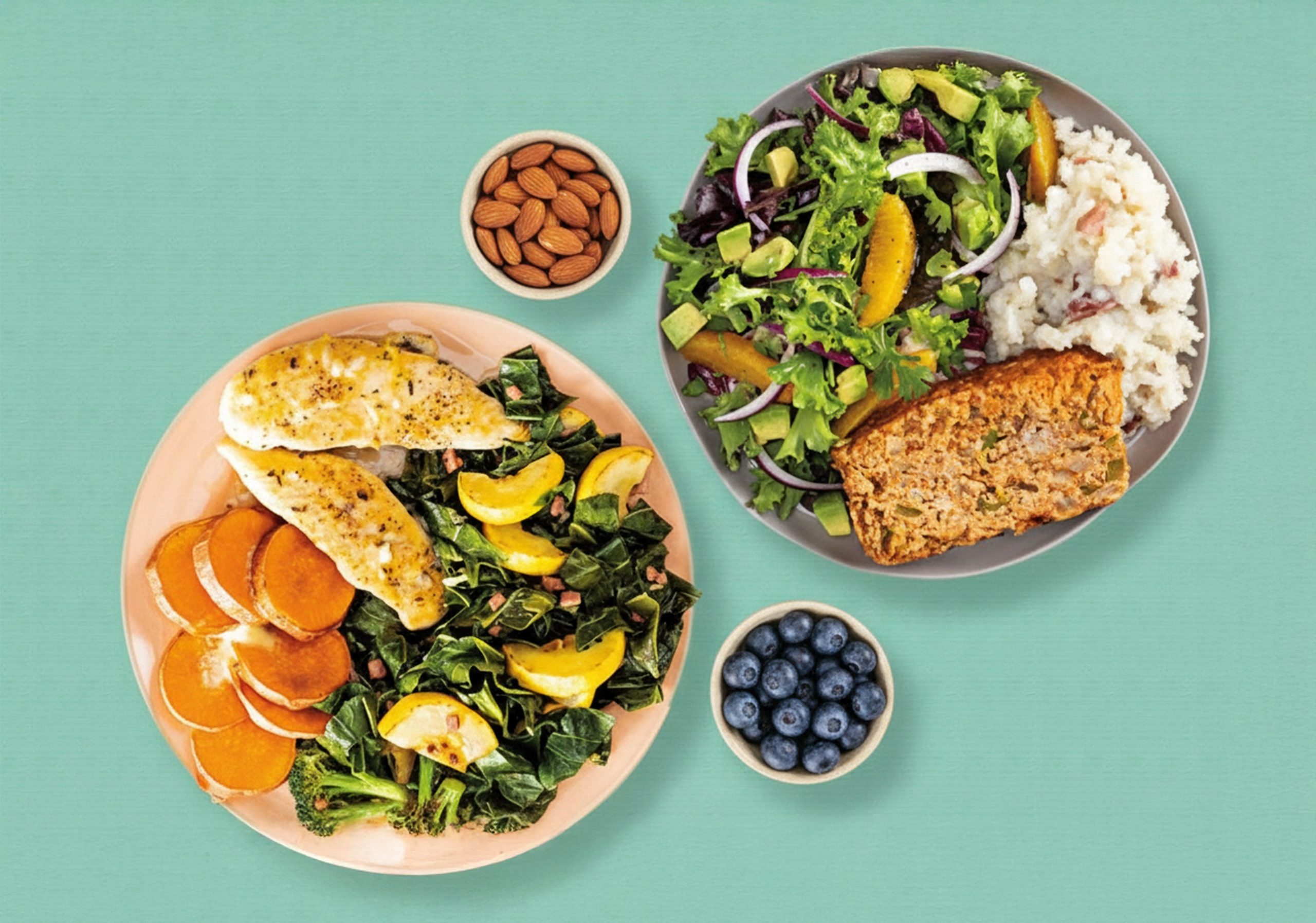
1. Prioritize Low-Glycemic and Fiber-Rich Foods
The diabetes reversal food guide emphasizes foods that release glucose slowly, helping maintain stable blood sugar levels. Fiber slows digestion, reduces post-meal glucose spikes, and supports gut health. This strategy is backed by multiple studies showing that high-fiber diets improve insulin sensitivity and reduce diabetes complications.
- Focus on non-starchy vegetables like broccoli, spinach, and zucchini.
- Include whole grains like oats, quinoa, and barley instead of refined carbs.
- Add legumes such as lentils, chickpeas, and black beans for fiber and plant-based protein.
- Eat fruits with low glycemic index, like berries and apples, in moderation.
This approach not only regulates blood sugar but also promotes long-term metabolic health and satiety.
2. Incorporate Healthy Fats
Healthy fats play a crucial role in reducing inflammation and improving insulin function. The guide recommends replacing saturated and trans fats with monounsaturated and omega-3 fats, which support cardiovascular and metabolic health. Research shows that diets rich in these fats can enhance insulin sensitivity and lower chronic inflammation.
- Avocados, olive oil, and nuts like almonds and walnuts.
- Seeds such as chia, flax, and pumpkin seeds.
- Fatty fish like salmon, mackerel, and sardines.
- Limit fried and processed foods high in unhealthy fats.
Including healthy fats in meals slows glucose absorption and supports overall metabolic balance.
3. Include Lean Proteins for Stability
Protein is essential for stabilizing blood sugar, preserving muscle mass, and supporting metabolic function. The guide emphasizes lean protein sources to avoid excessive saturated fat intake. Evidence shows adequate protein improves glucose response and supports weight management, both crucial for diabetes reversal.
- Chicken, turkey, and fish.
- Plant-based proteins like tofu, tempeh, and lentils.
- Eggs and low-fat dairy products.
- Pair protein with fiber-rich vegetables to enhance satiety and regulate blood sugar.
Regular protein intake in every meal ensures steady energy and improves insulin effectiveness.
4. Strategic Meal Timing and Portion Control
Science supports the role of meal timing and portion sizes in regulating blood sugar and insulin levels. Smaller, balanced meals throughout the day prevent large glucose spikes and improve metabolic efficiency.
- Eat 3–5 balanced meals per day instead of large, infrequent meals.
- Use portion control techniques, like filling half your plate with vegetables.
- Avoid late-night heavy meals, which can disrupt glucose regulation.
- Monitor carbohydrate intake and pair it with protein and healthy fats for slower absorption.
Consistent meal timing reinforces healthy blood sugar patterns and reduces insulin resistance.
5. Leverage Antioxidants and Anti-Inflammatory Foods
Oxidative stress and inflammation worsen insulin resistance. The diabetes reversal food guide recommends foods that combat these factors, supporting better long-term health. Research shows polyphenols, flavonoids, and other antioxidants improve glucose metabolism.
- Berries, citrus fruits, and pomegranate for antioxidant support.
- Spices like cinnamon, turmeric, and ginger for anti-inflammatory benefits.
- Green tea, which can improve insulin sensitivity.
- Reduce processed and fried foods, which increase inflammation.
Incorporating these foods strengthens metabolic function, reduces complications, and supports lasting health improvements.
How long does it take to see results when following the diabetes reversal food guide?
1. Initial Improvements in Blood Sugar
When you start following the diabetes reversal food guide, some changes in blood sugar levels can be noticed within the first 1–2 weeks. This is largely due to the reduction of refined carbohydrates, sugar, and processed foods that cause rapid glucose spikes.
Meals high in fiber, lean protein, and healthy fats slow glucose absorption, allowing for more stable blood sugar readings. Many individuals report feeling more energetic and less fatigued during this initial period as their body adjusts to a more balanced diet.
However, the exact timeline can vary depending on factors such as current blood sugar control, insulin sensitivity, and adherence to the guide. Tracking your blood sugar during this phase is helpful to monitor improvements and adjust meal portions or timing for optimal results.
2. Noticeable Metabolic Changes
Within 3–6 weeks, following the guide consistently often leads to more significant metabolic improvements. Insulin sensitivity begins to improve as the body responds better to glucose, and weight stabilization or modest weight loss may occur, especially around the abdomen, which is closely linked to insulin resistance.
At this stage, people often notice reduced sugar cravings, improved digestion, and more balanced energy levels throughout the day. The combination of low-glycemic foods, fiber, lean proteins, and healthy fats helps regulate hormones related to hunger and glucose metabolism, reinforcing healthy habits.
Consistency is key: skipping meals or reintroducing processed foods can slow progress. Regular monitoring and adjusting portions based on personal response ensure the guide delivers lasting benefits.
3. Long-Term Health Breakthroughs
Significant, lasting results typically become apparent in 8–12 weeks of disciplined adherence to the diabetes reversal food guide. During this period, sustained improvements in fasting blood sugar, HbA1c levels, and overall metabolic health are often observed.
In addition, consistent dietary changes combined with lifestyle adjustments like exercise, stress management, and adequate sleep can lead to enhanced insulin sensitivity, reduced inflammation, and better weight management. This long-term adherence helps establish healthy eating patterns that prevent relapse into high-sugar or processed diets.
The guide is designed not just for short-term changes but for creating permanent, sustainable improvements in blood sugar control, giving individuals the foundation for long-term diabetes management and overall wellness.
If you’re ready to take your diabetes reversal journey to the next level, the HealthyWayFit Program offers a structured, science-backed approach to put this food guide into action.
Instead of navigating meal planning, portion control, and lifestyle changes on your own, HealthyWayFit provides personalized guidance, easy-to-follow meal plans, and expert support designed to help you achieve lasting blood sugar control and improved insulin sensitivity.
By combining the principles of the diabetes reversal food guide with actionable strategies, tracking tools, and ongoing motivation, this program transforms knowledge into results.
Whether you’re just starting out or looking to optimize your current habits, HealthyWayFit makes it easier to stay consistent, see measurable progress, and create sustainable health breakthroughs turning your commitment to better health into real, life-changing outcomes.
HealthyWayFit — India’s Most Personal Diabetes Reversal Program

You’re told to “eat less,” “exercise more,” or “try another pill.” Yet your sugars remain stubborn, energy crashes continue, and every lab report feels like another warning. What’s missing isn’t willpower — it’s the right system.
That’s where HealthyWayFit comes in.
We are not another app, crash diet, or one-size-fits-all chart. HealthyWayFit is a 12-month, end-to-end Type 2 Diabetes Reversal Program designed exclusively for Indian professionals who want results that fit their lifestyle.
Over the past few years, our team has helped hundreds of Indians lower HbA1c, reduce medicine dependency, and—in many cases—achieve complete reversal of Type 2 diabetes.
Our tone is simple: empathetic, therapeutic, and committed. We listen first, design second, and support you every step of the way.
1) What Makes HealthyWayFit Different?
1. Personalized Nutrition You Can Actually Follow No fad superfoods or unrealistic smoothie charts. We use your ghar ka khana—dal, roti, rice, idli, dosa, paneer, sabzi—and align it with blood sugar control. No separate cooking, no family pressure. A plan that works whether you’re 35 or 85.
2. Metabolic Exercise for Type 2 Diabetes Control Our short, 15–20 minute metabolic routines target big muscle groups (legs, shoulders, glutes) and can lower sugar readings by 50–100 points. No gym, no equipment, just science-backed movements you can do at home.
3. Stress & Sleep Mastery Stress raises cortisol, which raises sugar. We equip you with practical tools—one-minute breathing practices, sleep optimization, and micro-habits—to keep your blood sugar stable, even on your busiest days.
4. Doctor-Led, Holistic Care Every client is guided by a Senior MD Diabetologist ensuring medical safety, while lifestyle coaches design food, exercise, and habit strategies. This unique blend of medical expertise and daily support is why our clients see true reversal.
5. Relentless Support & Accountability From weekly coaching calls and daily check-ins to festival, travel, and dining-out guides, we make sure your reversal journey adapts to real life, not the other way around.
2) What Results Can You Expect?
Most clients notice changes within 20–60 days: better energy, lighter mornings, and lower sugar readings. Over the year, we focus on long-term stabilization, so results are not just quick but sustainable for years to come.
3) Is HealthyWayFit Right for You?
If you’re a working professional or entrepreneur living with Type 2 diabetes, and can dedicate just 15–30 minutes daily, HealthyWayFit is built for you. This isn’t a crash course. It’s a life-changing reversal system personalized to your food, family, and lifestyle.
4) Take the Next Step
Your journey starts with a personal consultation where we understand your health history, challenges, and lifestyle. If we’re aligned, we’ll design a custom Type 2 Diabetes Reversal Plan built just for you.
Explore more at: healthywayfit Book your consultation here: calendly
Move beyond “managing” diabetes. With HealthyWayFit, you can reverse Type 2 diabetes—safely, sustainably, and with support at every step.
Frequently Asked Questions (FAQs)

1. Are there practical steps to follow the diabetes reversal food guide daily?
Yes, the guide can be applied through simple daily steps: plan balanced meals with low-glycemic carbs, lean proteins, and healthy fats; prioritize fiber-rich vegetables; monitor portion sizes; maintain structured meal timing; stay hydrated; and track blood sugar.
Consistency, meal prep, and mindful eating are key to turning these steps into sustainable habits that support steady blood sugar and improved insulin sensitivity.
2. Can the diabetes reversal food guide help reverse type 2 diabetes naturally?
While results vary, following the diabetes reversal food guide consistently can improve insulin sensitivity, stabilize blood sugar, and reduce inflammation, which are core factors in type 2 diabetes.
By replacing processed foods with nutrient-dense options, managing portions, and combining proper meal timing with lifestyle changes, many individuals experience significant improvements, sometimes reducing medication needs under medical supervision, making it a natural approach to diabetes management.
3. Can beginners easily implement the diabetes reversal food guide into their meals?
Yes, the guide is beginner-friendly because it focuses on simple, whole foods and practical meal strategies.
Beginners can start by swapping refined carbs for whole grains, adding more vegetables, including lean proteins, and using healthy fats. Using templates, meal prep tips, and structured portion guidance makes it easy to follow daily, build confidence, and develop consistent habits without feeling overwhelmed.
4. What common mistakes should I avoid when using the diabetes reversal food guide?
Common mistakes include: skipping meals or eating irregularly, relying on processed “low-sugar” foods, neglecting portion control, ignoring meal timing, and not incorporating proteins or healthy fats.
Overeating even healthy foods can spike blood sugar. To succeed, follow balanced meals, monitor portions, plan ahead, and pair carbs with fiber, protein, and healthy fats to ensure consistent blood sugar control and long-term results.
5. How does the diabetes reversal food guide improve overall metabolic health?
The guide improves metabolic health by stabilizing blood sugar, enhancing insulin sensitivity, reducing inflammation, and supporting weight management. High-fiber, nutrient-dense foods regulate digestion and hormone function, while lean proteins and healthy fats prevent glucose spikes and maintain energy.
Over time, these dietary changes strengthen metabolism, promote cardiovascular health, and reduce the risk of complications, creating a sustainable foundation for long-term wellness.
Conclusion
Following the diabetes reversal food guide is not about chasing quick fixes, it’s about building a sustainable system that supports your body every day. By consistently choosing low-glycemic, fiber-rich foods, balanced proteins, and healthy fats, you create a metabolic environment where blood sugar becomes easier to manage and insulin works more effectively.
Over time, these small, repeatable actions compound into meaningful health breakthroughs: steadier energy, improved lab markers, reduced inflammation, and greater confidence in your ability to control your health. The real power of the guide lies in its practicality. it fits into everyday meals, family routines, and long-term habits.
When paired with movement, sleep, and stress care, it becomes more than a diet; it becomes a lifestyle blueprint. With patience and consistency, this approach can help transform diabetes management from a daily struggle into a structured, empowering path toward lasting wellness.


