
.svg)
Blood sugar control is not achieved by restriction alone, it’s achieved by strategic food choices that work with your body instead of against it. A carefully designed diabetes reversal food chart provides a clear framework for selecting foods that stabilize glucose levels, reduce insulin spikes, and support the body’s natural ability to regulate metabolism.
Rather than relying on guesswork, this structured approach separates foods that nourish and heal from those that quietly worsen insulin resistance over time.
Modern research shows that consistent dietary patterns play a powerful role in improving insulin sensitivity and lowering A1C levels. A practical diabetes reversal plan focuses on whole, fiber-rich foods, quality proteins, and healthy fats while limiting processed carbohydrates and hidden sugars that disrupt blood sugar balance.
By understanding what to eat versus what to avoid, individuals gain control over daily decisions that directly influence energy levels, weight management, and long-term metabolic health.
A well-organized diabetes reversal food chart acts as a daily reference tool, making healthy eating simpler and more sustainable. Whether you are newly diagnosed, prediabetic, or aiming to naturally improve blood sugar control, following a clear food framework reduces confusion and builds confidence.
Over time, these steady dietary adjustments can support measurable improvements in glucose stability and overall wellness, creating a realistic path toward long-term diabetes management and potential reversal.
What is a diabetes reversal food chart and how does it work?
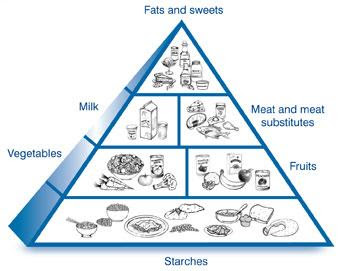
A diabetes reversal food chart is a structured guide that categorizes foods based on how they affect blood sugar, insulin response, and metabolic health. Instead of focusing only on calorie counting or sugar restriction, this chart prioritizes foods that actively support glucose stability and reduce insulin resistance.
It typically highlights whole, fiber-rich carbohydrates, lean proteins, healthy fats, and nutrient-dense vegetables while limiting refined sugars, processed foods, and high-glycemic items. The purpose is to remove confusion around meal choices and provide a practical daily reference that helps individuals make consistent, blood-sugar-friendly decisions.
By following a clear food framework, people can build eating habits that promote steady energy, better weight control, and long-term metabolic balance — all of which are essential for improving or reversing type 2 diabetes naturally.
How it works:
- Encourages low-glycemic foods that release glucose slowly into the bloodstream
- Increases fiber intake to slow digestion and reduce sugar spikes
- Balances meals with protein and healthy fats to stabilize insulin response
- Reduces processed carbohydrates that trigger rapid blood sugar fluctuations
- Supports portion awareness to prevent overeating and glucose overload
- Promotes consistent eating patterns that improve insulin sensitivity over time
- Helps build sustainable habits instead of short-term dieting
- Creates a repeatable structure for daily meal planning and food selection
Which foods should be included in a diabetes reversal food chart?

1) Non-Starchy Vegetables
Non-starchy vegetables form the foundation of a strong diabetes reversal food chart because they provide high nutrients with minimal impact on blood sugar. Vegetables like spinach, broccoli, cauliflower, zucchini, bell peppers, cucumbers, leafy greens, and cabbage are rich in fiber, antioxidants, and essential vitamins that support metabolic health.
Their low glycemic load helps prevent sudden glucose spikes while improving satiety, making it easier to manage appetite and weight. Fiber in these vegetables slows digestion and promotes steady energy release, which is crucial for insulin sensitivity.
Regular consumption also reduces inflammation, a hidden factor that worsens insulin resistance. Because they are low in calories yet dense in nutrients, non-starchy vegetables allow larger portion sizes without blood sugar disruption. Including a variety of colors ensures a broader range of protective compounds that support overall cellular health.
A practical approach is filling half your plate with vegetables at each meal, reinforcing stable glucose patterns and encouraging long-term dietary consistency essential for diabetes improvement.
2) Lean Proteins
Lean proteins are essential in a diabetes reversal food chart because they help regulate blood sugar by slowing carbohydrate absorption and preventing sharp insulin spikes.
Foods such as eggs, chicken breast, turkey, fish, tofu, lentils, and legumes provide sustained energy and support muscle maintenance, which is directly linked to improved glucose metabolism. Adequate protein intake promotes fullness and reduces cravings for refined carbohydrates, making it easier to follow structured eating habits.
Protein also supports hormone balance and tissue repair, both of which are important for long-term metabolic recovery. Fatty fish like salmon and sardines offer additional benefits due to omega-3 fatty acids, which help reduce inflammation and support cardiovascular health, a key concern for people managing diabetes.
Including a moderate portion of protein in every meal creates balanced nutrition that stabilizes appetite and blood sugar levels. Over time, consistent protein intake strengthens metabolic resilience and supports the body’s ability to use insulin more efficiently.
3) Healthy Fats
Healthy fats are often misunderstood, but they play a powerful role in a diabetes reversal food chart. Sources such as avocados, nuts, seeds, olive oil, and fatty fish help slow digestion and stabilize glucose release into the bloodstream. Unlike processed fats, these natural fats improve satiety, reduce hunger hormones, and support better portion control.
They also enhance nutrient absorption, particularly fat-soluble vitamins that aid cellular repair and inflammation control. Chronic inflammation is strongly associated with insulin resistance, so incorporating anti-inflammatory fats supports metabolic healing.
Healthy fats also contribute to heart health by improving cholesterol balance, which is especially important for individuals with diabetes risk. When paired with fiber and protein, fats create balanced meals that prevent energy crashes and sugar cravings.
Rather than fearing fat intake, a structured food chart emphasizes quality over quantity, encouraging mindful inclusion of nutrient-rich fats that sustain energy and support long-term blood sugar regulation.
4) Whole, Low-Glycemic Carbohydrates
Carbohydrates are not eliminated in a diabetes reversal food chart, they are strategically selected. Whole, low-glycemic carbohydrates such as quinoa, oats, barley, sweet potatoes, brown rice, and legumes digest slowly, leading to gradual glucose release. This prevents rapid sugar spikes and improves insulin efficiency.
These foods are rich in fiber, which enhances gut health and promotes better glucose tolerance over time. Unlike refined grains, whole carbohydrates retain their natural nutrients and structural integrity, making them metabolically supportive rather than disruptive.
Consistent intake of low-glycemic carbs provides steady energy and reduces fatigue, helping individuals maintain active lifestyles that further support insulin sensitivity.
Portion control remains important, but the goal is balance, not deprivation. When combined with vegetables, protein, and healthy fats, whole carbohydrates create complete meals that nourish the body without overwhelming the bloodstream with excess sugar. This balanced approach encourages sustainability, making it easier to follow the plan long term.
What foods should you avoid in a diabetes reversal food chart?
1) Refined Sugars and Sweetened Beverages
Refined sugars and sweetened drinks are among the most damaging items to include in a diabetes reversal food chart because they cause immediate and dramatic blood sugar spikes. Foods like candy, pastries, sugary cereals, desserts, and packaged sweets contain rapidly absorbed sugars that overwhelm insulin response.
Sweetened beverages such as soda, packaged fruit juices, flavored coffee drinks, and energy drinks are even more harmful because liquid sugar enters the bloodstream faster than solid food. These items provide calories without fiber or nutrients, leading to quick crashes that increase hunger and cravings.
Frequent sugar surges force the pancreas to overwork, worsening insulin resistance over time. Avoiding these products helps stabilize glucose patterns and reduces unnecessary stress on metabolic function.
Replacing them with water, unsweetened tea, or whole fruit in moderation supports hydration and nutrient intake without the same glycemic shock, making long-term blood sugar control far more achievable.
2) Refined Grains and White Flour Products
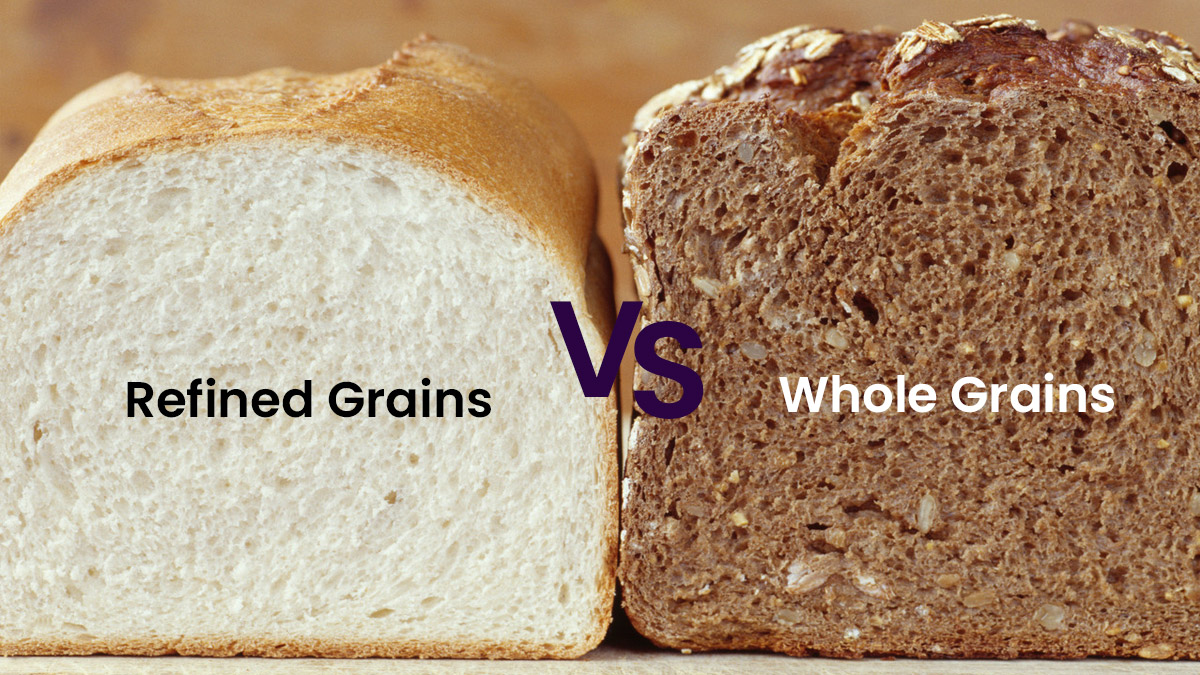
Refined grain products such as white bread, white rice, pasta made from white flour, and bakery items are stripped of fiber and essential nutrients during processing. Without fiber to slow digestion, these foods convert into glucose very quickly, triggering sharp blood sugar spikes similar to pure sugar.
Regular consumption encourages insulin resistance and makes appetite control harder because refined carbohydrates digest rapidly and fail to provide lasting fullness. Many packaged refined grain foods also contain hidden sugars and preservatives that further disrupt metabolic balance.
In a diabetes reversal framework, these foods crowd out more nutrient-dense options that support healing. Choosing whole grains instead preserves fiber content, which improves gut health and glucose regulation.
Eliminating refined flour products reduces the cycle of spikes and crashes that contribute to fatigue, cravings, and weight gain. Over time, minimizing these foods supports more stable insulin response and better long-term metabolic resilience.
3) Deep-Fried and Trans Fat Foods
Deep-fried foods and products containing trans fats interfere with insulin sensitivity and increase systemic inflammation. Items such as fried snacks, fast food, packaged chips, margarine, and commercially baked goods often contain unhealthy oils that damage metabolic health.
These fats not only raise bad cholesterol levels but also impair the body’s ability to process glucose efficiently. Chronic inflammation caused by trans fats is strongly linked to worsening insulin resistance, making diabetes management more difficult.
Fried foods are also calorie-dense and easy to overconsume, contributing to weight gain, another factor that complicates blood sugar control. Avoiding these foods supports cardiovascular health and improves metabolic efficiency. Healthier cooking methods like baking, steaming, or grilling preserve nutrients without adding harmful fats.
Replacing processed oils with natural sources like olive oil or avocado oil encourages a dietary pattern that supports long-term healing instead of metabolic stress.
4) Highly Processed Packaged Foods
Highly processed packaged foods often contain a hidden mix of sugars, refined starches, artificial additives, and unhealthy fats. Examples include packaged snacks, instant meals, processed meats, flavored yogurts, and ready-to-eat convenience foods. These products are engineered for taste and shelf life, not metabolic health.
Their ingredient lists frequently hide sugar under multiple names, making it easy to consume more than intended. Because they lack fiber and natural nutrients, processed foods digest quickly and disrupt blood sugar stability. They also weaken hunger regulation, encouraging overeating and frequent snacking.
A diabetes reversal food chart emphasizes whole foods because they nourish the body while supporting predictable glucose patterns.
Reducing processed food intake restores natural appetite cues and improves nutrient absorption. Over time, replacing packaged options with fresh, minimally processed ingredients strengthens metabolic flexibility and reduces the daily glycemic burden on the body.
5) Excessive High-Glycemic Fruits
While fruit contains valuable vitamins and antioxidants, certain high-glycemic fruits can raise blood sugar rapidly when eaten in excess. Fruits such as ripe bananas, mangoes, grapes, and pineapple contain higher natural sugar concentrations compared to berries or green apples.
The issue is not fruit itself but portion size and frequency. Consuming large servings without protein or fat pairing can lead to glucose spikes similar to sugary snacks.
A diabetes reversal approach focuses on moderation and smart combinations. Choosing lower-glycemic fruits and pairing them with nuts, yogurt, or seeds slows sugar absorption and protects insulin balance. Avoiding fruit juices is equally important because juicing removes fiber, leaving concentrated sugar behind.
Whole fruit, eaten mindfully, is far more supportive than processed fruit products. Managing fruit intake strategically allows individuals to benefit from nutrients without compromising blood sugar stability or long-term metabolic progress.
How does a diabetes reversal food chart help stabilize blood sugar levels?

1) Promotes Slow and Steady Glucose Release
A diabetes reversal food chart stabilizes blood sugar by emphasizing foods that digest slowly and release glucose gradually into the bloodstream. This prevents the sharp spikes and crashes that strain insulin production.
By prioritizing fiber-rich vegetables, whole grains, and balanced macronutrients, the chart ensures that carbohydrates are absorbed at a controlled pace. Slow digestion supports sustained energy and reduces sudden hunger signals that often lead to overeating.
When glucose enters the blood steadily, the pancreas can respond efficiently without being overworked. Over time, this consistent pattern helps retrain the body to manage sugar more effectively. The result is smoother daily glucose curves instead of dramatic fluctuations.
Stabilized blood sugar improves mood, concentration, and physical energy, reinforcing healthier eating behaviors. This steady metabolic rhythm is one of the most important foundations for improving insulin sensitivity and supporting long-term diabetes management.
2) Improves Insulin Sensitivity Through Balanced Meals
A structured diabetes reversal food chart encourages balanced meals that combine carbohydrates with protein and healthy fats.
This pairing slows glucose absorption and enhances the body’s insulin response. When meals are nutritionally balanced, cells become more receptive to insulin signals, allowing glucose to enter tissues instead of lingering in the bloodstream. Regularly eating balanced meals reduces the metabolic stress caused by repeated sugar spikes.
Over time, this helps reverse insulin resistance, a core issue in type 2 diabetes. Protein supports muscle maintenance, and muscle tissue plays a major role in glucose uptake. Healthy fats reduce inflammation, another factor that weakens insulin efficiency. Together, these nutrients create a protective effect that strengthens metabolic control.
Consistent meal balance trains the body to handle carbohydrates more effectively, promoting stable blood sugar patterns and reducing long-term risk of complications linked to uncontrolled glucose levels.
3) Reduces Hidden Sugar and Processed Food Intake
A diabetes reversal food chart acts as a filter that removes foods known to destabilize blood sugar, especially hidden sugars and highly processed products. Many packaged foods contain refined carbohydrates that digest rapidly and trigger glucose spikes.
By replacing these items with whole, minimally processed alternatives, the chart lowers the total glycemic load of daily meals. Reduced exposure to hidden sugar prevents the constant insulin surges that contribute to resistance over time. Whole foods also contain fiber and natural nutrients that support metabolic repair.
Eliminating processed foods improves appetite regulation, making it easier to avoid frequent snacking driven by sugar crashes. As the body adjusts to fewer artificial spikes, blood sugar patterns become more predictable.
This dietary cleanup reduces inflammation, supports hormonal balance, and encourages a stable metabolic environment where insulin can function more efficiently.
4) Encourages Consistent Eating Patterns
Consistency is a key factor in blood sugar control, and a diabetes reversal food chart helps establish regular, predictable eating habits. Skipping meals or eating erratically can cause extreme glucose swings that confuse insulin signaling. A structured chart encourages planned meals and balanced snacks that maintain steady energy throughout the day.
Predictable intake prevents prolonged fasting followed by overeating, a cycle that destabilizes blood sugar. Regular nourishment trains the body to expect fuel at steady intervals, improving metabolic efficiency. Consistency also reduces emotional eating and impulsive food choices that often include high-sugar options.
Over time, stable routines support better hormone regulation, appetite control, and energy balance. This rhythm allows insulin to function in a calmer, more efficient pattern, reinforcing steady glucose management and supporting long-term improvements in diabetes control.
How often should you follow a diabetes reversal food chart daily?
1) Follow Structured Meals Three Times a Day
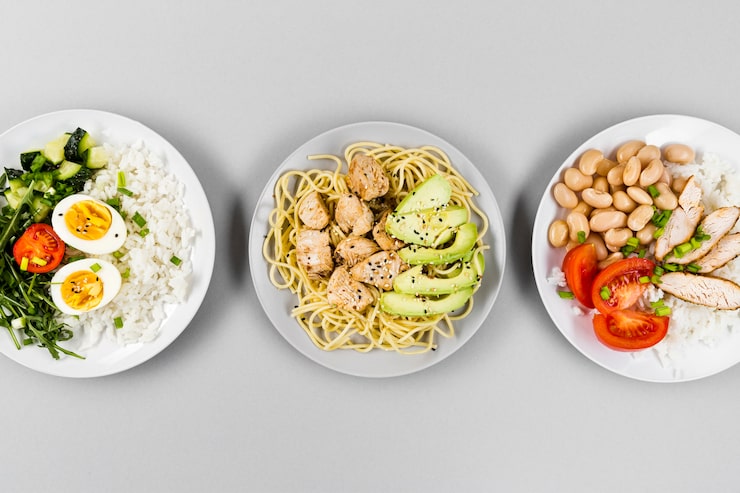
A diabetes reversal food chart is most effective when applied consistently to three balanced main meals each day. Breakfast, lunch, and dinner should follow the same principles: fiber-rich vegetables, controlled portions of whole carbohydrates, lean protein, and healthy fats.
Eating structured meals prevents random food choices that often lead to blood sugar spikes. Regular meals also support predictable insulin activity and energy stability. When meals are evenly spaced, the body processes glucose more efficiently.
This steady rhythm helps reduce cravings and emotional eating. A consistent meal foundation builds discipline and makes the food chart practical rather than restrictive, supporting sustainable daily habits.
2) Include One to Two Controlled Snacks if Needed
Some individuals benefit from one or two small, balanced snacks between meals, especially if long gaps cause energy crashes. Snacks should follow the diabetes reversal food chart by combining protein, fiber, and healthy fat rather than simple carbohydrates.
Examples include nuts with fruit, yogurt with seeds, or vegetables with hummus. The purpose of snacks is to maintain steady glucose levels, not to increase calorie intake unnecessarily.
Controlled snacking prevents overeating at main meals and stabilizes hunger hormones. When snacks are intentional and structured, they support blood sugar balance instead of disrupting it.
3) Maintain Consistent Meal Timing Daily
Following a diabetes reversal food chart is not just about what you eat but when you eat. Consistent timing helps regulate insulin response and metabolic rhythm. Eating at similar times each day trains the body to expect fuel in predictable intervals. This reduces glucose swings caused by erratic eating patterns.
Skipping meals can lead to overeating later and unstable sugar levels. A stable schedule promotes hormone balance and supports appetite control. Over time, routine meal timing strengthens metabolic efficiency, helping the body handle carbohydrates more smoothly and improving overall blood sugar regulation.
4) Avoid Grazing Throughout the Day
Constant grazing, even on healthy foods, can keep insulin levels elevated and prevent the body from resetting between meals. A diabetes reversal food chart works best when meals are intentional and spaced out. Giving the digestive system time to rest allows insulin to return to baseline levels.
This improves insulin sensitivity over time. Frequent nibbling may seem harmless but can disrupt metabolic rhythm and encourage mindless eating. Structured eating windows support glucose stability and appetite awareness. Avoiding continuous snacking reinforces discipline and helps the body develop a healthy cycle of feeding and fasting.
5) Adjust Frequency Based on Activity Levels
Meal frequency should align with daily energy demands. Physically active individuals may require slightly more frequent meals or snacks to maintain glucose stability. Those with sedentary routines may thrive on fewer, well-balanced meals. A diabetes reversal food chart is flexible and should support lifestyle needs rather than enforce rigid rules.
Matching food intake to activity prevents energy crashes and overeating. Exercise improves insulin sensitivity, so fueling appropriately enhances metabolic benefits. Personalized frequency ensures the plan remains practical, supporting consistent blood sugar control without creating unnecessary stress around eating.
6) Prioritize Balanced Portions Every Time You Eat
Every eating occasion should reflect the principles of the diabetes reversal food chart. Frequency alone is not enough; balance is critical. Meals and snacks must include fiber, protein, and healthy fats to slow glucose absorption. Even frequent eating can destabilize blood sugar if portions are unbalanced.
Balanced plates prevent spikes and crashes regardless of meal timing. This approach teaches the body to process carbohydrates steadily. Consistency in portion quality ensures that each meal supports metabolic goals rather than undermines them. Repeating this structure daily builds reliable habits that strengthen long-term glucose control.
7) Listen to Hunger and Satiety Signals
A diabetes reversal food chart should guide eating patterns, but internal hunger cues remain important. Eating strictly by the clock without awareness can lead to overeating or unnecessary restriction. Learning to recognize true hunger versus emotional cravings helps regulate intake naturally.
Responding to hunger with balanced meals supports stable glucose levels. Ignoring hunger may trigger binge eating later, destabilizing blood sugar. Mindful eating improves digestion and satisfaction. When hunger signals align with structured meal timing, the body develops a healthier relationship with food, reinforcing sustainable diabetes management.
8) Build a Sustainable Daily Routine
The ultimate goal is not perfect timing but repeatable structure. A diabetes reversal food chart should fit naturally into daily life so it can be followed long term. Rigid schedules that cause stress often fail. A sustainable routine allows flexibility while maintaining core principles. Consistency matters more than perfection.
Daily repetition of balanced meals, mindful snacks, and predictable timing creates metabolic stability. Over time, these routines become automatic habits rather than forced rules. Sustainability ensures continued progress, helping individuals maintain steady blood sugar control without burnout or dietary fatigue.
What is the difference between diabetes-friendly foods and reversal foods?

1) Diabetes-friendly foods
Diabetes-friendly foods are primarily chosen to help people manage blood sugar safely in the short term. Their goal is stability, predictability, and portion control rather than metabolic repair. These foods help prevent extreme glucose spikes and crashes, making daily diabetes management easier.
Many diabetes-friendly diets focus on carbohydrate counting, sugar substitution, and moderation. While this approach is helpful, it sometimes prioritizes symptom control over long-term improvement in insulin sensitivity. Some packaged foods marketed as “diabetes-friendly” may be low in sugar but still highly processed, offering limited nutritional value. \
A diabetes-friendly framework is practical and protective, especially for newly diagnosed individuals, but it doesn’t always emphasize anti-inflammatory, whole-food nutrition that promotes deeper metabolic healing.
It acts as a stabilizing safety net that reduces immediate risk and supports consistent glucose control, forming an important foundation before moving toward more restorative dietary strategies.
- Focuses on preventing rapid blood sugar spikes
- Emphasizes portion control and carbohydrate awareness
- Allows controlled intake of low-sugar processed substitutes
- Supports daily glucose stability and symptom management
- Helps reduce risk of acute complications
- Prioritizes safety and predictability in meals
- Useful for beginners learning blood sugar control
- May not always target insulin resistance directly
2) Diabetes reversal foods
Diabetes reversal foods are selected with the goal of repairing insulin resistance and improving metabolic function over time. Rather than simply avoiding spikes, these foods actively support the body’s ability to process glucose more efficiently.
They are typically whole, minimally processed, and rich in fiber, antioxidants, and anti-inflammatory compounds. This dietary pattern promotes gut health, reduces chronic inflammation, and encourages fat metabolism, all critical factors in reversing type 2 diabetes. Reversal foods are nutrient-dense and designed to nourish cells, not just stabilize numbers.
Over time, consistent intake improves insulin sensitivity and helps regulate hormones that influence hunger and energy balance. The emphasis is on healing systems rather than temporary control.
This approach encourages sustainable lifestyle habits that may reduce medication dependence and improve long-term health markers when combined with activity and weight management.
- Targets insulin resistance at its root cause
- Emphasizes whole, unprocessed foods
- High in fiber to improve glucose regulation
- Reduces inflammation linked to metabolic dysfunction
- Supports gut health and hormone balance
- Encourages long-term metabolic healing
- Promotes sustainable eating habits
- Aims to improve A1C and insulin sensitivity over time
If you want a structured, step-by-step approach instead of guessing what to eat each day, the HealthyWayFit program can bridge the gap between knowledge and action.
It takes the principles of a diabetes reversal food chart and turns them into a guided system you can follow confidently, with practical meal strategies, habit coaching, and sustainable routines.
Rather than navigating diet changes alone, HealthyWayFit provides clarity, accountability, and real-world support, making it easier to stay consistent and see measurable progress in your blood sugar and overall health.
HealthyWayFit — India’s Most Personal Diabetes Reversal Program

You’re told to “eat less,” “exercise more,” or “try another pill.” Yet your sugars remain stubborn, energy crashes continue, and every lab report feels like another warning. What’s missing isn’t willpower — it’s the right system.
That’s where HealthyWayFit comes in.
We are not another app, crash diet, or one-size-fits-all chart. HealthyWayFit is a 12-month, end-to-end Type 2 Diabetes Reversal Program designed exclusively for Indian professionals who want results that fit their lifestyle.
Over the past few years, our team has helped hundreds of Indians lower HbA1c, reduce medicine dependency, and—in many cases—achieve complete reversal of Type 2 diabetes.
Our tone is simple: empathetic, therapeutic, and committed. We listen first, design second, and support you every step of the way.
1) What Makes HealthyWayFit Different?
1. Personalized Nutrition You Can Actually Follow No fad superfoods or unrealistic smoothie charts. We use your ghar ka khana—dal, roti, rice, idli, dosa, paneer, sabzi—and align it with blood sugar control. No separate cooking, no family pressure. A plan that works whether you’re 35 or 85.
2. Metabolic Exercise for Type 2 Diabetes Control Our short, 15–20 minute metabolic routines target big muscle groups (legs, shoulders, glutes) and can lower sugar readings by 50–100 points. No gym, no equipment, just science-backed movements you can do at home.
3. Stress & Sleep Mastery Stress raises cortisol, which raises sugar. We equip you with practical tools—one-minute breathing practices, sleep optimization, and micro-habits—to keep your blood sugar stable, even on your busiest days.
4. Doctor-Led, Holistic Care Every client is guided by a Senior MD Diabetologist ensuring medical safety, while lifestyle coaches design food, exercise, and habit strategies. This unique blend of medical expertise and daily support is why our clients see true reversal.
5. Relentless Support & Accountability From weekly coaching calls and daily check-ins to festival, travel, and dining-out guides, we make sure your reversal journey adapts to real life, not the other way around.
2) What Results Can You Expect?
Most clients notice changes within 20–60 days: better energy, lighter mornings, and lower sugar readings. Over the year, we focus on long-term stabilization, so results are not just quick but sustainable for years to come.
3) Is HealthyWayFit Right for You?
If you’re a working professional or entrepreneur living with Type 2 diabetes, and can dedicate just 15–30 minutes daily, HealthyWayFit is built for you. This isn’t a crash course. It’s a life-changing reversal system personalized to your food, family, and lifestyle.
4) Take the Next Step
Your journey starts with a personal consultation where we understand your health history, challenges, and lifestyle. If we’re aligned, we’ll design a custom Type 2 Diabetes Reversal Plan built just for you.
Explore more at: healthywayfit Book your consultation here: calendly
Move beyond “managing” diabetes. With HealthyWayFit, you can reverse Type 2 diabetes—safely, sustainably, and with support at every step.
Frequently Asked Questions (FAQs)

1) How long does it take to see results using a diabetes reversal food chart?
Most people begin noticing early improvements in energy and blood sugar stability within a few weeks of consistently following a diabetes reversal food chart.
Measurable markers like fasting glucose and A1C typically improve over several months. The timeline varies depending on consistency, activity level, and starting health status. Sustainable results come from steady habits, not quick fixes, making patience and routine essential.
2) Can a diabetes reversal food chart reduce A1C levels?
Yes, a well-followed diabetes reversal food chart can contribute to lowering A1C levels by reducing repeated blood sugar spikes and improving glucose control. By emphasizing fiber-rich whole foods and balanced meals, it helps maintain steadier glucose patterns.
Over time, consistent stability reduces average blood sugar exposure, which is reflected in improved A1C readings when combined with healthy lifestyle habits.
3) Can a diabetes reversal food chart improve insulin sensitivity naturally?
A diabetes reversal food chart supports natural insulin sensitivity by prioritizing whole foods that reduce inflammation and regulate glucose release. Balanced meals rich in fiber, protein, and healthy fats allow cells to respond better to insulin signals.
When practiced consistently, this eating pattern encourages metabolic repair, helping the body process carbohydrates more efficiently and reducing strain on insulin production.
4) Is a diabetes reversal food chart suitable for beginners?
Yes, a diabetes reversal food chart is beginner-friendly because it simplifies food choices into clear categories of what to eat and what to limit.
\It removes guesswork and provides structure without requiring extreme dieting. Beginners benefit from predictable meal patterns that build confidence and consistency. Over time, the chart becomes a practical guide that supports sustainable habits and gradual improvement.
Conclusion
A diabetes reversal food chart is more than a list of approved foods, it’s a practical framework for rebuilding your relationship with nutrition and metabolic health. By clearly separating what supports blood sugar stability from what disrupts it, the chart removes confusion and turns daily food choices into intentional actions.
Consistently choosing fiber-rich vegetables, balanced proteins, healthy fats, and low-glycemic carbohydrates allows the body to operate in a steadier, less stressful glucose environment. Over time, this stability improves insulin sensitivity, energy levels, and overall wellness.
The key is sustainability, not perfection. Small, repeatable habits create long-term change far more effectively than extreme restrictions. Whether your goal is prevention, better management, or natural improvement of type 2 diabetes, a structured food approach provides clarity and confidence.
When paired with regular activity, mindful eating, and consistency, a diabetes reversal food chart becomes a powerful tool for lasting metabolic progress, helping you move from reactive control to proactive health ownership.


