
.svg)
Diabetes Reversal Diet Plan Indian: Daily Meal Timing, Portions, and Food Choices That Work focuses on a practical, culturally relevant approach to improving blood sugar control by addressing the root cause of type 2 diabetes, insulin resistance.
Rather than extreme dieting or eliminating entire food groups, a diabetes reversal diet plan Indian emphasizes balanced nutrition, strategic meal timing, and portion awareness, all tailored to traditional Indian eating patterns.
In the Indian context, where meals are often carbohydrate-heavy and eating schedules can be irregular, managing when you eat, how much you eat, and what foods you choose plays a critical role in stabilizing glucose levels.
Research increasingly shows that structured meal timing helps regulate insulin response, while appropriate portion sizes reduce glucose spikes and improve metabolic flexibility. This approach allows commonly consumed Indian foods such as dals, vegetables, whole grains, and healthy fats to be included in a way that supports long-term blood sugar improvement.
A well-designed diabetes reversal diet plan Indian prioritizes low-glycemic foods, adequate protein, fiber-rich vegetables, and traditional spices known to support metabolic health. It also aligns daily meals with the body’s natural insulin rhythm, helping reduce post-meal sugar surges and supporting gradual insulin sensitivity restoration.
By focusing on sustainable dietary habits rather than short-term restrictions, this plan is designed to fit Indian lifestyles while promoting consistent, measurable improvements in blood glucose control.
This guide explores how daily meal timing, ideal portion control, and smart Indian food choices work together to support insulin resistance reduction, making diabetes management more achievable and sustainable for Indian adults seeking natural, lifestyle-based solutions.
What are ideal portion sizes in a diabetes reversal diet plan Indian?

Ideal portion sizes in a diabetes reversal diet plan Indian are designed to control post-meal blood sugar spikes, improve insulin sensitivity, and support long-term glycemic control without eliminating traditional Indian foods. Portion control matters as much as food quality because even healthy carbohydrates can raise glucose levels if eaten in excess.
In Indian diets, where meals are often grain-centric, correct portion sizing helps reduce insulin load while keeping meals satisfying and culturally sustainable.
In a diabetes reversal diet plan Indian, portions are balanced to slow glucose absorption, reduce calorie excess, and maintain steady energy throughout the day. The focus is on plate balance, fiber density, and protein adequacy, rather than calorie counting alone.
How Portion Control Supports Diabetes Reversal in Indian Diets
Proper portion sizes help minimize sharp glucose excursions after meals, which is critical for reversing insulin resistance. Smaller, well-balanced portions reduce the pancreas’s insulin demand and improve metabolic flexibility over time.
When portions are aligned with meal timing and food combinations, blood sugar levels remain more stable, supporting gradual diabetes reversal.
Ideal Portion Sizes by Food Group (Indian Context)
1. Carbohydrates (Most Critical to Control)
Carbohydrates should be present in controlled amounts and chosen from low-glycemic Indian sources.
- Cooked rice (preferably brown, hand-pounded, or parboiled): ½ cup per meal
- Whole wheat roti or millet roti (jowar, bajra, ragi): 1 medium roti
- Cooked millets or oats: ½ cup
- Starchy vegetables (potato, sweet potato): ¼–½ cup occasionally
Keeping carbohydrate portions modest helps reduce post-meal blood sugar spikes and supports insulin resistance reduction.
2. Protein (Essential for Insulin Sensitivity and Satiety)
Adequate protein slows carbohydrate absorption and reduces hunger-driven overeating.
- Dal, rajma, chana, or lobia (cooked): ¾–1 cup
- Paneer or tofu: 100–120 grams
- Eggs: 2 whole eggs
- Fish or chicken (if non-vegetarian): 100–150 grams
- Curd or Greek-style dahi: ¾ cup
Protein should be included in every main meal in a diabetes reversal diet plan Indian to stabilize glucose and preserve muscle mass.
3. Non-Starchy Vegetables (Can Be Liberal)
Vegetables are the foundation of portion balance due to their fiber content and low glycemic load.
- Leafy vegetables (palak, methi, sarson): 1–2 cups
- Non-starchy vegetables (lauki, tori, bhindi, cauliflower): 1–2 cups
- Salad vegetables (cucumber, tomato, carrot): 1 cup or more
Higher vegetable portions improve insulin sensitivity and support gut health without raising blood sugar significantly.
4. Fats (Small but Important Portions)
Healthy fats help slow digestion and improve satiety but must be portion-controlled.
- Ghee or cold-pressed oil (mustard, coconut, groundnut): 1 teaspoon per meal
- Nuts (almonds, walnuts): 6–8 pieces
- Seeds (flaxseed, chia, pumpkin): 1 tablespoon
Excess fat, even healthy fat, can hinder weight loss and metabolic improvement if portions are too large.
5. Fruits (Controlled and Strategic)
Fruits are included carefully due to natural sugars.
- Low-glycemic fruits (berries, apple, pear, guava): 1 small fruit or ½ cup
- Avoid fruit juices and dried fruits during reversal phases
Fruits are best consumed earlier in the day or paired with protein to reduce glucose impact.
The Ideal Indian Diabetes Reversal Plate Method
A simple way to manage portion sizes without weighing food:
- ½ plate: Non-starchy vegetables
- ¼ plate: Protein
- ¼ plate: Low-glycemic carbohydrates
- Added fats: Measured separately (1 teaspoon)
This structure aligns with evidence-based diabetes reversal strategies and is easy to follow in Indian households.
Which Indian foods are recommended in a diabetes reversal diet plan Indian?
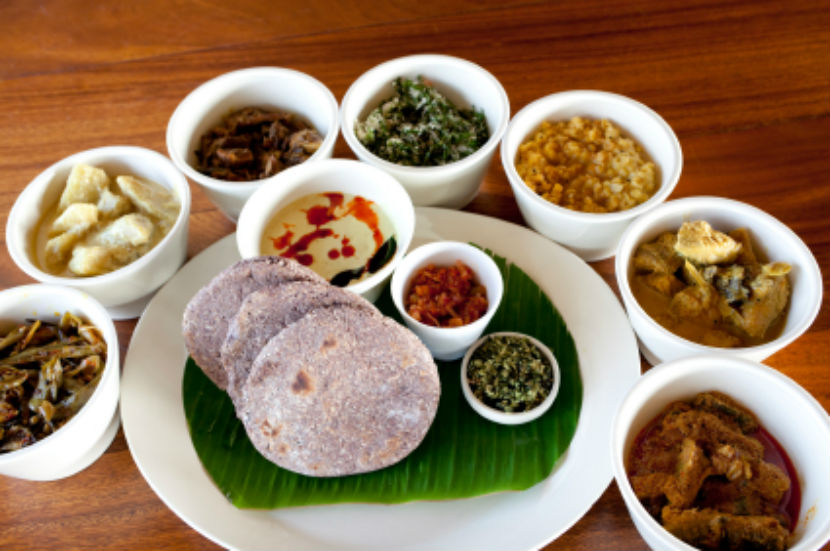
1. Whole Grains and Low-Glycemic Millets
Whole grains and traditional millets form an important part of a diabetes reversal diet plan Indian when consumed in controlled portions. Unlike refined grains, whole grains retain fiber, minerals, and phytonutrients that slow glucose absorption and reduce post-meal blood sugar spikes.
Millets such as ragi, jowar, bajra, foxtail millet, and little millet have a lower glycemic load compared to polished white rice and refined wheat products. These grains improve insulin sensitivity by reducing insulin demand after meals and supporting gut health.
Hand-pounded rice, brown rice, and parboiled rice are also preferable options when portion sizes are managed. In a diabetes reversal diet plan Indian, whole grains are typically paired with protein and vegetables to further blunt glucose spikes. Regular inclusion of low-glycemic grains helps stabilize energy levels, reduce cravings, and support sustainable blood sugar control without eliminating culturally familiar staples.
2. Lentils, Legumes, and Plant-Based Proteins
Lentils and legumes are cornerstone foods in a diabetes reversal diet plan Indian due to their high protein, fiber, and slow-digesting carbohydrates. Foods such as moong dal, masoor dal, chana, rajma, lobia, and horse gram (kulthi) help improve insulin response by slowing gastric emptying and reducing glucose absorption.
The combination of protein and soluble fiber in legumes enhances satiety, which supports portion control and weight management both essential for insulin resistance reduction. Fermented preparations like soaked or sprouted dals further improve nutrient absorption and glycemic response.
In Indian diets, legumes often replace animal protein, making them particularly valuable for vegetarian diabetes reversal plans. When cooked with minimal oil and paired with vegetables, lentils contribute to steady blood sugar levels and long-term metabolic health. Their affordability and accessibility also make them sustainable for daily use in Indian households.
3. Non-Starchy Vegetables and Leafy Greens
Non-starchy vegetables are the foundation of a diabetes reversal diet plan Indian because they provide volume, fiber, antioxidants, and micronutrients with minimal impact on blood sugar. Vegetables such as lauki, tori, bhindi, cabbage, cauliflower, beans, and karela help reduce glycemic load while improving insulin sensitivity.
Leafy greens like spinach, methi, amaranth, and drumstick leaves are especially beneficial due to their magnesium content, which supports glucose metabolism. These vegetables slow carbohydrate digestion and promote gut health, an emerging factor in insulin resistance management.
In a diabetes reversal diet plan Indian, vegetables are consumed liberally often forming half the meal plate. Cooking methods such as steaming, sautéing with minimal oil, or pressure cooking preserve nutrients without adding excess fat. Regular vegetable intake supports weight loss, reduces inflammation, and helps maintain stable blood sugar throughout the day.
4. Healthy Fats and Traditional Indian Oils
Healthy fats play a supportive but controlled role in a diabetes reversal diet plan Indian by improving satiety and slowing carbohydrate absorption. Traditional fats such as cow ghee, cold-pressed mustard oil, coconut oil, and groundnut oil are preferred over refined vegetable oils.
These fats help reduce oxidative stress and support hormonal balance when used in small quantities. Nuts and seeds including almonds, walnuts, flaxseeds, chia seeds, and pumpkin seeds provide omega-3 fatty acids and improve insulin sensitivity.
In diabetes reversal, fat intake is carefully measured because excess fat can hinder weight loss and worsen insulin resistance. When consumed in moderation and combined with fiber-rich foods, healthy fats help stabilize blood sugar and reduce post-meal glucose fluctuations.
Their role is not to increase calories but to improve meal quality and metabolic response within an Indian dietary framework.
5. Low-Glycemic Fruits and Fermented Dairy
Fruits and dairy are included selectively in a diabetes reversal diet plan Indian due to their natural sugar content. Low-glycemic fruits such as guava, apple, pear, berries, and papaya are recommended in
controlled portions because they provide fiber, antioxidants, and micronutrients without causing sharp glucose spikes. Fermented dairy options like curd, buttermilk, and Greek-style dahi support gut health and improve insulin sensitivity through probiotics.
These foods help regulate digestion and reduce inflammation linked to insulin resistance. Fruits are ideally consumed earlier in the day or paired with protein to minimize glucose impact. Sweetened dairy products and fruit juices are avoided during reversal phases.
When used strategically, fruits and fermented dairy contribute to nutritional balance and sustainability, making the diabetes reversal diet plan Indian practical and culturally aligned.
Which foods should be avoided in a diabetes reversal diet plan Indian?
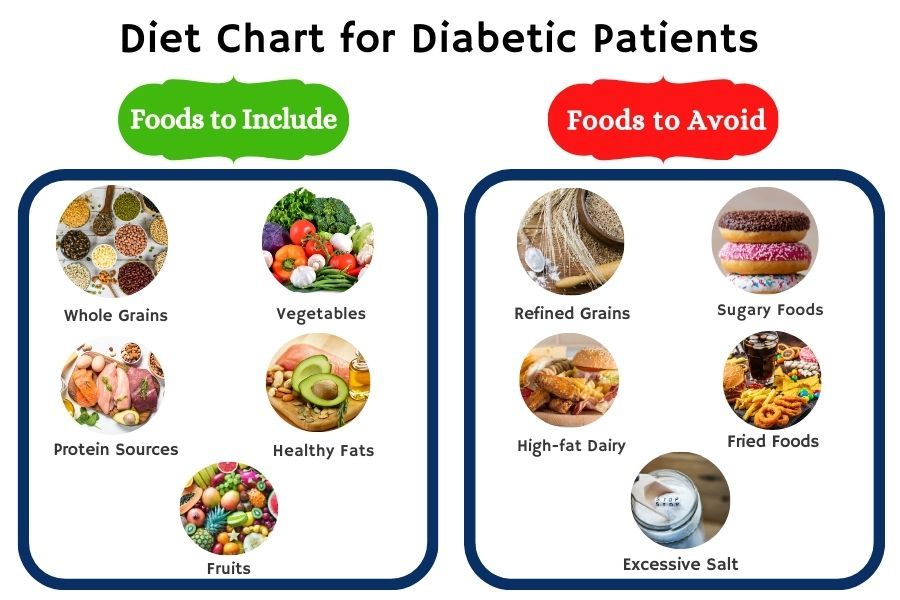
1. Refined Grains and Processed Cereals
Refined grains are among the most problematic foods in a diabetes reversal diet plan Indian because they cause rapid blood sugar spikes and increase insulin demand. Foods such as white rice, maida-based rotis, naan, bread, biscuits, rusk, and breakfast cereals lack fiber and are quickly digested into glucose.
Regular consumption worsens insulin resistance and disrupts glycemic control. Even though these foods are common in Indian meals, they contribute to frequent post-meal hyperglycemia. In diabetes reversal, refined grains are avoided or replaced with whole grains and millets in controlled portions to support steady glucose levels.
2. Sugary Foods, Sweets, and Traditional Mithai
Sugary foods directly impair blood sugar regulation and must be avoided in a diabetes reversal diet plan Indian. Indian sweets such as gulab jamun, laddoos, jalebi, barfi, rasgulla, and halwa are high in refined sugar and saturated fat, leading to sharp glucose spikes.
Even small portions can overwhelm insulin response and slow insulin resistance reduction. Packaged sweets, chocolates, honey, jaggery, and flavored syrups also raise blood sugar rapidly. During diabetes reversal, avoiding added sugars is essential to reduce pancreatic stress and allow insulin sensitivity to gradually improve.
3. Fried Foods and Trans-Fat–Rich Snacks
Fried foods negatively affect insulin sensitivity and weight management, making them unsuitable for a diabetes reversal diet plan Indian. Items such as pakoras, samosas, puri, bhatura, chips, namkeen, and street snacks are calorie-dense and often cooked in reused or refined oils.
These foods increase inflammation, slow metabolism, and worsen insulin resistance despite not always tasting sweet. Trans fats and oxidized oils interfere with glucose regulation and increase cardiovascular risk. Eliminating fried foods helps reduce insulin load and supports consistent blood sugar improvement.
4. Sugar-Sweetened Beverages and Fruit Juices
Liquid sugars are especially harmful in a diabetes reversal diet plan Indian because they bypass normal digestion and rapidly raise blood glucose. Soft drinks, packaged fruit juices, sweet lassi, flavored milk, energy drinks, and sugarcane juice deliver high sugar with little fiber.
Even natural fruit juices lack the fiber needed to slow glucose absorption. These beverages increase insulin demand and contribute to fat accumulation. For diabetes reversal, water, plain buttermilk, unsweetened tea, or infused water are preferred to maintain hydration without glucose spikes.
5. Ultra-Processed and Packaged Foods
Ultra-processed foods interfere with metabolic health and should be avoided in a diabetes reversal diet plan Indian. Instant noodles, ready-to-eat meals, frozen snacks, packaged gravies, sauces, and processed meats contain hidden sugars, refined starches, and unhealthy fats.
These additives increase glycemic load and promote insulin resistance. Frequent consumption also disrupts gut health, which plays a role in glucose metabolism. Replacing packaged foods with freshly prepared Indian meals supports better insulin response and long-term diabetes reversal outcomes.
How does meal timing affect blood sugar in a diabetes reversal diet plan Indian?
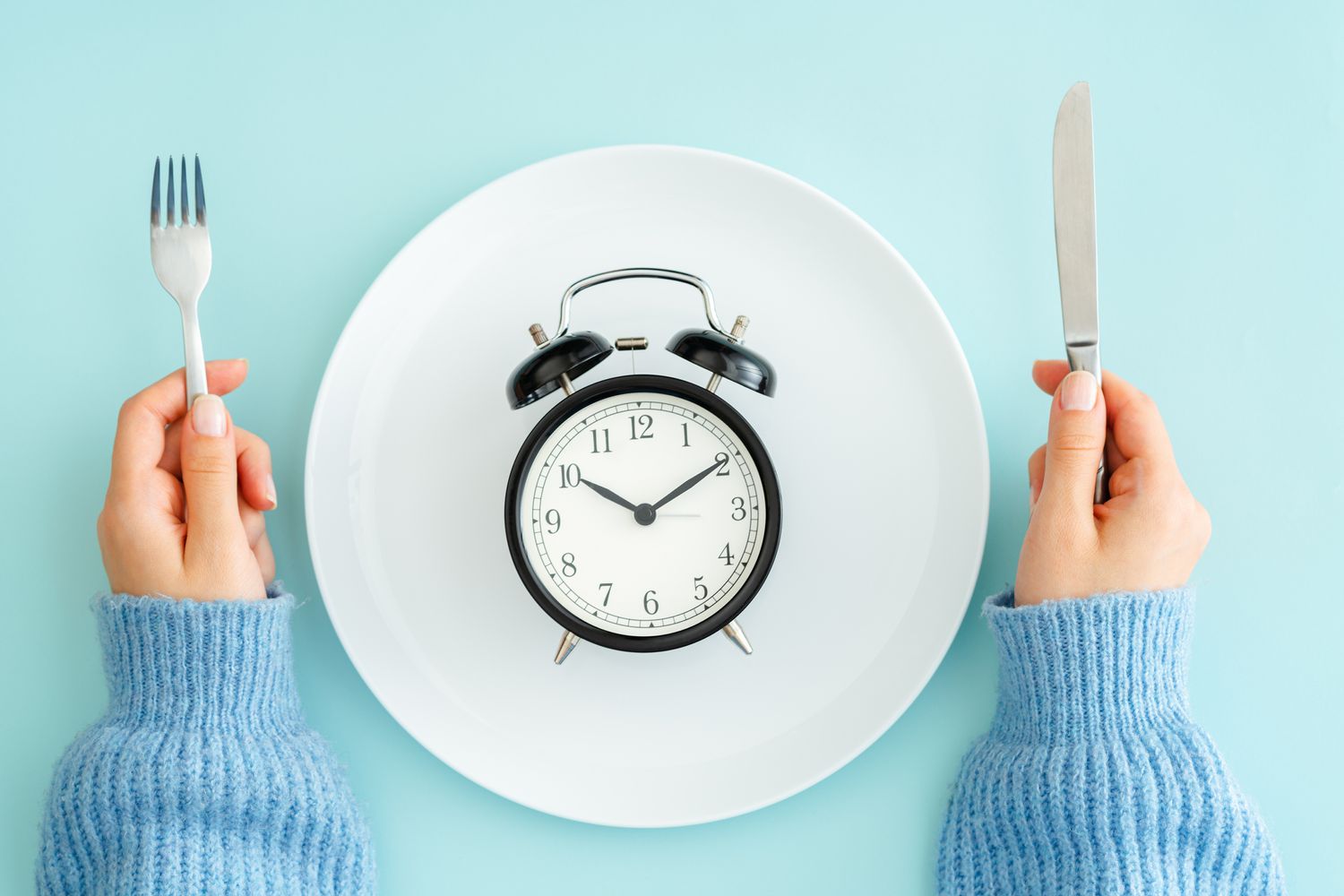
1. Aligning Meals With the Body’s Natural Insulin Rhythm
Meal timing plays a crucial role in a diabetes reversal diet plan Indian because insulin sensitivity follows a daily biological rhythm. The body processes glucose more efficiently earlier in the day, while insulin resistance tends to increase in the evening.
Eating the largest or most carbohydrate-heavy meals late at night can lead to prolonged blood sugar elevation. Structuring meals to align with this rhythm helps reduce insulin demand and supports glucose stability. In Indian households, late dinners are common, but shifting calories earlier improves metabolic response and supports diabetes reversal.
- Breakfast and lunch are ideal times for moderate carbohydrate intake
- Dinner should be lighter and lower in glycemic load
- Early meals support better post-meal glucose control
- Late-night eating increases overnight blood sugar levels
2. Impact of Meal Frequency on Blood Sugar Stability
In a diabetes reversal diet plan Indian, meal frequency influences how often insulin is released throughout the day. Constant snacking keeps insulin levels elevated, preventing the body from entering a fat-burning or insulin-repair state. Structured meals with planned gaps allow insulin levels to fall, improving insulin sensitivity over time.
Traditional Indian eating patterns often include frequent tea-time snacks, which can disrupt glycemic control. Reducing unnecessary snacking helps stabilize blood sugar and lowers overall insulin exposure.
- 3 main meals with minimal snacking is often effective
- Gaps between meals allow insulin levels to normalize
- Fewer insulin spikes support insulin resistance reduction
- Protein-rich meals reduce the urge for frequent snacking
3. Timing of Carbohydrates and Its Effect on Glucose Spikes
Carbohydrate timing is critical in a diabetes reversal diet plan Indian because carbs have the greatest impact on post-meal blood sugar. Consuming carbohydrates earlier in the day improves glucose utilization, while evening carb intake often leads to higher and longer-lasting sugar spikes.
Traditional Indian dinners that include rice or rotis late at night can worsen overnight glycemia. Strategic carb timing improves metabolic flexibility and supports gradual diabetes reversal.
- Carbohydrates are better tolerated at breakfast or lunch
- Evening meals should focus on protein and vegetables
- Pairing carbs with fiber and protein reduces glucose spikes
- Avoiding late-night carb-heavy meals improves fasting glucose
4. Importance of Consistent Meal Timing
Consistency in meal timing helps regulate insulin secretion and circadian rhythm, both of which are important in a diabetes reversal diet plan Indian. Irregular eating patterns confuse hormonal signals and can lead to unpredictable blood sugar fluctuations.
Eating meals at roughly the same time each day improves glucose predictability and insulin efficiency. In Indian lifestyles, irregular work hours and social meals often disrupt consistency, but even small improvements can significantly enhance glycemic control.
- Fixed meal times support hormonal balance
- Consistency reduces unexpected blood sugar swings
- Regular timing improves fasting and post-meal glucose
- Predictable eating patterns aid long-term diabetes reversal
5. Role of Early Dinner and Overnight Fasting
An early dinner combined with an overnight fasting window is a powerful strategy in a diabetes reversal diet plan Indian. Finishing dinner at least 2–3 hours before bedtime allows insulin levels to fall and gives the body time to use stored glucose.
Overnight fasting improves insulin sensitivity and supports fat metabolism. This approach is culturally adaptable and does not require extreme fasting protocols.
- Early dinners reduce nocturnal glucose elevation
- Overnight fasting improves insulin response
- Better fasting glucose levels are often observed
- Supports sustainable insulin resistance reduction
How many meals per day are best in a diabetes reversal diet plan Indian?
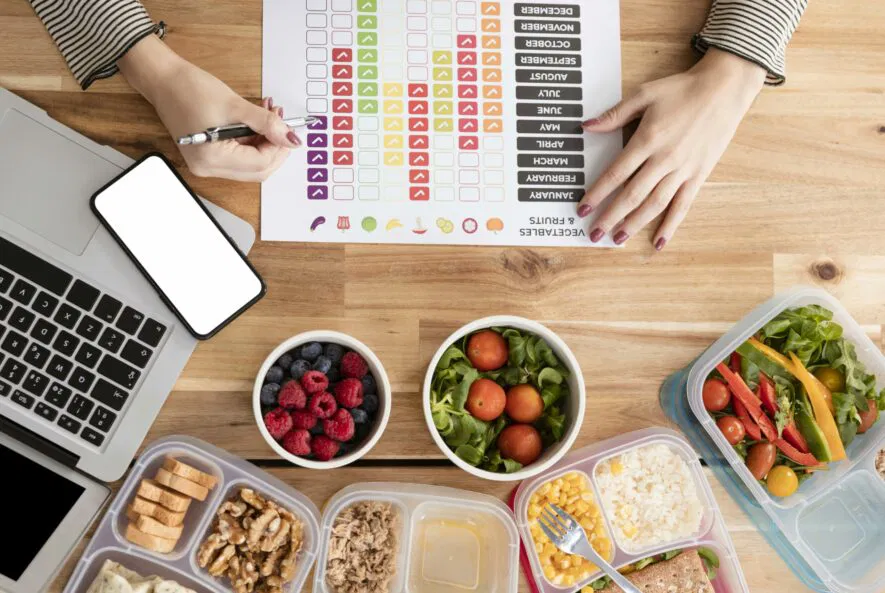
1. Why Meal Frequency Matters in a Diabetes Reversal Diet Plan Indian
Meal frequency directly affects how often insulin is released during the day. In a diabetes reversal diet plan Indian, the goal is not constant eating but reducing insulin load so the body can gradually restore insulin sensitivity. Every time food especially carbohydrates is consumed, insulin is released.
Frequent meals and snacks keep insulin levels elevated, preventing metabolic recovery. Traditional Indian habits such as frequent tea-time snacks, late dinners, and grazing between meals can worsen insulin resistance. Reducing meal frequency allows insulin levels to drop between meals, which improves fat metabolism and blood sugar regulation.
The ideal number of meals balances glucose stability with adequate nourishment, avoiding both overeating and excessive fasting.
2. The Ideal Meal Structure: 3 Main Meals per Day
For most individuals, three structured meals per day work best in a diabetes reversal diet plan Indian. This pattern provides sufficient nutrition while allowing clear gaps between meals for insulin levels to normalize. Breakfast, lunch, and an early dinner create a predictable rhythm that supports circadian alignment and stable blood sugar control.
Each meal should include protein, fiber-rich vegetables, and controlled carbohydrates to prevent glucose spikes. This approach is practical, culturally acceptable, and sustainable for Indian households. It also minimizes unnecessary snacking, which is a common contributor to elevated insulin levels.
Three balanced meals help regulate appetite hormones, reduce cravings, and improve fasting glucose over time.
3. Should Snacks Be Included in a Diabetes Reversal Diet Plan Indian?
In most diabetes reversal protocols, snacks are not essential and are often discouraged unless medically required. Frequent snacking especially on carbohydrate-rich Indian snacks keeps insulin levels elevated throughout the day.
However, snacks may be appropriate in specific cases, such as individuals on glucose-lowering medications, those with high physical activity, or people transitioning from frequent eating habits. When needed, snacks should be protein- or fiber-focused rather than carb-based.
The goal is to avoid triggering insulin spikes while preventing hypoglycemia. Over time, as insulin sensitivity improves, many individuals find they no longer need snacks between meals.
4. Can Two Meals per Day Work for Diabetes Reversal?
Some individuals benefit from two meals per day, particularly once blood sugar levels are more stable. This approach naturally extends the fasting window, reducing insulin exposure and promoting fat metabolism. In a diabetes reversal diet plan Indian, two meals usually consist of a late breakfast or early lunch and an early dinner.
While effective for some, this pattern is not suitable for everyone, especially those with long-standing diabetes, medication dependence, or high stress levels. Two meals per day should only be adopted gradually and under professional guidance to avoid energy dips or hypoglycemia.
5. Why Eating More Than Three Meals Slows Diabetes Reversal
Eating more than three meals per day including frequent snacks can hinder progress in a diabetes reversal diet plan Indian. Continuous eating prevents insulin levels from falling, which slows insulin resistance reduction. Many Indian snack foods are refined and carb-heavy, making them particularly problematic.
Even healthy snacks, when eaten frequently, can maintain elevated insulin. Reducing meal frequency improves metabolic efficiency and allows the body to better utilize stored glucose. Fewer meals also simplify portion control and meal planning, making the diet easier to follow consistently.
6. Best Meal Timing Pattern for Indian Lifestyles
The effectiveness of meal frequency depends on when meals are eaten. An ideal diabetes reversal diet plan Indian typically follows:
- Breakfast within 1–2 hours of waking
- Lunch as the largest meal of the day
- Early dinner, ideally before 7–8 pm
This timing aligns with insulin sensitivity rhythms and reduces overnight blood sugar elevation. Combined with three structured meals, this pattern supports long-term blood sugar improvement.
How does portion control help with diabetes reversal in Indian diets?

1. Reduces Post-Meal Blood Sugar Spikes
Portion control is a critical factor in diabetes reversal in Indian diets because large portions especially of carbohydrate-rich foods cause sharp post-meal blood sugar spikes. Indian meals often center around rice, rotis, or starchy preparations, which can overwhelm the body’s insulin response when consumed in excess.
By reducing portion sizes, the glucose load entering the bloodstream at one time is lower, making it easier for insulin to manage blood sugar effectively. Smaller portions also slow digestion, particularly when combined with fiber and protein.
Over time, this leads to more stable glucose levels, reduced glucose variability, and improved glycemic control key requirements for reversing insulin resistance.
2. Lowers Insulin Demand and Improves Insulin Sensitivity
Every meal triggers insulin release, but larger portions require significantly more insulin. In Indian diets, oversized portions of grains and cooked carbohydrates keep insulin levels chronically elevated. Portion control lowers the amount of insulin needed after meals, giving insulin receptors a chance to recover.
This reduction in insulin demand improves insulin sensitivity, which is the core mechanism behind diabetes reversal. As insulin sensitivity improves, glucose is taken up more efficiently by cells, reducing fasting and post-meal blood sugar levels. Over time, the pancreas experiences less stress, supporting metabolic healing.
3. Supports Weight Loss Without Eliminating Indian Foods
Excess body fat, particularly visceral fat, is closely linked to insulin resistance. Portion control helps create a natural calorie deficit without forcing individuals to eliminate culturally familiar Indian foods. Instead of removing rice, rotis, or dal entirely, portion control allows these foods to be consumed in measured amounts.
This approach supports gradual, sustainable weight loss, which directly improves insulin sensitivity. Because the diet feels less restrictive, adherence is higher, making diabetes reversal more achievable in the long term. Weight reduction through portion control also improves lipid profiles and reduces inflammation.
4. Improves Meal Balance and Nutrient Distribution
Portion control encourages better meal composition in Indian diets. When carbohydrate portions are reduced, more plate space is naturally allocated to vegetables, proteins, and healthy fats. This improves fiber intake, slows glucose absorption, and increases satiety.
Balanced portions ensure that meals provide steady energy without triggering rapid blood sugar fluctuations. In a diabetes reversal diet plan Indian, this balanced approach supports metabolic stability and reduces the likelihood of overeating or craving high-glycemic foods later in the day. Nutrient-dense meals also support muscle mass and overall metabolic health.
5. Enhances Meal Timing Effectiveness
Portion control amplifies the benefits of proper meal timing. Even when meals are eaten at optimal times, large portions can negate the benefits by causing prolonged hyperglycemia. Smaller, controlled portions allow the body to process glucose efficiently within each meal window.
In Indian lifestyles where dinners are sometimes late, portion control becomes even more important to prevent overnight blood sugar elevation. Combined with early dinners and structured meal times, portion control helps stabilize fasting glucose levels and supports overnight insulin sensitivity improvement.
6. Reduces Cravings and Improves Appetite Regulation
Large portions especially of refined carbohydrates can cause rapid blood sugar rises followed by sharp drops, leading to hunger and cravings. Portion control prevents these fluctuations by maintaining more stable glucose levels. Over time, appetite hormones such as ghrelin and leptin begin to normalize, reducing the urge for frequent snacking.
In Indian diets, where snack foods are often carb-heavy, this reduction in cravings plays a major role in diabetes reversal. Better appetite control also supports consistent eating patterns and long-term dietary adherence.
7. Makes Diabetes Reversal Sustainable in Indian Households
One of the biggest advantages of portion control in Indian diets is sustainability. Rather than requiring special foods or separate meals, portion control allows families to eat similar dishes with adjusted serving sizes. This reduces social friction and makes long-term lifestyle change more practical.
When portion control becomes habitual, it naturally supports blood sugar control, insulin resistance reduction, and metabolic health without constant monitoring. This practicality is essential for achieving and maintaining diabetes reversal in real-world Indian settings.
If you’re looking to move beyond information and apply these principles in a structured, personalized way, this is where the HealthyWayFit program can help. Understanding meal timing, portion control, and Indian food choices is important but consistent results come from having the right guidance, accountability, and a plan designed around your lifestyle.
HealthyWayFit bridges the gap between knowledge and action by translating evidence-based diabetes reversal strategies into practical, day-to-day routines that are easy to follow and sustainable long term.
HealthyWayFit — India’s Most Personal Diabetes Reversal Program

You’re told to “eat less,” “exercise more,” or “try another pill.” Yet your sugars remain stubborn, energy crashes continue, and every lab report feels like another warning. What’s missing isn’t willpower — it’s the right system.
That’s where HealthyWayFit comes in.
We are not another app, crash diet, or one-size-fits-all chart. HealthyWayFit is a 12-month, end-to-end Type 2 Diabetes Reversal Program designed exclusively for Indian professionals who want results that fit their lifestyle.
Over the past few years, our team has helped hundreds of Indians lower HbA1c, reduce medicine dependency, and—in many cases—achieve complete reversal of Type 2 diabetes.
Our tone is simple: empathetic, therapeutic, and committed. We listen first, design second, and support you every step of the way.
1) What Makes HealthyWayFit Different?
1. Personalized Nutrition You Can Actually Follow No fad superfoods or unrealistic smoothie charts. We use your ghar ka khana—dal, roti, rice, idli, dosa, paneer, sabzi—and align it with blood sugar control. No separate cooking, no family pressure. A plan that works whether you’re 35 or 85.
2. Metabolic Exercise for Type 2 Diabetes Control Our short, 15–20 minute metabolic routines target big muscle groups (legs, shoulders, glutes) and can lower sugar readings by 50–100 points. No gym, no equipment, just science-backed movements you can do at home.
3. Stress & Sleep Mastery Stress raises cortisol, which raises sugar. We equip you with practical tools—one-minute breathing practices, sleep optimization, and micro-habits—to keep your blood sugar stable, even on your busiest days.
4. Doctor-Led, Holistic Care Every client is guided by a Senior MD Diabetologist ensuring medical safety, while lifestyle coaches design food, exercise, and habit strategies. This unique blend of medical expertise and daily support is why our clients see true reversal.
5. Relentless Support & Accountability From weekly coaching calls and daily check-ins to festival, travel, and dining-out guides, we make sure your reversal journey adapts to real life, not the other way around.
2) What Results Can You Expect?
Most clients notice changes within 20–60 days: better energy, lighter mornings, and lower sugar readings. Over the year, we focus on long-term stabilization, so results are not just quick but sustainable for years to come.
3) Is HealthyWayFit Right for You?
If you’re a working professional or entrepreneur living with Type 2 diabetes, and can dedicate just 15–30 minutes daily, HealthyWayFit is built for you. This isn’t a crash course. It’s a life-changing reversal system personalized to your food, family, and lifestyle.
4) Take the Next Step
Your journey starts with a personal consultation where we understand your health history, challenges, and lifestyle. If we’re aligned, we’ll design a custom Type 2 Diabetes Reversal Plan built just for you.
Explore more at: healthywayfit Book your consultation here: calendly
Move beyond “managing” diabetes. With HealthyWayFit, you can reverse Type 2 diabetes—safely, sustainably, and with support at every step.
Frequently Asked Questions (FAQs)

1) Can Indian carbohydrates be included in a diabetes reversal diet plan Indian?
Yes, Indian carbohydrates can be included in a diabetes reversal diet plan Indian when chosen wisely and eaten in controlled portions. Whole grains such as millets, brown rice, hand-pounded rice, and whole wheat provide fiber that slows glucose absorption and reduces blood sugar spikes.
Pairing carbohydrates with protein, vegetables, and healthy fats further improves glycemic response. Timing carbohydrates earlier in the day also supports better insulin sensitivity and long-term blood sugar control.
2) What role do spices play in a diabetes reversal diet plan Indian?
Spices play a supportive role in a diabetes reversal diet plan Indian by improving insulin sensitivity, reducing inflammation, and enhancing glucose metabolism. Spices such as turmeric, cinnamon, fenugreek, cumin, and ginger contain bioactive compounds that help lower post-meal blood sugar and oxidative stress.
When used in everyday cooking, they improve metabolic health without adding calories. Spices also enhance flavor, making healthy meals more satisfying and sustainable.
3) Is intermittent fasting compatible with a diabetes reversal diet plan Indian?
Intermittent fasting can be compatible with a diabetes reversal diet plan Indian when applied carefully. Structured fasting periods reduce insulin exposure and improve insulin sensitivity. Common approaches include early dinner and overnight fasting rather than extreme fasting windows.
However, intermittent fasting is not suitable for everyone, especially those on diabetes medications or with long-standing diabetes. Professional guidance is recommended to avoid hypoglycemia while maximizing metabolic benefits.
4) How sustainable is a diabetes reversal diet plan Indian for long-term control?
A diabetes reversal diet plan Indian is highly sustainable for long-term control because it is built around familiar foods, cultural eating patterns, and practical portion control. Instead of eliminating staples, it focuses on meal timing, balanced portions, and healthier cooking methods.
This flexibility improves adherence and reduces relapse risk. When followed consistently, the approach supports lasting blood sugar stability and insulin resistance reduction without extreme restrictions.
Conclusion
A diabetes reversal diet plan Indian is not about deprivation it is about precision, consistency, and cultural alignment. By focusing on smart meal timing, controlled portions, and familiar Indian foods, this approach directly targets insulin resistance, the root cause of type 2 diabetes.
When carbohydrates are chosen wisely, meals are structured thoughtfully, and lifestyle habits are supported with the right guidance, long-term blood sugar control becomes achievable. Most importantly, this method is sustainable, fitting seamlessly into Indian households and daily routines.
With the right system and support, diabetes can move from something you manage daily to something you progressively reverse naturally, safely, and for the long term.


