
.svg)
Managing blood sugar and supporting overall health is a top priority for anyone looking to improve their wellness, and a diabetes reversal diet can be a powerful tool in this journey.
Including the right foods in your daily meals is essential for controlling glucose levels, improving insulin sensitivity, and reducing the risk of diabetes-related complications. In this article, we explore 5 key foods to include in your diabetes reversal diet for better blood sugar, backed by scientific research and expert recommendations.
These nutrient-rich foods are not just tasty—they are packed with vitamins, minerals, fiber, and antioxidants that help regulate blood sugar, support heart health, and promote weight management.
From fiber-filled vegetables to protein-rich options and healthy fats, understanding what to eat and why it matters can make a significant difference in your health outcomes.
Whether you are newly diagnosed, managing prediabetes, or looking to support long-term wellness, incorporating these five foods into your diabetes reversal diet can help stabilize your blood sugar, boost energy levels, and set you on a path toward better health.
By the end of this guide, you will know exactly which foods to prioritize, how they work to improve insulin function, and practical ways to include them in your meals every day. Take the first step toward a healthier lifestyle by learning how to create a diabetes reversal diet that’s both effective and sustainable.
Why is choosing the right foods essential for reversing diabetes and managing blood sugar levels?
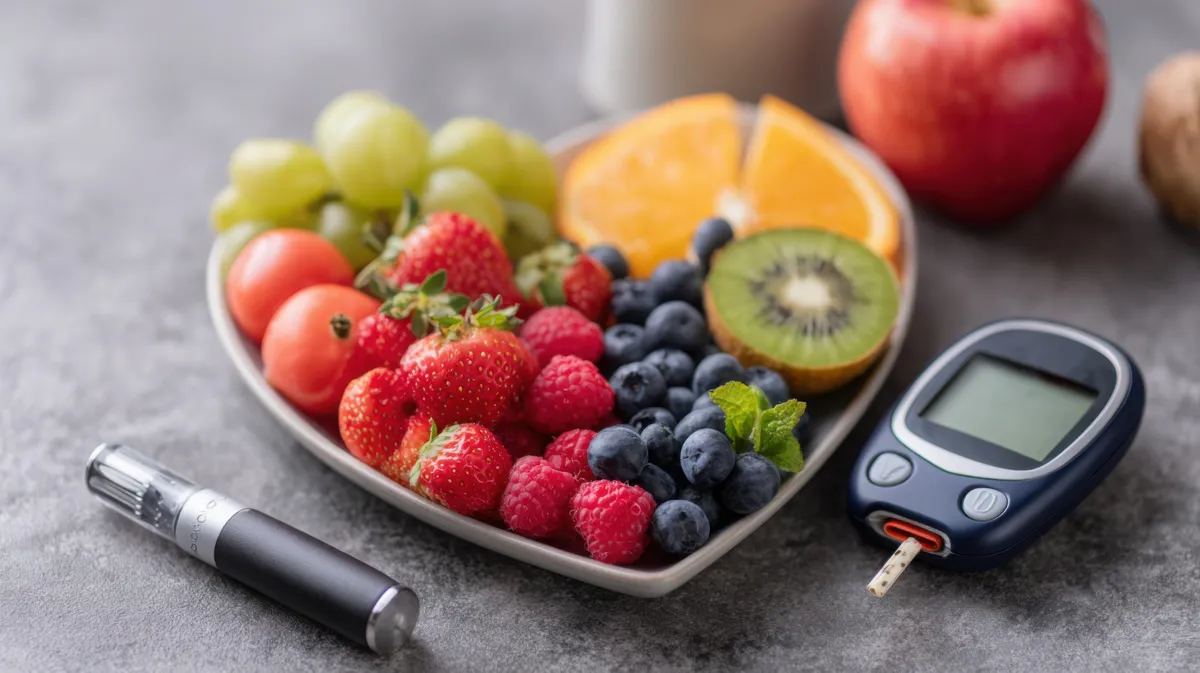
Choosing the right foods is crucial for reversing diabetes and effectively managing blood sugar levels, as diet directly influences insulin function, glucose control, and overall metabolic health. A well-structured diabetes reversal diet doesn’t just help in controlling sugar spikes it also improves insulin sensitivity, supports weight management, reduces inflammation, and promotes long-term wellness.
Selecting the right combination of diabetes-friendly foods can empower your body to regulate blood sugar naturally and reduce dependency on medications.
Here are the key reasons why choosing the right foods is essential, along with examples of nutrient-rich options:
- Regulates Blood Sugar Levels: Foods with a low glycemic index release glucose slowly, preventing spikes.
- Examples: Steel-cut oats, quinoa, lentils, non-starchy vegetables.
- Supports Insulin Sensitivity: Certain foods improve how your body responds to insulin, aiding glucose uptake by cells.
- Examples: Leafy greens (spinach, kale), fatty fish (salmon, mackerel), chia seeds.
- Promotes Weight Management: High-fiber and protein-rich foods keep you full longer, reducing overeating—a key factor in diabetes reversal.
- Examples: Beans, chickpeas, Greek yogurt, almonds.
- Reduces Inflammation: Chronic inflammation can worsen insulin resistance; antioxidant-rich foods help fight it.
- Examples: Berries, turmeric, green tea, walnuts.
- Improves Heart Health: People with diabetes are at higher risk of cardiovascular issues, so heart-friendly foods are essential.
- Examples: Olive oil, flaxseeds, avocado, fatty fish.
- Enhances Gut Health: A healthy gut microbiome can improve glucose metabolism and reduce inflammation.
- Examples: Fermented foods like yogurt, kefir, sauerkraut, high-fiber vegetables.
- Balances Hormones: Certain foods help regulate hormones involved in blood sugar control.
- Examples: Cinnamon, fenugreek, bitter melon, green leafy vegetables.
- Boosts Energy and Reduces Fatigue: Balanced meals with the right macronutrients prevent energy crashes caused by fluctuating blood sugar.
- Examples: Eggs, nuts, seeds, whole grains.
- Prevents Complications of Diabetes: Foods rich in vitamins, minerals, and antioxidants protect the eyes, kidneys, and nerves from long-term damage.
- Examples: Carrots, spinach, blueberries, salmon.
- Encourages Sustainable Healthy Eating Habits: Focusing on nutrient-dense foods creates a lifestyle that supports long-term diabetes reversal, rather than temporary fixes.
- Examples: Fresh vegetables, lean proteins, whole grains, nuts, seeds.
By incorporating these diabetes-friendly foods into your daily diet, you can take actionable steps toward reversing diabetes, stabilizing blood sugar levels, and improving overall health. Making informed food choices isn’t just about managing sugar—it’s about transforming your health and supporting long-term wellness.
What are the 5 key foods to include in your diabetes reversal diet for better blood sugar?
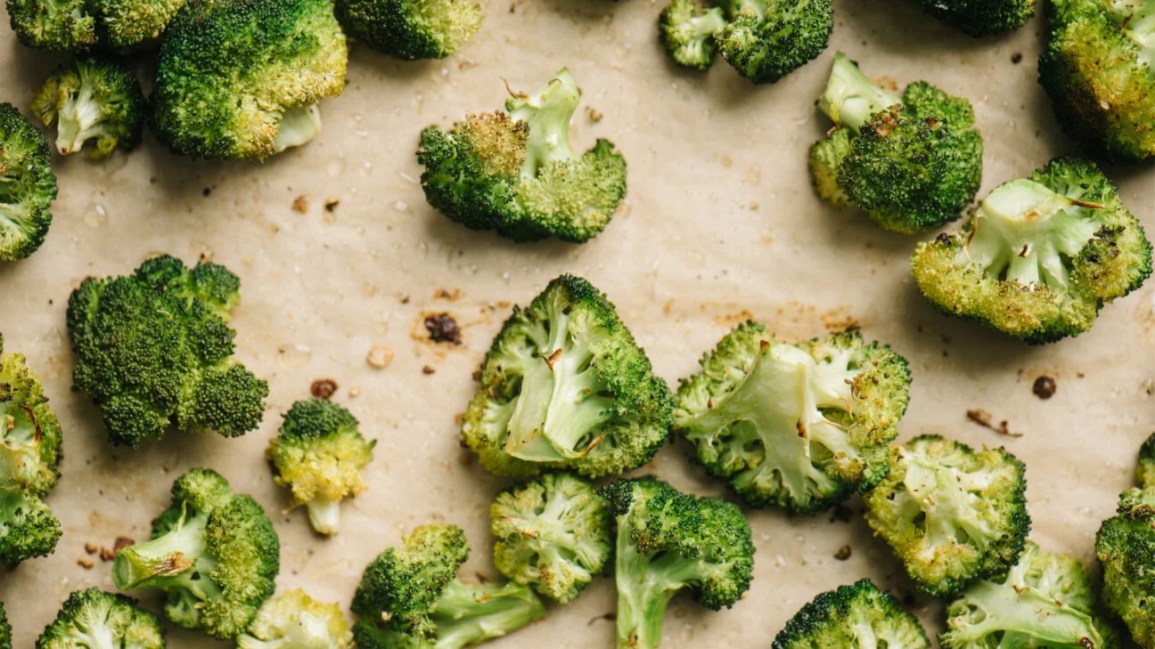
1. Leafy Green Vegetables
Leafy greens are a cornerstone of any diabetes reversal diet because they are low in carbohydrates and calories but high in fiber, vitamins, and minerals. Vegetables such as spinach, kale, Swiss chard, and collard greens help regulate blood sugar levels by slowing glucose absorption and improving insulin sensitivity.
The high antioxidant content in leafy greens also combats inflammation, which is often linked to insulin resistance. Including a variety of leafy greens in salads, smoothies, or cooked dishes can provide essential nutrients without causing blood sugar spikes.
2. Fatty Fish
Fatty fish like salmon, mackerel, sardines, and trout are excellent sources of omega-3 fatty acids, which support heart health, a key concern for people with diabetes.
These healthy fats also help improve insulin sensitivity and reduce inflammation in the body. Incorporating fatty fish into your diabetes reversal diet at least 2–3 times a week can aid in controlling blood sugar levels while providing high-quality protein that promotes satiety and supports weight management.
3. Whole Grains
Whole grains are rich in fiber, which slows down the digestion of carbohydrates and helps stabilize blood sugar. Unlike refined grains, options like quinoa, steel-cut oats, brown rice, and barley have a low glycemic index, meaning they release glucose gradually into the bloodstream.
Including whole grains in your diabetes-friendly meals supports long-term blood sugar control and improves digestive health. They also provide essential vitamins and minerals that enhance overall metabolic function.
4. Nuts and Seeds
Nuts and seeds, such as almonds, walnuts, flaxseeds, and chia seeds, are packed with healthy fats, fiber, and plant-based protein, making them ideal for a diabetes reversal diet. These foods help manage blood sugar levels by reducing insulin spikes and keeping you full between meals.
Additionally, the antioxidants and anti-inflammatory compounds in nuts and seeds can improve heart health and lower the risk of complications associated with diabetes.
5. Non-Starchy Vegetables
Non-starchy vegetables like broccoli, cauliflower, zucchini, peppers, and green beans are low in carbohydrates but high in fiber and essential nutrients. These diabetes-friendly foods support blood sugar regulation and provide bulk to meals without adding extra calories.
They also contain antioxidants and phytochemicals that improve insulin function and reduce inflammation. Filling half your plate with non-starchy vegetables at each meal is a simple and effective way to reinforce your diabetes reversal diet.
How does including leafy greens in your diet benefit blood sugar control?
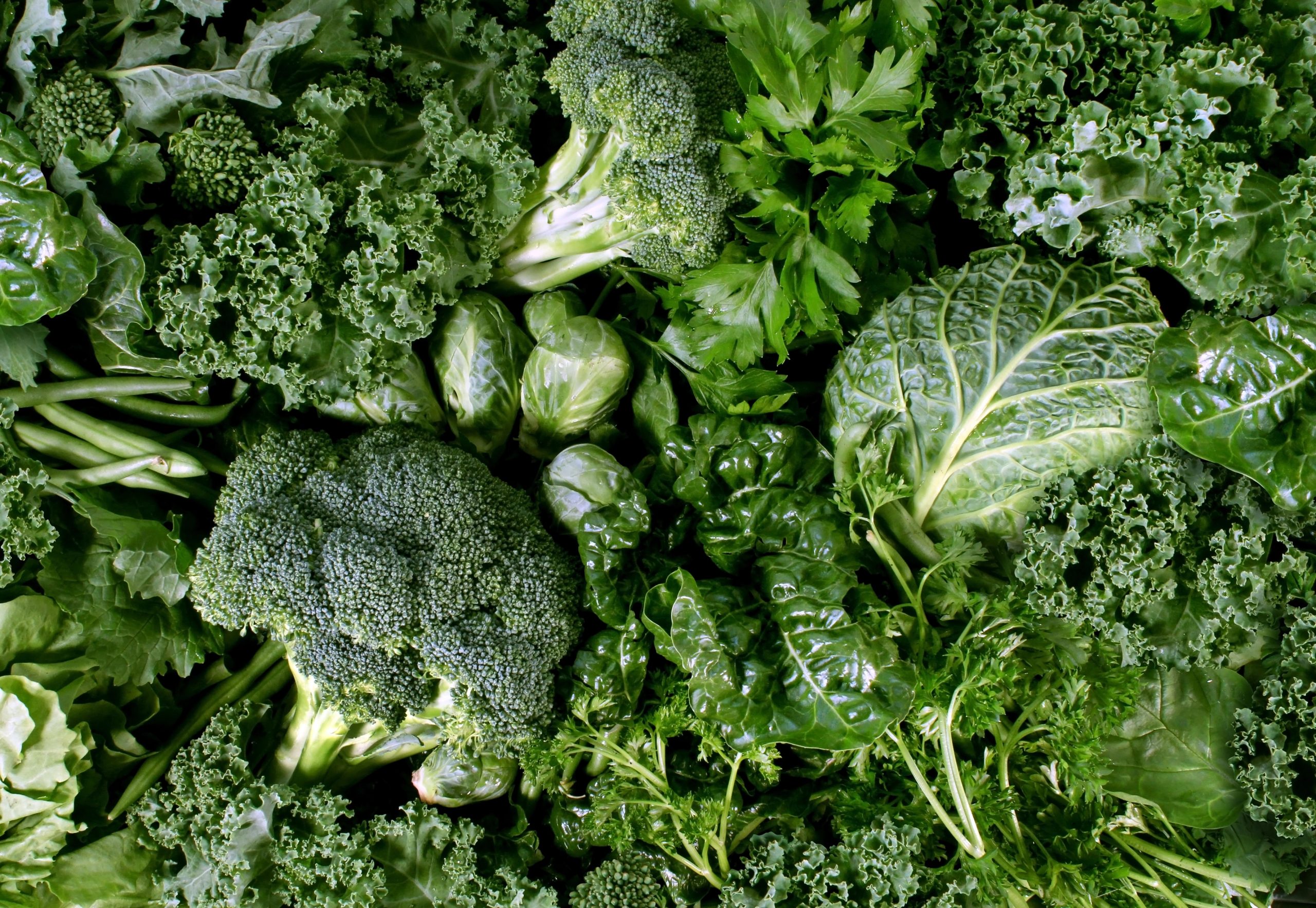
1. Low in Carbohydrates, High in Fiber
Leafy greens such as spinach, kale, Swiss chard, and collard greens are naturally low in carbohydrates, which means they have minimal impact on blood glucose levels. Their high fiber content slows the absorption of sugar in the bloodstream, which helps prevent sudden spikes in blood sugar.
Soluble fiber, in particular, binds to glucose in the digestive system and releases it gradually, supporting steady energy levels. By including leafy greens in a diabetes reversal diet, you can stabilize blood sugar while still consuming nutrient-dense meals.
2. Rich in Vitamins and Minerals
Leafy greens are packed with essential vitamins and minerals such as vitamin C, vitamin K, magnesium, and potassium. Magnesium plays a critical role in glucose metabolism and insulin sensitivity, helping the body use insulin more effectively.
Potassium helps regulate blood pressure, which is particularly important for people with diabetes. By regularly consuming leafy greens as part of a diabetes-friendly diet, you provide your body with the nutrients necessary for proper metabolic function and better blood sugar management.
3. High in Antioxidants
Antioxidants in leafy greens, including beta-carotene, lutein, and flavonoids, combat oxidative stress, which is often elevated in people with diabetes. Oxidative stress can damage insulin-producing cells in the pancreas and worsen insulin resistance.
By incorporating antioxidant-rich vegetables like spinach, kale, and arugula, you can reduce cellular damage, enhance insulin function, and support long-term blood sugar control in a diabetes reversal diet.
4. Anti-Inflammatory Properties
Chronic inflammation is a major contributor to insulin resistance and type 2 diabetes. Leafy greens contain compounds like polyphenols and carotenoids that have anti-inflammatory effects, helping to reduce inflammation in blood vessels and tissues.
Lower inflammation improves insulin sensitivity and allows the body to manage glucose more efficiently. Including leafy greens daily in your meals can therefore help control blood sugar naturally and support overall metabolic health.
5. Supports Weight Management
Leafy greens are low in calories but high in volume due to their water and fiber content. Eating them helps you feel full without consuming excess calories, which is crucial for weight management—a key factor in diabetes reversal.
Maintaining a healthy weight improves insulin sensitivity and reduces blood sugar fluctuations, making leafy greens a practical addition to any diabetes-friendly meal plan.
6. Enhances Gut Health
The fiber in leafy greens not only slows glucose absorption but also acts as a prebiotic, feeding healthy gut bacteria. A balanced gut microbiome is linked to better blood sugar regulation, improved metabolism, and reduced inflammation.
By including vegetables like kale, spinach, and romaine lettuce in your diet, you support both gut health and long-term blood sugar stability.
7. Versatility in a Diabetes Reversal Diet
Leafy greens can be incorporated into meals in a variety of ways: salads, smoothies, stir-fries, soups, or even as wraps. Their versatility ensures that you can consistently include them in your diabetes reversal diet, making it easier to adhere to a blood sugar-friendly eating plan without feeling restricted.
What makes whole grains a superior choice compared to refined grains for people with diabetes?

Choosing whole grains over refined grains is a critical strategy for anyone following a diabetes reversal diet or aiming to control blood sugar naturally.
Unlike refined grains, which are stripped of fiber, vitamins, and minerals during processing, whole grains retain their nutrient-rich bran and germ, making them far superior for blood sugar management and overall metabolic health.
Whole grains release glucose more slowly into the bloodstream, improving insulin sensitivity, reducing sugar spikes, and supporting long-term weight management.
Key reasons why whole grains are a better choice than refined grains include:
- Lower Glycemic Index: Whole grains like quinoa, brown rice, barley, and oats are digested slowly, preventing rapid blood sugar spikes. Refined grains like white rice or white bread are digested quickly, causing sharp increases in glucose.
- High Fiber Content: The fiber in whole grains slows carbohydrate absorption, improves glucose metabolism, and promotes satiety, which helps in weight management—a key factor in diabetes reversal.
- Rich in Essential Nutrients: Whole grains contain B-vitamins, magnesium, iron, and antioxidants, which support metabolic function and help reduce insulin resistance.
- Supports Heart Health: Consuming whole grains regularly can lower LDL cholesterol and reduce the risk of cardiovascular complications, which are common in people with diabetes.
- Reduces Inflammation: The nutrients and phytochemicals in whole grains help combat chronic inflammation, improving insulin sensitivity and overall blood sugar control.
Incorporating whole grains instead of refined grains into a diabetes-friendly diet not only stabilizes blood sugar but also enhances energy levels, supports digestive health, and contributes to long-term wellness. This makes whole grains a superior, practical, and sustainable choice for anyone aiming for diabetes reversal.
Can adding more legumes to your meals significantly impact your blood glucose levels?

1. Rich Source of Fiber
Legumes such as lentils, chickpeas, black beans, and kidney beans are high in both soluble and insoluble fiber. Soluble fiber slows down the digestion of carbohydrates, which helps prevent rapid spikes in blood glucose.
By including legumes in a diabetes reversal diet, you provide your body with a steady source of energy and support long-term blood sugar control.
2. Low Glycemic Index
Most legumes have a low glycemic index (GI), meaning they release glucose gradually into the bloodstream. This slow release improves insulin sensitivity and helps maintain steady blood sugar levels throughout the day. Replacing high-GI foods like white rice or refined pasta with legumes is a practical strategy for controlling blood sugar naturally.
3. High in Plant-Based Protein
Legumes are an excellent source of plant-based protein, which promotes satiety and reduces the need for high-carbohydrate snacks. Protein also helps stabilize blood sugar by slowing glucose absorption and supporting weight management, an important factor in diabetes reversal.
4. Supports Heart Health
People with diabetes are at increased risk of cardiovascular problems, and legumes provide heart-friendly nutrients such as magnesium, potassium, and antioxidants. These compounds help lower blood pressure, reduce inflammation, and improve lipid profiles, supporting overall metabolic health alongside blood sugar regulation.
5. Versatility in a Diabetes-Friendly Diet
Legumes can be incorporated in various ways: soups, salads, stews, or even as plant-based spreads. Their versatility makes it easier to adhere to a diabetes reversal diet, ensuring consistent intake of blood sugar-friendly foods without feeling restricted.
6. Promotes Gut Health
The fiber in legumes also acts as a prebiotic, feeding healthy gut bacteria. A balanced gut microbiome is linked to better glucose metabolism and reduced inflammation, which indirectly contributes to stable blood sugar levels.
Why should healthy fats, like those from avocados and nuts, be a staple in a diabetes reversal diet?

1. Stabilizes Blood Sugar Levels
Healthy fats, such as monounsaturated and polyunsaturated fats found in avocados, almonds, walnuts, and olive oil, help slow down the digestion and absorption of carbohydrates.
This gradual release of glucose into the bloodstream prevents blood sugar spikes and supports long-term blood sugar control. Including healthy fats in meals alongside complex carbohydrates can be particularly effective for maintaining steady glucose levels in a diabetes reversal diet.
2. Improves Insulin Sensitivity
Research shows that diets rich in healthy fats can improve insulin sensitivity, meaning the body’s cells respond more effectively to insulin. Nuts, seeds, and avocados contain essential fatty acids and bioactive compounds that reduce insulin resistance, a key factor in type 2 diabetes.
By including these diabetes-friendly foods, individuals can enhance glucose uptake by cells and reduce the risk of elevated blood sugar.
3. Supports Heart Health
People with diabetes have an increased risk of cardiovascular disease, making heart-friendly foods essential. Healthy fats from avocados, nuts, and seeds can lower LDL cholesterol, increase HDL cholesterol, and reduce triglycerides.
These benefits help protect the heart while simultaneously improving metabolic health, making these fats a critical component of a diabetes reversal diet.
4. Promotes Satiety and Weight Management
Foods rich in healthy fats are calorie-dense but also highly satisfying, helping to curb hunger and reduce overeating. This promotes weight management, which is a key factor in reversing type 2 diabetes.
Including avocados, nuts, and seeds in meals or snacks keeps you full longer, stabilizes energy levels, and reduces cravings for high-sugar foods, supporting sustainable blood sugar control.
5. Reduces Inflammation
Chronic inflammation is a major contributor to insulin resistance and poor blood sugar regulation. Healthy fats, particularly omega-3 fatty acids found in walnuts and flaxseeds, and monounsaturated fats in avocados and olive oil, have potent anti-inflammatory properties.
Regular consumption of these diabetes-friendly fats helps lower systemic inflammation and supports overall metabolic health.
6. Supports Nutrient Absorption
Some essential vitamins, like A, D, E, and K, are fat-soluble, meaning they require dietary fat for proper absorption. Including healthy fats in your meals ensures that your body can absorb these vital nutrients, which play a role in glucose metabolism, insulin function, and overall metabolic health.
7. Versatility in a Diabetes Reversal Diet
Healthy fats are easy to incorporate into meals and snacks. Avocados can be added to salads, smoothies, or toast, while nuts and seeds can be sprinkled on oatmeal, yogurt, or salads.
This versatility makes it simple to include these blood sugar-friendly foods consistently, which is crucial for long-term diabetes management and reversal.
When it comes to creating a practical and effective diabetes reversal diet, guidance from trusted resources can make all the difference. HealthyWayFit offers expert-backed insights, meal plans, and tips for incorporating nutrient-rich, blood sugar-friendly foods into your daily routine.
By following their advice, you can learn how to stabilize blood sugar, improve insulin sensitivity, and adopt sustainable habits that support long-term health.
Whether you’re just starting your journey or looking to refine your diabetes-friendly meals, HealthyWayFit provides actionable strategies to make dietary changes simple, enjoyable, and effective.
HealthyWayFit — India’s Most Personal Diabetes Reversal Diet Program

You’ve probably been told to “eat less,” “exercise more,” or “try another pill.” Yet your blood sugar remains stubborn, energy crashes persist, and every lab report feels like another warning. What’s missing isn’t willpower it’s the right diabetes reversal diet system.
That’s where HealthyWayFit comes in.
We are not another app, crash diet, or one-size-fits-all chart. HealthyWayFit is a 12-month, end-to-end Type 2 Diabetes Reversal Diet Program designed exclusively for Indian professionals who want results that fit their lifestyle.
Over the past few years, our team has helped hundreds of Indians lower HbA1c, reduce medicine dependency, and in many cases achieve complete reversal of Type 2 diabetes through sustainable dietary and lifestyle changes.
Our approach is simple: empathetic, therapeutic, and committed. We listen first, design second, and support you every step of the way.
1) What Makes HealthyWayFit Different?
1. Personalized Diabetes Reversal Diet You Can Actually Follow No fad superfoods or unrealistic smoothie charts. We use your ghar ka khana dal, roti, rice, idli, dosa, paneer, sabzi and align it with blood sugar control. No separate cooking, no family pressure. A diet that works whether you’re 35 or 85.
2. Metabolic Exercise for Blood Sugar Control Our short, 15–20 minute metabolic routines target big muscle groups (legs, shoulders, glutes) and can lower sugar readings by 50–100 points. No gym, no equipment—just science-backed movements you can do at home.
3. Stress & Sleep Mastery Stress raises cortisol, which raises sugar. We equip you with practical tools one-minute breathing practices, sleep optimization, and micro-habits to keep your blood sugar stable, even on your busiest days.
4. Doctor-Led, Holistic Care Every client is guided by a Senior MD Diabetologist ensuring medical safety, while lifestyle coaches design food, exercise, and habit strategies. This unique blend of medical expertise and daily support is why our clients see true diabetes reversal results.
5. Relentless Support & Accountability From weekly coaching calls and daily check-ins to festival, travel, and dining-out guides, we make sure your diabetes reversal diet journey adapts to real life, not the other way around.
2) What Results Can You Expect?
Most clients notice changes within 20–60 days: better energy, lighter mornings, and lower sugar readings. Over the year, we focus on long-term stabilization, so results are not just quick but sustainable for years to come.
3) Is HealthyWayFit Right for You?
If you’re a working professional or entrepreneur living with Type 2 diabetes, and can dedicate just 15–30 minutes daily, HealthyWayFit is built for you. This isn’t a crash course it’s a life-changing diabetes reversal diet program, personalized to your food, family, and lifestyle.
4) Take the Next Step
Your journey starts with a personal consultation where we understand your health history, challenges, and lifestyle. If we’re aligned, we’ll design a custom Type 2 Diabetes Reversal Diet Plan built just for you.
Explore more at: healthywayfit Book your consultation here: calendly
Move beyond “managing” diabetes. With HealthyWayFit, you can reverse Type 2 diabetes safely, sustainably, and with support at every step starting with the right diabetes reversal diet.
Frequently Asked Questions (FAQs)

1. How do berries support better blood sugar regulation compared to other fruits?
Berries like blueberries, strawberries, and raspberries are low in sugar and high in fiber and antioxidants. Their low glycemic index allows gradual glucose release, improving blood sugar control. Anthocyanins and polyphenols in berries enhance insulin sensitivity, making them more effective than higher-sugar fruits for those following a diabetes reversal diet.
2. What scientific evidence supports the inclusion of these five key foods in reversing diabetes?
Research shows that leafy greens, whole grains, legumes, healthy fats, and berries improve insulin sensitivity, glucose metabolism, and inflammation control. Clinical studies link these nutrient-dense, diabetes-friendly foods to lower HbA1c levels, reduced fasting blood sugar, and improved cardiovascular health, supporting their role in a sustainable diabetes reversal diet.
3. Are there simple ways to incorporate these foods into everyday meals without sacrificing taste?
Yes! Add leafy greens to salads, soups, or smoothies. Use whole grains as a base for bowls, include legumes in stews or snacks, top meals with nuts and seeds, and add berries to yogurt or oatmeal. These strategies make a diabetes-friendly diet tasty, versatile, and easy to maintain daily.
4. Could making these dietary changes reduce your dependence on medication over time?
Adopting a diabetes reversal diet with nutrient-rich, low-glycemic foods can improve blood sugar control and insulin sensitivity, potentially reducing the need for medications under medical supervision. Consistent dietary changes, weight management, and lifestyle modifications are often effective in lowering medication requirements while promoting long-term metabolic health.
5. How quickly might someone see improvements in their blood sugar after adopting this diet strategy?
Improvements vary, but many individuals notice better blood sugar control within 2–4 weeks of consistently following a diabetes-friendly diet rich in fiber, healthy fats, whole grains, and low-sugar fruits. Long-term benefits, including improved HbA1c and insulin sensitivity, typically become more evident after 3–6 months of adherence.
Conclusion
Incorporating these five key foods—leafy greens, fatty fish, whole grains, nuts and seeds, and non-starchy vegetables into your diabetes reversal diet can have a profound impact on blood sugar control, insulin sensitivity, and overall health.
These nutrient-rich, diabetes-friendly foods not only stabilize glucose levels but also reduce inflammation, support heart health, and promote sustainable weight management.
By making mindful, science-backed dietary choices and combining them with lifestyle habits like exercise, stress management, and sleep optimization, you can take meaningful steps toward reversing Type 2 diabetes and achieving long-term wellness, energy, and vitality.


