
.svg)
Type 2 diabetes is often described as a lifelong condition, but growing research shows that the body has a remarkable ability to heal when given the right nutritional and lifestyle support.
The idea behind a diabetes 2 reversal diet is not about extreme restriction or temporary dieting, it’s about choosing foods and habits that actively work to stabilize blood sugar, reduce insulin resistance, and restore metabolic balance over time.
Instead of focusing only on what to avoid, this approach emphasizes what to include: nutrient-dense foods that improve glucose control, protect pancreatic function, and reduce inflammation.
When combined with supportive daily habits like smart meal timing, movement, and stress regulation, these strategies can accelerate symptom improvement and create measurable health changes.
This guide explores 10 essential foods and habits that form the foundation of an effective diabetes 2 reversal diet. Each recommendation is practical, science-supported, and designed to help you move beyond short-term fixes toward sustainable blood sugar stability and long-term metabolic recovery.
Whether you’re newly diagnosed or looking to regain control after years of struggle, understanding these principles can be a powerful first step toward reversing symptoms naturally.
What makes the diabetes 2 reversal diet effective for stabilizing blood sugar?

What makes the diabetes 2 reversal diet effective is that it targets the root metabolic problems behind type 2 diabetes insulin resistance, chronic inflammation, excess visceral fat, and unstable glucose regulation rather than just managing symptoms.
Instead of treating blood sugar spikes after they happen, this dietary approach works upstream by improving how the body processes carbohydrates, stores energy, and responds to insulin.
When food choices consistently reduce glucose overload and support cellular insulin sensitivity, the pancreas is placed under less stress, liver fat decreases, and blood sugar begins to stabilize more naturally.
A well-structured diabetes 2 reversal diet also shifts the body away from constant sugar-burning toward more efficient fat metabolism. This metabolic flexibility is key. It reduces repeated insulin spikes, prevents energy crashes, and lowers the cycle of hunger and overeating that worsens insulin resistance.
Over time, this creates a physiological environment where blood sugar regulation improves not because of restriction, but because the body is functioning closer to its natural design.
Several biological mechanisms explain why this approach works:
- Improves insulin sensitivity Nutrient-dense whole foods reduce the constant insulin demand placed on cells. As inflammation drops and fat accumulation around organs decreases, insulin receptors become more responsive, allowing glucose to enter cells efficiently.
- Reduces rapid glucose spikes High-fiber foods, protein balance, and healthy fats slow digestion and glucose absorption. This prevents the sharp blood sugar swings that damage blood vessels and increase insulin resistance.
- Decreases liver fat and visceral fat Excess fat stored in the liver and around organs is strongly linked to diabetes progression. Strategic dietary changes encourage fat mobilization, which improves hepatic glucose control.
- Lowers chronic inflammation Processed foods and excess refined carbohydrates promote systemic inflammation. Anti-inflammatory foods help protect pancreatic beta cells and improve metabolic signaling.
- Supports gut microbiome health Fiber-rich plants and fermented foods nourish beneficial gut bacteria. A healthier microbiome improves insulin signaling, appetite regulation, and glucose metabolism.
- Stabilizes appetite hormones Balanced meals regulate ghrelin and leptin, reducing cravings and emotional eating patterns that contribute to blood sugar instability.
- Enhances mitochondrial energy function Better nutrient quality supports cellular energy production, helping muscles and organs use glucose more effectively.
- Encourages sustainable weight loss Even modest fat loss significantly improves insulin sensitivity. A diabetes 2 reversal diet promotes fat loss without starvation, which protects long-term adherence.
- Reduces pancreatic stress When insulin demand falls, the pancreas gets a functional “break,” allowing beta cells to operate more efficiently.
- Builds long-term metabolic resilience Consistent habits retrain the body’s glucose response system, making blood sugar control more stable over time rather than fragile.
In short, the effectiveness of a diabetes 2 reversal diet comes from aligning dietary choices with the body’s natural metabolic pathways.
It is not a temporary fix, it is a systemic reset that helps the body relearn how to regulate blood sugar efficiently. When maintained consistently, this approach can transform diabetes management from reactive control into proactive metabolic healing.
Which foods are scientifically proven to support a diabetes 2 reversal diet?
1) Leafy Green Vegetables
Leafy greens like spinach, kale, fenugreek leaves, and Swiss chard are foundational to a diabetes 2 reversal diet because they provide maximum nutrition with minimal glucose impact. They are extremely low in digestible carbohydrates yet rich in magnesium, antioxidants, and plant compounds that improve insulin sensitivity.
Magnesium plays a direct role in glucose metabolism, and deficiency is common in people with type 2 diabetes. These vegetables also contain nitrates that improve blood flow and endothelial function, helping protect against cardiovascular complications. Their high fiber content slows digestion and reduces post-meal glucose spikes.
Additionally, leafy greens lower systemic inflammation and oxidative stress, both of which worsen insulin resistance. Regular consumption improves gut microbiome diversity, which has been strongly linked to better metabolic regulation.
Because they are filling but low-calorie, they support weight reduction, a key factor in reversing insulin resistance. Daily intake creates a metabolic environment that stabilizes blood sugar naturally.
2) Fatty Fish Rich in Omega-3
Fatty fish such as salmon, sardines, mackerel, and trout provide omega-3 fatty acids that directly target inflammation and insulin resistance, two core drivers of diabetes progression. Omega-3s improve cell membrane function, making insulin receptors more responsive and efficient.
They also reduce triglycerides and liver fat accumulation, which are strongly associated with poor glucose control. Studies show regular fatty fish intake improves cardiovascular health, a critical concern for people managing diabetes.
These fish are also excellent sources of high-quality protein, which slows carbohydrate absorption and increases satiety hormones, preventing overeating and glucose swings. Unlike processed meats, fatty fish do not trigger inflammatory pathways that worsen metabolic disease.
Including them several times per week in a diabetes 2 reversal diet supports hormonal balance, protects pancreatic function, and improves metabolic flexibility, the body’s ability to switch between burning fat and glucose efficiently.
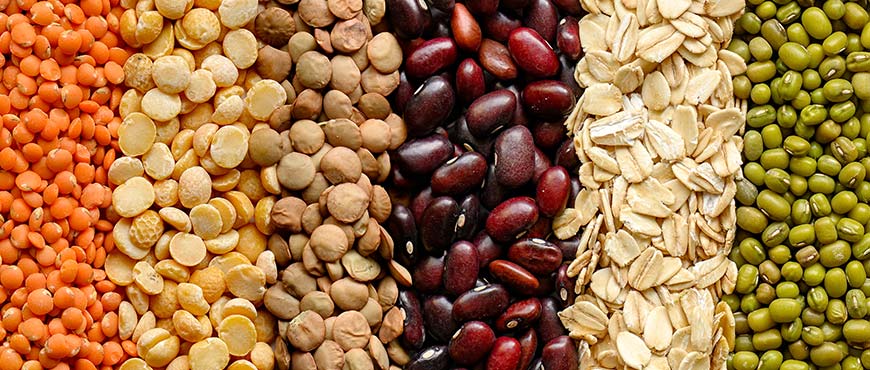
3) Whole Legumes and Lentils
Beans, chickpeas, lentils, and peas are powerful tools in a diabetes 2 reversal diet because they combine fiber, protein, and slow-digesting carbohydrates in an ideal metabolic ratio. Their low glycemic index prevents sharp blood sugar spikes, while their resistant starch feeds beneficial gut bacteria that improve insulin signaling.
Legumes have been shown in clinical studies to reduce HbA1c levels and improve long-term glucose control. The soluble fiber in legumes forms a gel-like structure in the gut, slowing glucose absorption and improving satiety. This helps regulate appetite hormones and reduces cravings for refined carbohydrates.
Legumes are also rich in plant polyphenols that lower inflammation and oxidative stress. Unlike refined grains, they stabilize energy levels for hours after meals. When eaten consistently, they help retrain the body’s glucose response, making them a sustainable carbohydrate source that supports reversal rather than restriction.
4) Nuts and Seeds
Almonds, walnuts, chia seeds, flaxseeds, and pumpkin seeds provide healthy fats, fiber, and plant protein that stabilize blood sugar and improve insulin sensitivity. Their fat content slows digestion, reducing the speed at which glucose enters the bloodstream.
Nuts are rich in magnesium and antioxidants, both linked to improved metabolic function. Research shows that regular nut consumption lowers fasting glucose and reduces inflammatory markers associated with diabetes complications. Seeds like flax and chia contain lignans and omega-3s that support hormonal balance and gut health.
These foods also increase satiety, reducing overeating and supporting gradual fat loss, a critical factor in improving insulin response. Because they are nutrient-dense and portable, they make ideal replacements for processed snacks that trigger glucose spikes.
Including nuts and seeds daily in a diabetes 2 reversal diet helps maintain stable energy, reduces cravings, and strengthens metabolic resilience.
5) Fermented Foods and Gut-Supportive Foods
Fermented foods such as yogurt, kefir, sauerkraut, kimchi, and traditional fermented vegetables improve gut microbiome diversity, which plays a major role in glucose regulation. A healthy gut influences insulin signaling, inflammation levels, and appetite hormones.
Research increasingly shows that people with type 2 diabetes often have reduced microbial diversity and higher levels of inflammatory gut bacteria. Fermented foods introduce beneficial probiotics that restore balance and improve metabolic communication between the gut and brain.
These foods also enhance nutrient absorption, helping the body use minerals essential for glucose metabolism. When paired with fiber-rich vegetables, they create a synergistic effect that strengthens the intestinal barrier and reduces systemic inflammation.
A healthier gut environment supports more stable blood sugar responses after meals and improves long-term metabolic flexibility. Including fermented foods regularly adds a powerful biological advantage to a diabetes 2 reversal diet.
How do daily habits accelerate results on a diabetes 2 reversal diet?

1) Consistent Meal Timing
One of the most underrated accelerators of a diabetes 2 reversal diet is eating on a consistent schedule. Irregular meal timing confuses the body’s metabolic rhythm and increases insulin volatility. When meals are spaced predictably, the body becomes more efficient at regulating glucose and insulin release.
Structured eating windows prevent constant snacking, which otherwise keeps insulin elevated all day and blocks fat burning. Over time, stable meal timing retrains circadian metabolism, the internal clock that influences hormone balance, digestion, and energy use.
Research shows that predictable eating patterns improve insulin sensitivity and reduce post-meal glucose spikes. Consistency also improves appetite hormones like ghrelin and leptin, helping control cravings.
When the body learns when to expect food, stress hormones decline, and glucose becomes easier to manage. This simple habit creates a stable metabolic rhythm that strengthens every dietary improvement.
2) Daily Movement and Muscle Activation
Regular physical activity acts like a natural insulin sensitizer. Muscles are one of the largest glucose storage organs in the body, and when they contract, they pull sugar out of the bloodstream without requiring as much insulin.
Even moderate daily movement walking after meals, light resistance training, stretching, or cycling significantly improves glucose uptake. Exercise also reduces visceral fat, the dangerous fat surrounding organs that worsens insulin resistance. Importantly, consistency matters more than intensity.
Short bursts of movement throughout the day can lower blood sugar more effectively than one long workout. Movement also improves mitochondrial function, meaning cells produce energy more efficiently. Better energy metabolism reduces fatigue and improves adherence to healthy habits.
Over time, daily muscle activation transforms the body into a more efficient glucose-processing system, accelerating the benefits of a diabetes 2 reversal diet.
3) Quality Sleep and Hormonal Reset
Sleep is a metabolic regulator, not just rest. Poor sleep increases cortisol and disrupts insulin signaling, leading to higher fasting blood sugar even when diet is controlled. Chronic sleep deprivation also raises hunger hormones and lowers satiety hormones, driving cravings for high-sugar foods.
Deep, consistent sleep allows the brain and endocrine system to reset insulin sensitivity overnight. Studies show that improving sleep quality can rapidly enhance glucose tolerance and reduce inflammation. Sleep also supports fat metabolism and appetite control, both essential for reversing insulin resistance.
Establishing a sleep routine consistent bedtime, low light exposure, and reduced screen time strengthens circadian alignment. When sleep improves, stress hormones fall and metabolic efficiency rises. This hormonal reset makes the body more responsive to dietary changes, allowing the diabetes 2 reversal diet to work faster and more effectively.
4) Stress Regulation and Cortisol Control
Chronic stress keeps the body in a constant “fight or flight” state, flooding the bloodstream with cortisol. Elevated cortisol increases blood sugar and blocks insulin from working efficiently. Even perfect nutrition struggles to overcome unmanaged stress.
Daily stress-regulation habits such as breathing exercises, meditation, yoga, sunlight exposure, or time in nature calm the nervous system and restore hormonal balance. Lower cortisol levels improve insulin sensitivity and reduce inflammatory signaling. Stress management also prevents emotional eating patterns that sabotage dietary progress.
When the nervous system shifts into a relaxed state, digestion improves and nutrient absorption becomes more efficient. The body exits survival mode and enters repair mode, where healing accelerates. A calm physiological environment allows glucose regulation systems to function properly, making every meal more effective within a diabetes 2 reversal diet.
5) Hydration and Blood Sugar Stability
Proper hydration is essential for glucose control because water directly influences blood viscosity and kidney function. When dehydration occurs, blood sugar becomes more concentrated, forcing the body to release more insulin. Adequate hydration helps the kidneys flush excess glucose through urine and supports stable circulation.
Drinking water before meals can also reduce appetite and prevent overeating, supporting gradual fat loss. Hydration improves cellular communication, allowing insulin to transport glucose more efficiently into tissues. Even mild dehydration increases fatigue and stress hormones, which can worsen insulin resistance.
Consistent fluid intake stabilizes energy levels and prevents false hunger signals often mistaken for cravings. Water-rich foods like cucumbers and leafy greens add to hydration benefits.
Maintaining optimal hydration creates a biochemical environment where blood sugar regulation operates smoothly, reinforcing the progress made through a diabetes 2 reversal diet.
What are the biggest mistakes people make on a diabetes 2 reversal diet?

1) Relying on “Diabetic” Processed Foods
Many people assume foods labeled “diabetic-friendly” automatically support a diabetes 2 reversal diet. In reality, these products are often highly processed and filled with artificial sweeteners, refined starches, and unhealthy fats. While they may reduce sugar temporarily, they do not improve metabolic health.
Some can even increase cravings and disrupt appetite regulation. A reversal-focused diet prioritizes whole, minimally processed foods that improve insulin sensitivity naturally. Depending on packaged substitutes instead of real food slows long-term progress and keeps the body trapped in a cycle of unstable blood sugar.
2) Fearing Healthy Fats
A common mistake is avoiding all fats out of fear that they worsen diabetes. In truth, healthy fats are essential for stabilizing blood sugar. Without adequate fat intake, meals digest too quickly, causing glucose spikes and energy crashes. Nuts, seeds, olive oil, and fatty fish slow carbohydrate absorption and improve satiety.
They also reduce inflammation, a core driver of insulin resistance. Eliminating fat often leads to overeating refined carbohydrates, which damages metabolic control. A diabetes 2 reversal diet uses healthy fats strategically to support hormones, appetite balance, and sustained glucose stability.
3) Ignoring Portion Awareness
Even healthy foods can disrupt progress when eaten in excess. Some people overconsume calorie-dense foods like nuts, grains, or fruit, assuming they are harmless because they are natural. Portion awareness matters because total energy balance influences insulin sensitivity and fat storage.
Overeating keeps insulin elevated and slows fat loss around organs, which is critical for reversal. The goal is not restriction but mindful eating. Balanced portions allow the body to use nutrients efficiently without overwhelming glucose regulation systems. Sustainable progress comes from consistency, not extremes.
4) Expecting Immediate Results
Impatience is another major obstacle. Some people abandon a diabetes 2 reversal diet because they expect instant transformation. Metabolic healing takes time. Insulin resistance develops over years and improves gradually as the body repairs itself.
Early improvements may be internal reduced inflammation or better insulin signaling before visible changes appear. Quitting too soon prevents these deeper adaptations. Consistency compounds benefits. Viewing the diet as a long-term lifestyle rather than a quick fix creates patience and adherence. Sustainable habits produce lasting reversal, while short-term thinking leads to relapse.
5) Neglecting Lifestyle Habits
Food alone cannot reverse diabetes if lifestyle habits remain unchanged. Poor sleep, chronic stress, and inactivity continuously elevate cortisol and worsen insulin resistance. Some people focus entirely on diet while ignoring movement, rest, and emotional health. This imbalance slows results.
A diabetes 2 reversal diet works best when paired with daily activity, quality sleep, and stress management. These habits create the hormonal environment needed for glucose stability. Ignoring them is like fixing one engine part while the rest malfunction. Whole-body habits accelerate dietary progress.
How does gut health influence a diabetes 2 reversal diet?

1) The Gut Microbiome and Insulin Sensitivity
The gut microbiome the trillions of bacteria living in your digestive tract acts like a metabolic control center that influences how the body processes glucose. A balanced microbiome improves insulin sensitivity by producing short-chain fatty acids that reduce inflammation and enhance cellular glucose uptake.
In people with type 2 diabetes, studies consistently show reduced bacterial diversity and a higher presence of inflammatory microbes. This imbalance interferes with insulin signaling and promotes blood sugar instability. A diabetes 2 reversal diet that emphasizes fiber-rich plants, fermented foods, and whole nutrients helps restore microbial balance.
As beneficial bacteria increase, they strengthen communication between the gut, liver, and pancreas. This improves metabolic efficiency and reduces systemic inflammation. A healthier microbiome essentially retrains the body’s glucose regulation system, making dietary strategies more effective and accelerating long-term blood sugar stabilization.
2) Inflammation Control and Gut Barrier Health
An unhealthy gut lining can become permeable sometimes called “leaky gut” allowing inflammatory compounds to enter the bloodstream. This triggers chronic low-grade inflammation, a major driver of insulin resistance. When inflammation rises, insulin receptors become less responsive, forcing the pancreas to produce more insulin.
Over time, this worsens metabolic stress. A diabetes 2 reversal diet supports gut barrier repair by including anti-inflammatory foods, probiotics, and prebiotic fibers that nourish protective bacteria. These nutrients strengthen the intestinal wall and reduce immune activation.
As gut integrity improves, inflammatory signaling drops and insulin function becomes more efficient. Lower inflammation also protects pancreatic beta cells responsible for insulin production.
By calming the immune system and restoring the gut barrier, the body shifts from a state of metabolic stress into one of repair, allowing glucose control systems to stabilize naturally.
3) Appetite Regulation and Hormonal Signaling
The gut plays a central role in regulating hunger hormones that influence blood sugar control. Beneficial gut bacteria help regulate hormones like GLP-1, leptin, and ghrelin, which control satiety and appetite. When gut health is compromised, these signals become distorted, increasing cravings for sugar and refined carbohydrates.
This leads to overeating and repeated glucose spikes. A diabetes 2 reversal diet rich in fiber, fermented foods, and resistant starch improves bacterial balance, restoring hormonal communication between the gut and brain. Stable appetite hormones reduce emotional eating and support consistent meal patterns.
This makes it easier to maintain portion control and prevent insulin overload. When hunger signals become reliable again, dietary changes feel sustainable rather than restrictive. Improved gut-driven hormone balance creates a feedback loop that reinforces healthy eating behaviors and stabilizes blood sugar long term.
4) Nutrient Absorption and Metabolic Efficiency
Gut health determines how effectively the body absorbs nutrients required for glucose metabolism. Vitamins and minerals such as magnesium, chromium, and B vitamins play essential roles in insulin signaling and energy production. A compromised gut reduces absorption efficiency, even if the diet appears healthy on paper.
This hidden deficiency can slow metabolic recovery. A diabetes 2 reversal diet supports digestive function through probiotic foods, plant diversity, and anti-inflammatory nutrients that improve enzyme activity and intestinal health. When nutrient absorption improves, cells gain the tools they need to process glucose efficiently.
Better metabolic efficiency reduces fatigue and improves energy balance, encouraging physical activity and healthy habits. A well-functioning gut ensures that every nutrient consumed contributes fully to blood sugar regulation, turning food into a therapeutic tool rather than just fuel.
What drinks support better results on a diabetes 2 reversal diet?

1) Water and Mineral-Rich Hydration
Water is the most powerful yet overlooked drink in a diabetes 2 reversal diet. Proper hydration helps dilute excess glucose in the bloodstream and supports kidney function, allowing the body to flush out surplus sugar. Even mild dehydration raises stress hormones and can increase blood sugar concentration.
Mineral-rich water, especially with natural electrolytes, improves cellular communication and insulin efficiency. Drinking water before meals may also reduce overeating and stabilize appetite. Unlike sweetened beverages, water places zero demand on insulin. Consistent hydration supports circulation, energy levels, and metabolic balance.
Making water the primary daily beverage creates a physiological environment where blood sugar control becomes smoother and more predictable.
2) Green Tea and Herbal Teas
Green tea contains catechins and polyphenols that improve insulin sensitivity and reduce inflammation, two critical factors in diabetes management. Studies suggest regular green tea intake may lower fasting glucose and support fat metabolism. Herbal teas such as cinnamon tea, ginger tea, and chamomile also contribute unique benefits.
Cinnamon may help regulate post-meal glucose, ginger supports digestion and inflammation control, and chamomile promotes relaxation and better sleep indirectly improving blood sugar regulation.
These drinks provide flavor without sugar while delivering plant compounds that enhance metabolic health. Replacing sugary beverages with unsweetened teas reduces glucose spikes and reinforces healthy habits within a diabetes 2 reversal diet.
3) Black Coffee (Without Sugar)
Plain black coffee, when consumed in moderation, can support metabolic function in a diabetes 2 reversal diet. Coffee contains bioactive compounds that improve insulin sensitivity and increase fat oxidation. Some research shows regular coffee drinkers have a lower risk of developing type 2 diabetes.
Caffeine also enhances alertness and physical performance, encouraging movement and activity that improve glucose uptake. However, benefits disappear when coffee is loaded with sugar, syrups, or creamers.
The goal is metabolic support, not hidden calories. Drinking coffee without additives preserves its antioxidant properties while avoiding glucose spikes. Moderation is key, as excessive caffeine may elevate stress hormones in sensitive individuals.
4) Fermented Drinks for Gut Health
Fermented beverages like unsweetened kefir and traditional probiotic drinks support the gut microbiome, which plays a major role in glucose regulation. Healthy gut bacteria improve insulin signaling, reduce inflammation, and influence appetite hormones.
Fermented drinks introduce beneficial microbes that strengthen the digestive barrier and enhance nutrient absorption. This creates a metabolic ripple effect that supports better blood sugar stability. It’s important to choose unsweetened versions, as many commercial probiotic drinks contain hidden sugars that counteract benefits.
When incorporated wisely, fermented beverages act as a biological ally, reinforcing the gut-health foundation of a diabetes 2 reversal diet and accelerating metabolic recovery.
Understanding the science behind a diabetes 2 reversal diet is powerful but real transformation happens when knowledge turns into daily action.
Many people struggle not because they lack information, but because they lack structure, accountability, and a clear step-by-step system. That’s where the HealthyWayFit program comes in.
It bridges the gap between theory and practice by providing guided support, practical meal strategies, habit coaching, and sustainable routines designed for real life.
Instead of navigating the journey alone, readers can follow a proven framework that simplifies decisions and accelerates results. If you’re ready to move from learning to doing, HealthyWayFit offers a supportive path toward lasting metabolic change.
HealthyWayFit — India’s Most Personal Diabetes Reversal Program
You’re told to “eat less,” “exercise more,” or “try another pill.” Yet your sugars remain stubborn, energy crashes continue, and every lab report feels like another warning. What’s missing isn’t willpower — it’s the right system.
That’s where HealthyWayFit comes in.
We are not another app, crash diet, or one-size-fits-all chart. HealthyWayFit is a 12-month, end-to-end Type 2 Diabetes Reversal Program designed exclusively for Indian professionals who want results that fit their lifestyle.
Over the past few years, our team has helped hundreds of Indians lower HbA1c, reduce medicine dependency, and—in many cases—achieve complete reversal of Type 2 diabetes.
Our tone is simple: empathetic, therapeutic, and committed. We listen first, design second, and support you every step of the way.
1) What Makes HealthyWayFit Different?
1. Personalized Nutrition You Can Actually Follow No fad superfoods or unrealistic smoothie charts. We use your ghar ka khana—dal, roti, rice, idli, dosa, paneer, sabzi—and align it with blood sugar control. No separate cooking, no family pressure. A plan that works whether you’re 35 or 85.
2. Metabolic Exercise for Type 2 Diabetes Control Our short, 15–20 minute metabolic routines target big muscle groups (legs, shoulders, glutes) and can lower sugar readings by 50–100 points. No gym, no equipment, just science-backed movements you can do at home.
3. Stress & Sleep Mastery Stress raises cortisol, which raises sugar. We equip you with practical tools—one-minute breathing practices, sleep optimization, and micro-habits—to keep your blood sugar stable, even on your busiest days.
4. Doctor-Led, Holistic Care Every client is guided by a Senior MD Diabetologist ensuring medical safety, while lifestyle coaches design food, exercise, and habit strategies. This unique blend of medical expertise and daily support is why our clients see true reversal.
5. Relentless Support & Accountability From weekly coaching calls and daily check-ins to festival, travel, and dining-out guides, we make sure your reversal journey adapts to real life, not the other way around.
2) What Results Can You Expect?
Most clients notice changes within 20–60 days: better energy, lighter mornings, and lower sugar readings. Over the year, we focus on long-term stabilization, so results are not just quick but sustainable for years to come.
3) Is HealthyWayFit Right for You?
If you’re a working professional or entrepreneur living with Type 2 diabetes, and can dedicate just 15–30 minutes daily, HealthyWayFit is built for you. This isn’t a crash course. It’s a life-changing reversal system personalized to your food, family, and lifestyle.
4) Take the Next Step
Your journey starts with a personal consultation where we understand your health history, challenges, and lifestyle. If we’re aligned, we’ll design a custom Type 2 Diabetes Reversal Plan built just for you.
Explore more at: healthywayfit Book your consultation here: calendly
Move beyond “managing” diabetes. With HealthyWayFit, you can reverse Type 2 diabetes—safely, sustainably, and with support at every step.
Frequently Asked Questions (FAQs)

1) Can beginners safely start a diabetes 2 reversal diet at home?
Yes, beginners can safely start a diabetes 2 reversal diet at home by focusing on whole foods, balanced meals, and gradual habit changes. It doesn’t require extreme restriction, only consistency and planning.
Starting slowly helps the body adapt without stress. However, people taking medication should monitor blood sugar and consult a healthcare professional to avoid sudden drops as insulin sensitivity improves.
2) What symptoms improve first on a diabetes 2 reversal diet?
Early improvements often include more stable energy, fewer sugar cravings, and reduced post-meal fatigue. Many people notice steadier blood sugar readings and better sleep within weeks.
As inflammation decreases, mental clarity and mood may improve. These early signals indicate that insulin resistance is beginning to ease, even before major weight or lab changes become visible.
3) Can a diabetes 2 reversal diet improve insulin sensitivity naturally?
Yes, a diabetes 2 reversal diet improves insulin sensitivity by reducing inflammation, lowering excess body fat, and stabilizing glucose intake. Whole foods, fiber, and healthy fats help cells respond better to insulin.
Over time, the pancreas faces less demand, and metabolic efficiency improves. This natural adjustment allows the body to regulate blood sugar more effectively without relying only on external intervention.
4) Does a diabetes 2 reversal diet work without medication?
For some individuals, consistent dietary and lifestyle changes can significantly reduce reliance on medication, but results vary. A diabetes 2 reversal diet addresses root causes, yet medication decisions should always be guided by a doctor.
As insulin sensitivity improves, medical supervision ensures safe adjustments. The goal is not rejecting medication, but creating conditions where the body functions better naturally.
5) How sustainable is a diabetes 2 reversal diet long term?
A diabetes 2 reversal diet is sustainable because it is built on real food and practical habits rather than temporary restriction. It emphasizes balance, not perfection.
Once routines become familiar, they feel like a lifestyle instead of a diet. Long-term sustainability comes from flexibility, enjoyment of food, and gradual behavior change that supports metabolic health without burnout.
Conclusion
Reversing type 2 diabetes is not about chasing quick fixes or following extreme diets, it’s about restoring how the body naturally regulates blood sugar through consistent, science-backed choices. A diabetes 2 reversal diet works because it aligns food, habits, and metabolism into one supportive system.
The essential foods stabilize glucose, daily habits strengthen insulin sensitivity, and gut health reinforces long-term balance. Together, these changes create a ripple effect that improves energy, reduces inflammation, and supports sustainable recovery.
Progress may be gradual, but every stable meal and healthy habit retrains the body toward resilience. With the right structure and guidance, reversal becomes a realistic goal rather than a distant hope. Whether you begin independently or with professional support, the key is commitment to daily action.
Over time, small disciplined steps compound into measurable transformation proving that metabolic healing is possible when the body is supported consistently.


