
.svg)
Type 2 diabetes is no longer viewed as a lifelong sentence of worsening health, growing evidence shows that targeted nutrition and lifestyle strategies can significantly improve insulin sensitivity and blood sugar regulation.
The best diet for diabetes reversal isn’t about extreme restriction or trendy fads; it’s about applying science-backed principles that address the root cause of the condition: insulin resistance.
Many people focus only on cutting sugar, but true metabolic improvement requires a smarter, structured approach that balances carbohydrates, protein, fats, meal timing, and food quality.
What makes this guide different is its focus on 11 little-known strategies that go beyond generic advice. These strategies combine practical dietary changes with metabolic insights that help stabilize glucose levels, reduce inflammation, and retrain the body to use insulin more effectively.
When applied consistently, they support sustainable habits rather than temporary fixes. Whether your goal is better blood sugar control, reduced medication dependence, or long-term disease prevention, understanding how the best diet for diabetes reversal works gives you a roadmap grounded in evidence not hype and designed for real-life success.
What is the best diet for diabetes reversal and how does it work?
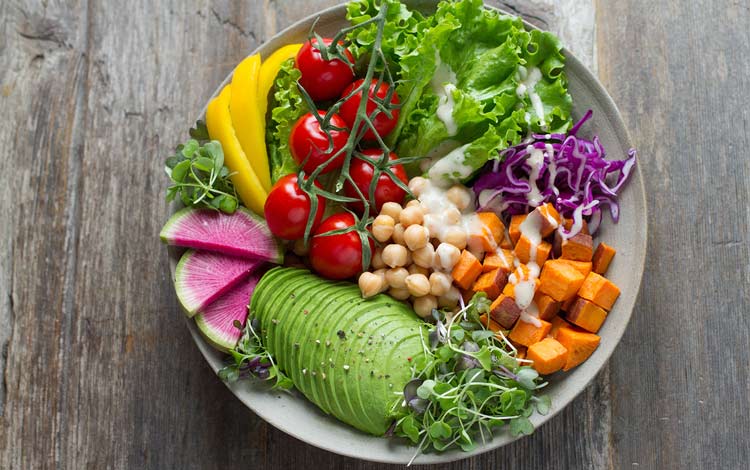
The best diet for diabetes reversal is a structured, evidence-based eating pattern designed to reduce insulin resistance, stabilize blood sugar, and restore metabolic flexibility.
Rather than focusing on a single “miracle food” or extreme restriction, it prioritizes whole, minimally processed foods that regulate glucose response and reduce chronic inflammation the core drivers of type 2 diabetes.
This dietary approach emphasizes high-fiber vegetables, quality proteins, healthy fats, controlled carbohydrate intake, and consistent meal timing to prevent blood sugar spikes and crashes. It shifts the body away from constant glucose overload and toward efficient energy use.
At its core, the best diet for diabetes reversal works by lowering the demand for insulin. When cells become resistant to insulin, the pancreas must overproduce it, eventually leading to metabolic dysfunction. By reducing refined carbohydrates, increasing nutrient density, and improving gut and liver health, the diet allows insulin sensitivity to gradually recover.
Over time, this can improve fasting glucose, HbA1c levels, energy metabolism, and fat storage patterns. Importantly, it is not a short-term diet, it is a sustainable metabolic reset that encourages lifelong eating habits aligned with human physiology.
Many people experience improved blood sugar control, reduced medication needs, and better overall health when the diet is applied consistently and paired with lifestyle strategies like movement and sleep optimization.
How does the best diet for diabetes reversal work:
- Reduces rapid blood sugar spikes by limiting refined carbs and ultra-processed foods
- Improves insulin sensitivity through high-fiber plant foods and balanced macronutrients
- Supports fat metabolism, helping the body rely less on constant glucose intake
- Lowers chronic inflammation linked to insulin resistance
- Stabilizes hunger hormones, reducing overeating and cravings
- Enhances gut health, which influences glucose regulation and metabolic signaling
- Promotes gradual fat loss, especially visceral fat that worsens diabetes
- Protects liver function, improving glucose storage and release
- Maintains steady energy levels by preventing sugar crashes
- Encourages consistent meal timing to train metabolic rhythms
- Reduces oxidative stress that damages insulin-producing cells
- Supports long-term habit formation rather than temporary dieting
Which foods should be included in the best diet for diabetes reversal?
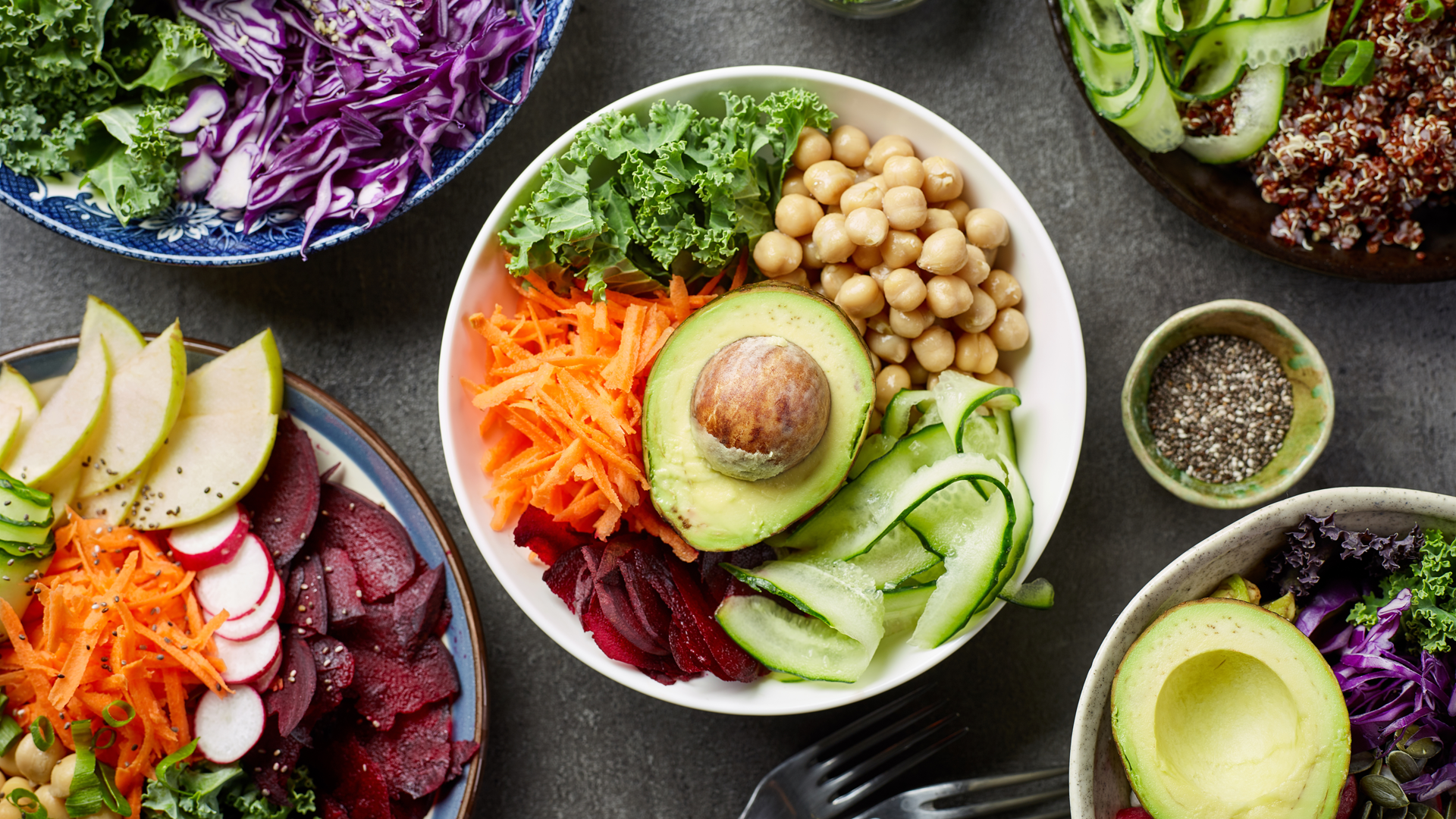
1) High-Fiber Non-Starchy Vegetables
Non-starchy vegetables form the foundation of the best diet for diabetes reversal because they provide fiber, antioxidants, and micronutrients without causing sharp blood sugar spikes. Foods like spinach, broccoli, cauliflower, zucchini, cabbage, cucumber, bell peppers, and leafy greens slow glucose absorption and improve insulin response.
Their high fiber content supports gut health, which plays a major role in metabolic regulation and inflammation control. These vegetables also add volume to meals, helping with satiety and weight management both critical for reversing insulin resistance. Regular consumption improves nutrient density while reducing the need for high-calorie processed foods.
The goal is not just calorie control but metabolic nourishment. Filling half the plate with colorful vegetables at most meals helps stabilize post-meal glucose levels and supports long-term habit formation that is sustainable, flexible, and compatible with diverse cuisines.
2) Quality Lean Proteins
Protein is essential in the best diet for diabetes reversal because it stabilizes blood sugar, reduces cravings, and preserves muscle mass, a key tissue for glucose storage. High-quality protein sources include eggs, fish, chicken, turkey, tofu, lentils, chickpeas, Greek yogurt, and cottage cheese.
Protein slows digestion, preventing rapid glucose release into the bloodstream and reducing insulin spikes after meals. It also promotes satiety hormones, helping regulate appetite and prevent overeating. Adequate protein intake supports metabolic repair and improves body composition by encouraging fat loss while maintaining lean tissue.
For people reversing diabetes, protein should be evenly distributed across meals rather than consumed in one large portion. This creates steady energy and reduces post-meal fatigue.
Choosing minimally processed protein sources is important, as processed meats can increase inflammation and cardiovascular risk, which are already elevated in people with diabetes.
3) Healthy Fats That Improve Insulin Sensitivity
Healthy fats play a powerful role in improving insulin sensitivity and reducing inflammation, making them a critical component of the best diet for diabetes reversal. Foods such as avocados, nuts, seeds, olive oil, fatty fish, and natural nut butters provide essential fatty acids that support hormone balance and cellular health.
Unlike refined carbohydrates, healthy fats do not spike blood sugar. Instead, they slow digestion and create steady energy release. Omega-3 fats found in fish like salmon and sardines help reduce systemic inflammation, a major contributor to insulin resistance.
Including moderate amounts of healthy fats in meals increases satiety and prevents constant hunger, which helps maintain consistent eating patterns. The key is balance,fats should replace processed carbs, not add excess calories.
When used strategically, they improve metabolic flexibility and help the body transition from sugar dependence to efficient fat utilization.
4) Low-Glycemic Whole Carbohydrates
Carbohydrates are not eliminated in the best diet for diabetes reversal, they are chosen carefully. Low-glycemic, fiber-rich carbohydrates provide steady energy without overwhelming the body with glucose. Examples include quinoa, oats, brown rice, sweet potatoes, beans, lentils, and whole fruits like berries and apples.
These foods digest slowly, preventing rapid blood sugar spikes and supporting sustained insulin function. Fiber acts as a metabolic buffer, slowing glucose absorption and feeding beneficial gut bacteria. Whole carbohydrates also provide vitamins, minerals, and phytonutrients that processed carbs lack.
The emphasis is on portion control and pairing carbs with protein and healthy fats to further moderate glucose response. This balanced approach allows flexibility and cultural adaptability while maintaining metabolic stability. Instead of fearing carbohydrates, the strategy focuses on quality, timing, and combinations that support long-term diabetes reversal.
Which 11 little-known strategies make the best diet for diabetes reversal more effective?
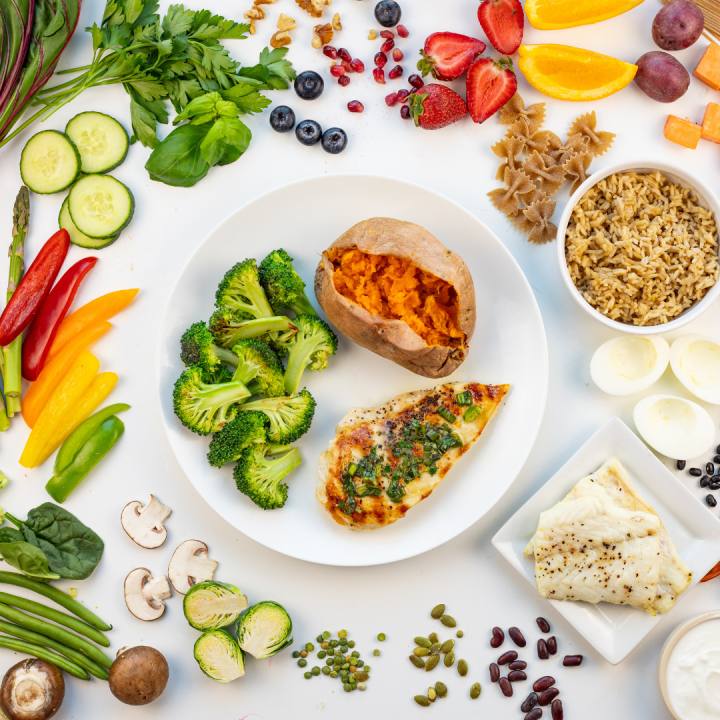
1) Strategic Meal Timing
Strategic meal timing improves the best diet for diabetes reversal by aligning food intake with natural insulin rhythms. Insulin sensitivity is typically higher earlier in the day and declines at night. Eating balanced meals at predictable times reduces prolonged glucose elevation and prevents late-night spikes.
Consistency trains metabolic hormones, stabilizes appetite, and lowers stress on the pancreas. Instead of random grazing, structured timing creates a rhythm the body can anticipate.
Over weeks, this reduces glucose variability and improves energy stability. Many people change what they eat but ignore when they eat yet timing can dramatically influence metabolic efficiency and long-term reversal progress.
2) Food Sequencing
Food sequencing focuses on the order foods are eaten to control blood sugar spikes. Starting meals with vegetables and protein before carbohydrates slows digestion and reduces rapid glucose absorption. Fiber and protein act as buffers, preventing sudden insulin surges.
This simple behavioral shift improves post-meal stability without eliminating foods. It also increases fullness, reducing overeating. Over time, lower glucose variability decreases metabolic stress and improves insulin sensitivity. Food sequencing works because it optimizes digestion rather than restricting pleasure or cultural foods.
Small adjustments like this compound daily, turning ordinary meals into metabolic tools that support sustained diabetes reversal.
3) Post-Meal Walking
A short walk after meals is one of the most effective yet overlooked strategies. Even 10–15 minutes of light movement activates muscles to absorb circulating glucose without heavy insulin demand. This lowers post-meal spikes and reduces pancreatic strain. Walking improves circulation, insulin signaling, and energy use immediately.
The key is consistency, not intensity. Regular post-meal movement trains the body to process carbohydrates more efficiently. Over time, this habit can noticeably improve glucose patterns. Many people focus only on diet, but pairing food with movement creates a powerful metabolic partnership that accelerates reversal results.
4) Protein Distribution Across Meals
Distributing protein evenly throughout the day stabilizes blood sugar and hunger hormones. Instead of consuming most protein in one meal, balanced portions at breakfast, lunch, and dinner improve satiety and reduce cravings. Protein slows digestion, preventing rapid glucose release.
It also preserves muscle tissue, which plays a central role in glucose storage. Consistent protein intake supports metabolic repair and steady energy. This strategy prevents energy crashes and emotional snacking.
When protein is strategically placed across meals, the body maintains better glucose control throughout the day, reinforcing the effectiveness of the best diet for diabetes reversal.
5) Fiber Loading Before Carbs
Fiber loading means intentionally eating fiber-rich foods before carbohydrate-heavy portions. Vegetables, salads, or legumes create a physical barrier in digestion that slows glucose entry into the bloodstream. This reduces insulin spikes and improves satiety. Fiber also nourishes beneficial gut bacteria that influence metabolic signaling.
The result is smoother glucose curves and less metabolic stress. Instead of fearing carbohydrates, fiber transforms how the body handles them. Over time, this strategy reduces daily glucose swings and supports insulin recovery. It’s a subtle shift that dramatically improves the metabolic response to everyday meals.
6) Sleep Optimization
Quality sleep is a hidden pillar of diabetes reversal. Poor sleep raises cortisol and stress hormones that increase blood sugar and insulin resistance. Even one night of sleep loss can impair glucose control. Prioritizing 7–9 hours of consistent rest improves hormone balance, appetite regulation, and insulin sensitivity.
Sleep restores the nervous system and reduces inflammation. Better sleep also lowers cravings for refined carbohydrates. When the body is rested, dietary strategies work more efficiently. Sleep is not passive recovery, it is an active metabolic repair process that amplifies every nutrition change applied during the day.
7) Stress Regulation
Chronic stress undermines dietary progress by elevating cortisol, which raises blood sugar and promotes fat storage. Stress management techniques like breathing exercises, meditation, or time outdoors activate the parasympathetic nervous system, allowing metabolic repair.
When the body feels safe, it processes glucose more efficiently. Reducing emotional stress also decreases impulsive eating. This strategy is biological, not psychological alone.
A calm nervous system improves insulin signaling and energy regulation. Managing stress creates an internal environment where the best diet for diabetes reversal can work at full capacity.
8) Strength-Based Movement
Strength-focused movement builds muscle, a primary storage site for glucose. More muscle tissue increases insulin sensitivity and daily glucose usage. Short bodyweight routines targeting legs, hips, and core produce strong metabolic effects. Unlike endless cardio, strength training reshapes how the body handles carbohydrates long-term.
It reduces visceral fat and improves resting metabolic rate. Muscle acts as a glucose sponge, lowering circulating sugar. Consistent resistance training accelerates reversal by improving nutrient partitioning. The goal is functional strength, not bodybuilding sustainable routines that reinforce dietary progress.
9) Hydration Timing
Proper hydration improves blood volume, circulation, and glucose transport. Mild dehydration raises cortisol and concentrates blood sugar levels. Drinking water consistently throughout the day supports kidney function and glucose clearance. Starting the day hydrated improves energy and appetite regulation.
Strategic hydration before meals may also reduce overeating. This simple habit enhances metabolic efficiency without dietary restriction. When hydration is optimized, cells function better and insulin signaling improves. Many overlook water intake, yet hydration is a foundational metabolic tool that strengthens every other reversal strategy.
10) Reducing Ultra-Processed Foods
Ultra-processed foods disrupt insulin signaling through additives, refined sugars, and inflammatory fats. Eliminating them reduces metabolic chaos and stabilizes hunger hormones. Whole foods digest predictably, while processed foods trigger rapid spikes and cravings. Removing these items lowers chronic inflammation and improves gut health.
The body becomes more responsive to insulin when dietary noise is reduced. This strategy simplifies decision-making: fewer packaged foods, more natural ingredients. Over time, the palate resets and cravings decrease, reinforcing long-term adherence to the best diet for diabetes reversal.
11) Habit Stacking for Consistency
Habit stacking links new behaviors to existing routines, making change automatic. Pairing a walk with dinner or hydration with morning coffee builds reliable cues. This reduces dependence on motivation and strengthens adherence. Diabetes reversal succeeds through repetition, not perfection. Habit stacking transforms strategies into daily rituals.
Over months, these small actions compound into major metabolic improvements. Consistency rewires behavior patterns and stabilizes lifestyle rhythms. The brain favors predictable routines, and when healthy habits are embedded into daily structure, the best diet for diabetes reversal becomes sustainable rather than effortful.
What lifestyle habits enhance the best diet for diabetes reversal?

1) Consistent Physical Activity and Muscle Engagement
Regular physical activity enhances the best diet for diabetes reversal by increasing the body’s ability to use glucose efficiently. Muscles act as a major storage site for blood sugar, and when they are active, they pull glucose out of circulation with less dependence on insulin.
This directly improves insulin sensitivity and reduces daily blood sugar fluctuations. Exercise also lowers visceral fat, the type of fat most strongly linked to insulin resistance. Importantly, activity doesn’t have to mean intense workouts. Sustainable movement habits, walking, strength training, stretching, and daily mobility create long-term metabolic benefits.
Consistency matters more than intensity. When paired with a structured diet, movement amplifies nutrient utilization and improves energy stability. Over time, this synergy retrains the body to process carbohydrates more efficiently and reduces metabolic stress.
- Aim for at least 30 minutes of daily walking
- Include strength training 2–3 times weekly
- Break up long sitting periods with movement
- Add light post-meal walks to reduce spikes
- Focus on consistency over intensity
2) Sleep Quality and Circadian Rhythm Alignment
Sleep is a metabolic regulator that strongly influences the effectiveness of the best diet for diabetes reversal. Poor sleep increases cortisol and disrupts hormones that control hunger and glucose balance. Even one night of sleep deprivation can reduce insulin sensitivity the next day.
Consistent, high-quality sleep allows the nervous system and endocrine system to reset, improving how the body processes nutrients. Circadian rhythm alignment, sleeping and waking at predictable times stabilizes metabolic signaling and reduces late-night cravings. Many people underestimate how deeply sleep impacts blood sugar patterns.
A strong sleep routine enhances dietary progress by lowering stress chemistry and improving energy regulation. When sleep improves, cravings decrease and dietary discipline becomes easier to maintain.
- Maintain a fixed sleep and wake schedule
- Target 7–9 hours of nightly sleep
- Reduce screen exposure before bedtime
- Keep the bedroom cool and dark
- Avoid heavy meals late at night
3) Stress Management and Hormonal Balance
Chronic stress quietly undermines the best diet for diabetes reversal by elevating cortisol, a hormone that raises blood sugar and promotes fat storage. Even with perfect nutrition, persistent stress keeps the body in a glucose-conserving survival mode. Effective stress management restores hormonal balance and improves insulin response.
Techniques like breathing exercises, meditation, journaling, or time in nature activate the parasympathetic nervous system, which promotes metabolic repair. Stress reduction is not optional, it is a biological requirement for reversal.
When the nervous system feels safe, the body becomes more willing to release stored energy and regulate glucose properly. This creates a supportive internal environment for dietary changes to take effect.
- Practice daily breathing or mindfulness exercises
- Schedule regular relaxation time
- Limit chronic overwork and burnout
- Spend time outdoors to reset stress hormones
- Build supportive social connections
4) Structured Eating Patterns and Habit Consistency
Consistency in eating patterns strengthens the impact of the best diet for diabetes reversal. Irregular meal timing confuses metabolic signals and increases glucose variability. Structured habits train the body to anticipate fuel, improving insulin coordination and hunger regulation.
When meals occur at predictable times, the pancreas and digestive system operate more efficiently. Habit consistency also reduces impulsive eating and emotional snacking. The goal is not rigidity but rhythm, creating a sustainable eating structure that supports metabolic stability.
Over time, repetition builds automatic healthy behavior, making reversal less dependent on willpower and more driven by routine.
- Eat meals at consistent daily times
- Avoid frequent grazing and random snacking
- Balance protein, fiber, and fats at each meal
- Plan meals ahead to reduce decision fatigue
- Develop repeatable weekly food routines
How long does it take to see results with the best diet for diabetes reversal?

1) Early Metabolic Changes (First 2–4 Weeks)
In the first few weeks of following the best diet for diabetes reversal, the body begins adjusting to a more stable glucose environment. Many people notice reduced post-meal blood sugar spikes within days as refined carbohydrates drop and fiber intake increases.
Energy levels often become steadier, and cravings start to decline because insulin swings are less dramatic. Water retention may decrease as the body releases stored glycogen, leading to early weight changes that reflect metabolic shifts rather than just fat loss.
These early improvements are important because they signal that insulin demand is lowering. However, this phase is primarily about internal recalibration. The pancreas and liver are beginning to operate under less stress, but full insulin sensitivity restoration takes longer.
Consistency during this stage sets the foundation for measurable clinical improvements in fasting glucose and daily glucose patterns.
2) Measurable Clinical Improvements (1–3 Months)
Between one and three months, structured adherence to the best diet for diabetes reversal often produces visible clinical progress. Fasting glucose levels may decline, and HbA1c, a marker of average blood sugar can begin trending downward. The liver reduces excess fat storage, improving glucose regulation, while muscle cells respond more efficiently to insulin.
Many individuals experience sustainable fat loss during this phase, especially around the abdomen, which strongly influences metabolic health. Appetite regulation becomes more predictable, and energy crashes decrease. For some people, healthcare providers may adjust medications as glucose control improves.
This phase reflects true metabolic healing rather than temporary changes. However, results vary based on starting insulin resistance, sleep quality, stress, and activity levels. Consistency matters more than perfection. Even moderate adherence can produce meaningful improvements when maintained steadily.
3) Long-Term Reversal and Stabilization (3–12 Months)
Long-term results emerge when dietary habits become a stable lifestyle rather than a temporary intervention. Between three and twelve months, insulin sensitivity can improve significantly if the best diet for diabetes reversal is paired with movement, sleep optimization, and stress control.
Fat stored in the liver and pancreas continues to decline, which is a critical factor in restoring glucose regulation. HbA1c may reach non-diabetic or near-normal ranges for some individuals. The body becomes metabolically flexible, meaning it can switch between using glucose and fat efficiently.
This stage is about maintenance and resilience. The goal is not rapid change but durable stability. People who sustain habits during this period often report improved mood, endurance, and long-term appetite control. Reversal is not a single event it is a gradual remodeling of metabolic systems that rewards patience and consistency.
If you’re looking for structured guidance instead of navigating diabetes reversal alone, this is where a professionally designed program can make the difference. Knowing what to eat is powerful but having expert support, accountability, and a step-by-step system turns knowledge into real, lasting results.
The HealthyWayFit program is built around the same evidence-based principles discussed here, helping you apply the best diet for diabetes reversal in a practical, personalized way. Rather than guesswork, you get a roadmap that simplifies decisions, supports habit formation, and keeps you consistent during the phases where most people lose momentum.
If you’re ready to move from information to transformation, HealthyWayFit offers a structured environment designed to accelerate progress while fitting into real life.
HealthyWayFit — India’s Most Personal Diabetes Reversal Program

You’re told to “eat less,” “exercise more,” or “try another pill.” Yet your sugars remain stubborn, energy crashes continue, and every lab report feels like another warning. What’s missing isn’t willpower — it’s the right system.
That’s where HealthyWayFit comes in.
We are not another app, crash diet, or one-size-fits-all chart. HealthyWayFit is a 12-month, end-to-end Type 2 Diabetes Reversal Program designed exclusively for Indian professionals who want results that fit their lifestyle.
Over the past few years, our team has helped hundreds of Indians lower HbA1c, reduce medicine dependency, and—in many cases—achieve complete reversal of Type 2 diabetes.
Our tone is simple: empathetic, therapeutic, and committed. We listen first, design second, and support you every step of the way.
1) What Makes HealthyWayFit Different?
1. Personalized Nutrition You Can Actually Follow No fad superfoods or unrealistic smoothie charts. We use your ghar ka khana—dal, roti, rice, idli, dosa, paneer, sabzi—and align it with blood sugar control. No separate cooking, no family pressure. A plan that works whether you’re 35 or 85.
2. Metabolic Exercise for Type 2 Diabetes Control Our short, 15–20 minute metabolic routines target big muscle groups (legs, shoulders, glutes) and can lower sugar readings by 50–100 points. No gym, no equipment, just science-backed movements you can do at home.
3. Stress & Sleep Mastery Stress raises cortisol, which raises sugar. We equip you with practical tools—one-minute breathing practices, sleep optimization, and micro-habits—to keep your blood sugar stable, even on your busiest days.
4. Doctor-Led, Holistic Care Every client is guided by a Senior MD Diabetologist ensuring medical safety, while lifestyle coaches design food, exercise, and habit strategies. This unique blend of medical expertise and daily support is why our clients see true reversal.
5. Relentless Support & Accountability From weekly coaching calls and daily check-ins to festival, travel, and dining-out guides, we make sure your reversal journey adapts to real life, not the other way around.
2) What Results Can You Expect?
Most clients notice changes within 20–60 days: better energy, lighter mornings, and lower sugar readings. Over the year, we focus on long-term stabilization, so results are not just quick but sustainable for years to come.
3) Is HealthyWayFit Right for You?
If you’re a working professional or entrepreneur living with Type 2 diabetes, and can dedicate just 15–30 minutes daily, HealthyWayFit is built for you. This isn’t a crash course. It’s a life-changing reversal system personalized to your food, family, and lifestyle.
4) Take the Next Step
Your journey starts with a personal consultation where we understand your health history, challenges, and lifestyle. If we’re aligned, we’ll design a custom Type 2 Diabetes Reversal Plan built just for you.
Explore more at: healthywayfit Book your consultation here: calendly
Move beyond “managing” diabetes. With HealthyWayFit, you can reverse Type 2 diabetes—safely, sustainably, and with support at every step.
Frequently Asked Questions (FAQs)

1) Can the best diet for diabetes reversal reduce insulin resistance naturally?
Yes. The best diet for diabetes reversal targets the root cause of insulin resistance by lowering refined carbohydrates, increasing fiber, and improving fat quality. These changes reduce chronic inflammation and stabilize blood sugar, allowing cells to respond to insulin more effectively.
Over time, consistent nutrition, movement, and sleep improvements help restore metabolic flexibility and reduce the body’s need to overproduce insulin.
2) What daily meal plan supports the best diet for diabetes reversal?
A supportive daily plan includes balanced meals built around vegetables, protein, healthy fats, and controlled whole carbohydrates.
Breakfast may include eggs and vegetables, lunch a protein-rich salad with olive oil, and dinner lean protein with fiber-rich vegetables and moderate grains. Snacks focus on nuts or yogurt. The goal is steady glucose release, portion control, and consistent meal timing.
3) Are carbohydrates allowed in the best diet for diabetes reversal?
Yes, carbohydrates are allowed, but quality and quantity matter. The best diet for diabetes reversal emphasizes low-glycemic, fiber-rich carbs like legumes, oats, quinoa, vegetables, and whole fruits.
These digest slowly and prevent sharp glucose spikes. Carbs are paired with protein and fats to moderate absorption. The strategy is not elimination but intelligent selection and portion awareness.
4) What mistakes prevent success on the best diet for diabetes reversal?
Common mistakes include extreme restriction, inconsistent meal timing, relying on processed “diet” foods, and ignoring sleep or stress. Many people focus only on sugar while overlooking total carbohydrate load and food quality.
Another mistake is expecting rapid results and quitting early. Sustainable reversal requires patience, consistency, and a full lifestyle approach, not short-term dieting.
5) How does the best diet for diabetes reversal stabilize blood sugar levels?
The diet stabilizes blood sugar by slowing glucose absorption through fiber, protein, and healthy fats. It reduces rapid spikes caused by refined foods and trains the body to use energy more efficiently.
Balanced meals create predictable insulin responses, preventing crashes and cravings. Over time, this steady pattern lowers metabolic stress and improves glucose regulation.
Conclusion
Reversing type 2 diabetes is not about chasing shortcuts or extreme diets, it’s about building a metabolic environment where the body can heal. The best diet for diabetes reversal works because it combines nutrition, timing, movement, sleep, and stress regulation into a unified strategy that reduces insulin resistance at its root.
Each small decision, the foods you choose, how you structure meals, how you move after eating, and how you care for recovery compounds into measurable progress. This is not a temporary intervention; it is a long-term shift toward metabolic stability.
The encouraging truth is that the body responds quickly when given the right conditions. With consistent application, many people see improvements in energy, glucose control, and overall health that once felt impossible. Structured guidance, accountability, and a supportive system can accelerate this journey and make it sustainable.
Diabetes reversal is not about perfection, it’s about steady, informed action that turns daily habits into lifelong protection for your health.


