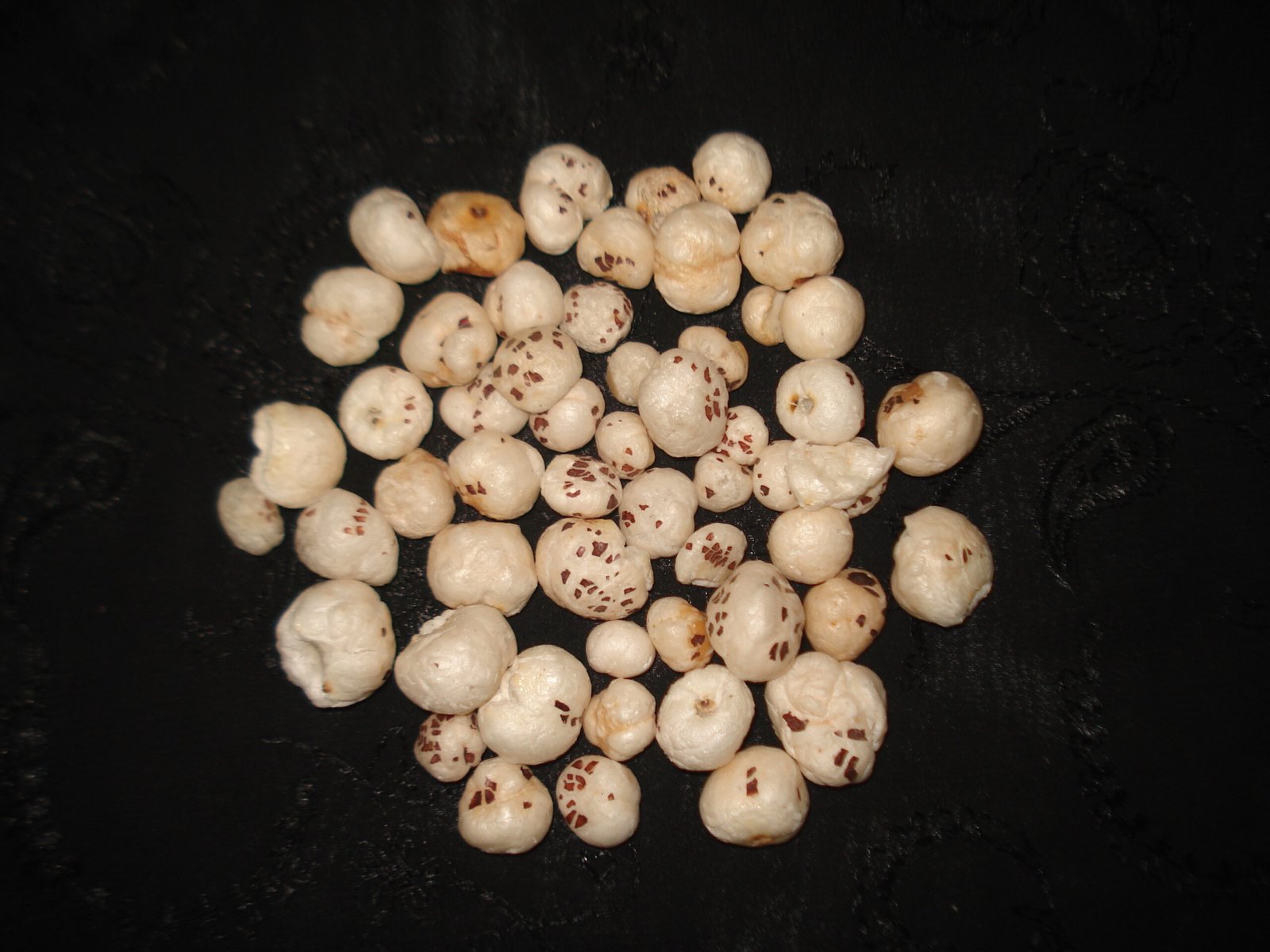
Makhana — the puffed, crunchy seeds that have been a staple of Indian fasting foods and wedding sweets for centuries — has recently attracted serious scientific attention as a potential ally in managing type 2 diabetes. Research suggests that makhana’s low glycemic index, high dietary fibre, and very low fat content set it apart from most other carbohydrate-rich snacks. At the same time, the picture is more nuanced than a simple yes-or-no answer, and the clinical evidence in humans, while promising, is still early.
This article examines what the science actually says: makhana’s nutritional composition, its measured glycemic index from human trials, the results of a 2024 ICMR-NIN clinical study, and practical guidance on how much to eat and in which forms.
Table of Contents
- What Is Makhana?
- Makhana’s Nutritional Profile
- Glycemic Index of Makhana
- How Makhana Affects Blood Sugar
- What Research Says About Makhana and Diabetes
- Diabetes-Friendly Ways to Eat Makhana
- How Much Makhana Can a Person With Diabetes Eat?
- When to Talk to Your Doctor
- Frequently Asked Questions
- The Bottom Line
What Is Makhana?
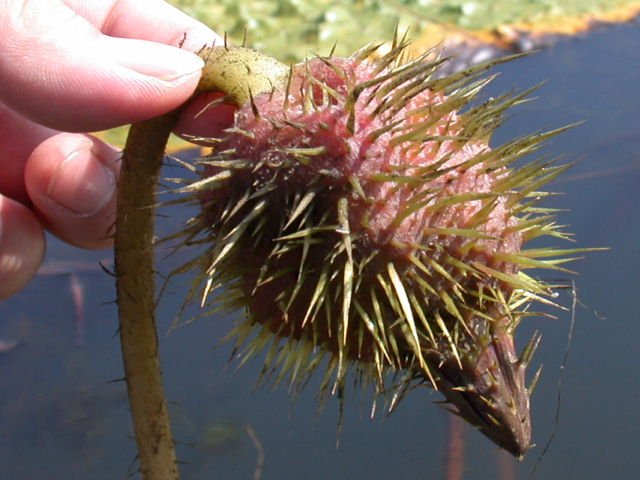
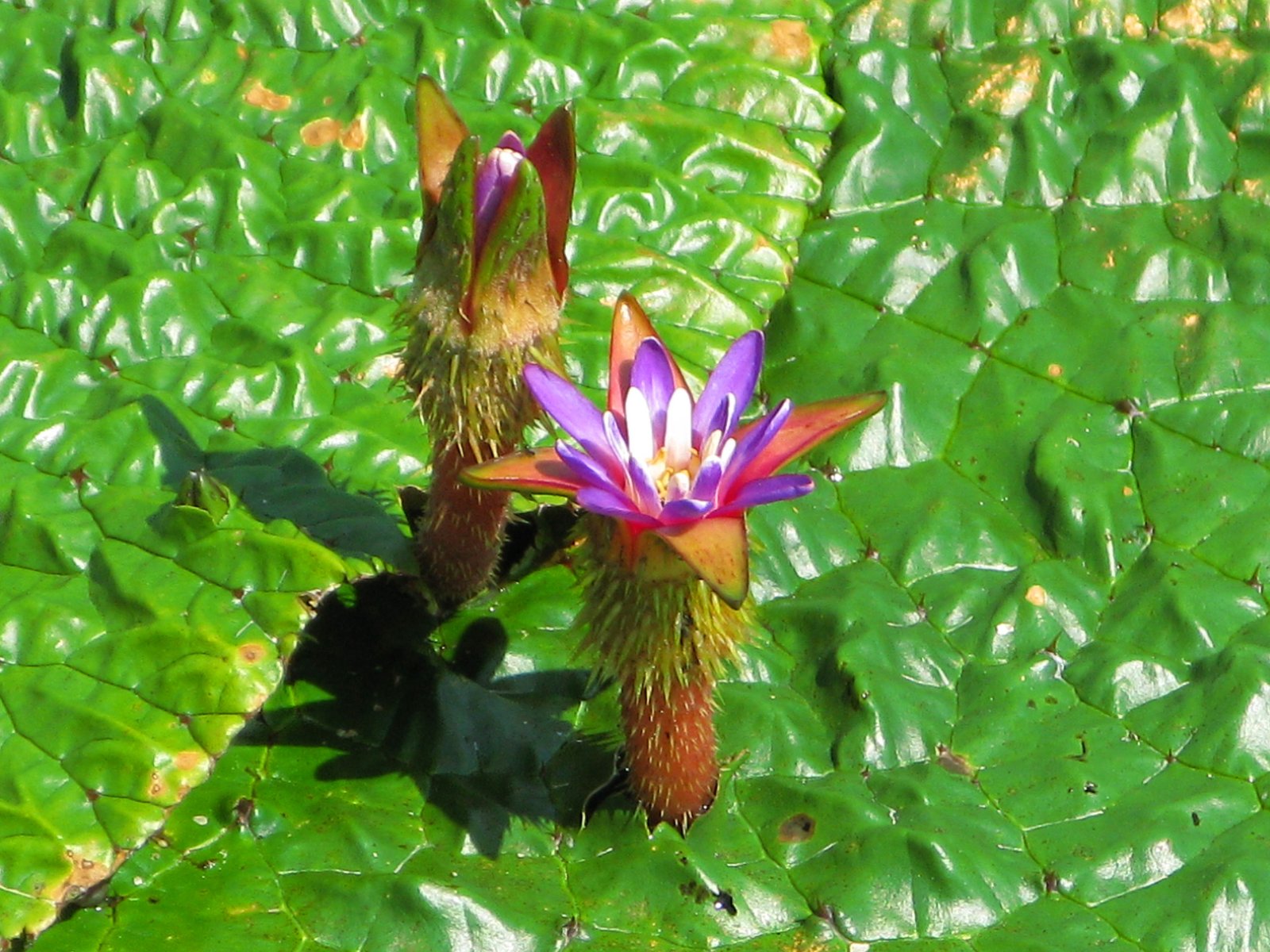
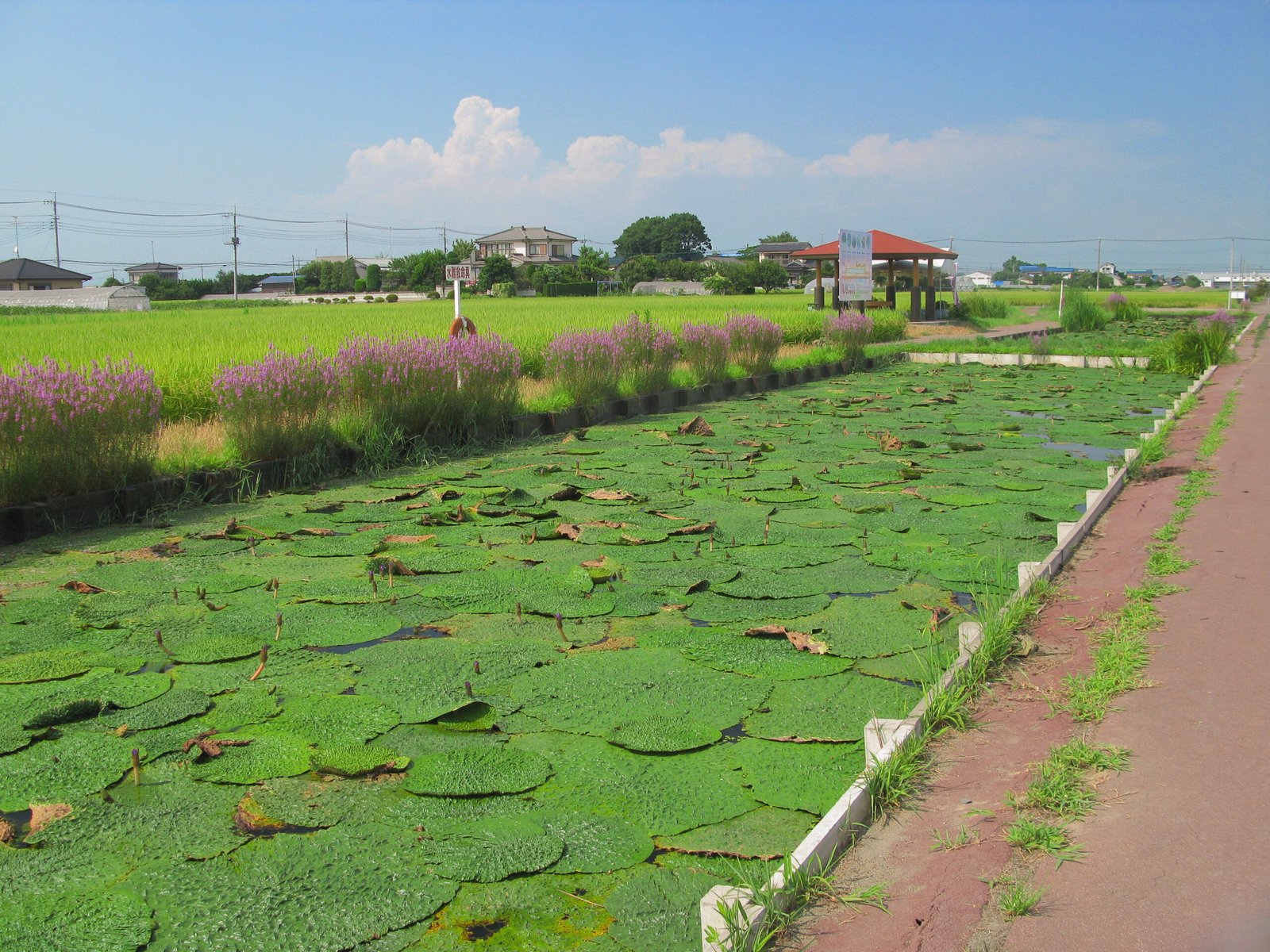
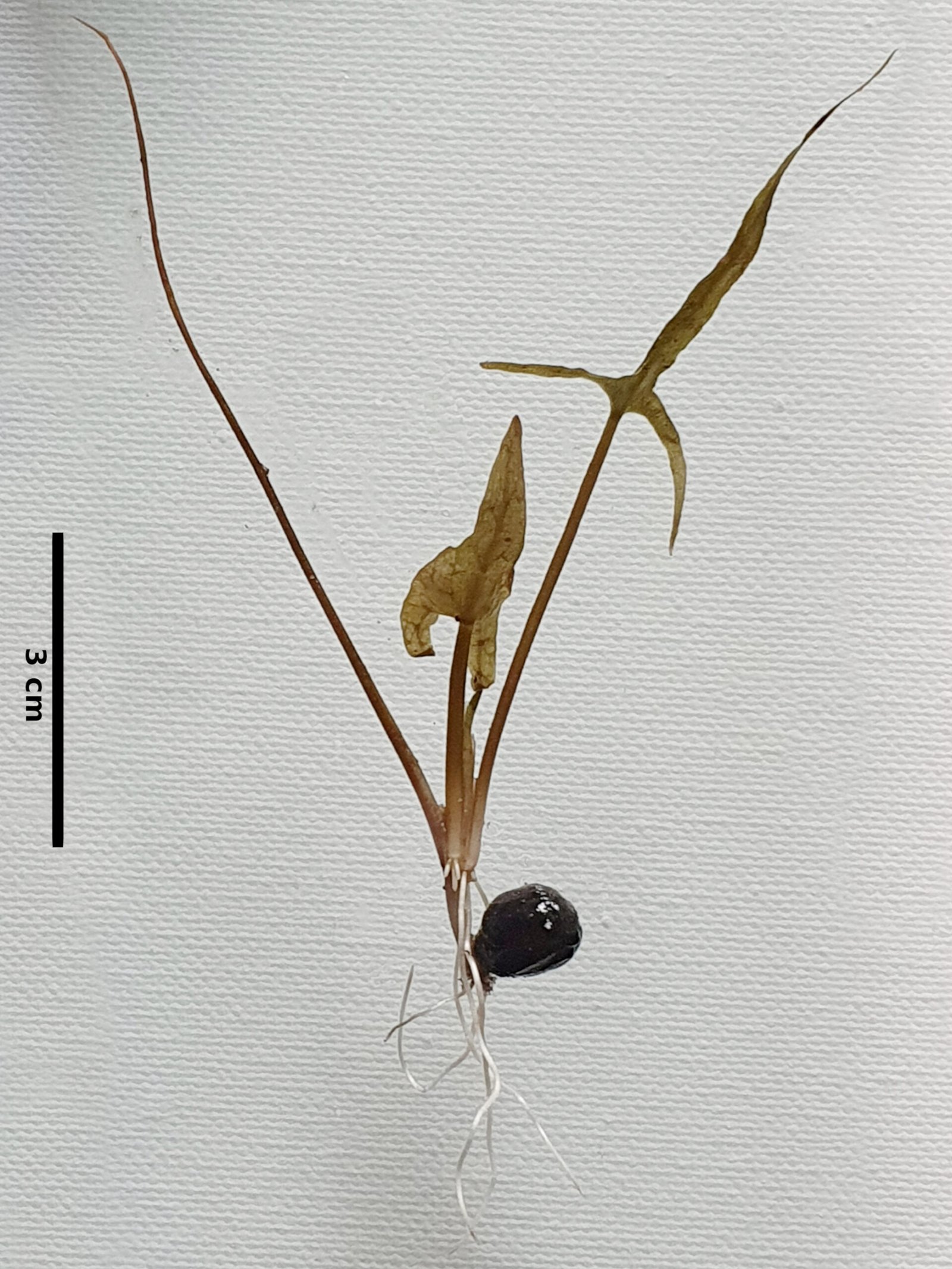
Makhana (also called phool makhana, fox nuts, or lotus seeds) are the puffed, edible seeds of Euryale ferox Salisb., a thorny aquatic plant in the water lily family. The plant grows in still, shallow water bodies across eastern India — particularly in the Mithila region of Bihar and Jharkhand — as well as in parts of China, Japan, and Korea. India produces over 85% of the world’s makhana supply, and the Bihar variety has received a Geographical Indication (GI) tag under the name Mithila Makhana.
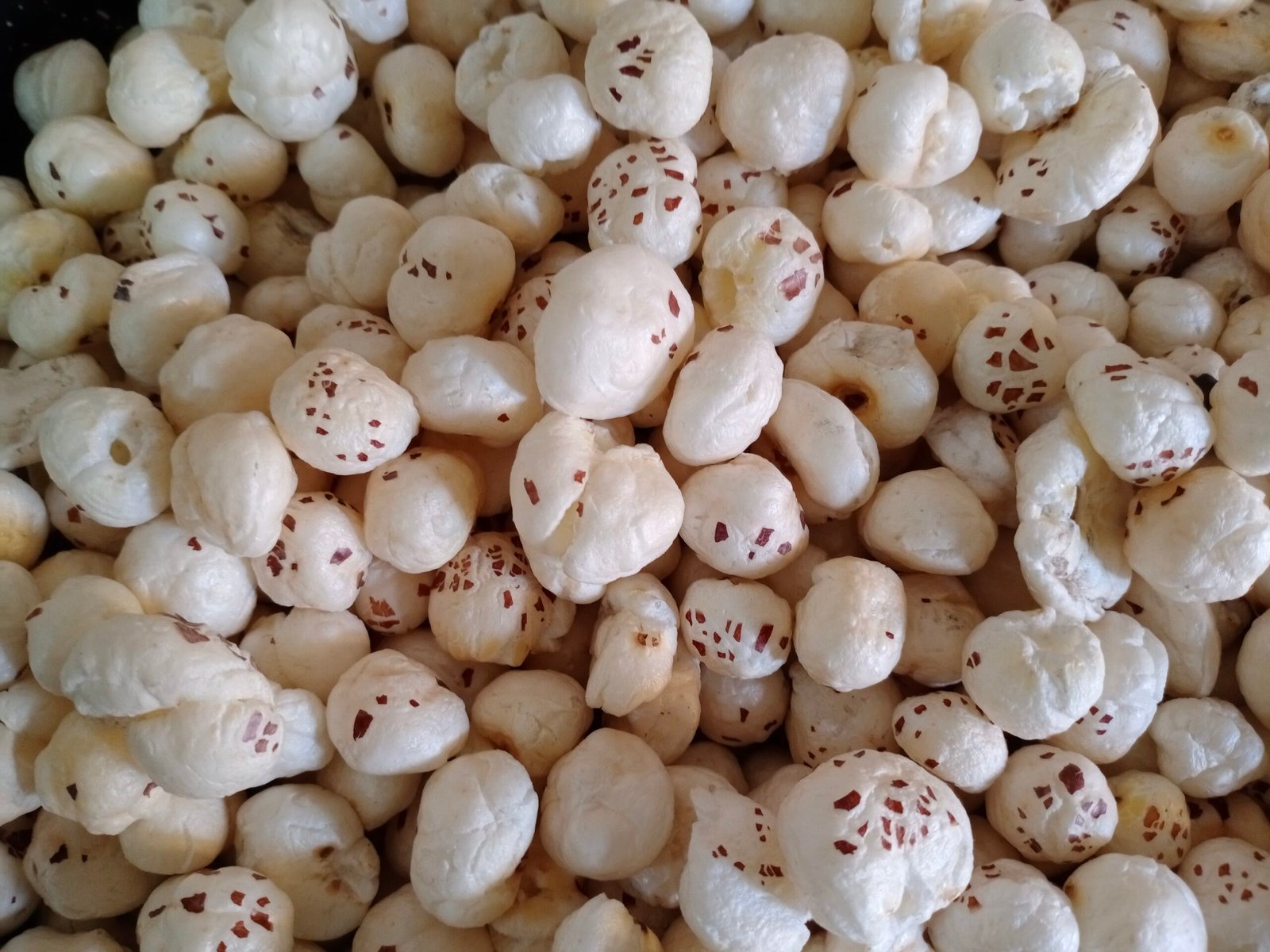
The seeds are harvested from the plant’s spiny fruit, then dried and roasted at high temperatures until they pop — producing the light, white, crunchy “puffs” sold as makhana. This high-heat processing is what makes them shelf-stable and gives them their distinctive texture.
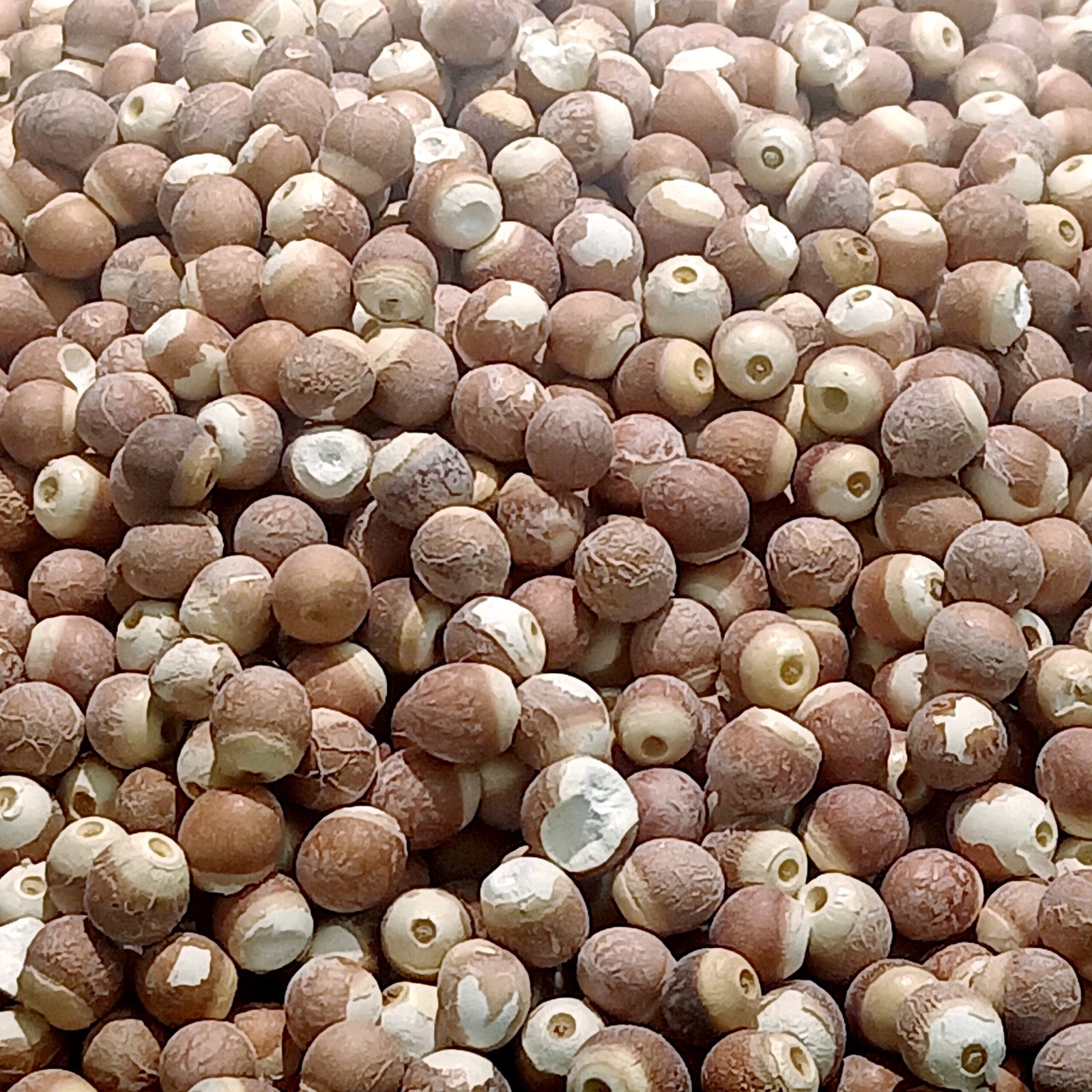
Makhana is not to be confused with roasted lotus seeds (Nelumbo nucifera), which come from a different plant, though both are sometimes marketed interchangeably in Western countries.
Makhana’s Nutritional Profile
The nutritional composition of dried, puffed makhana per 100 grams is as follows, based on published food composition data:
| Nutrient | Per 100 g |
|---|---|
| Energy | ~350 kcal |
| Carbohydrates | ~77 g |
| Dietary fibre | ~7.6 g |
| Protein | ~9.7 g |
| Total fat | ~0.1 g |
| Potassium | ~500 mg |
| Calcium | ~60 mg |
| Iron | ~1.4 mg |
| Sodium | Negligible (unflavoured) |
Important context for diabetes: The carbohydrate figure of 77 grams per 100 grams looks high in isolation, but makhana is almost never eaten in 100-gram amounts. A typical serving — a small bowl of roughly 25–30 grams — provides about 19–23 grams of carbohydrate, which is comparable to two tablespoons of rice. Combined with makhana’s low glycemic index (covered in the next section), this means the glycemic load per serving remains modest.
What is genuinely unusual about makhana compared to other carbohydrate-rich snacks is its almost zero fat content (0.1 g per 100 g). Most nuts, seeds, and packaged snacks are high in fat. Makhana’s fat-free profile means its calories come almost entirely from complex carbohydrates and fibre.
The 7.6 grams of dietary fibre per 100 grams is also notably high — roughly the same as cooked lentils — and this plays an important role in its effect on blood sugar.
Glycemic Index of Makhana
The glycemic index (GI) measures how quickly a food raises blood glucose compared to pure glucose (GI = 100). Foods with a GI below 55 are classified as low GI.
A 2021 study published in Food Production, Processing and Nutrition (DOI: 10.1186/s43014-021-00081-x) measured the GI of roasted fox nuts (Euryale ferox) in human subjects. The study found:
- Glycemic index: 37 (classified as low GI)
- Glycemic load: 9.26 (for a standard serving)
- Incremental area under the curve (iAUC): 86.30 mmol·min/L for makhana versus 232.67 mmol·min/L for the glucose reference — meaning makhana triggered roughly one-third the blood sugar response of pure glucose
A GI of 37 places makhana in the same category as most legumes, steel-cut oats, and low-fat dairy. It is well below white rice (GI ~73), white bread (GI ~75), and most commercially available packaged snacks.
The glycemic load of 9.26 for a standard serving is considered low to moderate, reinforcing that makhana does not trigger a significant blood sugar spike when eaten in typical snack portions.

How Makhana Affects Blood Sugar
Three nutritional properties explain why research suggests makhana has a relatively muted effect on postprandial (after-meal) blood glucose:
1. High Dietary Fibre Slows Glucose Absorption
Makhana’s 7.6 grams of fibre per 100 grams forms a gel-like material in the digestive tract that slows the breakdown and absorption of carbohydrates. This flattens the postprandial glucose curve — glucose enters the bloodstream more gradually rather than spiking sharply. This fibre-based buffering is the most significant factor in makhana’s low GI.
2. Complex Carbohydrate Structure
Unlike simple sugars or highly refined carbohydrates, the starch in makhana appears to be digested more slowly due to its physical structure — particularly in the puffed form after high-heat processing. The 2021 Food Production, Processing and Nutrition study confirmed this slower digestion rate through the iAUC measurement.
3. Very Low Fat — No Caloric Density Problem
One of the main concerns with managing type 2 diabetes is overall caloric intake and body weight. Because makhana contains almost no fat (0.1 g per 100 g), it delivers its carbohydrate and fibre in a relatively low-calorie package compared to other snacks. A 30-gram serving provides about 105 calories, making portion control easier.
What Research Says About Makhana and Diabetes
ICMR-NIN Clinical Trial (2024)
The most significant human evidence comes from a pilot randomised controlled trial conducted by the Indian Council of Medical Research’s National Institute of Nutrition (ICMR-NIN). The study enrolled 92 adults aged 20–60 with confirmed type 2 diabetes and randomised them into three groups over 12 weeks:
- Makhana group: Replaced their dinner with rotis made from makhana flour
- Rice flour group: Replaced dinner with rice-flour rotis (comparison)
- Control group: Maintained their regular diet
Key findings:
- The makhana group showed a statistically significant reduction in HbA1c — the standard 3-month blood sugar marker — compared to both comparison groups
- The rice-flour and control groups showed a slight worsening in blood sugar markers over the same period
- The makhana group’s waist circumference fell by nearly 4 cm
- Serum albumin and total protein rose significantly in the makhana group, suggesting improved nutritional status
- No adverse events were recorded; liver function, kidney function, and inflammatory markers stayed within normal limits throughout the trial
- Participants found the makhana rotis acceptable, filling, and familiar
Lead investigator Dr Mahesh Kumar Mummadi described the results as showing “a clear signal of benefit” and noted that larger, multi-centre trials across India would be the logical next step.
The ICMR-NIN team identified this as the first controlled human trial using a makhana-based food intervention. Earlier evidence had come exclusively from animal studies and in-vitro experiments.
What the Research Does Not Yet Show
It is important to be honest about the evidence’s current limitations:
- The ICMR-NIN trial was a pilot study with 92 participants — large enough to generate a meaningful signal but not definitive
- The comparison food was rice-flour rotis, not a whole-food control, which limits how the result generalises
- Most prior research on Euryale ferox used concentrated extracts in animal models — not the same as eating whole puffed makhana in typical amounts
- One earlier animal study (Ahmed et al.) that showed impressive blood-glucose reductions was subsequently retracted and should not be cited as evidence for human benefit
The ICMR-NIN pilot is therefore encouraging but should be understood as preliminary evidence, not a confirmed clinical benefit equivalent to medication.

Diabetes-Friendly Ways to Eat Makhana
The form in which makhana is eaten — and what it is paired with — significantly affects its glycemic impact.
Best Preparations
Plain roasted makhana (dry roasted, no oil or salt): This is the gold standard for blood sugar management. A 25–30 g serving provides approximately 100 calories, 7g of fibre from the serving, and a low glycemic load. It makes an excellent mid-meal snack that is significantly better than puffed rice (muri), crackers, or namkeen.
Makhana with a protein source: Pairing makhana with a handful of unsalted peanuts, a serving of paneer, or a cup of plain curd (yogurt) further reduces the combined glycemic response. The protein stimulates incretin hormones, which support insulin release and slow gastric emptying.
Makhana khichdi or pulao with vegetables: Including makhana in a savoury dish with low-GI vegetables (spinach, capsicum, mushrooms) and a small amount of lentils creates a balanced meal with fibre from multiple sources. This is consistent with the ICMR-NIN approach of incorporating makhana as a staple food rather than just a snack.
Makhana roti or paratha with minimal oil: The ICMR-NIN trial used makhana flour rotis specifically. If you can source makhana flour or grind makhana in a dry blender, mixing it with whole wheat flour (60:40 ratio) produces rotis with a lower glycemic index than standard whole wheat alone.
Preparations to Limit or Avoid
Makhana kheer (milk pudding with sugar): Traditional makhana kheer recipes include significant amounts of added sugar, full-fat milk, and sometimes condensed milk. The added sugar negates makhana’s low-GI advantage. If you enjoy makhana kheer, use unsweetened almond or oat milk, eliminate added sugar, and add a small amount of stevia or dates for sweetness.
Flavoured or salted commercial makhana: Many commercially packaged makhana products add significant amounts of oil, salt, sugar, or flavourings. These may dramatically increase sodium and caloric content. Always check the nutritional label; plain roasted makhana should have minimal ingredients.
Large portions eaten quickly: Even a low-GI food will raise blood sugar if consumed in very large amounts rapidly. Eating makhana slowly, chewing well, and stopping at the recommended portion size is important.
How Much Makhana Can a Person With Diabetes Eat?
There is no single universal serving size, as individual blood sugar responses vary. That said, common guidance from registered dietitians and clinical nutrition reviews suggests:
- 25–30 grams per snack is a reasonable starting portion for most adults managing type 2 diabetes — this provides roughly 100 calories and approximately 7g fibre from the serving
- 50–60 grams per day is generally considered appropriate within a balanced diet, keeping in mind makhana’s high carbohydrate content
- People using continuous glucose monitors (CGMs) may find it useful to test their personal response to makhana — some individuals have a more pronounced postprandial glucose rise than others for the same food
- Including makhana in a meal alongside protein (legumes, low-fat dairy, egg whites) and vegetables provides better glycaemic outcomes than eating makhana alone as a standalone snack on an empty stomach
Pairing makhana with fibre-rich vegetables or a protein source is recommended regardless of portion size, as this combination produces a more stable postprandial glucose profile.
Makhana is also a suitable option for people managing an Indian vegetarian diabetic meal plan, where finding low-GI, vegetarian snack options can be challenging.

When to Talk to Your Doctor
While makhana is generally well-tolerated by people with diabetes, specific situations warrant personalised medical advice:
- Frequent blood sugar spikes after eating makhana: If your glucose readings consistently rise sharply after meals that include makhana, discuss this with your healthcare provider. Some people are more carbohydrate-sensitive than average.
- Kidney disease (CKD): Makhana contains moderate amounts of potassium (500 mg per 100 g). People on a potassium-restricted diet due to CKD stage 3+ should consult their nephrologist or dietitian before including makhana regularly.
- Taking insulin or sulphonylureas: Significant dietary changes — including switching to makhana flour rotis as a staple — are worth discussing with your prescribing doctor to avoid unexpected hypoglycaemia.
- Weight management goals: Because makhana is calorie-dense at scale (350 kcal per 100 g), people aiming to reduce caloric intake should factor it into their overall daily targets.
This article does not replace a consultation with a qualified medical professional. Blood sugar management is individual, and what works for one person may not be appropriate for another.
Frequently Asked Questions
Is makhana good for diabetes?
Research suggests that makhana’s low glycemic index (GI 37), significant dietary fibre (7.6g per 100g), and very low fat content make it a suitable snack for most people managing type 2 diabetes. A 2024 ICMR-NIN pilot trial showed that replacing dinner with makhana flour rotis significantly reduced HbA1c in 92 adults with T2D over 12 weeks.
Does makhana raise blood sugar?
In a measured study of human subjects, makhana triggered roughly one-third the blood sugar response of pure glucose. A 25–30 g serving has a low glycemic load. Plain roasted makhana eaten in typical snack amounts is unlikely to cause a significant blood sugar spike in most people with type 2 diabetes.
Is makhana better than puffed rice (muri) for diabetes?
Yes. Puffed rice has a high glycemic index (GI ~82–87), while makhana’s measured GI is 37. For the same snacking situation, makhana is a significantly better choice for people managing blood sugar levels.
Can a person with diabetes eat makhana daily?
Research does not indicate a reason to avoid makhana daily in moderate amounts. A serving of 25–30 grams per snack occasion, as part of a balanced diet, is generally reasonable. People with kidney disease or severe carbohydrate sensitivity should check with their healthcare provider.
Is makhana kheer good for diabetes?
Traditional makhana kheer made with added sugar and full-fat milk is not suitable for people managing blood sugar, because the added sugar’s high GI negates makhana’s benefit. A modified version using unsweetened milk, no added sugar, and sweetened naturally with a small amount of dates can be acceptable in modest portions.
Is makhana better for diabetes than bajra?
Both are useful diabetic-friendly foods. Bajra (pearl millet) is generally lower in GI (38–41) and provides more protein per 100g (~12g). Makhana is lower in fat and calories. Both have a place in an Indian diabetic diet — the choice depends on preparation context (makhana is better as a dry snack; bajra is better for rotis or porridge).
The Bottom Line
Makhana offers several properties that make it a useful food for people managing diabetes. Its glycemic index is low (37), its dietary fibre content is high (7.6 g per 100 g), and its near-zero fat content means it can be eaten without the caloric concerns that apply to most other snacks. The ICMR-NIN pilot trial — the first controlled human study of makhana for diabetes — found that replacing dinner with makhana flour rotis significantly reduced HbA1c and waist circumference in adults with type 2 diabetes over 12 weeks, with no adverse effects.
The nuance comes from the size of the evidence base. This is an encouraging pilot trial, not a large definitive study, and the high raw carbohydrate count (77g per 100g) means portion control still matters. Plain roasted makhana in 25–30 g servings, eaten slowly and ideally alongside a protein source, is the evidence-informed approach.
For the best outcomes, makhana fits into a broader whole-food dietary pattern — not as a standalone superfood, but as a sensible replacement for high-GI snacks like puffed rice, crackers, or namkeen.
For personalised guidance on your diet and diabetes management, consider speaking to a registered dietitian or your healthcare provider.
If you are looking for a structured programme to manage your blood sugar through diet and lifestyle changes, HealthyWayFit’s free training is a good place to start.
Medical Disclaimer: This article is for informational purposes only and is not a substitute for professional medical advice, diagnosis, or treatment. Always consult a qualified healthcare provider before making changes to your diet or diabetes management plan.
By Team HealthyWayFit
Sources:
- Dhar P, Ojha D, Bhardwaj S, Mitra S, Bhattacharyya D. Nutritional composition and health benefits of fox nut (Euryale ferox Salisb.). Food Production, Processing and Nutrition. 2021;3(1):30. doi:10.1186/s43014-021-00081-x
- ICMR-NIN Clinical Trial: Makhana rotis at dinner cut blood sugar in Type 2 diabetics. Lead investigator: Dr Mahesh Kumar Mummadi. ICMR Consortium Research Project on Secondary Agriculture, 2024. 92 participants, 12 weeks.
- Indian Council of Medical Research – National Institute of Nutrition (ICMR-NIN). Dietary Guidelines for Indians 2024. Hyderabad: ICMR-NIN; 2024.