Is Bajra Good for Diabetes? What Research Says in 2026
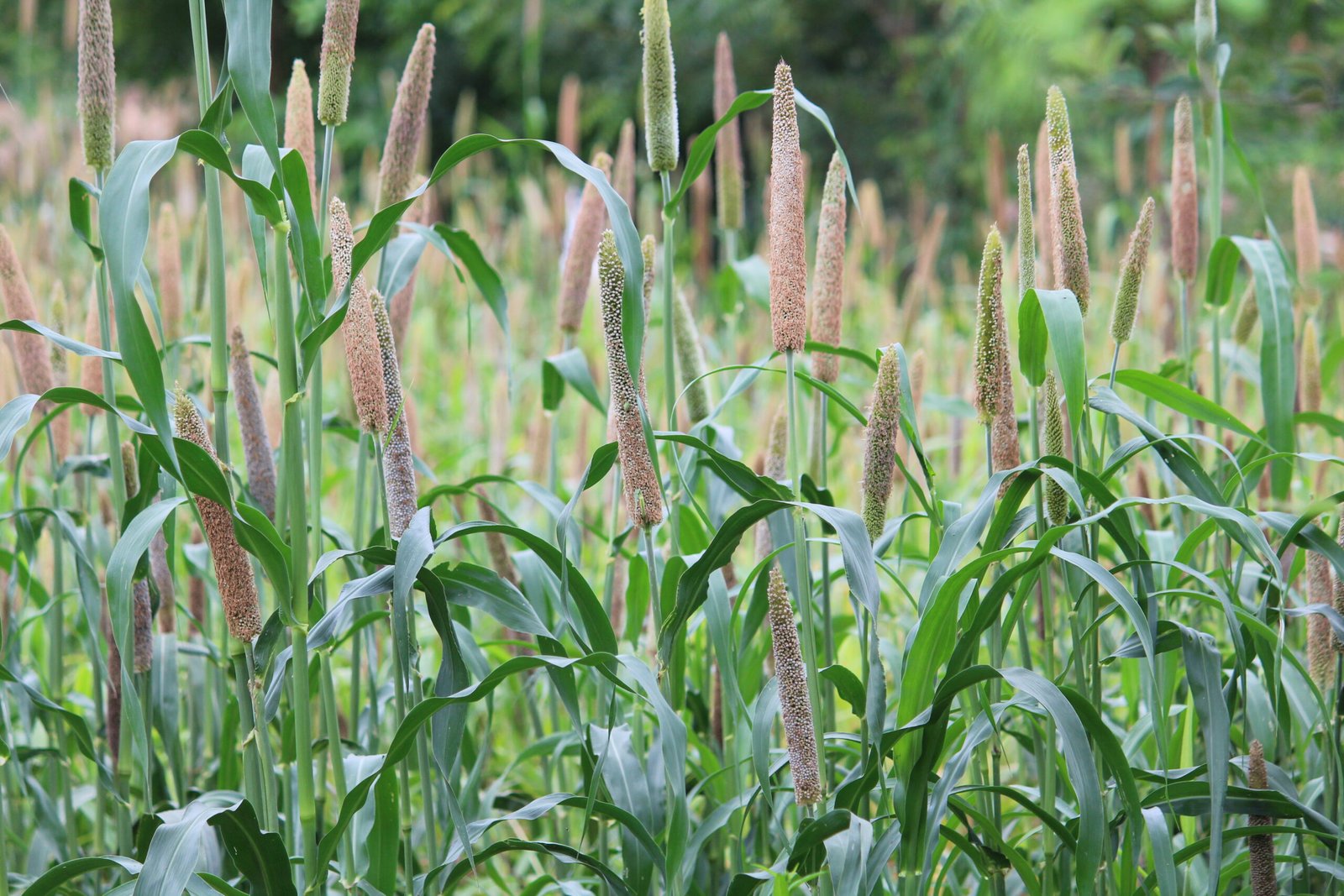
If you have diabetes and follow an Indian diet, you have probably heard that bajra roti is “better” than regular wheat roti. But what does the research actually say about bajra and blood sugar? Can this ancient millet really help you manage diabetes?
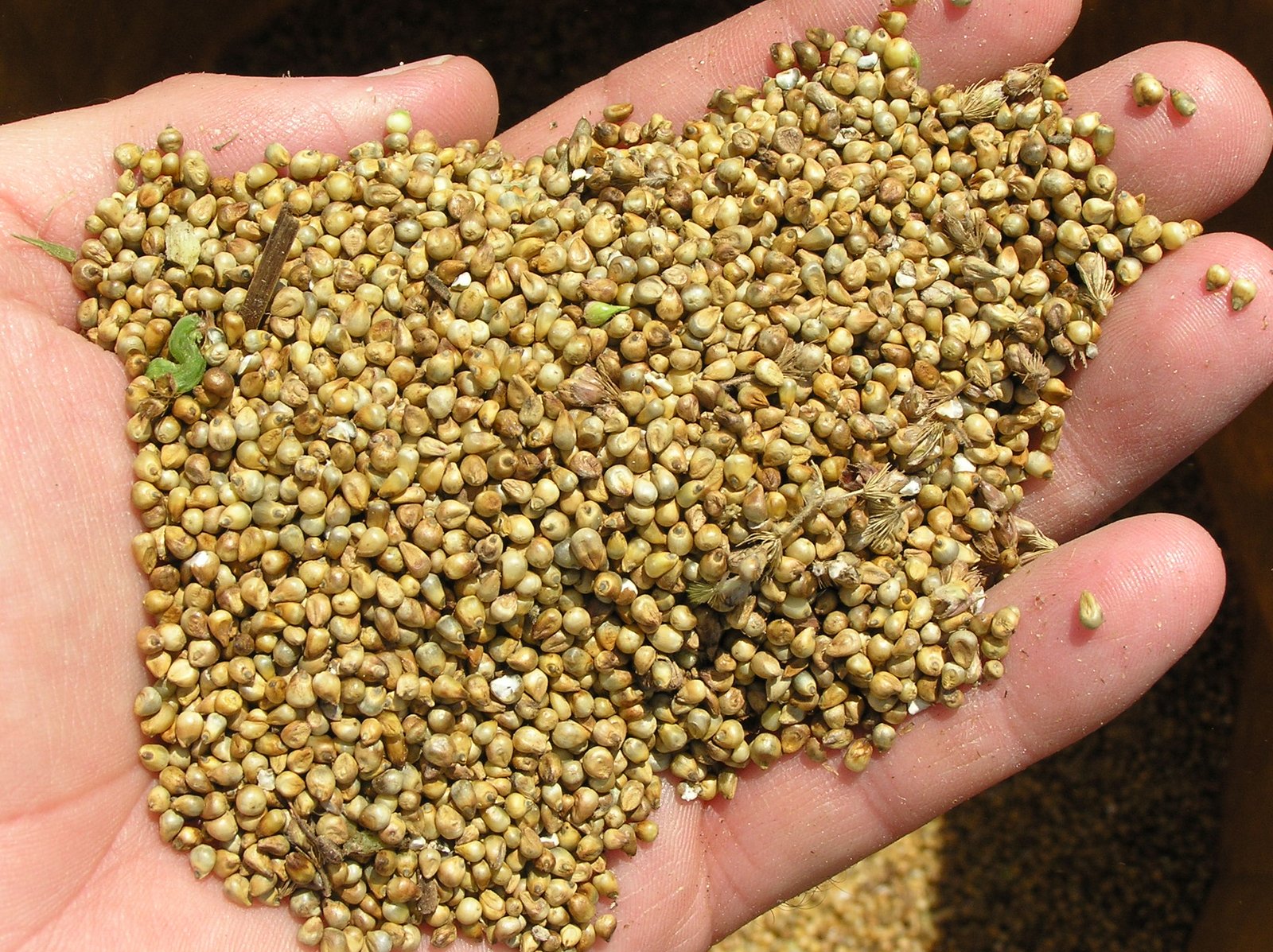
Research has found that bajra — known scientifically as Pennisetum glaucum, or pearl millet — offers several properties that may benefit people with type 2 diabetes. It is rich in dietary fibre, has a moderate glycaemic index, and contains magnesium and polyphenols that support insulin function.
In this article, we break down the nutritional science behind bajra, how it compares to wheat, how to safely include it in a diabetes diet, and what portions are appropriate in 2026.
What Is Bajra?
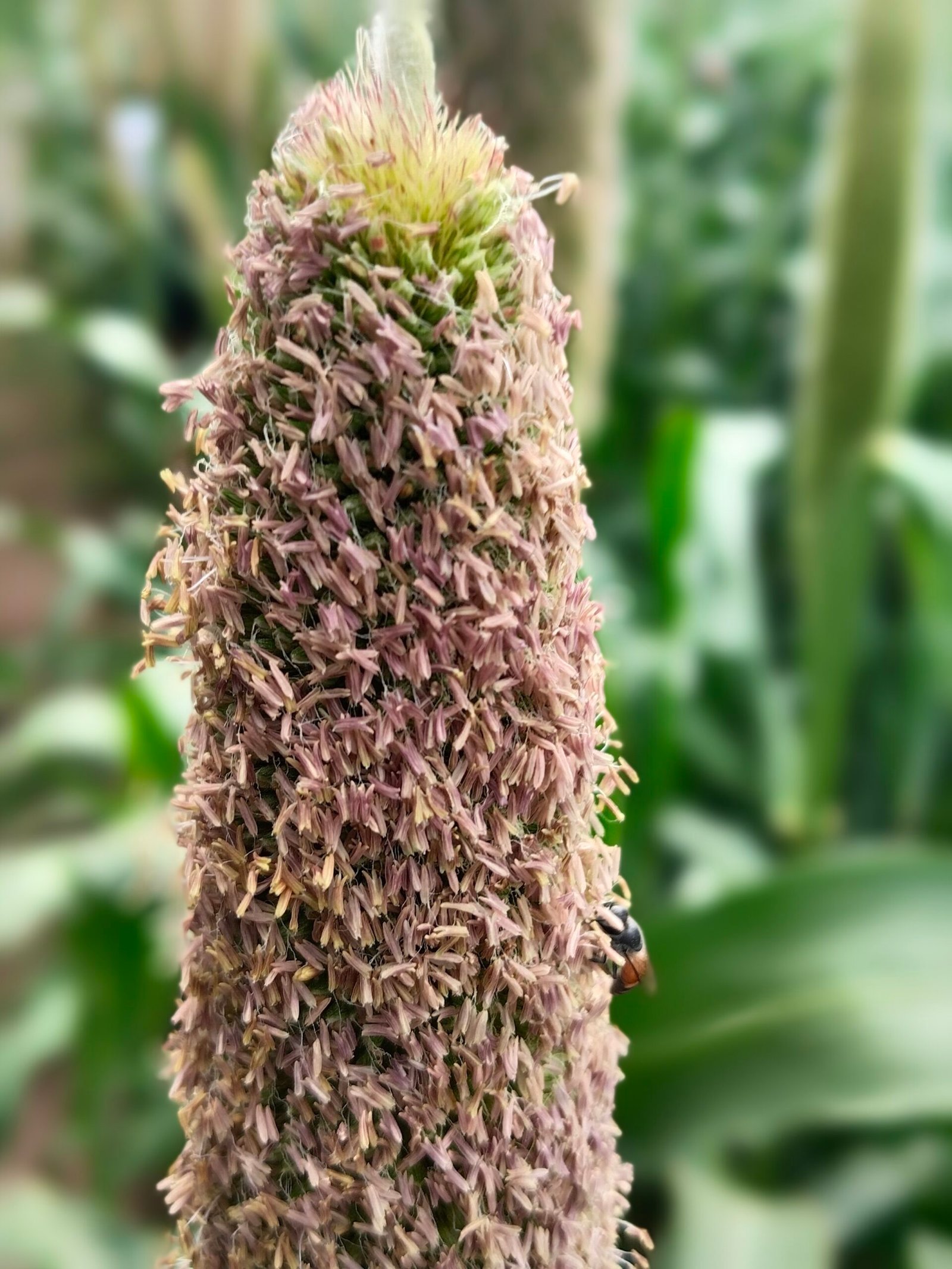
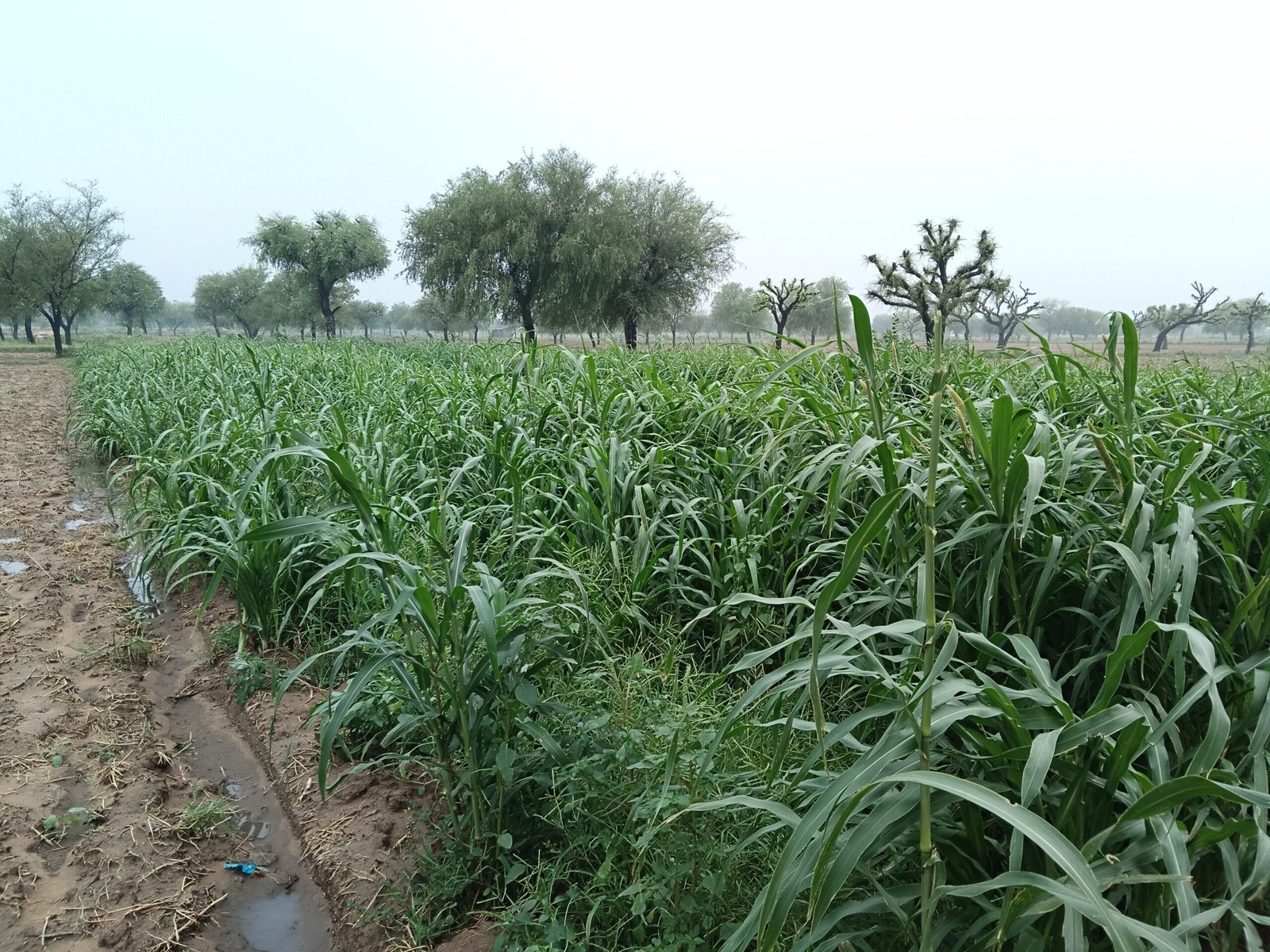
Bajra is the Hindi name for pearl millet, one of the oldest cultivated crops in South Asia and Africa. It has been grown in the Indian subcontinent for at least 3,000 years. Today, India is the world’s largest producer of bajra, with Rajasthan, Gujarat, Uttar Pradesh, and Haryana among the leading states.
Bajra is gluten-free, making it accessible to those with wheat intolerance. It is consumed in multiple forms:
- Bajra roti – thick flatbread made from bajra flour
- Bajra khichdi – a porridge-like dish with lentils
- Bajra raab – a thin, mildly spiced bajra porridge
- Bajra flour – used in pancakes, upma, or mixed with wheat flour
In recent years, bajra has been highlighted by Indian health authorities and the Indian Council of Medical Research (ICMR) as a “nutri-cereal” with significant health potential, especially for people with metabolic conditions like type 2 diabetes.
Nutritional Profile of Bajra
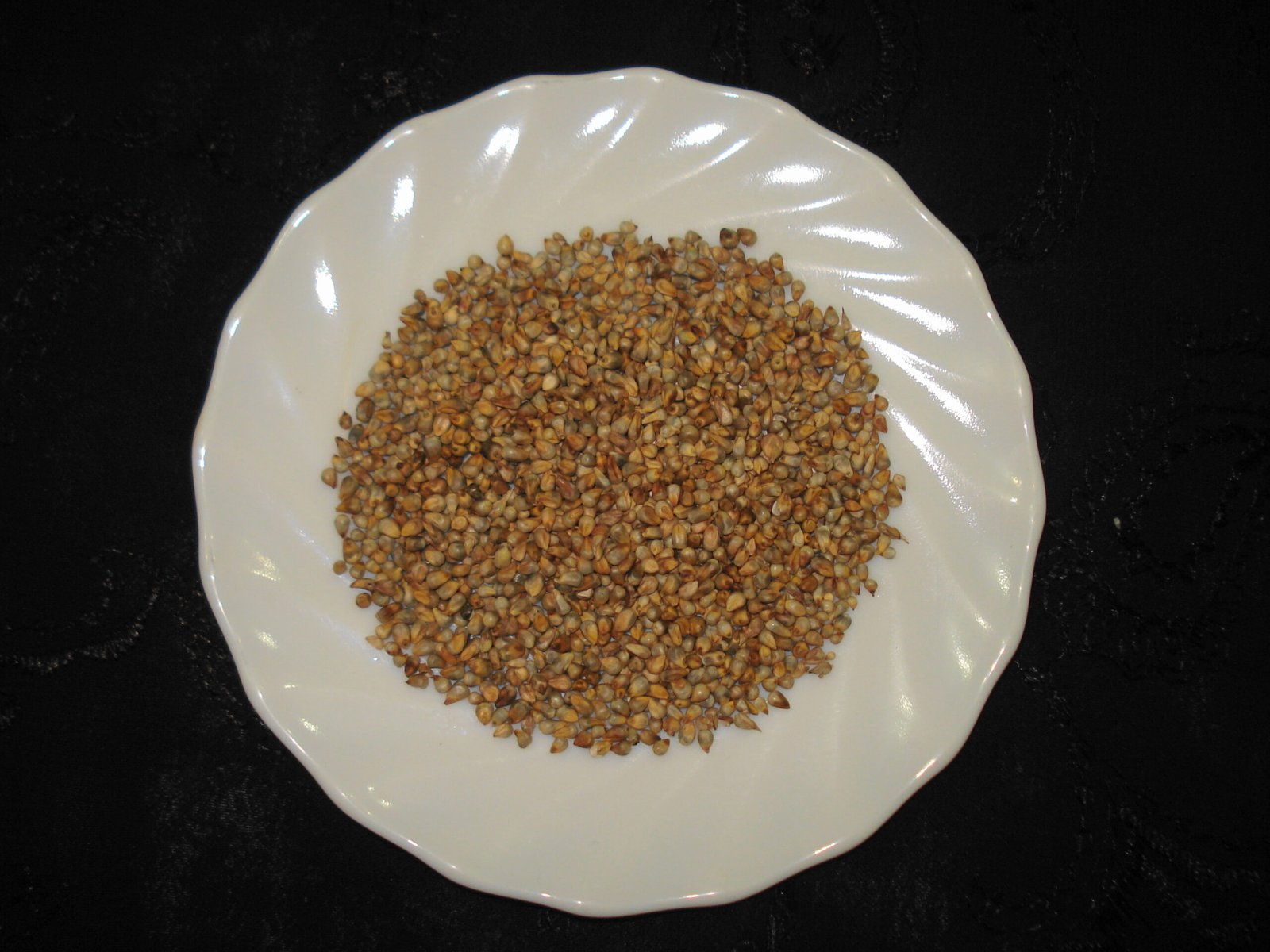
According to data from the National Institute of Nutrition (NIN), India, 100 g of raw bajra provides approximately:
| Nutrient | Amount per 100 g (raw) |
|---|---|
| Energy | 361 kcal |
| Carbohydrates | 67 g |
| Protein | 11.6 g |
| Fat | 5 g |
| Dietary Fibre | 1.3 g |
| Iron | 8 mg |
| Magnesium | ~137 mg |
| Phosphorus | 296 mg |
| Zinc | 2.8 mg |
| Niacin (B3) | 2.8 mg |
What stands out for people with diabetes is bajra’s protein content (~11.6 g per 100 g), its fat (healthy unsaturated fats), and its magnesium content. Magnesium plays a direct role in insulin receptor signalling — research has found that inadequate magnesium intake is associated with higher fasting blood glucose and greater insulin resistance.
Glycaemic Index of Bajra
The glycaemic index (GI) is one of the most important factors when choosing foods for diabetes management. Foods with a high GI (above 70) raise blood sugar quickly, while low-GI foods (below 55) cause a slower rise.
According to published research, the GI of bajra varies by preparation:
- Whole bajra grain (cooked): GI approximately 54-67
- Bajra roti (thick, hand-rolled): GI approximately 55-65
- Bajra porridge (thin): GI can be higher (65-75) depending on water ratio
- Refined bajra flour products: GI may be higher
A study published in the Journal of the Science of Food and Agriculture found that fermentation and soaking of bajra before cooking significantly reduced its GI — a finding particularly relevant for traditional preparations like fermented bajra rotis. Research has also found that combining bajra with pulses (dal) brings down the glycaemic load of a meal substantially.
The glycaemic load (GL) is even more informative than GI because it accounts for portion size. A typical bajra roti (about 30-40 g) has a GL of approximately 10-14, which is in the moderate range. Compared to a plain white rice meal of similar caloric content, bajra produces a lower and more sustained glucose response.
Research-Backed Benefits of Bajra for Diabetes
1. Slows Glucose Absorption
Bajra contains both soluble and insoluble dietary fibre. Soluble fibre forms a gel-like substance in the gut that slows carbohydrate digestion and glucose absorption. According to a study, replacing refined carbohydrates with whole millet grains reduced postprandial (after-meal) blood glucose peaks by up to 15-20% in people with type 2 diabetes.
2. Improves Insulin Sensitivity
Research has found that bajra’s high magnesium content (approximately 137 mg per 100 g) may help improve insulin sensitivity. Magnesium acts as a cofactor in over 300 enzymatic reactions, including those involved in glucose metabolism. According to a study in Diabetes Care, higher magnesium intake is associated with a significantly lower risk of developing type 2 diabetes.
3. Reduces Inflammation
Chronic low-grade inflammation is a key driver of insulin resistance. Bajra contains phenolic compounds and antioxidants — including ferulic acid and caffeic acid — that have been shown to have anti-inflammatory properties. Research has found that these polyphenols can suppress inflammatory cytokines linked to beta-cell damage in the pancreas.
4. Supports Weight Management
For people with type 2 diabetes, weight management is closely linked to blood sugar control. Bajra is more satiating than refined grains because its protein and fibre content slow gastric emptying. According to a study, meals high in whole grain millets led to greater satiety and lower calorie intake over the following hours compared to refined grain meals.
5. Supports Heart Health
People with diabetes have a higher risk of cardiovascular disease. Bajra contains niacin (vitamin B3) and magnesium, which support healthy cholesterol levels and blood pressure. According to a study published in Nutrients, regular consumption of pearl millet was associated with reduced LDL cholesterol and triglycerides — both important cardiovascular risk factors in people with diabetes.
Bajra Roti vs Wheat Roti for Diabetes

One of the most common questions is whether bajra roti is better than wheat roti for people with diabetes. Here is a comparison:
| Factor | Bajra Roti | Whole Wheat Roti (Atta) |
|---|---|---|
| Glycaemic Index | ~55-65 | ~62-70 |
| Protein (per 100 g flour) | 11.6 g | 12.1 g |
| Iron | 8 mg | 3.5 mg |
| Magnesium | ~137 mg | ~138 mg |
| Gluten | Gluten-free | Contains gluten |
| Traditional availability | Seasonal (winter months) | Year-round |
Research has found that whole bajra roti tends to produce a slightly lower glycaemic response compared to refined wheat roti. Both are acceptable choices in a diabetes diet when consumed in appropriate portions. The key advantage of bajra is its superior iron content and the variety it adds to the diet — a balanced diabetes-friendly Indian thali benefits from rotating between these grains.
How to Include Bajra in a Diabetes Diet
Here are practical, diabetes-friendly ways to include bajra in your diet:
Bajra Roti
Make thick bajra rotis using only bajra flour and hot water. Serve with a generous serving of dal (lentil curry), leafy vegetables like methi (fenugreek) or palak (spinach), and a small portion of curd. The protein from dal and probiotics from curd both help moderate the blood sugar response. This is a key part of a diabetes-friendly Indian thali.
Bajra Khichdi
Mix bajra grains with moong dal and cook with minimal spices. This one-pot dish combines whole grain carbohydrate with plant protein, reducing the overall glycaemic load of the meal. Adding a teaspoon of ghee may further slow glucose absorption.
Bajra Porridge (Raab)
A thin bajra porridge made with water or buttermilk and flavoured with ajwain, garlic, and salt is a traditional Rajasthani breakfast. Research has found that consuming bajra in liquid form raises blood glucose faster than thick rotis — keep portions small and pair with a protein source if you use this form.
Mixed Flour Roti
If you find pure bajra roti too crumbly, mix bajra flour (50%) with whole wheat flour (50%). This maintains much of bajra’s nutritional benefit while making the roti easier to roll. Adding flaxseed or methi (fenugreek) powder to the dough further reduces the glycaemic index.
Millet Salad or Grain Bowl
Cooked, cooled bajra grains can be tossed with cucumber, tomato, onion, lemon juice, and roasted cumin for a refreshing whole grain salad. Cooking and cooling grains increases their resistant starch content, which behaves like fibre and has an even lower impact on blood sugar.
How Much Bajra Can a Diabetic Eat?
Bajra is safe and nutritious for people with diabetes, but portion size matters. General guidelines suggest:
- 1-2 bajra rotis per meal (each roti made from approximately 30-35 g of flour)
- If eating bajra khichdi, 1/2 to 1 cup cooked per meal
- Total carbohydrate intake from all sources at a meal should typically stay within 45-60 g for most people with type 2 diabetes (individual targets vary)
It is helpful to pair bajra with:
- A generous portion of non-starchy vegetables (half the plate)
- A protein source — dal, curd, eggs, paneer, or lean meat
- A small amount of healthy fat — ghee, mustard oil, or nuts
This “balanced plate” approach helps slow glucose absorption and prevents post-meal spikes. If you are following a structured programme, resources like the diabetes reversal guide provide detailed meal structure guidance tailored to Indian diets.
Monitor your blood glucose 1-2 hours after eating bajra the first few times to understand your personal response. Individual glycaemic responses to the same food can vary by as much as 30-40%, according to research published in Cell.
Are There Any Risks?
Bajra is generally safe for most people with diabetes. However, there are a few points to keep in mind:
- Thyroid concerns: Bajra contains goitrogens — compounds that can interfere with thyroid hormone production in very large quantities or when consumed raw. Cooking neutralises most goitrogenic activity. People with hypothyroidism are advised to consume bajra in moderation and to consult their doctor.
- Kidney disease: Bajra is relatively high in phosphorus (~296 mg per 100 g). People with chronic kidney disease (CKD) who need to limit phosphorus intake should check with their nephrologist before making bajra a dietary staple.
- Bajra is not zero-carb: It still contains significant carbohydrates (~67 g per 100 g). Eating bajra freely without portion control can still raise blood sugar, especially in people on insulin or with very strict glucose targets.
- Processed bajra products: Commercial bajra biscuits, bajra chips, or instant bajra mixes may contain added sugar, refined flour, and sodium. Always check ingredient labels.
Research has also found that the way bajra is processed affects its nutrient availability. Freshly milled, whole bajra flour retains more antioxidants and fibre than commercially processed bajra flour that has been stored for months. Buying bajra in small quantities from reliable sources or stone-milling it fresh preserves the most nutrition.
When to See a Doctor
While dietary changes like adding bajra can support diabetes management, there are situations when you should speak to a doctor or diabetes specialist promptly:
- Your fasting blood glucose stays above 180 mg/dL despite dietary changes
- You are starting insulin or experiencing hypoglycaemia (low blood sugar) frequently
- You notice significant blood glucose swings after eating bajra or any grain
- You have been diagnosed with diabetic kidney disease or chronic kidney disease — dietary phosphorus limits may apply
- You have uncontrolled thyroid disease alongside diabetes
- You are pregnant and managing gestational diabetes — carbohydrate goals differ significantly
- You want a personalised meal plan that integrates millets like bajra into a structured diabetes management approach
A registered dietitian experienced in diabetes can help you build a meal plan that includes bajra in appropriate amounts alongside other nutrient-dense Indian foods. Reading about other diabetes-friendly Indian foods like jamun may also give you ideas for broadening your diet safely.
Frequently Asked Questions
Is bajra good for diabetes?
Yes, research has found that bajra (pearl millet) is beneficial for people with diabetes. It has a moderate glycaemic index, is rich in dietary fibre and magnesium, and contains polyphenols that may improve insulin sensitivity and reduce inflammation.
What is the glycaemic index of bajra?
According to available data, whole bajra has a glycaemic index of approximately 54-67 depending on preparation. Bajra roti tends to have a lower GI than thin bajra porridge. Pairing bajra with protein and vegetables reduces the glycaemic load further.
How much bajra can a diabetic person eat per day?
Most nutrition guidelines suggest that people with diabetes can eat 1-2 bajra rotis per meal. Exact amounts depend on individual blood sugar targets, total carbohydrate intake at that meal, and the rest of the diet. A registered dietitian can guide personalised portions.
Is bajra roti better than wheat roti for diabetes?
Research has found that bajra roti typically produces a slightly lower glycaemic response than refined wheat roti, and is higher in iron. Both whole-grain bajra and whole-wheat rotis are acceptable in a diabetes diet. Variety across different whole grains — bajra, jowar, ragi, and whole wheat — is generally recommended.
Can bajra cause blood sugar spikes?
When consumed in moderate portions and paired with protein, vegetables, and healthy fat, bajra is unlikely to cause sharp blood sugar spikes. Eating it in large portions without protein or fat, or consuming processed bajra products with added sugar, may raise blood sugar more quickly.
Is bajra safe to eat daily for diabetics?
Yes, bajra can be eaten daily as part of a varied and balanced diabetes diet. Rotating between different whole grains (bajra, jowar, ragi, and brown rice) ensures a broader range of nutrients and reduces the risk of monotony. If you take thyroid medication or have kidney disease, consult your doctor first.
The Bottom Line
Research has found that bajra (pearl millet) is a nutritious whole grain that can be beneficial for people with type 2 diabetes. Its moderate glycaemic index, dietary fibre, magnesium, and polyphenol content all contribute to more stable blood sugar levels, better insulin sensitivity, and reduced inflammation.
Bajra roti, bajra khichdi, and other traditional preparations of bajra can be part of a healthy, diabetes-friendly Indian diet. The key is appropriate portion size, pairing bajra with protein and vegetables, and choosing whole-grain bajra over processed bajra products.
If you are looking to further optimise your diet for diabetes, consider exploring a structured diabetes reversal approach that incorporates millets like bajra as part of a broader lifestyle strategy.
By Team HealthyWayFit