HbA1c 10: What It Means and How to Reduce It in 2026
If your doctor has told you that your HbA1c is 10%, you are probably feeling overwhelmed. That number is well above target, and the risks are real. But research in 2026 consistently shows that HbA1c 10% is not a fixed destination — it is a starting point that responds well to the right combination of medical and lifestyle interventions.
This guide walks through everything the evidence supports, in a clear and actionable sequence. To understand the basics of what HbA1c measures, see our complete guide to HbA1c first.
What Does HbA1c 10 Mean?
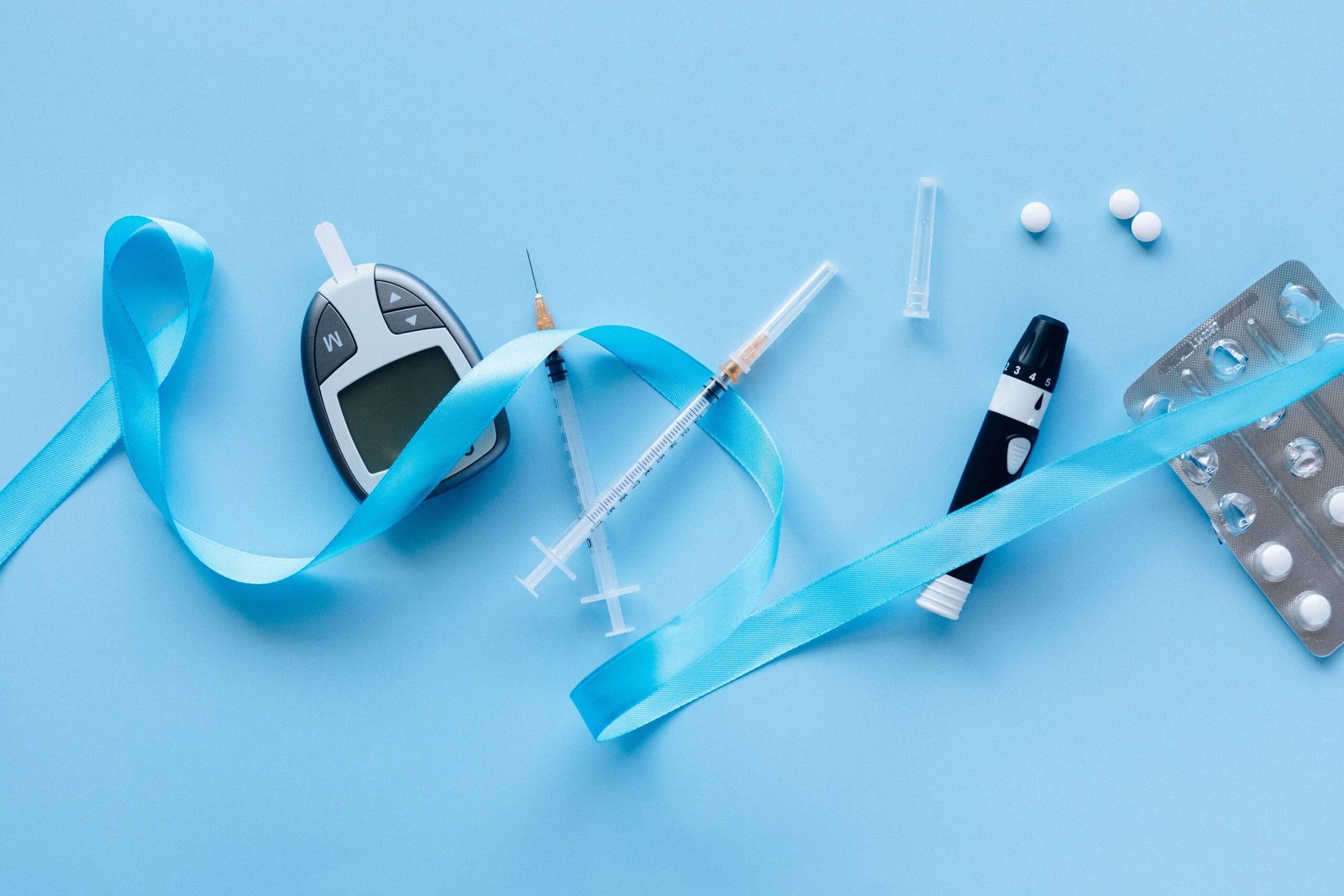
HbA1c (glycated haemoglobin) measures the percentage of haemoglobin in your blood that has glucose attached to it. Because red blood cells live for about 90 days, the test reflects your average blood glucose over roughly 3 months — making it a much more useful picture than a single fasting glucose reading.
According to the American Diabetes Association (ADA) and Diabetes UK, the HbA1c scale for adults reads as follows:
| HbA1c Level | What It Means | Avg Blood Glucose |
|---|---|---|
| Below 5.7% | Normal | ~117 mg/dL |
| 5.7–6.4% | Prediabetes | 117–137 mg/dL |
| 6.5% and above | Type 2 Diabetes | 140+ mg/dL |
| 10% | Very High / Urgent | ~240 mg/dL |
At 10%, your average blood glucose is approximately 240 mg/dL (13.3 mmol/L). To reach the ADA’s general target of below 7%, you need to bring that down by 3 full percentage points — a significant but achievable goal with the right plan.

Is HbA1c 10 Dangerous?
Yes — HbA1c 10% carries a substantially elevated risk of complications compared to controlled diabetes. The landmark UK Prospective Diabetes Study (UKPDS) demonstrated that each 1% reduction in HbA1c is associated with:
- A 37% reduction in microvascular complications (eye disease, kidney damage, nerve damage)
- A 21% reduction in diabetes-related deaths
- A 14% reduction in heart attacks
This means that even reducing your HbA1c from 10% to 9% — just one point — may meaningfully reduce your risk of serious harm. Every point matters, and no reduction is too small.
If your HbA1c is at 10%, you are likely already on medication. But medication alone rarely gets people to target — the lifestyle steps below are what the evidence says makes the biggest cumulative difference. You might also find it helpful to understand how HbA1c 8 compares in our related guide: HbA1c 8: What It Means and How to Reduce It.
Step 1: Start With Your Doctor

At HbA1c 10%, most diabetes guidelines — including ADA 2026 and NICE NG28 — recommend prompt medication review and likely intensification. This may include:
- Adding or optimising metformin if not already prescribed
- GLP-1 receptor agonists (e.g. semaglutide, liraglutide): shown to reduce HbA1c by 1–2% and support weight loss
- SGLT2 inhibitors (e.g. empagliflozin, dapagliflozin): reduce HbA1c by 0.5–1.0% and have proven cardiovascular and kidney benefits
- Insulin therapy: if HbA1c remains very high or symptoms of hyperglycaemia are present
Research has found that combination therapy — medication plus lifestyle changes — produces significantly better outcomes than either approach alone. If you are already on insulin and looking to reduce your dose as your glucose improves, see our guide: How to Reduce Insulin Dose in Type 2 Diabetes.
Step 2: Overhaul Your Diet
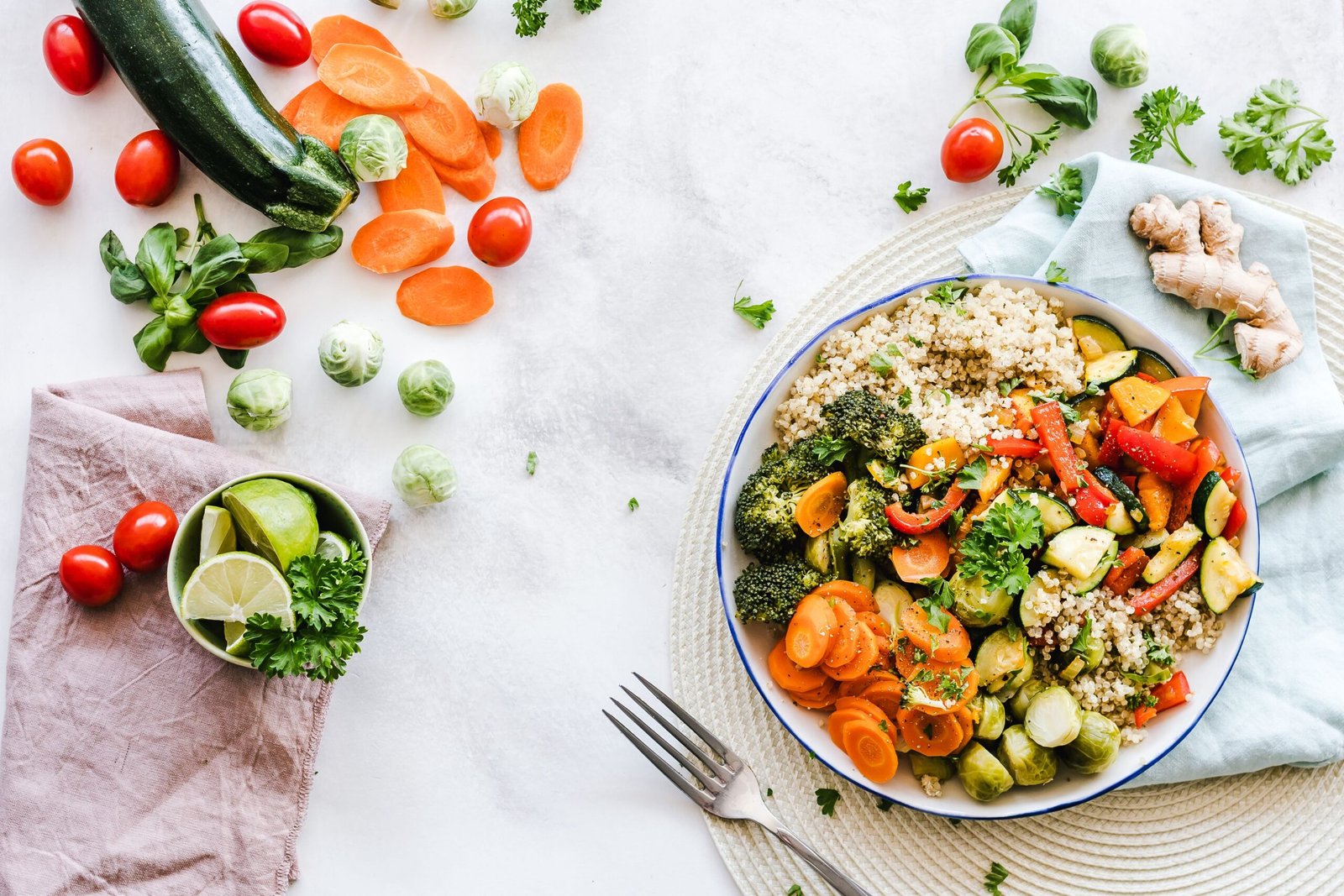
Diet is the single most powerful lever for reducing HbA1c quickly. According to a meta-analysis published in Diabetic Medicine (Huntriss et al. 2018), a low-carbohydrate diet reduced HbA1c by 1.0% to 2.0% versus control diets — and the effect was largest in people starting with higher HbA1c levels, which is directly relevant for those at 10%.
Low-Carbohydrate Diet
Research has found that reducing daily carbohydrate intake to 50–130 grams per day (moderate low-carb) or below 50 grams per day (very low carb / ketogenic) is associated with the greatest reductions in post-meal blood glucose spikes. Foods to reduce include:
- White rice, white bread, pasta, refined cereals
- Sugary drinks, fruit juice, sweetened yogurt
- Starchy vegetables in large portions (potatoes, corn, peas)
- Sweets, biscuits, cakes, and processed snacks
Foods to prioritise include non-starchy vegetables, eggs, fish, poultry, nuts, seeds, olive oil, legumes, and berries in modest portions.
Mediterranean Diet
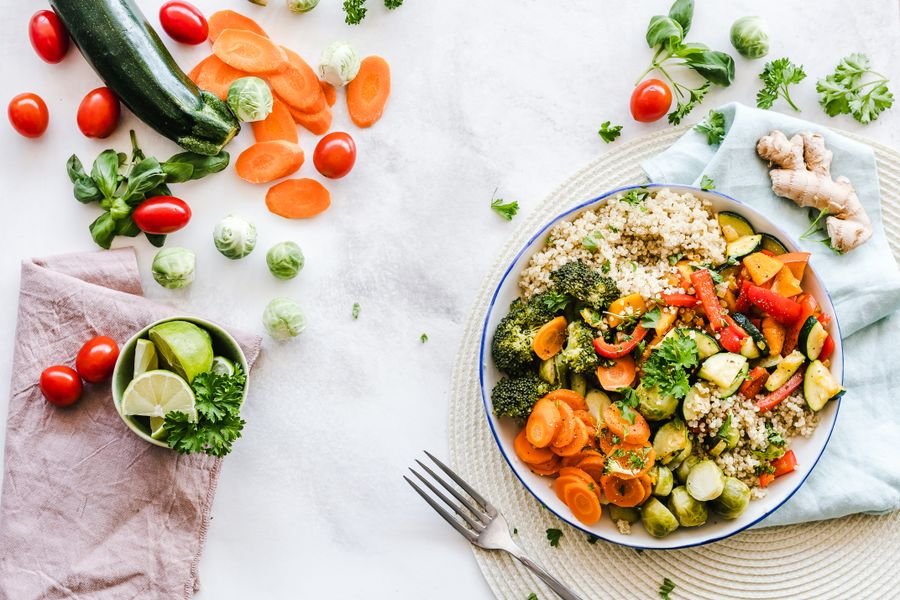
According to a study published in the New England Journal of Medicine (Estruch et al. 2018), the Mediterranean diet — rich in vegetables, legumes, whole grains, fish, and olive oil — was associated with a 0.7% to 1.5% reduction in HbA1c. This is particularly useful for people who find strict low-carb difficult to sustain long-term.
Practical Dietary Tips for HbA1c 10
- Fill half your plate with non-starchy vegetables at every meal
- Choose protein sources at breakfast (eggs, Greek yogurt, nuts) to reduce morning glucose spikes
- Avoid liquid calories — even fruit juice raises blood sugar rapidly
- Eat within a consistent 8–10 hour window (research suggests time-restricted eating supports insulin sensitivity)
- Cook with olive oil or avocado oil rather than refined vegetable oils
Step 3: Exercise Consistently

Exercise is a powerful, medication-free tool for reducing HbA1c. A meta-analysis published in JAMA (Umpierre et al. 2011) found that structured exercise reduced HbA1c by 0.67% to 1.4% in people with type 2 diabetes. The combination of aerobic exercise and resistance training produced the greatest effect.
Aerobic Exercise
The ADA recommends at least 150 minutes per week of moderate-intensity aerobic activity — equivalent to 30 minutes, five days per week. Brisk walking, cycling, swimming, or dancing all count. If you are currently sedentary, starting with 10-minute walks after meals is a clinically validated approach — research has found that short post-meal walks reduce post-meal glucose spikes significantly.
Resistance Training

Lifting weights or performing bodyweight exercises (squats, lunges, push-ups) at least twice per week is recommended alongside aerobic activity. Muscle tissue is one of the body’s primary sites for glucose uptake — more muscle means better blood sugar control around the clock.
Step 4: Lose Weight Strategically
Weight loss may be the most powerful intervention for people with type 2 diabetes and very high HbA1c. According to a widely cited analysis, every 1 kg of body weight lost is associated with an approximately 0.1% reduction in HbA1c — meaning that losing 10 kg could reduce HbA1c by around 1%.
The DiRECT trial (Lean et al. 2018, The Lancet) showed that 46% of participants achieved full diabetes remission (HbA1c below 6.5% without medication) after one year of intensive dietary weight management, with average weight loss of approximately 10 kg. At HbA1c 10%, full remission may require greater effort, but significant reductions are strongly supported by the evidence.
Practical weight loss strategies that are evidence-supported for type 2 diabetes include:
- Reducing total calorie intake by 500–750 kcal per day
- Very low-calorie diets (800 kcal/day) under medical supervision for rapid initial reduction
- Intermittent fasting or time-restricted eating under doctor guidance
- GLP-1 medications (semaglutide, liraglutide) which support both weight loss and HbA1c reduction
To understand whether type 2 diabetes can be reversed through weight and lifestyle, read our comprehensive review: Is Type 2 Diabetes Reversible?
Step 5: Sleep and Stress Management
Two lifestyle factors that are frequently underestimated in diabetes management are sleep and stress. Research has found that:
- Poor sleep raises insulin resistance: According to a study in the Journal of Sleep Research (Spiegel et al.), sleeping less than 6 hours per night can increase insulin resistance by as much as 40%, directly worsening blood sugar control.
- Chronic stress elevates cortisol: Cortisol is a counter-regulatory hormone that raises blood glucose. People with high chronic stress tend to have higher HbA1c levels independent of diet and exercise.
Practical steps include aiming for 7–9 hours of sleep per night, establishing a consistent sleep schedule, and using evidence-based stress reduction techniques such as diaphragmatic breathing, mindfulness, or regular outdoor walks.
How Long Does It Take to Reduce HbA1c from 10?
Because HbA1c reflects a 3-month average, you will typically see your first meaningful reduction at your next 3-month test. The approximate timeline for people combining medication optimisation with lifestyle changes looks like this:
- Weeks 1–4: Blood glucose readings improve as diet and exercise changes take effect. Fasting glucose may drop noticeably.
- 3 months: HbA1c typically reflects a 1–2% reduction if changes have been consistent. Many people drop from 10% to 8–9%.
- 6 months: With continued effort, a further 1–2% reduction is achievable. Many people reach the 7–8% range.
- 12 months: People who achieve significant weight loss (8–15 kg) and maintain lifestyle changes may approach or reach remission (HbA1c below 6.5%).
It is important not to try to reduce HbA1c too rapidly with overly aggressive medication — the ACCORD trial showed that targeting HbA1c below 6% in high-cardiovascular-risk patients was associated with increased mortality. A slow, steady reduction guided by your care team is the safest approach.
Watch: How to Lower HbA1c — Evidence-Based Steps
Frequently Asked Questions
What does HbA1c 10 mean?
HbA1c 10% means your average blood glucose over the past 3 months has been approximately 240 mg/dL (13.3 mmol/L). This is significantly above the diabetic threshold of 6.5% and well above the ADA’s target of below 7% for most adults. It signals a very high risk of diabetes complications and typically requires both medication review and lifestyle changes to bring under control.
How long does it take to reduce HbA1c from 10?
Because HbA1c reflects your average blood sugar over 3 months, most people see meaningful reductions within 3 to 6 months of consistent lifestyle changes and optimised medication. Some research shows reductions of 1–2% within the first 3 months of dietary change alone. However, every person is different and your doctor should guide your personalised timeline.
Can HbA1c 10 be reduced naturally?
At HbA1c 10%, most clinical guidelines recommend medication alongside lifestyle changes rather than lifestyle alone. However, research suggests that intensive lifestyle intervention — particularly low-calorie or low-carbohydrate diets combined with weight loss — can lead to significant reductions. The DiRECT trial showed 46% of participants achieved remission with intensive dietary intervention and weight loss averaging 10 kg.
What is the fastest way to lower HbA1c?
The fastest evidence-based approaches to lowering HbA1c include: (1) medication optimisation with your doctor, (2) a low-carbohydrate or very-low-calorie diet which may reduce HbA1c by 1–2% within weeks, (3) daily aerobic exercise of 30+ minutes, and (4) significant weight loss. Combining all four approaches typically produces the largest and fastest reductions.
What complications does HbA1c 10 cause?
HbA1c 10% significantly elevates the risk of diabetes complications. According to the landmark UKPDS study, each 1% reduction in HbA1c reduces microvascular complications by 37%, and each point above target substantially increases risk. At HbA1c 10%, the risk of diabetic retinopathy, nephropathy, neuropathy and cardiovascular events is considerably higher than at target levels.
Sources
- American Diabetes Association. Standards of Medical Care in Diabetes — 2026. Diabetes Care. 2026.
- UKPDS Group. Intensive blood-glucose control with sulphonylureas or insulin compared with conventional treatment and risk of complications in patients with type 2 diabetes (UKPDS 33). The Lancet. 1998;352(9131):837–853.
- Lean MEJ, et al. Primary care-led weight management for remission of type 2 diabetes (DiRECT): an open-label, cluster-randomised trial. The Lancet. 2018;391(10120):541–551.
- Huntriss R, et al. The interpretation and effect of a low-carbohydrate diet in the management of type 2 diabetes. Diabetic Medicine. 2018;35(2):144–151.
- Umpierre D, et al. Physical activity advice only or structured exercise training and association with HbA1c levels in type 2 diabetes. JAMA. 2011;305(17):1790–1799.
- Estruch R, et al. Primary prevention of cardiovascular disease with a Mediterranean diet supplemented with extra-virgin olive oil or nuts. New England Journal of Medicine. 2018;378(25):e34.
- NICE. Type 2 diabetes in adults: management. NICE guideline NG28. Updated 2022.
By Team HealthyWayFit