By Kirti, Founder & Serial Entrepreneur | Certified Health Coach, HealthyWayFit
If you have diabetes and love your dal, you do not have to give it up. Dal is one of the best foods in the Indian kitchen for blood sugar management — but not all dals are equal. Moong dal and chana dal behave very differently in your body compared to plain white urad or high-starch preparations. This guide breaks down every common Indian dal by glycemic index, protein content, and fibre — so you can eat confidently and keep your blood sugar steady.
Caution: This article is for informational purposes only and does not constitute medical advice.
Always consult a qualified healthcare professional before making changes to your diet, exercise routine or medication. If you are on insulin or blood sugar-lowering medication, any dietary change needs supervision.
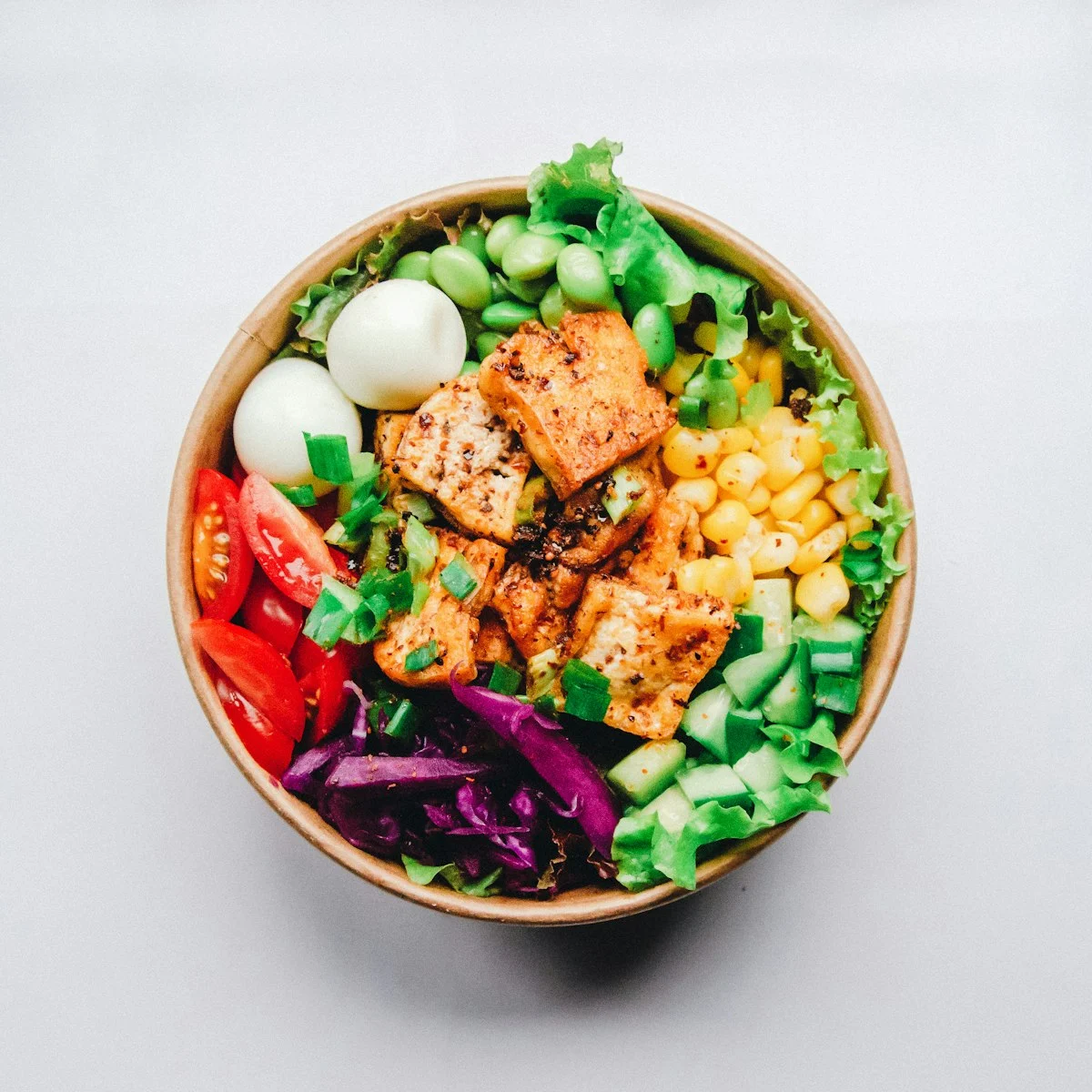
Why Dal Is Good for Diabetes
Dal is not just a comfort food — for a diabetic, it is a strategic food. Here is what the research actually shows.
Protein slows glucose absorption. When you eat protein alongside carbohydrates, your body digests the meal more slowly, reducing the speed at which glucose enters the bloodstream. Dal provides 6–26 g of protein per 100 g (dry weight), depending on the variety. A 2019 study published in Nutrients (Hou et al., PMC6627095) confirmed that mung bean polyphenols and polysaccharides help regulate blood glucose levels.
Fibre creates a physical barrier. Soluble dietary fibre in dal forms a gel in the gut that slows carbohydrate digestion. Masoor dal, for instance, contains 30.5 g fibre per 100 g dry weight — among the highest of any common Indian food, according to a study by Faris et al. published in the Mediterranean Journal of Nutrition and Metabolism (2013), cited in PubMed.
Low glycemic index means a gentler blood sugar rise. The glycemic index (GI) measures how quickly a food raises blood glucose compared to pure glucose (GI = 100). Most dals score between 8 and 45, which is well within the low-GI range (below 55) recognised by the American Diabetes Association.
Glycemic load matters too. GI is measured per gram of pure carbohydrate. Glycemic load (GL) also accounts for how much carbohydrate is in a typical portion. A food with a moderate GI but small portion size may have a low GL — meaning its real-world blood sugar impact is mild. Most cooked dal servings (½ to ¾ cup / 100–150 ml) carry a very low GL.
Moong dal: one of the lowest GI foods in the Indian kitchen.
Glycemic Index of Common Indian Dals — Comparison Table
The values below are sourced primarily from Sabarathinam (2023) published in Future Science OA (PMC10072118, NIH-indexed), and Atkinson et al.’s 2021 International Tables of Glycemic Index (published in The American Journal of Clinical Nutrition, PubMed ID 34258626).
| Dal | Common Name | GI (approximate) | Protein per 100 g (dry) | Fibre per 100 g (dry) | Diabetes-friendly? |
|---|---|---|---|---|---|
| Chana dal | Split Bengal gram | 8–12 | 14.5 g | 12–13 g | Excellent |
| Rajma | Red kidney beans | 22 | 13.4 g | ~8 g | Excellent |
| Moong dal (split, yellow) | Split green gram | 25–38 | 24.5 g | 8.2 g | Excellent |
| Masoor dal | Red/orange lentils | 25–35 | 25.8 g | 30.5 g | Excellent |
| Toor dal | Split pigeon pea | 29–39 | ~22 g | ~15 g | Good |
| Urad dal | Black gram (split) | 43–49 | ~24 g | ~18 g | Moderate |
| Chole (kabuli chana) | Chickpeas | 28–36 | ~19 g | ~17 g | Excellent |
Note: GI values vary with preparation method, cooking time, and whether the dal is whole or split.
These are reference ranges, not fixed values. Always pair dal with non-starchy vegetables and whole grains to keep the overall meal GI low.
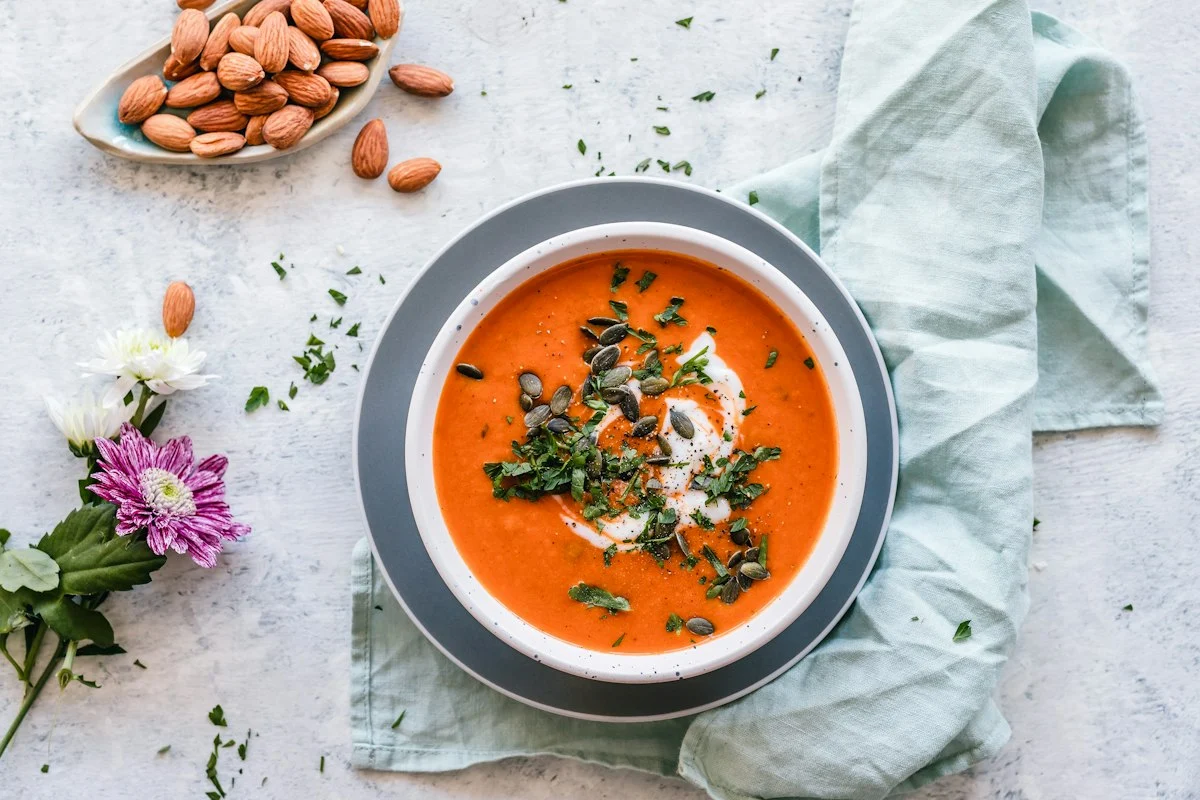
A variety of dals and lentils — each with a different effect on blood sugar.
Best Dals for Diabetes — Ranked With Evidence
1. Chana Dal (Split Bengal Gram) — The Best Pick
Chana dal has a glycemic index of just 8–12, making it the lowest GI dal available in most Indian kitchens. According to the NIH-indexed study by Sabarathinam (2023, PMC10072118), chana dal contains 14.5 g protein and 12–13 g fibre per 100 g. Its methionine amino acid content supports cellular energy metabolism, and its antioxidant properties may support gut health.
Why it works for diabetes: The very low GI means blood glucose rises very slowly after eating it. The combination of protein and fibre keeps you full longer, which may help prevent overeating and subsequent blood sugar spikes.
Serving size: ½ cup cooked (about 80 g) — roughly 120–130 kcal, 7 g protein, 20 g carbohydrate, 5 g fibre.
Chana dal: GI of 8–12, the lowest of all common Indian dals.
2. Moong Dal (Split Green Gram) — The Everyday Safe Choice
Split moong dal (yellow moong) has a GI of approximately 25–38. A study by Hou et al. (2019, Nutrients, PMC6627095) confirmed that mung bean bioactive polyphenols and polysaccharides help regulate glucose homeostasis. Yellow moong dal provides 24.5 g protein and 8.2 g fibre per 100 g dry weight.
Why it works for diabetes: Moong dal is easy to digest, widely available, and gentle on the digestive system — making it a good daily option for those managing blood sugar. Whole moong (with the skin on) has even more fibre and a slightly lower GI than split moong.
Serving size: ½–¾ cup cooked (100–120 g) — approximately 150–170 kcal, 10–12 g protein.
Yellow moong dal soup — light, high-protein, and gentle on blood sugar.
3. Masoor Dal (Red Lentils) — High Fibre, Excellent Choice
Masoor dal has a GI of approximately 25–35 (Sabarathinam, 2023, PMC10072118; Atkinson et al., 2021). It is exceptionally rich in fibre — 30.5 g per 100 g dry weight — and provides 25.8 g protein. It also contains iron, folate, thiamine, and riboflavin, making it nutritionally dense.
Important note: Some sources list masoor dal at a higher GI (above 60). The NIH-indexed research by Sabarathinam (2023) and the Fitterfly clinical blog (citing published data) report GI values of 25–35 for masoor. The higher figures likely reflect fully boiled, skinless preparations without any fat or fibre accompaniment. Cooking masoor with a tempering of ghee or mustard seeds and eating it with vegetables keeps the effective glycemic impact low.
Why it works for diabetes: Its extraordinary fibre content slows glucose absorption significantly. Research cited by Faris et al. (Mediterranean Journal of Nutrition and Metabolism, 2013) highlights lentils’ role in reducing post-meal blood glucose spikes.
Serving size: ½ cup cooked (approximately 100 g).
Masoor dal: exceptionally rich in fibre at 30.5 g per 100 g — great for blood sugar control.
4. Rajma (Kidney Beans) — Protein-Rich, Low GI
Kidney beans have a GI of approximately 22 and contain 13.4 g protein per 100 g (Sabarathinam, 2023, PMC10072118). They are high in phenolic compounds with antioxidant and hypoglycaemic properties. The net carbohydrate in 100 g of kidney beans is 16.4 g — lower than many would expect.
Why it works for diabetes: Rajma is a slow-digesting food. Its combination of protein, resistant starch, and fibre makes it one of the most filling options that may also support blood lipid balance — a concern for many people with Type 2 diabetes.
Serving size: ½ cup cooked (about 90 g, drained). Rajma takes longer to digest than split dals, so pair it with plenty of non-starchy vegetables.
Rajma: GI of 22 with strong antioxidant properties — an excellent diabetes-friendly choice.
5. Chole / Kabuli Chana (Chickpeas) — Well-Studied, Low GI
Kabuli chana (white chickpeas) has a GI of approximately 28–36 and is high in protein (~19 g per 100 g) and fibre (~17 g per 100 g). Multiple reviews, including those cited in the NIH database, confirm legumes as a whole category support post-meal blood glucose control.
Serving size: ½ cup cooked (about 80 g).
Chole (kabuli chana): a well-researched, low-GI legume.
6. Toor Dal (Split Pigeon Pea) — Good Choice in Moderation
Toor dal (arhar dal) has a GI in the range of 29–39. It is one of the most consumed dals in India — the base for sambar, gujarati dal, and many regional dishes. It is a good source of protein (~22 g per 100 g) and fibre (~15 g per 100 g).
Why to moderate: While still in the low-GI range, toor dal cooked thin and without the skin (as in most restaurant and home preparations) has a slightly higher glycemic impact than chana dal or moong. Cooking it thick and with the skin left on, or mixing it with vegetables, keeps the GL low.
Serving size: ½ cup cooked. Avoid toor dal that has been cooked very thin — the thinner the consistency, the faster it digests.
Dals to Eat in Moderation
Urad Dal (Black Gram)
Urad dal has the highest GI among common Indian dals — approximately 43–49 in its split, skinless form. It is nutritionally strong (high protein, high fibre), but its starchy, thick preparation can push blood sugar up more than other dals.
Enjoy it, but be mindful:
- Prefer whole urad (black, with the skin on) over split white urad — the skin adds fibre and lowers the GI.
- Limit the creamy preparations like dal makhani that are high in fat and made with full-fat cream, which can further affect metabolic health.
- Pair with a large serving of non-starchy vegetables.
Idli and dosa batter (which uses urad dal + rice) undergoes fermentation — this process lowers the overall glycemic response of the preparation. Fermented urad-based foods are generally better for blood sugar than plain cooked urad dal.
How Much Dal Per Meal for Diabetics?
There is no universal “one size fits all” serving, but research and clinical guidelines for Indian diabetics offer a reasonable framework:
General recommendation: 1 to 2 servings of legumes/pulses per day, where one serving = ½ cup cooked dal (approximately 80–100 g).
The American Diabetes Association (ADA) supports including legumes as a key part of the diabetes diet, citing their ability to reduce HbA1c when eaten regularly in place of refined carbohydrates. A low glycemic index diet as recommended by the ADA restricts daily carbohydrate intake to under 130 g, and dal fits neatly into this framework because a ½ cup serving typically provides only 15–25 g carbohydrate alongside 7–12 g protein.
Practical plate guide for Indian meals:
- 1 katori (small bowl, ~150 ml) of cooked dal per meal = appropriate for most people with diabetes
- Eat it with sabzi (vegetables), a small portion of roti (1–2 whole wheat), and a side of salad
- Avoid eating dal with white rice in large quantities — the combination of two high-starch foods raises the meal GI significantly
Note: If your blood sugar tends to spike after lunch or dinner, ask your doctor about checking your post-meal glucose (2-hour postprandial level).
This tells you how your specific body responds to specific dal preparations — which is far more useful than any generic chart.
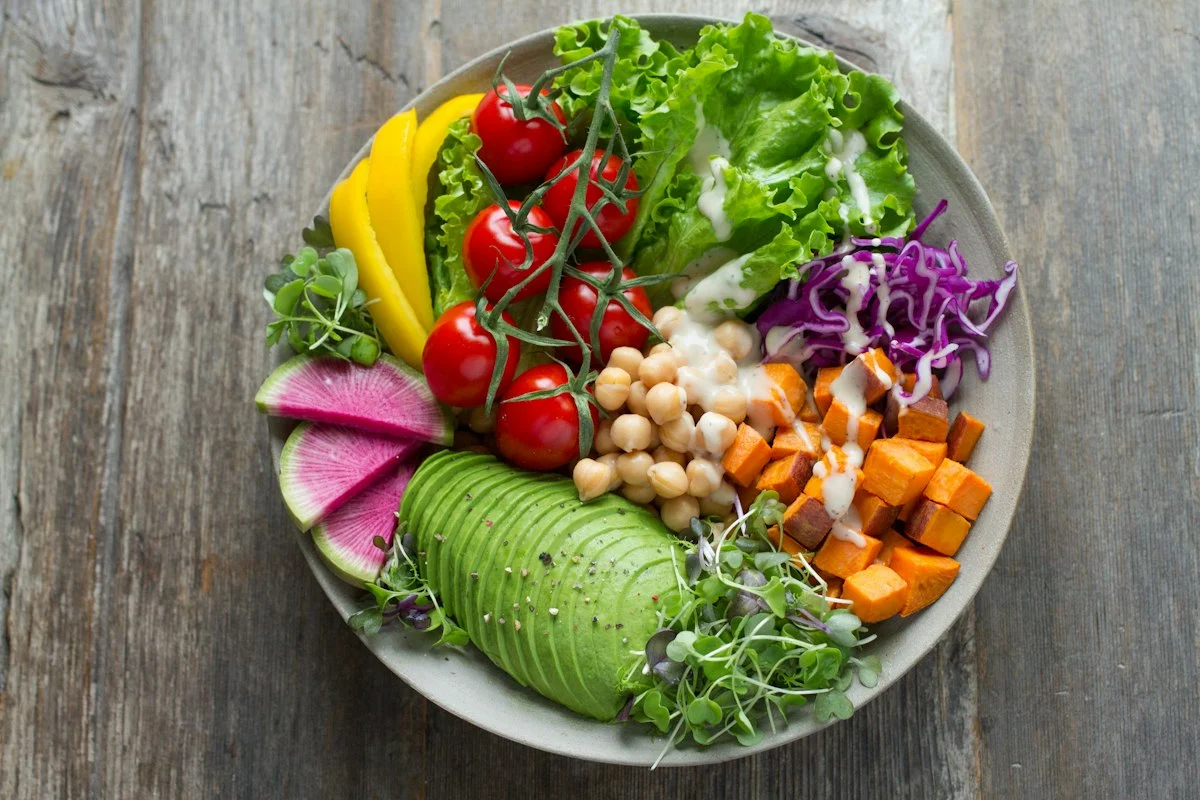
A balanced Indian diabetic thali: 1 katori dal, leafy vegetables, 1–2 rotis, and salad.
Cooking Methods That Lower Glycemic Impact
The same dal can have a very different blood sugar impact depending on how you cook it. Here is what helps:
- Cook it thick, not thin. A thick dal takes longer to digest than a watery soup. The extra water content in thin preparations accelerates digestion and raises the GI.
- Add fat at the right time. A tadka (tempering) of ghee, mustard seeds, or cumin slows gastric emptying and lowers the meal’s glycemic response. One teaspoon of ghee per serving is enough.
- Add a souring agent. A squeeze of lemon juice or a tomato-based preparation adds acidity, which has been shown to slow starch digestion and reduce post-meal glucose spikes.
- Do not overcook. Overcooked dal has broken-down cell walls — the starch becomes more available and raises GI. Cook until soft but not mushy.
- Mix with non-starchy vegetables. Adding spinach, tomatoes, bottle gourd (lauki), or fenugreek leaves (methi) to dal increases fibre and micronutrient content while diluting the carbohydrate density.
- Cool and reheat. Cooling cooked dal in the refrigerator for several hours and then reheating it increases its resistant starch content — starch that behaves more like fibre and does not raise blood sugar as quickly.
A ghee tadka with mustard seeds and curry leaves lowers the glycemic response of any dal preparation.
Simple Diabetes-Friendly Dal Recipes
Recipe 1: Moong Dal with Spinach (Palak Moong Dal)
Ingredients (2 servings):
- 1/3 cup split yellow moong dal (raw)
- 1 cup fresh spinach, roughly chopped
- 1 medium tomato, chopped
- 1 tsp ghee
- ½ tsp cumin seeds
- 1 clove garlic, minced
- ½ tsp turmeric
- Salt to taste
- Lemon juice to finish
Method:
- Wash and soak moong dal for 20 minutes. Drain.
- Pressure cook with 1.5 cups water and turmeric for 2 whistles (or boil for 15–20 minutes).
- Heat ghee in a pan. Add cumin seeds and let them splutter.
- Add garlic and tomato. Cook for 3 minutes until tomato softens.
- Add spinach. Cook for 2 minutes.
- Add cooked moong dal. Mix well. Simmer for 5 minutes.
- Finish with a squeeze of lemon juice.
Per serving (approximate): 180 kcal, 12 g protein, 22 g carbohydrate, 7 g fibre, GI impact: low.
Recipe 2: Chana Dal with Bottle Gourd (Lauki Chana Dal)
Ingredients (2 servings):
- 1/3 cup chana dal (raw)
- 1 cup bottle gourd (lauki), cubed
- 1 tsp mustard oil or ghee
- ½ tsp mustard seeds, ½ tsp cumin seeds
- 1 green chilli, slit
- 1 tsp fresh ginger, grated
- ½ tsp turmeric, ½ tsp coriander powder
- Fresh coriander to garnish
Method:
- Soak chana dal for 30 minutes. Drain.
- Pressure cook with lauki and 2 cups water for 3 whistles.
- Heat oil. Add mustard seeds, cumin, chilli, ginger. Sauté for 1 minute.
- Pour tadka over cooked dal and lauki. Mix and simmer for 5 minutes.
- Garnish with fresh coriander.
Per serving (approximate): 195 kcal, 10 g protein, 28 g carbohydrate, 8 g fibre, GI: very low (chana dal GI 8–12).
Chana dal with lauki: a diabetes-friendly combination with very low glycemic impact.
Sprouted Dal — Extra Benefit for Blood Sugar
Sprouting any whole dal (whole moong, whole masoor, whole chana) reduces its glycemic index further. The sprouting process triggers enzymatic activity that partially breaks down the starch and increases the bioavailability of vitamins — particularly Vitamin C, which is absent in dry dal.
Research background: A study by Hou et al. (2019, Nutrients, PMC6627095) on mung bean confirmed that bioactive polyphenols in mung bean regulate glucose homeostasis. Sprouting concentrates these polyphenols and also reduces anti-nutrients like phytic acid, which can otherwise interfere with mineral absorption.
Practical use:
- Add sprouted moong to salads or stir-fry with minimal cooking to preserve nutrients
- Eat sprouted chana as a snack with lemon and chaat masala — a zero-GI-spike snack
- Sprouted masoor takes 2–3 days to sprout; rinse twice daily and eat lightly stir-fried
How to sprout at home:
- Rinse 1/2 cup whole moong or chana thoroughly.
- Soak in water for 8–10 hours or overnight.
- Drain and transfer to a damp cloth or sprouting jar.
- Keep in a warm place. Rinse twice a day.
- Sprouts appear in 24–48 hours. Refrigerate once sprouted.
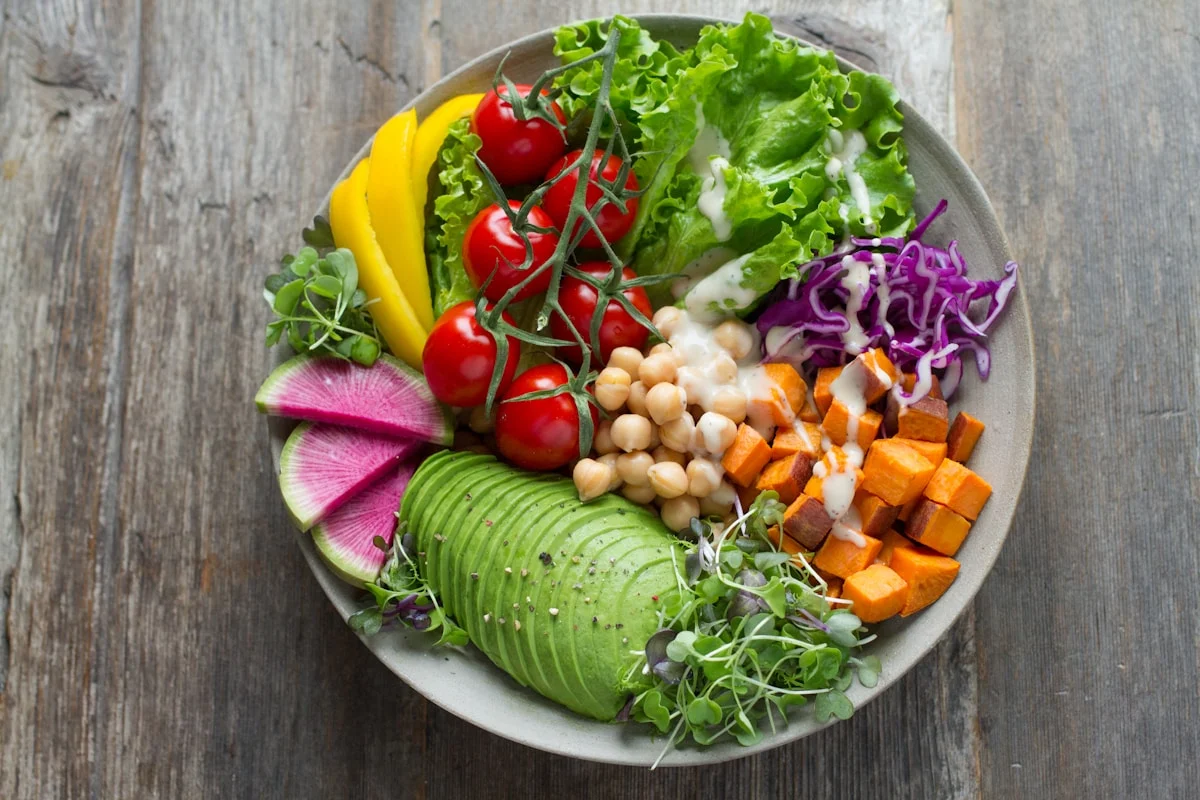
Sprouted moong: lower GI than cooked dal, higher in Vitamin C and polyphenols.
When to Talk to Your Doctor
Dal is generally safe and beneficial for people with diabetes — but a few situations warrant a conversation with your healthcare team:
- You are on insulin or sulfonylureas: adding more legumes can lower your blood sugar further, and your medication dose may need adjusting.
- You have kidney disease (diabetic nephropathy): high protein intake from dal may be restricted depending on your kidney function (GFR). Your nephrologist should guide protein intake.
- Your blood sugar spikes after dal despite following the tips above: this may indicate the preparation method or the total carbohydrate load of the meal needs reviewing.
- You experience bloating or digestive discomfort: some people with diabetes also have gastroparesis (slow stomach emptying); your doctor can advise whether high-fibre dal is appropriate.
FAQ
Which dal is best for diabetes?
Chana dal, with a glycemic index of 8–12, is the single best choice for blood sugar control. Moong dal (GI 25–38) and masoor dal (GI 25–35) are close behind. All three are safe to eat daily as part of a balanced diabetic diet.
Can diabetics eat dal rice?
Dal rice is not off-limits, but the combination raises the meal’s glycemic load compared to eating dal with vegetables alone. If you eat dal rice, use a small portion of rice (¼ to ⅓ cup cooked), choose the lowest-GI rice available (basmati aged rice has a lower GI than regular white rice), and increase the dal-to-rice ratio in your plate.
Is urad dal good for diabetes?
Urad dal is not the best choice for blood sugar management, but it is not forbidden. Whole black urad (with the skin) is better than skinless split urad. Idli and dosa made with fermented urad batter are generally safer because fermentation lowers the glycemic response.
Can I eat dal every day if I have diabetes?
Research and dietary guidelines from the American Diabetes Association support daily legume consumption for people with diabetes. One to two servings of dal per day — as part of a balanced meal with vegetables — is safe and beneficial for most people.
Does cooking method affect how dal affects blood sugar?
Yes, significantly. Thick preparations, the addition of a fat tadka, an acid (lemon juice or tomato), and not overcooking all reduce the glycemic impact. Thin, well-boiled dal without any accompaniment will raise blood sugar faster than a thick, well-spiced preparation with vegetables.
Is sprouted moong better than cooked moong for diabetes?
Sprouted moong has a lower GI than cooked moong and higher Vitamin C content. It is a good snack option. However, it is not cooked, so people with compromised immunity or specific digestive conditions should check with their doctor before eating raw sprouts.
Key Takeaway
Dal is one of the most diabetes-friendly foods in the Indian kitchen. Chana dal, moong dal, and masoor dal are your three best choices — all with glycemic index values well below 40 and strong evidence supporting their role in blood sugar management. Eat one katori (½ cup cooked) per meal, cook it thick with a ghee or mustard seed tadka, add vegetables, and finish with a squeeze of lemon. If you want to go further, try sprouting your moong or chana — it lowers the GI even more and adds nutrients.
For a broader picture of what to eat with your dal, see our diabetes reversal diet plan and our guide on building a diabetes-friendly Indian thali. If you want to understand your overall blood sugar markers, explore our guide on what HbA1c means.
Written by Kirti, Certified Health Coach | Founder, HealthyWayFit
Last reviewed: October 2026
Sources:
- Sabarathinam S. A glycemic diet improves the understanding of glycemic control in diabetes patients during their follow-up. Future Sci OA. 2023;9(3):FSO843. PMC10072118
- Hou D, Yousaf L, Xue Y, et al. Mung bean (Vigna radiata L.): bioactive polyphenols, polysaccharides, peptides, and health benefits. Nutrients. 2019;11(6):1238. PMC6627095
- Atkinson FS, Brand-Miller JC, Foster-Powell K, et al. International tables of glycemic index and glycemic load values 2021. Am J Clin Nutr. 2021;114(5):1625–1632. PubMed 34258626
- Faris MA-IE, Takruri HR, Issa AY. Role of lentils (Lens culinaris L.) in human health and nutrition: a review. Mediterranean Journal of Nutrition and Metabolism. 2013;6:3–16.



