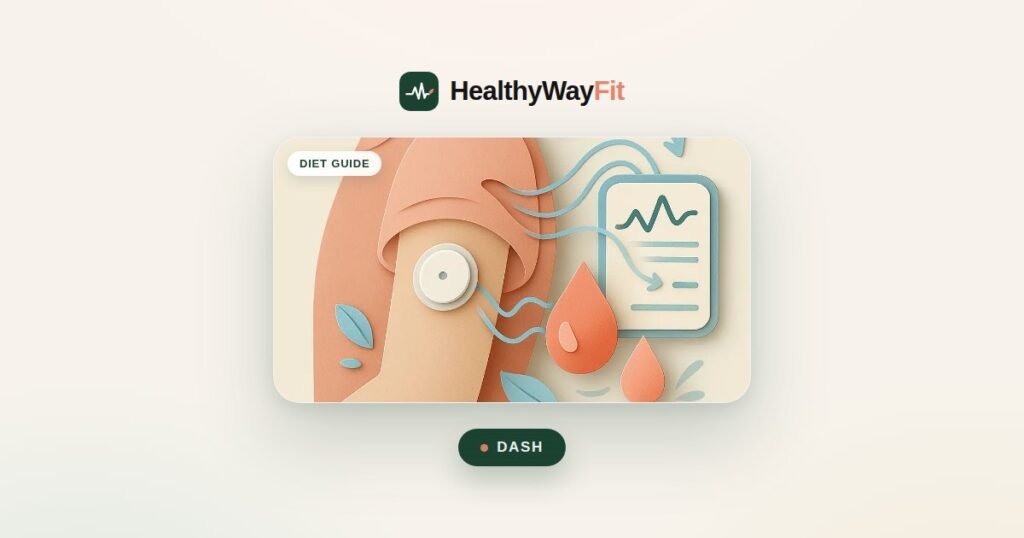
The DASH diet, short for Dietary Approaches to Stop Hypertension, was designed to lower blood pressure. But its emphasis on vegetables, fruits, whole grains, legumes, low-fat dairy and reduced sodium makes it a strong all-rounder for type 2 diabetes too. Because high blood pressure and diabetes so often travel together and both raise heart risk, DASH offers a two-for-one benefit: research suggests it may help blood pressure and support better blood sugar and heart health.
Why DASH suits people with diabetes
DASH is naturally rich in fibre, potassium, magnesium and calcium, and lower in sodium, added sugar and unhealthy fat. That combination supports healthier blood vessels and steadier glucose. For someone managing type 2 diabetes, protecting the heart and kidneys is just as important as managing sugar numbers, and DASH targets all of these at once.
The DASH building blocks
- Vegetables and fruit: generous daily servings, spread across meals.
- Whole grains: in measured portions, favouring millets, brown rice and whole wheat.
- Legumes, nuts and seeds: several times a week for protein and minerals.
- Low-fat dairy: curd, chaas and milk in sensible amounts.
- Lean proteins: fish, chicken, eggs, paneer and tofu.
- Less of: salt, sugary foods and drinks, and processed and fried items.
Tip: Sodium hides in papad, pickles, namkeen, packaged snacks and restaurant food. Cutting back on these, and cooking with less added salt, is often the single biggest DASH win for blood pressure.
The salt challenge in Indian food
Traditional Indian diets can be high in salt through pickles, papad, chutneys, processed masalas and packaged snacks. DASH-friendly cooking leans on herbs, lemon, garlic, ginger and spices for flavour instead of extra salt. Choosing fresh foods over packaged ones, and rinsing canned items, meaningfully reduces sodium without sacrificing taste.
Balancing carbs within DASH
DASH allows fruit and grains, which contain carbohydrate, so people with diabetes should mind portions and choose whole, less-refined options. Pair fruit with nuts or curd, keep grain servings measured, and lead each meal with vegetables and protein. This keeps the heart-healthy pattern gentle on blood sugar too.
What a day looks like
- Breakfast: vegetable oats or a moong dal chilla with curd, and a small fruit like guava or orange.
- Lunch: a katori of dal, a large vegetable sabzi with minimal salt, kachumber salad, one millet roti, and chaas.
- Snack: an unsalted handful of nuts and a piece of fruit.
- Dinner: grilled fish or tofu, sauteed greens, a small serving of brown rice, and a bowl of curd.
Colourful, high in produce, moderate in whole grains, and light on salt and sugar. Notice how the plate is built from many small, varied servings rather than one large starchy portion, which is the heart of the DASH idea. Over a week, aim for a wide range of vegetables and colours, since different plants bring different protective nutrients. Batch-cooking dals and chopping vegetables in advance makes this variety realistic on busy days.
Lifestyle partners to DASH
- Move daily; even brisk walking helps both blood pressure and glucose.
- Limit alcohol, which raises blood pressure and can affect sugar.
- Prioritise sleep and stress management, both of which influence blood pressure.
- Keep potassium-rich foods like bananas (in moderation), beans and greens on the menu, unless your doctor has advised limiting potassium.
A note on medication
DASH can lower both blood pressure and blood sugar. If you take medicines for either, your readings may improve enough that doses need adjusting. This is a good problem to have, but it should be managed by your doctor, not by changing medicine yourself. Monitor your numbers and report improvements or any lows.
Frequently asked questions
Is DASH low-carb?
Not strictly. DASH is moderate in carbohydrate, emphasising whole grains, fruit and legumes. People with diabetes can adapt it by choosing whole, less-refined carbs and keeping portions measured, so the pattern stays gentle on blood sugar.
Do I need special low-sodium products?
Usually not. The bigger wins come from cooking fresh, using less added salt, and cutting back on high-salt items like pickles, papad and packaged snacks. Herbs and spices do the flavour work instead.
Can DASH help if I only have diabetes, not high blood pressure?
Yes. Even with normal blood pressure, DASH’s produce-rich, low-sodium, heart-protective pattern supports overall metabolic health, which benefits people with diabetes given their higher cardiovascular risk.
Build a heart-and-sugar-smart plan
DASH is an excellent choice when blood pressure and blood sugar both need attention. Our HealthyWayFit team can tailor it to your tastes, sodium targets and medications for the best of both worlds.
This guide is for education only and is not medical advice. It is not a substitute for care from a qualified professional. Please consult your doctor or dietitian before making major diet changes, and never stop or adjust diabetes or blood-pressure medication on your own, especially insulin or sulfonylureas, because of the risk of low blood sugar.