By Team HealthyWayFit
Watermelon is one of the most refreshing summer fruits — but its reputation for being high in sugar leaves many people with diabetes wondering whether they should eat it at all. Research suggests the picture is more nuanced than a simple yes or no, and the key lies in understanding a concept called glycemic load. This 2026 guide reviews the available evidence on watermelon and blood sugar management.
⚠️ Medical Disclaimer: The information in this article is for educational purposes only and does not constitute medical advice. Always consult a qualified healthcare provider or registered dietitian before making changes to your diet, especially if you have diabetes or any related condition.

What Is Watermelon?
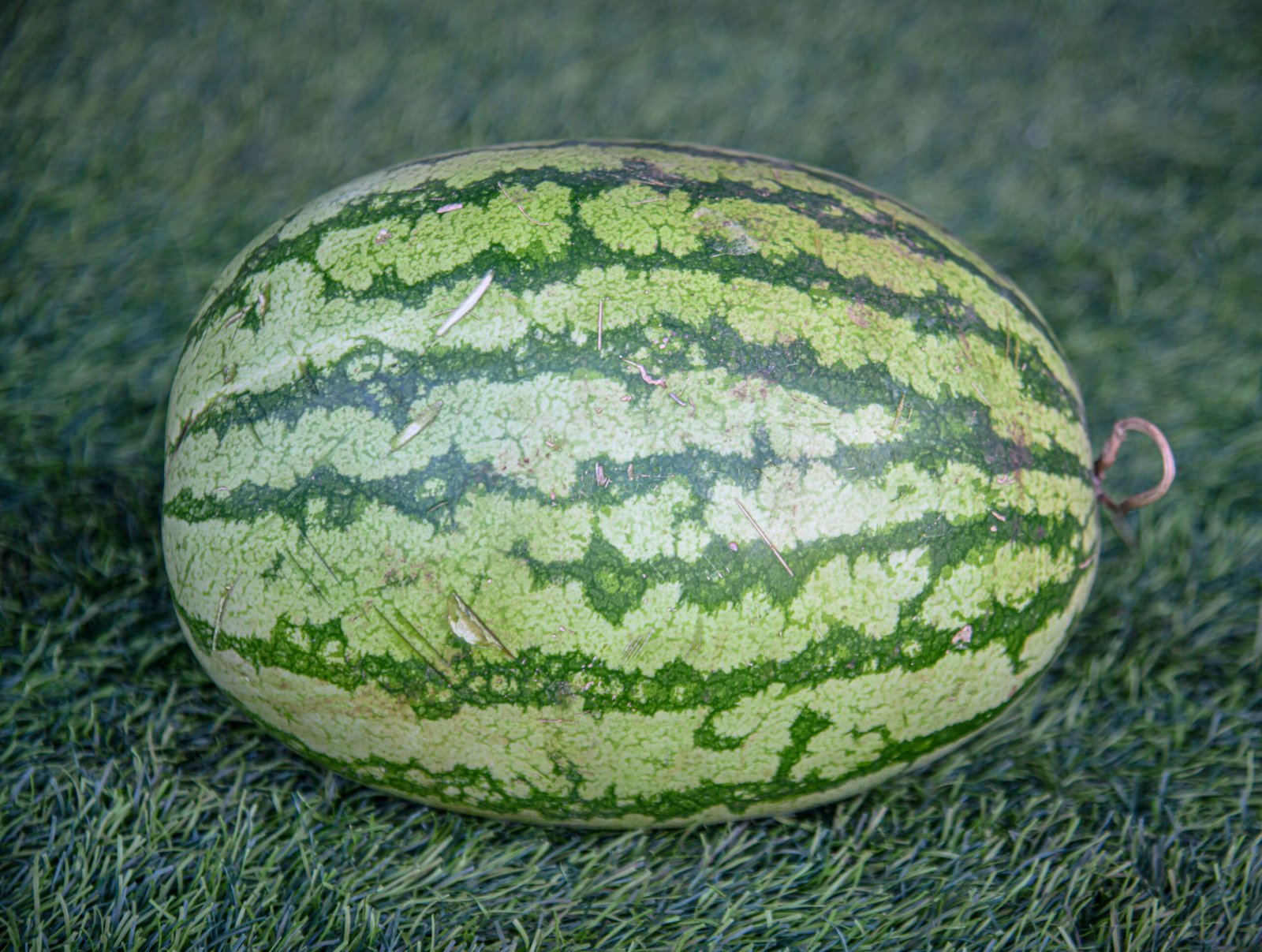
Watermelon (Citrullus lanatus) is a large fruit in the Cucurbitaceae family, native to West Africa and now cultivated worldwide. The fruit is composed of approximately 92% water by weight, which significantly dilutes its natural sugar content per gram. According to data from the United States Department of Agriculture (USDA), a 100g serving of raw watermelon contains approximately 7.6g of carbohydrates, 6.2g of natural sugars, 0.4g of fibre, and only 30 calories. These figures make watermelon one of the lowest-calorie fruits available by weight.
Nutritional Profile of Watermelon (per 100g)
| Nutrient | Amount |
|---|---|
| Calories | 30 kcal |
| Total carbohydrates | 7.6g |
| Sugars | 6.2g |
| Dietary fibre | 0.4g |
| Protein | 0.6g |
| Fat | 0.2g |
| Vitamin C | 8.1mg (9% DV) |
| Lycopene | 4.5–6.8mg |
| Citrulline | ~175mg |
| Water content | ~92% |
When compared with other popular fruits, watermelon is notably low in calories and total carbohydrates by weight. A standard serving of 120g (approximately one cup of cubed watermelon) provides only about 9g of carbohydrates — an amount manageable within most diabetes-friendly meal plans.
Glycemic Index vs. Glycemic Load: Why the Distinction Matters
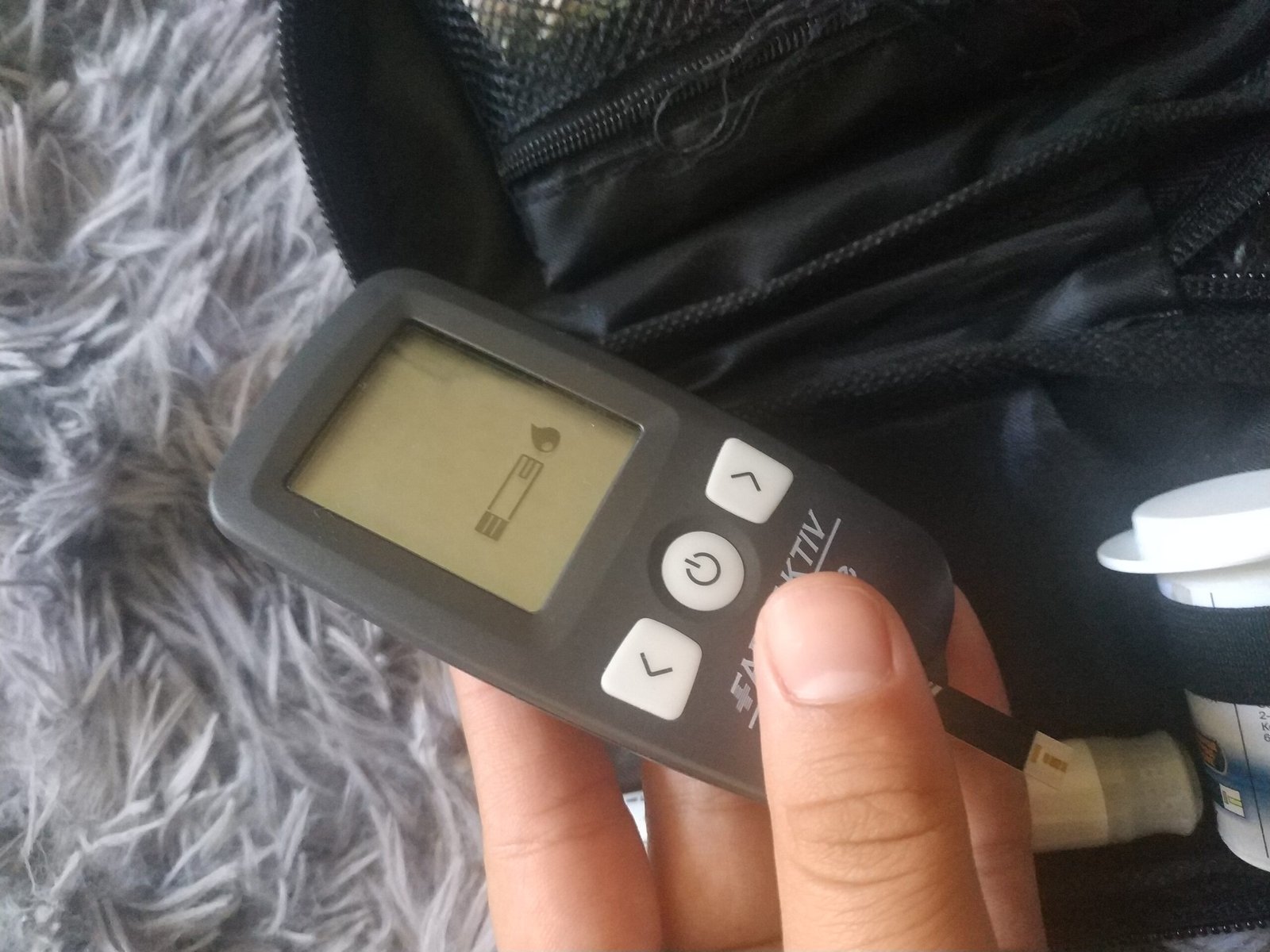
Watermelon carries a high glycemic index (GI) of approximately 72–80, depending on the variety and ripeness — values above 70 are classified as “high.” However, the glycemic index alone does not tell the full story.
A more clinically meaningful measure is the glycemic load (GL), which accounts for both the GI and the actual carbohydrate content in a standard serving. The formula is: GL = (GI × available carbohydrates in grams) ÷ 100. For a 120g serving of watermelon with approximately 6g of available carbohydrates, the glycemic load is roughly (72 × 6) ÷ 100 = 4.3, which falls squarely in the “low” category (GL ≤ 10 is considered low, according to Harvard Medical School). Research published in the American Journal of Clinical Nutrition (Atkinson et al., 2008) confirmed a glycemic index of approximately 72 for watermelon. However, the authors also noted that the high water content means that a realistic portion contains a small carbohydrate load. This insight prompted nutrition scientists and clinicians to emphasise that the glycemic load — not the GI alone — is the more practical tool for people managing blood sugar levels.
Lycopene: Watermelon’s Key Antioxidant

Watermelon is one of the richest dietary sources of lycopene, containing approximately 4.5–6.8mg per 100g — higher than most varieties of tomato. Lycopene is a carotenoid antioxidant that has been studied for its potential role in reducing oxidative stress, a process implicated in the development of diabetes complications. A meta-analysis published in Nutrients (Cheng et al., 2019) found that higher dietary lycopene intake was associated with a statistically significant reduction in fasting blood glucose and HbA1c in observational studies. The authors noted that the association was likely mediated through reduced oxidative stress and improved insulin sensitivity, though they cautioned that randomised controlled trials are still needed to establish causation. Research has also found that lycopene may help reduce levels of inflammatory markers such as C-reactive protein (CRP) and interleukin-6, both of which are elevated in type 2 diabetes.
Citrulline: An Amino Acid Worth Knowing

Watermelon is notably high in L-citrulline, a non-essential amino acid found at concentrations of approximately 175mg per 100g of flesh and even higher in the rind. The body converts citrulline to L-arginine, a precursor to nitric oxide, which plays a role in vasodilation and blood flow. A small clinical study published in the American Journal of Hypertension (Figueroa et al., 2012) found that watermelon extract supplementation was associated with improvements in blood pressure and arterial stiffness in overweight adults with mild hypertension — a population that significantly overlaps with type 2 diabetes patients. Research has found that impaired nitric oxide production is a feature of insulin resistance, and improving vascular function may have downstream benefits for glucose uptake in peripheral tissues, though direct evidence from large clinical trials in diabetic populations is still limited.
Fibre and Water Content: Why Satiety Matters

Watermelon is not particularly high in fibre (approximately 0.4g per 100g), which limits its ability to slow glucose absorption on its own compared to higher-fibre fruits such as guava or pears. However, its extraordinary water content — 92% by weight — contributes to satiety and helps people eat a larger-feeling portion with fewer actual calories and carbohydrates. According to guidelines from the American Diabetes Association (ADA), dietary patterns that emphasise low-calorie-density foods rich in water are associated with improved glycaemic control and body weight management. The ADA’s 2024 Standards of Care in Diabetes does not exclude any fruit, including watermelon, from a diabetes-friendly eating pattern, provided that carbohydrate portions are planned and accounted for within the individual’s total daily carbohydrate goals.
Practical Guidance: How Much Watermelon May Be Appropriate?

Based on the available evidence, most registered dietitians working with people with type 2 diabetes suggest that a portion of approximately 120–150g (one cup) of watermelon can fit within a balanced meal plan. This portion provides roughly 6–9g of carbohydrates. For context, most structured diabetes meal plans allocate 15–30g of carbohydrates per snack or fruit serving. Some practical approaches suggested in the literature include:
- Monitor your personal response: Blood glucose responses to the same food vary between individuals. The ADA recommends checking post-meal blood sugar one to two hours after eating to understand how a specific food affects you personally.
- Time your portion thoughtfully: Eating watermelon as part of a meal rather than on its own may reduce the speed at which sugars are absorbed, as the protein, fat, and fibre in the meal slow gastric emptying.
- Avoid juice: Watermelon juice removes the modest fibre content and concentrates sugars, raising the effective glycemic load compared to whole fruit. Juices and blended drinks are generally not recommended for people trying to manage blood glucose.
- Consider ripeness: Riper watermelon has a higher GI because more of the starch has converted to free sugars. Choosing slightly less-ripe fruit may modestly reduce the glycemic impact.
The Pairing Strategy

Research suggests that combining high-GI foods with protein or fat can attenuate the postprandial glucose spike by slowing gastric emptying and reducing the rate of carbohydrate absorption. For example, a 2019 study in Diabetes Care found that consuming a premeal of whey protein before a high-GI carbohydrate food significantly reduced the subsequent glucose area under the curve. Applying this principle to watermelon, pairing a one-cup serving with a small handful of almonds (approximately 15–20g) or a portion of Greek yoghurt may help moderate the glycemic response without restricting the enjoyment of the fruit.
How Watermelon Compares to Other Fruits for Diabetes

While watermelon has a higher GI than many other fruits, its per-serving glycemic load compares favourably once portion sizes are standardised. See how watermelon stacks up against other popular choices in the diabetes food list:
| Fruit | GI (approx.) | GL per 120g serving (approx.) |
|---|---|---|
| Watermelon | 72 | 4–5 |
| Mango | 51 | 8–9 |
| Banana (ripe) | 51 | 12 |
| Apple | 36 | 5 |
| Strawberries | 40 | 3 |
| Grapes | 59 | 11 |
This comparison highlights that despite its high GI, watermelon’s GL per serving is similar to that of an apple and lower than that of grapes or a ripe banana. For more on how dates compare with other fruits for diabetes, or whether jamun is beneficial for blood sugar, see our related guides.
Who Should Exercise Extra Caution with Watermelon?

While moderate portions of watermelon are unlikely to cause harmful blood sugar spikes in most people with well-controlled type 2 diabetes, certain groups may need to be more careful:
- Type 1 diabetes: People with type 1 diabetes who are carbohydrate-counting need to include watermelon in their meal-time insulin calculations. The carbohydrate content of watermelon should be counted like any other fruit.
- Poorly controlled type 2 diabetes: Those with HbA1c levels significantly above target may find that even low-GL foods contribute to elevated glucose in the context of an overall high-carbohydrate diet. Personalised guidance from a dietitian is recommended.
- Kidney disease (diabetic nephropathy): Watermelon is moderately high in potassium (approximately 112mg per 100g). People with diabetic nephropathy who are on potassium-restricted diets should discuss appropriate fruit choices with their nephrologist or dietitian.
- Post-bariatric surgery: Some people who have had bariatric surgery may experience dumping syndrome with high-sugar, high-water foods. Watermelon can trigger this in some individuals.
When to See a Doctor
Seek medical attention if you notice any of the following after eating watermelon or making dietary changes:
- Persistent blood glucose readings above your target range after meals, despite portion control
- Symptoms of hypoglycaemia (shakiness, sweating, confusion) if you are on insulin or sulphonylureas and have significantly reduced your carbohydrate intake
- Signs of swelling or fluid retention, which may indicate a need to review potassium and fluid intake
- Any sudden change in your HbA1c result without a clear explanation
A registered dietitian specialising in diabetes can help you incorporate seasonal fruits, including watermelon, into a personalised eating plan that fits your medication regimen, glucose targets, and lifestyle.
Frequently Asked Questions
Is watermelon safe for diabetics?
Research suggests that moderate portions of watermelon (approximately 120g or one cup) are generally safe for most people with type 2 diabetes. Despite its high glycemic index, the glycemic load per standard serving is low (approximately 4–5) due to the fruit’s very high water content. Individual responses vary, so monitoring post-meal blood glucose is advisable.
What is the glycemic load of watermelon?
The glycemic load of watermelon per 120g serving is approximately 4–5, which is classified as low. This is calculated as GI (approximately 72) multiplied by the grams of available carbohydrate (approximately 6g) divided by 100, giving a GL of roughly 4.3. A GL of 10 or below is considered low by Harvard Medical School’s GI database.
How much watermelon can a person with diabetes eat per day?
There is no universal recommended amount, as individual carbohydrate goals differ. Most dietitians suggest limiting portions to around 120–150g (one cup cubed) per serving and accounting for the 6–9g of carbohydrates within the total daily carbohydrate budget. Eating it as part of a meal with protein and fat may further reduce the glycemic impact.
Does watermelon raise blood sugar significantly?
A realistic serving of watermelon (one cup) is unlikely to cause a dramatic blood sugar spike in most people because the actual carbohydrate content is small. However, eating large amounts — such as multiple large slices in a sitting — will raise blood glucose meaningfully, as carbohydrate grams accumulate. Portion control remains the key variable.
Is watermelon better than mango for diabetics?
When compared by glycemic load per 120g serving, watermelon (GL approximately 4–5) is roughly comparable to or slightly better than mango (GL approximately 8–9). Both can be included in a diabetes-friendly diet in appropriate portions. However, mango is higher in certain vitamins, so the choice between them depends on overall nutritional goals as well as blood glucose management.
Takeaway
Watermelon’s reputation as a problematic fruit for people with diabetes is largely a consequence of focusing on glycemic index alone. When the glycemic load of a standard serving is considered — which better reflects real-world impact on blood sugar — watermelon compares favourably with many everyday fruits. Research has found it to be a source of lycopene (a potentially beneficial antioxidant), citrulline (which may support vascular health), and significant hydration. Moderate portions, mindful meal timing, and blood glucose monitoring are the most evidence-supported strategies for including watermelon in a diabetes management plan. As with any dietary change, consulting a healthcare professional or registered dietitian is the most reliable path to personalised guidance.
🎓 Want to learn more about managing diabetes through diet? Access our free training here →