By Team HealthyWayFit
Medical Disclaimer: This article is for informational purposes only and does not constitute medical advice. People with diabetes should consult their doctor or a registered dietitian before making changes to their diet. Individual blood sugar responses to foods vary significantly.

Dates are one of the sweetest fruits on the planet — a single Medjool date contains about 18 grams of carbohydrates. So it’s natural to wonder: is dates good for diabetes? The answer is not a simple yes or no. Research has found that dates have a surprisingly moderate glycemic index (GI) for a fruit so sweet, but portion size, diabetes type, and individual metabolic factors all shape the actual blood sugar response.
This 2026 guide reviews the current evidence, explains the nutritional profile of dates, and offers practical guidance for people managing diabetes or prediabetes who want to include this traditional fruit in their eating plan.
What Are Dates? A Nutritional Overview
Dates are the fruit of the date palm tree (Phoenix dactylifera), cultivated for thousands of years across the Middle East, North Africa, and South Asia. The most commonly consumed varieties include Medjool, Deglet Noor, Zahidi, and Barhi. They are eaten fresh, dried, or as date paste used in cooking and baking.
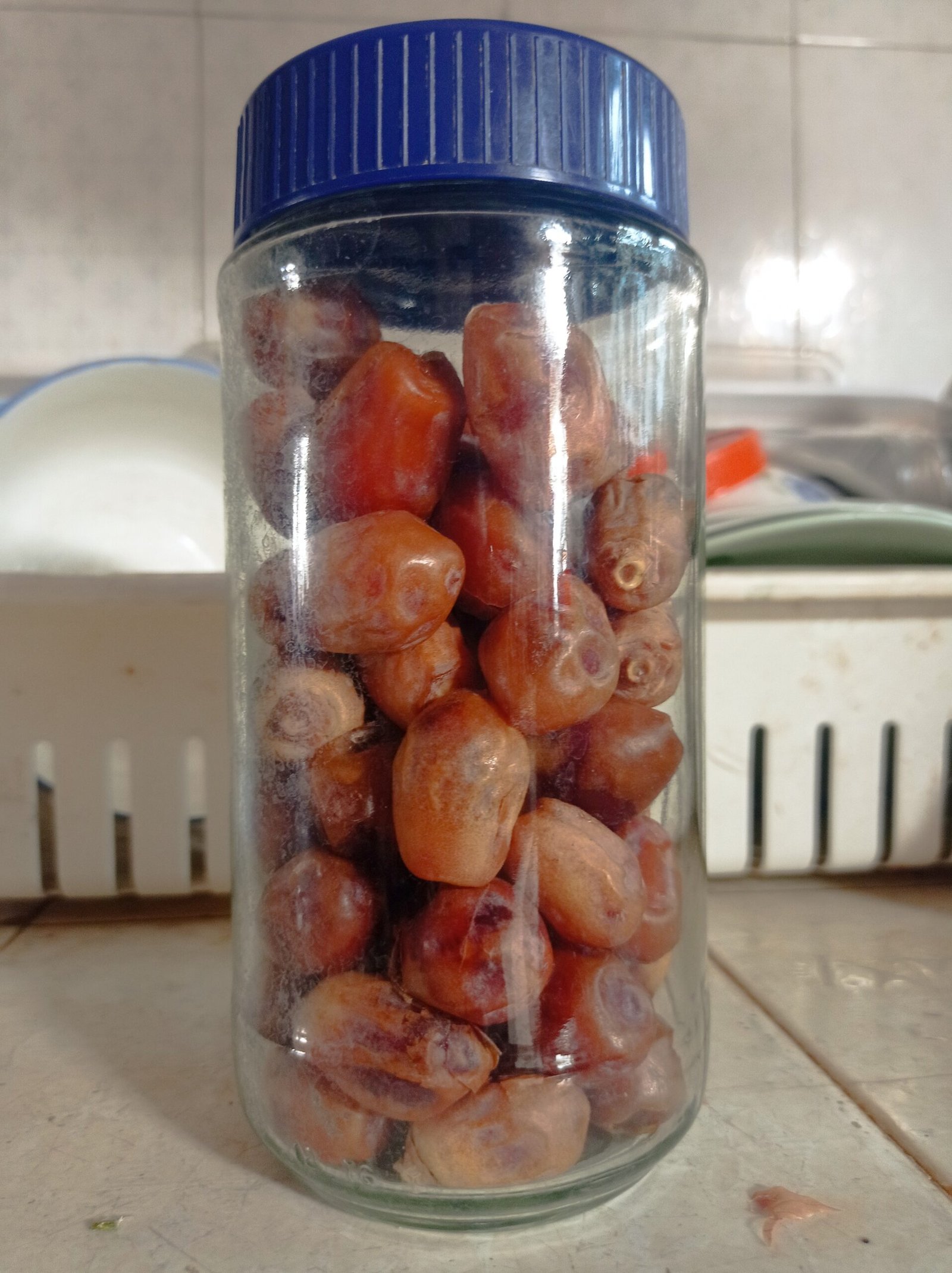
According to the USDA FoodData Central database, a 100g serving of Medjool dates (roughly 2–3 dates) provides approximately:
- Calories: 277 kcal
- Total carbohydrates: 75 g
- Dietary fiber: 6.7 g
- Sugars: 66 g (mostly fructose and glucose)
- Protein: 1.8 g
- Potassium: 696 mg
- Magnesium: 54 mg
- Vitamin B6: 0.25 mg
The fiber content is noteworthy: 6.7 g per 100g is relatively high for a fruit. Dietary fiber slows glucose absorption, which is one reason research suggests dates may have a more moderate glycemic effect than their sugar content alone would imply.
The Glycemic Index of Dates: What Does Research Show?

The glycemic index measures how quickly a food raises blood glucose compared to pure glucose (GI = 100). According to research published in the Journal of Nutrition and Metabolism (2011) by Vayalil, dates from multiple varieties were studied in healthy adults, and the GI values ranged from approximately 46 to 55 — classifying them as low to medium GI foods.
A landmark study by Al-Shahib and Marshall (2003), published in the International Journal of Food Sciences and Nutrition, examined the nutritional value of dates and concluded that “dates may be considered an almost ideal food” due to their balance of fiber, minerals, and energy density. While this study was not focused exclusively on diabetic populations, it laid the groundwork for subsequent clinical trials.
A key clinical trial by Athar et al. (published in the Journal of Nutritional Science) investigated the glycemic and insulinemic response to dates in both healthy subjects and people with type 2 diabetes. The study found that consuming five types of dates did not produce a significantly greater glycemic response compared to the control food in diabetic patients. The researchers concluded that people with well-controlled type 2 diabetes may be able to consume dates as part of a balanced diet without adverse effects on blood glucose or lipid profiles.

It is important to note that glycemic index values can vary based on ripeness, variety, preparation method, and what other foods are eaten at the same time. Research consistently shows that pairing a moderate-GI carbohydrate with protein, fat, or additional fiber tends to further blunt the blood glucose spike. For people with diabetes, this means eating dates with Greek yogurt, nuts, or cheese may produce a lower blood sugar response than eating dates alone.
Dates and Diabetes: Key Research Findings

Beyond the glycemic index question, a growing body of research has examined other potential effects of dates on metabolic health:
1. Antioxidant Properties
Dates are rich in polyphenols, flavonoids, and carotenoids. Research published in the Journal of Agricultural and Food Chemistry found that date fruits have significant antioxidant activity. This matters for people with diabetes because oxidative stress is a key driver of diabetic complications, including neuropathy, nephropathy, and cardiovascular disease. According to a 2020 review in Nutrients, diets high in antioxidant-rich foods are associated with reduced inflammatory markers in people with type 2 diabetes.
2. Fiber and Gut Health
The dietary fiber in dates includes both soluble and insoluble fractions. Soluble fiber is associated with improved postprandial blood glucose control by slowing gastric emptying and glucose absorption in the small intestine. According to the American Diabetes Association (ADA), increasing dietary fiber intake is associated with improved HbA1c levels and overall glycemic control in people with type 2 diabetes. Research published in Diabetes Care found that diets providing 50 g of fiber per day significantly reduced both postprandial glucose and total cholesterol in patients with type 2 diabetes.
3. Magnesium and Insulin Sensitivity
Dates are a meaningful source of magnesium (54 mg per 100g). According to a meta-analysis published in Diabetes Care, higher dietary magnesium intake is associated with a significantly lower risk of type 2 diabetes. For those already diagnosed, magnesium is involved in more than 300 enzymatic reactions, including glucose metabolism and insulin signaling. A systematic review in the Journal of Internal Medicine found that magnesium supplementation improved insulin sensitivity in people with type 2 diabetes who had low serum magnesium levels.

4. Potassium and Blood Pressure
Hypertension is extremely common in people with type 2 diabetes — according to the American Heart Association, up to 75% of adults with diabetes also have high blood pressure. Dates are one of the highest-potassium fruits available, providing 696 mg per 100g serving. Research published in the British Medical Journal found that higher potassium intake is associated with lower blood pressure, and the DASH diet — which is high in potassium-rich fruits and vegetables — is specifically recommended by the ADA for people with diabetes and hypertension.
How Many Dates Can a Diabetic Person Eat?

There is no universal “safe” number of dates for all people with diabetes, as individual responses vary considerably. However, based on available research and standard diabetic dietary guidelines, the following general guidance is commonly cited by dietitians:
- 2–3 Medjool dates (approximately 60–75g) is a typical serving size that provides around 40–55g carbohydrates — roughly the equivalent of one medium carbohydrate exchange in a diabetes meal plan.
- Dates are best consumed as part of a mixed meal rather than as a standalone snack, to slow glucose absorption.
- Timing matters: research suggests that carbohydrate-rich foods consumed earlier in the day may produce a lower glycemic response than the same foods eaten in the evening, due to circadian variation in insulin sensitivity.
- People with poorly controlled diabetes (HbA1c above 8%) may need to limit or avoid dates until better glycemic control is established.
- Dried dates are more calorie-dense and have a slightly higher GI than fresh dates — people with diabetes may tolerate fresh or semi-dried dates better.
The best approach is to test your own blood glucose response. Check your blood sugar before eating 2–3 dates, then check again 2 hours later. If your post-meal reading stays within your target range (commonly less than 180 mg/dL two hours after eating, as per ADA guidelines), that serving size is likely tolerable for you.
Practical Tips: Including Dates in a Diabetes-Friendly Diet

Research-informed strategies for incorporating dates into a diabetes-friendly eating pattern include:
- Pair dates with protein or healthy fat. A study published in the American Journal of Clinical Nutrition found that co-ingestion of protein and fat with carbohydrate significantly reduces the postprandial glucose and insulin response. Eating 2 dates with 10–15 almonds or a tablespoon of nut butter is a practical application of this finding.
- Use dates as a natural sweetener substitute. Date paste can replace refined sugar in recipes at a 1:1 ratio, with the added benefit of fiber that refined sugar lacks. This is particularly useful in baking for people with diabetes who want to reduce added sugar without giving up sweetness entirely.
- Avoid date syrup and date sugar in large quantities. These processed forms have had much of the fiber removed and can produce a sharper blood glucose spike than whole dates.
- Distribute carbohydrates throughout the day. Rather than eating all your day’s carbohydrates in one sitting, spreading them across meals — including dates as part of one meal — supports more stable blood glucose levels.
- Keep portions consistent. Variability in portion size is a common driver of unexpected blood sugar swings. Research published in Nutrition & Metabolism found that consistent carbohydrate portions at each meal improve glycemic predictability in people with type 2 diabetes.
Are Dates Better Than Other Sweet Fruits for Diabetes?

Comparing dates to other commonly consumed sweet fruits reveals some interesting patterns. According to data from the University of Sydney’s GI database and published research:
- Dates (Medjool): GI approximately 46–55 | Carbs per 100g: ~75g
- Mango: GI approximately 51–60 | Carbs per 100g: ~15g
- Grapes: GI approximately 46–59 | Carbs per 100g: ~18g
- Banana (ripe): GI approximately 51–62 | Carbs per 100g: ~23g
- Pineapple: GI approximately 59–66 | Carbs per 100g: ~13g
What this comparison reveals is that while dates have a similar GI to many other fruits, their carbohydrate density is much higher. A single 100g serving of dates contains five times more carbohydrates than the same weight of mango. This means the glycemic load (which accounts for both GI and portion size) of dates is considerably higher than most fruits. People with diabetes who enjoy dates are advised to treat them as a concentrated carbohydrate source rather than a freely consumed fruit.
For more information on how other fruits and foods affect blood sugar, see our guide to the diabetes food list and our article on is jamun good for diabetes.
Who Should Be Cautious About Eating Dates?

While moderate date consumption may be compatible with well-controlled type 2 diabetes, certain groups should exercise particular caution:
- People with type 1 diabetes need to carefully account for the carbohydrate content of dates in their insulin dosing calculations. The carbohydrate density makes precise portion measurement especially important.
- People with poorly controlled type 2 diabetes (HbA1c above 9%) may find that even small portions of dates cause significant blood sugar elevation. Improving glycemic control first is advisable before introducing high-carbohydrate foods.
- People on low-carbohydrate or ketogenic diets for diabetes management will typically exclude dates altogether, as even 2–3 dates may exceed their entire daily carbohydrate allocation.
- People with diabetic kidney disease (nephropathy) should note that dates are high in potassium. While potassium is generally beneficial, those with reduced kidney function may be advised by their nephrologist to limit high-potassium foods.
- People taking certain diabetes medications such as sulfonylureas or insulin are at higher risk of hypoglycemia and should not consume large quantities of dates without guidance, as the balance between medication and food intake must be carefully managed.
When to See a Doctor
Consult your doctor or a registered dietitian if:
- Your blood sugar consistently rises above your target range after eating dates or other fruits.
- You are unsure how to incorporate dates into your carbohydrate budget for the day.
- Your HbA1c has been rising and you want to review your dietary patterns.
- You have diabetic kidney disease and are concerned about potassium intake.
- You are pregnant and managing gestational diabetes — dietary guidance is particularly specific in this situation.
For related reading, see our article on normal blood sugar levels and our guide to fasting blood sugar vs HbA1c.
Frequently Asked Questions
Can a diabetic eat dates every day?
Research suggests that people with well-controlled type 2 diabetes may be able to include 2–3 dates daily as part of a balanced meal plan without adverse effects on blood glucose or lipid profiles. However, daily consumption should be monitored with regular blood sugar checks, and people with poorly controlled diabetes should consult their doctor before making dates a regular part of their diet.
What is the glycemic index of Medjool dates?
Research has measured the glycemic index of Medjool dates at approximately 46–55, which classifies them as a low-to-medium GI food. This is lower than many people expect given the high sugar content, and is likely due to the significant fiber content that slows glucose absorption.
Are dates better than sugar for people with diabetes?
Whole dates have a lower glycemic index than refined white sugar (GI approximately 65–70) and contain fiber, minerals, and antioxidants that sugar lacks. When used in small portions as a natural sweetener substitute, dates may be a better option than refined sugar for people with diabetes. However, they still contain significant carbohydrates and should not be consumed freely.
How many dates can a diabetic eat per day?
There is no single universal recommendation, as individual responses vary. As a general starting point, 2–3 Medjool dates (approximately 60–75g) consumed as part of a mixed meal is a commonly cited portion. People with diabetes are advised to monitor their blood glucose 2 hours after eating to assess their personal response and adjust accordingly.
Do dates increase blood sugar quickly?
Despite their high sugar content, research indicates that dates have a relatively moderate glycemic response compared to other high-carbohydrate foods, particularly when eaten with protein, fat, or additional fiber. A clinical study published in the Journal of Nutritional Science found that five varieties of dates did not produce a significantly greater glycemic response in people with type 2 diabetes compared to the control food. That said, eating dates in large quantities or on their own may still cause a noticeable blood sugar rise in sensitive individuals.
Key Takeaway
Research suggests that dates are not off-limits for most people with well-managed type 2 diabetes. Their moderate glycemic index (46–55), fiber content, antioxidants, magnesium, and potassium make them a nutritionally richer option than refined sugar. However, their high carbohydrate density means portion control is essential — 2–3 dates as part of a mixed meal is a reasonable starting point for most people. Always pair dates with protein or healthy fat to blunt the glucose response, and monitor your blood sugar to understand your individual response.
If you have type 1 diabetes, poorly controlled type 2 diabetes, diabetic kidney disease, or are on insulin, consult your healthcare team before adding dates to your regular diet.
Want to learn more about managing diabetes with diet and lifestyle? Access our free diabetes management training here →