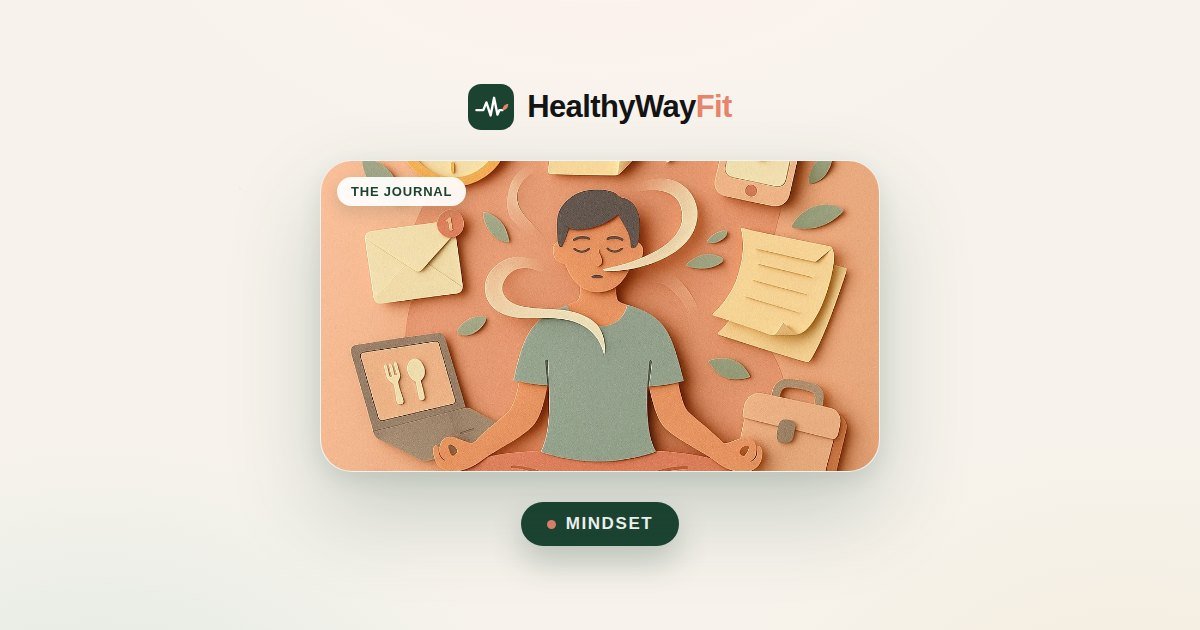
Most people know what they should do to improve their blood sugar: eat better, move more, sleep well. The hard part is not knowing, it is doing it consistently, month after month. That is why the real secret to lasting diabetes reversal is not a diet or a workout; it is the mindset and method behind building habits that stick. This article shares practical, psychology-informed ways to make healthy behaviours automatic, so your progress lasts.
Why willpower alone fails
Many people start with fierce motivation, overhaul everything at once, and burn out within weeks. Willpower is a limited resource, and relying on it is exhausting. Lasting change comes instead from designing your environment and routines so that healthy choices become the easy, default choices. When good behaviour requires less effort and decision-making, it survives busy days, stress and low motivation, which is exactly when old habits usually win.
Reframe: You do not rise to the level of your goals; you fall to the level of your systems. Build gentle systems, and the results follow.
The core principles of habits that last
1. Start ridiculously small
The most common mistake is starting too big. Instead of “walk 45 minutes daily”, start with “walk 5 minutes after dinner”. A habit that is almost too easy to skip is one you will actually repeat, and repetition is what wires the habit in. You can always grow it once it is stable.
2. Anchor new habits to existing ones
Attach the new behaviour to something you already do without thinking. For example:
- After I finish dinner, I will take a short walk.
- After I pour my morning tea, I will drink a glass of water first.
- Before I sit for lunch, I will eat a small salad.
The existing habit becomes a reliable cue for the new one, so you do not have to remember or motivate yourself from scratch.
3. Design your environment
Make good choices easy and poor choices slightly harder. Keep fruit and nuts visible and sweets out of sight. Lay out your walking shoes where you will see them. Prepare vegetables in advance. Small environmental nudges quietly steer your behaviour all day.
4. Focus on identity, not just outcomes
Instead of only chasing a number, build the identity of a person who does the behaviour. “I am someone who moves after meals” or “I am someone who cares for my body” is more durable than a temporary target. Each time you act, you cast a small vote for that identity.
Handling slip-ups without giving up
Setbacks are not failures; they are part of every real change. What matters is how you respond. A powerful rule is: never miss twice. Missing one walk or one healthy meal is normal life. The danger is letting one miss become a week. Aim simply to get back on track at the very next opportunity, without guilt or drama.
- Expect imperfection and plan for it in advance.
- Treat a slip as information, not a verdict on your character.
- Return to your smallest version of the habit to rebuild momentum.
- Be as kind to yourself as you would be to a friend.
Making progress visible and rewarding
Habits stick better when they feel rewarding now, not just in some distant future. A few ways to build that in:
- Track it: a simple tick on a calendar or app creates a satisfying streak you will not want to break.
- Celebrate small wins: notice more energy, better sleep or a lower reading, and let yourself feel proud.
- Use support: a coach, family member or friend adds accountability and encouragement.
- Connect to your why: remind yourself of the deeper reason, playing with grandchildren, staying independent, feeling well.
Patience: the quiet superpower
Because blood sugar markers like HbA1c reflect months of behaviour, the rewards of good habits often lag behind the effort. This is where many people quit too early. Trusting the process, staying consistent through the “invisible” phase, and letting habits compound over time is what separates temporary change from lasting reversal. Small actions, repeated, become powerful precisely because they are small enough to keep doing.
Frequently asked questions
How long does it take to form a habit?
It varies from person to person and habit to habit, often taking weeks to a few months of repetition. The key is consistency and starting small enough that repetition is realistic.
What if I keep failing to stick with changes?
Usually the goal was too big or lacked a clear cue. Shrink the habit, anchor it to an existing routine, and add support or accountability. Repeated small wins rebuild confidence.
Do I need to change everything at once?
No. Changing too much at once is a common cause of burnout. Building one or two habits at a time, then adding more, tends to last far longer.
Small habits, lasting reversal
Reversing type 2 diabetes is ultimately a long game won by small, repeated actions. When you start tiny, anchor habits to your routine, shape your environment, forgive your slip-ups and stay patient, healthy behaviours stop feeling like a struggle and start feeling like who you are. That is the mindset of lasting reversal, and it is available to anyone willing to begin small and keep going.
If you would like structured support to build habits that actually stick, book a free consultation with HealthyWayFit and let our coaches walk alongside you.
Disclaimer: This article is for educational purposes only and is not medical advice. It is not a substitute for guidance from a qualified healthcare professional. Please consult your doctor about your individual health, and do not change your medication without medical supervision.