If you have diabetes or are managing blood sugar, you may be wondering whether curd — the traditional South Asian fermented dairy food — has a place in your daily diet. According to published research, the answer is a cautious yes. Plain, unsweetened curd has a low glycemic index, contains beneficial probiotic bacteria, and has been associated with improved blood sugar markers in several clinical studies.
In this article, we review what the evidence says about curd and diabetes, how much is safe to eat, which types to choose, and practical ways to include curd in a blood-sugar-friendly meal plan. If you are looking for a broader diabetes management plan, explore our free diabetes management training alongside this guide.
Table of Contents
- What Is Curd?
- Glycemic Index of Curd
- What Does Research Say About Curd and Diabetes?
- How Curd May Benefit Blood Sugar Management
- How Much Curd Can a Diabetic Eat?
- Best Types of Curd for Diabetes
- Ways to Include Curd in a Diabetic Diet
- Curd vs. Store-Bought Yogurt
- When to See a Doctor
- Frequently Asked Questions
- The Bottom Line
What Is Curd?
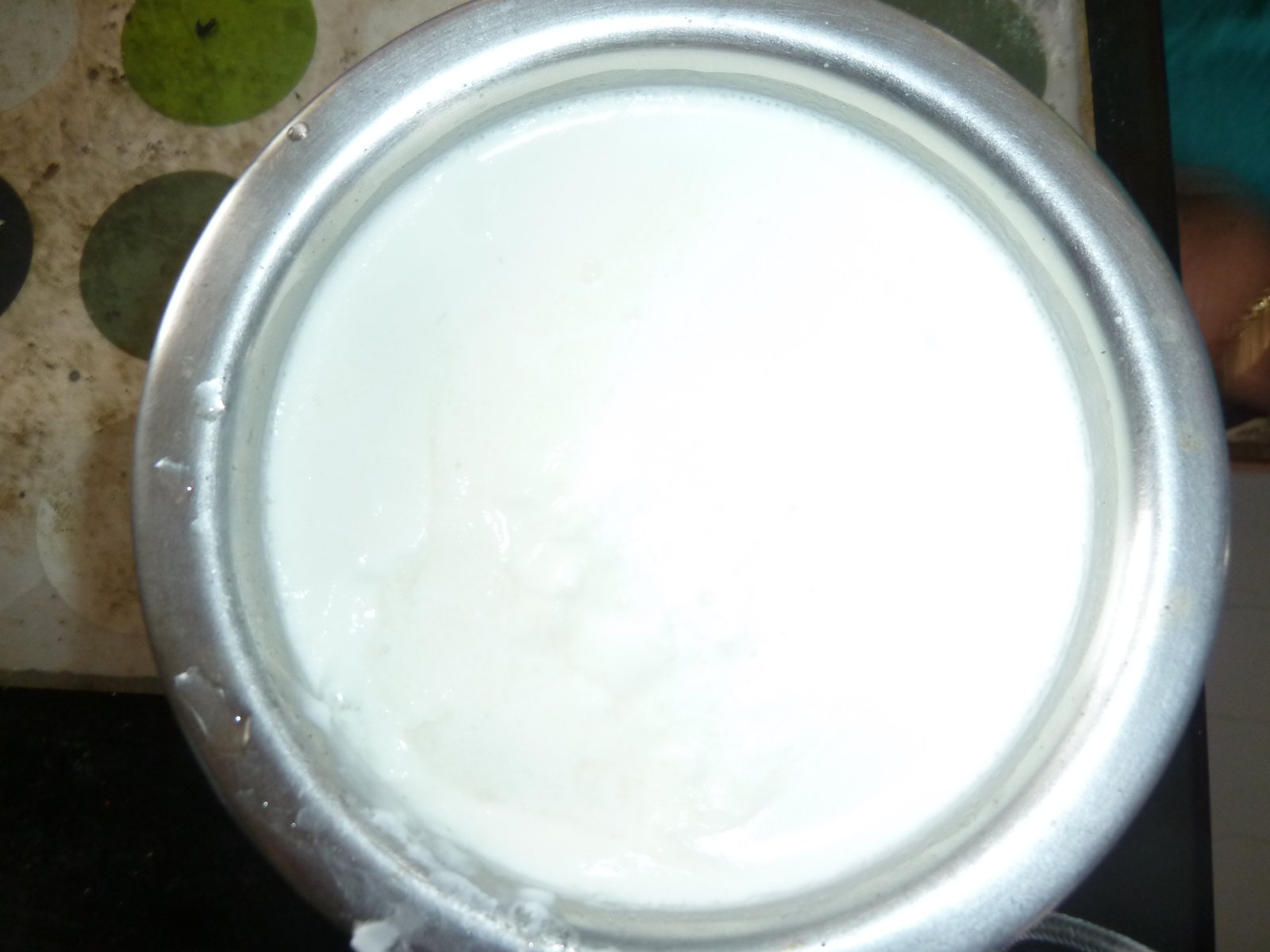
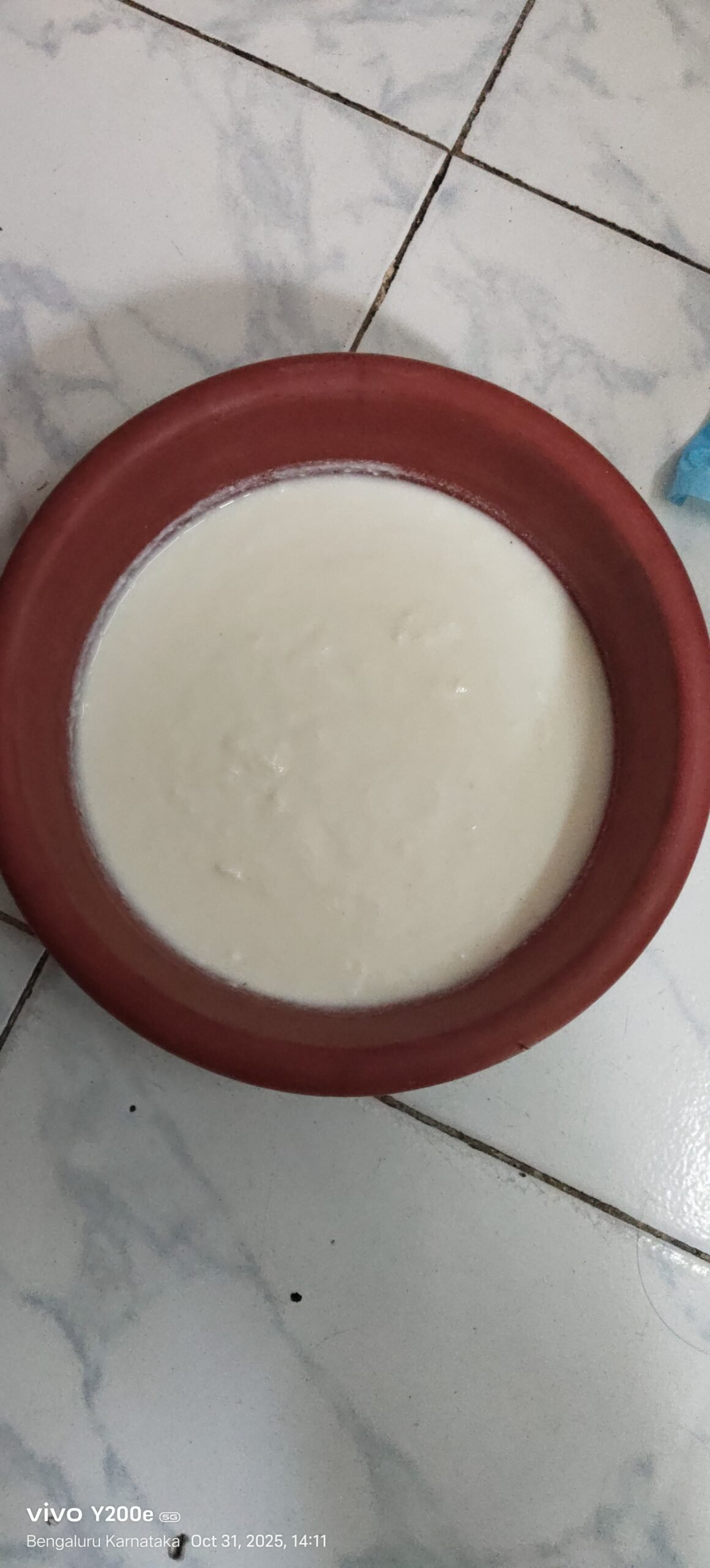
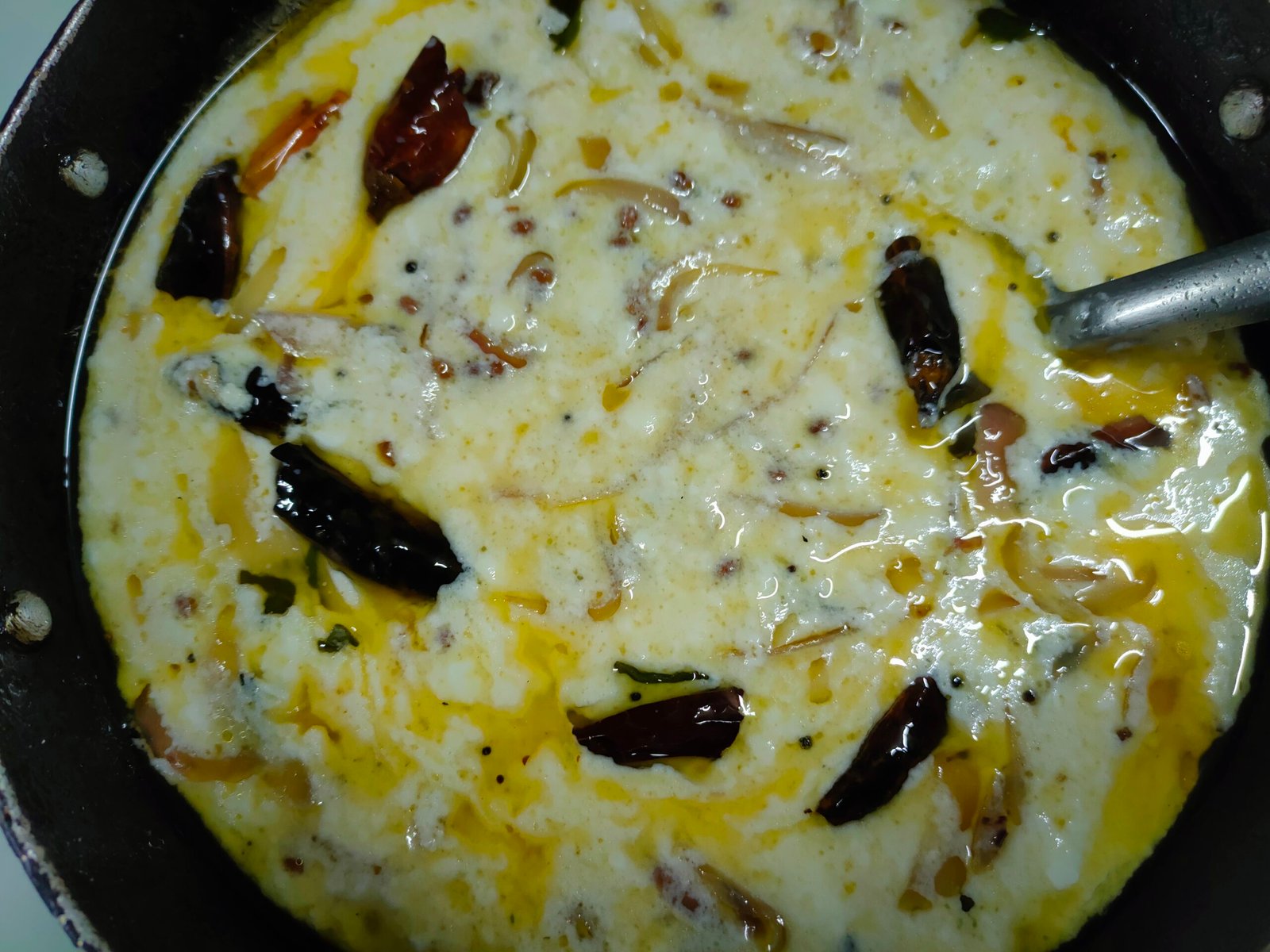
Curd — known as dahi in Hindi — is a fermented dairy product made by adding bacterial starter cultures (primarily Lactobacillus acidophilus and Streptococcus thermophilus) to warm milk and allowing it to ferment and set. It is the South Asian equivalent of plain yogurt and has been a staple of Indian, Pakistani, and Bangladeshi diets for thousands of years.
Unlike the flavored yogurts and sweetened curd desserts widely sold in supermarkets, traditional homemade plain curd contains no added sugars and is rich in protein, calcium, and live probiotic cultures. A 100 g serving of plain full-fat curd typically provides:
- Calories: approximately 60–98 kcal (varies by fat content)
- Protein: 3.5–4 g
- Carbohydrates: 4–5 g
- Fat: 3–5 g (full-fat); 0.5–1.5 g (low-fat)
- Calcium: 110–125 mg
The fermentation process that converts milk into curd partially breaks down lactose (milk sugar), which is one reason curd tends to be better tolerated by people with mild lactose sensitivity and why it has a lower glycemic index than milk.
Glycemic Index of Curd
The glycemic index (GI) measures how quickly a food raises blood glucose compared to pure glucose (GI = 100). Foods with a GI below 55 are considered low-GI. Plain curd has a GI of approximately 28–36, making it one of the lower-GI dairy products available.
For context:
- White rice: GI 64–72
- White bread: GI 70–75
- Plain full-fat milk: GI 31–41
- Plain curd: GI 28–36
- Is ragi good for diabetes? Ragi has a GI of about 68–72, which is significantly higher than curd
However, GI alone does not tell the full story for diabetes management. Portion size matters: even a low-GI food can raise blood sugar meaningfully if consumed in large quantities. A standard serving of 125–150 g of plain curd contains only around 5–8 g of carbohydrates, which is modest and well within what most people with type 2 diabetes can manage as part of a balanced meal.
What Does Research Say About Curd and Diabetes?
Multiple published studies have investigated the relationship between probiotic yogurt and curd consumption and glycemic control in people with type 2 diabetes (T2DM).
A randomized controlled trial by Ejtahed et al. (2012), published in the journal Nutrition, found that consuming probiotic yogurt containing L. acidophilus and B. lactis for 6 weeks significantly decreased fasting blood glucose (p < 0.01) and HbA1c (p < 0.05) compared to conventional yogurt in adults with T2DM. The authors concluded that probiotic yogurt was “effective in improving the glycemic status” of participants [1].
A separate study by Mohamadshahi et al. (2014), published in the Journal of Research in Medical Sciences (PMC4097976), reported that daily probiotic yogurt consumption over 8 weeks reduced HbA1c levels and inflammatory markers — including C-reactive protein (CRP) — in patients with T2DM. Reducing CRP is significant because chronic low-grade inflammation is closely linked to insulin resistance [2].
A 2023 study by Mirjalili et al., published in Frontiers in Nutrition (PMID 36963856), concluded that probiotic yogurt showed promise as a dietary intervention useful for glycemic control in T2DM patients, with participants showing improvements in fasting blood glucose after the intervention period [3].
Not all research points in the same direction, however. A 2019 meta-analysis by Barengolts (PMC6471569), published in Endocrine Practice, found mixed results across multiple studies and cautioned that the evidence was not yet sufficient for universal clinical recommendations, calling for larger, longer-duration trials [4].
A 2025 network meta-analysis (PMC12254980) examining various dairy interventions in T2DM found that probiotic yogurt significantly improved HDL cholesterol levels in this population, suggesting cardiometabolic benefits beyond blood sugar control alone [5].
An animal study by Yadav et al. (2007), published in the Journal of Medicinal Food (PMID 17084593), found that probiotic dahi containing L. acidophilus and L. casei reduced blood glucose in high-fructose-fed rats, providing a mechanistic basis for the human findings [6].
Understanding your HbA1c is central to tracking diabetes control. See our guide to fasting blood sugar vs. HbA1c for a full explanation of what these numbers mean.
How Curd May Benefit Blood Sugar Management
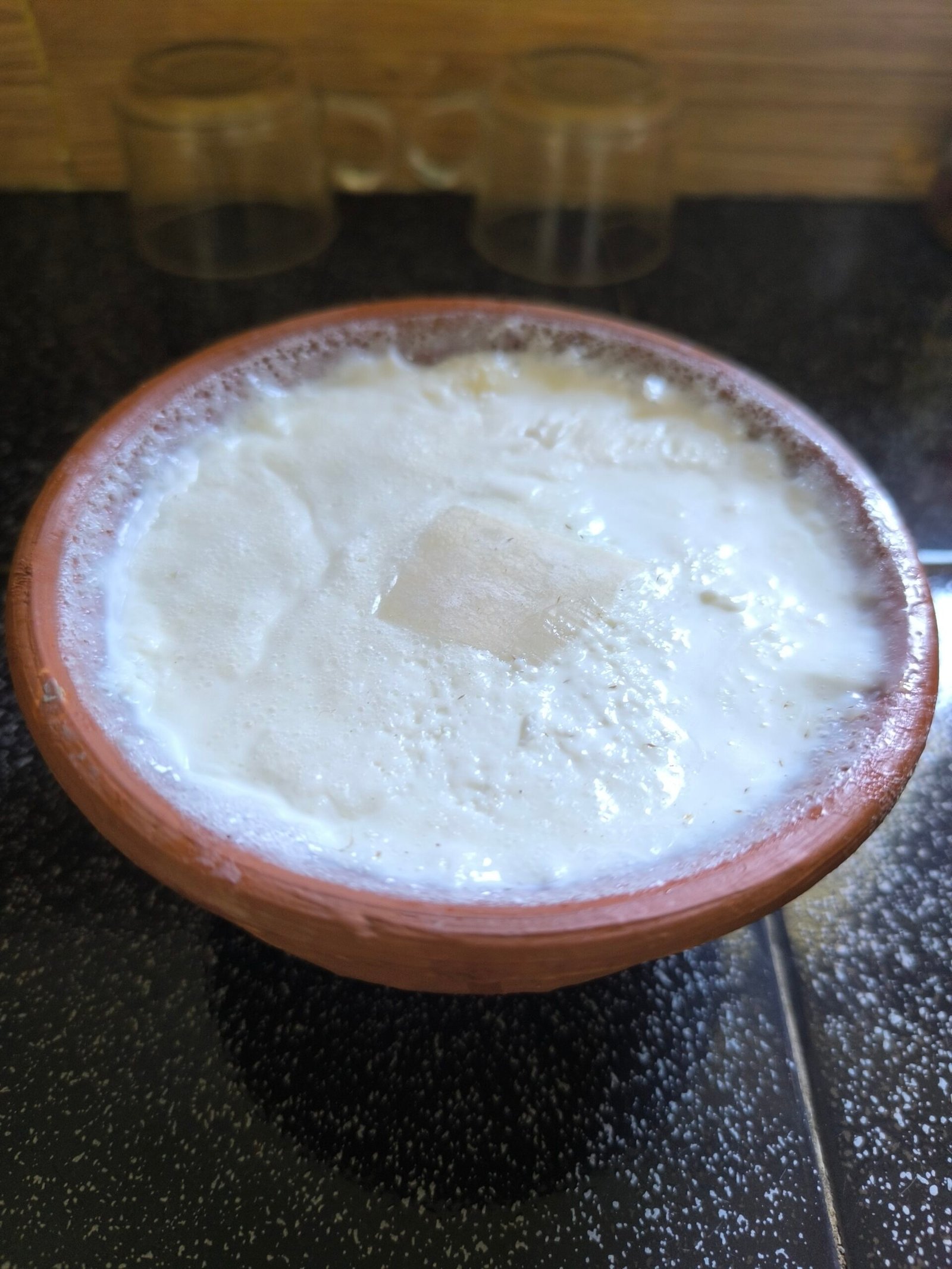
Researchers propose several mechanisms through which curd may support blood glucose control in people with diabetes:
1. Probiotic bacteria and gut microbiome
The live cultures in curd — primarily Lactobacillus and Streptococcus thermophilus — may alter the gut microbiome in ways that improve insulin sensitivity. Research has found that people with type 2 diabetes tend to have altered gut bacteria profiles compared to people without the condition, and that restoring a healthier microbiome is associated with better glycemic outcomes.
2. Protein slows glucose absorption
Curd is a good source of protein, providing roughly 3.5 g per 100 g. Dietary protein slows gastric emptying, which means glucose from carbohydrates in the same meal enters the bloodstream more slowly — blunting the post-meal blood sugar spike. This is one reason pairing curd (as raita, for example) with rice or roti is a sound dietary strategy for people with diabetes.
3. Low carbohydrate content
With only 4–5 g of carbohydrates per 100 g, plain curd has a minimal direct impact on blood glucose. It contributes far fewer carbohydrates than most grains, fruits, or starchy vegetables.
4. Calcium and metabolic health
Some research suggests that adequate calcium intake is associated with improved insulin sensitivity, though this connection is still an active area of investigation. Curd is an excellent dietary source of calcium, with approximately 110–125 mg per 100 g serving.
How Much Curd Can a Diabetic Eat?

Diabetes UK recommends aiming for 2–3 servings of dairy per day, with one serving of yogurt or curd defined as approximately 125–150 g [7]. This amount provides meaningful calcium and protein without contributing excessive carbohydrates.
For most people with type 2 diabetes, a 125–150 g serving of plain, unsweetened curd once or twice daily is appropriate as part of a balanced meal. Research has not established a strict upper limit, but exceeding 300–400 g per day is unlikely to offer additional benefit and may contribute excess saturated fat for those watching their lipid levels.
Curd is best consumed:
- With meals rather than on an empty stomach
- As a replacement for higher-calorie, higher-GI foods (for example, as a sauce instead of cream-based gravies)
- Paired with fiber-rich foods such as vegetables or legumes to further slow glucose absorption
- Without added sugar, jaggery, or honey
Always monitor your individual blood sugar response. Glycemic reactions to any food can vary based on your overall diet, medications, activity level, and individual physiology.
Best Types of Curd for Diabetes
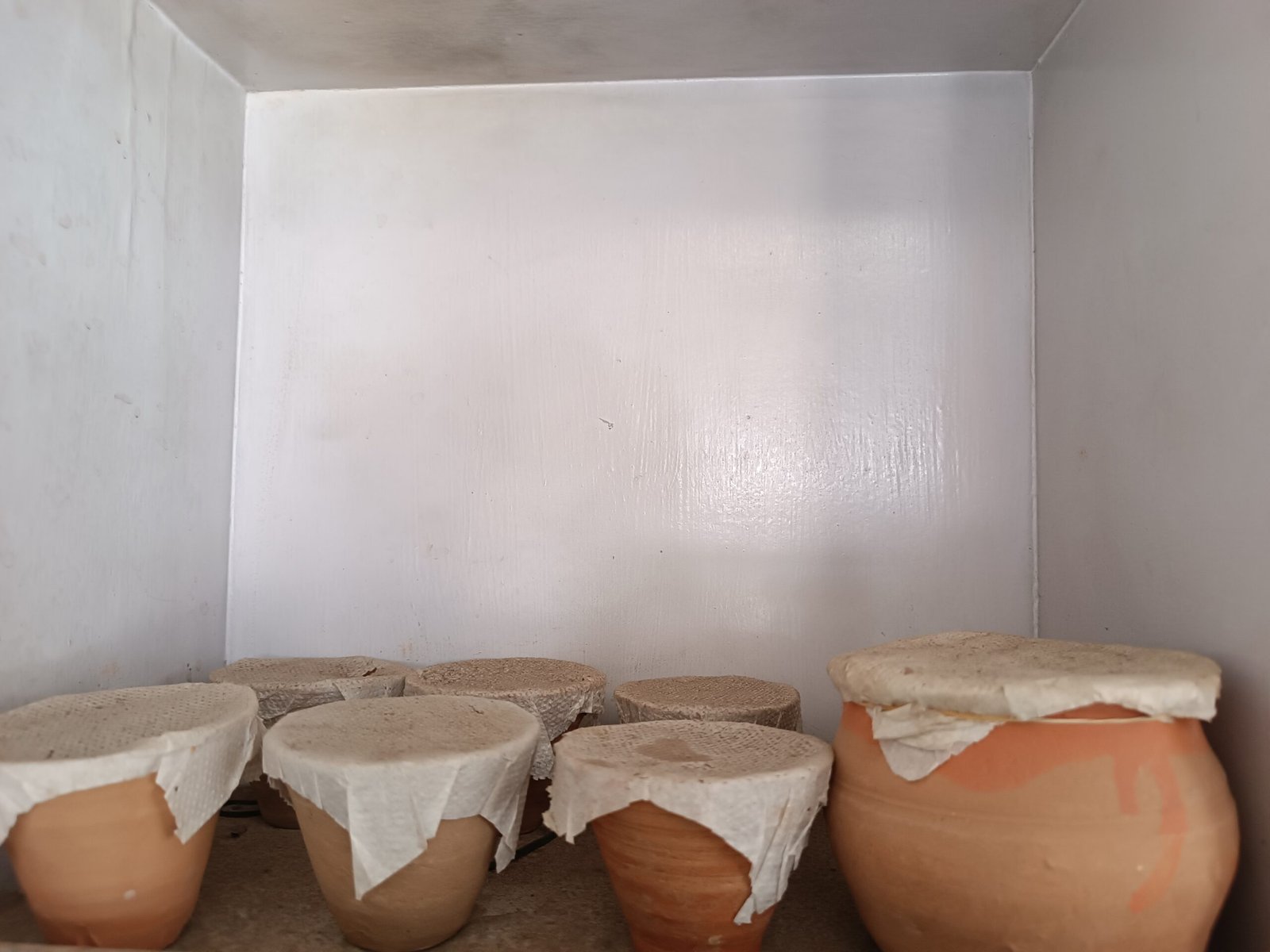
Not all curd is equally beneficial for people with diabetes. Here is what to look for:
Choose:
- Plain, unsweetened curd — homemade or store-bought with no added sugar
- Full-fat or low-fat plain curd — both are acceptable; full-fat may improve satiety and cause a slightly slower glucose rise
- Probiotic-rich curd with live active cultures — check labels for “contains live cultures” or “active cultures”
- Set curd (dahi) rather than ultra-processed dairy desserts
Avoid:
- Sweetened or flavored curd/yogurt — a single serving can contain 15–30 g of added sugar
- Fruit-on-the-bottom or layered yogurts — typically high in added sugar and fruit syrup
- Ultra-processed dairy desserts marketed as curd — these are often very high in sugar and low in protein
- Pasteurized yogurt where cultures are killed after fermentation — this loses the probiotic benefit
Ways to Include Curd in a Diabetic Diet
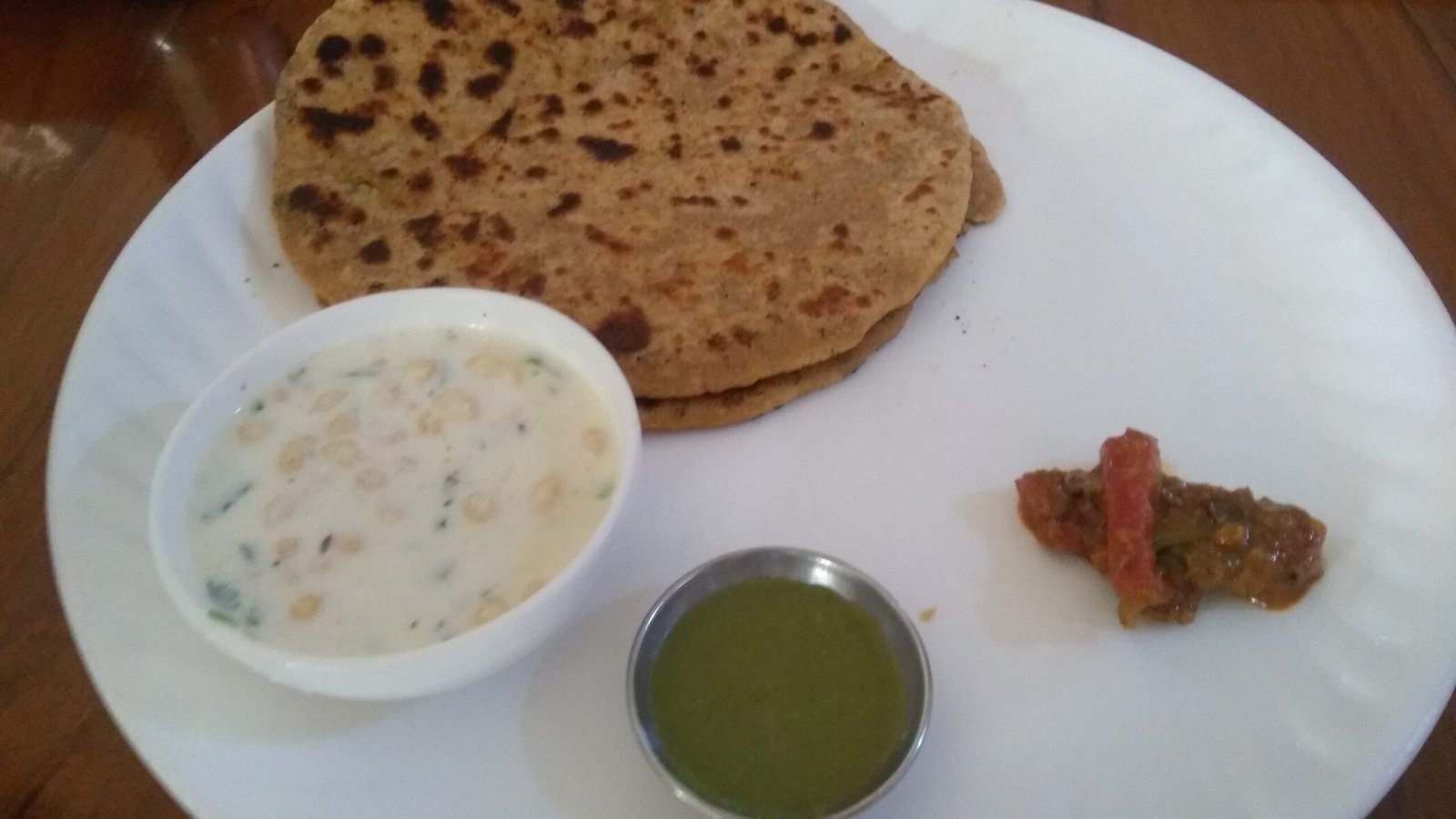
Here are practical, blood-sugar-friendly ways to incorporate curd into everyday meals:
- Raita: Mix plain curd with grated cucumber, mint, and roasted cumin. Serving raita alongside rice or roti helps offset the glycemic impact of the grains.
- Morning breakfast bowl: A small bowl of plain curd topped with a tablespoon of chia seeds or flax seeds is a high-protein, fiber-rich way to start the day without a blood sugar spike.
- Curd-based curry (dahi sabzi): Use curd as the base for vegetable curries instead of cream or coconut milk. This lowers calorie density and adds protein.
- Lassi (unsweetened): Blend plain curd with water and a pinch of salt or cumin for a hydrating, probiotic drink. Avoid sweet or fruit-sweetened lassi.
- Marinade: Use curd as a marinade for chicken, fish, or paneer before grilling. This is a carb-free method of enjoying curd’s probiotic benefits.
- Smoothie base: Blend plain curd with a small handful of berries (no added sugar) and a tablespoon of ground flaxseed for a nutrient-dense snack.
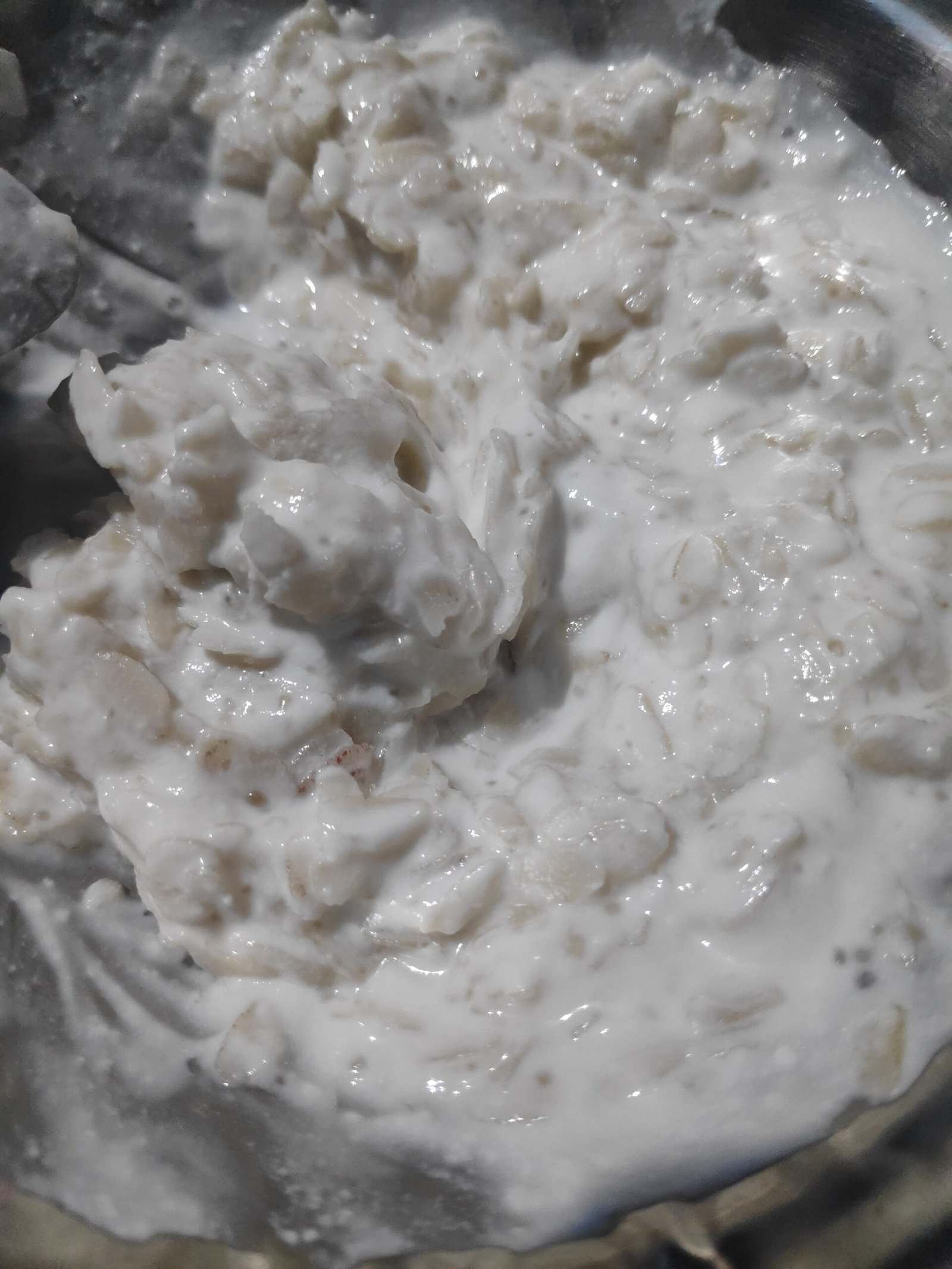
For a comprehensive list of which foods support healthy blood sugar, see our complete diabetes food list.
Curd vs. Store-Bought Yogurt: What Is the Difference?

In India and neighbouring countries, “curd” and “yogurt” are often used interchangeably, but there are some practical differences worth knowing:
- Traditional curd (dahi): Made at home by adding a spoonful of existing curd to warm milk and leaving it to ferment at room temperature for 6–10 hours. Bacterial cultures vary depending on the local starter and environment.
- Commercial yogurt: Produced with standardized starter cultures under controlled industrial conditions. Many commercial yogurts in India are now fortified with extra protein and calcium. However, some commercial varieties are pasteurized after fermentation — a process that kills the live cultures, removing the probiotic benefit.
- Greek yogurt: Strained yogurt with a higher protein concentration (around 8–10 g per 100 g) and lower carbohydrate content. It has an even lower GI than regular curd, making it an excellent choice for people with diabetes.
For diabetes management, homemade curd or commercial yogurt clearly labeled “contains live active cultures” is the preferred option over pasteurized products where the probiotic bacteria have been destroyed.
When to See a Doctor
Curd is generally safe for most people managing diabetes. However, you should consult your healthcare provider if:
- Your blood glucose readings change significantly after adding curd to your diet — whether they rise or fall unexpectedly
- You are lactose intolerant or have a confirmed milk protein allergy
- You have chronic kidney disease (CKD) — high-protein dairy foods may need to be limited based on your GFR and individual kidney function
- You are immunocompromised — probiotic supplementation, including via food, should be discussed with your doctor in this case
- You are pregnant — consult your OB/GYN before making significant dietary changes
- Your HbA1c remains above 8.0% despite dietary changes — dietary adjustment alone may not be sufficient; discuss medication review with your diabetes care team
- You are experiencing symptoms of hypoglycemia (low blood sugar) — this may indicate that medication doses need adjustment as your diet improves
Frequently Asked Questions
Can diabetics eat curd at night?
Research has not found specific harm in consuming plain curd at night for people with diabetes. The protein in curd may help maintain overnight blood sugar stability. However, individual responses vary — monitor your fasting blood sugar readings after eating curd at night, and discuss the pattern with your healthcare provider.
Is curd better than milk for diabetes?
Both can be part of a diabetic diet. Curd has the advantage of containing probiotic cultures, which research suggests may improve insulin sensitivity. Curd also typically has a slightly lower GI than milk (28–36 vs. 31–41 for low-fat milk) and is partially broken down in lactose content. Either way, choose unsweetened, plain versions and monitor portion sizes.
Can Type 1 diabetics eat curd?
Yes, people with Type 1 diabetes can generally include plain curd in a balanced diet. The low carbohydrate content means it has a minimal impact on insulin dose requirements. Always monitor blood glucose and work with your diabetes care team on any dietary changes.
Is sour curd safe for diabetes?
Sour (over-fermented) curd is still a low-GI food and is safe for most people with diabetes. Over-fermented curd actually tends to have less residual lactose due to prolonged bacterial activity. Sourness does not directly affect blood sugar levels negatively.
Is buttermilk (chaas) as good as curd for diabetes?
Buttermilk (chaas) is essentially diluted curd — typically curd mixed with water and often a little salt. It retains most of curd’s probiotic benefits but contains fewer calories and carbohydrates per serving. Both are suitable for people with diabetes. If you have high blood pressure, be cautious of salted varieties.
The Bottom Line
Curd — particularly plain, unsweetened varieties rich in live probiotic cultures — is generally a suitable food for people managing type 2 diabetes. Its low glycemic index (28–36), modest carbohydrate content, and high protein make it a better dietary choice than many other snack or dairy options. Multiple studies suggest that regular consumption of probiotic curd may support glycemic control and contribute to lower HbA1c levels, though larger long-term trials are still needed to confirm these benefits definitively.
The practical guidance is straightforward: choose plain, unsweetened curd; aim for a serving of 125–150 g; pair it with fiber-rich foods; and monitor your individual blood sugar response. Avoid sweetened, flavored, or pasteurized varieties that have lost their probiotic cultures.
If you are looking for a structured plan to manage your blood sugar through diet and lifestyle, explore our free diabetes management training program for step-by-step guidance from our research team.
Sources
- Ejtahed HS, et al. “Probiotic yogurt improves antioxidant status in type 2 diabetic patients.” Nutrition. 2012;28(5):539–543. PMID: 22129852.
- Mohamadshahi M, et al. “Effects of probiotic yogurt consumption on inflammatory biomarkers in patients with type 2 diabetes.” Journal of Research in Medical Sciences. 2014;19(6):531–536. PMC4097976.
- Mirjalili F, et al. “Effects of probiotic yogurt supplementation on glycemic control in type 2 diabetes mellitus: a randomized clinical trial.” Frontiers in Nutrition. 2023. PMID: 36963856.
- Barengolts E. “Gut microbiota, prebiotics, probiotics, and synbiotics in management of obesity and prediabetes: review of randomized controlled trials.” Endocrine Practice. 2019. PMC6471569.
- Allam AA, et al. “Effects of probiotic dairy interventions on lipid parameters in type 2 diabetes mellitus: network meta-analysis.” 2025. PMC12254980.
- Yadav H, et al. “Antidiabetic effect of probiotic dahi containing Lactobacillus acidophilus and Lactobacillus casei in high fructose fed rats.” Journal of Medicinal Food. 2007;10(4):696–701. PMID: 17084593.
- Diabetes UK. “Dairy and diabetes.” diabetes.org.uk/guide-to-diabetes/enjoy-food/eating-with-diabetes/dairy-and-diabetes
- American Diabetes Association. “Standards of Medical Care in Diabetes—2024.” Diabetes Care. 2024;47(Suppl 1).
- Jenkins DJ, et al. “Glycemic index of foods: a physiological basis for carbohydrate exchange.” Am J Clin Nutr. 1981;34(3):362–366. PMID: 6259925.
- Benton D, et al. “The influence of the gut microbiome on glucose control.” Proceedings of the Nutrition Society. 2017;76(4):454–461.
By Team HealthyWayFit | This article has been reviewed for medical accuracy. Owner action required: add named reviewer with credential (e.g., Dr. [Name], MBBS, MD — Endocrinology).