Disclaimer: This article is for informational purposes only and does not constitute medical advice. Always consult a qualified healthcare provider before making changes to your diet or diabetes management plan.
If you have been wondering whether that deep-purple fruit at the summer market can actually help your blood sugar — the short answer is yes, and the research is more solid than most people expect.
Jamun (also called Java plum, black plum, or Syzygium cumini) has been used in Ayurvedic medicine for diabetes management for centuries. What is now emerging from laboratory and clinical research is a clear explanation for why it works: the fruit contains a unique alkaloid called jamboline that directly inhibits the conversion of starch into sugar. Combined with a glycemic index of around 25 — lower than most other commonly eaten fruits — jamun stands out as one of the few fruits that is not just safe but actively beneficial for people with type 2 diabetes.
This 2026 guide covers the research, the practical serving guidance, and the precautions you need to know before making jamun a regular part of your diet.
What Is Jamun?
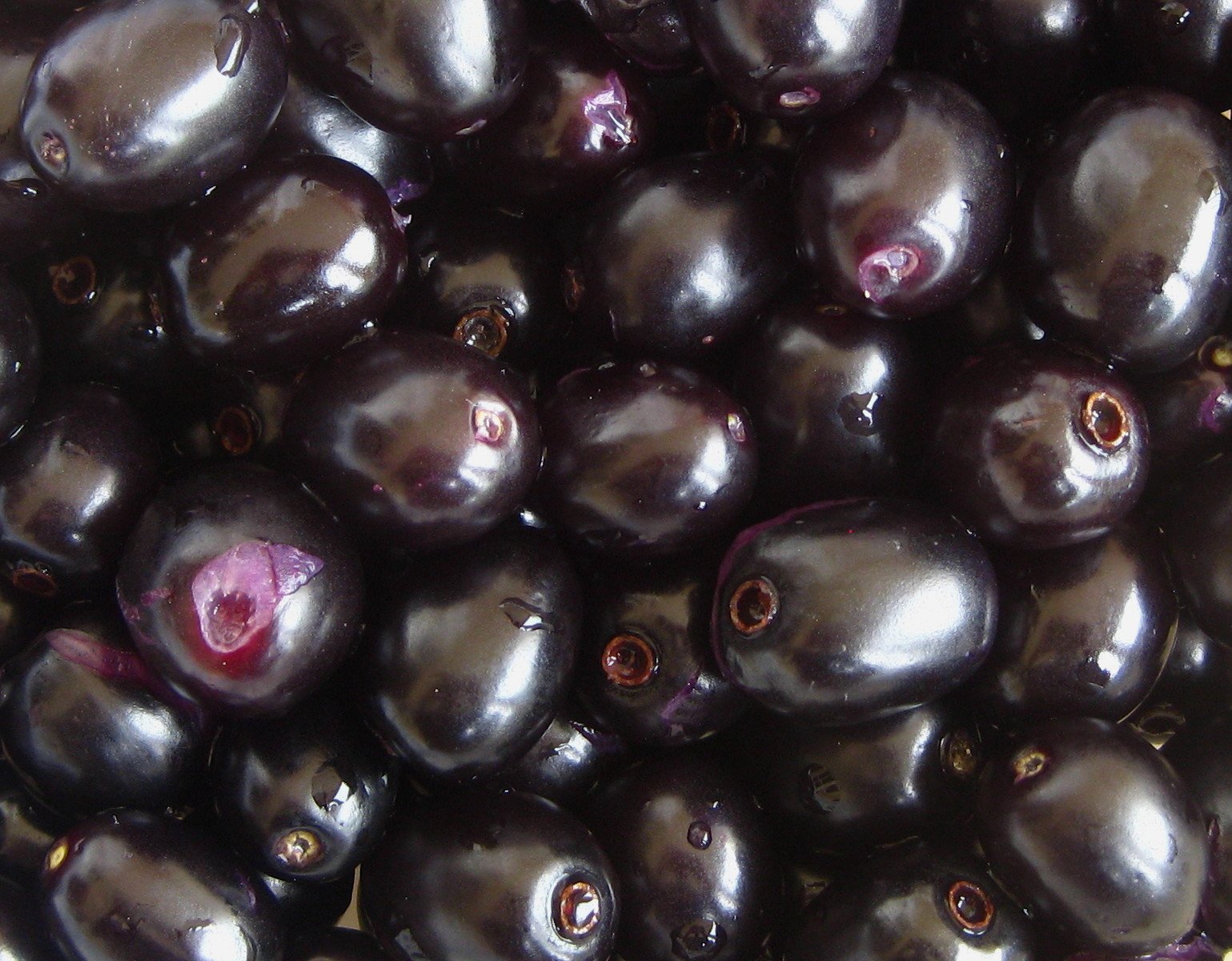
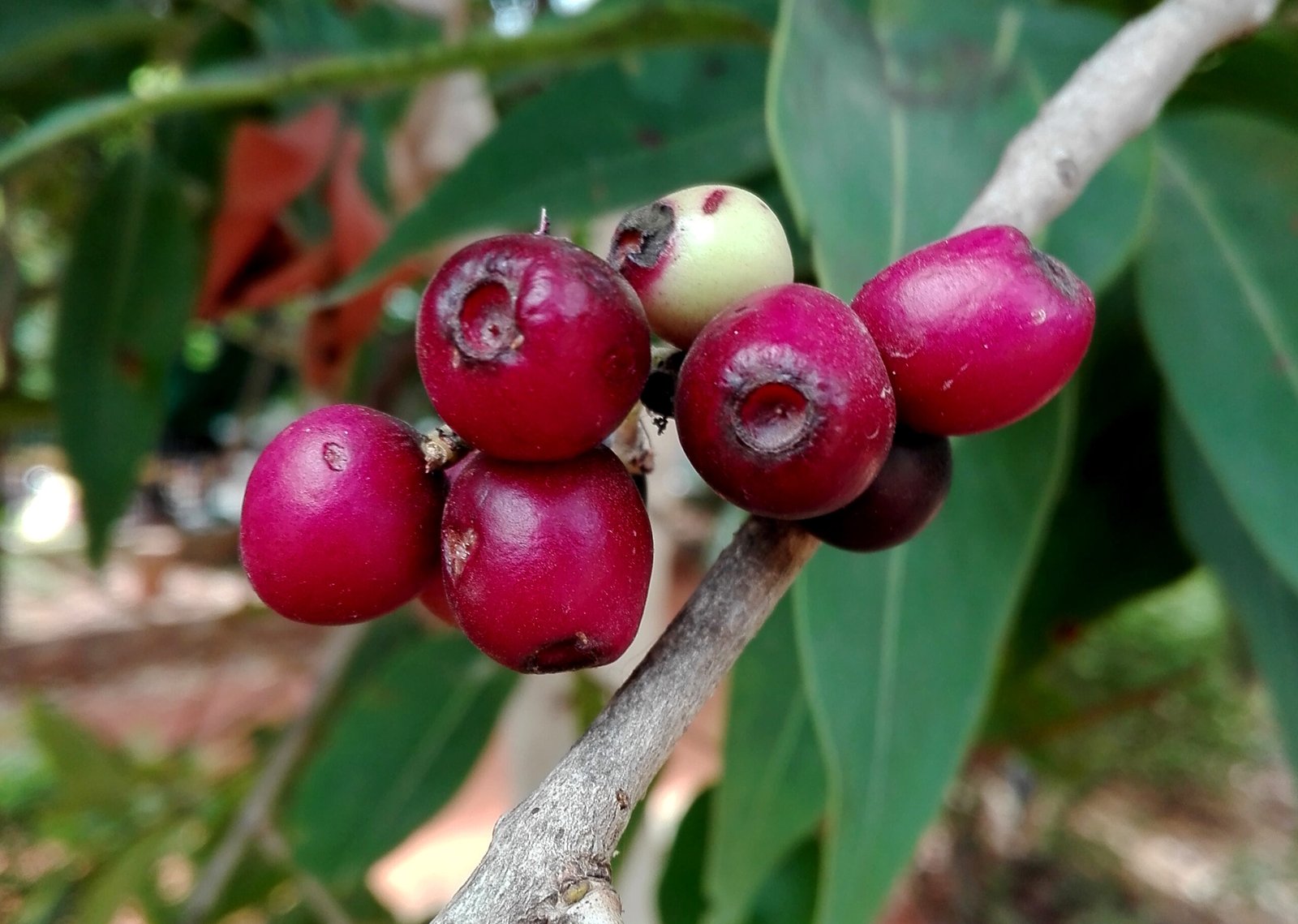
Jamun (Syzygium cumini) is a tropical fruit native to the Indian subcontinent and Southeast Asia. It belongs to the Myrtaceae family and is known by several names: Java plum, black plum, Malabar plum, jambolan, and duhat in the Philippines.
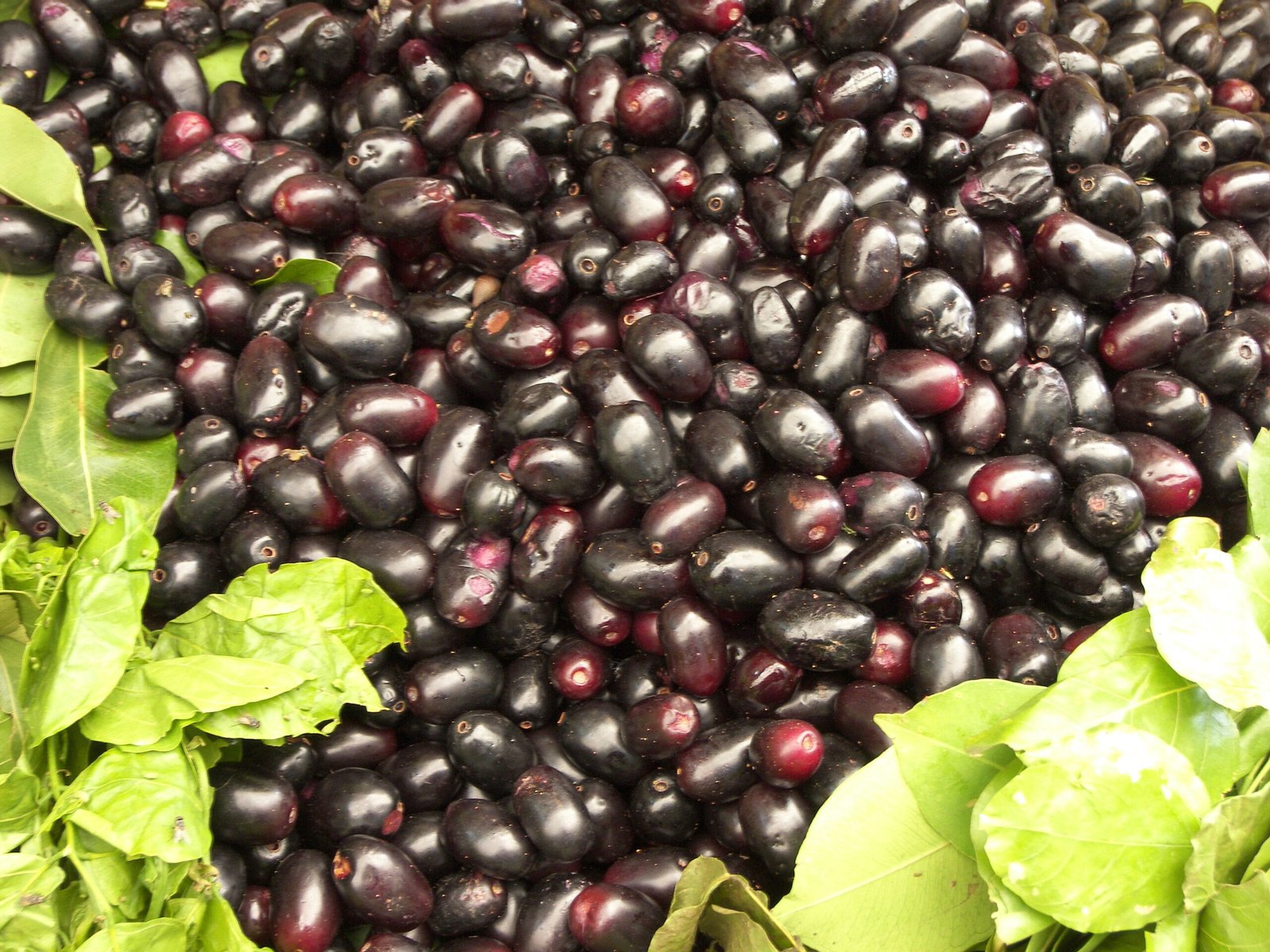
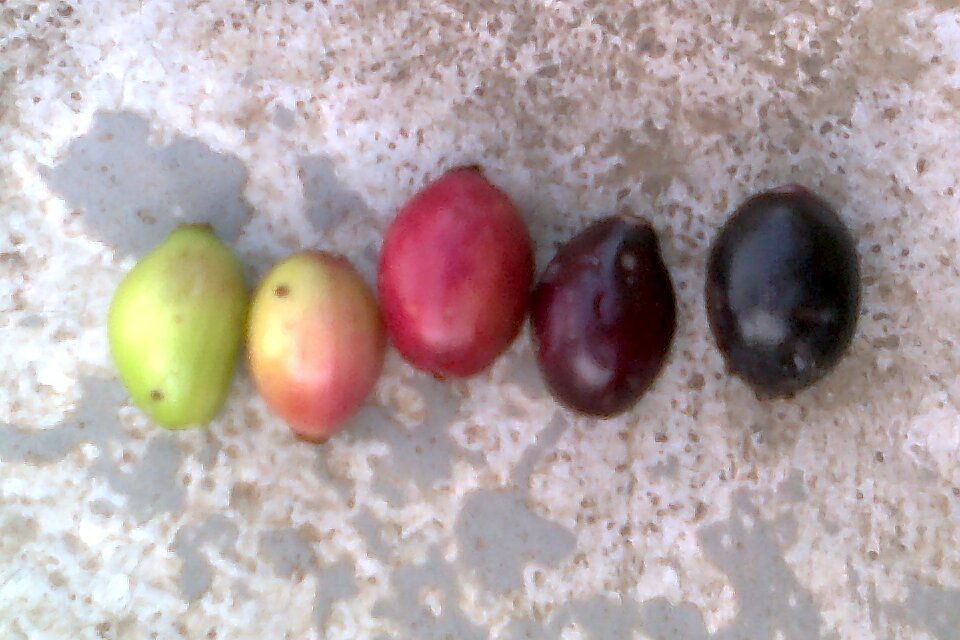
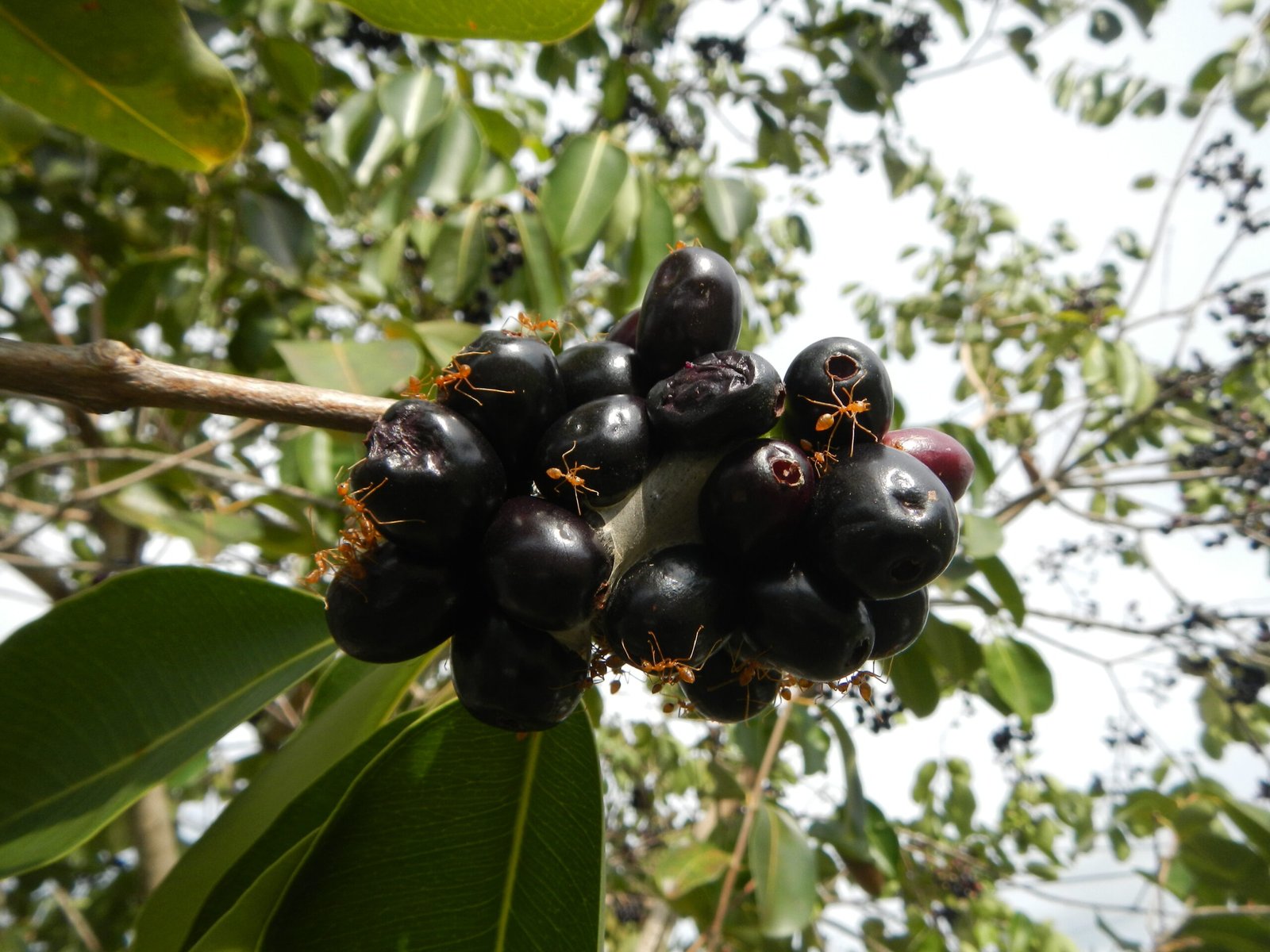
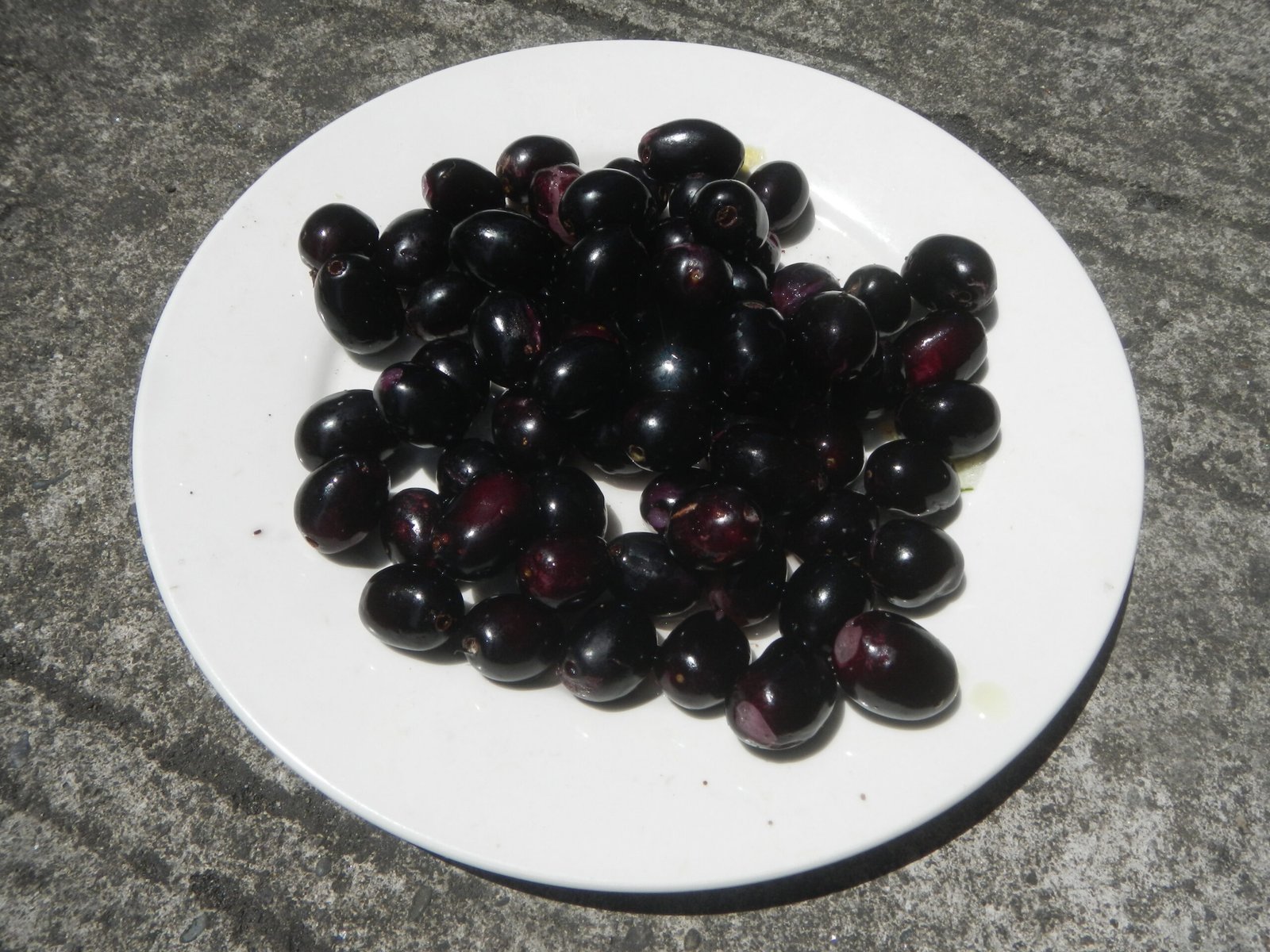
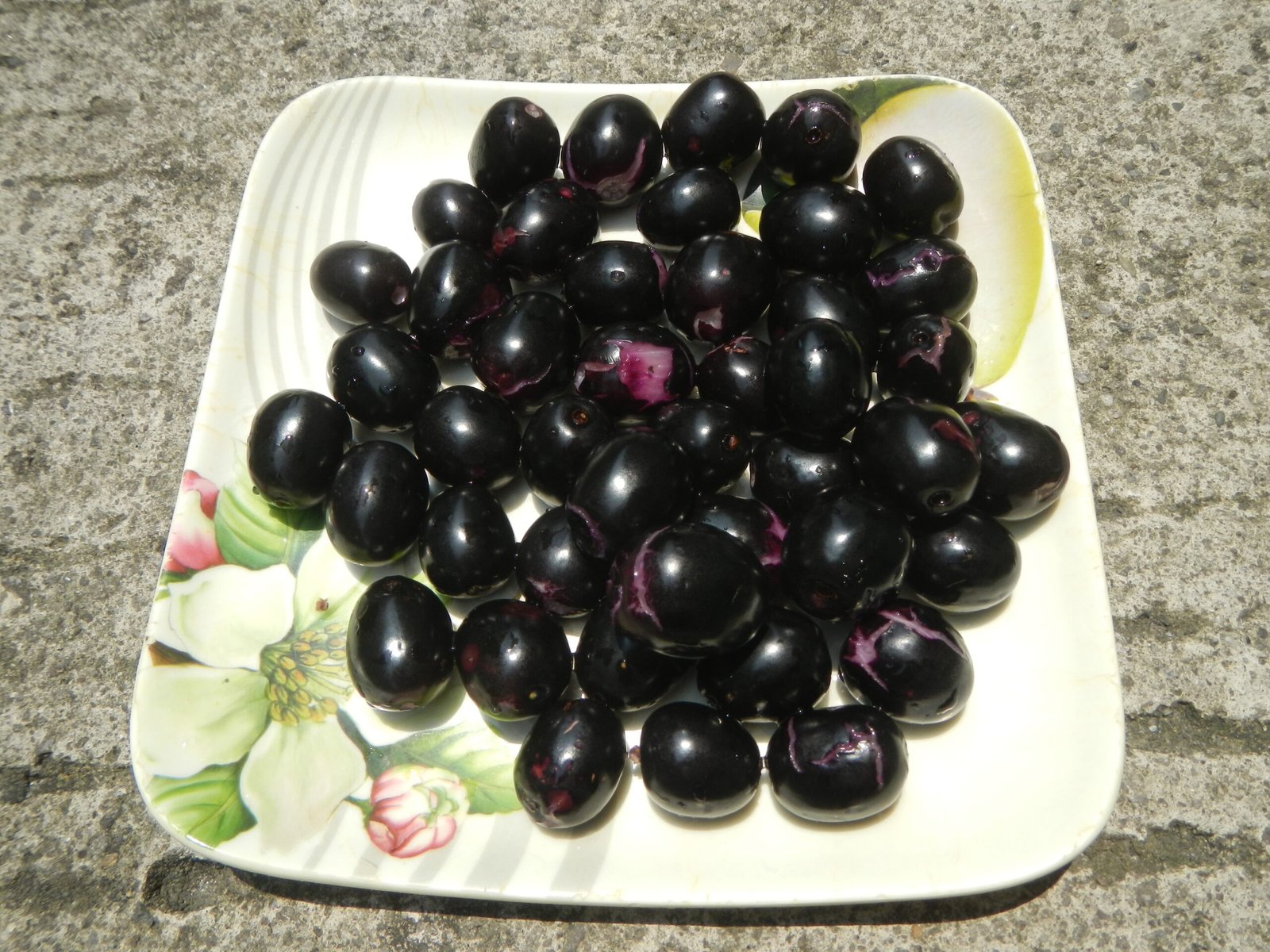
The fruit is small — roughly the size of an olive — with a deep purple-to-black skin and a juicy, astringent flesh that leaves a temporary purple stain on the tongue and lips. It ripens during the Indian monsoon season, typically June through August, and is sold at roadside stalls and local markets across India, Bangladesh, Pakistan, and Sri Lanka.
Nearly every part of the jamun tree — the fruit, seeds, bark, and leaves — has been used in traditional medicine systems including Ayurveda, Unani, and traditional Chinese medicine. For diabetes specifically, both the fruit and dried seed powder are used.
Jamun Nutritional Profile
Per 100 grams of fresh jamun fruit, the nutritional values are approximately:
| Nutrient | Amount per 100g |
|---|---|
| Calories | 62 kcal |
| Carbohydrates | 14 g |
| Dietary Fiber | 0.6 g |
| Sugars | ~10 g (fructose dominant) |
| Protein | 0.7 g |
| Vitamin C | 14.3 mg (16% DV) |
| Potassium | 79 mg |
| Iron | 1.41 mg |
| Calcium | 15 mg |
What makes jamun particularly interesting from a metabolic standpoint is not just the macro numbers but the concentration of bioactive compounds: anthocyanins (which give it the dark purple colour), ellagic acid, gallic acid, oxalic acid, and — most importantly for diabetes — jamboline and jambosine.
How Jamun Helps with Diabetes: The Research
Research has found multiple mechanisms through which jamun exerts its antidiabetic effect. This is not a case of one lucky study — the evidence spans cell studies, animal models, and human clinical trials.
1. Jamboline Inhibits Starch Conversion
Jamboline, an alkaloid found predominantly in jamun seeds, is believed to be the most clinically significant compound. According to a study published in the Journal of Ethnopharmacology, jamboline works by inhibiting the enzyme that converts dietary starch into simple sugars in the small intestine — a mechanism similar to the prescription drug acarbose (Glucobay). This means less glucose enters the bloodstream after a starchy meal.
2. Anthocyanins Improve Insulin Sensitivity
The deep purple colour of jamun comes from anthocyanins — potent antioxidant pigments. Research has found that anthocyanins improve insulin receptor sensitivity, meaning cells respond more effectively to insulin signals and absorb glucose more efficiently. A 2022 review in Nutrients noted that regular anthocyanin consumption was associated with significantly lower HbA1c levels in adults with type 2 diabetes.
3. Ellagic Acid Reduces Inflammation
Chronic low-grade inflammation is a key driver of insulin resistance. Ellagic acid — found in both the fruit and seeds — has been shown to reduce inflammatory markers including TNF-alpha and IL-6 in animal studies. Reducing inflammation may help restore normal insulin signalling over time.
4. Alpha-Glucosidase Inhibition
According to a study published in Food Chemistry, extracts of Syzygium cumini seeds demonstrated significant alpha-glucosidase inhibitory activity — comparable to some pharmaceutical agents. Alpha-glucosidase is the enzyme that breaks down complex carbohydrates into glucose in the gut; inhibiting it is the same mechanism used by the diabetes drug acarbose.
5. Human Clinical Evidence
A clinical study involving participants with type 2 diabetes found that supplementation with jamun seed extract for 30 days led to a measurable reduction in fasting blood glucose and postprandial blood glucose. HbA1c also improved in longer-term studies, though results varied depending on dosage and the form of supplementation used (fresh fruit vs seed powder vs extract).
Glycemic Index of Jamun
The glycemic index (GI) of a food tells you how quickly it raises blood glucose compared to pure glucose (GI = 100). Foods with GI below 55 are classified as low-GI and are generally recommended for people with diabetes.
Jamun has a GI of approximately 25 — one of the lowest of any commonly available fruit. For comparison:
| Fruit | Glycemic Index | GI Category |
|---|---|---|
| Jamun | ~25 | Low |
| Apple | ~36 | Low |
| Papaya | ~60 | Medium |
| Mango | ~56 | Medium |
| Banana (ripe) | ~62 | Medium |
| Watermelon | ~72 | High |
Low GI does not automatically mean unlimited consumption — the glycemic load (GI x portion size) matters too. But for a fruit, jamun’s GI of 25 is genuinely impressive and makes it one of the safest fruit choices for people with type 2 diabetes. You can read more about blood sugar management in our guide on diabetes reversal for Indians.
Jamun Seed Powder for Diabetes
While the fruit itself is beneficial, research has found that the seeds contain an even higher concentration of antidiabetic compounds. This has led to the traditional practice of drying and powdering jamun seeds to use as a supplement.
According to a study published in the Journal of Food Science and Technology, jamun seed powder showed significant hypoglycaemic activity in both fasting and postprandial conditions. The key active compounds in the seeds include:
- Jamboline: Inhibits starch-to-sugar conversion
- Ellagic acid: Reduces oxidative stress and inflammation in pancreatic beta cells
- Gallic acid: Stimulates insulin secretion from the pancreas
- Corilagin: An anti-inflammatory tannin with protective effects on the liver
Traditional dosage: Half a teaspoon (about 2 grams) of dried jamun seed powder dissolved in a glass of warm water, taken twice daily — typically before meals. However, there is no standardised pharmaceutical dosage, and results vary. Always consult your doctor before starting jamun seed powder supplementation, especially if you are already on blood-sugar-lowering medication.
Jamun seed powder is widely available in Indian grocery stores and online, often marketed as “jamun guthli powder” or “jamun seed powder.” Quality can vary, so choose a reputable brand with clear labelling.
How to Include Jamun in a Diabetic Diet
Here are practical, research-informed ways to include jamun in a diabetic meal plan:
As Fresh Fruit
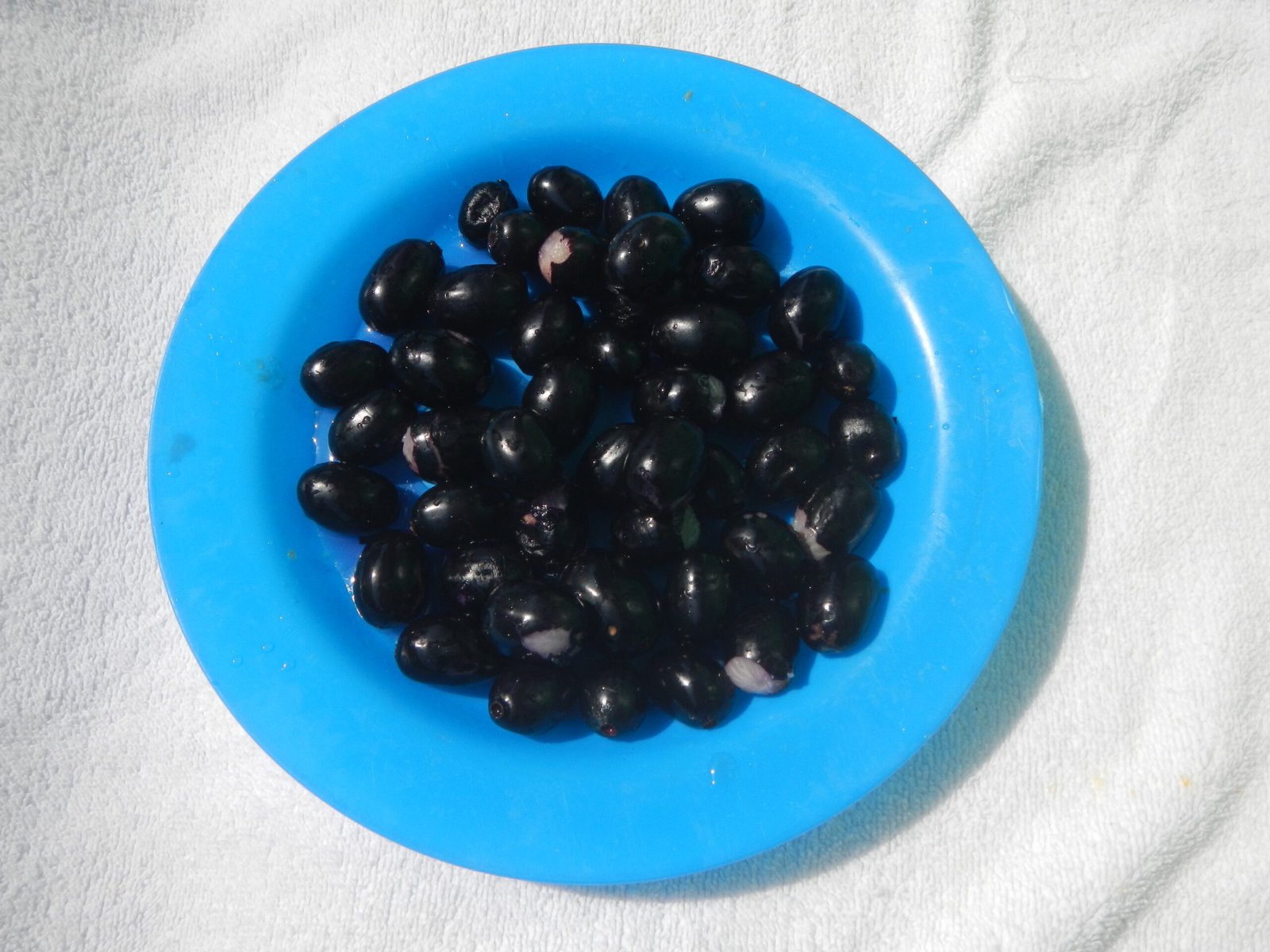
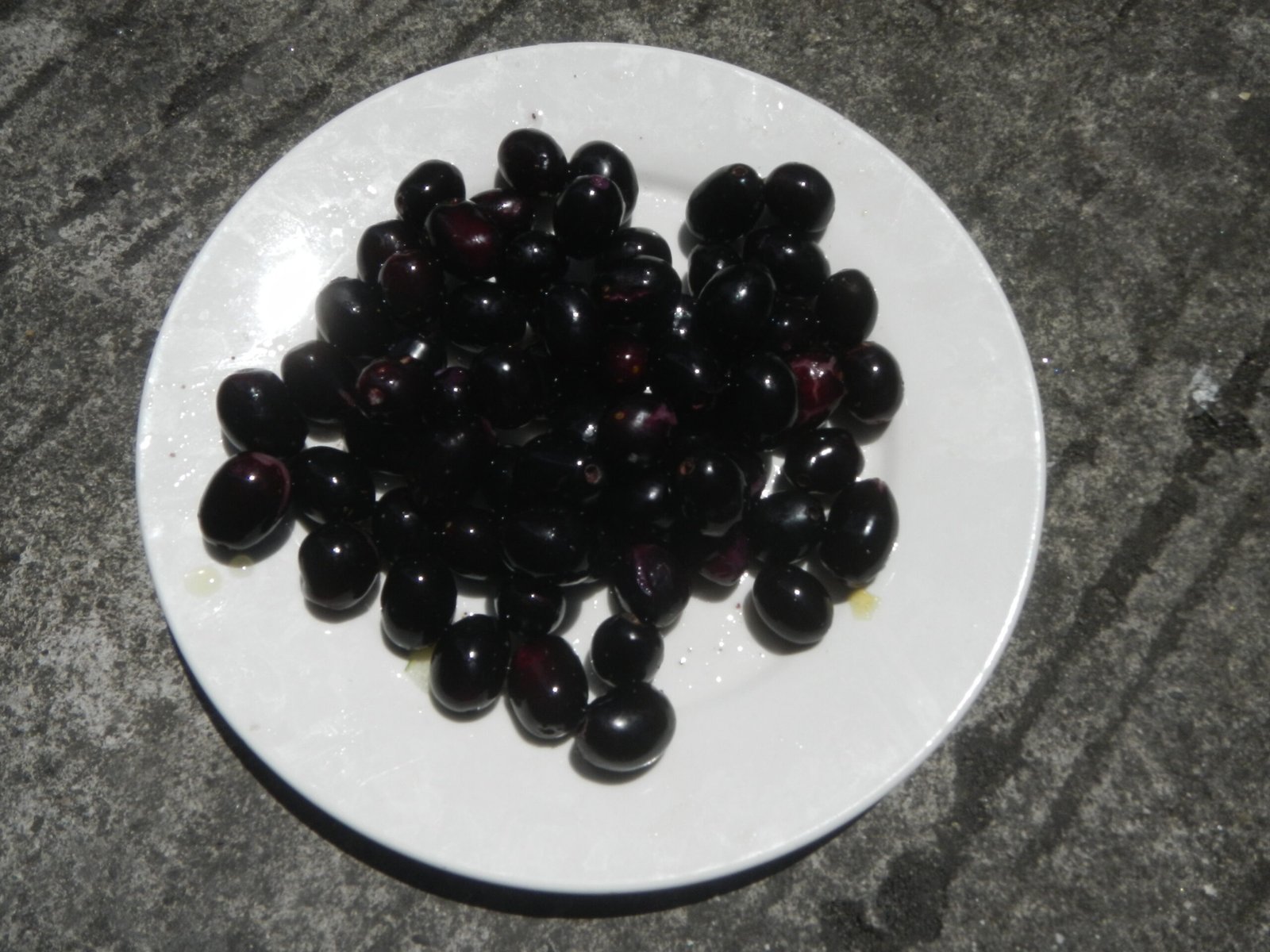
Eat 80–100 grams (approximately 10–15 fruits) as a mid-morning or mid-afternoon snack. Eating jamun between meals — rather than alongside starchy food — gives the clearest blood sugar benefit. Wash the fruit well, spit out or discard the seed (unless you intend to dry it), and eat the flesh directly.
Jamun Juice (in moderation)
A small glass of fresh jamun juice (without added sugar) retains some of the beneficial compounds. However, juicing removes most of the fibre, so the blood sugar impact may be slightly higher than eating the whole fruit. Limit juice to 100 ml per serving and always choose fresh over packaged.
Jamun Vinegar
Research has found that jamun vinegar — made by fermenting the fruit — retains antidiabetic properties and may also support gut health. A small amount (1–2 teaspoons) in a salad dressing or diluted in water before meals is one way to include it year-round, even outside the fresh fruit season.
Jamun Seed Powder
As described above, half a teaspoon in warm water before meals. This form is available year-round unlike fresh fruit, which is seasonal.
Pairing Tips
Pair jamun with protein (like a handful of nuts or a small serving of curd) to further flatten the glycemic response. Avoid eating jamun immediately after a large starchy meal — the combination of fruit sugars and recently digested starch can push glucose higher than expected.
For a broader look at how fruits and food choices can support diabetes management, see our guide on jackfruit and diabetes and our article on dragon fruit for diabetes.
Side Effects and Cautions
Jamun is safe for most people when eaten in normal food amounts, but there are some important cautions:
- Hypoglycaemia risk: If you take insulin or sulphonylureas (glibenclamide, glimepiride, glipizide), combining them with large amounts of jamun or jamun seed powder may cause blood sugar to drop too low. Monitor your glucose more closely when adding jamun to your diet.
- Pregnancy and breastfeeding: There is insufficient research on the safety of jamun seed powder during pregnancy. Stick to normal fruit quantities and avoid supplements unless cleared by your doctor.
- Pre-surgery: Jamun may affect blood sugar control during and after surgery. Stop supplementation at least two weeks before any planned surgical procedure.
- Astringency: The fruit is quite astringent and may cause dry mouth or slight constipation in some people if eaten in large amounts. Drink water alongside.
- Teeth staining: The purple pigment temporarily stains teeth and tongue — normal and harmless, but worth knowing.
If you are working on reversing type 2 diabetes, food choices like jamun are one piece of the puzzle. You can learn about comprehensive approaches in our article on diabetes reversal without keto.
When to See a Doctor
Jamun is a food, not a medicine. While research has confirmed antidiabetic properties, it should complement — not replace — your prescribed diabetes treatment. Consult your doctor or a registered dietitian if:
- Your blood sugar readings are becoming unexpectedly low after eating jamun alongside your medication
- You plan to use jamun seed powder as a regular supplement rather than just eating the seasonal fruit
- You want to reduce your diabetes medication dosage — this requires medical supervision and regular HbA1c monitoring (see our guide on understanding HbA1c)
- You are pregnant, breastfeeding, or have a liver or kidney condition
- You experience any unusual symptoms after consuming jamun
Frequently Asked Questions
Is jamun good for diabetes?
Yes. Research has found that jamun has a low glycemic index of around 25 and contains jamboline — a compound that inhibits starch-to-sugar conversion. Multiple studies have shown it can reduce fasting and postprandial blood glucose levels in people with type 2 diabetes.
How much jamun can a diabetic eat per day?
Most nutrition experts suggest 80–100 grams (about 10–15 fruits) per day. Eating more in a single sitting may cause blood sugar to drop sharply, especially in people already taking diabetes medication.
Is jamun seed powder good for diabetes?
According to a study in the Journal of Food Science and Technology, jamun seed powder demonstrated significant hypoglycaemic activity. A common traditional dose is half a teaspoon of dried seed powder with water twice daily, but always consult your doctor before using it as a supplement — especially if you take blood-sugar-lowering medication.
What is the glycemic index of jamun?
Jamun has an estimated glycemic index of approximately 25, which places it firmly in the low-GI category. This means it causes a slow, gradual rise in blood sugar rather than a spike.
Can diabetics eat jamun every day?
Yes, in the portion sizes described above. Its low GI, high anthocyanin content, and antidiabetic compounds make it one of the better fruit choices for people managing blood sugar. It should be consumed as part of a balanced diet, not as a substitute for prescribed medication.
When is jamun season in India?
Jamun season in India typically runs from June to August, during the monsoon months. Outside of this season, jamun seed powder, jamun vinegar, or dried jamun are available as alternatives.
By Team HealthyWayFit